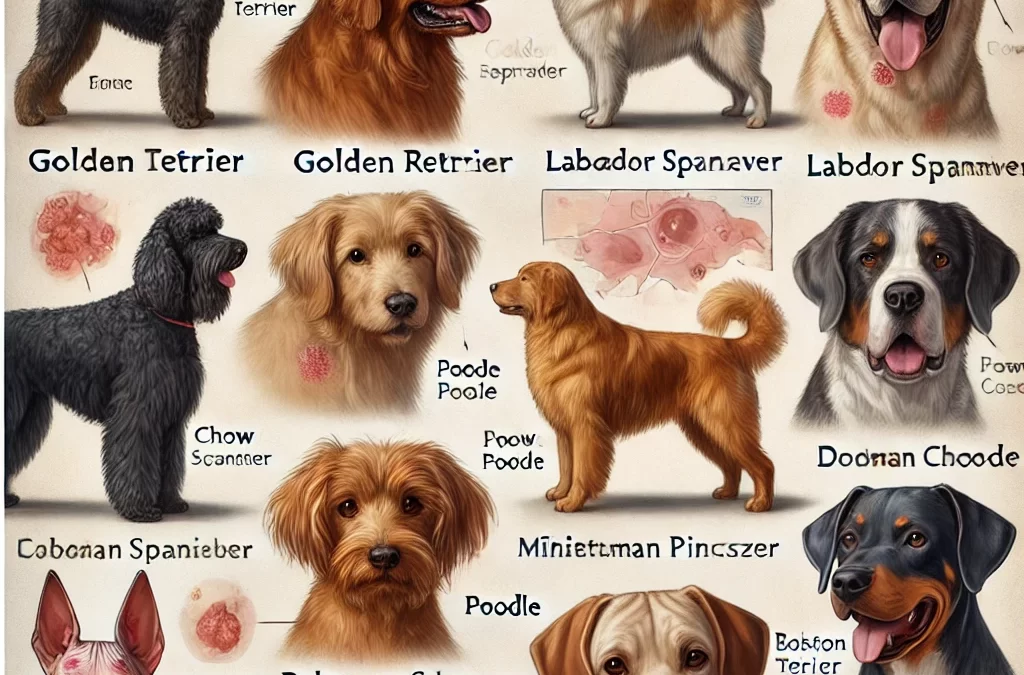
Cancer is a growing concern for pet owners, especially those with multiple dogs. When a dog in the household is diagnosed with cancer, a common question arises: Is canine cancer contagious? Understanding the nature of cancer and how it spreads can help pet owners take appropriate precautions while providing the best care for their furry companions.
Is Cancer Contagious in Dogs?
The simple answer is no—most forms of cancer in dogs are not contagious. Unlike infectious diseases caused by viruses or bacteria, cancer is the uncontrolled growth of abnormal cells within an individual’s body. It does not spread from one dog to another through direct contact, shared food bowls, or proximity.
However, there are rare exceptions, such as transmissible venereal tumors (TVT), which can spread through direct contact, particularly during mating. TVT is one of the only naturally occurring transmissible cancers in dogs, and it mainly affects stray or unneutered dogs. Apart from this, conventional cancers such as lymphoma, osteosarcoma, and mast cell tumors cannot be transmitted between dogs.
Can Cancer Be Influenced by Environmental Factors?
While cancer itself is not contagious, dogs living in the same household may share common environmental risks that could contribute to cancer development. These include:
Exposure to secondhand smoke – Dogs in smoking households have a higher risk of developing lung cancer and nasal tumors.
Toxic chemicals – Pesticides, herbicides, and household cleaning products may increase the risk of cancer in pets.
Diet and obesity – Poor diet and obesity-related inflammation can contribute to the development of cancer over time.
Genetics – If multiple dogs in a household are from the same bloodline or breed, they may have a genetic predisposition to certain cancers.
What Should Multi-Dog Owners Do?
Even though cancer is not contagious, pet owners should take certain precautions to ensure the health and well-being of all their dogs:
1. Maintain a Healthy Environment
Keep your home free of harmful toxins, including cigarette smoke and harsh chemicals.
Avoid using pesticides and herbicides in areas where your dogs play.
2. Support a Nutritious Diet
Feed all dogs a balanced, high-quality diet with fresh, natural ingredients.
Consider supplements that support immune health, such as omega-3 fatty acids and antioxidants.
3. Monitor for Symptoms in Other Dogs
Regularly check for lumps, swelling, weight loss, or behavioral changes.
Schedule annual veterinary check-ups and routine cancer screenings, especially for senior dogs or breeds prone to cancer.
4. Provide Emotional Support
If one dog is diagnosed with cancer, other dogs in the household may experience stress or behavioral changes.
Maintain a stable routine and provide comfort to all pets in the home.
5. Consult a Veterinarian
If you have concerns about cancer risks in your home, consult your vet for personalized advice on prevention and early detection.
Conclusion
Canine cancer is not contagious, but shared environmental factors and genetic predispositions may influence cancer risks in multiple dogs within a household. By maintaining a healthy home, providing proper nutrition, and staying vigilant for symptoms, pet owners can help their dogs live longer, healthier lives. If one of your dogs is diagnosed with cancer, offering love, comfort, and appropriate medical care is the best way to support them while ensuring the well-being of your entire pack.
Melanoma is one of the most concerning cancers in dogs, often appearing in the mouth, skin, nail beds, and even the eyes. While all dogs can develop melanoma, certain breeds are genetically predisposed due to their pigmentation, skin characteristics, and other biological factors. This article explores which dog breeds are more susceptible to melanoma, the role of environmental factors, and how pet owners can take preventive measures.
Why Are Some Breeds More Prone to Melanoma?
Melanoma arises from melanocytes, the pigment-producing cells in a dog’s body. The following factors contribute to an increased risk in certain breeds:
Genetic predisposition – Some breeds inherit a higher likelihood of abnormal melanocyte growth.
Pigmentation & coat color – Dogs with dark pigmentation, particularly black-coated breeds, are often more prone to oral melanoma. Conversely, lightly pigmented dogs are more susceptible to skin melanoma in sun-exposed areas.
Environmental triggers – Prolonged sun exposure, immune system function, and even diet can influence the development of melanoma in dogs.
Breeds with Higher Risk of Melanoma
Research and veterinary case studies suggest that the following breeds have a higher risk of developing melanoma:
Scottish Terrier – Often linked to skin melanoma, especially in sun-exposed areas.
Golden Retriever – Prone to various cancers, including melanoma, particularly in their mouths.
Labrador Retriever – Increased cases of oral melanoma have been reported.
Cocker Spaniel – Higher occurrence of melanoma, particularly in the eyes (ocular melanoma).
Chow Chow – Their dark pigmentation increases susceptibility to oral melanoma.
Poodle – Miniature and standard Poodles have been diagnosed with nail bed melanoma.
Dachshund – More likely to develop skin melanoma due to genetic factors.
Doberman Pinscher – Higher incidence of oral and nail bed melanomas.
Miniature Schnauzer – Prone to both skin and oral melanoma.
Boston Terrier – Increased risk of skin melanoma, especially in lighter-colored individuals.
Environmental & Lifestyle Factors That Increase Risk
Even if a dog is not from a high-risk breed, external factors can still influence melanoma development:
Sun exposure – Dogs with lighter skin or thin fur are at risk of UV-induced skin melanoma.
Oral hygiene – Poor dental care can contribute to inflammation, potentially increasing oral melanoma risks.
Age – Older dogs are more prone to cellular mutations that lead to melanoma.
Toxins & diet – Chemical exposure and a lack of antioxidants in a dog’s diet may play a role in cancer susceptibility.
Preventive Measures for Dog Owners
Routine vet check-ups – Early detection is crucial, especially for high-risk breeds.
Oral and skin examinations – Regularly check inside your dog’s mouth, paws, and skin for unusual growths.
Sunscreen protection – Light-skinned dogs should avoid excessive sun exposure, and pet-safe sunscreen can help.
A balanced diet – Antioxidants and omega-3 fatty acids can support immune function and reduce inflammation.
Maintain oral health – Brushing your dog’s teeth and providing dental chews may lower oral melanoma risks.
Final Thoughts
While melanoma is an aggressive cancer, awareness of breed-specific risks and proactive care can help in early detection and prevention. Regular check-ups, a healthy diet, and vigilant monitoring can make a significant difference in a dog’s health. If you notice any unusual lumps, especially in your dog’s mouth, seek veterinary advice as soon as possible.
As a pet owner, discovering a lump on your dog can be alarming. The first thought that often comes to mind is, “Is it cancer?” However, not all lumps and bumps are tumors, and even if they are, not all tumors are malignant. Understanding the different types of growths, their potential causes, and the best course of action can help you make informed decisions about your dog’s health.
Common Causes of Lumps on Dogs
Lumps on dogs can arise for various reasons, ranging from benign fatty deposits to more concerning cancerous tumors. Here are some of the most common causes:
1. Lipomas (Fatty Tumors)
Lipomas are one of the most frequently found lumps on dogs, especially in older or overweight dogs. These are soft, movable, and usually harmless fatty deposits under the skin. While they typically don’t require treatment, a vet may recommend removal if they grow too large or interfere with movement.
2. Sebaceous Cysts
Sebaceous cysts occur when a hair follicle or oil gland becomes blocked, forming a lump filled with sebum (a greasy substance). These cysts can sometimes rupture and ooze a whitish or yellowish discharge. Most are benign, but they may need draining or removal if they become infected.
3. Abscesses
An abscess is a swollen, pus-filled area often caused by infections, insect bites, or wounds. These lumps can be warm, red, and painful to the touch. Abscesses may rupture on their own, but they usually require veterinary treatment, including drainage and antibiotics.
4. Warts (Papillomas)
Canine warts are caused by the papillomavirus and typically appear in younger dogs or those with weakened immune systems. These small, cauliflower-like growths usually resolve on their own but may require removal if they interfere with eating or movement.
5. Histiocytomas
Histiocytomas are benign tumors that commonly affect younger dogs. They appear as small, red, dome-shaped lumps, often on the legs, face, or ears. Many histiocytomas resolve on their own within a few months, though some may require removal if they persist.
6. Mast Cell Tumors (MCTs)
Mast cell tumors are among the most common skin cancers in dogs. They can vary in appearance—some may look like harmless lumps while others may be ulcerated or inflamed. MCTs can be aggressive, so any suspicious lump should be evaluated by a vet promptly.
7. Soft Tissue Sarcomas
These malignant tumors develop in connective tissues and can be slow-growing or aggressive. They often feel firm and may not be easily movable under the skin. Early detection and removal are crucial for a better prognosis.
How to Identify Whether a Lump is Concerning
While some lumps are harmless, others may require immediate veterinary attention. Consider the following characteristics:
Size & Growth Rate: If a lump grows rapidly, it may indicate malignancy.
Texture & Mobility: Soft, movable lumps are often benign, whereas firm, attached lumps can be more concerning.
Color & Appearance: Ulcerated, inflamed, or bleeding lumps warrant immediate examination.
Pain & Discomfort: If your dog reacts negatively to touch, it may indicate an infection or malignancy.
What to Do If You Find a Lump on Your Dog
1. Monitor the Lump
If the lump is small, soft, and not causing discomfort, you can monitor it for a few weeks. Take note of any changes in size, shape, or color.
2. Consult a Veterinarian
If the lump is growing quickly, feels firm, is painful, or has an unusual texture, schedule a vet visit. Your vet may perform a fine needle aspiration (FNA) or a biopsy to determine whether the lump is benign or malignant.
3. Consider Removal if Necessary
Benign lumps that are large, growing, or interfering with movement may need to be surgically removed. Cancerous tumors often require surgery, radiation, or chemotherapy.
4. Maintain a Healthy Lifestyle
A balanced diet, regular exercise, and routine vet check-ups can help support your dog’s immune system and overall health, reducing the risk of tumor development.
Final Thoughts
Not every lump on your dog is a cause for panic, but it’s always best to stay vigilant. Early detection and proper veterinary assessment can make all the difference in ensuring your dog’s health and well-being. If you notice any new or changing lumps, don’t hesitate to consult a veterinarian—your furry friend’s health is worth the extra attention!
Would you like additional information on any of the specific lump types or treatment options?
Cancer in dogs, much like in humans, is a complex interplay of genetic predisposition and external factors. While genetics may predispose certain breeds to specific cancers, environmental and dietary triggers often act as catalysts, accelerating the onset of the disease. This article dives deep into the hidden culprits in your dog’s surroundings and diet, unveiling actionable insights to reduce risks and promote a healthier, longer life.
Environmental Triggers: Hidden Dangers in Everyday Life
Dogs are highly adaptable creatures, but their close proximity to human environments exposes them to a plethora of carcinogens. Here are the most common environmental factors linked to canine cancer:
Pesticides and Herbicides The lush green lawn your dog loves to frolic in might harbor unseen dangers. Many pesticides and herbicides contain chemicals like glyphosate, which have been associated with increased cancer risk. Studies show a significant correlation between exposure to these chemicals and lymphoma in dogs.What You Can Do: Opt for organic gardening solutions or restrict your dog’s access to treated areas for at least 48 hours.
Secondhand Smoke Exposure to tobacco smoke can double the risk of lung cancer in dogs, particularly those living in small or poorly ventilated spaces. Short-nosed breeds like pugs and bulldogs are especially vulnerable due to their respiratory anatomy.What You Can Do: Establish a smoke-free home and ensure adequate ventilation if smoking occurs outdoors.
Household Cleaning Products Many cleaning products release volatile organic compounds (VOCs) that can irritate a dog’s respiratory system and potentially contribute to cancers over prolonged exposure.What You Can Do: Use pet-safe, non-toxic cleaning agents and avoid heavily fragranced products.
Pollution and Industrial Exposure Dogs living near industrial zones or high-traffic areas may inhale carcinogenic pollutants like benzene and asbestos. These toxins can accumulate over time, affecting the respiratory and immune systems.What You Can Do: Consider air purifiers for indoor environments and minimize walks during high pollution hours.
Dietary Triggers: The Impact of Nutrition on Cancer Risk
Diet is a cornerstone of health, and for dogs, it can either be a shield or a sword. Unfortunately, many commercial pet foods and dietary habits may inadvertently increase cancer risks.
Low-Quality Commercial Pet Foods Some pet foods are laden with artificial preservatives, dyes, and low-quality by-products. Ingredients like BHA, BHT, and ethoxyquin, often used as preservatives, have been flagged as potential carcinogens.What You Can Do: Choose premium-quality pet foods made from whole ingredients, or consider home-cooked meals tailored to your dog’s nutritional needs.
Obesity and High-Carb Diets Excess weight is a proven risk factor for cancer, and high-carbohydrate diets may contribute to obesity and fuel cancer cell growth.What You Can Do: Transition to a balanced diet rich in protein, healthy fats, and low-glycemic vegetables.
Contaminated Water and Food Tap water contaminated with heavy metals or pesticides can increase cancer risks, as can food containing mycotoxins from moldy grains.What You Can Do: Provide filtered water and inspect pet food storage conditions to prevent contamination.
Overfeeding and Treat Choices Frequent overfeeding and reliance on sugary treats may lead to metabolic imbalances and inflammatory conditions, which are precursors to cancer.What You Can Do: Monitor portion sizes and opt for natural treats like freeze-dried meats or fresh vegetables.
Proactive Measures for Cancer Prevention
Regular Veterinary Checkups Early detection is key to managing cancer. Schedule routine vet visits and keep an eye out for unusual lumps or changes in behavior.
Exercise and Enrichment Physical activity strengthens the immune system, reduces stress, and helps maintain a healthy weight, all of which lower cancer risks.
Natural Supplements Certain herbs and supplements, like turmeric or medicinal mushrooms, are known for their anti-cancer properties. Consult your vet before adding these to your dog’s diet.
By addressing environmental and dietary triggers, pet owners can take proactive steps to minimize the risk of cancer in their dogs. A combination of informed choices and regular care can go a long way in ensuring your furry friend enjoys a long, healthy life.
When it comes to dogs, size does matter—but not just in the ways we typically think. While large dogs are admired for their strength and small dogs for their charm, recent studies have uncovered a surprising connection between a dog’s size and their risk of developing cancer. Let’s dive into this intriguing link and explore what it means for pet owners.
The Science Behind Size and Cancer Risk
Studies have shown that larger breeds, such as Great Danes, Bernese Mountain Dogs, and Rottweilers, are more prone to certain cancers compared to their smaller counterparts. But why? The answer lies in biology. Large dogs grow faster and have more cells in their bodies. This increased cellular activity raises the chances of mutations, which can lead to cancer.
On the other hand, small breeds like Chihuahuas and Dachshunds tend to have a lower cancer risk but are not completely immune. Certain cancers, such as mast cell tumors, can still affect smaller dogs, often due to genetic predispositions rather than size.
Fast Growth: A Double-Edged Sword
Large breeds experience rapid growth spurts during puppyhood, putting immense strain on their bodies. This fast growth can result in less stable cell division, which increases the risk of abnormal cell behavior over time. Additionally, the metabolic demands of larger dogs may accelerate aging, making them more susceptible to diseases, including cancer, as they grow older.
Longevity and Cancer Risk
Small dogs often live significantly longer than large breeds. While this longevity gives small dogs more time to develop age-related conditions, it also means their slower growth and cellular turnover may protect them from early-onset cancers commonly seen in larger breeds. In contrast, the shorter lifespan of larger dogs often correlates with a higher prevalence of aggressive cancers at a younger age.
What Pet Owners Can Do
Pet owners can take proactive steps to minimize cancer risks, regardless of their dog’s size. Regular veterinary check-ups, balanced diets, and proper exercise routines are essential. For large breeds, special attention should be given to maintaining a healthy weight, as obesity can further exacerbate cancer risks. Small dogs, while less prone to size-related cancers, still benefit from genetic screenings to identify hereditary risks early.
Redefining “Size Matters”
The link between size and cancer risk challenges us to rethink our approach to dog care. While we can’t change a dog’s size, understanding how it influences their health can help us make informed decisions. From choosing breeds to tailoring care routines, this knowledge empowers pet owners to give their furry friends the best chance at a long, healthy life.
In the end, whether big or small, every dog deserves love, attention, and proactive health care. By staying informed, we can all play a role in reducing cancer risks and ensuring our canine companions thrive.