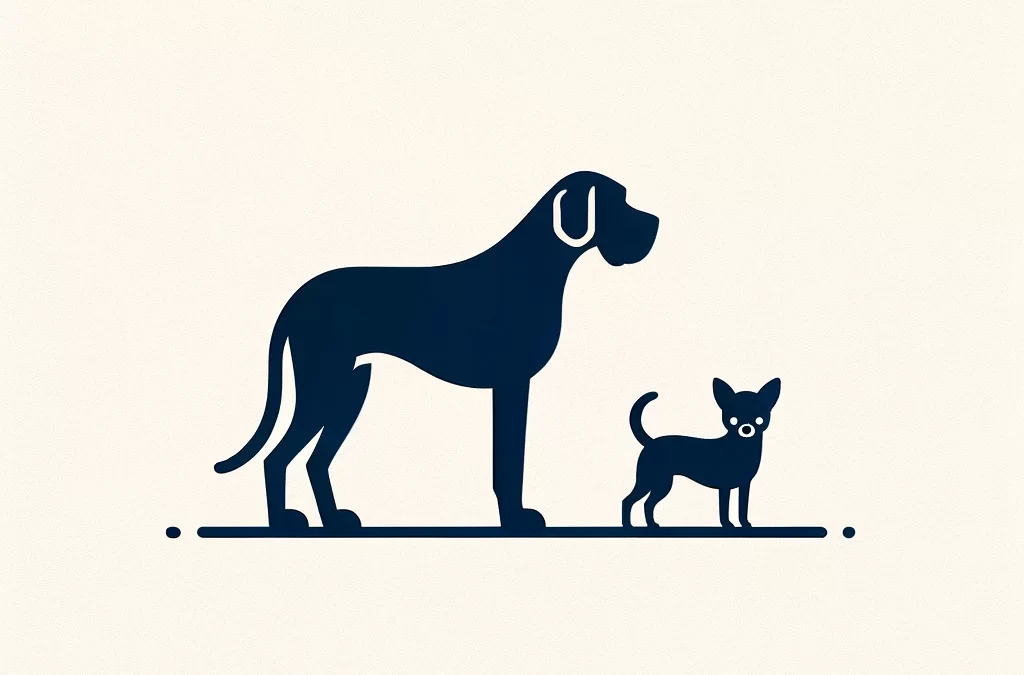
When it comes to dogs, size does matter—but not just in the ways we typically think. While large dogs are admired for their strength and small dogs for their charm, recent studies have uncovered a surprising connection between a dog’s size and their risk of developing cancer. Let’s dive into this intriguing link and explore what it means for pet owners.
The Science Behind Size and Cancer Risk
Studies have shown that larger breeds, such as Great Danes, Bernese Mountain Dogs, and Rottweilers, are more prone to certain cancers compared to their smaller counterparts. But why? The answer lies in biology. Large dogs grow faster and have more cells in their bodies. This increased cellular activity raises the chances of mutations, which can lead to cancer.
On the other hand, small breeds like Chihuahuas and Dachshunds tend to have a lower cancer risk but are not completely immune. Certain cancers, such as mast cell tumors, can still affect smaller dogs, often due to genetic predispositions rather than size.
Fast Growth: A Double-Edged Sword
Large breeds experience rapid growth spurts during puppyhood, putting immense strain on their bodies. This fast growth can result in less stable cell division, which increases the risk of abnormal cell behavior over time. Additionally, the metabolic demands of larger dogs may accelerate aging, making them more susceptible to diseases, including cancer, as they grow older.
Longevity and Cancer Risk
Small dogs often live significantly longer than large breeds. While this longevity gives small dogs more time to develop age-related conditions, it also means their slower growth and cellular turnover may protect them from early-onset cancers commonly seen in larger breeds. In contrast, the shorter lifespan of larger dogs often correlates with a higher prevalence of aggressive cancers at a younger age.
What Pet Owners Can Do
Pet owners can take proactive steps to minimize cancer risks, regardless of their dog’s size. Regular veterinary check-ups, balanced diets, and proper exercise routines are essential. For large breeds, special attention should be given to maintaining a healthy weight, as obesity can further exacerbate cancer risks. Small dogs, while less prone to size-related cancers, still benefit from genetic screenings to identify hereditary risks early.
Redefining “Size Matters”
The link between size and cancer risk challenges us to rethink our approach to dog care. While we can’t change a dog’s size, understanding how it influences their health can help us make informed decisions. From choosing breeds to tailoring care routines, this knowledge empowers pet owners to give their furry friends the best chance at a long, healthy life.
In the end, whether big or small, every dog deserves love, attention, and proactive health care. By staying informed, we can all play a role in reducing cancer risks and ensuring our canine companions thrive.
In recent years, the connection between gut health and overall well-being has become a topic of great interest, not only for humans but also for our pets. The gut microbiome—the complex community of bacteria living in the digestive tract—plays a significant role in various aspects of health, including immunity, digestion, and even cancer risk. In this article, we’ll explore the link between your dog’s gut bacteria and cancer, and how maintaining a healthy microbiome can potentially reduce cancer risk.
Understanding the Gut Microbiome in Dogs
The gut microbiome consists of trillions of microorganisms, including bacteria, fungi, and viruses, that live in the gastrointestinal tract of animals. In dogs, these microbes help break down food, produce essential nutrients, and support the immune system. A balanced microbiome is crucial for your dog’s overall health, as it helps prevent inflammation and protects against diseases, including cancer.
The Gut-Cancer Connection
Researchers have discovered that the gut microbiome has a profound impact on cancer development and progression. Here’s how gut bacteria may influence cancer risk in dogs:
Immune System Regulation: The gut microbiome plays a critical role in regulating the immune system. A healthy, balanced microbiome promotes a strong immune response, which can detect and destroy cancer cells early. On the other hand, an imbalanced microbiome (dysbiosis) can weaken the immune system, making it harder for the body to fight off cancerous cells.
Chronic Inflammation: An unhealthy gut microbiome can lead to chronic inflammation in the body, which is a known risk factor for cancer. Inflammation causes cells to become damaged, and over time, this can result in mutations and the formation of tumors.
Toxin Production: Some harmful bacteria in the gut produce toxins that can damage DNA and promote cancer development. Keeping the gut microbiome in balance can help prevent the overgrowth of these harmful bacteria.
Impact on Cancer Treatments: Recent studies suggest that the gut microbiome may influence how well cancer treatments, such as chemotherapy and immunotherapy, work. A healthy microbiome may improve treatment outcomes, while an imbalanced one may reduce the effectiveness of these therapies.
Signs of an Unhealthy Gut in Dogs
It’s essential to monitor your dog’s gut health to ensure their microbiome is functioning correctly. Signs of an unhealthy gut include:
Digestive issues: Diarrhea, constipation, bloating, and excessive gas can indicate an imbalance in the gut bacteria.
Skin problems: Chronic itching, inflammation, and infections may be related to poor gut health.
Weakened immune system: Frequent infections or a slow recovery from illness can be signs that your dog’s gut microbiome isn’t supporting their immune function.
Behavioral changes: Some dogs with gut imbalances may become more anxious, lethargic, or display behavioral changes due to discomfort.
How to Support Your Dog’s Gut Health
Supporting your dog’s gut health is crucial for their overall well-being and may help reduce their cancer risk. Here are some ways to maintain a healthy microbiome in dogs:
Probiotics and Prebiotics: These supplements can help maintain the balance of beneficial bacteria in your dog’s gut. Probiotics introduce good bacteria, while prebiotics serve as food for these bacteria, promoting their growth.
High-Quality Diet: A balanced, high-quality diet rich in fiber, vitamins, and minerals can support gut health. Avoid processed foods and focus on whole, nutrient-dense ingredients to nourish your dog’s microbiome.
Avoid Overuse of Antibiotics: While antibiotics are sometimes necessary, overuse can kill off beneficial bacteria in the gut, leading to dysbiosis. Only use antibiotics when prescribed by your veterinarian and discuss alternatives when possible.
Regular Exercise: Physical activity can promote healthy gut bacteria and improve digestion. Make sure your dog gets regular exercise to keep their gut functioning optimally.
Stress Management: Just like humans, dogs experience stress, which can negatively impact their gut health. Providing a calm environment, routine, and mental stimulation can help keep your dog’s gut bacteria in balance.
Can Gut Health Prevent Cancer in Dogs?
While no single factor can completely prevent cancer, maintaining a healthy gut microbiome may reduce your dog’s risk of developing cancer. By supporting your dog’s immune system, reducing chronic inflammation, and keeping harmful bacteria in check, a balanced microbiome can play a key role in protecting your dog from cancer.
The connection between your dog’s gut bacteria and cancer risk is an emerging area of research that highlights the importance of gut health in disease prevention. By focusing on maintaining a balanced gut microbiome, you can help support your dog’s overall health and potentially reduce their risk of cancer. Remember to consult your veterinarian before making any changes to your dog’s diet or health regimen to ensure their specific needs are met.
Cancer is one of the leading causes of death in dogs, and researchers have found that a dog’s size plays a significant role in determining its risk of developing cancer. While all dogs are susceptible to cancer, studies have shown that larger breeds are more prone to certain types of cancers than smaller breeds. Understanding this link between size and cancer risk can help dog owners make informed decisions about their pets’ health and care. In this article, we’ll explore why large dogs have a higher risk of cancer, the most common cancers in large breeds, and how to reduce your dog’s cancer risk.
The Link Between Size and Cancer Risk
Several studies have indicated that large and giant dog breeds are more likely to develop cancer than small and medium-sized breeds. The primary reason for this increased risk is believed to be related to the biology of larger dogs, including their accelerated growth rate, shorter lifespan, and larger number of cells, all of which may contribute to a higher likelihood of cancer development.
1. Faster Growth Rates
Large breed dogs tend to grow rapidly during their early stages of life. This accelerated growth can result in abnormal cell replication, which increases the chances of cells developing into cancerous tumors. The faster the growth, the more opportunities there are for errors in DNA replication, which can lead to cancer.
2. Shorter Lifespan
On average, larger dogs live shorter lives than smaller dogs. While small dogs may live 12 to 15 years or more, giant breeds like Great Danes or Saint Bernards typically live only 7 to 10 years. Since cancer is often a disease that develops with age, large dogs experience the aging process faster, which can result in an earlier onset of cancer.
3. Increased Cell Volume
Large dogs have more cells than smaller dogs, simply because they are larger animals. The greater the number of cells in a dog’s body, the more opportunities there are for mutations and the development of cancerous cells. This correlation between cell volume and cancer risk is one of the key reasons why larger breeds are more susceptible to cancer.
Common Cancers in Large Dog Breeds
While cancer can affect any dog, certain types of cancer are more commonly found in larger breeds. Being aware of these specific cancer types can help dog owners stay vigilant and seek early treatment if necessary.
1. Osteosarcoma (Bone Cancer)
Osteosarcoma is a common type of bone cancer, particularly in large and giant breeds such as Great Danes, Rottweilers, and Irish Wolfhounds. It often affects the long bones of the legs and can be aggressive, spreading to other areas of the body. Early symptoms include limping, swelling, and pain in the affected area.
2. Hemangiosarcoma
Hemangiosarcoma is an aggressive cancer that affects the blood vessels and is most commonly found in larger breeds like German Shepherds and Golden Retrievers. This type of cancer typically affects the spleen, liver, and heart. It can be difficult to detect in its early stages, often presenting with vague symptoms like lethargy or loss of appetite.
3. Lymphoma
Lymphoma, a cancer of the lymphatic system, is prevalent across all dog sizes but is particularly common in larger breeds. Dogs with lymphoma may develop swollen lymph nodes, loss of appetite, and lethargy. It can often be treated successfully if caught early, though it may recur.
4. Mast Cell Tumors
Mast cell tumors are skin cancers that occur more frequently in larger dogs. These tumors can appear as lumps or bumps on the skin and may vary in size and appearance. While some mast cell tumors are benign, others can be malignant and spread to other parts of the body.
How to Reduce Cancer Risk in Large Dogs
While a dog’s size can contribute to cancer risk, there are several ways to reduce the likelihood of cancer development and promote overall health.
1. Maintain a Healthy Weight
Obesity is a significant risk factor for cancer in dogs. Maintaining a healthy weight through proper diet and regular exercise can reduce the strain on your dog’s body and lower the risk of cancer. Overweight dogs are more likely to develop chronic inflammation, which can lead to cancerous cell mutations.
2. Regular Veterinary Checkups
Early detection is critical in treating cancer. Schedule regular veterinary checkups to monitor your dog’s health, particularly as they age. Your vet can perform routine blood work and physical exams to detect early signs of cancer or other health issues.
3. Spaying and Neutering
Spaying and neutering your dog can reduce the risk of certain cancers, particularly reproductive cancers such as mammary cancer in females and testicular cancer in males. Consult with your veterinarian to determine the best time to spay or neuter your dog, as early intervention can help prevent cancer from developing.
4. Provide a Nutrient-Rich Diet
Feeding your dog a balanced, nutrient-dense diet can support their immune system and overall health. Include high-quality proteins, healthy fats, and antioxidant-rich fruits and vegetables to help reduce inflammation and support cellular health.
5. Avoid Exposure to Toxins
Limit your dog’s exposure to known carcinogens, such as tobacco smoke, pesticides, and certain chemicals. Providing a clean, toxin-free environment can lower the chances of your dog developing cancer.
While larger dogs are more prone to cancer due to their size, there are many proactive steps you can take to reduce the risk. From maintaining a healthy weight and regular checkups to providing a nutritious diet and minimizing exposure to toxins, you can help your large dog live a healthier and longer life. Always consult with your veterinarian if you have concerns about your dog’s cancer risk or notice unusual symptoms.
As pet owners, we often strive to provide our dogs with the best possible lifestyle, which includes plenty of exercise and fun activities. Swimming is a popular choice, especially during the hot summer months, as it offers a low-impact way for dogs to stay fit and cool. However, a question that has been emerging among pet owners and veterinarians alike is whether regular swimming could potentially raise the risk of skin cancer in dogs.
Understanding Skin Cancer in Dogs
Skin cancer in dogs is a serious condition that can manifest in various forms, including malignant melanoma, squamous cell carcinoma, and mast cell tumors. These cancers can arise from different factors such as genetic predisposition, exposure to UV radiation, and even environmental toxins.
The Role of UV Radiation
One of the primary concerns with regular swimming is the increased exposure to UV radiation. Just like humans, dogs can suffer from the harmful effects of the sun’s UV rays. While swimming in water, the sun’s rays can reflect off the surface, potentially increasing the amount of UV exposure. Dogs with lighter skin and thin coats are particularly susceptible to UV damage, which can increase the risk of developing skin cancer over time.
Factors That May Influence Risk
Several factors can influence whether a dog’s regular swimming habits might lead to an increased risk of skin cancer:
Breed and Coat Type: Dogs with lighter skin and short, sparse fur are more prone to sunburn and UV damage. Breeds such as Dalmatians, Bull Terriers, and Boxers are among those at higher risk.
Duration and Time of Day: The amount of time spent swimming and the time of day are crucial. Midday sun, when UV rays are strongest, can significantly increase the risk.
Geographical Location: Areas with higher sun intensity and longer sunny seasons can pose a greater risk to regularly swimming dogs.
Preventive Measures
To ensure your dog enjoys the benefits of swimming while minimizing the risk of skin cancer, consider the following preventive measures:
Sun Protection: Use pet-safe sunscreen on vulnerable areas such as the nose, ears, and belly. Look for products specifically designed for dogs, as human sunscreens can contain harmful ingredients.
Timing and Duration: Limit swimming sessions to early morning or late afternoon when the sun’s rays are less intense. Avoid prolonged exposure during peak UV times.
Protective Clothing: Invest in UV-protective clothing for dogs, such as rash guards or sun shirts, to provide an additional layer of protection.
Regular Check-Ups: Schedule regular veterinary check-ups and skin examinations to catch any early signs of skin cancer. Early detection is key to successful treatment.
While regular swimming can offer numerous benefits for your dog’s physical and mental well-being, it is essential to be aware of the potential risks associated with increased UV exposure. By taking preventive measures and staying vigilant, you can help ensure your dog remains healthy and enjoys a safe swimming experience. Always consult with your veterinarian for personalized advice and recommendations based on your dog’s specific needs and health status.
As pet owners become increasingly aware of the importance of nutrition in maintaining their dogs’ health, the role of dietary patterns in preventing and managing canine cancer is gaining attention. This article delves into how specific dietary choices can influence cancer risk in dogs, providing insights into optimal nutrition strategies for your furry friend.
Understanding the Connection
Cancer is a multifactorial disease influenced by genetics, environment, and lifestyle factors, including diet. Research suggests that what dogs eat can significantly impact their risk of developing cancer. By understanding this connection, pet owners can make informed decisions to help reduce their dogs’ cancer risk.
The Role of Diet in Cancer Prevention
High-Quality Protein: Providing dogs with high-quality, easily digestible protein sources can support overall health and immune function. Lean meats, fish, and eggs are excellent choices.
Antioxidant-Rich Foods: Antioxidants help neutralize harmful free radicals that can damage cells and lead to cancer. Incorporating fruits and vegetables like blueberries, carrots, and spinach into your dog’s diet can boost their antioxidant intake.
Healthy Fats: Omega-3 fatty acids, found in fish oil and flaxseed, have anti-inflammatory properties that may help reduce cancer risk. These healthy fats support cell function and immune response.
Low Carbohydrate Diets: Some studies suggest that reducing carbohydrate intake may help starve cancer cells, which rely on glucose for energy. A diet low in simple sugars and refined carbohydrates can be beneficial.
Avoiding Harmful Ingredients
Artificial Additives: Preservatives, colors, and flavors can contribute to inflammation and increase cancer risk. Opt for natural, additive-free dog foods.
Processed Foods: Highly processed foods often contain harmful chemicals and lower nutritional value. Choosing whole, minimally processed foods is a healthier option.
Obesity: Maintaining a healthy weight is crucial, as obesity is a known risk factor for various cancers. Regular exercise and portion control are key.
Implementing a Cancer-Preventive Diet
Consult with a Veterinarian: Before making significant changes to your dog’s diet, consult with a veterinarian or a veterinary nutritionist to ensure the diet meets your dog’s specific needs.
Balanced Nutrition: Ensure the diet is well-balanced, providing all essential nutrients. Consider commercial diets formulated for cancer prevention or homemade diets tailored to your dog’s health.
Regular Monitoring: Regular check-ups and monitoring of your dog’s health can help detect any issues early and adjust the diet as needed.
Recent Research and Developments
Recent studies have highlighted the potential of certain dietary components in reducing cancer risk. For example, a study published in the Journal of Veterinary Internal Medicine found that dogs fed a diet rich in fish oil and antioxidants showed a lower incidence of cancer.
Another study explored the benefits of ketogenic diets, which are high in fat and low in carbohydrates, in managing cancer in dogs. The findings indicated that such diets might help slow tumor growth and improve overall outcomes.
Diet plays a crucial role in influencing cancer risk in dogs. By focusing on high-quality proteins, antioxidant-rich foods, healthy fats, and reducing harmful ingredients, pet owners can help support their dogs’ health and potentially reduce their risk of cancer. Ongoing research continues to shed light on the intricate relationship between diet and canine cancer, offering hope for more effective prevention strategies.