Dog cancer symptoms can be difficult to notice at first, yet paying close attention to subtle changes in a dog’s behavior, appearance, and daily patterns can make a meaningful difference in early detection. This focus on observations suits responsible pet guardians who want to stay informed, learn what might indicate tumor signs, and collaborate with their veterinarians. Understanding the indicators of potential issues doesn’t replace professional guidance; instead, it equips owners to seek veterinary evaluation sooner. The following guide explores what to watch for, why vigilance matters, and how to create supportive routines for dogs who might be facing health challenges.
—
Why Monitoring Dog Cancer Symptoms Matters
Cancer can affect nearly any body system in dogs, from skin and soft tissues to internal organs. Many types progress quietly, which is why ongoing observation and partnership with a veterinarian are so important. When guardians recognize potential tumor signs early, professionals can examine, run tests, and recommend next steps.
Pets rely on their owners to notice changes they cannot communicate. An attentive observer can detect variations in:
– Behavior and mood
– Eating and drinking patterns
– Weight or muscle tone
– Skin, fur, or visible lumps
– Activity level and endurance
– Mobility and coordination
Early detection is less about labeling a symptom as cancer and more about understanding that unusual patterns deserve veterinary attention. A timely exam may offer more options for management, monitoring, and comfort strategies.
—
Key Categories of Dog Cancer Symptoms
Many dogs display certain common indicators when their bodies are under cancer-related stress. Not all signs are specific, but noticing them prompts valuable questions during vet visits.
Visible Masses or Skin Changes
– New lumps: A new growth or bump that was not present before, especially if it grows rapidly.
– Changing existing lumps: A previously stable mass that begins enlarging, changing shape, or causing discomfort.
– Skin alterations: Discoloration, thickening, ulceration, or non-healing sores can suggest underlying tissue changes.
Because not every lump is cancer, veterinarians often perform fine needle aspirates or biopsies to understand cell structure and growth patterns. Owners can assist by tracking how long lumps have been present, measuring size changes every week or two, and noting any tenderness or discharge.
Appetite and Weight Shifts
– Reduced appetite or pickiness: A dog that normally enjoys meals but starts eating less could be experiencing discomfort or metabolic changes.
– Unexplained weight loss: Dropping pounds despite normal food intake can signal the body is burning energy differently.
– Increased thirst: Some systemic cancers influence hormone balance or organ function, which can increase thirst and urination.
Keeping a feeding diary helps identify patterns. Note the types of food offered, amounts consumed, and any vomiting or gastrointestinal changes. If weight loss occurs, ask your veterinarian about safe strategies to maintain body condition.
Energy, Mobility, and Mood
– Lethargy: Dogs with tumors often sleep more and tire easily. Distinguish between normal aging and sudden fatigue by tracking activity levels.
– Reluctance to exercise: Pain or weakness might cause a dog to stop playing fetch or refuse to jump onto furniture.
– Behavioral shifts: Irritability, anxiety, or clinginess may reflect underlying discomfort.
Monitoring mobility includes watching for limping, difficulty climbing stairs, or stiffness after rest. Joint pain isn’t always arthritis; bone tumors can cause similar signs. Early detection of mobility changes allows vets to investigate.
Breathing and Circulation Symptoms
– Coughing or wheezing: Persistent coughs or unusual breathing sounds sometimes signal tumors in the chest or respiratory system.
– Labored breathing: Shortness of breath at rest, panting heavily in cool temperatures, or a bluish gum color can indicate reduced oxygen flow.
– Fainting or collapse: Rare but serious, these events warrant immediate veterinary evaluation.
While respiratory issues may stem from allergies, infections, or heart conditions, tumors are part of the differential diagnosis. If a dog’s breathing changes drastically, make notes about triggers, duration, and recovery before the vet visit.
Digestive and Urinary Changes
– Vomiting or diarrhea: Frequent or persistent gastrointestinal upset—especially when blood is present—might signal internal tumors affecting digestion.
– Difficulty swallowing: Excess drooling, gagging, or reluctance to chew can occur when masses develop in the mouth or throat.
– Changes in urination: Straining, increased frequency, or blood in urine may point to bladder or prostate involvement.
Keeping track of bathroom habits, including consistency, color, and frequency, helps veterinarians build a clearer picture of internal processes.
—
Early Detection Strategies for Dog Owners
Recognizing potential problems relies on consistent observation, documentation, and dialogue with veterinary professionals. Here are practical approaches:
1. Routine Home Checks: Every few weeks, gently run hands over your dog’s body, noting any new lumps, swelling, or sensitivity. Check ears, gums, belly, and paws for changes.
2. Weight Monitoring: Use a pet-safe scale or weigh yourself while holding your dog to detect subtle shifts. Mark the values on a calendar or app.
3. Symptom Journal: Record appetite, water intake, bathroom behavior, energy, and any coughing or vomiting episodes. Include the date, time, and circumstances.
4. Photographic Tracking: Take clear pictures of lumps or lesions with a ruler next to them. This visual timeline helps assess growth rates.
5. Regular Vet Visits: Annual or biannual exams allow professionals to compare new findings with previous records. Senior dogs often benefit from more frequent checkups.
Structured observation doesn’t mean expecting cancer; it simply ensures owners have accurate information if a health concern arises.
—
Working With Veterinarians on Potential Tumor Signs
When dog cancer symptoms are suspected, veterinarians may recommend diagnostic tools:
– Physical examination: Palpating lumps, checking lymph nodes, assessing pain response.
– Bloodwork: Evaluating organ function, red and white blood cell counts, and other markers.
– Imaging: X-rays, ultrasound, CT, or MRI scans help visualize internal structures and tumor locations.
– Cytology and biopsy: Collecting cells or tissue samples to examine under a microscope.
During appointments:
– Share your symptom journal and photos.
– Provide details about changes in diet, exercise, and behavior.
– Ask what the next steps will be and why they are recommended.
– Clarify which signs would require immediate follow-up.
Owners can feel overwhelmed by complex terminology. Request simplified explanations and written summaries to review at home.
—
Understanding Different Tumor Types
Dogs can develop various tumors, both benign (non-cancerous) and malignant (cancerous). Knowing common types helps owners appreciate why symptoms vary.
Skin and Subcutaneous Tumors
These are among the most frequently noticed because lumps are visible or palpable. They include:
– Lipomas: Typically benign fatty growths.
– Mast cell tumors: Can behave unpredictably, often presenting as single lumps that may ulcerate or become itchy.
– Soft tissue sarcomas: Tend to be firm and may infiltrate surrounding tissues.
Even benign masses can grow large or interfere with movement, so ongoing monitoring remains important.
Bone Tumors (Osteosarcoma)
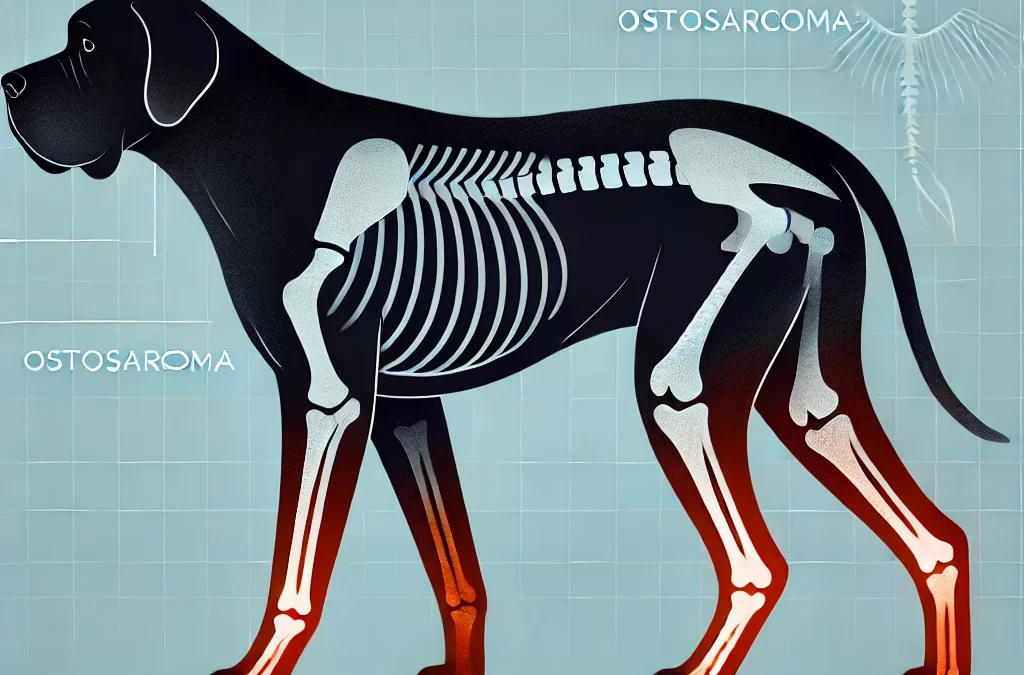
Often affecting larger breeds, osteosarcoma typically emerges in limbs. Symptoms include lameness, localized swelling, and pain. Because bone tumors weaken the affected area, fractures may occur with minimal trauma. Early veterinary consultation is vital when a dog suddenly favors a limb or exhibits unrelenting pain.
Internal Organ Tumors
Organs such as the spleen, liver, lungs, and heart can develop tumors that are harder to detect externally. Signs might include abdominal distention, breathing difficulties, fainting, or collapse. Ultrasound and radiography are key tools for discovering these tumors.
Hemangiosarcoma
This aggressive cancer originates from blood vessel cells. Splenic or cardiac hemangiosarcoma can remain hidden until significant bleeding occurs. Subtle signs include lethargy, intermittent weakness, or pale gums. Because symptoms fluctuate, owners might mistake them for ordinary tiredness. Recording each incident helps demonstrate patterns.
—
The Role of Early Detection in Veterinary Decision-Making
Early detection does not guarantee a specific outcome, but it offers:
– More data for the vet: Detailed histories and exam findings help vets tailor diagnostics.
– Better planning: Identifying tumors sooner allows owners to consider all options calmly.
– Ongoing monitoring: Some tumors progress slowly, so early detection supports regular reevaluation.
Veterinarians may create a monitoring schedule, suggest imaging, or collaborate with veterinary oncologists. Owners become part of the care team by observing, documenting, and communicating consistently.
—
Practical Tips for Supporting Dogs Showing Tumor Signs
While only veterinarians can diagnose and make medical recommendations, owners can provide daily support to help dogs stay comfortable.
1. Maintain a Calm Environment
Dogs often mirror human emotions. A quiet, predictable routine helps them feel secure. Use gentle handling when inspecting lumps or administering care routines.
2. Manage Physical Comfort
– Provide orthopedic bedding to support joints.
– Use ramps or step stools to reduce jumping strain.
– Encourage low-impact activities like short walks or sniffing games to maintain mental stimulation without overexertion.
3. Monitor Nutrition Thoughtfully
– Offer high-quality, balanced diets approved by your veterinarian.
– Split meals into smaller portions if a dog tires during eating.
– Keep fresh water available to encourage hydration.
Avoid making drastic diet changes without consulting a professional, especially if the dog has digestive issues.
4. Stay Organized
– Keep copies of veterinary reports, imaging results, and lab values.
– Use calendars or apps to note medication schedules, follow-up appointments, and symptom updates.
5. Seek Professional Guidance
– Veterinary teams may include nutritionists, physical therapists, or behaviorists who offer additional support.
– If stress levels rise, talking with a veterinary social worker or support group can help owners cope emotionally.
—
Natural Wellness Considerations (Non-Medical)
Many guardians explore natural wellness practices to complement veterinary care. Emphasizing overall well-being can enhance a dog’s daily comfort.
– Mindful grooming: Gentle brushing and massage-like strokes can relax muscles and help detect new lumps early.
– Enrichment activities: Puzzle feeders, scent games, or calm training sessions through positive reinforcement keep dogs mentally engaged.
– Stress reduction: Soft music, aromatherapy diffusers (using dog-safe options), or quiet bonding time can lower anxiety. Always introduce new scents slowly and observe reactions.
– Balanced lifestyle: Adequate rest, regular but gentle exercise, and consistent routines encourage a sense of normalcy.
These supportive measures do not treat disease but can contribute to quality of life. Discuss any new wellness approach with a veterinarian to ensure it suits your dog’s overall health plan.
—
Communicating With the Veterinary Team
Strong relationships with veterinary professionals make navigating dog cancer symptoms less daunting. Effective communication includes:
– Asking clear questions: “What signs should I watch for at home?” “When should I schedule the next check?”
– Clarifying expectations: Understand when to call the clinic if symptoms change.
– Sharing updates promptly: Emails, phone calls, or patient portals ensure vets know about new developments.
Veterinarians appreciate proactive clients who provide accurate records and follow recommendations. This collaboration benefits the dog by ensuring timely adjustments to care plans.
—
Emotional Well-Being for Owners
Discovering tumor signs in a beloved dog can be emotionally taxing. Owners often feel worried, guilty, or uncertain. A few coping strategies:
– Gather reliable information: Stick to veterinary-backed sources to avoid misinformation.
– Build a support network: Lean on family, friends, or pet-focused communities who understand the bond with your dog.
– Practice self-care: Rest, healthy eating, and time outdoors help sustain your ability to care for your pet.
– Celebrate daily moments: Even during health challenges, dogs appreciate routine affection, games, and attention.
Remaining compassionate with yourself ensures you can continue offering calm support to your dog.
—
Focus Keyword Highlight: Dog Cancer Symptoms in Everyday Life
Incorporating vigilance into daily routines makes it easier to spot dog cancer symptoms without extra stress. Consider these naturally integrated practices:
1. Morning check-ins: While feeding breakfast, observe posture, energy, and appetite.
2. Walk observations: Note any limping, unusual sniffing patterns, or reluctance to move.
3. Grooming sessions: Use brushing time to feel for lumps, examine skin, and check gums.
4. Evening wind-down: Document the day’s observations and plan questions for the vet if something seemed off.
By embedding awareness into existing routines, owners can track early detection clues efficiently.
—
Summary of Common Tumor Signs
Below is a concise list of tumor signs owners often notice. If any occur, schedule veterinary evaluation:
– New or changing lumps, bumps, or skin lesions.
– Sudden weight loss or decreased muscle tone without diet changes.
– Persistent lethargy or reduced interest in play or walks.
– Coughing, wheezing, or shortness of breath, especially at rest.
– Vomiting, diarrhea, difficulty swallowing, or blood in stool.
– Straining to urinate or defecate, noticeable blood in urine.
– Unexplained limping, particularly when accompanied by swelling.
– Pale gums, sudden weakness, or collapse.
Remember, these symptoms are not exclusive to cancer. Many other conditions may cause them, so professional evaluation is the safest path.
—
Staying Prepared Without Panic
Proactive observation should not create fear. Instead, think of it as nurturing awareness:
– Educate yourself: Learn about common breeds’ predispositions and general wellness practices.
– Schedule regular checkups: Senior dogs often need twice-yearly exams.
– Budget for vet visits: Having funds set aside eases decision-making during emergencies.
– Know emergency clinics: Keep contact information for after-hours veterinary hospitals readily available.
Being prepared fosters confidence and a sense of control when health concerns arise.
—
Final Thoughts on Early Detection and Natural Support
Spotting potential tumor signs early gives owners and veterinarians a head start in understanding what a dog’s body might be experiencing. By blending careful observation, timely veterinary consultations, and compassionate home routines, pet guardians create a supportive environment focused on comfort and quality of life. Natural wellness choices such as balanced nutrition, gentle enrichment, and calm companionship add meaningful layers of care. Stay attentive, trust your instincts, and collaborate closely with veterinary professionals to keep your dog’s well-being at the center of every decision.
Dog cancer symptoms can be elusive, subtle, and easily mistaken for everyday ailments, which is why understanding them is so important for attentive pet care. As dogs age or experience changes in their environment, owners who recognize shifts in behavior, appetite, or physical appearance can respond more quickly to potential concerns. Staying aware of shifts in your dog’s health—and knowing when to consult a veterinarian—can help you give your pet the most informed and compassionate care possible.
Why Monitoring Dog Cancer Symptoms Matters
Early detection gives pet owners more options. Tumors in dogs do not always appear with obvious signs, but noticing changes early can lead to more thorough evaluation and informed decision-making. When pet parents observe unusual lumps, energy levels, or eating habits, they’re better equipped to seek timely veterinary guidance.
Grounding Yourself in Canine Health Basics
Before diving into specific tumor signs, it’s helpful to understand the role of overall health monitoring. Dogs express discomfort or illness differently than humans. Small adjustments—like increased thirst, reduced appetite, or reluctance to play—may seem minor but can be clues to deeper issues. Tracking daily routines and behaviors:
– Helps identify patterns more clearly.
– Offers useful information for veterinary visits.
– Encourages owners to act promptly when something is off.
Common Tumor Signs in Dogs
Not all tumors are cancerous, and not all dog cancer symptoms point to a serious issue. However, staying aware of certain changes can be valuable. Common indicators that warrant veterinary attention include:
– New lumps or bumps that grow over time.
– Weight loss without a change in diet.
– Persistent fatigue or uncharacteristic lethargy.
– Changes in eating or drinking habits.
– Trouble breathing or persistent coughing.
– Unexplained bleeding or bruising.
– Altered bowel or bladder habits.
– Difficulty walking, jumping, or climbing stairs.
Each dog is unique, so one symptom alone may not reveal much. Tracking combinations of these signs—especially when they persist—offers a clearer picture for your veterinarian.
Early Detection and the Role of Routine Veterinary Visits
Scheduling regular veterinary checkups supports early detection by allowing professionals to spot subtle changes. Veterinarians can evaluate murmurs, monitor organ function, and detect masses that may not be obvious through touch alone. Bloodwork and imaging also offer insights into a dog’s overall health, even before specific symptoms appear.
Benefits of Regular Health Checks
– Establish a baseline for weight, blood counts, and vital signs.
– Provide opportunities to discuss new behaviors or concerns.
– Bring attention to patterns the owner may overlook.
– Encourage consistent preventive care, such as dental health and vaccinations.
Focus on “Dog Cancer Symptoms” in Daily Observation
Making dog cancer symptoms part of your daily awareness does not mean living in fear; it simply involves staying observant. Small habits can go a long way:
– Conduct gentle home examinations to feel for new lumps.
– Keep a simple journal of eating habits, mobility, and mood.
– Note any gradual changes in your dog’s tolerance for exercise.
– Watch for subtle differences in grooming or scratching.
These observations help you provide thorough updates during vet visits and create a fuller picture of your dog’s well-being.
Physical Changes to Monitor Carefully
Lumps and Bumps
Not all masses are dangerous, but any new lump deserves a professional evaluation. Pay attention to:
– Size, location, and texture of any mass.
– Whether it grows, shrinks, or stays the same.
– Discomfort when touched.
Skin and Coat Variations
Changes in skin color, sores that do not heal, or areas of hair loss may signal inflammation or other issues. Frequent licking or scratching could indicate irritation that warrants a closer look.
Appetite and Weight
Unexplained weight loss, excessive thirst, or sudden hunger changes can hint at underlying conditions. Shifted eating patterns may coincide with digestive discomfort or oral sensitivity.
Mobility and Activity Levels
Dogs typically show their discomfort through changes in movement. Difficulty getting up, reluctance to climb stairs, or stiffness after rest might reflect joint issues, but they can also signal other concerns. Monitoring these shifts over time provides valuable context.
Behavior and Mood
Dogs may become withdrawn or unusually clingy when they feel unwell. Notice if your dog seems confused, disoriented, or unusually restless. Behavioral shifts rarely stand alone but can complement other observations.
Age, Breed, and Lifestyle Factors
Certain breeds have genetic predispositions to specific tumor types, while size and age also play roles. Large breeds, for example, face different risks compared to toy breeds. While you cannot control genetics, you can support your dog with:
– Balanced nutrition tailored to breed and life stage.
– Regular exercise appropriate for their age and abilities.
– Mental enrichment that keeps them engaged and happy.
– Routine veterinary screenings tailored to breed-specific risks.
Understanding your dog’s unique profile lets you customize their care while remaining vigilant about any changes.
Environmental Considerations and Natural Wellness
Healthy surroundings contribute to a dog’s overall well-being:
– Provide clean water daily to support hydration.
– Limit exposure to secondhand smoke and harmful chemicals.
– Maintain a consistent feeding routine with quality ingredients.
– Encourage fresh air and safe outdoor time.
Simple wellness practices—like gentle grooming, play sessions, and stress reduction—promote a positive baseline, making irregularities easier to spot.
Practical Tips for Dog Owners Tracking Tumor Signs
1. Create a health log: Note dates of vet visits, vaccinations, allergies, and observations about energy, appetite, or physical changes.
2. Set reminders: Use a calendar for routine checkups, grooming sessions, and preventive treatments.
3. Observe calmly: When you feel a new lump or notice a behavior change, record details instead of panicking. Facts help veterinarians make informed recommendations.
4. Communicate clearly: Share precise observations with your vet—like when the symptoms started, how often they appear, and whether they’ve progressed.
5. Stay balanced: Remember that not every symptom signals a serious issue. Taking action out of awareness, rather than fear, leads to better outcomes.
Working with Veterinary Professionals
Veterinarians partner with pet owners to interpret symptoms and choose appropriate next steps. Open discussions about diagnostics, lifestyle adjustments, and monitoring strategies ensure you’re gathering the right information. Your vet may suggest:
– Physical exams with palpation of lymph nodes and abdominal organs.
– Imaging tools like X-rays or ultrasounds for internal assessment.
– Laboratory tests that check organ health and blood cell counts.
These tools help distinguish between different causes of similar symptoms, guiding thoughtful decisions.
Natural Wellness Support (Non-Medical)
While veterinary guidance directs health decisions, you can support your dog’s comfort through everyday wellness:
– Offer stress-reducing activities like gentle massages or quiet bonding time.
– Provide enriching toys that stimulate their mind.
– Maintain a calm home environment with regular routines.
– Choose nutritious meals appropriate for their age and size.
Such practices don’t treat illness, but they can make your dog feel secure and cared for, which complements professional veterinary support.
Preparing for Veterinary Visits
– Bring notes: Detail any tumor signs, including when they appeared and how they’ve changed.
– Take photos: Visual records of lumps or skin changes help track progression.
– Ask questions: Clarify anything you don’t understand about tests or observations.
– Follow up: Keep track of any recommended monitoring or rechecks.
Prepared pet owners help vets make more accurate assessments, leading to better-informed observations and decisions.
Emotional Support for Pet Owners
Watching for dog cancer symptoms can feel overwhelming. Remember:
– It’s normal to worry when you notice unusual changes.
– Educating yourself empowers you to advocate for your dog.
– Supportive pet communities and trusted veterinary teams can provide reassurance.
– Celebrate small victories, like discovering a lump that turns out harmless or seeing your vet regularly.
Staying supportive and compassionate toward yourself helps you care for your dog with clarity and calm.
Conclusion: Choosing Awareness and Gentle Wellness
Being attentive to tumor signs and pursuing early detection helps you stay proactive without panic. By combining daily observation with routine veterinary care and nurturing wellness practices, you give your dog thoughtful, loving support. A mindful, natural approach to overall well-being keeps you connected to your pet’s needs and fosters comfort through every stage of their life.
Dog cancer can be a frightening topic for any pet parent, yet understanding the basics of canine tumors and modern pet oncology empowers you to make calm, well-informed choices. Rather than reacting purely from fear, owners who learn about early warning signs, realistic diagnostic paths, and supportive at-home care usually feel better equipped to collaborate with veterinarians. The goal of this guide is to deliver clear, compassionate information that demystifies the oncology process while emphasizing balanced, responsible decision-making rooted in science and practical experience.
Why Knowledge Matters in Pet Oncology
Facing a serious diagnosis often leaves families feeling overwhelmed. Dogs can’t tell us where it hurts or why they feel unwell, so owners rely on knowledge to interpret subtle changes and seek timely help. By building a strong foundation in the basics of pet oncology, you can:
– Recognize early warning signs and schedule veterinary visits sooner.
– Understand diagnostic steps so tests feel less intimidating.
– Weigh treatment options more confidently once you know what they involve.
– Support your dog’s day-to-day comfort through nutrition, enrichment, and stress management.
Even though every case is unique, an informed perspective helps you ask better questions and advocate for your dog’s needs throughout diagnosis and treatment.
Understanding Canine Tumors: Benign vs. Malignant
Not every lump or bump automatically signals malignancy. Tumors are simply abnormal growths, and they fall into two broad categories:
– Benign tumors: These tend to grow slowly, remain localized, and often can be removed surgically with a positive long-term outlook.
– Malignant tumors: These can spread to nearby tissues or distant organs, requiring more advanced diagnostics and therapies to keep them controlled.
A veterinarian cannot determine a tumor’s behavior simply by touch; imaging and laboratory analysis are usually necessary. That’s why cautious observation paired with timely veterinary evaluation is so crucial. Ignoring a suspicious lump because it “seems harmless” could allow a malignant mass to progress unnoticed.
Common Types of Canine Tumors
Although dogs can develop many kinds of tumors, some of the more frequently discussed include:
– Mast cell tumors: Often appear as skin lumps and vary widely in aggressiveness.
– Lymphoma: Originates in the lymphatic system and can affect multiple organs.
– Hemangiosarcoma: Arises from blood vessel cells, frequently involving the spleen or heart.
– Osteosarcoma: A bone tumor more common in large and giant breeds.
– Soft tissue sarcomas: Occur in connective tissues under the skin or within muscles.
Each type has its own behavior patterns and typical treatment paths. Learning how these tumors act helps you understand why your veterinarian might recommend a specific diagnostic or therapeutic approach.
The Role of Veterinary Oncologists
Pet oncology is a specialized branch of veterinary medicine focusing on cancer detection, staging, and management. General practice veterinarians often work closely with veterinary oncologists, especially when cancer is suspected or confirmed. These specialists:
– Interpret diagnostic imaging such as X-rays, ultrasounds, or CT scans.
– Evaluate lab work including blood panels and biopsies.
– Develop tailored plans that may include surgery, chemotherapy, radiation therapy, or immunotherapy.
– Monitor overall well-being and adjust treatments as needed.
Working with a specialist does not always mean aggressive intervention; sometimes their job is to verify findings, discuss prognosis, or fine-tune supportive care strategies. Collaborating with an oncology team ensures your dog benefits from cutting-edge knowledge combined with compassionate guidance.
Dog Cancer Diagnosis: Step-by-Step
When a veterinarian suspects cancer, they usually follow a series of evidence-based steps to confirm the diagnosis and understand how far it has progressed.
1. History and Physical Examination
The process often begins with a detailed conversation about your dog’s behavior, appetite, energy level, and any noticeable lumps or symptoms. A thorough physical exam follows, during which the veterinarian palpates the body, checks lymph nodes, and listens to the heart and lungs.
2. Laboratory Tests
Routine bloodwork and urinalysis provide insights into overall health. While these tests rarely diagnose cancer directly, they help determine whether organs are functioning properly and whether anesthesia or certain medications are safe.
3. Imaging
Veterinarians may recommend imaging such as X-rays, ultrasound, CT scans, or MRI. These technologies reveal internal structures, show the size and location of masses, and detect whether tumors have spread.
4. Cytology and Biopsy
To know exactly what kind of tumor is present, the veterinary team usually takes a sample of cells or tissue. Fine needle aspirates collect cells with minimal invasiveness, while surgical biopsies remove a larger piece for analysis. Pathologists study the samples under a microscope to identify the tumor type and grade.
5. Staging
Once a diagnosis is made, staging determines whether cancer has spread throughout the body. Staging information helps guide treatment decisions and gives owners a realistic picture of what to expect.
Every step in this process aims to create the clearest possible picture of your dog’s condition. The more precise the diagnosis, the better the care plan can be tailored to your dog’s needs.
Treatment Approaches in Pet Oncology
Treatments are individualized. Age, overall health, tumor type, and owner preferences all factor into the recommendations your veterinary team offers. Common approaches include:
Surgery
Removing a tumor can be curative for many benign masses and some localized malignant ones. Surgeons aim for “clean margins,” meaning no cancer cells at the edges of the removed tissue. Sometimes surgery is combined with other therapies to address any remaining microscopic disease.
Chemotherapy
Chemotherapy in dogs typically focuses on maintaining quality of life rather than achieving total eradication. Veterinarians strive to use medications and schedules that minimize side effects. Dogs often tolerate chemotherapy better than humans because dosing protocols prioritize comfort.
Radiation Therapy
Radiation targets precise areas to destroy cancer cells or slow their growth. It’s helpful for tumors that can’t be fully removed surgically or that are located where surgery would be risky. Treatments are usually delivered in multiple sessions over several weeks.
Emerging and Supportive Therapies
Immunotherapies, targeted therapies, and other advanced treatments are increasingly available in veterinary oncology. Additionally, supportive care—from nutritional planning to physical therapy—plays a vital role in preserving mobility, appetite, and overall well-being.
Your veterinarian will walk you through the pros and cons of each therapeutic option, taking into account the stage of the disease, potential side effects, and your dog’s lifestyle.
Managing Expectations and Quality of Life
When dealing with dog cancer, quality-of-life considerations remain at the forefront. Owners often worry whether treatments will make their dogs feel worse. Veterinary teams take this concern seriously. They continually assess:
– Appetite and hydration
– Pain levels or discomfort
– Ability to engage in normal activities
– Emotional state and enjoyment of favorite routines
If a therapy is causing more distress than benefit, adjustments can be made. Sometimes, palliative care—focusing on symptom relief rather than trying to slow the cancer—is the most compassionate choice. Open communication with your veterinarian ensures that every decision aligns with your dog’s comfort and your family’s values.
Practical Tips for Daily Care
Even while veterinary professionals handle diagnostics and medical treatments, there is much you can do at home to support your dog’s resilience:
1. Monitor changes closely. Keep a simple health journal to record appetite, water intake, energy levels, and any new symptoms. Share these observations with your veterinarian.
2. Maintain a consistent routine. Regular feeding times, gentle exercise, and familiar surroundings can reduce stress.
3. Offer a balanced diet. Follow your veterinarian’s nutritional guidance. Focus on high-quality ingredients and avoid abrupt dietary changes unless instructed.
4. Manage stress. Calm environments, soothing music, and predictable social interactions help many dogs feel secure.
5. Provide enrichment. Soft toys, puzzle feeders, and scent games keep the mind engaged even on low-energy days.
6. Prioritize comfort. Orthopedic beds, ramps for mobility, and temperature-controlled resting areas can ease discomfort.
7. Stay connected. Dogs thrive on companionship. Quiet cuddle sessions or gentle brushing can be deeply reassuring.
These daily practices may not alter the course of a tumor, but they can significantly influence how your dog feels during treatment or monitoring.
Focus Keyword Spotlight: Dog Cancer Support Strategies
An integrative mindset can make a meaningful difference. When navigating dog cancer, think holistically—not in the sense of unproven cures, but as a way to address the dog’s entire experience. Consider:
– Nutrition consultations with veterinary professionals who understand oncology.
– Pain management plans tailored to your dog’s behavior and tolerance.
– Physical therapy or gentle movement supervised by trained practitioners to preserve muscle tone.
– Mental stimulation that keeps your dog’s mood bright and engaged.
– Owner self-care because your emotional state influences your pet. Finding support groups or counseling can help you stay balanced.
By weaving these strategies together, you create a supportive environment that complements medical care.
Communicating With Your Veterinary Team
Effective communication is one of the most powerful tools you have. Prepare for appointments by:
– Listing questions in advance.
– Bringing photos or videos of symptoms if they’re not visible during the visit.
– Asking for clarification on terminology you don’t understand.
– Requesting written summaries of complex treatment plans.
Most veterinarians welcome engaged, informed owners. They appreciate when you share observations and advocate respectfully for your dog’s comfort.
Natural Wellness and Supportive Care
Natural wellness approaches can complement conventional treatment when guided by veterinary advice. Some owners explore gentle modalities such as massage, acupuncture, or herbal supplements. Always discuss these options with your veterinarian first to ensure they don’t interfere with prescribed therapies. The aim is to enhance overall well-being, not to replace medically recommended interventions.
Focus on strategies that bolster resilience:
– Offering nutrient-rich whole foods approved by your veterinary team.
– Maintaining a clean living environment with minimal exposure to toxins.
– Encouraging low-stress interactions and relaxation routines.
These supportive measures nurture your dog’s body and spirit, reinforcing the bond you share while respecting the boundaries of safe, evidence-informed care.
Conclusion
Supporting a dog with cancer requires courage, patience, and informed decision-making. By understanding the nature of canine tumors, collaborating closely with veterinary professionals, and providing thoughtful home care, you can create a compassionate environment where your dog feels loved and supported. Embrace each day with sensitivity, focus on comfort, and remember that gentle, natural wellness practices—used responsibly alongside veterinary guidance—can help your companion feel safe and cherished throughout the journey.
Dog cancer remains one of the most challenging health issues for families who love their canine companions, and understanding it can feel overwhelming. Learning more about what contributes to disease, what signs to watch for, and how veterinary professionals approach care is an important step in feeling empowered. From recognizing subtle changes in behavior to understanding the different types of canine tumors, knowledge can help you stay grounded and proactive when supporting a sick dog. This guide explores key aspects of pet oncology in clear language so you can navigate the journey with confidence and compassion.
Understanding the Landscape of Pet Oncology
The field of pet oncology focuses on the study of tumors, cancer biology, and treatment strategies in animals. Today, veterinarians collaborate with pathology labs, radiologists, and specialized oncologists to develop personalized care plans for dogs. While medical protocols vary based on tumor type and the dog’s overall health, the core goals remain consistent: to promote comfort, maintain quality of life, and support the body as gently as possible.
Key Concepts in Veterinary Cancer Care
– Tumor classification: Canine tumors are categorized as either benign (non-spreading) or malignant (invasive). The difference influences diagnostic imaging, surgical decisions, and follow-up monitoring.
– Staging and grading: Staging describes how far cancer has spread, while grading refers to how aggressive tumor cells appear under a microscope.
– Multidisciplinary approach: Successful pet oncology cases often involve a team. A primary veterinarian might coordinate surgery, imaging, nutritional guidance, and supportive care with specialists.
– Owner involvement: Pet parents play a crucial role by observing their dog closely, tracking changes, and communicating with veterinary professionals.
Recognizing Potential Signs of Canine Tumors
While only a veterinary professional can diagnose dog cancer, pet owners are responsible for noticing potential warning signs. Dogs may instinctively hide discomfort, so subtle shifts matter. Early detection doesn’t always change the outcome, but it can open the door to more care options.
Common Signs That Warrant Veterinary Consultation
– Lumps or bumps that grow or change texture
– Unexplained weight loss or reduced appetite
– Persistent lethargy or reluctance to play
– Coughing, breathing difficulties, or bloated abdomen
– Changes in bathroom habits, such as straining or accidents
– Unusual odors, discharge, or non-healing sores
Remember that many of these signs can stem from non-cancerous conditions too. Still, prompt veterinary evaluation helps rule out serious issues and ensures your dog receives appropriate care.
How Veterinarians Diagnose Dog Cancer
Accurate diagnosis relies on a combination of history, physical exams, and diagnostic tests. Veterinarians prioritize minimally invasive steps first, then escalate as needed.
Common Diagnostic Tools
1. Fine-needle aspirate or biopsy: Collects cell samples for examination under a microscope. These tests help determine tumor type and whether it’s benign or malignant.
2. Bloodwork and urinalysis: Provides insight into organ function, inflammation, or infection.
3. Imaging studies: X-rays, ultrasounds, CT scans, and MRIs reveal tumor size, location, and potential spread to other organs.
4. Histopathology reports: Pathologists analyze tissue samples in detail, offering staging and grading information that guides future care.
A clear diagnostic picture helps families make informed decisions. Veterinary teams often encourage second opinions when cases are complex or when owners need reassurance.
Exploring Types of Canine Tumors
No two tumors are exactly alike, but certain categories appear more frequently in dogs. Recognizing them can make research and conversations with your veterinarian easier.
Common Tumor Categories
– Mast cell tumors: Often appear as skin lumps. They can be unpredictable, so surgical removal is usually recommended.
– Lymphoma: A cancer of the lymphatic system that may cause swollen lymph nodes, lethargy, or digestive issues.
– Osteosarcoma: A bone tumor most commonly seen in large breeds, often affecting limbs.
– Hemangiosarcoma: Usually arises in blood vessel linings, frequently affecting the spleen or heart.
– Soft tissue sarcoma: A group of tumors that originate in connective tissues and may have varying growth rates.
– Mammary tumors: More common in unspayed females, ranging from benign to malignant.
Each tumor type behaves differently, highlighting the importance of individualized veterinary guidance. Your vet can explain how specific canine tumors tend to grow, which tests monitor progression, and what supportive measures may help.
Treatment Modalities in Pet Oncology
Cancer management typically follows one or more approaches, chosen based on the dog’s condition, tumor characteristics, and family preferences. While treatments aim to slow disease progression or improve comfort, they must be paired with careful monitoring and supportive care.
Common Treatment Strategies
– Surgery: Tumor removal remains one of the most effective options for localized masses. Surgeons aim for clean margins to reduce recurrence.
– Chemotherapy: Uses medications to target rapidly dividing cells. Veterinary regimens prioritize quality of life by adjusting dosage schedules and managing side effects.
– Radiation therapy: A local treatment that uses targeted energy beams to shrink or control tumors, especially when surgery isn’t feasible or remnants remain.
– Immunotherapy and targeted therapies: These emerging options work with the immune system or focus on specific molecular markers.
Every approach has pros and cons. Veterinarians consider age, breed, and other health conditions before recommending a plan. Discuss potential benefits, expected side effects, and any alternative strategies during consultations.
Supportive Care and Quality of Life Considerations
Supporting a dog with cancer involves more than medical procedures. Daily comfort, nutrition, mental well-being, and family interaction can greatly influence quality of life. Think of supportive care as a holistic toolkit that addresses both physical and emotional needs.
Areas to Focus On
1. Nutrition and appetite: Work with your vet to find diets that encourage eating, maintain weight, and avoid digestive upset.
2. Pain management: Pay attention to signs of discomfort, such as limping or changes in posture, and share observations with your veterinary team.
3. Mobility and activity: Gentle walks, short play sessions, or passive range-of-motion exercises can keep joints limber when approved by your vet.
4. Stress reduction: Create a calm environment, keep routines predictable, and incorporate favorite toys or bedding.
5. Mental engagement: Puzzle feeders, scent games, and loving interactions help maintain a dog’s emotional health.
Quality-of-life scales can help families evaluate how their dog feels day-to-day. These tools track appetite, energy, mood, and mobility to guide decisions about treatment adjustments or palliative care.
Practical Tips for Dog Owners Navigating Cancer
Facing a serious diagnosis is emotionally taxing. Adopting consistent habits can reduce stress and help you focus on what matters most: supporting your dog with patience and love.
Build a Care Notebook
Keep an organized binder or digital folder with:
– Veterinary records and lab results
– Appointment notes and questions
– Medication schedules (if applicable)
– Contact information for specialists or emergency clinics
Monitor Subtle Changes
Record daily observations in a simple log. Note appetite, energy levels, bathroom habits, and any new lumps. Sharing this information with your vet enables precise adjustments to care.
Communicate Openly with Your Veterinarian
Ask about goals for each treatment, expected timelines, and monitoring intervals. Honest conversations ensure everyone understands the plan and any potential trade-offs.
Lean on Your Community
Cancer journeys can feel isolating. Reach out to friends, family, or online support groups for emotional encouragement. Sharing experiences with other pet owners provides validation and practical ideas.
Natural Wellness Considerations (Non-Medical)
Some families explore natural wellness practices alongside conventional care to promote comfort and relaxation. When used thoughtfully, these approaches can complement veterinary guidance without making medical promises.
Ideas to Discuss with Your Vet
– Balanced nutrition: Fresh, whole-food ingredients may support digestion and vitality. Always coordinate dietary changes with a professional.
– Gentle massage: Light touch can soothe muscles and strengthen the human-dog bond, provided the dog enjoys it.
– Low-impact movement: Slow walks, swimming, or stretching keep circulation flowing and help maintain mobility.
– Calming environments: Soft music, aromatherapy diffusers (with pet-safe essential oils), and cozy rest areas can reduce stress.
– Mindful routines: Consistent feeding times, bedtimes, and play sessions offer a sense of security.
Always consult your veterinarian before adding supplements or alternative therapies. Natural wellness should enhance comfort while respecting the broader care plan.
Focus Keyword Spotlight: Dog Cancer Essentials
Understanding dog cancer essentials means recognizing the complex interplay between biology, behavior, diagnostics, and compassionate care. While each dog’s journey is unique, several universal principles can guide you:
1. Stay observant: Early detection hinges on noticing small changes.
2. Partner with professionals: Build a trusting relationship with veterinarians and specialists.
3. Value quality of life: Comfort, happiness, and functionality should guide decisions.
4. Embrace supportive care: Nutrition, mobility, mental stimulation, and emotional connection matter every day.
5. Educate yourself: Reliable resources reduce anxiety and empower you to ask informed questions.
Approaching the topic with curiosity rather than fear can make the path more manageable. Knowledge helps transform uncertainty into proactive care.
Preparing for the Long Term
For some dogs, cancer care is a long-term journey filled with ups and downs. Planning ahead helps you stay organized and emotionally steady.
Questions to Revisit Regularly
– How is my dog’s energy today compared to last month?
– Are current treatments meeting our quality-of-life goals?
– Do we need to adjust routines to accommodate mobility or appetite changes?
– What support systems do we have in place for emotional resilience?
Each answer can guide small tweaks that keep your dog comfortable and give you peace of mind.
Final Thoughts
Supporting a dog through cancer requires courage, patience, and informed decision-making. While no article can cover every scenario, understanding the basics of pet oncology, recognizing signs of canine tumors, and nurturing wellness at home equips you to provide compassionate care. Remember that you are not alone—veterinary professionals, support networks, and fellow pet parents are ready to share their knowledge and encouragement. By staying attentive, asking questions, and honoring your dog’s unique needs, you can foster a journey rooted in love, comfort, and natural wellness.
Osteosarcoma (OSA) is the most common primary bone cancer in dogs, and it disproportionately affects large and giant breeds. With its aggressive nature and rapid metastasis, this cancer presents a significant challenge for pet owners. However, understanding the risk factors and adopting preventive strategies can make a difference. This article explores why large dogs are more vulnerable to osteosarcoma and what proactive steps owners can take to minimize the risk.
Why Are Large and Giant Breeds More Susceptible to Osteosarcoma?
Rapid Growth and Bone Development Large and giant breed dogs grow quickly during their early months, putting stress on their bones. This rapid growth may lead to micro-damages in bone structures, creating a predisposition for cancerous mutations.
Genetic Factors Certain breeds have a genetic predisposition to osteosarcoma. Commonly affected breeds include:
Great Dane
Saint Bernard
Irish Wolfhound
Rottweiler
Greyhound
Labrador Retriever
Golden Retriever
Limb Length and Bone Stress Taller dogs with long limbs are more prone to bone stress. Osteosarcoma frequently occurs in weight-bearing bones like the radius, ulna, humerus, and femur.
Hormonal Influence and Spaying/Neutering Studies suggest that early spaying or neutering, particularly before skeletal maturity, may increase osteosarcoma risk. This is believed to be linked to the removal of sex hormones, which play a role in bone growth regulation.
Chronic Inflammation and Bone Trauma Repeated trauma, previous fractures, or orthopedic surgeries may increase cancer susceptibility in dogs, especially in breeds already predisposed to osteosarcoma.
How to Reduce the Risk of Osteosarcoma in Large Dogs
Controlled Growth During Puppyhood
Avoid high-calorie, rapid-growth diets that put excessive strain on developing bones.
Feed large breed puppies specially formulated food that promotes steady, controlled growth.
Balanced Diet with Antioxidants
Incorporate foods rich in omega-3 fatty acids, turmeric, and antioxidants to combat inflammation and oxidative stress.
A diet with controlled calcium and phosphorus levels supports bone health without overgrowth.
Responsible Spaying and Neutering
Consider delaying sterilization until the dog has reached skeletal maturity (typically around 18-24 months for large breeds).
Discuss alternative sterilization options with a veterinarian to balance cancer risk with reproductive health.
Regular Exercise Without Excessive Strain
Low-impact activities like swimming and controlled walks help maintain bone and joint health.
Avoid excessive jumping and repetitive high-impact activities, particularly in young dogs.
Early Detection and Routine Checkups
Regular veterinary screenings help detect subtle bone changes early.
Owners should monitor for signs such as limping, swelling in limbs, persistent pain, or sudden difficulty in movement.
Supplements for Bone Strength
Glucosamine & Chondroitin: Supports joint and bone integrity.
Vitamin D & K2: Helps with calcium absorption and bone density.
Curcumin & Medicinal Mushrooms: Exhibits anti-inflammatory and potential anti-cancer properties.
Avoidance of Environmental Toxins
Reduce exposure to known carcinogens, including pesticides, tobacco smoke, and processed pet foods with artificial additives.
Final Thoughts
While large and giant breed dogs are at higher risk for osteosarcoma, preventative care can play a significant role in reducing this threat. A well-balanced diet, controlled exercise, responsible breeding, and regular health monitoring can help pet owners manage risks effectively. Being proactive not only improves a dog’s longevity but also enhances their overall quality of life. If you notice any signs of lameness or swelling, consult a veterinarian as early diagnosis is crucial for improving outcomes.