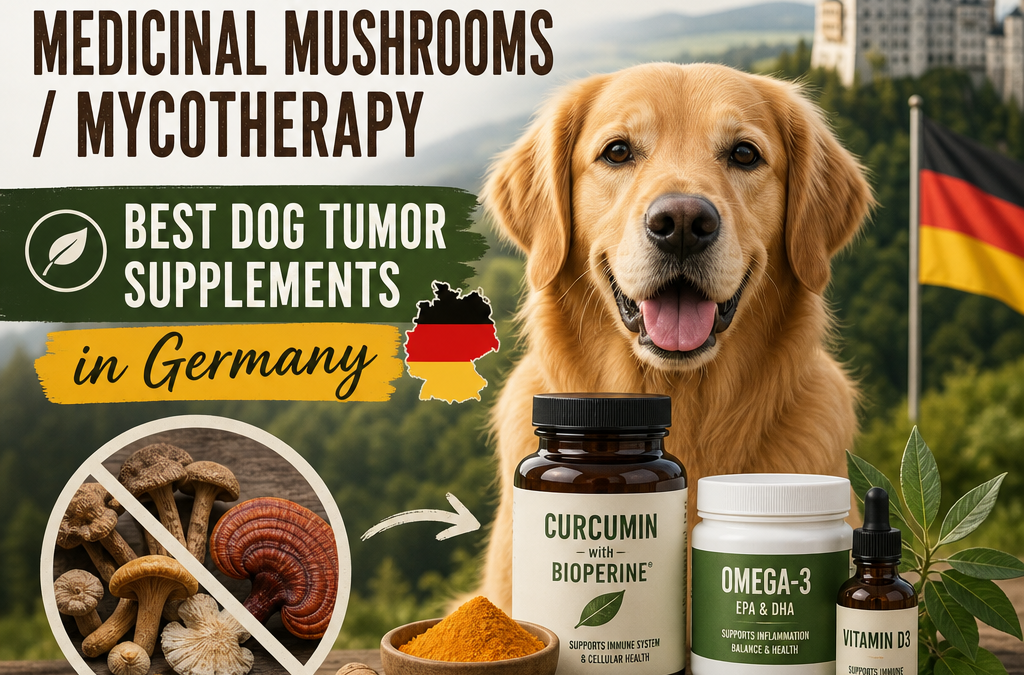
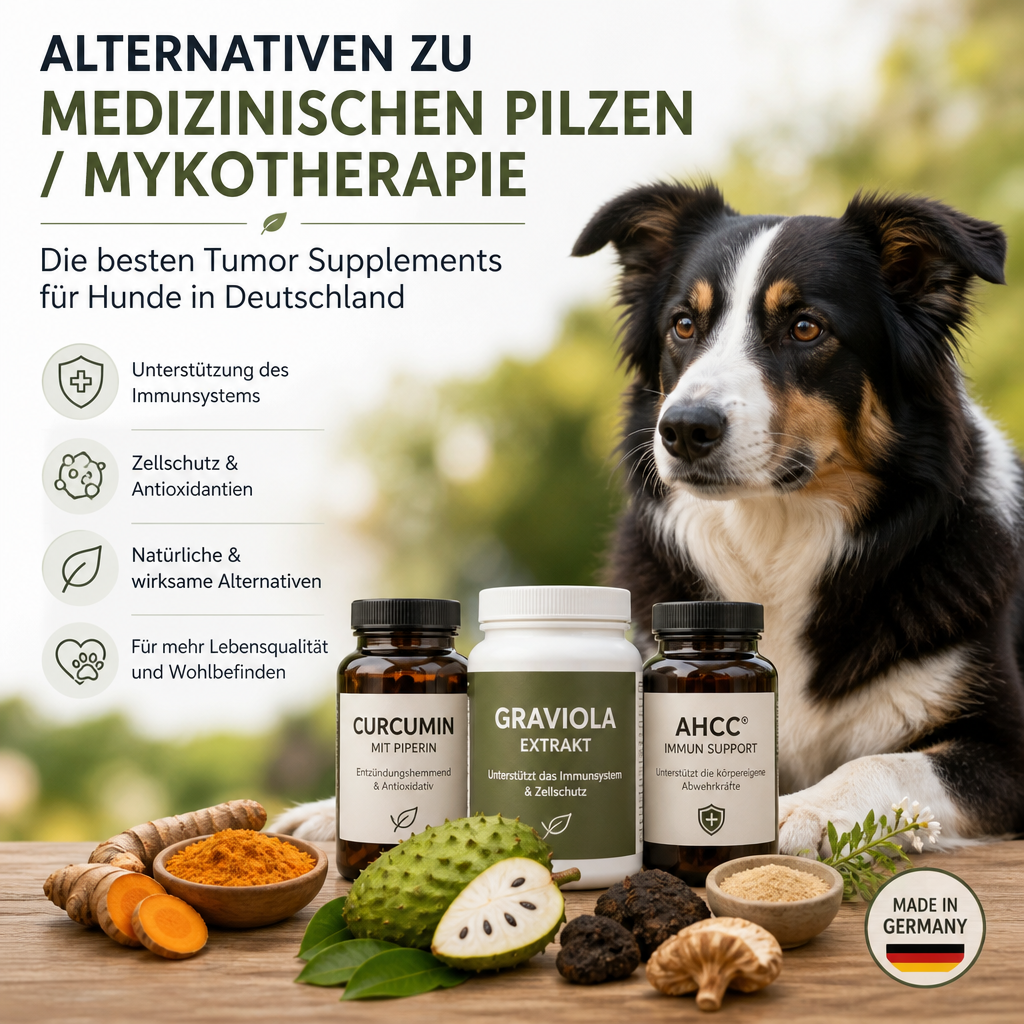
Medicinal mushrooms / mycotherapy: 7 Best Dog Tumor Support Options in Germany
Medicinal mushrooms / mycotherapy are gaining attention among dog owners in Germany who want supportive, integrative options for dogs diagnosed with tumors. These natural products may help support general wellbeing, appetite, digestion, and immune function, but they should never replace veterinary diagnosis or cancer treatment. The most appropriate approach combines evidence-based veterinary care with carefully selected supplements, regular monitoring, and realistic expectations.
Table of Contents
- Understanding mycotherapy for dogs
- Dog cancer supplements Germany: What owners should know
- Medicinal mushrooms commonly used in canine support
- How to compare Medicinal mushrooms / mycotherapy products
- Dog tumor support Germany: Building a safe plan
- Potential interactions and precautions
- Supporting quality of life beyond supplements
Understanding mycotherapy for dogs

Mycotherapy refers to the therapeutic use of mushrooms or mushroom extracts. In veterinary care, medicinal mushrooms are usually offered as powders, capsules, liquid extracts, or ingredients in combined formulas. They contain biologically active compounds such as beta-glucans, triterpenes, sterols, and antioxidants.
The goal is generally supportive rather than curative. Depending on the product and the individual dog, medicinal mushrooms / mycotherapy may be used to help maintain immune balance, support normal inflammatory responses, promote appetite, or improve quality of life during conventional cancer treatment. However, research in dogs remains limited compared with human medicine, and results can vary substantially.
A tumor diagnosis requires a complete veterinary assessment. The tumor type, grade, location, stage, age of the dog, existing illnesses, and current medications all influence which supplements may be appropriate. This is why any discussion of medicinal mushrooms / mycotherapy should begin with the full clinical picture rather than with a product label.
Owners sometimes hear broad claims about “immune boosting,” but a more accurate goal is immune modulation and supportive care. That distinction matters because a balanced immune response is not the same as simply increasing immune activity. In practice, the safest use of medicinal mushrooms / mycotherapy is individualized and reviewed over time, especially when the dog is already receiving treatment for a tumor.
Dog cancer supplements Germany: What owners should know
The market for dog cancer supplements Germany has expanded, with products available through veterinary practices, specialist pharmacies, pet retailers, and online shops. Product quality can differ widely. Some supplements are made from clearly identified mushroom species and provide standardized extracts, while others use proprietary blends that make it difficult to determine the actual amount of each ingredient.
When comparing products, owners should look for:
- The exact mushroom species and part used
- A clear declaration of beta-glucan or active-compound content
- Batch or laboratory testing for heavy metals, pesticides, bacteria, and contaminants
- Dosage guidance based on the dog’s weight
- Transparent manufacturing and storage information
- A German or European distributor that can provide product documentation
It is also important to distinguish whole mushroom powder from concentrated extracts. Powders may contain fiber and a broader range of compounds, whereas extracts can provide higher concentrations of selected constituents. Neither form is automatically better; suitability depends on the dog, the intended use, and the product’s quality.
Owners comparing medicinal mushrooms / mycotherapy products should also ask whether the brand explains how the raw material is sourced. The fruiting body, mycelium, and growth medium can all affect composition, and the differences are not always obvious from marketing language. Clear labeling is especially valuable for dog cancer supplements Germany, where quality control can vary from one manufacturer to another.
For a broader look at product selection and alternatives, see The Benefits of Medicinal Mushrooms for Dogs: Boosting Immune Health Naturally.
Medicinal mushrooms commonly used in canine support
Several mushroom species are frequently discussed in veterinary mycotherapy.
Turkey tail (Trametes versicolor) contains polysaccharides and beta-glucans and is one of the most researched medicinal mushrooms in relation to cancer support. Some preliminary canine research has investigated compounds derived from turkey tail, but owners should not assume that a supplement has the same composition or effect as a standardized research preparation.
Reishi (Ganoderma lucidum) is traditionally used to support immune regulation and general vitality. It may also have calming or anti-inflammatory properties, although evidence in dogs is still developing. Reishi can affect blood clotting, making veterinary guidance especially important before surgery or when anticoagulant medication is being used.
Shiitake (Lentinula edodes) provides beta-glucans and nutritional compounds. It is sometimes included in immune-support formulas, but concentrated extracts should be introduced carefully because gastrointestinal upset or intolerance can occur.
Maitake (Grifola frondosa) is another mushroom used in immune-support products. It may influence blood sugar and immune activity, so it requires caution in dogs with diabetes, autoimmune conditions, or complex medication plans.
Cordyceps species are marketed for energy, stamina, and immune support. The quality and identity of cordyceps products vary, particularly when cultivated alternatives or blended extracts are used. Veterinary assessment is advisable before use in dogs with kidney, liver, or immune disorders.
These mushrooms are not interchangeable, and combining several products can increase the risk of excessive dosing, interactions, or digestive problems. If you are comparing options for Medicinal mushrooms / mycotherapy, focus on species transparency, testing, and suitability for the individual dog rather than marketing claims.
Another practical point is that some supplements include added herbs, minerals, or flavorings. Those extras may be useful, but they can also complicate tolerance assessment. If a dog has a sensitive stomach or multiple medications, a simpler formula may make medicinal mushrooms / mycotherapy easier to use safely.
How to compare Medicinal mushrooms / mycotherapy products
Owners often do better when they compare mushroom supplements by label clarity, extract strength, and intended use. A product that appears simple can be more reliable than a complex blend with vague ingredient amounts. In many cases, the safest way to use Medicinal mushrooms / mycotherapy is to choose one well-documented product, monitor carefully, and reassess after a short trial period with the veterinarian.
When you compare Medicinal mushrooms / mycotherapy options, ask whether the company identifies the fruiting body or mycelium, whether the extraction method is explained, and whether the active compounds are standardized. These details matter because two products with the same mushroom name can differ greatly in potency.
It also helps to think about the dog’s practical needs. Some dogs tolerate capsules better than powders, while others accept liquid preparations more easily. Flavoring, dosing frequency, and the size of the daily serving can all influence compliance. A product that is easy to give consistently is often more useful than a stronger product that the dog refuses.
If the label uses a proprietary blend, ask for the percentage of each ingredient and any supporting test results. Good manufacturers are usually willing to share documentation on purity, batch testing, and product origin. For dogs with cancer, this level of transparency can be just as important as the mushroom species itself.
In real-world use, owners should also consider whether the supplement fits the dog’s treatment timeline. If surgery, chemotherapy, or radiation is planned, the veterinary team may want to pause certain products. That is another reason medicinal mushrooms / mycotherapy should be chosen with a clear protocol instead of as a last-minute add-on.
It may help to compare your options in a simple checklist: ingredient transparency, dosage clarity, independent testing, ease of use, and veterinary compatibility. If a product meets all five points, it is usually a stronger candidate than a product that relies mainly on broad wellness claims. This is especially true when medicinal mushrooms / mycotherapy are being considered for long-term supportive use.
Dog tumor support Germany: Building a safe plan
Dog tumor support Germany should be approached as a coordinated care plan rather than as a single supplement. The first step is to discuss the diagnosis and treatment strategy with a veterinarian, ideally one experienced in oncology or integrative veterinary medicine. Depending on the tumor, conventional options may include surgery, chemotherapy, radiation therapy, pain management, nutritional support, or palliative care.
A supplement plan should be documented. Record the product name, mushroom species, extract ratio, amount given, starting date, and any other medications or supplements. Introduce only one new product at a time, beginning with the lowest reasonable amount recommended by a qualified professional. This makes it easier to identify whether the dog experiences a benefit or an adverse reaction.
Watch for signs such as vomiting, diarrhea, reduced appetite, itching, unusual tiredness, increased thirst, changes in urination, bruising, or bleeding. Stop the product and contact a veterinarian if concerning symptoms appear. Supplements should also be reviewed before surgery, biopsy, chemotherapy, radiation, or changes in prescription medication.
Support plans often work best when they are simple and measurable. Owners can note the dog’s appetite, stool quality, energy level, sleep, mobility, and comfort each day. Small changes over time may show whether a supplement is helping, or whether the overall plan needs adjustment. This kind of tracking is especially useful when Medicinal mushrooms / mycotherapy are being used alongside prescription treatment.
Diet and timing also matter. Some dogs do better when supplements are given with food to reduce stomach upset, while others need a different schedule to fit medication routines. If the dog is already receiving other supportive products, review the entire regimen with the veterinarian to avoid unnecessary overlap or dosing confusion.
In a broader supportive plan, food quality, hydration, body condition, and pain control may have a larger day-to-day impact than any single supplement. Medicinal mushrooms / mycotherapy can fit into that plan, but they are only one part of tumor support. A steady routine often makes it easier to judge whether a product is helping the dog maintain comfort and appetite.
For owners who want to compare more German and European support options, the following post may also be useful: Vicano Support Life Tabs alternative: 5 Smart, Affordable, Helpful Options for Dogs in Germany.
Potential interactions and precautions
Natural does not mean risk-free. Mushroom extracts may affect immune activity, blood pressure, blood sugar, liver enzymes, or blood clotting. Particular caution is needed when a dog receives corticosteroids, immunosuppressive drugs, chemotherapy, anticoagulants, diabetes medication, or nonsteroidal anti-inflammatory drugs.
Dogs with liver or kidney disease may need a different approach because some products contain concentrated compounds, herbs, minerals, or additives that place additional demands on metabolism. Puppies, pregnant dogs, and dogs with severe gastrointestinal disease should not receive medicinal mushroom products without veterinary supervision.
Avoid human supplements containing xylitol, alcohol, high levels of vitamin D, essential oils, or other ingredients that may be toxic to dogs. A product specifically formulated for veterinary use is generally easier to dose and assess.
For evidence on mushroom compounds and safety discussions, the U.S. National Center for Complementary and Integrative Health offers a helpful reference on medicinal mushrooms: NCCIH overview of medicinal mushrooms.
Owners should also keep in mind that side effects can be delayed. A product may seem well tolerated for several days before appetite changes, loose stool, or lethargy appear. If that happens, stop the supplement and speak with the veterinary team before restarting or changing the dose. Careful observation is one of the most important parts of safe use of Medicinal mushrooms / mycotherapy.
Before introducing any new mushroom product, ask whether it could interfere with surgery, imaging, biopsy interpretation, or the timing of medication. In some dogs, the safest option may be to delay supplementation until the treatment plan is stable. In others, a cautious trial may be reasonable if the veterinary team agrees and the dog is closely monitored. That practical approach keeps medicinal mushrooms / mycotherapy in the role they are best suited for: supportive care, not replacement therapy.
It is also sensible to check whether the supplement has any added sweeteners, fillers, or flavor systems that may not suit a dog with cancer. Products designed for dogs tend to be easier to evaluate, especially when treatment protocols change. The goal is to reduce uncertainty, not add more variables to an already complex medical plan.
Supporting quality of life beyond supplements
The most meaningful tumor support often comes from a broad care strategy. A complete, highly digestible diet can help maintain body weight and muscle mass. Adequate hydration, gentle exercise, comfortable bedding, dental care, and effective pain control are equally important.
Owners can track appetite, weight, mobility, sleep, breathing, stool quality, and enjoyment of normal activities. This information helps the veterinary team evaluate whether treatment is helping and whether adjustments are needed. Quality-of-life assessments are particularly valuable when a tumor is advanced.
In practice, Medicinal mushrooms / mycotherapy may be a reasonable complementary option for some dogs, but they work best as part of individualized veterinary care. Choosing a tested product, avoiding unsupported claims, monitoring closely, and maintaining open communication with the veterinary team can help owners make safer decisions while focusing on comfort, function, and the dog’s overall wellbeing.
For owners researching related formulations, the following article may also be helpful: Pyravet Immunity + Cancer Support For Dogs With EBC-46 alternative: Powerful Affordable Options.
When owners evaluate medicinal mushrooms / mycotherapy alongside a tumor care plan, the most useful question is often not “Which product is strongest?” but “Which option is most appropriate, transparent, and practical for this dog right now?” That mindset helps keep expectations realistic and decisions grounded in veterinary guidance.
Used thoughtfully, Medicinal mushrooms / mycotherapy can be one piece of a larger support plan for dogs with tumors. The best results usually come from careful product selection, realistic expectations, and regular veterinary follow-up rather than from trying multiple supplements at once.
For many families, the right decision is a measured one: confirm the diagnosis, choose one well-documented product, monitor response, and reassess if the plan changes. That approach keeps medicinal mushrooms / mycotherapy aligned with the dog’s comfort, safety, and long-term care needs.