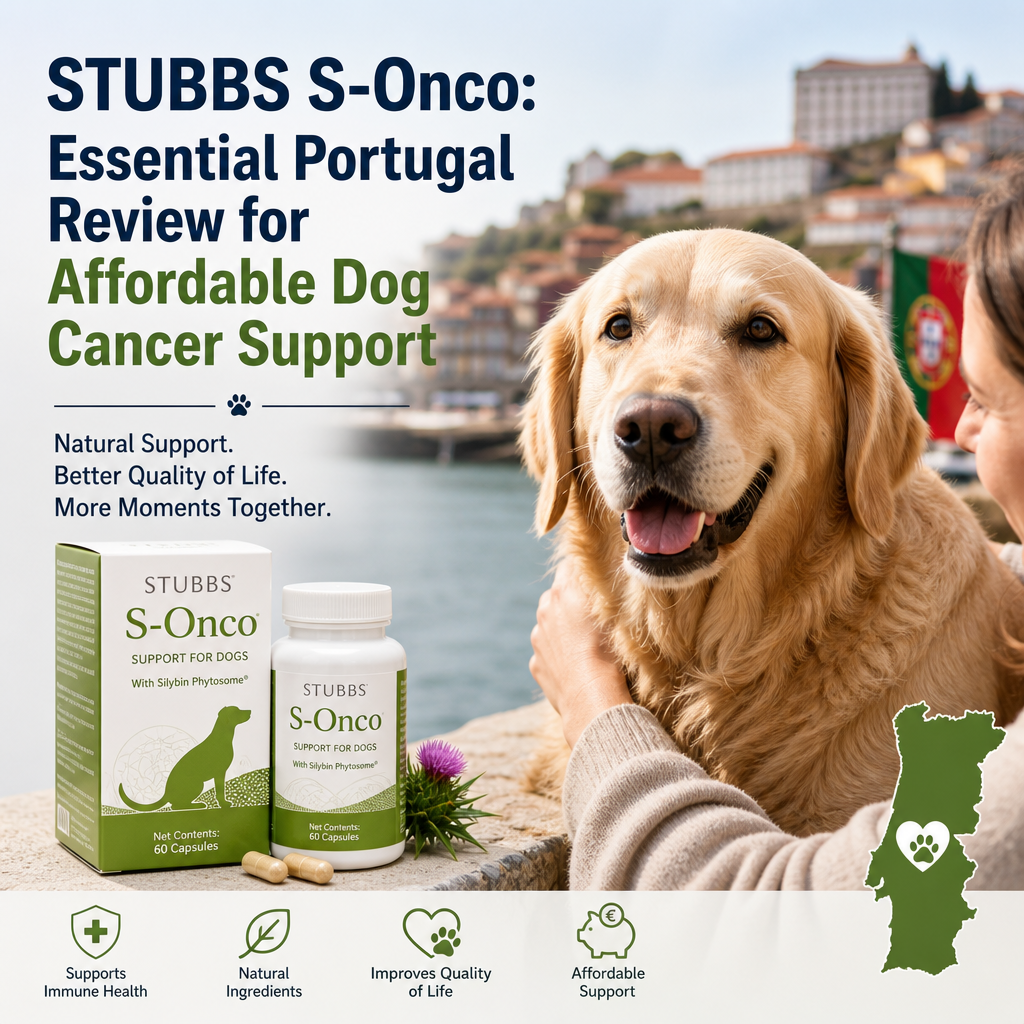
STUBBS S-Onco has attracted attention among Portuguese dog owners looking for practical, affordable support during a difficult cancer diagnosis. However, evaluating any supplement for a sick dog requires a balanced approach. A product may help complement veterinary care, but it should never replace diagnostic testing, surgery, chemotherapy, radiation, pain management, or other treatments recommended by a qualified veterinarian.
What is STUBBS S-Onco?
STUBBS S-Onco is marketed as a nutritional support product for dogs affected by cancer or those needing additional immune and metabolic support. Products in this category commonly contain combinations of vitamins, minerals, antioxidants, plant compounds, or other ingredients intended to support normal immune function and general wellbeing.
The exact formulation, dosage, and recommended duration are especially important. Different dogs have different needs based on their weight, age, breed, cancer type, kidney and liver function, current medications, and treatment plan. Owners should therefore read the official label carefully and discuss the product with their veterinarian before beginning use.
A supplement can sometimes support appetite, energy, digestion, or overall nutritional status, but those benefits are not the same as treating cancer itself. The distinction is essential when assessing claims about STUBBS S-Onco dog cancer support.
STUBBS S-Onco review: what should owners evaluate?
A responsible STUBBS S-Onco review should look beyond advertising language and consider several practical factors.
Ingredient transparency
The label should clearly identify every active ingredient and provide the amount per serving. Vague descriptions such as “immune blend” or “proprietary complex” make it harder for owners and veterinarians to assess safety. Transparent labeling also helps prevent accidental duplication with other supplements.
Evidence and realistic expectations
There is a difference between evidence for an individual ingredient and proof that a complete product improves cancer outcomes. Some nutrients may support normal body functions, while clinical evidence for extending survival or shrinking tumors may be limited or absent.
Owners should be cautious of promises involving guaranteed tumor reduction, complete cures, or replacement of conventional treatment. A trustworthy product description should explain its intended supportive role without encouraging delays in veterinary care.
Safety and tolerability
Cancer patients can be particularly vulnerable to side effects. Vomiting, diarrhea, reduced appetite, lethargy, or changes in drinking and urination should be taken seriously. A dog receiving chemotherapy, corticosteroids, anti-inflammatory medication, antibiotics, or anticoagulants may have a higher risk of interactions.
Veterinarians may also recommend avoiding certain ingredients before surgery or during specific treatment stages. Natural ingredients are not automatically harmless, and concentrated herbal extracts can affect the liver, kidneys, blood clotting, or medication metabolism.
STUBBS S-Onco dog cancer support in a broader care plan
Supportive cancer care involves much more than a single supplement. Nutrition is often a central concern, especially when a dog experiences nausea, mouth discomfort, altered taste, or loss of appetite. A veterinarian may recommend a highly digestible diet, calorie-dense food, appetite support, or a referral to a veterinary nutrition specialist.
Hydration is equally important. Dogs that are vomiting, experiencing diarrhea, or eating poorly may become dehydrated quickly. Owners should monitor water intake and report concerning changes rather than relying on a supplement to correct the problem.
Pain control, rest, gentle exercise, dental care, and emotional comfort also influence quality of life. Regular veterinary examinations can help identify whether a dog is responding to treatment or developing complications. These measures should remain the foundation of any cancer-support plan.
Searches for STUBBS S-Onco Portugal may lead owners to online stores, distributors, marketplaces, or international sellers. Before purchasing, check whether the seller provides a complete product label, batch information, expiry date, storage instructions, and clear contact details.
Portugal-based buyers should also consider delivery conditions. Products exposed to excessive heat or humidity during transport may deteriorate, particularly if they contain oils, probiotics, or other sensitive ingredients. Confirm whether the packaging is sealed and whether the product arrives in suitable condition.
It is also wise to verify return policies and customer-service information. A low price is not necessarily a good value if the product has unclear origin, incomplete labeling, or questionable storage history. Owners should avoid purchasing loose capsules, repackaged products, or items that make medical claims unsupported by reliable evidence.
Questions to ask a veterinarian
Before using STUBBS S-Onco, prepare a list of practical questions:
Is this product appropriate for my dog’s cancer type and current condition?
Could any ingredient interfere with chemotherapy, surgery, or prescribed medication?
Is the dose suitable for my dog’s weight and organ function?
Should the supplement be stopped before a procedure?
What side effects should prompt immediate contact?
Are there better-supported nutritional or symptom-management options?
Bring the packaging or a clear photograph of the full ingredient panel to the appointment. This allows the veterinarian to assess the actual formulation rather than relying on a product name alone.
Monitoring your dog after starting a supplement
If a veterinarian approves the product, introduce it exactly as directed. Do not combine it with several new supplements at the same time, because doing so makes it difficult to identify the cause of a reaction.
Keep a simple record of appetite, weight, bowel movements, vomiting, activity, water intake, and signs of pain. This information can help the veterinary team determine whether the product is tolerated and whether it is contributing meaningfully to the dog’s comfort.
Contact a veterinarian promptly if the dog develops repeated vomiting, bloody diarrhea, severe weakness, breathing difficulty, collapse, jaundice, seizures, or a sudden refusal to eat. These symptoms may indicate a serious complication and should not be attributed automatically to cancer or a supplement.
A balanced conclusion for Portuguese dog owners
STUBBS S-Onco may be considered as a complementary option for some dogs, but its role should remain supportive rather than curative. The quality of the ingredient list, the reliability of the seller, the dog’s medical history, and professional veterinary guidance all matter when deciding whether it is appropriate.
For families researching STUBBS S-Onco Portugal, the most responsible approach is to verify the product carefully, discuss it with the treating veterinarian, and prioritize proven cancer treatment and quality-of-life care. Affordable support can be valuable, but safety, transparency, and realistic expectations should come before marketing claims.
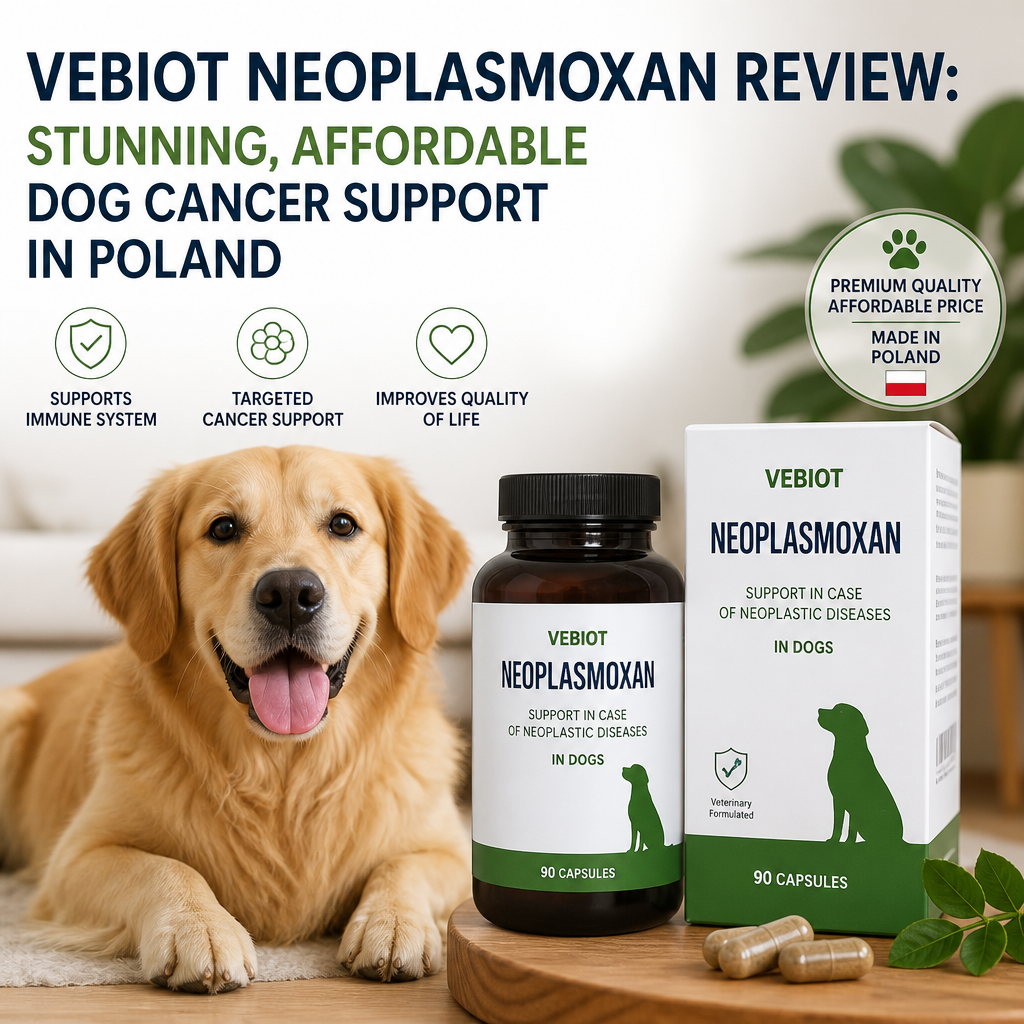
VEBIOT Neoplasmoxan is attracting attention among dog owners in Poland who are looking for affordable, supportive options after a cancer diagnosis. A serious illness can be overwhelming, especially when families must balance veterinary recommendations, treatment costs, and their dog’s comfort. Products marketed as complementary support may seem promising, but they should be assessed carefully and used responsibly alongside professional veterinary care.
VEBIOT Neoplasmoxan is presented as a veterinary product intended to support dogs affected by neoplastic conditions, or abnormal tissue growths. It is generally discussed as a complementary preparation rather than a replacement for surgery, chemotherapy, radiation therapy, pain management, or other treatments prescribed by a veterinarian.
The exact role of any supportive product depends on its formulation, dosage, the dog’s overall health, and the type and stage of cancer involved. For this reason, owners should review the product label, active ingredients, manufacturer information, and recommended administration instructions before use.
Cancer is not a single disease. A benign growth, lymphoma, mast-cell tumor, bone cancer, and internal organ tumor can all require very different approaches. A product that may be suitable as general support in one situation may be inappropriate in another, particularly if a dog has liver or kidney disease or is receiving several medications.
A responsible VEBIOT Neoplasmoxan review should look beyond attractive claims or isolated testimonials. Online discussions may describe improvements in appetite, energy, mobility, or general well-being, but individual experiences do not prove that a product can treat or eliminate cancer.
When evaluating this type of supplement, dog owners should consider several important factors:
Ingredient transparency: The packaging should clearly identify the ingredients and their amounts.
Veterinary suitability: A veterinarian should confirm that the preparation is appropriate for the dog’s diagnosis and current treatment.
Manufacturing standards: Reliable products should provide information about quality control, batch identification, storage, and expiration dates.
Potential interactions: Some ingredients can affect blood clotting, sedation, blood pressure, digestion, or the metabolism of prescription medicines.
Realistic expectations: Supportive care may help comfort or general condition, but it should not be presented as a guaranteed cure.
Reviews can be useful for understanding how a product is experienced by other owners, including ease of administration and value for money. However, they are not a substitute for clinical evidence. A strong review should distinguish personal observations from medically established facts.
It is also wise to look for dependable background information from veterinary references such as the Cornell University College of Veterinary Medicine, especially when a dog is already receiving multiple treatments.
VEBIOT Neoplasmoxan Dog Cancer Support and Veterinary Care
VEBIOT Neoplasmoxan dog cancer support should be viewed as part of a broader care plan, not as a standalone answer. Veterinary oncology often involves several goals: controlling the disease where possible, reducing pain, managing side effects, preserving appetite, and maintaining quality of life.
Before introducing any new product, owners should tell the veterinarian:
The dog’s confirmed or suspected diagnosis
All current medicines and supplements
Any history of allergies or digestive sensitivity
Existing liver, kidney, heart, or blood-clotting problems
Recent changes in appetite, weight, thirst, behavior, or mobility
This information helps the veterinarian assess possible risks. It is especially important before surgery or when a dog is receiving chemotherapy, corticosteroids, anti-inflammatory medication, antibiotics, or anticoagulants.
Owners should also monitor their dog after beginning a new preparation. Vomiting, diarrhea, unusual tiredness, worsening pain, refusal to eat, pale gums, breathing difficulty, collapse, or sudden behavioral changes require prompt veterinary attention. A supplement should be stopped and discussed with a professional if a concerning reaction appears.
Why Quality and Dosage Matter
“Natural” does not automatically mean safe, and a higher dose is not necessarily more effective. Dogs differ considerably in body size, age, metabolism, and medical history. Even a product designed for animals can cause problems when given incorrectly or combined with another treatment.
Use only the dosage stated on the official label or recommended by a veterinarian. Do not substitute a human product, split formulations without guidance, or increase the amount because the dog’s condition appears serious. Keep the packaging available so the veterinarian can check the ingredients and strength if necessary.
Storage also matters. Heat, moisture, and improper sealing can affect product quality. Owners should check the expiration date and purchase from a reputable veterinary supplier or pharmacy whenever possible. Extremely low prices, missing instructions, unclear labeling, or claims of guaranteed cancer cures are reasons to be cautious.
VEBIOT Neoplasmoxan Poland: Availability and Buying Considerations
Interest in VEBIOT Neoplasmoxan Poland reflects the growing demand for accessible veterinary products and cancer-support options. Polish dog owners may encounter products through online retailers, veterinary practices, specialist pharmacies, or distributors. Availability and pricing can vary, so it is important to verify that the seller is legitimate.
Before buying, check whether the listing includes:
The full product name and manufacturer
A clear ingredient list
Polish or understandable administration instructions
Batch and expiration information
Proper storage guidance
Contact details for the seller or distributor
A clear returns and delivery policy
Be wary of websites that use dramatic before-and-after stories, pressure buyers with countdown offers, or promise that the product replaces conventional cancer treatment. A trustworthy seller should provide factual information and should not discourage consultation with a veterinarian.
Affordability can be a meaningful advantage, particularly when families are already facing diagnostic tests, imaging, surgery, and medication costs. Nevertheless, the cheapest option is not always the safest. Product authenticity, storage conditions, and professional guidance are more important than price alone.
Supporting a Dog With Cancer Beyond Supplements
A dog’s quality of life depends on much more than one product. Comfortable bedding, easy access to food and water, gentle exercise, temperature control, and a calm home environment can make a significant difference. Some dogs benefit from smaller, more frequent meals or carefully selected diets, but nutritional changes should be discussed with a veterinarian, especially if there is weight loss or digestive disease.
Keep a simple daily record of appetite, water intake, mobility, sleep, pain signs, vomiting, stool quality, and enjoyment of normal activities. This information can help the veterinary team identify changes earlier and evaluate whether the current care plan is helping.
Ultimately, the best approach combines evidence-based veterinary treatment, thoughtful supportive care, and close observation. VEBIOT Neoplasmoxan may be considered by some owners as part of that supportive strategy, but expectations should remain realistic. Careful product verification and veterinary supervision allow families to make safer, better-informed decisions while keeping the dog’s comfort and welfare at the center of every choice.
For dogs with cancer, the most helpful results usually come from a balanced plan rather than a single product. If you are discussing VEBIOT Neoplasmoxan with your veterinarian, bring the label, the dosage instructions, and a list of all current medications so the conversation stays practical and specific.
If you are still comparing options, it is reasonable to review VEBIOT Neoplasmoxan alongside other supportive choices and ask which approach best fits the dog’s diagnosis, stage of illness, and ongoing treatment plan. In that context, VEBIOT Neoplasmoxan may serve as one part of a carefully supervised strategy rather than the central focus of care.
Some owners search for VEBIOT Neoplasmoxan when they want a supportive product that feels approachable and affordable, but a careful review should always return to the same question: does it fit this individual dog, at this time, with these medications and health risks? That practical standard is the safest way to judge VEBIOT Neoplasmoxan or any similar option.
As a final reminder, VEBIOT Neoplasmoxan should never delay urgent care, diagnostic testing, or pain control. When a dog is dealing with a tumor, timely veterinary support matters more than any supplement claim. If a product is used at all, it should be part of a monitored plan, with clear expectations and regular follow-up.
Owners can also make the decision process easier by focusing on the dog’s day-to-day comfort. A pet that is still eating, moving, and resting well may need a different level of support than a dog that is losing weight, hiding, or struggling with pain. Those practical signs matter more than marketing language and can help determine whether a supportive product is even appropriate.
It is equally important to remember that dogs may appear stable for a while and then change quickly. Tumors can affect energy, digestion, breathing, and organ function in ways that are not always obvious at first. That is why regular rechecks, bloodwork when recommended, and clear communication with the veterinarian remain essential, even when an owner is using a supportive supplement.
If a veterinarian agrees that a product may be tried, start with close observation and one change at a time. Introducing several new supplements together makes it harder to identify what is helping or causing a reaction. Keeping the plan simple can improve safety and make follow-up discussions more useful.
Families in Poland may also want to ask their clinic whether a product is compatible with the dog’s current treatment schedule. Timing can matter, especially when prescription medicines are involved. A supplement that seems harmless may still interfere with absorption, stomach comfort, or other parts of the treatment plan.
Documentation can help too. Save the package, keep the receipt, and note the start date, dose, and any changes in behavior or appetite. If the dog improves, worsens, or shows no change, that record gives the veterinary team better information for future decisions. In difficult cases, this kind of tracking can be more valuable than a general impression alone.
There is also a financial side to consider. Many owners look at supportive products because they want a practical option that fits a tight budget. That concern is understandable. Still, the decision should weigh cost against safety, accuracy of labeling, and whether the product has a clear place in the overall care plan. A modestly priced option is only useful if it is legitimate and appropriate for the specific dog.
In short, VEBIOT Neoplasmoxan may be part of a cautious discussion, but it should not be treated as a shortcut around diagnosis or treatment. The safest approach is to pair any supportive product with professional advice, realistic expectations, and ongoing observation. That way, the dog’s welfare remains the priority from the first decision to every follow-up visit.
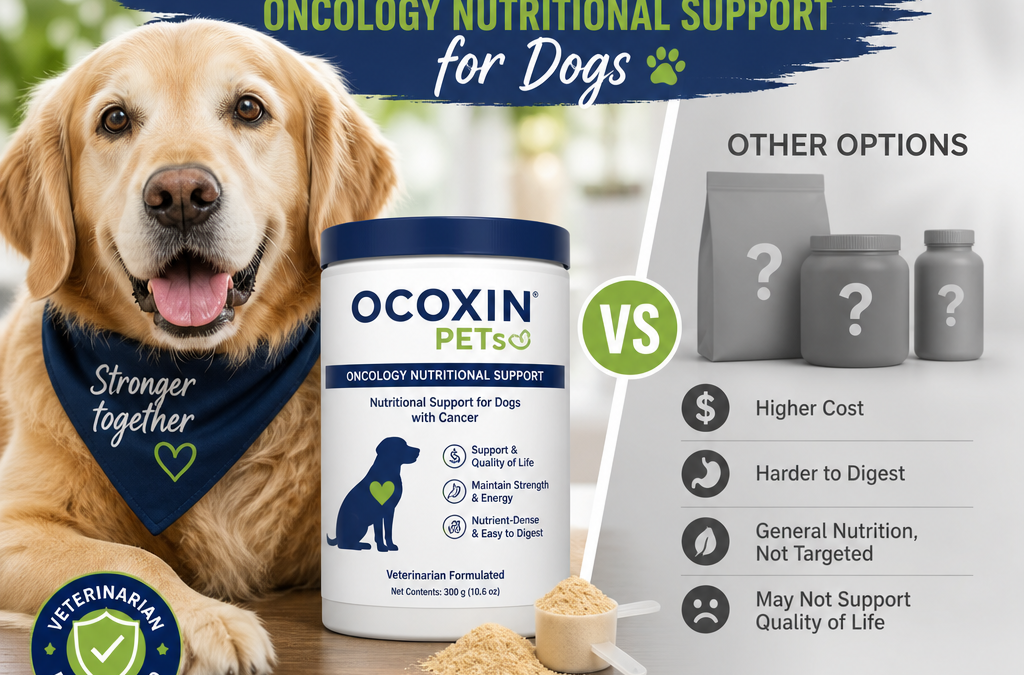
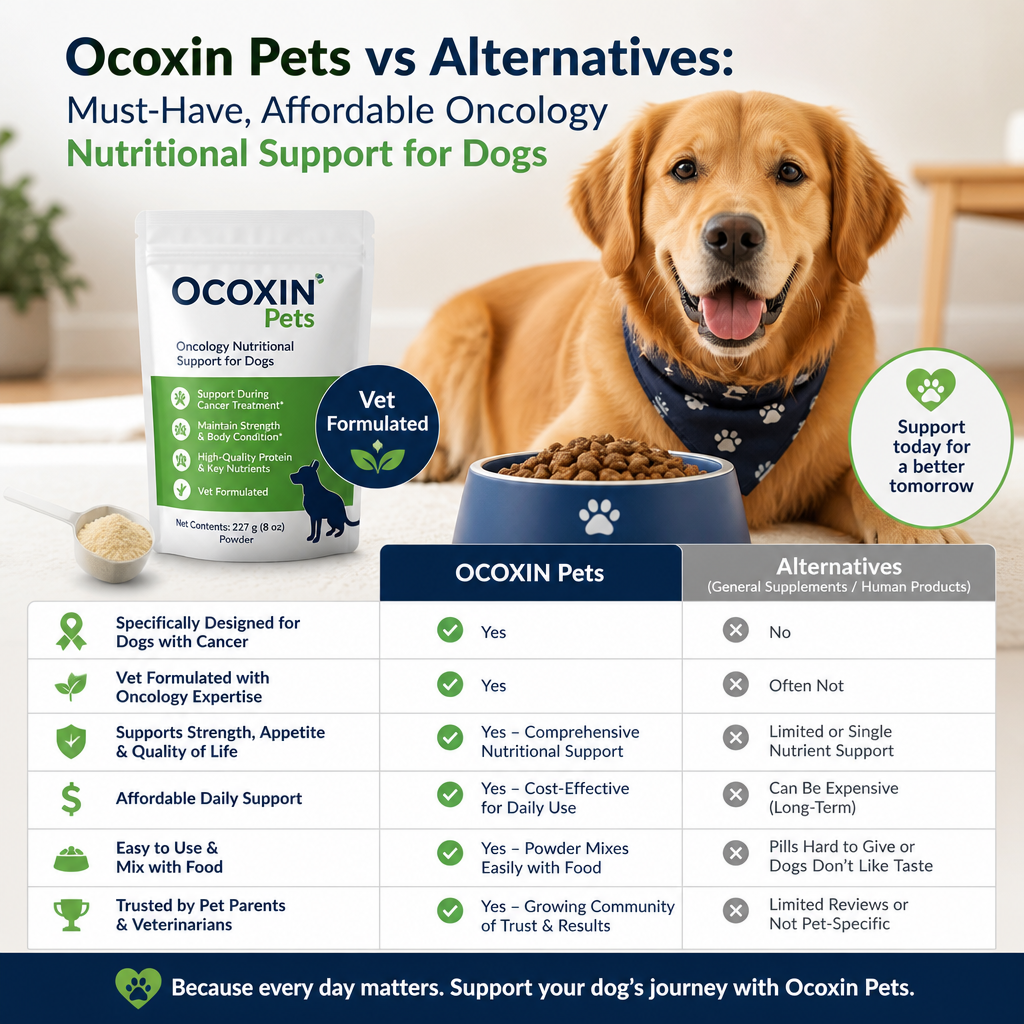
Ocoxin Pets vs Alternatives is an important comparison for dog owners looking for affordable, practical support during cancer care. A diagnosis of cancer can be overwhelming, especially when treatment plans involve surgery, chemotherapy, radiation, repeated examinations, and significant expenses. Nutritional support may help maintain appetite, body condition, energy, and overall resilience, but it should complement—not replace—veterinary oncology treatment.
Understanding the differences between products, ingredients, costs, and clinical expectations can help owners make responsible decisions. The right choice depends on the dog’s diagnosis, treatment plan, eating habits, medical history, and the advice of a veterinarian. In many cases, Ocoxin Pets vs alternatives becomes less about brand loyalty and more about matching support to a dog’s real needs.
Oncology nutritional support refers to dietary strategies and supplements designed to help dogs meet their nutritional needs while living with cancer or undergoing treatment. Cancer can affect metabolism, appetite, digestion, hydration, and muscle mass. Some dogs lose weight rapidly, while others experience nausea, altered taste, diarrhea, constipation, or reduced interest in food.
A suitable nutritional plan may focus on:
Maintaining adequate calories and protein
Supporting hydration
Preserving muscle mass and body condition
Improving palatability when appetite is poor
Providing carefully selected vitamins, minerals, fatty acids, or antioxidants
Supporting recovery after surgery or other treatments
Nutritional products should not be described as cures. Their role is generally supportive, helping a dog tolerate treatment and maintain quality of life. Because cancer varies widely, nutritional needs can also differ significantly between dogs. For a broader overview of supportive care, see Best Supplements for Dogs with Cancer: 7 Essential UK Support Tips.
Many dogs with cancer do best when the nutritional plan is kept simple. A targeted plan can reduce confusion, limit unnecessary spending, and make it easier to tell whether a change is helping. That is one reason Ocoxin Pets vs alternatives is worth reviewing carefully before buying multiple products at once. When the dog is already coping with treatment, consistency often matters more than novelty.
It also helps to remember that nutritional support can serve different purposes at different stages of disease. Early in treatment, the priority may be appetite and maintaining weight. Later, the focus may shift to symptom relief, recovery after a procedure, or preserving comfort during a difficult period. A good plan adapts as the dog’s condition changes.
Ocoxin Pets: What Makes It Different?
Ocoxin Pets is a veterinary nutritional supplement developed for dogs and other companion animals requiring additional support during illness. It is associated with a blend of nutritional and botanical ingredients intended to support appetite, vitality, antioxidant defenses, and general condition.
The exact formula and recommended use may vary by market, product version, and animal size. Owners should always read the current label and follow veterinary guidance. Some products in this category contain plant extracts, amino acids, vitamins, minerals, or other compounds selected for their potential supportive effects.
One possible advantage of a formulated product is convenience. A standardized supplement can be easier to administer than assembling several individual ingredients. It may also provide clear serving instructions based on body weight. However, convenience does not automatically mean that it is the best option for every dog.
Before using Ocoxin Pets, owners should consider whether the dog has kidney disease, liver disease, diabetes, gastrointestinal sensitivity, food allergies, or other conditions that could affect supplement safety. It is also important to disclose every supplement to the veterinary team, particularly when chemotherapy, surgery, or prescription medication is involved.
Because cancer care can involve complex decisions, some owners compare Ocoxin Pets vs alternatives only by price. That can be misleading. A lower-priced option may still be a poor fit if the dog refuses it, develops loose stool, or cannot tolerate the flavor. On the other hand, a more expensive product may be worthwhile if it is easier to give and more consistent day to day.
The practical question is not whether a product sounds advanced. It is whether it can be used safely, regularly, and in a way that supports the treatment plan. For some dogs, that means a supplement like Ocoxin Pets. For others, the better choice may be a therapeutic diet, omega-3 support, or a short-term calorie booster.
Ocoxin Pets vs Alternatives: Comparing the Main Options
When evaluating Ocoxin Pets vs alternatives, the most useful comparison is not simply brand versus brand. It is the overall purpose, ingredient profile, evidence, cost, and suitability for the individual dog.
Complete therapeutic diets
Veterinary therapeutic diets may be appropriate when a dog has poor appetite, weight loss, digestive problems, or increased nutritional demands. These foods are formulated to provide balanced nutrition and may be easier to evaluate than a supplement used alongside an unbalanced homemade diet.
A complete diet can be especially valuable when the dog is eating very little. Some formulas are calorie-dense, highly digestible, or designed for recovery. However, not every therapeutic food suits every cancer patient. A dog with kidney disease, pancreatitis, or food intolerance may need a more specific nutritional plan.
Some owners find that changing the texture, warming the food slightly, or offering smaller meals more often improves intake. Those small adjustments can matter as much as the product itself. If the dog accepts a suitable therapeutic diet, that may be one of the most efficient dog tumor support options available because it delivers nutrition in a complete form rather than as an add-on.
Omega-3 fatty acids
Fish oil providing EPA and DHA is one of the most commonly discussed dog tumor support options. These fatty acids may support normal inflammatory balance and help maintain skin, coat, and general health. They are often available as liquid oils or capsules.
Quality matters. Products should be made for pets or sourced from a reputable manufacturer, with clear information about EPA and DHA content, purity, and storage. Excessive amounts may cause gastrointestinal upset or contribute to bleeding concerns, particularly around surgery or when combined with certain medications. Veterinary advice is important before administration.
Omega-3 support can also be useful because it is relatively easy to integrate into a routine. Many dogs tolerate it well when introduced gradually. Still, even this familiar option should be discussed with the veterinary team, since dose, timing, and medical history all matter. In a careful Ocoxin Pets vs alternatives review, fish oil is often one of the first practical comparisons.
High-calorie nutritional supplements
Calorie pastes, recovery gels, and energy-dense supplements can be useful for dogs that are eating insufficient amounts. They may provide a convenient source of calories during short periods of reduced appetite.
These products are not always nutritionally complete, and some contain substantial amounts of sugar or fat. They should be used strategically rather than as a permanent replacement for balanced meals unless specifically recommended by a veterinarian.
For a dog that needs help getting through a brief low-appetite period, these products may be a reasonable bridge. They are often more about supporting intake than changing disease outcome. That does not make them less valuable. In fact, a simple calorie booster can sometimes prevent a downward spiral if the dog is slipping behind on energy needs.
Probiotics and digestive support
Some dogs receiving cancer treatment develop diarrhea, constipation, or other gastrointestinal disturbances. Veterinary probiotics may support normal intestinal function in selected cases. Fiber, prebiotics, and easily digestible foods can also play a role.
The cause of digestive symptoms should be investigated before adding multiple products. Diarrhea may result from medication, infection, dietary change, stress, or the disease itself. Persistent vomiting or diarrhea requires prompt veterinary attention.
Digestive support is especially useful when the dog’s appetite problems are partly caused by nausea, gas, abdominal discomfort, or loose stool. In those cases, the best answer may not be a single supplement but a combination of feeding strategy, medication review, and targeted digestive support. That is why Ocoxin Pets vs alternatives should always be considered in the context of the whole clinical picture.
Individual ingredients and homemade diets
Some owners prefer to use individual ingredients such as fish oil, nutritional yeast, or selected vitamins. Others choose homemade food because their dog refuses commercial diets. These approaches can work in limited circumstances, but they carry risks.
Homemade diets are often deficient in calcium, essential fatty acids, trace minerals, or other nutrients unless formulated by a veterinary nutrition professional. Similarly, combining several supplements can lead to excessive dosing or unwanted interactions. A simple plan guided by a professional is usually safer than a long list of uncoordinated products.
For dogs with a more advanced disease picture, it can also help to understand how cancer spreads and changes over time. This Metastasis Dogs Helpful Cancer Spread, Tumor Growth guide explains the topic in practical terms.
When owners compare Ocoxin Pets vs alternatives, the most sensible alternative is often not another branded product but a more complete strategy. For some patients, that may mean a therapeutic diet plus one supportive ingredient. For others, it may mean focusing on appetite, hydration, and symptom control rather than trying to stack multiple supplements.
Choosing Affordable Dog Tumor Support Options
Cost is a legitimate consideration in long-term cancer care. Affordable dog tumor support options should be judged by value, not merely purchase price. A low-cost product may be ineffective, poorly tolerated, or difficult to administer, while a more expensive product may reduce waste if the dog accepts it consistently.
Owners can compare products using several practical questions:
Is the product nutritionally complete or intended only as a supplement?
What are the active ingredients and their amounts per serving?
Is the product manufactured under reliable quality-control standards?
Can the dog tolerate it without vomiting, diarrhea, or appetite loss?
Does it provide a meaningful benefit for the dog’s specific needs?
How many days or weeks does one package last?
Does it duplicate ingredients already present in the dog’s diet or medications?
The cost per serving is often more useful than the retail price. It is also worth discussing lower-cost alternatives with the veterinary team. In some cases, improving the primary diet, adding a carefully dosed omega-3 product, or using a short-term appetite strategy may provide more practical value than purchasing several specialized supplements.
When owners want to compare supplement quality, ingredient transparency, and general safety, the U.S. National Cancer Institute’s overview of cancer and nutrition is a useful reference point: Nutrition in Cancer Care.
Budget planning also matters because cancer care rarely ends after the first appointment. Recheck visits, lab work, medication changes, and follow-up imaging can all affect the total cost. A supplement that seems inexpensive at first may become costly if it has to be replaced frequently or if the dog will not eat it. By contrast, a modestly priced option that works reliably can offer better long-term value.
Some owners in Bosnia and Herzegovina also need support that is easy to source and simple to explain to family members helping with care. In those situations, the best answer may be the product that can be administered consistently by everyone involved. That practical reality is an important part of the Ocoxin Pets vs alternatives discussion.
Safety and Veterinary Supervision
Nutritional supplements can affect the body and are not automatically safe simply because they are labeled natural. Botanical compounds may interact with medications, while high doses of vitamins or minerals can cause toxicity. Antioxidant products also require thoughtful use during cancer treatment because the relationship between antioxidants and specific therapies can be complex.
A veterinarian should review any supplement before it is introduced, especially if the dog is receiving chemotherapy, radiation, corticosteroids, pain medication, anticoagulants, or drugs processed by the liver or kidneys. The veterinary team can also monitor weight, muscle condition, appetite, hydration, bloodwork, and treatment response.
Owners should seek medical attention quickly if a dog develops repeated vomiting, severe diarrhea, refusal to eat, marked lethargy, breathing difficulty, pale gums, uncontrolled pain, or rapid weight loss.
It is also wise to introduce only one new change at a time whenever possible. If several products are started together, it becomes difficult to identify what is helping and what is causing side effects. A gradual approach is usually safer and more informative. This is another reason a thoughtful Ocoxin Pets vs alternatives comparison should include ease of monitoring, not just ingredient lists.
If the dog is scheduled for surgery or is receiving blood-thinning medication, even commonly used supplements such as fish oil may need special attention. Owners should never assume that a supplement can continue unchanged simply because it was tolerated in the past. Cancer care is dynamic, and the support plan should be reviewed regularly.
Building a Practical Support Plan
The best oncology nutritional support plan is usually simple, measurable, and tailored to the dog. Start by identifying the most urgent problem: inadequate calories, weight loss, nausea, digestive upset, dehydration, or difficulty eating. Then select only the interventions that address that problem.
Track weekly body weight when possible, along with appetite, stool quality, activity, and any side effects. Keep a complete list of foods, supplements, and medications. This information helps the veterinarian determine whether the plan is working or needs adjustment.
Ocoxin Pets vs Alternatives should be decided on the basis of safety, practicality, and the individual patient’s needs. Ocoxin Pets may be a reasonable option for some dogs, particularly when a veterinarian believes its formulation fits the patient’s needs. Alternatives may be preferable when the dog requires a complete therapeutic diet, a specific fatty-acid supplement, digestive support, or a more budget-conscious approach.
The goal is not to find the most sophisticated product, but to provide safe, appropriate support that helps the dog eat, maintain strength, and enjoy the best possible quality of life during treatment. In other words, Ocoxin Pets vs alternatives is ultimately a decision about what will be easiest to use consistently, most compatible with the treatment plan, and most likely to help the dog feel better.
For dogs in Bosnia and Herzegovina and elsewhere, informed choices matter. A calm discussion with the veterinary team can turn Ocoxin Pets vs alternatives from a confusing brand comparison into a practical plan that supports the dog day by day.
As treatment continues, reassess the plan often. A product that makes sense during one stage of illness may become less useful later. Appetite can change, side effects can shift, and nutritional priorities may move from weight maintenance to comfort or recovery. Flexibility is part of good care, and it keeps the support plan aligned with the dog’s current needs rather than a one-time purchase decision.
In the end, the most helpful choice is usually the one that the dog will actually accept, that the veterinarian agrees is appropriate, and that the family can sustain without confusion. That balance is the real value behind Ocoxin Pets vs alternatives: not finding a perfect supplement, but choosing a practical one that fits the dog’s life and care plan.
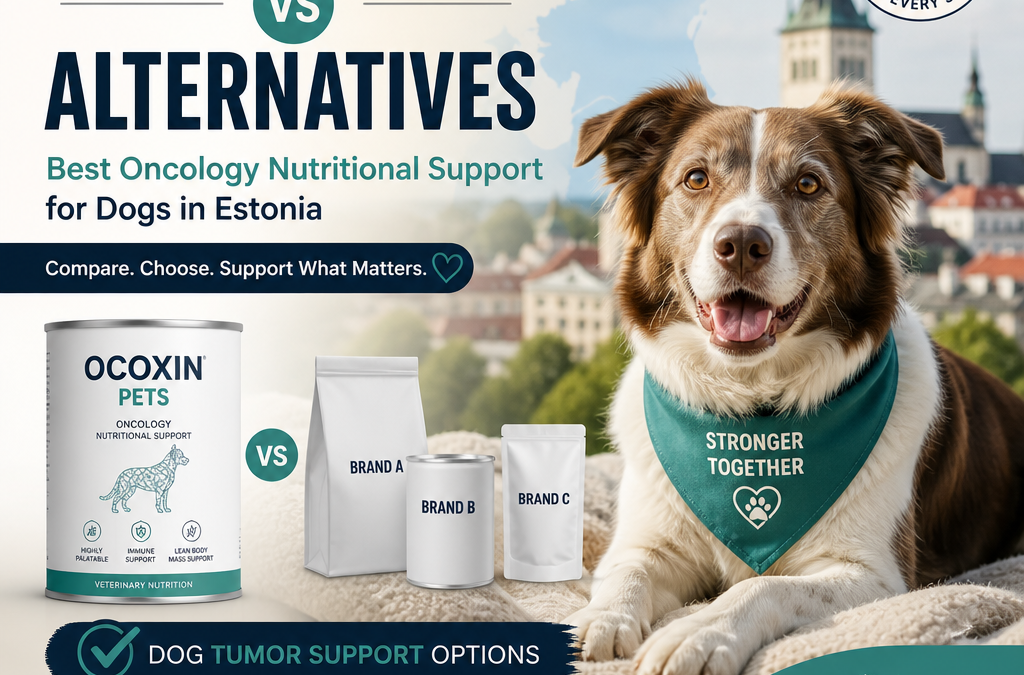
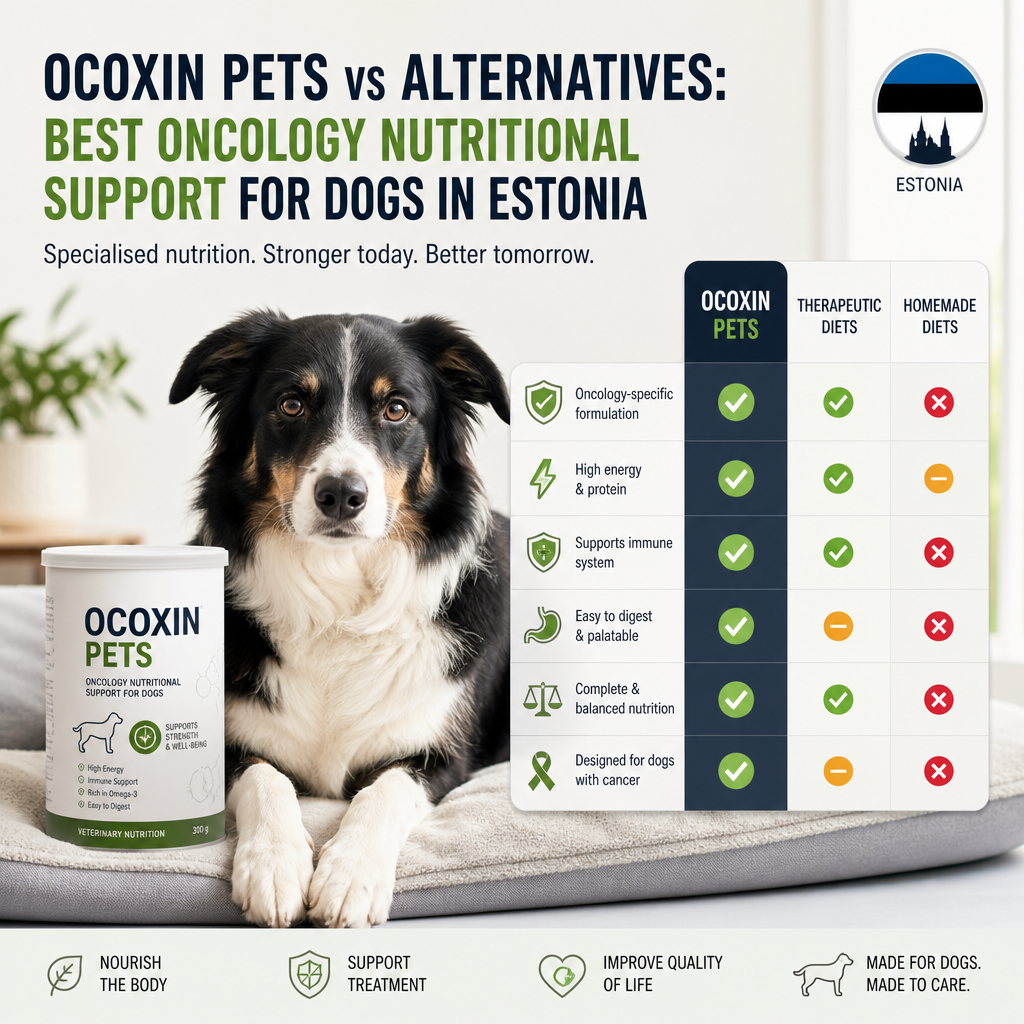
Ocoxin Pets vs alternatives is an important comparison for Estonian dog owners looking for supportive care during cancer treatment. A diagnosis of cancer can be overwhelming, but nutrition and carefully selected supplements may help maintain appetite, body condition, energy, and quality of life. These products should complement—not replace—veterinary diagnosis and treatment. The best choice depends on the dog’s tumor type, treatment plan, blood results, digestive health, and individual nutritional needs.
For many families, Ocoxin Pets vs alternatives becomes a practical question: should you choose a broad supportive formula, a therapeutic diet, or a more targeted supplement? The answer depends on the dog’s symptoms, current medications, and how well the dog is eating day to day. It also depends on whether the main goal is to support recovery, reduce treatment-related strain, or simply keep the dog comfortable and eating as normally as possible.
Cancer can affect a dog’s body in several ways. Tumors may increase energy demands, alter metabolism, reduce appetite, or cause inflammation. Surgery, chemotherapy, and radiation therapy can also lead to nausea, fatigue, mouth discomfort, diarrhea, or temporary changes in eating habits. In some dogs, the first signs that something is wrong are subtle changes such as leaving food behind, drinking less, or losing muscle over the back and hips.
Maintaining adequate nutrition is therefore a central part of supportive oncology care. A dog that eats well and preserves muscle mass may tolerate treatment more effectively and recover better after procedures. Nutritional support can include a complete diet, appetite management, hydration, calorie-dense foods, omega-3 fatty acids, digestive support, and selected veterinary supplements. When appetite is poor, even a small improvement in calorie intake can make a meaningful difference over time.
However, supplements are not automatically harmless. Some ingredients can interfere with medications, affect blood clotting, influence liver enzymes, or place additional demands on the kidneys. Veterinary supervision is especially important when a dog is receiving chemotherapy, corticosteroids, pain medication, or anticoagulants. That is one reason Ocoxin Pets vs alternatives should always be reviewed in the context of the dog’s full medical plan.
For this reason, Ocoxin Pets vs alternatives should always be evaluated alongside the dog’s medical history, not as a quick product comparison alone. In some cases, the best support is simply making sure the dog eats enough of the right food. In others, a carefully chosen supplement can help bridge a gap while the veterinarian manages the disease and its side effects.
Ocoxin Pets: what it is designed to provide
Ocoxin Pets is a veterinary nutritional supplement commonly used as supportive care for dogs and cats with serious illnesses, including cancer. Its formulation is intended to provide a combination of nutritional and antioxidant ingredients that may support appetite, general condition, immune function, and recovery. The product is usually considered part of a broader care plan rather than a stand-alone solution.
The product is often considered when a dog is losing weight, eating poorly, or experiencing reduced vitality during treatment. Its liquid format may be useful for some animals that struggle to swallow tablets. Nevertheless, acceptance varies between dogs, and the appropriate amount should be determined according to the product instructions and veterinary advice. Some dogs take liquids more easily when mixed with a small amount of food, while others prefer a separate dose to avoid changing the smell or taste of the meal.
The main advantage of a combined formula is convenience. Instead of giving several separate products, owners may be able to provide one supplement containing multiple supportive ingredients. The limitation is that a combination product may not be ideal for every patient. A dog with kidney disease, diabetes, gastrointestinal sensitivity, or a specific medication plan may require a more targeted approach. In those cases, Ocoxin Pets vs alternatives may come down to whether the dog needs a broad supportive product or a more precise intervention.
That is why Ocoxin Pets vs alternatives should not be framed as a simple “better or worse” choice. A broader formula may help one patient, while another may do better with a prescription diet or a single nutrient chosen for a specific need. The most appropriate option is usually the one that fits the dog’s clinical picture, the owner’s ability to administer it consistently, and the veterinarian’s overall treatment strategy.
Ocoxin Pets vs alternatives: key differences
When comparing Ocoxin Pets vs alternatives, it is useful to evaluate products according to their purpose rather than focusing only on brand names or ingredient counts. No supplement has been proven to cure cancer, and nutritional support should not be presented as an alternative to surgery, chemotherapy, radiation, or other evidence-based veterinary treatment. Supportive care is valuable because it helps the dog cope better with the illness and treatment, not because it replaces them.
The most helpful comparison usually comes down to three questions: does the dog need complete nutritional support, symptom relief, or targeted supplementation? Once that is clear, choosing between Ocoxin Pets vs alternatives becomes much easier. The answer may also change over time. A dog that needs appetite support during chemotherapy might later need a more calorie-dense diet during recovery, or a simpler plan if digestion becomes sensitive.
Complete veterinary cancer diets
A therapeutic veterinary diet is often the foundation of oncology nutritional support. These diets are formulated to provide balanced protein, energy, vitamins, and minerals while taking into account the nutritional demands of illness. Some are highly palatable and calorie-dense, which can help dogs that eat only small portions. They may also be easier to use consistently because the nutrient profile is already balanced for long-term feeding.
A complete diet may be more important than an additional supplement if the dog is underweight or eating an unbalanced homemade meal plan. The veterinarian may recommend a specific food based on the tumor type, digestive tolerance, kidney function, and treatment goals. For example, a dog with a poor appetite may need a food that is richer and easier to chew, while a dog with digestive issues may need a simpler formula with high digestibility.
In discussions about Ocoxin Pets vs alternatives, diet often matters more than the supplement itself. If the dog will not eat enough calories, even a good product cannot fully compensate for the deficit. A supportive diet can be the most practical first step, especially when the goal is to preserve muscle and prevent further weight loss.
Omega-3 fatty acid supplements
Fish oil containing EPA and DHA is another commonly discussed option. These fatty acids may support normal inflammatory responses and help maintain skin, coat, and general health. They also add calories, which can be useful for some underweight dogs. Many veterinary teams consider omega-3s because they are familiar, widely available, and easy to integrate into a larger care plan.
Quality and dosage matter. Products should be purified, stored correctly, and selected for veterinary use. Excessive amounts may cause digestive upset or increase bleeding risk, particularly before surgery or when combined with certain medicines. The VCA Hospitals guide to omega-3 fatty acids for pets is a useful overview for owners who want to understand how these supplements are commonly used.
For some dogs, omega-3s may be a more targeted choice than a broad product. For others, Ocoxin Pets vs alternatives is not an either-or decision at all, because the veterinarian may recommend both a therapeutic diet and a carefully dosed fatty acid supplement. The key is to avoid assuming that “more supplements” automatically means better support.
Appetite and digestive support
Some dogs need help with nausea, reflux, constipation, diarrhea, or appetite loss rather than a broad nutritional supplement. In these cases, veterinary anti-nausea medication, appetite stimulants, probiotics, or a temporary change in diet may provide more practical benefit. When the stomach is unsettled, a dog may reject food simply because eating causes discomfort, so symptom control can be the first priority.
Digestive support should be individualized. A probiotic that suits one dog may worsen gas or diarrhea in another, and a high-fat product may be inappropriate for dogs with pancreatitis or gastrointestinal disease. This is where Ocoxin Pets vs alternatives must be judged carefully, because a product that seems supportive on paper may be less useful than a medicine that addresses the real problem.
Owners sometimes focus on supplements when the real issue is pain, nausea, or a treatment side effect that requires veterinary management. Addressing those issues can restore appetite more effectively than changing supplements alone.
Single-ingredient supplements
Single-ingredient products, such as specific vitamins, minerals, amino acids, or medicinal mushrooms, may appear attractive because they allow more precise dosing. However, targeted supplementation is safest when a deficiency or clear clinical need has been identified. Adding multiple products without coordination can result in excessive intake or interactions. This is especially important when the dog already receives a prescription diet that contains complete nutrition.
In practical terms, Ocoxin Pets vs alternatives may also mean choosing fewer products overall. A focused plan often works better than stacking several supplements without a clear goal. If the dog is already eating a good diet and only needs mild support, the simplest option is often the easiest to maintain and monitor.
Supportive care goals in real life
In real-world oncology care, the best option is usually the one that the dog accepts and the owner can give consistently. Ocoxin Pets vs alternatives should therefore be viewed through the lens of daily use: does the dog like the taste, does the formula fit the schedule, and does it complement the prescribed treatment plan? A theoretically ideal supplement has little value if the dog refuses it or if it complicates feeding.
It is also helpful to distinguish between “nutritional support” and “treatment support.” Some products are designed to help maintain body condition, while others are intended to ease symptoms or support digestion. Both can matter, but they are not interchangeable. Understanding that difference makes Ocoxin Pets vs alternatives much easier to navigate.
Dog tumor support options available in Estonia
Dog tumor support options in Estonia include veterinary oncology consultations, nutritional assessment, prescription diets, symptom-control medicines, and carefully selected supplements. Owners can seek guidance from their regular veterinarian or a veterinary clinic with experience in oncology. Estonia’s pet pharmacies and veterinary practices may stock several supportive products, but availability can change, and imported supplements may have different labeling or dosage recommendations.
When buying a product, check that it is intended for dogs, has clear ingredient and dosing information, and comes from a reliable supplier. Avoid products marketed with promises to destroy tumors, replace chemotherapy, or guarantee remission. Such claims are not a substitute for clinical evidence and may delay effective treatment. A cautious, evidence-based approach is especially important when the dog is already weakened by illness.
For readers comparing options across Europe, the internal resource Ocoxin Pets Alternative: 7 Best Affordable Dog Tumor Supplements in the UK offers another practical look at supportive choices and how owners can assess them. This can be especially helpful if you are comparing ingredient profiles and delivery formats.
Estonian owners may also find it helpful to discuss product sourcing with their veterinary clinic. Imported supplements can vary in concentration and serving size, and the same name does not always mean the same formula in every country. That detail matters when comparing Ocoxin Pets vs alternatives because the real question is often how the product performs in the dog’s actual care routine.
How to choose the right nutritional support
The first step is to establish the dog’s current nutritional status. The veterinarian may assess body weight, muscle condition, appetite, hydration, blood work, and gastrointestinal signs. A dog can have a normal body weight while still losing muscle, so monitoring body condition alone is not always enough. Over time, changes in muscle can affect strength, recovery, and overall resilience.
Owners should also record how much the dog eats, any vomiting or diarrhea, changes in drinking, stool quality, and daily energy. This information helps the veterinary team determine whether the issue is insufficient calories, treatment side effects, pain, nausea, or disease progression. Even a simple feeding diary can make the Ocoxin Pets vs alternatives decision more informed and less guesswork-based.
Introduce only one new supplement at a time whenever possible. This makes it easier to identify both benefits and adverse reactions. Stop and contact the veterinarian if the dog develops persistent vomiting, severe diarrhea, unusual bruising, marked lethargy, or a sudden refusal to eat. Those signs may indicate a product mismatch or a separate medical concern that needs prompt attention.
If the dog is already receiving oncology care, ask whether the current plan needs more calories, a different protein level, or simpler digestibility rather than another supplement. In many cases, that small adjustment matters more than switching from one branded product to another, including Ocoxin Pets vs alternatives. A dog that eats a little more of the right food may improve faster than a dog given several products that do not fit its needs.
It is also worth asking whether the dog’s diet is already complete. If the answer is yes, an extra supplement should have a clear purpose. If the answer is no, then fixing the diet may be more important than adding a supportive product. This step alone can change the direction of the whole nutrition plan.
Practical decision points for owners
When comparing Ocoxin Pets vs alternatives, it can help to think in practical terms: can the dog eat enough on its own, does it need help managing symptoms, and is the chosen product easy to give every day? The most effective plan is usually the one that combines clinical logic with everyday realism. A good recommendation that cannot be followed consistently is less useful than a simpler plan that the dog tolerates well.
Owners should also consider budget and availability. If a product is difficult to find in Estonia or too expensive to maintain long term, it may not be the best choice even if its ingredients look appealing. Consistency matters more than novelty in most supportive care plans.
Questions to discuss with the veterinarian
Before starting Ocoxin Pets or an alternative, ask whether the product is suitable for the dog’s tumor type and current medications. It is also worth discussing whether the dog needs additional calories, a prescription diet, omega-3 supplementation, digestive support, or treatment for nausea and pain. These questions help prevent unnecessary product overlap and reduce the risk of interactions.
Ask how success will be measured. Useful goals may include stable body weight, improved appetite, better stool quality, or maintaining normal activity—not simply the expectation that a supplement will shrink a tumor. Regular reassessment is essential because nutritional needs can change during surgery, chemotherapy, recovery, or palliative care. A product that works early in treatment may need to be adjusted later as symptoms shift.
It may also help to ask whether the dog should avoid specific ingredients because of bleeding risk, kidney concerns, or digestive sensitivity. That conversation can make Ocoxin Pets vs alternatives a safer and more personalized decision. If you are uncertain, ask the veterinarian to rank the options in order of importance so the plan stays simple and manageable.
Owners can also ask whether the dog’s medications affect appetite or digestion. Sometimes the best supportive care is not a new supplement but a small change in timing, feeding frequency, or medication scheduling. Those details can improve comfort more than switching products.
A balanced approach to supportive care
The most effective oncology nutritional support is usually part of a broader plan. A complete and palatable diet, adequate hydration, symptom control, regular veterinary monitoring, and emotional comfort all contribute to a dog’s quality of life. Ocoxin Pets may be a reasonable option for some patients, while others may benefit more from a therapeutic diet, a specific nutrient, or medical treatment for an underlying problem. In many cases, the best result comes from combining a few well-chosen measures rather than relying on one product alone.
Comparing Ocoxin Pets vs alternatives should therefore focus on safety, clinical suitability, nutritional completeness, product quality, and the dog’s response over time. With individualized veterinary guidance, owners in Estonia can make informed decisions and provide supportive care that complements—not competes with—their dog’s cancer treatment. Monitoring the dog’s appetite, stool quality, weight, and comfort will tell you far more than a label ever can.
In the end, the best choice is the one that supports eating, comfort, and stability while fitting the dog’s diagnosis and treatment plan. That is the most practical way to decide between Ocoxin Pets vs alternatives for a dog with tumors in Estonia. When the plan is guided by the veterinarian and adjusted as the dog changes, supportive care becomes more effective, more predictable, and easier for the family to follow.
If you want a simple final rule, it is this: choose the option that helps the dog eat, keeps the plan realistic, and fits the medical picture. For many families, that is the heart of Ocoxin Pets vs alternatives and the key to making supportive care truly useful.
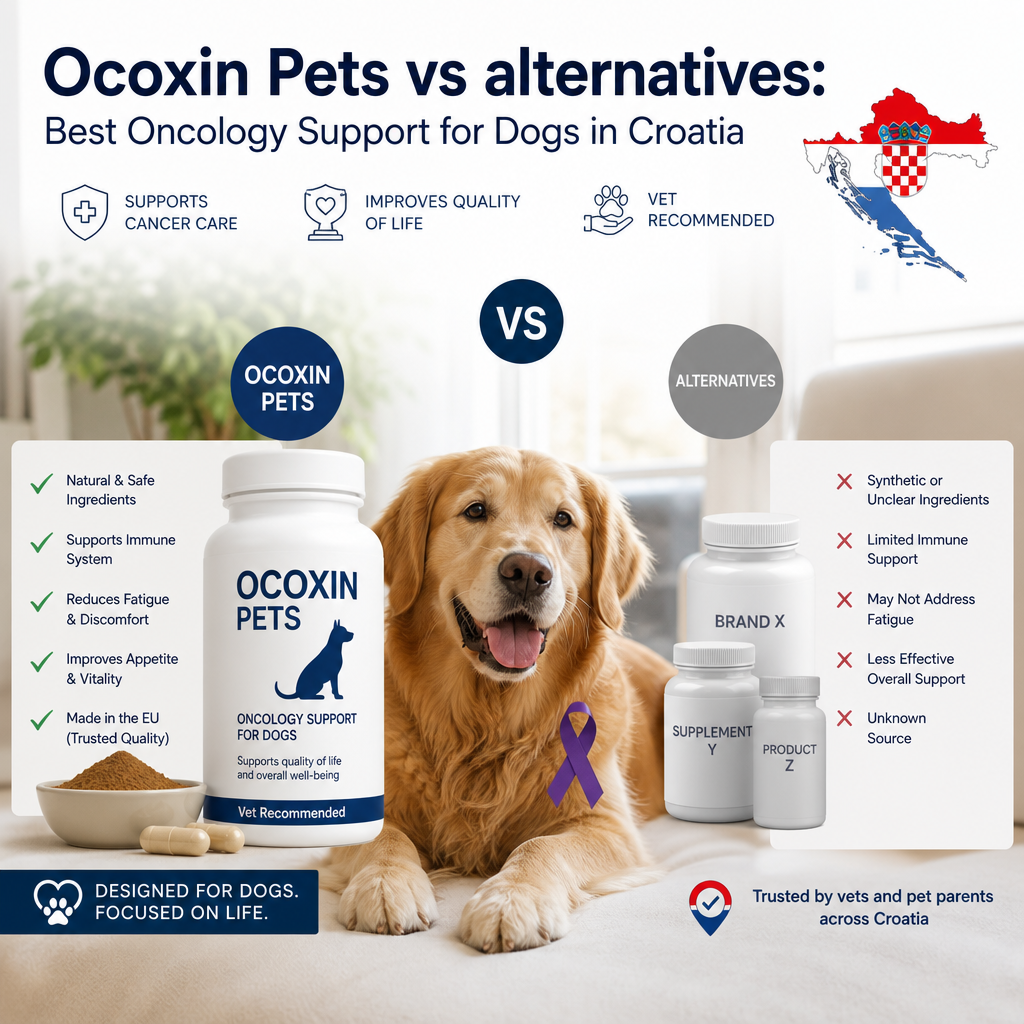
Ocoxin Pets vs alternatives is an important comparison for Croatian dog owners looking for safe, evidence-informed ways to support a pet during cancer treatment. Nutritional supplements cannot replace surgery, chemotherapy, radiation therapy, or veterinary monitoring, but they may help maintain appetite, body condition, hydration, and general wellbeing when used appropriately. The best choice depends on the dog’s diagnosis, treatment plan, current symptoms, medications, and overall health.
Understanding oncology nutritional support for dogs
Cancer can affect a dog’s body in several ways. Some tumors increase energy demands, while others cause inflammation, digestive problems, pain, or reduced appetite. Treatment may also lead to nausea, fatigue, diarrhea, or changes in taste and smell. As a result, maintaining adequate nutrition can become difficult. In practical terms, Ocoxin Pets vs alternatives often comes down to which option helps the dog eat better and stay more stable during treatment.
Oncology nutritional support aims to help a dog receive enough calories, protein, fluids, and essential nutrients during illness. It may include:
A complete veterinary therapeutic diet
High-quality protein and energy-dense foods
Omega-3 fatty acids, particularly EPA and DHA
Carefully selected vitamins and minerals
Appetite and digestive support prescribed by a veterinarian
Supplements designed specifically for dogs undergoing cancer care
A supplement should be viewed as one part of a wider plan. Before adding any product, the veterinarian should review the dog’s blood tests, kidney and liver function, medications, and treatment schedule. For broader background on diagnosis and care, readers can also review Dog Cancer Essentials: Helpful Pet Oncology Guide.
Good supportive care is rarely about one ingredient alone. It usually includes feeding strategies, symptom control, and regular follow-up. When owners compare Ocoxin Pets vs alternatives, they should also think about how easy it will be to keep the dog eating, hydrated, and comfortable over time. Small practical details, such as how the product tastes, how often it must be given, and whether it fits the dog’s meal routine, can matter as much as the ingredient list.
For many dogs, supportive nutrition is most useful when it is started early. Waiting until a dog has already lost significant weight can make recovery harder. That is why discussions about Ocoxin Pets vs alternatives are best held before appetite drops sharply, not after the dog has already become weak. A proactive plan gives the veterinary team more room to adjust the diet and supplement approach safely.
What is Ocoxin Pets?
Ocoxin Pets is marketed as a complementary nutritional product for dogs and cats, commonly used as supportive care alongside conventional veterinary oncology. Its formulation may include plant-derived ingredients, antioxidants, vitamins, minerals, and other nutritional compounds. The precise composition can vary by product version and market, so owners should read the current label and follow veterinary guidance.
The intended role of Ocoxin Pets is supportive rather than curative. It may be considered when a dog needs help maintaining food intake, condition, or general vitality during a demanding period. However, the product should not be presented as a treatment that destroys tumors or replaces proven cancer therapy.
Potential advantages include its veterinary-oriented formulation and convenient use. Possible limitations include cost, variable response between individual dogs, palatability issues, and uncertainty about how its ingredients interact with particular chemotherapy protocols. Even natural substances can influence drug metabolism, blood clotting, blood pressure, or immune activity.
That is why Ocoxin Pets vs alternatives should always be reviewed with the oncology team rather than chosen on marketing claims alone.
Some owners want a supplement that sounds comprehensive, but a broad formula is not automatically better. Dogs with cancer may need a targeted approach based on what is actually happening in the body. If the main issue is appetite loss, a palatable calorie-dense diet may be more useful than a complex supplement. If the main issue is digestive upset, a different supportive option may be more appropriate. In other words, Ocoxin Pets vs alternatives should be judged by the dog’s needs, not by how many nutrients a label lists.
The best way to think about Ocoxin Pets is as a possible helper in a larger care plan. It may fit some cases well, but it should be matched against the rest of the dog’s treatment and support strategy. That is especially important in oncology, where timing, dose, and medication interactions can change what is safe.
Ocoxin Pets vs alternatives: key factors to compare
When comparing Ocoxin Pets with other dog tumor support options, owners should look beyond advertising claims. The following factors are especially important. A clear Ocoxin Pets vs alternatives review usually starts with the dog’s nutritional needs, not the brand name.
Ingredient transparency
A product should clearly list its active ingredients, amounts per serving, administration instructions, storage requirements, and warnings. Transparent labeling makes it easier for a veterinarian to assess whether the supplement is appropriate.
Scientific support
Evidence for veterinary cancer supplements varies widely. Some ingredients have research suggesting potential nutritional or metabolic benefits, but laboratory findings do not automatically prove that a supplement improves survival or treats cancer in dogs. Products supported by veterinary research, quality-control information, and responsible claims are generally preferable to products promising dramatic cures.
Suitability for the individual dog
A supplement suitable for a healthy adult dog may be inappropriate for a dog with kidney disease, liver dysfunction, diabetes, pancreatitis, bleeding problems, or a sensitive stomach. The dog’s size, age, tumor type, treatment protocol, and current diet all matter.
Tolerance and palatability
Even a well-formulated product has limited value if the dog refuses it or develops vomiting and diarrhea. Introduce any new supplement gradually when the veterinarian agrees, and monitor appetite, stool quality, energy, and hydration.
Compatibility with treatment
Antioxidant-rich products require particular care during chemotherapy or radiation therapy. The effect depends on the type, timing, and dose of treatment, as well as the specific ingredients involved. Owners should provide the oncology team with a complete list of supplements, including herbal products and fish oils.
When people search for Ocoxin Pets vs alternatives, they are often trying to answer a few practical questions: Will the product help my dog feel better? Is it safe with current medication? Can I give it every day? Will it work alongside food changes and treatment? Those are the right questions to ask because they focus on daily care rather than promises.
It also helps to compare how each option is monitored. Some products require careful observation of stool quality, appetite, or energy for the first week. Others are mostly food-based and can be adjusted more easily. In a real clinic setting, the best choice is often the one that fits the dog’s routine and can be tracked clearly over time.
Common alternatives to Ocoxin Pets
There is no single best supplement for every dog. In an Ocoxin Pets vs alternatives comparison, the right choice may depend on whether the dog needs calories, digestive support, or a more complete therapeutic diet. Alternatives may be chosen according to the dog’s most urgent nutritional needs.
Therapeutic veterinary diets
Prescription oncology or recovery diets can provide concentrated calories, high-quality protein, and controlled levels of fat and fiber. These foods are often more useful than a general supplement when weight loss or poor appetite is the main concern. A veterinary nutritionist can help select a diet for dogs with pancreatitis, kidney disease, or digestive complications.
Omega-3 fatty acids
Fish oil containing EPA and DHA is frequently discussed in canine cancer nutrition. These fatty acids may support skin, immune, and inflammatory processes, and they can contribute calories to the diet. Product quality is important because oils can become rancid or contain contaminants. The dose should be calculated by the veterinarian, particularly if the dog has gastrointestinal disease or takes medication affecting blood clotting.
High-calorie nutritional gels and recovery formulas
Energy-dense gels, liquid diets, and recovery foods may help dogs that cannot eat normal portions. They can be useful for short-term support, but they are not always complete diets and should not be used indefinitely without professional advice.
Probiotics and digestive support
Some dogs develop diarrhea or altered bowel habits during illness or treatment. A veterinary probiotic may help support normal intestinal function in selected cases. However, persistent diarrhea, vomiting, blood in the stool, or dehydration requires prompt veterinary assessment rather than supplement-only management.
Individual ingredients
Veterinarians sometimes consider ingredients such as medicinal mushrooms, turmeric-derived compounds, amino acids, or specific antioxidants. The quality and evidence differ substantially between products. “Natural” does not automatically mean safe, and concentrated extracts can interact with prescribed medication.
Many owners find it helpful to compare each option against core priorities such as appetite, digestibility, and treatment compatibility. In that sense, Ocoxin Pets vs alternatives is less about one “best” brand and more about matching the right support to the dog’s current needs.
Some dogs need a single focused product, while others do better with a combination approach. For example, a prescription diet may be paired with omega-3s, or a recovery formula may be paired with a probiotic when the stomach is sensitive. The point is not to stack as many products as possible. The point is to choose the fewest effective tools that support nutrition without increasing the risk of side effects.
Owners should also remember that supplements are not all equal in quality control. Products made for pets and sold through veterinary channels are generally easier for a clinician to evaluate. That does not make every veterinary product ideal, but it does make review and monitoring more straightforward.
Choosing the right approach in Croatia
Availability in Croatia can vary between veterinary clinics, pharmacies, pet shops, and online retailers. Owners should check that products are intended for animals, have clear labeling, and come from a reputable manufacturer. Imported supplements may have different formulations, serving recommendations, or regulatory information depending on the market.
A Croatian veterinarian, veterinary oncologist, or veterinary nutritionist can help compare Ocoxin Pets with locally available alternatives. Ask for a practical plan covering the dog’s daily calorie target, preferred food, supplement dose, treatment timing, monitoring schedule, and signs that require immediate attention.
Cost is also a realistic consideration. A less expensive complete therapeutic diet may provide more meaningful support than an expensive supplement added to an inadequate feeding plan. The priority should always be maintaining nutrition, comfort, and treatment safety.
Owners researching Ocoxin Pets vs alternatives should also consider whether a product is easy to buy consistently, because switching products too often can make it harder to judge what is actually helping.
In Croatia, as in any country, practical access matters. If a product is difficult to obtain regularly, the dog may miss doses or experience unnecessary changes in routine. A consistent plan is usually better than a theoretically excellent product that cannot be sourced reliably. That is another reason Ocoxin Pets vs alternatives should be reviewed with the local veterinary team.
It can help to write down the following before making a decision:
The dog’s current weight and recent weight changes
What the dog is eating now and how much
Any vomiting, diarrhea, or constipation
All medications and treatment dates
Any history of kidney, liver, pancreas, or clotting problems
How easy the product is to buy again in the same form
That simple checklist often makes the discussion more productive and helps narrow Ocoxin Pets vs alternatives to the options that are actually practical for the household.
Warning signs that need veterinary attention
Contact a veterinarian promptly if a dog refuses food for an extended period, repeatedly vomits, develops severe diarrhea, loses weight quickly, appears painful, becomes unusually weak, or has difficulty breathing. Sudden changes in thirst or urination may indicate kidney or metabolic problems. Supplement use should never delay investigation of these symptoms.
It is especially important to stop self-directed experimentation when symptoms change quickly. Even if a supplement seemed useful at first, the dog’s condition may require a different approach. If you are still comparing Ocoxin Pets vs alternatives at this point, the pet’s symptoms should guide the next step more than the product label.
Watch for subtle changes too. A dog that is less interested in meals, hides more than usual, or sleeps much more can be signaling discomfort before more obvious illness appears. Early veterinary input can prevent a small problem from becoming a major setback.
Owners should not assume that a natural supplement will be gentle enough to continue through every phase of treatment. Some products can worsen nausea or interfere with another medication. When in doubt, pause the product and ask the clinician for advice rather than guessing.
A balanced decision
The best oncology nutritional support is not necessarily the product with the longest ingredient list. It is the strategy that fits the dog’s medical condition, supports adequate nutrition, does not interfere with treatment, and can be monitored safely. Ocoxin Pets may be a reasonable complementary option for some dogs, while others may benefit more from a therapeutic diet, omega-3 supplementation, digestive support, or a carefully designed combination.
For Croatian pet owners, the most reliable path is a personalized plan developed with the veterinary oncology team. Supplements can contribute to comfort and nutritional care, but successful cancer management depends on accurate diagnosis, appropriate treatment, regular monitoring, and attention to the dog’s quality of life. If you are weighing Ocoxin Pets vs alternatives, the most useful question is which option best supports your dog today and remains safe alongside the full treatment plan.
To keep the decision grounded, focus on three goals: help the dog eat enough, avoid unnecessary side effects, and preserve the ability to continue prescribed cancer care. When those goals are met, supportive nutrition becomes more than a product choice. It becomes part of a thoughtful, humane care plan that can be adjusted as the disease changes.
For readers researching broader care strategies, it can also help to review related guidance on canine cancer support and nutrition. One useful starting point is Best Supplements for Dogs with Cancer: 7 Essential UK Support Tips, which provides additional context on supportive options for dogs undergoing oncology treatment. Used together with local veterinary advice, that background can make Ocoxin Pets vs alternatives easier to evaluate in a practical way.