
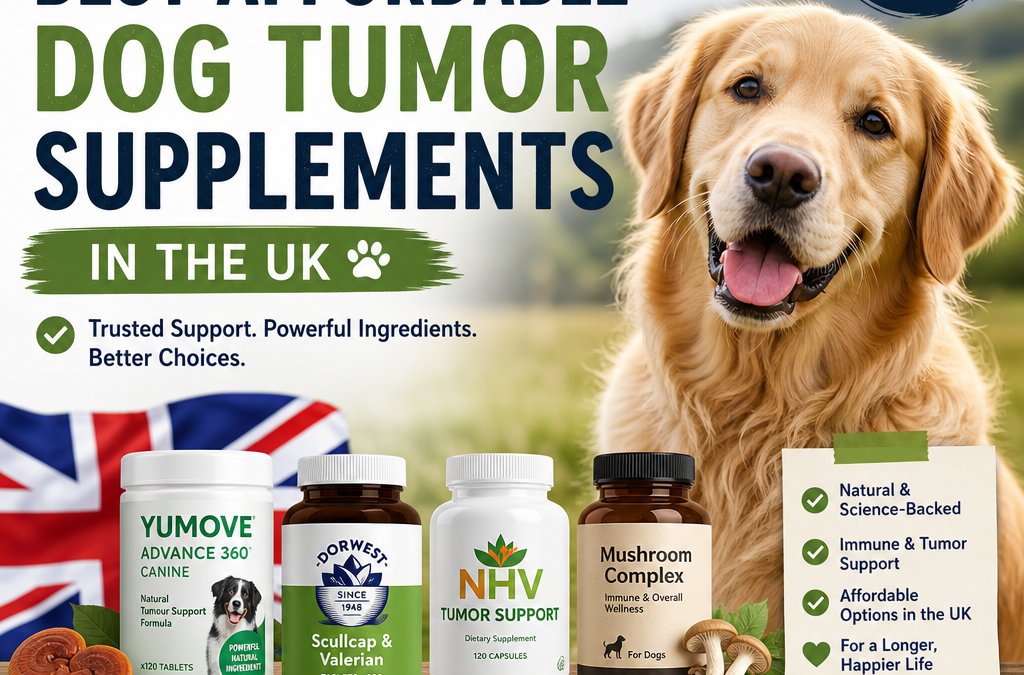
Ocoxin Pets Alternative: 7 Best Affordable Dog Tumor Supplements in the UK

Ocoxin Pets Alternative: 7 Best Affordable Dog Tumor Supplements in the UK

Ocoxin Pets Alternative options can help UK dog owners find more affordable nutritional support when their pet is living with a tumour or undergoing veterinary treatment. However, supplements should never replace diagnosis, surgery, chemotherapy, radiotherapy, pain management, or other care recommended by a veterinary professional. The right product depends on the dog’s condition, appetite, medication, weight, and overall health.

When people search for an Ocoxin Pets alternative, they are usually looking for something practical: a product that is easier to source in the UK, simpler to give, and more affordable over time. That search is understandable, but it is important to remember that supportive nutrition is only one part of a wider care plan. The best results usually come from combining a sensible supplement choice with good feeding habits, regular monitoring, and clear advice from the vet team.

Why owners look for alternatives to Ocoxin Pets
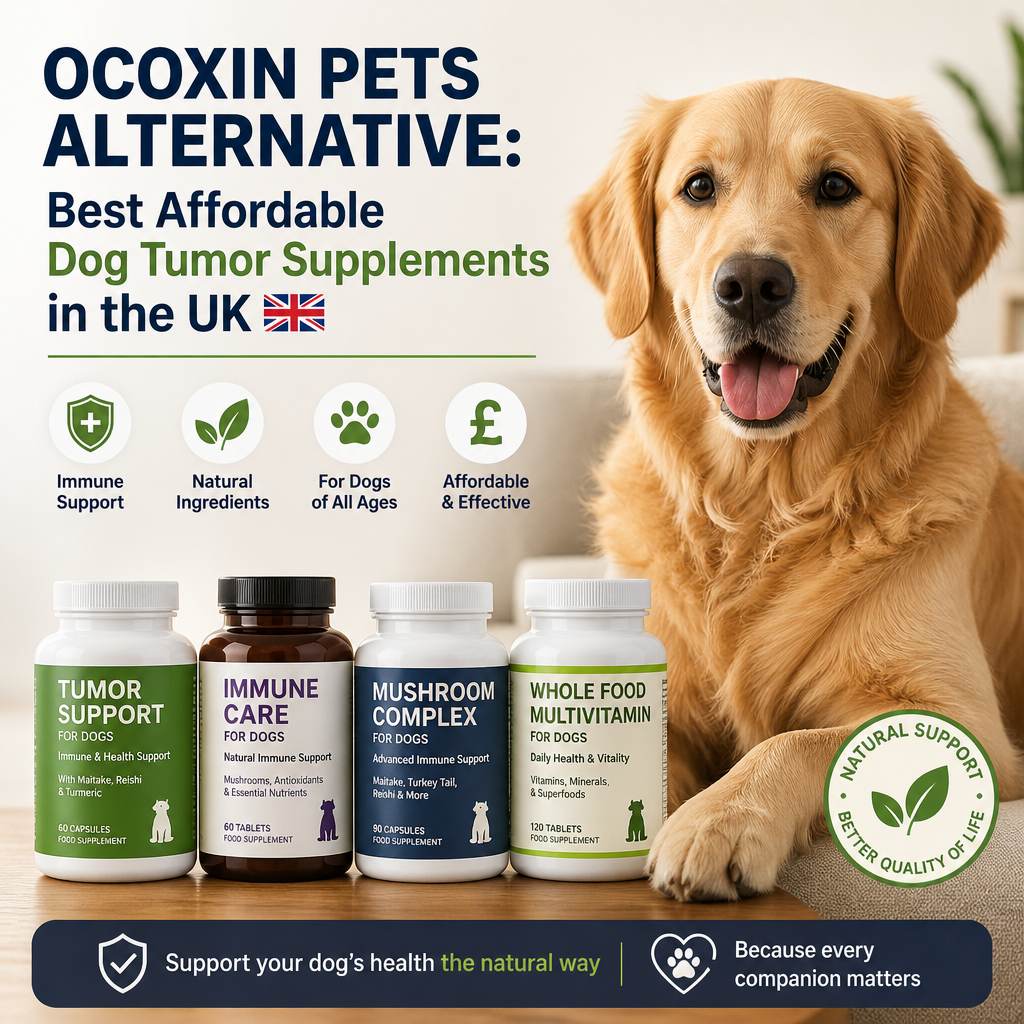
Ocoxin Pets alternative illustration

Ocoxin Pets is commonly discussed as a complementary nutritional product for dogs affected by serious illness, including cancer. Some owners seek alternatives because of price, availability, delivery costs, ingredient preferences, or difficulty finding the product through UK suppliers. Others may want a formula that is easier to administer or better suited to a dog with a sensitive stomach.

Searching for an Ocoxin Pets alternative can be confusing because supplements are marketed using terms such as “immune support,” “cancer support,” and “tumour nutrition.” These descriptions do not mean that a product can treat or cure cancer. A responsible approach is to examine the ingredients, evidence, safety information, and suitability for the individual dog rather than relying on promotional claims. In many cases, the best Ocoxin Pets alternative is not the one with the boldest marketing, but the one that fits the dog’s needs and can be used consistently.

For UK owners, an Ocoxin Pets alternative should also fit the realities of day-to-day care. If a dog is already taking prescribed medicines, recovering from a procedure, or struggling to eat, the most impressive label is not always the best choice. In many cases, the simplest option is the one that can be given consistently and tolerated well. That practical approach is especially useful when the dog is already dealing with appetite changes, nausea, or fatigue.

There are also emotional reasons people keep searching. When a dog has a tumour, families often want to do something helpful right away, and supplements can feel like a meaningful step. The most useful response, though, is to choose a product that supports the dog without creating extra stress, unnecessary expense, or confusion about what it can and cannot do.

What to look for in dog tumour supplements United Kingdom

When comparing dog tumour supplements United Kingdom owners should focus on practical nutritional support and product quality. A useful supplement may include ingredients intended to support normal immune function, antioxidant balance, appetite, digestion, or general wellbeing. It should also provide clear information about dosage, manufacturing standards, batch testing, and possible interactions with medicines.

Common ingredients found in canine supportive formulas include medicinal mushrooms, omega-3 fatty acids, antioxidants, vitamins, minerals, and digestive-support ingredients. Their roles vary considerably:

  • Omega-3 fatty acids: Fish oil provides EPA and DHA, which may support normal inflammatory balance and help maintain skin, coat, and general health.
  • Medicinal mushrooms: Reishi, turkey tail, maitake, and shiitake are often included in immune-support products. Evidence in dogs is still developing, and extracts differ greatly in concentration and quality.
  • Antioxidants: Vitamins C and E, selenium, and plant compounds may help support the body’s natural antioxidant systems, but high doses are not automatically beneficial.
  • Digestive support: Prebiotics, probiotics, and fibre can be useful for some dogs experiencing changes in appetite or bowel movements.
  • Nutritional calories: For dogs losing weight, a calorie-dense nutritional paste or veterinary recovery food may be more valuable than a complex herbal blend.

A product should be selected according to the dog’s actual needs. A dog maintaining weight and eating normally may require a different approach from one experiencing nausea, diarrhoea, muscle loss, or reduced appetite. This is why a good Ocoxin Pets alternative is not automatically the most expensive one or the one with the longest ingredient list.

If you want a clearer overview of pet cancer nutrition, a helpful starting point is the canine cancer care resource, which explains how supportive feeding and complementary care are often discussed alongside treatment.

Before choosing any supplement, it helps to think in terms of goals. Are you trying to improve appetite, support digestion, provide omega-3 fatty acids, or simply give general nutritional support? Once the goal is clear, comparing products becomes much easier. A focused decision is especially helpful when looking for an Ocoxin Pets alternative in the UK market, where product ranges can feel overwhelming.

One more thing to consider is palatability. Dogs receiving treatment may become picky or refuse certain textures and smells. A product that looks ideal on paper but is rejected every day will never deliver much value. For that reason, taste, smell, and ease of mixing are not minor details; they are part of the real-world effectiveness of any supportive supplement.

Affordable Ocoxin Pets alternative choices

The most affordable alternative is not always another premium supplement. In some cases, targeted support offers better value than purchasing a broad formula containing numerous ingredients. For example, a veterinarian may recommend a high-quality fish oil, a complete recovery diet, or a specific digestive product rather than a multi-ingredient “tumour support” blend.

Several categories may be worth discussing with a veterinary professional:

Omega-3 fish oil

A purified canine fish oil can be a relatively economical way to provide EPA and DHA. Look for products that state the exact amount of EPA and DHA rather than listing only the total amount of fish oil. Choose a product designed for pets or one approved by the veterinary team, as quality and concentration can vary.

Fish oil can cause digestive upset in some dogs and may not be suitable for every patient, particularly those with a history of pancreatitis, clotting problems, or certain upcoming procedures. It should be introduced gradually and stored according to the manufacturer’s instructions. For many owners, fish oil is a practical Ocoxin Pets alternative because it is familiar, easy to source, and easy to adjust if the dog’s needs change.

Medicinal mushroom products

Mushroom-based supplements are among the most common alternatives to Ocoxin Pets. Turkey tail and other mushroom extracts are frequently used in complementary pet care. Owners should check whether the product contains a standardised extract, clear serving instructions, and independent quality testing.

Mushrooms may interact with immune-modulating drugs, blood-thinning medication, or other treatments. They can also cause gastrointestinal problems in sensitive animals. Veterinary approval is especially important when a dog is receiving chemotherapy or has an immune-related condition. If you are comparing more than one Ocoxin Pets alternative, ingredient transparency is usually more valuable than a long list of wellness claims.

Veterinary nutritional support

For dogs with poor appetite or weight loss, a complete veterinary diet may be more useful than a supplement. Recovery foods are formulated to provide concentrated energy, protein, vitamins, and minerals in a small volume. Some are designed for syringe feeding or can be mixed with water to make them easier to consume.

Nutrition is particularly important during cancer care because maintaining body weight, muscle mass, and hydration can support comfort and resilience. A veterinary nurse or clinical nutritionist can help calculate suitable portions and identify signs that a diet needs adjusting. In this context, a recovery diet may be the most valuable Ocoxin Pets alternative because it directly addresses a common problem: not eating enough.

Digestive and appetite support

Some dogs experience nausea, constipation, diarrhoea, or altered taste during treatment. Probiotics, fibre, or bland dietary adjustments may help in selected cases, but persistent symptoms require veterinary assessment. Prescription anti-nausea medicines and appetite support can be more effective than over-the-counter supplements and should not be delayed.

When comparing an Ocoxin Pets alternative, it also helps to ask whether the product is meant for daily maintenance or short-term recovery support. That distinction matters, because a supplement that is inexpensive per pack may become costly if it needs to be used for months. The daily cost, not just the shelf price, is what usually determines whether a product is truly affordable.

Some UK owners also compare convenience factors such as shipping speed, return policy, and whether the product can be stored at room temperature. These details matter more than people often expect, particularly when a dog’s condition can change quickly and a supplement may need to be started, paused, or replaced without delay.

Calorie-dense feeding aids

Another practical option is a calorie-dense feeding aid or recovery formula that can be added to meals. For dogs with tumours that are eating less than usual, increasing calories in a small volume is often more useful than adding another capsule. This does not sound as specialised as a branded supplement, but it can be a smarter choice when the main goal is maintaining condition.

In short, there are many routes to supportive care, and the best Ocoxin Pets alternative is often the one that solves the most urgent issue first. For some dogs that means omega-3 support; for others it means easier calories, improved palatability, or a simpler digestive product.

How to compare the 7 most common supplement categories

If you are trying to narrow down an Ocoxin Pets alternative, compare products by category rather than by advertising alone. The seven most common types of support used by UK dog owners are often:

  1. Omega-3 fish oil
  2. Medicinal mushroom extract
  3. Recovery diet or nutritional paste
  4. Digestive probiotic support
  5. General antioxidant formula
  6. Appetite or feeding support product
  7. Combined multi-ingredient supportive blend

Each category has strengths and weaknesses. Fish oil is straightforward and often easy to dose, but it will not help every symptom. Mushroom extracts may be appealing to owners looking for a broader supportive formula, but quality varies. Recovery diets are often the most useful for weight loss, while probiotics can help only when digestive issues are part of the picture.

A multi-ingredient blend can seem convenient, but it may also make it hard to know which ingredient is actually helping or causing problems. If your dog is sensitive, a simpler product can be better. If your dog is stable but needs broader support, a broader formula may be acceptable. This is why there is no universal Ocoxin Pets alternative that fits every patient.

When comparing these categories, ask three practical questions: Can the dog take it easily? Does it match the current health goal? Is the cost reasonable for long-term use? Those questions often lead to better choices than product descriptions alone.

Simple checklist before you buy

Use this quick checklist before choosing any supplement for a dog with a tumour:

  1. Check the ingredient list and avoid vague proprietary blends where possible.
  2. Confirm the exact daily dose for your dog’s body weight.
  3. Review whether the product is suitable alongside current medicines.
  4. Look for a batch number, expiry date, and storage guidance.
  5. Compare the cost per day rather than the upfront packet price.
  6. Ask your vet whether the product supports the current treatment plan.
  7. Make sure the supplement can realistically be given every day.

This kind of comparison is especially useful when evaluating dog tumour supplements United Kingdom suppliers market online, because product names can sound similar even when the formulas are very different. A careful checklist can help separate a genuinely useful Ocoxin Pets alternative from a product that is simply well branded.

It is also sensible to keep notes after starting a new product. Track appetite, stool quality, energy, weight, and any vomiting or reluctance to eat. These observations make follow-up conversations with the vet more useful and can help you decide whether a supplement is worth continuing.

Safety considerations before starting a supplement

“Natural” does not automatically mean safe. Herbal products can affect the liver, kidneys, blood clotting, blood pressure, or the way medicines are absorbed and metabolised. This matters greatly for dogs taking chemotherapy, steroids, anti-inflammatory drugs, antibiotics, pain relief, or medication for heart, liver, or kidney disease.

Before buying an Ocoxin Pets alternative, provide the veterinary practice with the full product label, including serving size and inactive ingredients. Avoid products that promise to shrink tumours, replace conventional treatment, or guarantee a cure. Be cautious with human supplements, as some contain xylitol, excessive vitamin D, iron, caffeine, or other ingredients that can be dangerous to dogs.

Introduce only one new product at a time. This makes it easier to identify side effects such as vomiting, diarrhoea, itching, lethargy, or changes in appetite. Stop the supplement and contact the veterinary team if a serious reaction occurs.

If a dog is already receiving active cancer treatment, safety becomes even more important. An apparently harmless supplement may alter how a prescription drug works or add strain to the digestive system. That is why even a promising Ocoxin Pets alternative should be reviewed alongside the treatment plan rather than added casually.

For more information on ingredient quality and pet supplement safety, the FDA’s guidance on pet supplements is a useful educational reference, especially when you are comparing claims with actual label details.

UK owners should also be aware that product labels can vary widely between manufacturers. Terms such as “standardised extract,” “clinically proven,” or “veterinary grade” are not always regulated in the same way people assume. Reading the small print is not exciting, but it is one of the best ways to avoid disappointment.

How to compare products in the UK

UK owners should check whether a product is available from a reputable veterinary supplier, established pet retailer, or manufacturer with transparent contact details. Look for clear labelling, storage instructions, expiry dates, batch numbers, and guidance for different body weights. Products imported from overseas may have different quality controls and may be subject to delivery delays or additional costs.

Price should be assessed by daily serving rather than packet price. A larger container is not necessarily cheaper if the dog requires a high dose or much of the product is wasted. Also consider whether the dog will accept the supplement mixed with food, as refusal can make an apparently affordable product impractical.

It is also worth checking how easy it is to pause, adjust, or stop a supplement if your vet changes the treatment plan. In real-world care, flexibility often matters as much as the ingredients themselves. A practical Ocoxin Pets alternative should support the dog without creating extra stress for the household.

Another point to remember is availability. If a product is frequently out of stock or takes a long time to arrive, it may not be the best long-term option. A dog with cancer often benefits from stable routines, so reliable supply can matter just as much as the formula itself.

When comparing suppliers, look beyond star ratings and focus on the information that affects safety and consistency: full ingredient disclosure, manufacturing standards, and whether the seller offers clear contact support. Those details are often more important than promotional language.

Practical ways to support a dog with a tumour at home

Supplements work best when they are part of a sensible home-care routine. Offering smaller, more frequent meals may help dogs with reduced appetite. Warming food slightly can improve smell and make it more appealing. For some dogs, keeping the routine calm and predictable matters just as much as the specific product chosen.

Water intake should also be monitored. A dog that is eating less may also drink less, and dehydration can quickly make appetite and energy worse. If your dog is not drinking normally, tell the vet promptly rather than relying on a supplement to solve the problem.

Body weight is another useful marker. Even small changes can matter in a dog with cancer. A simple weekly weigh-in at home or at the veterinary practice can help you spot trends early. This makes it easier to decide whether the current Ocoxin Pets alternative is actually helping or whether a different approach is needed.

Finally, keep expectations realistic. A supplement should support comfort, eating, and general wellbeing where possible. It is not a substitute for treatment, and it should not be expected to perform miracles. The most useful Ocoxin Pets alternative is the one that quietly supports the dog’s day-to-day care without causing new problems.

The most suitable choice is individual

There is no single best supplement for every dog with a tumour. The most appropriate alternative depends on the type of cancer, treatment plan, laboratory results, nutritional status, and quality-of-life goals. In many cases, a simple, well-tested product used alongside a complete diet is preferable to an expensive combination of unproven ingredients.

A veterinary professional can help prioritise the essentials: controlling pain and nausea, maintaining hydration, supporting appetite, preserving muscle, and monitoring treatment response. Supplements may have a supporting role, but they work best as part of a broader care plan designed around the dog’s comfort and medical needs.

If your dog is already on prescribed treatment, bring the label of any Ocoxin Pets alternative to the veterinary appointment and ask whether it fits the current plan. Small changes in tolerance or appetite can make a major difference, so careful monitoring is always worthwhile.

In the end, the best choice is the one that is safe, affordable, and realistic for daily use. For many families, that means focusing on a well-matched supplement, good nutrition, and close veterinary guidance rather than chasing the most heavily marketed product. A well-chosen Ocoxin Pets alternative should make care simpler, not more complicated.

For dogs with tumours, the most reliable path is usually thoughtful support, steady routines, and timely veterinary advice. That combination does far more than any single supplement label can promise, and it helps ensure that each Ocoxin Pets alternative is judged by how well it truly fits the dog’s needs.

How to Manage Chemotherapy Side Effects in Dogs? Nutritional Support & Care Tips

How to Manage Chemotherapy Side Effects in Dogs? Nutritional Support & Care Tips

Chemotherapy can be a lifesaving treatment for dogs with cancer, but it often comes with side effects that impact their quality of life. While chemotherapy for dogs is generally less aggressive than in humans, many dogs still experience digestive issues, fatigue, appetite loss, and weakened immunity. Understanding how to minimize discomfort and provide proper nutritional and supportive care can make a significant difference in your dog’s well-being during treatment.

Common Side Effects of Chemotherapy in Dogs

🐶 Gastrointestinal Issues – Vomiting, diarrhea, nausea, and loss of appetite are common due to chemotherapy’s impact on fast-dividing stomach lining cells.
🐶 Fatigue & Weakness – Your dog may be more tired than usual and prefer longer rest periods.
🐶 Lowered Immunity – Chemotherapy can reduce white blood cell counts, making your dog more prone to infections.
🐶 Hair Loss (in Certain Breeds) – While most dogs don’t lose much hair, breeds with continuously growing coats (e.g., Poodles) may experience noticeable thinning.
🐶 Mouth Ulcers & Drooling – Some dogs develop mouth sores, leading to discomfort while eating.

How to Alleviate Chemotherapy Side Effects?

1. Managing Nausea & Vomiting

  • Feed small, frequent meals instead of large portions.
  • Offer bland, easily digestible foods like boiled chicken, white rice, and pumpkin.
  • Ginger (fresh or in supplement form) can help reduce nausea.
  • If vomiting persists, ask your vet about anti-nausea medications like Cerenia (maropitant).

2. Supporting Appetite & Preventing Weight Loss

  • Warm up your dog’s food slightly to enhance aroma and encourage eating.
  • Try high-calorie, nutrient-dense foods such as cooked eggs, lean meats, and cottage cheese.
  • Consider adding bone broth or goat milk to meals for extra hydration and nourishment.
  • If your dog refuses food, appetite stimulants like Mirtazapine may help.

3. Preventing Diarrhea & Dehydration

  • Use probiotics (e.g., FortiFlora) to support gut health.
  • Feed foods rich in soluble fiber like canned pumpkin or steamed sweet potatoes.
  • Ensure constant access to fresh water and offer electrolyte solutions if diarrhea persists.
  • Consult your vet if diarrhea lasts more than 24 hours or includes blood.

4. Boosting the Immune System

  • Include antioxidant-rich foods like blueberries, turmeric, and omega-3 fatty acids.
  • Medicinal mushrooms (e.g., Turkey Tail, Reishi) may help modulate immune function.
  • Avoid raw diets during chemotherapy, as weakened immunity increases infection risks.

5. Managing Fatigue & Weakness

  • Allow your dog extra rest but encourage light activities like short walks for circulation.
  • Provide a comfortable, warm resting space with soft bedding.
  • Consider gentle massage therapy or acupressure to ease tension and improve relaxation.

6. Caring for Mouth Sores & Drooling

  • Offer soft or moistened food to reduce irritation.
  • Use pet-safe oral rinses (e.g., chlorhexidine solution) to prevent infections.
  • Coconut oil can be applied to gums for its soothing and antibacterial properties.

Supplements That May Help

🌿 Milk Thistle – Supports liver detoxification from chemotherapy drugs.
🌿 CBD Oil – May help with pain relief, nausea, and inflammation.
🌿 L-Glutamine – Supports gut lining health and reduces diarrhea risk.
🌿 Omega-3 Fatty Acids (Fish Oil) – Provides anti-inflammatory benefits and supports immune health.

When to Contact Your Vet?

🚨 Persistent vomiting or diarrhea lasting over 24 hours
🚨 Severe lethargy or collapse
🚨 Signs of infection (fever, swollen lymph nodes, excessive panting)
🚨 Loss of appetite for more than two days
🚨 Uncontrolled bleeding or bruising

Final Thoughts

Managing chemotherapy side effects in dogs requires a balanced approach combining nutritional support, home care, and veterinary guidance. By closely monitoring your dog’s response and making necessary adjustments, you can help them navigate treatment with greater comfort and resilience.

Strengthening the Immune System of Dogs with Mast Cell Tumors

Strengthening the Immune System of Dogs with Mast Cell Tumors

Mast cell tumors (MCTs) are among the most common skin tumors in dogs and can range from relatively benign to highly aggressive forms. A key factor in helping dogs with mast cell tumors manage their condition and improve their quality of life is strengthening their immune system. A strong immune system enables the body to fight off cancer cells more effectively and supports the dog’s overall health during treatment. In this article, we explore various natural remedies and care tips that can help boost a dog’s immunity, promoting better outcomes for dogs with MCTs.

Understanding Mast Cell Tumors in Dogs

Mast cell tumors arise from mast cells, which are part of a dog’s immune system and play a role in allergic responses. These tumors can appear as lumps on the skin or even in internal organs, and their behavior can be unpredictable. Standard treatments often include surgery, radiation therapy, and chemotherapy, but supporting the immune system naturally can play an equally important role in a dog’s fight against MCTs.

Top Ways to Strengthen a Dog’s Immune System with MCTs

  1. Immune-Boosting DietThe foundation of a strong immune system is proper nutrition. A balanced diet rich in antioxidants, essential fatty acids, and nutrients is essential for boosting the immune system in dogs with mast cell tumors.
    • High-quality proteins: Lean meats and fish provide the building blocks for a healthy immune system, helping the body repair tissues and fight off cancer cells.
    • Antioxidant-rich foods: Ingredients like spinach, carrots, blueberries, and broccoli help neutralize free radicals and reduce oxidative stress, which can contribute to tumor growth.
    • Omega-3 fatty acids: Found in fish oil and flaxseed, omega-3s have anti-inflammatory properties and can help regulate the immune response. They also support skin health, which is important for dogs with skin tumors.
  2. Natural Supplements for Immune SupportSupplements can provide an extra boost to the immune system, especially when targeted for cancer support. Some of the best natural supplements for dogs with mast cell tumors include:
    • Medicinal mushrooms: Mushrooms such as turkey tail, reishi, and shiitake are known for their immune-boosting and anti-cancer properties. These mushrooms stimulate immune cells, helping the body recognize and fight cancer cells.
    • Curcumin: Derived from turmeric, curcumin is a powerful antioxidant and anti-inflammatory agent that can help reduce tumor growth and support the immune system.
    • Probiotics: A healthy gut is essential for a strong immune system. Probiotics help maintain a balanced microbiome, which is directly linked to better immune function.
  3. Exercise for ImmunityRegular, moderate exercise is a simple yet effective way to improve a dog’s immune system. Exercise stimulates circulation, helping immune cells move throughout the body more efficiently. Short daily walks, playtime, and interactive activities can help keep your dog physically fit and mentally engaged.
  4. Stress ReductionStress can weaken a dog’s immune system and exacerbate health conditions, including mast cell tumors. Reducing stress and promoting relaxation is crucial for boosting immunity.
    • Routine and stability: Maintaining a consistent routine with regular feeding times, walks, and play can help reduce anxiety in dogs with cancer.
    • Calming supplements: Natural calming aids like L-theanine, valerian root, and CBD oil can help lower stress levels, promoting relaxation and better immune function.
    • Massage therapy: Gentle massages can help your dog relax, improve circulation, and reduce stress. It’s also a way to bond with your pet, offering comfort and emotional support.
  5. Herbal Remedies for Immune HealthHerbal medicine has been used for centuries to support health and immunity. Certain herbs are particularly effective for dogs with cancer, offering natural ways to stimulate the immune system.
    • Astragalus: Known for its immune-boosting properties, astragalus can enhance the production of white blood cells, which are crucial for fighting infections and cancer.
    • Echinacea: This herb stimulates the immune system and helps the body fight infections, which is especially beneficial for dogs undergoing cancer treatment.
    • Milk thistle: Often used to support liver function, milk thistle helps detoxify the body and protect cells, aiding in the elimination of toxins that can weaken the immune system.
  6. Holistic TherapiesIn addition to diet and supplements, holistic therapies can play a significant role in improving immune function in dogs with mast cell tumors. Integrating these therapies into a dog’s care plan can provide additional support for their overall health.
    • Acupuncture: Acupuncture is used in veterinary care to reduce pain, enhance energy flow, and support the immune system. It’s especially useful for dogs with cancer as it can also help alleviate symptoms from conventional treatments like chemotherapy.
    • Reiki: Reiki is an energy healing practice that can reduce stress, promote relaxation, and help the body heal itself. Many holistic veterinarians offer reiki as part of their integrative care for dogs with cancer.
  7. Adequate HydrationHydration is often overlooked but is essential for maintaining a healthy immune system. Ensure your dog has access to clean, fresh water at all times, and consider adding moisture-rich foods like bone broth to their diet. Proper hydration helps flush toxins from the body, keeping the immune system functioning optimally.

Integrating Immune Support with Conventional Treatments

Strengthening a dog’s immune system should complement, not replace, conventional cancer treatments. Surgery, chemotherapy, and radiation are often necessary to manage mast cell tumors, but boosting immunity can enhance treatment outcomes. Many integrative veterinarians recommend a combined approach, using immune-boosting strategies to improve recovery and quality of life while targeting cancer cells with more aggressive treatments.

Boosting immunity in dogs with mast cell tumors is a vital part of their overall care. By focusing on a nutrient-rich diet, natural supplements, stress management, and holistic therapies, you can support your dog’s immune system, improving their resilience and quality of life. Combining these natural methods with conventional cancer treatments ensures a balanced approach to managing mast cell tumors, helping your dog fight cancer from the inside out.

Turkey Tail Mushroom: A Natural Supplement for Supporting Breast Tumor Treatment in Dogs

Turkey Tail Mushroom: A Natural Supplement for Supporting Breast Tumor Treatment in Dogs

Breast tumors in dogs, particularly in older and unspayed females, are a significant health concern. As pet owners seek natural ways to support conventional treatments, Turkey Tail mushrooms have gained attention for their potential to boost the immune system and improve cancer treatment outcomes. Turkey Tail (Coriolus versicolor) is a well-researched medicinal mushroom known for its immune-modulating properties, making it a valuable supplement in the holistic management of breast tumors in dogs.

Understanding Breast Tumors in Dogs

Breast tumors, or mammary gland tumors, are among the most common cancers in female dogs. These tumors can be either benign or malignant, with malignant forms being more aggressive and likely to spread to other organs. Early detection, surgery, chemotherapy, and radiation therapy are the most common treatments. However, integrating complementary therapies such as medicinal mushrooms like Turkey Tail can provide additional support during treatment.

What is Turkey Tail Mushroom?

Turkey Tail mushroom, scientifically known as Coriolus versicolor or Trametes versicolor, is a medicinal mushroom that has been used for centuries in Traditional Chinese Medicine (TCM) and modern holistic practices. Its name comes from its resemblance to a wild turkey’s tail with multi-colored, fan-shaped layers. Turkey Tail is rich in polysaccharides, specifically polysaccharopeptide (PSP) and polysaccharide-K (PSK), which have shown potential in boosting immune function and offering anti-cancer properties.

How Turkey Tail Mushroom Supports Breast Tumor Treatment

  1. Immune System Enhancement: One of the key benefits of Turkey Tail mushroom is its ability to modulate and strengthen the immune system. Breast tumor treatments, such as surgery and chemotherapy, can weaken the immune system, leaving dogs more vulnerable to infections. Turkey Tail can help stimulate immune response, increasing the body’s ability to fight off infections and potentially slowing tumor growth.
  2. Antioxidant Properties: Turkey Tail mushrooms are rich in antioxidants, which can help neutralize free radicals that may contribute to cancer progression. By reducing oxidative stress in the body, these mushrooms may help slow the spread of malignant cells in dogs with breast tumors.
  3. Anti-Cancer Compounds: The polysaccharides found in Turkey Tail mushrooms, particularly PSP and PSK, have been researched for their ability to inhibit cancer cell growth. Studies have shown that these compounds may enhance the effects of conventional cancer treatments, making them more effective at slowing down tumor growth and improving the pet’s overall prognosis.
  4. Improving Quality of Life: In addition to supporting immune health, Turkey Tail mushrooms have shown potential in improving a dog’s quality of life during cancer treatment. Many pet owners report that their dogs experience improved energy levels, reduced pain, and a better overall mood when supplemented with Turkey Tail, especially during the more difficult phases of treatment like chemotherapy.

Incorporating Turkey Tail Mushroom into Your Dog’s Diet

If your dog has been diagnosed with a breast tumor, it’s essential to consult your veterinarian before introducing any supplements, including Turkey Tail mushrooms. These mushrooms can be found in powdered or capsule form, and the dosage should be carefully determined based on your dog’s size and health condition.

It’s crucial to use high-quality, organic Turkey Tail supplements specifically formulated for pets to ensure safety and efficacy. Turkey Tail mushrooms are generally considered safe, but a professional should monitor their use to avoid any potential side effects or interactions with other treatments.

Complementary Role of Turkey Tail in Holistic Cancer Care

While Turkey Tail mushrooms are not a standalone cure for breast tumors in dogs, they play an important role in holistic cancer care. When combined with conventional treatments like surgery or chemotherapy, Turkey Tail may help enhance the overall efficacy of these treatments, slow tumor progression, and improve your pet’s immune response.

Incorporating a balanced diet rich in antioxidants, omega-3 fatty acids, and anti-inflammatory foods along with Turkey Tail mushrooms can further support your dog’s fight against breast tumors.

Turkey Tail mushrooms offer promising benefits for dogs with breast tumors, particularly in enhancing immune function and improving overall quality of life during treatment. As a natural supplement, it serves as a supportive tool alongside conventional cancer therapies. Pet owners looking to support their dog’s recovery should consider the potential benefits of Turkey Tail mushrooms while working closely with their veterinarians to ensure a comprehensive and effective treatment plan.

The Benefits of Medicinal Mushrooms for Dogs: Boosting Immune Health Naturally

The Benefits of Medicinal Mushrooms for Dogs: Boosting Immune Health Naturally

Medicinal mushrooms, such as Reishi and Shiitake, have long been used in traditional medicine for their health benefits. Now, pet owners are discovering that these mushrooms can also help boost their dog’s immune system and reduce inflammation. However, it’s important to introduce them carefully into your dog’s diet under veterinary guidance. In this article, we’ll explore how medicinal mushrooms can benefit your dog’s health and what precautions to take when using them.

Why Medicinal Mushrooms Are Good for Dogs

Medicinal mushrooms are packed with bioactive compounds that can benefit your dog’s overall health. Some of the key components include:

  • Polysaccharides: Known for their immune-boosting properties, polysaccharides help regulate the immune system, making it more effective at fighting infections and diseases.
  • Glycoproteins: These compounds support the immune system and improve overall wellness.
  • Triterpenoids: With their anti-inflammatory properties, triterpenoids help reduce inflammation, which is especially beneficial for dogs with chronic inflammatory conditions like arthritis.

1. Reishi Mushrooms: The Immune Modulator

Reishi mushrooms are known for their immune-modulating properties. They help balance the immune system, making it stronger when needed and calming it down when the body’s response is too aggressive. Reishi can be particularly helpful for dogs with autoimmune conditions or chronic inflammation.

2. Shiitake Mushrooms: Fighting Inflammation

Shiitake mushrooms contain a wide variety of nutrients that help reduce inflammation and improve digestion. They are rich in vitamins B and D, as well as minerals like selenium and zinc, which support the immune system. Shiitake mushrooms also have anti-cancer properties, which can be an added benefit for dogs at risk of or currently fighting cancer.

Are Mushrooms Safe for Dogs?

When considering medicinal mushrooms for your dog, it’s important to distinguish between safe, edible varieties like Reishi and Shiitake, and wild mushrooms, which can be highly toxic. As a general rule, if a mushroom is safe for humans, it’s safe for dogs. However, never allow your dog to eat wild mushrooms, as many can be poisonous.

How to Introduce Medicinal Mushrooms to Your Dog’s Diet

While medicinal mushrooms offer great benefits, they should always be introduced under the guidance of a veterinarian. Mushrooms need to be appropriately dosed based on your dog’s size, breed, and health condition. Some dogs may also have allergies, so it’s essential to monitor them closely after introducing any new supplement.

Forms of Mushroom Supplements:

  • Powders: Can be mixed into your dog’s food.
  • Capsules: An easy option for precise dosing.
  • Tinctures: Liquid extracts that can be added to meals or given directly.

Medicinal mushrooms like Reishi and Shiitake can be a great addition to your dog’s diet, offering immune support, reducing inflammation, and even providing anti-cancer properties. However, always consult your vet before adding any new supplement to your dog’s diet. With proper guidance, medicinal mushrooms can help your dog stay healthier and happier for years to come.

Green yin-yang logo with TCMVET
Privacy Overview

This website uses cookies so that we can provide you with the best user experience possible. Cookie information is stored in your browser and performs functions such as recognising you when you return to our website and helping our team to understand which sections of the website you find most interesting and useful.