I’m-Yunity PSP / Turkey Tail is a mushroom-based supplement often discussed by dog owners seeking additional support for pets diagnosed with cancer. Made from turkey tail mushroom extracts, it is commonly used as a complementary product alongside veterinary treatment. While interest in natural support has grown across the United States, it is important to understand what the supplement may offer, what the research can—and cannot—prove, and how to use it responsibly.
I’m-Yunity PSP / Turkey Tail typically refers to a supplement containing compounds derived from turkey tail mushroom, scientifically known as Trametes versicolor or Coriolus versicolor. The mushroom contains biologically active compounds, including polysaccharide peptides (PSP) and polysaccharide-K (PSK). These compounds have attracted scientific interest because of their potential effects on immune activity.
Turkey tail products are not intended to replace surgery, chemotherapy, radiation, targeted therapy, or other treatments prescribed by a veterinarian. Instead, they are generally considered supportive supplements. Their purpose is to help maintain overall wellness and immune function during a difficult period, although individual results can vary significantly.
For readers who want a broader look at integrative care, our veterinary oncology resources cover complementary support options that may be discussed alongside standard treatment.
I’m-Yunity PSP / Turkey Tail Dog Cancer Support
The main reason pet owners consider I’m-Yunity PSP / Turkey Tail dog cancer support is the possibility that turkey tail compounds may help the body respond to disease. The immune system plays an important role in identifying abnormal cells, managing inflammation, and supporting recovery. Certain mushroom polysaccharides have been studied for their ability to influence immune cells, including macrophages, natural killer cells, and other components of immune defense.
One frequently cited area of interest is canine hemangiosarcoma, an aggressive cancer that commonly affects the spleen, heart, and blood vessels. Preliminary veterinary research involving turkey tail extracts has suggested possible benefits in dogs with this disease, including changes in survival outcomes in some study settings. However, these findings should not be interpreted as proof that every turkey tail supplement will work for every type of cancer.
Cancer is not one single illness. A dog’s diagnosis, tumor location, stage, treatment plan, age, weight, liver and kidney function, and general health all influence the expected outcome. A supplement that has been studied in one cancer type may not have the same relevance for lymphoma, mast cell tumors, osteosarcoma, or other conditions.
For a general overview of the disease burden and treatment standards, the National Cancer Institute offers trustworthy information on cancer biology, treatment concepts, and supportive care.
A balanced I’m-Yunity PSP / Turkey Tail review should acknowledge both its potential advantages and its limitations. The possible benefits of a high-quality turkey tail supplement may include:
Supporting normal immune function
Providing a source of mushroom-derived polysaccharides
Complementing a veterinarian-directed cancer treatment plan
Offering a convenient capsule or powder format
Helping owners take a proactive role in their dog’s overall care
Some dogs tolerate turkey tail products well, and many owners report that their pets maintain normal appetite, energy, or day-to-day comfort while using them. These observations can be meaningful to families, but personal testimonials are not the same as controlled clinical evidence.
The strongest reason to consider this type of supplement is not the promise of a cure. It is the possibility that carefully selected mushroom compounds may provide additional biological support while conventional treatment addresses the cancer directly. In that sense, I’m-Yunity PSP / Turkey Tail is best viewed as one piece of a larger care plan rather than a stand-alone solution.
What the Research Says
Research into turkey tail mushroom and cancer support is still developing. Studies in humans and animals have examined PSK, PSP, and other mushroom compounds for immune-modulating activity. Some laboratory and early clinical findings are encouraging, but evidence quality varies depending on the product, dosage, cancer type, and study design.
A major challenge is that supplements labeled “turkey tail” are not necessarily identical. They may differ in mushroom species, extraction method, concentration of active compounds, manufacturing standards, and contaminants. Results from a study using a standardized extract cannot automatically be applied to an inexpensive product with an unclear ingredient profile.
For this reason, pet owners should be cautious about claims that a product can shrink tumors, cure cancer, or guarantee longer survival. No responsible review should make those promises. Turkey tail should be viewed as a complementary option that requires professional guidance, not as an alternative to veterinary oncology.
Choosing I’m-Yunity PSP / Turkey Tail in the United States
When shopping for I’m-Yunity PSP / Turkey Tail United States products, quality and transparency are especially important. The supplement market includes products sold through veterinary clinics, specialty retailers, online stores, and general marketplaces. Consider the following factors before purchasing:
Clear ingredient information
Look for a label that identifies the mushroom species, extract type, amount per serving, and other ingredients. Products that only state “mushroom blend” without meaningful details are difficult to evaluate.
Manufacturing standards
Choose a company that follows recognized manufacturing practices and provides batch testing when possible. Testing may help verify potency and screen for heavy metals, pesticides, bacteria, or other contaminants.
Appropriate formulation
Dogs may have difficulty swallowing capsules, while powders can be mixed with food. However, flavorings, fillers, sweeteners, and additives should be reviewed carefully. Never use a product containing ingredients that are toxic to dogs, such as xylitol.
Veterinary availability
A product commonly used or discussed by veterinary professionals may be easier to incorporate into a broader treatment plan. Your veterinarian can also help determine whether the product is appropriate for your dog’s diagnosis and medications.
Safety, Side Effects, and Precautions
Turkey tail supplements are often tolerated, but “natural” does not automatically mean risk-free. Possible side effects may include digestive upset, loose stools, vomiting, reduced appetite, or allergic reactions. These effects may be mild, but they should not be ignored in a dog already weakened by illness or cancer treatment.
Extra caution is appropriate for dogs with autoimmune conditions, bleeding disorders, liver or kidney disease, or a history of sensitivity to mushrooms. Dogs taking chemotherapy, corticosteroids, immunosuppressive drugs, anticoagulants, or other medications may require individualized advice because supplements can potentially influence drug effects or immune activity.
Never begin a new supplement immediately before surgery or during a major treatment change without consulting the veterinary team. Keep a complete list of every supplement, medication, and food additive your dog receives. This information helps the veterinarian identify possible interactions and make safer recommendations.
When in doubt, ask your veterinary team to review the label, timing, and dose before you start I’m-Yunity PSP / Turkey Tail. A brief safety check can prevent avoidable problems later.
How to Discuss It With Your Veterinarian
Before using I’m-Yunity PSP / Turkey Tail dog cancer support, bring the product label or a photograph of the ingredients to your veterinarian. Ask whether the supplement is suitable for your dog’s specific cancer, whether it could interact with current treatment, and what signs should be monitored.
Your veterinarian may also recommend tracking appetite, weight, hydration, energy, vomiting, stool quality, pain, and breathing. Keeping these records can make it easier to determine whether your dog is tolerating the supplement and how overall health is changing.
If your dog is already under an oncology plan, staying consistent with follow-up visits matters just as much as supplement choice. That is especially true when families are considering adding I’m-Yunity PSP / Turkey Tail during an active treatment phase.
Final Assessment
An honest I’m-Yunity PSP / Turkey Tail review finds that turkey tail mushroom supplements are promising but not proven cancer cures. Research suggests that compounds such as PSP and PSK may influence immune function, and some canine studies have generated interest in their use as complementary support. Nevertheless, product quality varies, evidence remains limited for many cancers, and supplementation should never delay appropriate veterinary care.
For dog owners in the United States, the best approach is to choose a transparent, quality-tested product and use it only as part of a veterinarian-supervised plan. With realistic expectations, careful monitoring, and professional guidance, turkey tail may serve as one supportive option in a broader effort to protect comfort and quality of life.
In practical terms, I’m-Yunity PSP / Turkey Tail may be worth discussing when you want supportive care that fits alongside conventional treatment. The key is to keep expectations grounded, verify product quality, and involve your veterinarian from the start.
Olive’s Kitchen Dog Mushroom Powder – Turkey Tail is attracting attention among New Zealand dog owners looking for gentle, food-based ways to support their pets’ general wellbeing. Turkey tail mushroom, known scientifically as Trametes versicolor, contains naturally occurring compounds that have been studied for their potential immune-supporting properties. However, a supplement should complement—not replace—professional veterinary care, especially when a dog has a serious illness or is undergoing cancer treatment.
What is Olive’s Kitchen Dog Mushroom Powder – Turkey Tail?
Olive’s Kitchen Dog Mushroom Powder – Turkey Tail is a powdered mushroom supplement formulated for dogs. Its primary ingredient, turkey tail mushroom, grows in distinctive fan-shaped layers and has a long history of use in traditional wellness practices. Modern interest has focused on compounds such as beta-glucans and polysaccharides, which may interact with the body’s immune system.
The powder format is practical for many households. It can generally be measured and mixed with a dog’s regular meal, making it easier to introduce than tablets or capsules. As with any supplement, the correct amount depends on factors such as the dog’s weight, age, health status, diet, and other products being used.
Pet owners should always check the product label for serving instructions, ingredient details, storage recommendations, and batch information. A reputable supplement should clearly identify the mushroom source and provide transparent guidance for use. For a broader look at how owners evaluate mushroom supplements, see Exploring Turkey Tail Mushrooms: A Natural Ally for Dogs Fighting Cancer.
A balanced Olive’s Kitchen Dog Mushroom Powder – Turkey Tail review should consider both its potential advantages and its limitations. The most commonly discussed benefit is immune support. Turkey tail contains beta-glucans, which are compounds associated with immune modulation. This does not mean the product “boosts” immunity in a simple or guaranteed way, but it may help support normal immune function as part of a broader health plan.
Another reason owners choose mushroom powders is their convenience. A powder can be mixed into wet food, gently sprinkled over dry food, or blended with a small amount of a dog-safe meal. This may be useful for dogs that resist swallowing pills. It also allows owners to begin with a small amount and follow the recommended introduction process.
Some owners are interested in turkey tail for senior dogs, dogs recovering from illness, or pets with ongoing health concerns. While anecdotal reports can be encouraging, individual results vary. A supplement that suits one dog may not suit another, and visible changes may take time or may not occur at all.
When comparing similar products, many owners want a supplement that is simple to use, easy to measure, and designed with dogs in mind. That makes Olive’s Kitchen Dog Mushroom Powder – Turkey Tail appealing to households that prefer a routine they can maintain consistently. Consistency matters because supplements tend to work best as part of a stable feeding plan rather than as an occasional add-on.
It is also worth remembering that mushroom powders are not one-size-fits-all products. Some dogs may tolerate them very well, while others may show digestive sensitivity. A careful introduction and realistic expectations are part of using Olive’s Kitchen Dog Mushroom Powder – Turkey Tail responsibly.
Olive’s Kitchen Dog Mushroom Powder – Turkey Tail dog cancer support
The phrase Olive’s Kitchen Dog Mushroom Powder – Turkey Tail dog cancer support is often used by owners researching complementary products for dogs with cancer. Turkey tail has received scientific interest because certain mushroom-derived compounds have been investigated in relation to immune response and cancer care. Some canine research has explored turkey tail extracts alongside conventional veterinary treatment, but this does not establish that every turkey tail powder will treat, cure, or prevent cancer.
Product quality matters significantly. Research may involve a particular concentrated extract, a defined active compound, or a carefully controlled dosage. A general food supplement may not be equivalent to the products used in scientific studies. For this reason, owners should avoid treating online claims as medical advice.
If a dog has cancer, speak with the treating veterinarian or a veterinary oncologist before adding turkey tail. The veterinarian can consider the dog’s diagnosis, current medication, surgery or chemotherapy schedule, liver and kidney function, and overall condition. Supplements may affect digestion, immune activity, or the way certain medicines work. Veterinary guidance is especially important if the dog is taking immunosuppressants, anti-inflammatory drugs, chemotherapy, or other prescription treatments.
For dogs already receiving treatment, the safest approach is to treat Olive’s Kitchen Dog Mushroom Powder – Turkey Tail as a possible supportive add-on rather than a standalone solution. A vet can help decide whether the timing, dosage, and product type are appropriate for the dog’s current stage of care.
How to introduce the powder safely
Introducing any new supplement gradually is usually the most sensible approach. Start with the label-recommended amount for the dog’s size, or use a smaller introductory quantity if advised by a veterinarian. Watch for changes in appetite, stool consistency, vomiting, itching, tiredness, or unusual behaviour.
Stop using the product and contact a veterinarian if a dog develops concerning symptoms. Dogs with known mushroom sensitivities, autoimmune disorders, digestive disease, liver problems, or complex medical histories may require additional caution.
The powder should be stored according to the manufacturer’s instructions and kept away from moisture, heat, and curious pets. Never assume that a product intended for dogs is suitable for cats, rabbits, or other animals.
Mix the powder into a small amount of food first to check acceptance before serving a full meal. This can make Olive’s Kitchen Dog Mushroom Powder – Turkey Tail easier to introduce for fussy eaters. If your dog is already on a prescription diet, ask your veterinarian whether the supplement should be added separately or at a specific mealtime.
It is also helpful to keep a simple log for the first two weeks. Note appetite, stool quality, energy, and any unusual reactions. This makes it easier to judge whether the product is being tolerated well.
Where possible, introduce Olive’s Kitchen Dog Mushroom Powder – Turkey Tail during a calm period rather than when your dog is already dealing with several changes at once. That makes it easier to tell whether any digestive upset comes from the supplement or from another cause.
Olive’s Kitchen Dog Mushroom Powder – Turkey Tail New Zealand buying considerations
For shoppers searching for Olive’s Kitchen Dog Mushroom Powder – Turkey Tail New Zealand, local availability, delivery conditions, and product transparency are important considerations. Check whether the seller provides clear ingredient information, usage directions, contact details, and a reliable expiry or batch number. New Zealand buyers should also consider shipping conditions, especially if the powder may be exposed to heat or moisture during transport.
It is useful to distinguish between a whole mushroom powder and a concentrated extract. These products can differ in potency, active compounds, and serving recommendations. A lower price does not necessarily represent better value if the product lacks testing or contains unclear ingredients.
Look for a supplement made specifically for dogs, without added onion, garlic, artificial sweeteners, or other ingredients that may be harmful to pets. The product should fit into a complete nutrition plan rather than replace balanced food.
When comparing brands, many owners also review how the product is made, where the mushroom is sourced, and whether the label clearly explains what is in each scoop. These details matter when choosing Olive’s Kitchen Dog Mushroom Powder – Turkey Tail for long-term use.
Turkey tail powder may be a practical addition to a dog’s wellness routine when used responsibly. Its strongest potential role is supportive rather than curative, and it should sit alongside regular veterinary checks, nutritious food, exercise suited to the dog’s condition, parasite prevention, dental care, and attention to behaviour changes.
An honest assessment of Olive’s Kitchen Dog Mushroom Powder – Turkey Tail should therefore include realistic expectations. It may offer useful nutritional and immune-supporting compounds, but no supplement can guarantee protection from disease. For dogs with cancer or other serious conditions, the veterinarian remains the most reliable source of personalised advice.
Used with appropriate caution, careful monitoring, and professional guidance, Olive’s Kitchen Dog Mushroom Powder – Turkey Tail can be considered as one part of a broader approach to responsible pet care in New Zealand. For some owners, it becomes a helpful supportive option; for others, it serves mainly as a well-tolerated add-on to a vet-led plan.
Before buying, compare labels, ask questions, and keep expectations grounded. That way, Olive’s Kitchen Dog Mushroom Powder – Turkey Tail is evaluated as a practical supplement rather than a miracle solution. In the right context, this turkey tail product may offer gentle support while your dog continues to receive the care they need.
As a final reminder, Olive’s Kitchen Dog Mushroom Powder – Turkey Tail works best as part of a thoughtful, veterinarian-guided plan. If your dog is already receiving treatment, ask about timing, dosage, and any possible interactions before you begin.
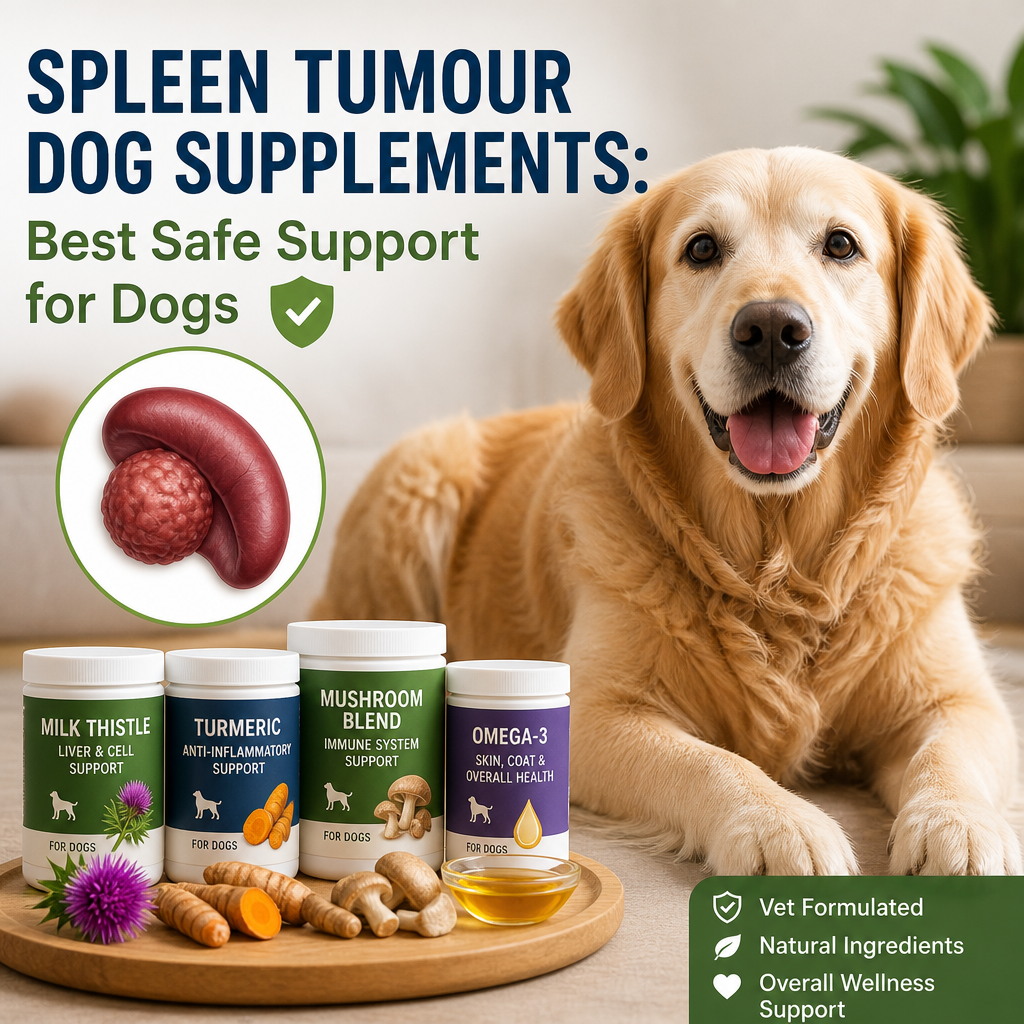
Spleen Tumour Dog Supplements may provide supportive nutrition for some dogs, but they should never replace veterinary diagnosis, surgery, chemotherapy, pain relief, or emergency care. Splenic tumours can grow silently and may rupture without warning, causing life-threatening internal bleeding. The safest approach is to use supplements only as part of a personalised treatment plan created with your veterinarian or veterinary oncologist.
The spleen helps filter blood, remove aging blood cells, and support immune function. A tumour in this organ may be benign, such as a haemangioma, or malignant, such as hemangiosarcoma. Unfortunately, dogs may show few obvious signs until a tumour becomes large or begins bleeding.
Possible symptoms include weakness, pale gums, reduced appetite, weight loss, abdominal enlargement, collapse, rapid breathing, vomiting, or unusual tiredness. These signs can have several causes, but they require prompt veterinary assessment. Diagnostic tests may include blood work, abdominal ultrasound, X-rays, and sometimes surgery to remove and examine the spleen.
Surgery is commonly recommended when a splenic mass is considered at risk of rupture or malignancy. In other cases, the veterinary team may recommend monitoring, oncology treatment, or palliative care. Supplements can sometimes support appetite, digestion, recovery, or general wellbeing, but they cannot dissolve a tumour or reliably prevent progression.
For readers comparing wider care options, this guide on best supplements for dogs with cancer can help you understand how supportive nutrition is usually discussed in veterinary oncology.
It is also helpful to remember that the exact diagnosis matters. A dog with a benign splenic mass may have a very different outlook from a dog with hemangiosarcoma, and the role of Spleen Tumour Dog Supplements will change accordingly. In every case, the safest choices are the ones made after imaging, lab work, and a clear treatment discussion.
What they can and cannot do
The phrase “spleen tumour dog supplements” covers a wide range of products, including vitamins, fish oils, mushroom extracts, herbal blends, digestive products, and calorie-dense nutritional formulas. Their potential role is supportive rather than curative.
A suitable supplement may help a dog maintain body condition, tolerate treatment, or receive nutrients when appetite is poor. However, products marketed as “tumour cures,” “natural cancer killers,” or replacements for surgery should be treated with caution. Dogs with splenic disease may have anaemia, abnormal clotting, liver stress, or other complications that make certain ingredients unsafe.
Before using any product, discuss the full ingredient list and dosage with your veterinarian. This is especially important if your dog is taking anti-inflammatory medicine, steroids, chemotherapy, anticoagulants, seizure medication, or other prescription drugs.
When people search for spleen tumour dog supplements, they are often really looking for practical ways to keep their dog stable and comfortable. That goal is reasonable, but it should remain grounded in medical advice and realistic expectations.
It is worth asking a simple question before buying anything: what problem is this product supposed to solve? If the answer is appetite, weight loss, poor digestion, or recovery support, then Spleen Tumour Dog Supplements may have a limited role. If the promise is tumour shrinkage or a cure, the claim is not realistic and should be discussed carefully with your vet.
A good rule is to judge each product by its evidence, ingredients, and safety profile rather than by marketing language. This is particularly important for dogs that may need surgery, because even natural products can affect bleeding risk, anaesthesia, or healing.
Nutritional support during treatment
Good nutrition is one of the most practical forms of splenic tumour dog support. A complete and balanced veterinary diet can help maintain muscle, energy, and immune function. Some dogs do well with their usual food, while others need a more palatable, energy-dense diet during recovery.
If appetite is reduced, offering small meals several times a day may be easier than providing one large portion. Gently warming wet food can improve its aroma. Avoid sudden diet changes, raw foods, or unbalanced homemade diets unless they have been formulated by a veterinary nutritionist.
A high-quality diet should provide adequate protein and calories, but the correct plan depends on the dog’s age, weight, kidney and liver function, treatment plan, and digestive tolerance. There is no universal “cancer diet” that is appropriate for every dog.
In many cases, spleen tumour dog supplements are only useful when they support feeding, hydration, or calorie intake in a way that fits the dog’s diagnosis and treatment stage. Extra calories can be helpful after surgery, but they should be introduced with care if nausea or reduced appetite is present.
Practical feeding support can also include using the dog’s most tolerated textures and flavours. Some dogs accept canned food better than kibble, while others prefer lightly warmed meals or small frequent snacks. If your veterinarian recommends a specific recovery diet, consistency is usually more important than variety.
Hydration matters as much as calories. Dehydration can make a weak dog feel worse and may complicate recovery. Fresh water should always be available, and your veterinarian may advise broth, water-rich foods, or other strategies if your dog is reluctant to drink. In this setting, Spleen Tumour Dog Supplements should be seen as one small part of a broader nutritional plan rather than the main therapy.
If your dog is losing weight quickly, refusing food, or vomiting after meals, do not keep trying to push supplements without guidance. Those signs may indicate nausea, pain, anaemia, or disease progression that needs medical attention.
Fish oil and omega-3 fatty acids
Veterinary fish oil products containing EPA and DHA are sometimes used as part of a dog cancer support supplement plan. These fatty acids may support skin, joints, and general inflammatory balance. Some veterinary oncology diets also include omega-3 fatty acids.
Fish oil is not suitable for every dog, however. Potential problems include diarrhoea, pancreatitis risk in susceptible dogs, excessive calorie intake, and possible effects on platelet function or bleeding. Because a splenic tumour may rupture and cause internal haemorrhage, dosage and timing are particularly important.
Use a product designed for pets or one approved by your veterinarian, and check the actual EPA and DHA content rather than relying only on the total amount of “fish oil” listed on the label.
For general background on omega-3 safety and dosing, the VCA Hospitals overview of fish oil for dogs and cats is a useful educational reference. Your veterinarian can help you decide whether that type of support fits your dog’s condition.
If your dog is scheduled for surgery, ask whether fish oil should be paused beforehand. That decision depends on the product, the dose, the dog’s clotting status, and the surgeon’s preference. It is another example of why Spleen Tumour Dog Supplements should never be selected in isolation from the rest of the treatment plan.
Medicinal mushrooms and herbal products
Products containing compounds from medicinal mushrooms, turmeric, milk thistle, or other herbs are frequently promoted for canine cancer support. Some ingredients have shown interesting effects in laboratory or preliminary studies, but evidence in dogs with splenic tumours is limited. Laboratory findings do not prove that a supplement will shrink a tumour or extend a dog’s life.
Herbal products can also interact with anaesthetic drugs, chemotherapy, steroids, or medicines that affect the liver and blood clotting. Quality varies considerably between brands, and contamination or inaccurate labelling may occur.
If your veterinarian approves an herbal or mushroom product, select one with transparent dosing, independent quality testing, and clear batch information. Do not combine several immune-stimulating products without professional guidance.
Many owners ask whether spleen tumour dog supplements should include herbs or mushrooms at all. The safest answer is that these products should be considered optional, not essential, and only used when the ingredient profile is well understood.
Some families also want to know whether these products can be continued long term. The answer depends on the dog’s response, blood results, and treatment stage. For some dogs, a short course may be reasonable; for others, the added complexity and potential interaction risk outweigh any possible benefit. That is why Spleen Tumour Dog Supplements should be reviewed regularly rather than assumed to be harmless once started.
If a product contains many ingredients, it becomes harder to track what is helping and what may be causing side effects. Simpler formulas are often easier to monitor, especially when the dog is already receiving prescription medicine.
Digestive and recovery support
After surgery or during cancer treatment, some dogs experience nausea, constipation, diarrhoea, or reduced appetite. A veterinarian may recommend a probiotic, fibre supplement, anti-nausea medication, appetite stimulant, or recovery diet. These options should be chosen according to the specific problem rather than added routinely.
Probiotics may help some dogs with digestive upset, but they are not appropriate for every patient, particularly those who are severely immunocompromised. Fibre can be helpful for constipation but may worsen discomfort or reduce calorie intake in a dog that is already losing weight.
Supplements should never delay treatment for repeated vomiting, black stools, severe diarrhoea, abdominal pain, or refusal to eat.
In recovery, the most helpful spleen tumour dog supplements are often the simplest ones: products that improve comfort, appetite, or digestion without adding unnecessary complexity to the treatment plan.
After splenectomy, some dogs need time to regain strength. A recovery plan may include pain control, rest, follow-up checks, and careful meal planning. If your veterinarian recommends a probiotic or digestive aid, monitor stool quality and appetite closely, because the right product can be helpful while the wrong one can worsen gas, cramping, or loose stools.
It is also sensible to keep supplements separate from medications when possible, especially if you are giving several items in a day. Clear timing helps you know what the dog tolerated and makes it easier to identify any reaction. This practical approach keeps Spleen Tumour Dog Supplements focused on support rather than experimentation.
Safety precautions for splenic tumour dog support
The most important safety rule is to avoid products that may increase bleeding risk unless your veterinarian specifically recommends them. Garlic, concentrated herbal extracts, high-dose vitamin E, certain plant products, and some fish oil preparations may be inappropriate in a dog with a bleeding-prone abdominal mass.
High doses of vitamins and minerals can also cause harm. Vitamin D, calcium, iron, selenium, and vitamin A are examples of nutrients that may become toxic when given incorrectly. Iron supplements should not be used simply because a dog appears pale or anaemic; the cause of anaemia must be identified first.
Keep a written list of every medication, supplement, treat, and food additive your dog receives. This allows the veterinary team to identify potential interactions and adjust the plan before surgery or other treatment.
If you are unsure whether a product belongs in your dog’s plan, bring the label to your vet. That simple step can prevent many problems when reviewing spleen tumour dog supplements alongside medicines, anaesthesia, or post-operative care.
Another useful habit is to check for changes after any new product is introduced. Watch for vomiting, diarrhoea, agitation, drowsiness, loss of appetite, or bruising. If a dog with a splenic mass becomes suddenly weaker or more uncomfortable, stop the new product and contact your veterinarian promptly. Safety should always come before supplement routine when Spleen Tumour Dog Supplements are being considered.
Owners sometimes assume that “natural” means gentle, but that is not always true. Natural ingredients can still be pharmacologically active. For a dog facing a potentially unstable abdominal tumour, that matters a great deal.
Recognising an emergency
A dog with a known or suspected splenic tumour may experience sudden internal bleeding. Seek emergency veterinary care immediately if your dog collapses, becomes extremely weak, develops pale or white gums, breathes rapidly, has a swollen abdomen, appears distressed, or cannot stand normally.
Do not give food, supplements, or human pain medication while travelling to the clinic unless a veterinarian instructs you to do so. Keep your dog quiet, minimise movement, and transport them carefully. Emergency stabilisation may involve intravenous fluids, blood products, imaging, and urgent surgery.
No supplement should be expected to stop this kind of emergency. Fast veterinary treatment is the only safe response when bleeding is suspected.
If you have time before reaching the clinic, call ahead so the team can prepare. A dog that is pale, collapsed, or struggling to breathe may need immediate triage. In these moments, Spleen Tumour Dog Supplements are irrelevant compared with rapid stabilisation and surgical decision-making.
After an emergency visit, your veterinarian may ask you to hold certain products until the dog is stable. Follow those instructions carefully, even if the supplement seemed helpful before the crisis.
Creating a responsible supplement plan
The best dog cancer support supplement is not necessarily the most expensive or most heavily advertised product. A responsible plan begins with an accurate diagnosis and considers the tumour type, planned treatment, blood results, appetite, weight, organ function, and quality of life.
Ask your veterinarian what benefit a proposed supplement is expected to provide, how long it should be used, what side effects to watch for, and when it should be stopped. Monitor appetite, weight, energy, bowel movements, gum colour, and breathing at home, and report changes promptly.
Ultimately, supplements may have a limited but useful role in comfort and nutritional care. The safest splenic tumour dog support combines veterinary treatment, appropriate nutrition, careful monitoring, and rapid action when warning signs appear.
For many families, the goal is not to find a miracle product but to make informed, steady choices. That is why spleen tumour dog supplements should always be discussed in context, with your veterinary team guiding each decision.
If you want a broader overview of how nutrition support is commonly approached, you may also find this related guide on dog cancer supplements useful when comparing product types and safety considerations. Use it as background reading, then tailor every decision to your dog’s diagnosis.
In the end, Spleen Tumour Dog Supplements can be part of compassionate care when they are chosen carefully, used sparingly, and reviewed often. The most valuable support is still the combination of prompt diagnosis, honest veterinary advice, and close observation at home.
When used with veterinary oversight, spleen tumour dog supplements may help support comfort, appetite, and recovery, but they should always remain secondary to diagnosis and treatment. The safest plan is the one that matches your dog’s test results, surgery timeline, and day-to-day needs.
If your dog’s condition changes, revisit the plan quickly. A supplement that seemed reasonable one week may no longer fit if appetite drops, clotting changes, or a new medication is added. That is why Spleen Tumour Dog Supplements work best as part of a living care plan, not a fixed routine.
Ask your vet to help you prioritise. In many cases, one carefully chosen product is better than several overlapping ones, especially when the goal is steady support rather than aggressive intervention. With clear guidance, you can keep Spleen Tumour Dog Supplements practical, safe, and genuinely useful.
Ultimately, the most important decision is not which label looks best, but which support strategy is safest for your dog right now. Honest monitoring, prompt reassessment, and evidence-based care give your dog the best chance of comfort and stability.
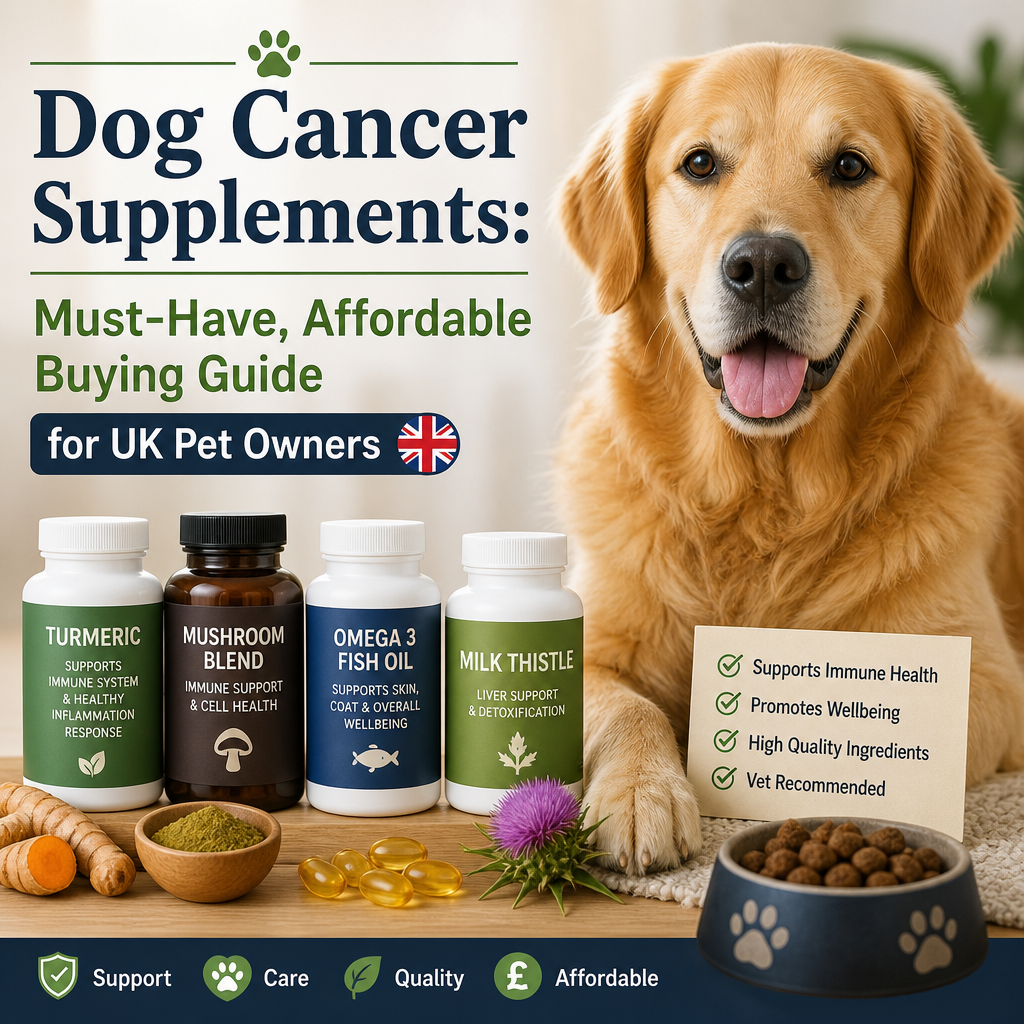
Dog Cancer Supplements can provide useful nutritional support during a dog’s cancer treatment, but they should never replace veterinary care. For UK pet owners, the challenge is choosing safe, affordable products from a crowded market while avoiding exaggerated claims. The right supplement may help maintain appetite, body condition, digestion, mobility, or general wellbeing, yet suitability depends on the dog’s diagnosis, medication, age, and overall health.
Dog Cancer Supplements are products designed to support a dog’s nutritional needs during cancer or cancer treatment. They may contain omega-3 fatty acids, antioxidants, vitamins, minerals, medicinal mushrooms, probiotics, or other ingredients. Some are formulated specifically for dogs, while others are marketed as general wellness products. For readers comparing options, a helpful overview is also available in Best Diet and Supplements for Dogs with Cancer: A Comprehensive Guide.
Cancer can affect the body in several ways. Dogs may lose weight, experience reduced appetite, develop digestive problems, or become less active. Surgery, chemotherapy, radiotherapy, and medication can add further physical stress. A carefully selected supplement may help support normal body functions, but it cannot eliminate a tumour or guarantee a particular outcome.
The most important foundation remains appropriate veterinary treatment, a complete diet, regular monitoring, and good pain and symptom control.
Potential Benefits of Cancer Supplements for Dogs
The possible benefits vary according to the ingredients and the dog’s individual needs. Common reasons a vet may consider supplementation include:
Supporting calorie intake and maintaining body weight
Providing omega-3 fatty acids for general nutritional support
Helping maintain healthy skin and coat
Supporting normal digestion and stool quality
Replacing a confirmed nutrient deficiency
Supporting mobility in dogs affected by weakness or reduced activity
Helping maintain appetite or energy as part of a wider care plan
It is important to distinguish between supportive care and cancer treatment. Claims that dog cancer supplements can cure cancer, shrink tumours, or replace chemotherapy should be treated with caution. In the UK, products cannot be assumed to have proven medical effects simply because they feature testimonials, natural ingredients, or impressive marketing language.
When chosen carefully, dog cancer supplements can also make it easier to keep a consistent routine at home. That matters because stable routines often help dogs eat better, rest more comfortably, and cope with treatment changes in a calmer way.
Key Ingredients to Consider
Omega-3 fatty acids
Fish oil containing EPA and DHA is commonly included in dog cancer supplements. These fatty acids support normal inflammatory processes and may be useful for general health. They can also contribute to skin, coat, and joint support.
Quality matters. Look for a product that clearly states the amount of EPA and DHA rather than listing only the total amount of fish oil. Fish oil can cause digestive upset in some dogs and may not be suitable alongside certain medications or before surgery without veterinary guidance.
Probiotics and digestive support
Some dogs experience changes in appetite, stool consistency, or digestion during treatment. A veterinary probiotic may help support a balanced gut environment. Choose a product made for dogs, with clear storage instructions and identifiable strains.
Probiotics are not appropriate for every patient, especially dogs with severe immune compromise or serious gastrointestinal disease. Ask your vet before introducing one.
Antioxidants
Antioxidants such as vitamins C and E, selenium, and plant compounds are often included in cancer support products. However, high-dose antioxidants may not always be suitable during chemotherapy or radiotherapy because some treatments rely partly on oxidative mechanisms. The timing and dose are therefore important.
Never add multiple antioxidant products together without professional advice. More is not necessarily better, and excessive supplementation can create risks.
Medicinal mushrooms and herbal ingredients
Mushroom extracts, turmeric, milk thistle, and other botanicals are frequently promoted in dog cancer supplements. Evidence differs considerably between ingredients, products, and conditions. “Natural” does not automatically mean safe: herbal products can interact with prescription medicines, affect blood clotting, or influence liver metabolism.
Price should be assessed by cost per daily serving, not just the package price. A large tub may appear economical but could provide fewer doses than a smaller, more concentrated product. Compare the amount of active ingredient, serving instructions, postage, and subscription terms.
Look for:
A complete ingredient list with precise quantities
Clear dosing guidance based on body weight
A batch number, expiry date, and manufacturer details
Products specifically manufactured for pets
Transparent contact information and UK availability
Independent quality testing where available
Packaging that explains storage and safe use
Avoid products that promise guaranteed cures, use vague proprietary blends, or rely entirely on dramatic before-and-after stories. A supplement sold through a reputable veterinary practice or established UK retailer may cost slightly more but can offer better traceability and guidance.
When you are comparing dog cancer supplements, it can also help to look for brands that publish clear manufacturing standards and contact details. For general product safety information, the U.S. FDA guidance on pet foods and treats is a useful reference point for understanding label claims and quality concerns.
Safety Comes Before Savings
Before giving dog cancer supplements, discuss the product with your veterinary team. Provide the exact name, ingredient list, and proposed dose. This is especially important if your dog has kidney disease, liver disease, diabetes, bleeding problems, digestive illness, or a reduced immune system.
Introduce only one new supplement at a time. Monitor for vomiting, diarrhoea, constipation, reduced appetite, itching, lethargy, or unusual changes in behaviour. Stop the product and contact your vet if concerning symptoms appear.
Keep supplements away from children and pets, and follow storage instructions carefully. Human supplements should not be used unless a vet specifically confirms that the formulation and dose are appropriate. Some products contain ingredients that are harmful to dogs, including xylitol in certain human formulations.
If your dog is already taking prescribed medication, ask whether the supplement could interfere with absorption or increase side effects. That extra check can prevent problems and is one of the simplest ways to keep dog cancer supplements useful rather than risky.
Building a Practical Support Plan
A dog cancer support supplement should fit into a broader care plan. Begin with the basics: a nutritionally complete diet, access to fresh water, suitable exercise, comfortable bedding, and regular veterinary reviews. Record your dog’s appetite, weight, stool quality, activity, and symptoms so changes can be identified early.
Ask the vet what the main priority is. One dog may need calorie support, while another may benefit more from digestive care or help maintaining mobility. Targeting a specific need is usually safer and more affordable than buying several overlapping products.
Supplements should also be reviewed over time. A product that is suitable before surgery may not be appropriate during recovery, and a supplement used during one treatment phase may need to be stopped before another. Regular review helps prevent unnecessary expense and reduces the risk of interactions.
Used carefully, dog cancer supplements can form one part of compassionate, evidence-informed care. The best choice is not necessarily the most expensive or heavily advertised option, but one with a clear purpose, reliable ingredients, sensible dosing, and approval from your dog’s veterinary team.
For more background on supportive care options, you may also find Saving Your Pet’s Life: How Nutritional Supplements Can Help Cats and Dogs Fight Cancer helpful. In some cases, the right supplement can make day-to-day care feel more manageable, especially when appetite, digestion, or energy levels are changing. That is why dog cancer supplements should be chosen with a practical goal, not just a marketing promise.
It is also sensible to review the ingredient list against your dog’s current treatment plan. If your vet has prescribed medication, ask whether the supplement could affect absorption, clotting, or liver processing. This matters because dog cancer supplements are often sold as “all-in-one” solutions, yet a single ingredient may be useful in one situation and unhelpful in another.
Some owners prefer a simple approach: one targeted product, one clear reason for use, and one follow-up review. That approach can reduce waste and limit confusion. If a product does not clearly help, it may be better to stop it and reallocate the budget to a better-quality diet, pain management, or an evidence-based supportive option.
Finally, remember that dog cancer supplements are only one part of care. Good nutrition, a calm home environment, and regular check-ins with your vet remain the most important practical steps. When used thoughtfully, they can complement treatment without adding unnecessary risk.
In short, the most effective dog cancer supplements are the ones that match your dog’s needs, fit your budget, and are backed by sensible veterinary advice. That balanced approach gives you the best chance of supporting comfort and quality of life without wasting money on unnecessary products.