K9 Immunity / K9 Immunity Plus vs alternatives is a comparison many dog owners explore after a cancer diagnosis or when seeking additional nutritional support for a dog with a tumor. These products are commonly discussed because they contain medicinal mushroom extracts and other immune-support ingredients. However, no supplement should be viewed as a guaranteed tumor treatment. The most responsible approach combines veterinary guidance, appropriate diagnostics, evidence-based treatment, and carefully selected supportive care.
A tumor is an abnormal growth of cells, and tumors can be benign or malignant. Even cancers with the same general name may behave differently depending on their location, stage, grade, and molecular characteristics. This is why a supplement that appears helpful for one dog may be unsuitable or ineffective for another.
Dog tumor support options generally fall into several categories:
Conventional veterinary treatment, such as surgery, chemotherapy, radiation, or targeted therapy
Pain and inflammation management
Nutritional support and appetite assistance
Medicinal mushroom or immune-support supplements
Rehabilitation and quality-of-life care
Palliative care for advanced disease
Supplements are usually considered complementary rather than curative. They may be used to support appetite, energy, general immune function, or recovery, but they should not delay biopsy, staging, surgery, or other recommended treatment. For many families, the real question is how to compare K9 Immunity / K9 Immunity Plus vs alternatives in a way that fits the dog’s diagnosis and current care plan.
That comparison starts with the basics: what the tumor is, how advanced it is, what medications are already being used, and whether the dog is eating, maintaining weight, and tolerating treatment. A supplement that looks impressive on paper may not be the best practical choice if the dog cannot take it reliably or if it creates digestive upset. In that sense, K9 Immunity / K9 Immunity Plus vs alternatives is really a question of fit, not branding.
It is also important to remember that tumor support is not one-size-fits-all. A senior dog with a slow-growing mass, a dog recovering from surgery, and a dog receiving chemotherapy may each need a very different plan. The most useful supportive care often starts with simple measures, such as a balanced diet, comfortable pain control, and regular monitoring, before adding more specialized supplements. This is one reason clinicians evaluate K9 Immunity / K9 Immunity Plus vs alternatives alongside the entire treatment picture rather than in isolation.
What is K9 Immunity and K9 Immunity Plus?
K9 Immunity and K9 Immunity Plus are supplement products marketed for canine immune and cancer support. Formulas may include concentrated mushroom extracts, plant-derived compounds, antioxidants, digestive ingredients, or other nutritional components. Because product formulas can change, owners should review the current label and discuss the exact ingredients with a veterinarian.
The “Plus” version may contain a broader or more concentrated blend than the original formula, depending on the manufacturer’s formulation. A larger ingredient list does not automatically mean a better product. The relevant questions are whether the ingredients are present in meaningful amounts, whether quality testing is available, and whether the formula is appropriate for a dog’s diagnosis and medications.
Owners should also distinguish between laboratory research, anecdotal reports, and controlled clinical evidence. A mushroom extract may demonstrate immune activity in a cell or animal study, but that does not prove it will shrink a naturally occurring tumor in dogs. Supplements can still have a place in supportive care, but expectations should remain realistic.
In practical use, K9 Immunity and K9 Immunity Plus are usually discussed as part of a broader immune-support route rather than as stand-alone solutions. That distinction matters because a product may help with general resilience or nutritional support without directly changing the tumor itself. For dog owners, the main value often lies in using a supplement that is easy to administer, well tolerated, and compatible with the veterinary plan.
When comparing products, the simplest question is often the most useful: does the formula provide something specific and measurable, or does it rely mostly on broad wellness language? Ingredient lists, extraction methods, and testing standards offer more useful information than vague claims. That is why a careful review of K9 Immunity / K9 Immunity Plus vs alternatives should always include the actual label, not just the marketing summary.
K9 Immunity / K9 Immunity Plus vs alternatives
When comparing K9 Immunity / K9 Immunity Plus vs alternatives, the first step is to identify the purpose of supplementation. Is the goal to support appetite, maintain body condition, help manage treatment side effects, or provide a medicinal mushroom blend? Different products may address different needs.
Important comparison criteria include:
Ingredient transparency
A reliable supplement should clearly list each active ingredient, the amount per serving, the mushroom species used, and the extraction method when applicable. Vague proprietary blends make it difficult to determine whether a dog is receiving a meaningful dose.
Manufacturing quality
Look for products made under strong quality-control standards with batch testing for contaminants, heavy metals, microbes, and ingredient identity. Veterinary supplements are not regulated exactly like prescription medications, so third-party testing and manufacturer transparency are especially valuable.
Veterinary compatibility
A supplement may interact with chemotherapy, corticosteroids, anti-inflammatory drugs, blood thinners, seizure medications, or drugs processed by the liver. Some ingredients can affect clotting, blood sugar, blood pressure, or immune activity. A veterinarian should review the full ingredient list before use.
Practical tolerability
A product is not useful if it causes vomiting, diarrhea, poor appetite, or refusal to take food. Dogs with cancer may already have sensitive digestive systems, so introducing one product at a time makes it easier to identify adverse reactions.
In practice, many owners find that K9 Immunity / K9 Immunity Plus vs alternatives comes down to whether a formula is easy to give consistently and whether the company provides enough detail to support informed veterinary review. In other cases, K9 Immunity / K9 Immunity Plus vs alternatives is decided by how well the product fits alongside the dog’s existing medications and treatment schedule.
A helpful way to evaluate the options is to think in layers. First, does the dog actually need a mushroom-based supplement? Second, if so, is the goal immune support, digestive support, or broader nutritional support? Third, can the product be used safely with the current care plan? When those questions are answered honestly, K9 Immunity / K9 Immunity Plus vs alternatives becomes easier to assess without relying on hype. In many cases, the best product is the one that solves the most relevant problem with the fewest trade-offs.
Another important factor is consistency. Some supplements look good on a shelf but are too complicated to administer long-term. If a product needs to be hidden in food, taken multiple times daily, or causes the dog to resist meals, real-world adherence may be poor. That can make a theoretically promising formula less useful than a simpler alternative. For that reason, K9 Immunity / K9 Immunity Plus vs alternatives should be judged by both science and day-to-day practicality.
Finally, owners should ask whether the company provides education, clear dosing instructions, and realistic expectations. Transparent guidance is often a sign of a more reliable supplement brand. A product that promises dramatic tumor results without veterinary oversight should be viewed cautiously. In contrast, a product that frames itself as supportive care is usually more aligned with responsible cancer management.
The medicinal mushroom and immune-support route
The medicinal mushroom / immune-support route is popular because mushrooms such as turkey tail, reishi, maitake, shiitake, and cordyceps contain compounds that may influence immune signaling. Polysaccharides, beta-glucans, triterpenes, and other constituents have been investigated for antioxidant and immunomodulating properties.
Turkey tail has received particular attention in canine cancer research. Some studies have explored mushroom-derived compounds in dogs with specific cancers, including hemangiosarcoma. These findings are interesting, but they do not establish that every mushroom product will produce the same outcome. Product quality, extraction method, dosage, cancer type, and concurrent treatment all matter.
For readers who want to review the broader evidence base, the National Cancer Institute’s PDQ summary on mushrooms and cancer support is a useful educational starting point. It is not dog-specific, but it helps explain how mushroom research is interpreted in supportive care.
“Immune support” also does not simply mean stimulating the immune system as strongly as possible. The immune response is complex. Excessive immune stimulation may be inappropriate for dogs with autoimmune disease or for those receiving treatments that intentionally modify immune activity. A balanced, diagnosis-specific plan is safer than choosing a product based only on marketing language.
That is why K9 Immunity / K9 Immunity Plus vs alternatives should be evaluated as part of a larger care plan rather than as a standalone decision. The same caution applies when owners compare K9 Immunity / K9 Immunity Plus vs alternatives with other mushroom blends that sound similar but differ in sourcing and dosage.
The medicinal mushroom route may appeal to owners who want a gentle, nutrition-oriented adjunct to medical therapy. Still, “natural” does not automatically mean harmless or effective. Some mushroom products are concentrated enough to affect digestion or interact with medications, and some are underdosed despite attractive packaging. Because of this, K9 Immunity / K9 Immunity Plus vs alternatives is best approached as a quality and compatibility review, not as a search for a miracle supplement.
One reason this category remains popular is that it can be relatively easy to fit into a care plan when the dog is otherwise stable. If a dog is eating, hydrating well, and not having significant treatment side effects, a veterinarian may be more comfortable trialing a supplement as part of a conservative support strategy. Even then, monitoring remains important. The moment appetite drops, stools change, or medications are adjusted, the supplement plan may need to be reconsidered.
Other alternatives to consider
Not every dog needs a mushroom-based supplement. In some cases, the most valuable support may be nutritional rather than immune-focused. A veterinary nutritionist can help create a diet that maintains calorie intake, supports muscle mass, and accommodates kidney, liver, gastrointestinal, or pancreatic disease.
Omega-3 fatty acids may be considered for selected dogs because they can support skin health and help regulate inflammatory pathways. However, dosing matters, and they may not be appropriate for dogs with pancreatitis, clotting problems, or certain medication combinations.
Antioxidant supplements should also be used thoughtfully. While antioxidants are essential nutrients, high-dose products may interfere with some treatment strategies or create unnecessary risks. Pain control, anti-nausea medication, appetite stimulants, hydration, and mobility support can have a more immediate impact on quality of life than an unproven supplement.
Some owners compare K9 Immunity / K9 Immunity Plus vs alternatives with a more symptom-focused approach and decide that managing nausea, appetite, or weight loss matters more than selecting a specific mushroom blend. That can be a sensible decision when it better fits the dog’s current needs. Others choose K9 Immunity / K9 Immunity Plus vs alternatives only after basic symptom control is in place and the veterinary team agrees it is reasonable to add another supportive tool.
Other practical alternatives can include small, frequent meals; warmed food to improve aroma; adding water or broth for hydration; and adjusting feeding schedules around treatment days. If a dog has mouth pain, nausea, or swallowing difficulties, even the best supplement will be ineffective if the dog cannot comfortably take it. In those situations, the priority may be symptom relief and maintaining intake rather than focusing on immune-based products. That does not mean K9 Immunity / K9 Immunity Plus vs alternatives has no value, but it does mean timing matters.
It can also be helpful to evaluate the dog’s overall body condition. A dog that is losing weight or muscle may benefit more from a calorie-dense feeding plan than from a complex supplement regimen. Likewise, a dog with advanced disease may need palliative care, environmental comfort, and pain management more than an additional immune product. The best plan is the one that supports the dog’s daily function and comfort first.
Safe use and monitoring
Before starting K9 Immunity, K9 Immunity Plus, or an alternative, provide the veterinarian with the product label, the dog’s medical history, and a complete list of medications and supplements. Begin only when the veterinary team agrees that the product is appropriate.
Introduce one supplement at a time and follow the labeled or veterinarian-recommended amount. Monitor appetite, stool quality, vomiting, energy, thirst, urination, skin changes, and any signs of discomfort. Stop the product and contact the veterinarian if concerning symptoms develop.
Regular reassessment is essential. Bloodwork, imaging, physical examinations, and quality-of-life evaluations provide more meaningful information than assuming a dog is improving because a supplement is being used.
If a dog is already receiving cancer treatment, the safest way to evaluate K9 Immunity / K9 Immunity Plus vs alternatives is to keep the oncology team informed about every change in the supplement plan. That includes starting, stopping, or switching products, especially when the dog is receiving chemotherapy or other medications that may interact with herbal or mushroom ingredients.
Monitoring should also include a simple real-world check: is the dog eating comfortably, moving normally, and maintaining the same or better energy level? If the answer is no, the supplement may not be helping enough to justify continued use. In that case, the veterinary team may recommend pausing the product, changing the formula, or shifting the focus to a different kind of support.
Owners should also be cautious about stacking multiple supplements that all claim immune support. More is not always better, and combining several similar products can make side effects harder to identify. If a dog is on chemotherapy or a targeted therapy, it is especially important to avoid making unapproved changes. A conservative approach usually produces clearer outcomes and safer care.
Practical questions to ask before choosing a product
Before deciding between K9 Immunity / K9 Immunity Plus vs alternatives, it can help to ask a few direct questions:
What specific problem am I trying to solve: appetite, recovery, immune support, or general wellness?
Is the dog currently stable enough to trial a supplement safely?
Does the label show the active ingredients and amounts clearly?
Is there evidence of quality testing or manufacturing oversight?
Could the formula interfere with current medications or treatment goals?
Will the dog actually take the product consistently?
If the answers are unclear, the product may not be the best match. A supplement should make the care plan simpler, not more confusing. That is especially true in cancer care, where treatment schedules, medication timing, and monitoring already require attention. In that context, K9 Immunity / K9 Immunity Plus vs alternatives should be treated as a measured decision rather than an impulse purchase.
Owners may also want to ask whether the product has any published veterinary data or if its claims are mostly based on ingredient theory. Research-backed support is preferable, even if the evidence is limited. A product with transparent dosing and cautious claims is often easier for a veterinarian to assess than one with aggressive marketing language.
Another useful consideration is cost over time. Some supplements are affordable for a short trial but become difficult to maintain for months. If a dog is likely to need long-term supportive care, affordability and availability matter as much as formulation. The ideal product is not only biologically plausible; it is also sustainable.
Making a responsible choice
The best dog tumor support options are not necessarily the most expensive or the most heavily marketed. A responsible choice is based on the dog’s specific cancer, treatment plan, nutritional status, medication profile, and quality-of-life goals. K9 Immunity and K9 Immunity Plus may be reasonable complementary products for some dogs, particularly when their ingredients and quality controls are acceptable to the veterinary team. For others, a different mushroom extract, nutritional plan, or symptom-focused treatment may be more appropriate.
Supplements should support—not replace—professional cancer care. By combining realistic expectations, careful product evaluation, and regular veterinary monitoring, owners can make safer decisions while focusing on the priorities that matter most: comfort, function, nutrition, and meaningful quality of life.
In the end, K9 Immunity / K9 Immunity Plus vs alternatives is less about finding a single “best” bottle and more about matching support to the dog’s diagnosis, tolerance, and treatment goals. For dogs with tumors, the most helpful choice is usually the one that fits the medical plan, is tolerated well, and can be used consistently under veterinary guidance.
When families revisit K9 Immunity / K9 Immunity Plus vs alternatives later in treatment, they often find that the right answer changes as the dog’s condition changes. That is normal, and it is another reason why ongoing communication with the veterinary team matters.
For many households, the best outcome is not a dramatic claim but steady, practical support. If a supplement helps a dog eat a little better, tolerate treatment more comfortably, or maintain a calmer routine, that can be meaningful progress. Used wisely, K9 Immunity / K9 Immunity Plus vs alternatives can be part of that support process without being the center of it.
When in doubt, return to the basics: confirm the diagnosis, understand the treatment plan, review the label, and monitor the dog closely. That approach keeps expectations grounded and helps ensure that any supplement choice contributes to real care rather than distraction.
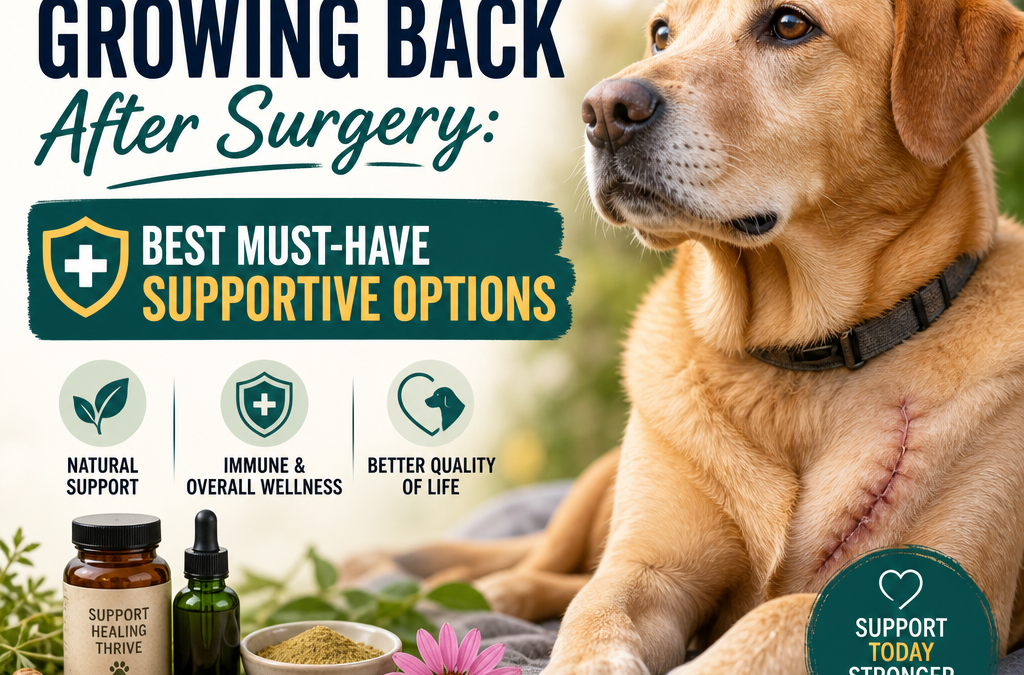
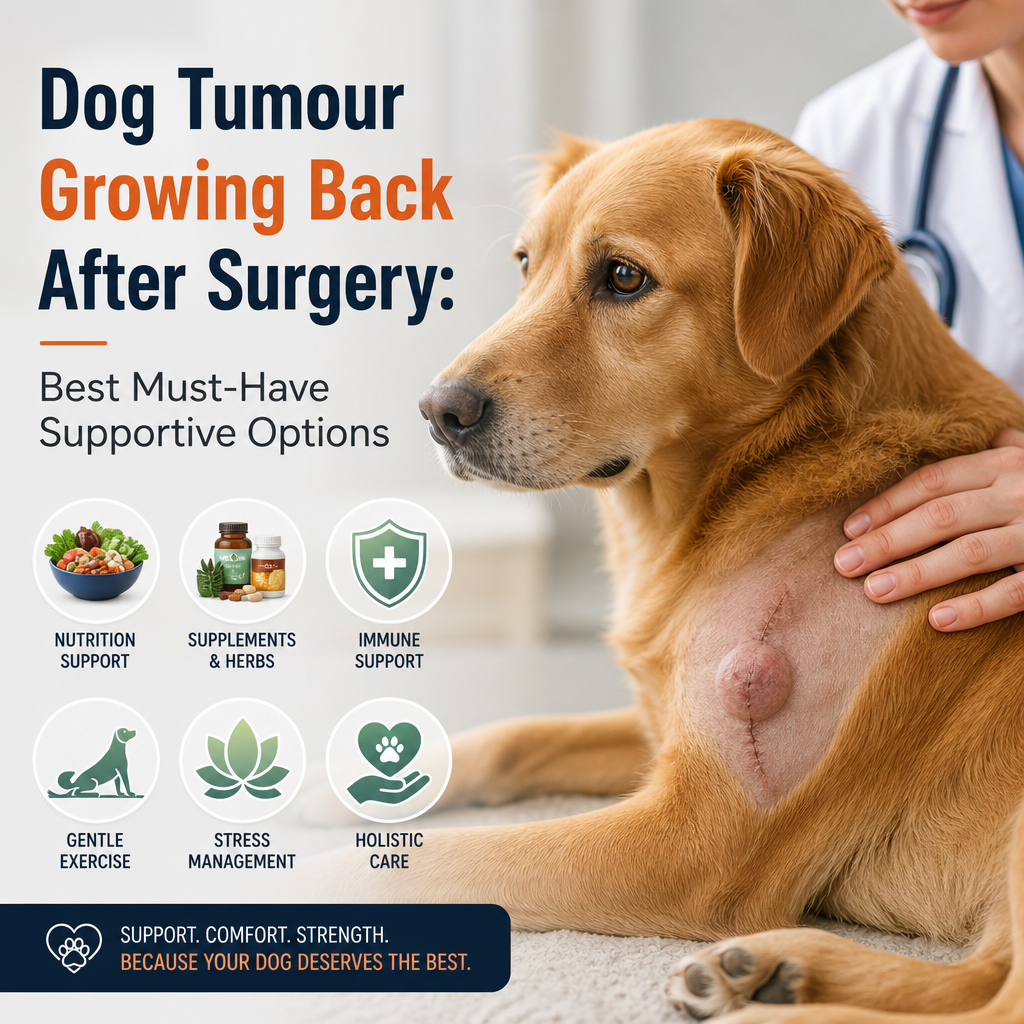
Dog Tumour Growing Back After Surgery can be frightening, but recurrence does not always mean that treatment options have run out. A returning mass may be local regrowth, a new tumour, or a different type of tissue change, so the first priority is obtaining an accurate diagnosis. With prompt veterinary care, appropriate monitoring, nutritional support, and attention to comfort, many dogs can receive meaningful help after a tumour returns.
Understanding a Dog Tumour Growing Back After Surgery
Tumours may recur for several reasons. Some cancer cells can remain microscopic around the original surgical site, even when the visible mass has been removed. Other tumours may spread to nearby lymph nodes or distant organs before surgery. In some cases, the new lump is unrelated to the original cancer and may be a benign growth, scar tissue, inflammation, or an infection.
The appearance of a mass alone cannot determine what is happening. A veterinarian may recommend a fine-needle aspiration, biopsy, blood tests, X-rays, ultrasound, or advanced imaging such as a CT scan. The tumour’s type, grade, location, margins from the original surgery, and evidence of spread all influence the next step.
Avoid squeezing, puncturing, or applying unapproved creams to the lump. These actions can cause irritation, bleeding, infection, or changes that make examination more difficult. In a case of dog tumour growing back after surgery, preserving the site until a professional assessment is especially important because even small changes can affect diagnosis.
It is also helpful to remember that not every lump is a straightforward recurrence. A dog tumour growing back after surgery may actually be a separate growth in the same area, especially in dogs that are prone to certain benign or malignant skin tumours. That is one reason why veterinary testing matters more than guesswork or online comparisons.
When owners first notice a change, they often look for clues such as firmness, redness, heat, or a difference in the skin surface. Those observations can be useful, but they do not replace an exam. If your dog tumour growing back after surgery is located where the original incision was made, the veterinarian may want to compare the current finding with the original pathology report and surgery notes.
What to Do When a Tumour Returns
Arrange a veterinary appointment promptly, especially if the mass is growing quickly or causing discomfort. Bring the original pathology report and surgical records if they are available. These documents can help the veterinary team understand the tumour’s behaviour and determine whether further surgery, chemotherapy, radiation therapy, targeted treatment, or palliative care may be appropriate.
A specialist referral may be useful. Veterinary oncologists can review the original diagnosis, assess recurrence risk, discuss staging tests, and explain the likely benefits and side effects of treatment. The best plan depends on the individual dog’s age, general health, tumour type, and quality of life.
Important changes to record include:
The size and location of the lump
How quickly it appears to be growing
Changes in colour, texture, or temperature
Bleeding, discharge, odour, or ulceration
Licking, scratching, or sensitivity
Changes in appetite, weight, thirst, energy, or breathing
Vomiting, diarrhoea, coughing, limping, or difficulty urinating
Seek urgent veterinary attention if the mass bleeds heavily, becomes severely painful, produces a foul discharge, interferes with breathing or eating, or is accompanied by collapse, extreme weakness, pale gums, or repeated vomiting.
It can help to write down when the change first appeared and whether the mass has altered after exercise, rest, or grooming. These notes give the clinic a clearer picture of dog tumour growing back after surgery than memory alone. A short timeline can also make it easier to see whether the problem is stable, slow-moving, or aggressive.
Do not delay because the dog still seems bright or interested in food. Some tumours grow with very few outward signs at first. A prompt check may not only confirm whether the mass is a recurrence, but also rule out infection, seroma, abscess, or scar tissue that can look similar from the outside.
If the veterinary team suggests waiting and rechecking, ask what changes should trigger an earlier visit. Clear instructions matter because dog tumour growing back after surgery can evolve quickly in some patients, while others remain stable for weeks or months. Knowing the threshold for action reduces stress and prevents unnecessary delay.
Recurrent Dog Tumour Support at Home
Recurrent dog tumour support should complement veterinary treatment rather than replace it. A comfortable home environment can help reduce stress and preserve daily wellbeing. Provide a soft, clean bed in a quiet area and make food, water, and outdoor access easy to reach. Dogs with weakness or mobility problems may benefit from non-slip rugs, ramps, or assistance on stairs.
Protect the tumour site from excessive licking and scratching. Depending on its location, a recovery collar, protective shirt, or veterinary-approved dressing may be appropriate. Dressings should never be applied tightly, and any bandage should be checked regularly for swelling, moisture, odour, or skin damage.
Pain control is another important part of supportive care. Dogs often hide discomfort, so subtle signs matter. Restlessness, trembling, panting at rest, reduced interaction, reluctance to move, hunched posture, or changes in sleeping habits may indicate pain. Never give human painkillers unless specifically instructed by a veterinarian, because medicines such as ibuprofen, naproxen, and acetaminophen can be dangerous for dogs.
Keeping a simple quality-of-life diary can make decisions clearer. Track appetite, hydration, mobility, interest in family, enjoyment of normal activities, toileting, pain, and the number of good days compared with difficult days. For a dog tumour growing back after surgery, that diary can be one of the most useful tools during follow-up conversations.
Try to keep daily routines calm and predictable. Dogs often cope better when meal times, walks, and rest periods happen in a familiar pattern. If the tumour is in a place that rubs against bedding or harnesses, adapt the environment so the area is not continually irritated. Small practical adjustments can make recurrent dog tumour support feel more effective and less overwhelming.
If your dog is having trouble getting comfortable at night, check whether the sleeping surface is too firm, too warm, or difficult to access. Changing the bed setup, reducing stairs, or keeping water bowls in multiple rooms can make a real difference. These small changes do not treat cancer itself, but they can reduce strain while you manage dog tumour growing back after surgery with your vet.
Some dogs benefit from short, gentle walks instead of long outings. Light movement may help mood and stiffness, but avoid pushing activity if it causes panting, limping, or fatigue. The goal is comfort, not fitness milestones. A slower pace often works better when a dog tumour growing back after surgery is affecting energy levels.
Nutrition and Dog Cancer Supplements After Surgery
Good nutrition helps maintain muscle, energy, immune function, and recovery capacity. Some dogs with recurrent cancer lose weight because of reduced appetite, nausea, pain, or increased metabolic demands. Ask the veterinarian whether the current diet provides enough calories and protein, and whether a veterinary therapeutic diet would be suitable.
Offer small, frequent meals if large portions are unappealing. Warming food slightly can improve its smell, but avoid sudden dietary changes unless advised. Never force-feed a dog that is nauseated or has difficulty swallowing.
Dog cancer supplements after surgery should be selected carefully. Supplements are not proven substitutes for surgery, chemotherapy, radiation, or other cancer treatments. Some products may also interact with anaesthetic drugs, chemotherapy, steroids, blood thinners, or anti-inflammatory medicines. Certain supplements can affect bleeding, liver function, kidney function, or drug metabolism.
Before giving any supplement, provide the veterinarian with the product name, ingredient list, dose, and manufacturer. Common products discussed in canine cancer care may include veterinary omega-3 fatty acid formulations, digestive support products, or specific nutritional additions, but suitability varies widely. “Natural” does not automatically mean safe, and concentrated herbal products can be particularly unpredictable.
Avoid unverified claims that a supplement can dissolve tumours or cure cancer. Reliable supportive products should have clear ingredients, appropriate dosing information, quality-control standards, and a role that can be explained within the dog’s overall treatment plan. That is especially important when a dog tumour growing back after surgery has already required major decisions, because false promises can waste time and create risk.
As a general veterinary reference for cancer warning signs and ongoing monitoring, the American Veterinary Medical Association provides useful guidance at AVMA’s cancer in pets resource.
When appetite falls, ask whether nausea control, pain relief, or a diet change would be more useful than adding more supplements. In many dogs, the best nutrition plan is the simplest one that the dog will actually eat consistently. For a dog tumour growing back after surgery, steady calorie intake is often more valuable than a long list of products.
Owners sometimes want to start several supplements at once, but that makes it difficult to know what helps or harms. Introduce only one change at a time if your veterinarian approves a new product. That approach is safer and makes it easier to trace any side effects, which matters when recurrent dog tumour support is already complex.
Monitoring and Follow-Up Care
Regular follow-up appointments are essential after recurrence. The veterinary team may measure the tumour, repeat imaging, check lymph nodes, monitor bloodwork, or assess organ function. Keeping consistent records at home helps reveal changes that may not be obvious during a short clinic visit.
Photographs can be useful for tracking a visible mass, provided they are taken from a similar distance and angle. A ruler placed beside the tumour may help document size, but measurements should not replace professional examinations.
Ask the veterinarian what signs should trigger an earlier visit and how often reassessment is needed. Some tumours progress slowly, while others can change rapidly. Early attention may allow better control of pain, infection, bleeding, or other complications.
When discussing follow-up schedules, many families find it helpful to keep a written plan for medication timing, recheck dates, emergency contact details, and notes about any change in the dog’s appetite or energy.
Follow-up care also helps the clinic see whether the current plan is working. If the lump is stable, smaller, or less painful, that is useful information. If it is expanding or changing shape, the team may recommend a different approach. Dog tumour growing back after surgery is not a situation where “watch and hope” should replace structured monitoring.
Some dogs need routine bloodwork to check whether the liver, kidneys, and blood cells are tolerating treatment well. Others may need repeat chest X-rays or abdominal ultrasound to look for spread. These tests can feel stressful, but they provide a clearer picture than appearance alone. When a dog tumour growing back after surgery is suspected, staging and recheck testing can guide both treatment and expectations.
It is also reasonable to ask whether a new biopsy is needed. In some cases, the veterinarian may want to confirm whether the new growth matches the original diagnosis. That distinction can matter if the first tumour was one type of cancer and the new mass behaves differently.
Supporting Quality of Life
Cancer care is not only about extending time; it is also about preserving comfort and connection. Gentle walks, quiet grooming, favourite foods approved by the veterinary team, and relaxed time with family can provide valuable enrichment. Adjust activities to the dog’s energy and avoid exertion that causes pain or exhaustion.
When treatment is unlikely to control the tumour, palliative care can focus on comfort, appetite, nausea, mobility, anxiety, and rest. Hospice support may help families prepare for changing needs and make compassionate decisions based on the dog’s quality of life.
A returning tumour is understandably upsetting, but practical support and timely veterinary guidance can make the situation more manageable. Accurate diagnosis, coordinated treatment, careful nutrition, safe supplementation, pain control, and regular monitoring give a dog the strongest chance of comfort and wellbeing.
If you are exploring supportive products beyond your local market, you may also want to compare regional guidance such as Ocoxin Pets alternative options for dogs in Spain when speaking with your veterinarian about what is appropriate and safe.
In many cases, dog tumour growing back after surgery is not the end of the conversation; it is the point where a more tailored plan begins. With the right veterinary team, clear home monitoring, and realistic goals, families can focus on comfort, dignity, and the best possible day-to-day life for their dog.
For owners who want to stay proactive, it can help to review the original diagnosis, ask whether the margins were clean, and confirm whether the recurrence is truly the same tumour or a different growth. That distinction matters because a new mass may need a different approach, and dog tumour growing back after surgery does not always follow the same pattern as the first diagnosis.
Some veterinarians may also suggest rechecking the surgical site at regular intervals even when the dog seems well. Early review can catch changes before they become painful or difficult to treat, which is especially important when dog tumour growing back after surgery is a concern in the months after recovery.
If your dog still has a good appetite, use that period to support body condition. Maintaining weight and muscle can make future procedures easier and may improve resilience. In practical terms, a dog tumour growing back after surgery often requires the same basics repeatedly: consistent meals, close observation, and quick communication with the veterinary team.
When signs are subtle, even small changes matter. A slight limp, new tiredness, reduced play, or a change in how the dog sleeps may be the earliest clues that dog tumour growing back after surgery deserves another look. Write these observations down so the clinic can see trends rather than isolated moments.
Families sometimes ask whether supplements alone can help. The safest answer is that supportive nutrition may be useful, but dog cancer supplements after surgery should be part of a wider plan, not the plan itself. Always discuss any product with your veterinarian before starting it.
In the end, dog tumour growing back after surgery calls for calm action, not panic. The goal is to understand what changed, reduce discomfort, and choose the safest path forward for your dog’s comfort and quality of life.
One final point is worth repeating: if you are faced with dog tumour growing back after surgery, ask for a clear written summary after each visit. A short note about the diagnosis, next steps, medication changes, and recheck timing makes it easier to follow the plan at home and reduces confusion later. Clear records are a simple but powerful part of supportive care.
Families often feel pressure to act immediately, but the best next step is usually the most informed one. A measured conversation with the veterinarian can clarify whether surgery, monitoring, medications, or comfort-focused care is the right path. That conversation becomes easier when you bring photos, dates, appetite notes, and any questions you have about dog tumour growing back after surgery.
Support also includes emotional care for the household. It is normal to feel worried, frustrated, or sad when a tumour returns. Many owners find it helpful to focus on one day at a time: one meal, one walk, one recheck, and one comfort decision at a time. That approach does not ignore the seriousness of the problem; it simply makes the process more manageable while you respond to dog tumour growing back after surgery with patience and care.
Adenocarcinoma is a form of malignant tumor that begins in the glandular and epithelial tissues lining a dog’s internal organs. While this cancer can affect various parts of the body, it often invades the gastrointestinal system (GI), with tumors found in the stomach, small intestine, large intestine, and rectum. Typically affecting older dogs, adenocarcinoma has no specific breed predisposition and is more commonly seen in male dogs. Unfortunately, it often carries a poor prognosis, making early detection and proactive care essential for improving a dog’s quality of life.
Recognizing Symptoms of Adenocarcinoma in Dogs
Adenocarcinoma can be challenging to detect, as early symptoms often resemble common gastrointestinal issues. However, signs that persist or worsen over time may be indicative of a serious condition, such as adenocarcinoma. Key symptoms to watch for include:
Weight loss and lack of appetite
Vomiting or diarrhea
Lethargy and reduced activity levels
Blood in stools or black, tarry stools
Abdominal discomfort or pain
Owners should remain attentive to any persistent signs of gastrointestinal distress in their dogs, especially in senior pets, as early intervention can make a significant difference in treatment options and outcomes.
Diagnosis and Treatment Options for Adenocarcinoma
Diagnosis of adenocarcinoma often begins with a physical examination followed by various diagnostic tests, including blood work, X-rays, ultrasound, and possibly endoscopy or biopsy. These procedures help determine the location and extent of the cancer and inform the best course of treatment.
Treatment options may include:
Surgery: In some cases, surgery to remove the tumor and surrounding tissue can be effective. However, the cancer may have already spread to other areas, limiting the effectiveness of surgery alone.
Chemotherapy: This is often used in conjunction with surgery or as a standalone treatment if the cancer is widespread. Although chemotherapy might not cure the cancer, it can slow its progression and improve quality of life.
Radiation Therapy: While less common for gastrointestinal cancers, radiation may be recommended to target tumors in specific areas.
Supportive Care: Managing pain and other symptoms, as well as adjusting the dog’s diet to be gentle on the GI system, can improve comfort and overall quality of life.
Managing Adenocarcinoma: Care and Quality of Life
Since adenocarcinoma in dogs often has a poor prognosis, focusing on comfort and quality of life becomes paramount. Providing a highly digestible, nutrient-rich diet can help support overall health, and monitoring your dog’s weight and energy levels can help in adjusting care needs over time.
For dogs with advanced adenocarcinoma, palliative care may be the most compassionate choice. This approach centers on pain management and ensuring comfort through medications and lifestyle adjustments.
Promoting Awareness and Supporting Dogs with Adenocarcinoma
Although adenocarcinoma is rare, it’s essential for dog owners to be aware of its signs and symptoms, especially as their dogs age. Regular vet visits and prompt attention to any signs of discomfort or distress are crucial in the early detection of this cancer.
In summary, adenocarcinoma in dogs is a severe and often aggressive cancer with a challenging outlook. However, with early diagnosis, a range of treatment options, and supportive care, it is possible to improve the quality of life for affected dogs.
Ear cancer in dogs is a serious condition that often requires prompt treatment to prevent complications. While ear cancer is relatively uncommon, when it does occur, it can affect any part of the ear, including the pinna (outer ear flap), ear canal, middle ear, and inner ear. Knowing the available treatment options can help pet owners make informed decisions and improve their dog’s chances of recovery.
Surgical Treatments for Canine Ear Cancer
Partial or Total Pinnectomy When cancer affects the pinna, or outer ear flap, the most common treatment is a partial or total pinnectomy. In a partial pinnectomy, only the cancerous part of the ear flap is removed. If the tumor is more extensive, a total pinnectomy, which involves removing the entire ear flap, may be necessary. While the appearance of the ear will change, this procedure can prevent the cancer from spreading to other parts of the body.
Total Ear Canal Ablation with Lateral Bulla Osteotomy (TECA-LBO) When cancer affects the ear canal, a more involved surgical procedure, called total ear canal ablation with lateral bulla osteotomy (TECA-LBO), is often recommended. This surgery involves removing the entire ear canal and opening the bony structure at the base of the ear (the tympanic bulla) to remove infected or cancerous tissue. While this procedure may reduce the dog’s hearing in the affected ear, it can effectively eliminate the cancer and prevent further complications.
Radiation Therapy
Radiation therapy may be recommended for tumors that cannot be completely removed surgically or for tumors located in difficult-to-reach areas, such as the middle or inner ear. This therapy involves targeting the tumor with radiation to destroy cancerous cells. Radiation therapy is typically administered over multiple sessions, with each treatment requiring the dog to be anesthetized.
Chemotherapy for Metastatic Cancer
If the cancer has metastasized (spread to other parts of the body), chemotherapy may be an option. Chemotherapy involves the use of drugs to kill or slow the growth of cancer cells. While chemotherapy is often used alongside surgery or radiation therapy, it may also be used as a stand-alone treatment for more aggressive or widespread cancers.
Supportive Care for Dogs with Ear Cancer
In addition to surgical and non-surgical treatments, supportive care plays a critical role in managing ear cancer in dogs. After surgery, pain management is essential for ensuring a smooth recovery. Veterinarians will typically prescribe pain medications to keep your dog comfortable. Antibiotics may also be necessary to prevent or treat infections, especially after surgery.
When it comes to treating ear cancer in dogs, surgical removal of the tumor is often the first step. Depending on the location and severity of the cancer, additional treatments such as radiation therapy or chemotherapy may be required. If your dog has been diagnosed with ear cancer, consulting with your veterinarian about the best treatment plan is crucial for ensuring your pet’s health and well-being.
As dogs age, they become more susceptible to various health issues, including cancer. One type of cancer that disproportionately affects senior dogs is lung cancer. While lung cancer in dogs is relatively rare, older dogs are at a higher risk of developing this disease. Understanding the reasons behind this increased risk and the symptoms of lung cancer in senior dogs can help pet owners take preventive steps and ensure early detection.
Why Are Senior Dogs at Greater Risk for Lung Cancer?
Natural Aging Process As dogs age, their bodies undergo a natural decline in cellular regeneration and immune function. This means that older dogs are more likely to experience mutations in their cells, which can lead to the development of cancer. Cells in the lungs, like other tissues in the body, are subject to this process, making senior dogs more vulnerable to lung tumors.
Longer Exposure to Environmental Toxins Senior dogs have been exposed to environmental toxins for a longer period of time compared to younger dogs. Toxins such as pollutants, chemicals, and even secondhand smoke can accumulate in their bodies over the years. These substances can damage lung tissue, making it more likely for tumors to form. Dogs living in urban environments or households where smoking occurs may face an even higher risk.
Weakened Immune System The immune system plays a crucial role in identifying and destroying cancerous cells before they can spread. However, as dogs age, their immune system weakens, making it less effective at eliminating abnormal cells. This decline in immune function increases the likelihood of lung cancer developing in senior dogs.
Chronic Respiratory Conditions Older dogs are more prone to chronic respiratory conditions such as bronchitis or infections, which can weaken lung tissue over time. Chronic inflammation in the lungs can create an environment where cancer cells are more likely to thrive. Dogs with a history of respiratory issues should be monitored closely for signs of lung cancer as they age.
Common Symptoms of Lung Cancer in Senior Dogs
Lung cancer in dogs often develops without noticeable symptoms in its early stages, making it challenging to detect. However, as the disease progresses, certain signs may appear. These include:
Persistent cough: A dry, persistent cough that does not resolve over time may be an early sign of lung cancer.
Difficulty breathing: Labored breathing or shortness of breath could indicate a problem with the lungs.
Lethargy: A noticeable decrease in energy levels or reluctance to exercise can be a warning sign.
Loss of appetite: If your senior dog suddenly loses interest in food, it could be a sign of illness.
Unexplained weight loss: Rapid or unexplained weight loss is often a symptom of cancer in dogs.
Nasal discharge: Any unusual discharge from the nose may be related to lung problems.
If your senior dog exhibits any of these symptoms, it’s essential to consult a veterinarian for a thorough examination. Early detection of lung cancer can improve the chances of successful treatment.
Diagnosis of Lung Cancer in Senior Dogs
If lung cancer is suspected in a senior dog, a veterinarian will typically begin with imaging tests such as x-rays or ultrasounds to check for tumors in the lungs. These tests can reveal the size, location, and spread of any abnormal growths. In some cases, additional tests like CT scans or biopsies may be needed to confirm a diagnosis and determine the type of lung cancer.
Types of Lung Cancer in Senior Dogs
There are several types of lung cancer that can affect dogs, the most common being adenocarcinoma, which originates in the cells lining the lung tissues. Other types include squamous cell carcinoma and bronchial carcinoma. These cancers can vary in terms of aggressiveness and potential to spread (metastasize) to other organs.
In older dogs, tumors are often more aggressive due to the weakened immune system and prolonged exposure to risk factors.
Treatment Options for Lung Cancer in Senior Dogs
Treatment for lung cancer in senior dogs depends on the type and stage of the cancer. Common treatment options include:
Surgery: If the tumor is localized and has not spread, surgery to remove the affected lung lobe may be an option. This can be a highly effective treatment if the cancer is caught early.
Chemotherapy: Chemotherapy may be used in cases where surgery is not possible or when the cancer has spread to other parts of the body. Chemotherapy helps slow the progression of the disease, though it may not cure it.
Radiation Therapy: Radiation is sometimes used in conjunction with surgery or chemotherapy to shrink tumors and alleviate symptoms.
Palliative Care: In cases where the cancer is advanced, palliative care may be recommended to improve the dog’s quality of life and manage symptoms like pain or difficulty breathing.
How to Prevent Lung Cancer in Senior Dogs
While lung cancer cannot always be prevented, there are steps you can take to reduce your dog’s risk:
Avoid secondhand smoke: Do not smoke around your dog, as exposure to secondhand smoke increases the risk of lung cancer.
Keep your dog active: Regular exercise helps maintain lung health and boosts the immune system.
Provide a healthy diet: A balanced diet rich in antioxidants can help support your dog’s overall health.
Regular veterinary checkups: Annual or biannual vet visits are crucial, especially for senior dogs, to catch any signs of cancer early.
As dogs age, they become more susceptible to lung cancer due to factors such as a weakened immune system, longer exposure to toxins, and chronic respiratory conditions. Pet owners should be aware of the symptoms of lung cancer in senior dogs and seek veterinary care if any signs arise. Early diagnosis and appropriate treatment can improve your dog’s quality of life and longevity.