by TCMVET | Aug 17, 2026 | Research and News
Cross-border oncology / supplement products are becoming an important option for pet owners in Moldova who are searching for additional support for dogs diagnosed with tumors. Access to veterinary oncology services and specialized nutritional products can vary by location, while some families may need to look beyond local shelves for carefully selected supplements. Used responsibly, these products may help support appetite, body condition, digestion, and overall quality of life alongside professional veterinary care.
Understanding dog tumor support in Moldova
A cancer diagnosis can be overwhelming, especially when owners are unsure which products are safe, available, or appropriate for their dog. Dog tumor support Moldova services and products generally refer to nutritional supplements, supportive-care formulas, and wellness products intended to complement a veterinarian’s treatment plan.
These products are not replacements for surgery, chemotherapy, radiation therapy, pain management, or other medical care. Their role is usually supportive. Depending on the dog’s condition, a veterinarian may recommend nutritional assistance for maintaining weight, encouraging food intake, supporting gastrointestinal health, or helping the animal cope with the physical demands of illness and treatment.
Every tumor is different. A supplement that may be suitable for one dog could be inappropriate for another, particularly if the dog has kidney disease, liver problems, diabetes, digestive disorders, or is taking several medications. Veterinary guidance is therefore essential before introducing any new product.
When the treatment plan is still being defined, owners often compare cross-border oncology / supplement products with extra care because the wrong choice can create avoidable complications. The safest approach is to match the product to the dog’s current symptoms, medications, and feeding tolerance rather than choosing based on broad marketing promises.
In practical terms, that means looking at the whole picture. If a dog is losing weight, the best choice may be a calorie-dense nutrition product rather than a broad “immune” formula. If stool quality is poor, digestive support may matter more than a multivitamin. For many families, the real value of cross-border oncology / supplement products is not novelty, but the chance to find a more precise match for the dog’s current needs.
Why cross-border oncology / supplement products matter
The availability of veterinary supplements can differ significantly between countries. Certain formulas may be easier to obtain from specialized European suppliers, veterinary pharmacies, or international distributors than from local stores. Cross-border oncology / supplement products can give Moldovan pet owners access to a broader range of options, including therapeutic nutrition, immune-support formulas, omega fatty acids, digestive supplements, and products designed for animals undergoing demanding treatment.
Cross-border purchasing may also help owners compare prices and identify products that are not routinely stocked in Moldova. However, affordability should never be considered separately from quality and safety. A low-cost product is not necessarily a good value if its ingredients are unclear, its storage conditions are uncertain, or the seller cannot provide reliable batch information.
When ordering internationally, owners should examine the manufacturer’s reputation, the product’s intended species, expiration date, dosage instructions, shipping conditions, and import requirements. Products exposed to excessive heat or prolonged delays may lose quality, especially oils, probiotics, and temperature-sensitive formulas.
For readers who want to understand the basics of evidence-based care, the American Veterinary Medical Association’s cancer in pets guidance is a helpful reference. It explains why supportive products should be viewed as part of a broader plan, not a replacement for diagnosis or treatment.
Owners who compare cross-border oncology / supplement products carefully often notice that availability is only one part of the decision. Product transparency, shipping reliability, storage quality, and veterinary compatibility can be just as important as whether an item is in stock. That broader comparison can prevent wasted spending and reduce the chance of buying something the dog cannot safely use.
Common categories of dog cancer supplements Moldova owners may consider
The phrase dog cancer supplements Moldova can include many different product categories. Each has a distinct purpose, and none should be selected solely because of a cancer-related marketing claim. Owners comparing options should focus on the dog’s comfort, the veterinarian’s goals, and the product’s quality controls.
Nutritional support
Dogs with tumors may lose weight, experience reduced appetite, or require more energy to maintain body condition. High-quality nutritional formulas can help provide calories, protein, and essential nutrients in a convenient form. Some products are designed for convalescence or recovery and may be easier for a weakened dog to eat than ordinary food.
A veterinarian can help determine whether a dog needs a calorie-dense diet, a modified protein intake, or a special gastrointestinal formula. For dogs with liver or kidney concerns, the wrong nutritional profile may create additional problems. In practice, the best cross-border oncology / supplement products in this category are the ones that clearly state nutrient levels and feeding directions.
Owners should also consider how the food or supplement fits into the dog’s daily routine. A formula that is theoretically ideal but difficult to administer may be less useful than a slightly simpler option the dog accepts willingly. In that sense, practicality is part of nutritional success.
Omega-3 fatty acids
Fish oil and other omega-3 products are often used to support skin, coat, and general inflammatory balance. They may be considered as part of a broader nutritional plan for dogs with cancer, but dosage and product purity matter. Excessive amounts can cause digestive upset or interact with certain medicines.
Choose products made specifically for pets or those recommended by a veterinary professional. The label should clearly state the amounts of active fatty acids rather than only listing the total volume of oil. This is one of the most important things to compare when reviewing cross-border oncology / supplement products because the same package size can contain very different active amounts.
Purity matters as well. Owners should prefer products that are packaged to protect against oxidation and that include storage guidance. If the oil smells rancid, has been stored improperly, or arrives without clear batch information, it is safer to avoid using it.
Digestive and probiotic support
Changes in appetite, stress, medication, and chemotherapy can affect digestion. Veterinary probiotics, prebiotic fibers, and gastrointestinal-support products may help some dogs maintain more regular bowel function. Still, diarrhea, vomiting, constipation, or refusal to eat should not be managed with supplements alone. These signs may indicate dehydration, infection, medication intolerance, or another urgent problem.
When digestibility is poor, the formulation can matter as much as the ingredient list. Some dogs do better with powders mixed into food, while others tolerate capsules or soft chews more easily. Owners should compare product format, storage stability, and dosing convenience before deciding which cross-border oncology / supplement products are realistic for daily use.
It can also help to think about the timing of administration. Some products are gentler when given with meals, while others are designed for a different schedule. That detail should come from the label or a veterinarian, not from guesswork.
Antioxidant and botanical formulas
Some supplements contain vitamins, medicinal mushrooms, herbs, or other plant-derived ingredients. Although these products may be marketed for immune or cellular support, evidence and quality can vary widely. Certain antioxidants or botanicals may interfere with chemotherapy, anesthesia, blood clotting, or other treatments.
Owners should provide the complete ingredient list to the veterinarian before use. “Natural” does not automatically mean harmless, and concentrated extracts can be pharmacologically active. If a product makes strong claims without dosage transparency, it is usually wiser to choose a more conservative option and ask the veterinarian whether it fits the current protocol.
Because the science can be mixed, many families use this category cautiously. The presence of an attractive label does not make a product safer, and some of the most aggressive marketing language appears precisely where evidence is weakest.
What owners should compare before buying
When evaluating cross-border oncology / supplement products, owners should compare more than the front label. A smart checklist includes the ingredient profile, the manufacturer’s transparency, practical use, and how well the product matches the dog’s condition.
Useful comparison points include:
- Active ingredient strength, not just the package size
- Source of raw materials and manufacturing standards
- Clear species-specific instructions for dogs
- Digestibility and palatability
- Potential interaction with medications
- Shipping time and exposure to heat or moisture
- Return policy and traceability documentation
- Whether the product is designed for short-term or ongoing use
- Whether the supplier provides lot numbers and expiration dates before purchase
If the dog has a sensitive stomach, palatability may be the deciding factor. A theoretically excellent formula is not useful if the dog refuses it. That is why many veterinarians recommend starting with a small quantity before committing to a full supply.
It is also wise to compare how the seller describes the product. Responsible vendors usually provide factual details, while weak sellers rely on dramatic language or vague health promises. The clearer the description, the easier it is to judge whether the product actually matches the dog’s needs.
Another useful comparison is the level of support available after the purchase. A supplier that answers questions about storage, dosage, or transit issues can be more valuable than a seller that simply offers the lowest headline price. For sensitive health products, service quality matters.
How to choose dog tumor support Moldova products safely
A reliable selection process begins with the dog’s medical records and current treatment plan. Ask the veterinarian what the primary goal should be: maintaining weight, supporting appetite, improving stool quality, addressing a documented deficiency, or helping recovery after treatment.
Next, review the product label carefully. Look for:
- Clear ingredient quantities and serving instructions
- The intended animal species and body-weight guidance
- Manufacturer and distributor information
- Lot or batch identification
- Expiration date and storage requirements
- Quality-control or veterinary manufacturing details
- Warnings about medication interactions
Avoid products that promise to cure cancer, dissolve tumors, replace conventional treatment, or guarantee dramatic results. Such claims are warning signs. A trustworthy product is transparent about its intended supportive role and does not encourage owners to delay veterinary care.
It is also helpful to introduce only one new supplement at a time. This makes it easier to identify both benefits and adverse reactions. Monitor appetite, energy, stool consistency, vomiting, itching, and any unusual behavior. Stop the product and contact the veterinarian if concerning symptoms appear.
Some owners ask whether it is better to buy local or order abroad. The answer depends on the dog’s needs, but cross-border oncology / supplement products can be especially useful when local availability is limited. Still, a familiar local source may be preferable if it offers better storage, faster delivery, or easier follow-up with a veterinary professional.
As a general rule, the safest product is the one that is most compatible with the dog’s current medical situation. A supplement that is highly popular but poorly matched to the diagnosis can create more problems than it solves. In supportive care, fit matters more than hype.
Affordability and responsible cross-border purchasing
For many families, treatment costs are a serious concern. Comparing dog cancer supplements Moldova prices across local and international sources may reduce expenses, but the total cost should include delivery, customs charges, currency conversion, and possible storage requirements. Buying a larger package is not always economical if the dog cannot tolerate it or if the product expires before it is used.
Pet owners should purchase from established veterinary pharmacies, recognized distributors, or manufacturers with verifiable contact details. Be cautious with unsealed packaging, anonymous social-media sellers, products lacking local-language instructions, and unusually large discounts. Authenticity and traceability are especially important when a dog is medically vulnerable.
Cross-border products may be useful, but they should fit into a coordinated care plan. The veterinarian should know every supplement the dog receives, including vitamins, herbal products, oils, powders, and treats with active ingredients.
Before placing an order, it can help to compare the supplier’s shipping policy, temperature controls, return process, and customer support. These practical details often matter more than branding. A slightly more expensive supplier may be the better option if it handles sensitive products correctly and can document lot numbers, expiry dates, and storage conditions.
Families sometimes focus only on the purchase price, but the hidden costs of a poor choice can be much higher. If a product arrives late, degrades in transit, or causes an adverse reaction, the savings disappear quickly. Responsible shopping is not just about finding the cheapest item; it is about choosing dependable support for a medically fragile dog.
More ways to compare product quality
One overlooked factor is packaging design. Airtight containers, protective seals, and clear measurement tools can reduce dosing errors and help preserve freshness. This matters more for oils, powders, and soft chews than many owners realize. Cross-border oncology / supplement products that are well packaged are generally easier to store safely once they arrive.
Another point is consistency between batches. A reputable brand should aim for stable formulas and predictable manufacturing. If a seller cannot explain changes in ingredient sourcing or product appearance, that uncertainty should be taken seriously. When a dog depends on a supplement as part of daily support, consistency is an important part of trust.
Owners should also compare whether the product is appropriate for the dog’s age and size. A supplement for a large adult dog may not be suitable for a small breed or a senior with reduced appetite. The right product should be matched to the patient, not only to the diagnosis.
Practical questions to ask the veterinarian
To make the most of dog tumor support Moldova planning, owners can bring a short list of questions to the clinic:
- What problem are we trying to solve first?
- Is this supplement safe with current medications?
- Should the product be given with food or on an empty stomach?
- How long should we wait before judging whether it helps?
- Which side effects would mean stopping immediately?
- Is there a better product category for this stage of illness?
- Should we avoid any herbs, vitamins, or oils right now?
These questions help narrow the choices and reduce unnecessary spending. They also make it easier to identify which cross-border oncology / supplement products are suitable for supportive care and which should be avoided altogether.
Veterinary input is especially valuable if the dog is receiving chemotherapy or other medicines with narrow safety margins. Even a familiar supplement can become unsuitable when the treatment plan changes.
Supporting quality of life beyond supplements
Dog tumor support Moldova is not limited to products. Comfort-focused care is equally important. A quiet resting area, easy access to water, gentle exercise when tolerated, regular monitoring of weight, and nutritious meals can make a meaningful difference. Owners should also observe pain, breathing, mobility, sleep, appetite, and interaction with family members.
Regular veterinary appointments allow treatment to be adjusted as the disease changes. In some cases, the most valuable support may involve pain control, anti-nausea medication, appetite management, hydration, or palliative care rather than adding another supplement.
Cross-border oncology / supplement products can provide useful options when chosen carefully and used under veterinary supervision. The best approach combines trustworthy sourcing, realistic expectations, medical guidance, and close attention to the individual dog’s comfort and changing needs. For Moldovan families, the goal is not simply to buy more products, but to choose the right support at the right time.
When a dog is living with a tumor, small improvements can matter. Better appetite, easier digestion, and more stable weight may all contribute to a calmer daily routine. That is why careful comparison is worth the effort, especially when the product must be ordered across borders and used alongside a formal treatment plan.
In the end, the most effective cross-border oncology / supplement products are the ones that are transparent, practical, and aligned with veterinary advice. Used in that way, they can be part of a thoughtful, compassionate plan that supports the dog’s comfort and helps owners feel more confident about each decision.
by TCMVET | Aug 14, 2026 | Research and News
Dolfos Carcifin alternative products are becoming a subject of interest among Polish dog owners looking for affordable nutritional support during cancer treatment. Supplements may help maintain appetite, energy, body condition, and general wellbeing, but they should never replace veterinary diagnosis or prescribed therapy. The most suitable product depends on the dog’s condition, tumor type, treatment plan, age, weight, and overall health.
For readers comparing options, this guide explains what to look for, how to evaluate labels, and when veterinary advice is essential. If you need a broader overview of supportive care, you can also review canine cancer support options for additional context.
Why owners look for alternatives to Dolfos Carcifin
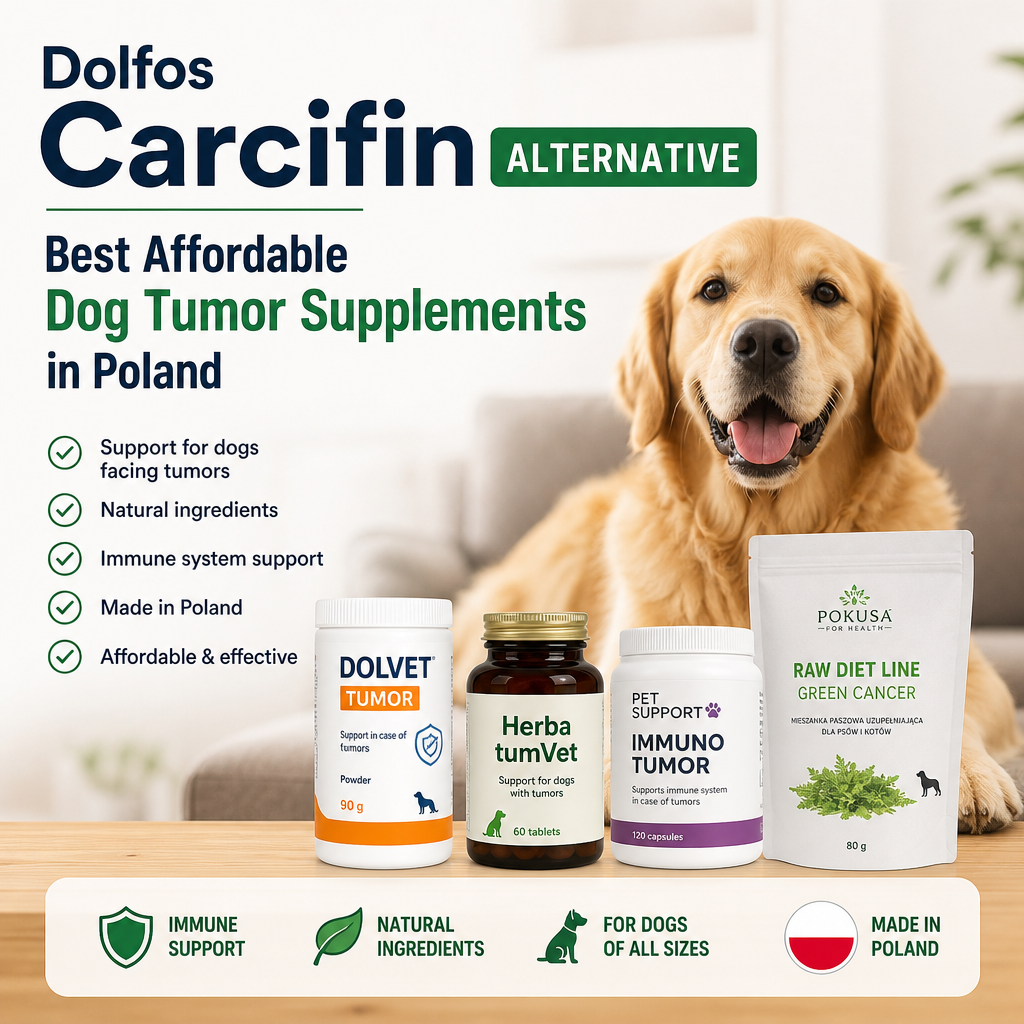
Dolfos Carcifin is commonly associated with nutritional support for dogs with serious illnesses, including tumors. However, availability, price, ingredient preferences, and individual tolerance can encourage owners to search for alternatives to Dolfos Carcifin. Some products may be temporarily unavailable in Polish pet shops, while others may not suit dogs with kidney disease, digestive sensitivity, allergies, or reduced appetite.
Cost is another important consideration. Cancer treatment can involve examinations, surgery, chemotherapy, medication, special food, and repeated consultations. An affordable supplement may help owners provide consistent nutritional support without compromising essential veterinary care. In many cases, a practical Dolfos Carcifin alternative is simply one that is easy to buy, easy to give, and appropriate for the dog’s current condition.
Still, “alternative” does not automatically mean “equivalent.” Products differ in their active ingredients, concentrations, quality standards, and intended use. Comparing labels carefully is more reliable than choosing based only on price or marketing claims. That is especially true when looking at any Dolfos Carcifin alternative for a dog already receiving treatment.
In practice, owners often want something that fits into a normal routine without adding stress. A supplement that can be mixed into food, measured accurately, and tolerated well may be more useful than a more complex formula with a long ingredient panel. That is one reason why the search for a Dolfos Carcifin alternative should focus on the dog’s actual needs instead of just the product category.
Another reason people compare supplements carefully is that dogs with tumors may have very different nutritional challenges. One patient may lose weight quickly, another may struggle with nausea, and a third may be doing well on a special diet but still need extra support for recovery. The best Dolfos Carcifin alternative should match those differences instead of assuming every tumor patient needs the same approach.
Owners in Poland also tend to weigh practical issues such as shipping time, local availability, and whether a product is sold through a veterinary channel or only through a general pet store. These details matter because cancer support is often ongoing, not a one-time purchase. If a supplement works well for a few weeks but cannot be restocked reliably, it may not be a realistic long-term solution.
What should a dog tumor supplement contain?
There is no single supplement formula suitable for every dog with cancer. Nevertheless, several nutritional components may be useful when recommended by a veterinarian.
Omega-3 fatty acids, particularly EPA and DHA from purified fish oil, are often included in supportive diets. They may help maintain a healthy inflammatory response and support skin, coat, and general nutrition. The product should clearly state the amount of EPA and DHA rather than only listing “fish oil.”
Antioxidants such as vitamin E, selenium, and selected plant compounds may support normal cellular protection. However, high-dose antioxidants may not be appropriate during some cancer treatments. Their use should therefore be discussed with the treating veterinarian, especially when chemotherapy or radiation therapy is involved.
Amino acids and protein-supporting nutrients can be valuable for dogs losing muscle or struggling to maintain body weight. Some formulas include arginine, glutamine, or other nutritional ingredients. The correct choice depends on the dog’s appetite, digestion, liver function, and kidney health.
Digestive support, including prebiotics or probiotics, may be useful when treatment causes loose stools or changes in appetite. These products should be introduced gradually and stopped if they worsen digestive symptoms.
Medicinal mushrooms and herbal extracts are often marketed for immune support. Their safety and effectiveness vary considerably, and some may interact with medication. Natural origin does not guarantee safety, so herbal ingredients deserve the same careful review as pharmaceutical products.
When comparing a Dolfos Carcifin alternative, it is also helpful to think about how the supplement fits into the overall feeding plan. A product that adds useful calories or improves palatability may be more practical than a complex formula that the dog refuses to eat. For many families, the best Dolfos Carcifin alternative is the one the dog will tolerate consistently.
Label reading is especially important because two products may sound similar but behave very differently in use. One formula may emphasize omega-3 support, while another is built around digestive comfort or general vitality. If the label does not explain what each ingredient does, or if the amounts are not clear, it becomes difficult to compare the item with a true Dolfos Carcifin alternative.
It is also worth paying attention to calorie density and serving size. Dogs that are underweight or eating less often benefit more from a supplement that fits easily into the feeding routine than from a product that requires large volumes. In this situation, a thoughtfully chosen Dolfos Carcifin alternative can save time while still supporting nutritional intake.
Some owners assume that “more ingredients” means “better support,” but that is not always true. A shorter formula with transparent dosing can be easier to monitor and safer to adjust. When in doubt, the simplest Dolfos Carcifin alternative that meets the dog’s needs is often the most practical choice.
Choosing dog tumor supplements in Poland
When comparing dog tumor supplements Poland owners should consider more than the product name. Start by checking whether the supplement is available through a reputable veterinary clinic, pharmacy, or established pet retailer. Reliable products should provide a complete ingredient list, dosage instructions, batch information, storage guidance, and manufacturer details.
Look for formulas designed specifically for dogs rather than human supplements. Human products may contain unsafe sweeteners, excessive doses of certain vitamins, or ingredients that are poorly tolerated by animals. Xylitol, for example, is highly dangerous to dogs and must be avoided.
Price should be assessed according to the daily serving, not just the package price. A larger container may appear more expensive but provide a lower cost per day. Conversely, a low-priced product may require several scoops daily and become costly over time.
It is also important to consider palatability. A supplement is unlikely to help if the dog refuses food containing it. Powders, capsules, oils, pastes, and chews offer different options. Dogs with nausea may tolerate a small amount of oil or paste better than a large tablet. In Poland, many owners look for a Dolfos Carcifin alternative that can be mixed into wet food without changing flavor too much.
One practical question is whether the dog needs a supplement at all. Some dogs with stable appetite and complete commercial diets may already receive adequate support from food alone. In those cases, adding more products can create confusion or digestive upset. A veterinarian can help decide whether a Dolfos Carcifin alternative is truly needed or whether the current plan is already sufficient.
Dogs receiving treatment may also need a different feeding approach depending on the stage of illness. During active therapy, appetite swings are common, and a supplement that was once useful may later become unnecessary. That is why choosing any Dolfos Carcifin alternative should be part of a living plan rather than a one-time purchase.
For Polish owners, buying from a trusted source matters because product quality can vary between sellers. Packaging should be intact, expiration dates should be easy to read, and storage instructions should be realistic for home use. If a product cannot be stored safely after opening, it may not be suitable for a household where the dog eats small portions over several weeks.
It is also sensible to compare customer support. Can the seller provide ingredient details, serving guidance, or lot tracking if needed? These are not small details when a dog has complex health needs. A reputable seller can make it easier to use a Dolfos Carcifin alternative correctly and consistently.
Five practical categories of supportive products
Rather than looking for a single miracle item, many owners compare supportive products by category. These are not direct treatment replacements, but they can help guide a better purchase decision.
1. Omega-3 supplements
Omega-3 products are common because they are simple to understand and easy to combine with food. They may be suitable for dogs that need nutritional support without a large ingredient list. When evaluating this type of Dolfos Carcifin alternative, look for the actual EPA and DHA amounts, not just the total fish oil volume.
2. Appetite and calorie support formulas
Some products focus on helping dogs eat more comfortably or consume more energy. These may include fats, palatable flavors, or digestible energy sources. For dogs that are thin or weak, this kind of Dolfos Carcifin alternative can be more useful than a general wellness supplement.
3. Digestive support products
Loose stools, nausea, and reduced tolerance for food are common in ill dogs. Probiotics, prebiotics, and gentle gut-support formulas may help some dogs, especially when digestive upset is part of the problem. A Dolfos Carcifin alternative in this category should be introduced cautiously and reviewed if symptoms worsen.
4. Antioxidant-focused formulas
Some owners want support for cellular protection and overall resilience. These products can be appropriate in some situations, but they require more caution because treatment interactions are possible. The veterinarian should confirm whether an antioxidant-heavy Dolfos Carcifin alternative fits the dog’s care plan.
5. General recovery and vitality supplements
These are broad formulas that combine several supportive ingredients. They can be convenient, but they also make it harder to tell which ingredient is producing a benefit or causing a problem. If you choose this type of Dolfos Carcifin alternative, keep notes on the dog’s appetite, stool quality, and energy level.
These categories help owners think more clearly about what they are buying. The right choice is not always the most specialized or the most expensive. In some cases, a straightforward Dolfos Carcifin alternative that focuses on one clear goal is the easiest to use and the most likely to be continued.
How to compare a Dolfos Carcifin alternative
A practical comparison should include five areas:
1. Purpose: Is the product intended for general nutritional support, appetite support, immune function, digestive health, or recovery after illness?
2. Ingredients: Are the active substances clearly identified and provided in meaningful amounts?
3. Safety: Does the product include warnings for pregnancy, kidney disease, liver disease, or concurrent medication?
4. Dosage: Is the recommended serving based on body weight and easy to measure accurately?
5. Quality and origin: Is the manufacturer transparent about production standards and testing?
Owners should be cautious about products promising to cure tumors, shrink cancer, or replace chemotherapy. Such claims are not a substitute for evidence-based veterinary medicine. A supplement can support nutrition and comfort, but it cannot be relied upon as a cancer treatment.
Another useful step is to compare the product label with the dog’s current needs. A Dolfos Carcifin alternative with omega-3s may be reasonable for one patient, while another dog may need easier digestion, a lower fat load, or simpler ingredients. The “best” product is the one that matches the dog rather than the trend.
When testing a new product, change only one thing at a time if possible. That makes it easier to tell whether the supplement is helping. If appetite improves after a week, or stool quality changes after a few days, you will have a clearer picture of how the Dolfos Carcifin alternative is affecting the dog.
Consistency matters as well. A product that is useful only when given perfectly every day may be too difficult for some households. A more forgiving Dolfos Carcifin alternative, such as one that can be mixed into meals or given in smaller amounts, may offer better real-world results.
Common signs a product may not be suitable
Not every supplement sold for tumor support is a good fit. Watch for warning signs such as vague ingredient names, no clear dosage instructions, exaggerated cure claims, or missing manufacturer information. Products with too many unproven blends can also be difficult to evaluate.
If a dog develops vomiting, diarrhea, itchiness, bloating, or reduced appetite after starting a new product, stop it and ask the vet whether it should be replaced. A Dolfos Carcifin alternative should support comfort, not create new problems.
It is also wise to be careful with heavily marketed “immune boosters.” Immune activity is not always something to stimulate during cancer care, and some supplements may conflict with the treatment plan. Even when an item is sold as a natural option, its safety still matters.
Another sign of poor suitability is a product that is difficult to dose accurately. If the serving depends on rough scoops, unclear drop counts, or confusing instructions, the risk of inconsistent use increases. That can matter a great deal when evaluating a Dolfos Carcifin alternative for a sick dog that needs predictable support.
Digestive sensitivity is especially important to watch. Some dogs with tumors already have fragile stomachs or changing bowel habits, and even a well-marketed supplement can trigger discomfort. A Dolfos Carcifin alternative should be stopped quickly if it appears to worsen the problem rather than help it.
Veterinary guidance matters
Before introducing any Dolfos Carcifin alternative, discuss the product with the veterinarian managing the dog’s case. This is particularly important when the dog is receiving chemotherapy, steroids, pain medication, anti-inflammatory drugs, or treatment for kidney or liver problems.
The veterinarian can help determine whether the dog needs additional calories, more protein, omega-3 fatty acids, digestive support, or simply a more palatable complete diet. In some cases, adding a supplement may be unnecessary or even counterproductive if it interferes with the nutritional balance of the main food.
Monitoring is equally important. Track appetite, body weight, stool quality, vomiting, energy, water intake, and signs of discomfort. Stop the supplement and contact the clinic if the dog develops persistent diarrhea, vomiting, itching, facial swelling, severe lethargy, or worsening appetite.
For general medical reference, the Merck Veterinary Manual overview of cancer in dogs is a helpful educational resource. It can support discussion with a clinician, although it does not replace individualized advice for a specific pet.
Veterinary input is especially useful when the dog is taking several medications. Some ingredients may alter how the body processes drugs, and some combinations are simply not worth the risk. A careful review makes a Dolfos Carcifin alternative safer and more likely to support the care plan rather than interfere with it.
It can also help to bring the product label to the appointment or send photos before buying. This saves time and prevents misunderstandings about dosage or intended use. In many cases, the veterinarian can quickly say whether a Dolfos Carcifin alternative seems reasonable or whether a different approach would be better.
Supporting a dog with cancer beyond supplements
Nutrition is only one part of supportive care. Dogs with tumors benefit from regular veterinary monitoring, appropriate pain control, hydration, gentle activity, and a calm routine. A complete, digestible diet is usually more important than a long list of supplements. Some dogs need high-calorie food, while others require a carefully controlled diet because of pancreatitis, kidney disease, or gastrointestinal problems.
Maintaining a healthy body condition can improve resilience during treatment. Weighing the dog regularly helps identify gradual weight loss before it becomes severe. Small, frequent meals, warming food slightly, or using a veterinarian-approved appetite strategy may make eating easier.
Owners should also stay realistic about goals. The aim of a Dolfos Carcifin alternative is usually to support comfort, appetite, and nutritional status, not to promise a cure. That perspective makes it easier to choose a product that truly fits the dog’s condition and the family’s budget.
Comfort at home matters too. A dog recovering from treatment may prefer a quiet resting place, a predictable feeding schedule, and shorter walks. These small adjustments can make it easier for the dog to accept food and for the family to maintain supportive routines. A Dolfos Carcifin alternative works best when it is part of this larger care picture.
Hydration should not be overlooked. Some dogs eat less when they are dehydrated, and some supplements are easier to give when mixed with wet food or broth approved by the veterinary team. If a dog is drinking less than usual, call the clinic rather than relying on supplements alone. Even the best Dolfos Carcifin alternative cannot correct dehydration or serious illness.
Owners may also benefit from keeping a simple log of meals, medications, and supplement use. Notes about appetite, vomiting, and stool quality make follow-up visits more productive. This is particularly helpful when trying a new Dolfos Carcifin alternative because it gives the veterinarian a clearer picture of whether the product is helping.
Finally, remember that emotional support matters. Dogs with cancer often need patience, rest, and reassurance. A calm feeding experience can improve acceptance of both food and supplements. That is why the most effective Dolfos Carcifin alternative is not just nutritionally appropriate; it is also easy enough to use consistently in daily life.
Ultimately, the best alternatives to Dolfos Carcifin are not necessarily the most heavily advertised products. They are the options that match the dog’s medical needs, fit the treatment plan, have transparent ingredients, and can be given consistently at a reasonable cost. In Poland, owners can compare veterinary supplements through clinics, specialist pet pharmacies, and trusted online retailers, but professional advice should remain the foundation of every purchasing decision. A carefully chosen Dolfos Carcifin alternative can be a practical part of supportive care when used thoughtfully and with veterinary guidance.
When comparing several products side by side, ask one final question: which option is most likely to be used correctly every day? The answer is often the most realistic one. A dependable Dolfos Carcifin alternative, combined with good food, medication compliance, and veterinary monitoring, is usually more valuable than an impressive product that sits unused on a shelf.

by TCMVET | Aug 14, 2026 | Research and News
Natural Supplements for Dogs with Cancer may provide supportive nutrition during treatment, but they should never replace veterinary diagnosis, surgery, chemotherapy, radiation, or prescribed medication. The safest approach is an individualized plan that considers your dog’s cancer type, treatment schedule, current diet, organ function, medications, and overall quality of life. Some supplements may help support appetite, digestion, mobility, or general wellness, while others can interfere with treatment or cause harm.
Understanding natural dog cancer support
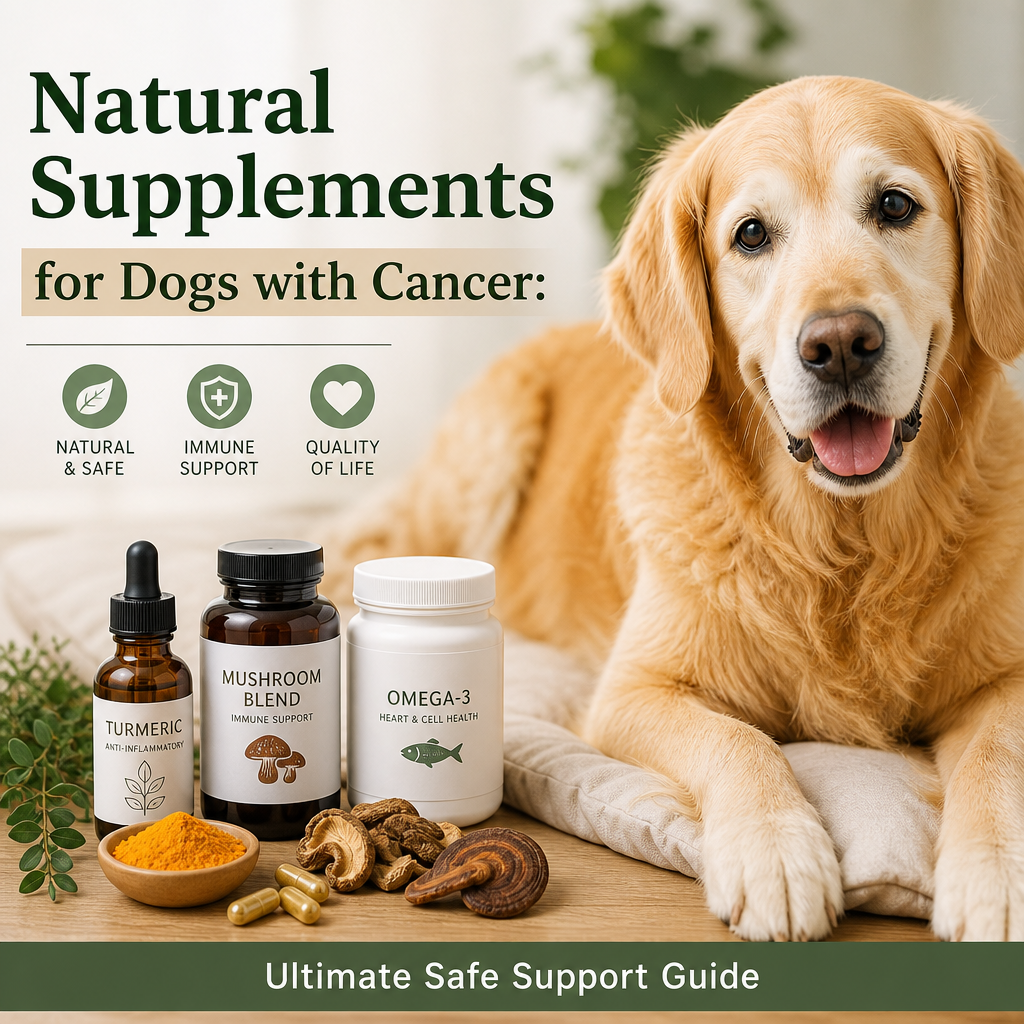
Cancer affects dogs in different ways. A growing tumor may alter metabolism, reduce appetite, increase inflammation, or cause pain and fatigue. Cancer treatments can also create side effects such as nausea, diarrhea, mouth irritation, and low energy. Natural dog cancer support is intended to complement professional care by helping maintain nutrition, hydration, comfort, and strength.
“Natural” does not automatically mean safe. Herbs and concentrated supplements contain active compounds that can affect blood clotting, liver enzymes, blood pressure, immune activity, and medication absorption. A product may also vary in quality, purity, and dosage. Always discuss a supplement with your veterinarian or a board-certified veterinary oncologist before introducing it.
For families looking for a broader holistic overview, this guide on how natural remedies can support dogs with cancer can help put supportive care into context.
When owners first research natural supplements for dogs with cancer, the goal is often simple: help the dog feel better without complicating treatment. That goal is reasonable, but it works best when the supplement choice is based on evidence, product quality, and ongoing monitoring rather than marketing claims.
Canine cancer supplements veterinarians may consider
Natural Supplements for Dogs with Cancer are most helpful when they are chosen for a specific goal. A supplement may support comfort, digestion, or nutrition, but it should fit the overall treatment plan rather than distract from it. Below are several categories veterinarians may consider in selected cases.
Not every dog needs the same approach. A young dog with a good appetite may need a very different plan than a senior dog losing muscle mass during chemotherapy. That is why natural supplements for dogs with cancer should be selected case by case, not as a one-size-fits-all routine.
Omega-3 fatty acids
Fish oil provides EPA and DHA, two omega-3 fatty acids commonly used to support inflammatory balance and skin, coat, and cardiovascular health. In some dogs with cancer, natural supplements for dogs with cancer such as omega-3s may be included as part of a broader nutritional plan, particularly when maintaining lean body mass and appetite is a concern.
Choose a veterinary-quality product with clearly listed EPA and DHA amounts rather than relying only on the total amount of fish oil. Potential side effects include loose stools, vomiting, or an unpleasant odor. Fish oil may also affect platelet function, so extra caution is needed before surgery or when a dog takes anticoagulant or antiplatelet medication.
For dogs who tolerate it well, omega-3s are often one of the more practical supportive options because they are easy to measure and relatively easy to adjust. Even so, they should still be reviewed with the care team, especially if the dog has a bleeding disorder or is already taking multiple medications.
Medicinal mushrooms
Mushrooms such as turkey tail, reishi, maitake, and shiitake contain compounds that may influence immune activity. Turkey tail has received particular interest in veterinary cancer research, although evidence remains limited and results may depend on the product, dosage, cancer type, and treatment plan.
Mushroom extracts should come from reputable manufacturers that provide standardized ingredients and independent testing. Avoid wild-harvested mushrooms or products with vague labels. Dogs with autoimmune disease, liver problems, or complex medication schedules may require additional precautions.
Owners sometimes assume that a “natural” mushroom product is automatically gentle, but concentrated extracts are biologically active. If a dog is already experiencing poor appetite or digestive upset, the veterinary team may want to introduce any mushroom supplement slowly and evaluate whether it truly improves comfort, energy, or eating behavior.
Probiotics and digestive support
Probiotics may help some dogs maintain a balanced intestinal microbiome, especially during periods of stress, dietary change, or antibiotic use. They may be useful when cancer treatment causes mild digestive upset, but they are not appropriate for every patient. Severely ill or immunocompromised dogs require veterinary guidance before receiving live microbial products.
A veterinary probiotic should identify specific strains and viable counts. Fiber sources, including certain prebiotics, may also support digestion, but too much can worsen gas or diarrhea. Introduce digestive supplements gradually and monitor stool quality. In some dogs, natural supplements for dogs with cancer are most beneficial when digestion improves enough to keep meals consistent.
Digestive support can also be helpful when treatment changes taste, appetite, or food tolerance. If a supplement causes bloating, softer stools, or reduced eating, it is not helping and should be reviewed promptly. The best supportive products are the ones that make daily care easier rather than adding another problem.
Antioxidants and vitamins
Antioxidants are found in many fruits, vegetables, and supplements. However, high-dose antioxidant products require special care during chemotherapy or radiation because some treatments rely partly on oxidative damage to cancer cells. The effect of supplementation may vary with the specific drug, treatment goal, and timing.
A complete, balanced commercial diet usually provides essential vitamins and minerals. Adding extra vitamin A, vitamin D, selenium, or other concentrated nutrients without professional advice can cause toxicity. Blood testing may be necessary before correcting a suspected deficiency.
For that reason, antioxidants are not a casual add-on. A veterinarian may recommend them in a specific context, but not as a default choice. If the treatment plan changes, the supplement plan may need to change as well.
Joint and mobility supplements
Dogs with cancer may become less active because of pain, weakness, arthritis, or treatment side effects. Ingredients such as glucosamine, chondroitin, green-lipped mussel, and undenatured type II collagen are often used for joint support. These products do not treat cancer, but they may help maintain mobility in selected dogs.
Look for products with transparent ingredient lists and appropriate dosing guidance. Green-lipped mussel and other marine ingredients may cause digestive upset or allergic reactions in sensitive dogs.
Mobility support matters because a dog that can move comfortably is more likely to keep eating, toileting, and resting well. Even modest improvements in movement can make day-to-day home care easier for the whole family.
Supplements that require particular caution
Several popular products can create significant risks. Turmeric and curcumin may affect clotting and medication metabolism. Garlic and concentrated onion products can damage red blood cells. High-dose vitamin D can cause dangerous calcium abnormalities. Comfrey, kava, chaparral, and certain concentrated herbal mixtures may harm the liver. CBD products may cause sedation, diarrhea, or changes in liver enzymes, and product quality can be inconsistent.
Essential oils should not be given internally unless specifically prescribed by a veterinarian. Many are toxic to dogs when swallowed or applied at concentrated levels. Avoid products that promise to “cure” cancer, dissolve tumors, or replace conventional treatment. Such claims are warning signs of poor scientific support.
This is one reason families should be careful when comparing natural supplements for dogs with cancer online. A product review may sound convincing, but it cannot replace an individualized plan based on your dog’s diagnosis, lab work, and medication list.
When in doubt, use trusted veterinary references and primary sources rather than social media advice. For a general safety overview, the VCA Hospitals medication library is a helpful place to learn more about common veterinary drugs and why supplement interactions matter.
How to choose a safe supplement
Natural Supplements for Dogs with Cancer should be chosen with the same care you would use for any part of cancer treatment. Start by clarifying the goal. Is the aim to improve appetite, reduce digestive upset, support joints, or help preserve body condition? A clear goal makes it easier to decide whether a supplement is worth trying.
Next, check the label carefully. Look for the full ingredient list, the amount per dose, the active form of the ingredient, and any warnings about surgery, pregnancy, liver disease, or drug interactions. Products that hide behind vague proprietary blends can make it difficult to know what the dog is actually receiving.
Product quality matters just as much as the ingredient itself. Look for manufacturers that provide third-party testing, batch numbers, and transparent sourcing. Veterinary-formulated products may be easier to evaluate because they are designed with canine dosing in mind.
It is also wise to introduce one product at a time. That way, if your dog develops vomiting, soft stool, itchiness, lethargy, or reduced appetite, you can identify the likely cause more easily. A stepwise approach is especially important when natural supplements for dogs with cancer are being used alongside prescription medications.
Finally, review the full medication list before starting anything new. Even a well-intentioned supplement can be a problem if it changes blood clotting, alters sedation, or interferes with chemotherapy metabolism. The safest supplement is not the one with the loudest promise; it is the one that fits the dog’s situation.
Nutrition matters more than a supplement
Many owners focus on supplements first, but food quality and calorie intake usually matter more. A dog losing weight or muscle mass needs enough energy, protein, and palatability before any add-on product can make a real difference. In many cases, improving the diet is more effective than adding more capsules or powders.
Dogs with cancer may need more frequent meals, warmed food, a softer texture, or a prescription diet designed for their condition. Some need nausea control before they can eat comfortably. Others benefit from carefully increasing calories without overwhelming the stomach. These practical adjustments can have a bigger impact than any single supplement.
Hydration is equally important. Fresh water should be available at all times, and some dogs do better with broth-style toppers or moisture-rich meals if approved by their veterinarian. If a dog is not eating, vomiting, or drinking poorly, urgent veterinary care is more important than any supplement plan.
Natural Supplements for Dogs with Cancer can be useful only when the foundation is strong. If the diet is not meeting basic needs, the supplement is being asked to do too much. Addressing nausea, pain, and calorie intake first often creates the best opportunity for supportive care to work.
Monitoring and veterinary communication
Once a supplement is started, monitor your dog closely for changes in appetite, stool quality, energy, thirst, urination, and behavior. Small changes matter, especially when the dog is receiving cancer therapy. Keep a simple log so you can tell whether the product is helping or causing a problem.
Schedule regular check-ins with the veterinary team and bring the product label to appointments. Share everything your dog receives, including treats, chews, powders, oils, and herbal products. Some of the most serious interactions happen when a supplement is added quietly at home and no one realizes it is part of the full medication picture.
If your dog is preparing for surgery, starting a new drug, or showing new symptoms, ask whether the supplement should be paused. Timing matters. Even supportive products can become risky in the wrong phase of treatment, which is why natural supplements for dogs with cancer need ongoing review instead of a one-time decision.
Owners often want a simple yes-or-no answer, but cancer care is rarely that straightforward. A supplement may be reasonable for one dog and inappropriate for another. The best results usually come from open communication, careful observation, and a willingness to adjust when the dog’s needs change.
Used thoughtfully, natural supplements for dogs with cancer can be part of a compassionate care plan. They are not cures, and they are not substitutes for medical treatment, but the right supportive products may help some dogs eat better, feel more comfortable, and maintain strength during a difficult time.
