by TCMVET | Nov 23, 2025 | Research and News, Dog Cancer & Tumors
Introduction
Cancer is a word that sends shivers down the spine of any pet owner, reflecting the fear and uncertainty surrounding the health of our beloved companions. As guardians of our pets, it is crucial to be vigilant in recognizing the early signs of this devastating disease. In this comprehensive guide, we will explore the nature of cancer in pets, the importance of early detection, and the specific signs to look out for. Furthermore, we will discuss how to support your pet through diagnosis and treatment, ensuring they receive the best possible care.
Understanding Cancer in Pets
What is Cancer?
Cancer in pets occurs when cells within the body grow uncontrollably, forming tumors or spreading throughout the body. This growth disrupts normal bodily functions and can lead to serious health complications. While the exact cause of cancer can be difficult to pinpoint, a combination of genetic, environmental, and lifestyle factors often contributes to its development. Understanding the nature of cancer is the first step in recognizing its early signs.
Common Types of Cancer in Pets
Various forms of cancer can affect pets, with some being more prevalent than others. Common types of cancer in dogs include mast cell tumors, lymphoma, and osteosarcoma. In cats, the most frequently diagnosed cancers include lymphoma, squamous cell carcinoma, and mammary tumors. Being aware of these cancers can help you identify risk factors and symptoms associated with specific types, enhancing your ability to monitor your pet’s health effectively.
Statistics on Pet Cancer
According to studies, approximately one in four dogs and one in five cats will be diagnosed with cancer in their lifetime. This staggering statistic highlights the importance of awareness and education regarding this disease. Furthermore, the likelihood of developing cancer increases as pets age, with senior pets being at a higher risk. Understanding these statistics can motivate pet owners to maintain vigilance and prioritize their pets’ health.
Why Early Detection is Crucial
Impact of Early Diagnosis
Early detection of cancer can significantly impact treatment outcomes and overall prognosis. When identified in its initial stages, many forms of cancer can be treated more effectively, often leading to better survival rates and improved quality of life. Early diagnosis allows for less aggressive treatments, which can help maintain your pet’s health and well-being.
Benefits of Prompt Treatment
In addition to improving survival rates, prompt treatment can alleviate pain and discomfort associated with cancer in pets. By addressing the disease early, veterinarians can implement treatment plans that may include surgery, chemotherapy, or radiation therapy, minimizing the progression of the illness. Quick intervention can also enable pet owners to explore a range of treatment options that may not be available for advanced-stage cancers.
Recognizing Early Signs of Cancer
Changes in Appetite
A sudden increase or decrease in your pet’s appetite can be a red flag for cancer. A pet that suddenly refuses to eat or shows an unusual interest in food may be experiencing underlying health issues, including cancer. Monitoring your pet’s eating habits can provide valuable insights into their health status and help identify potential problems early on.
Unexplained Weight Loss
Unexplained weight loss is another warning sign of cancer. If your pet is losing weight without any changes to their diet or activity level, it may indicate a health issue. Weight loss occurs when the body begins to utilize fat stores and muscle mass to compensate for the energy deficit caused by cancerous growths.
Visible Lumps or Bumps
One of the most recognizable signs of cancer in pets is the presence of lumps or bumps on their body. While not all lumps are cancerous, any new or growing mass warrants immediate veterinary attention. Regularly checking your pet’s body for unusual growths can help catch potential problems early and facilitate timely intervention.
Persistent Lethargy
While pets may have days when they seem less energetic than usual, persistent lethargy can be a cause for concern. If your pet is consistently less active or shows a lack of interest in activities they once enjoyed, it may be an indication of an underlying health issue, including cancer. Monitoring changes in behavior is essential for maintaining your pet’s overall health.
Difficulty Breathing
Any signs of difficulty breathing or coughing should prompt immediate concern. Cancer in the lungs or surrounding tissues can lead to respiratory problems, including wheezing or shortness of breath. If you notice any abnormalities in your pet’s breathing patterns, it is crucial to consult your veterinarian as soon as possible.
Changes in Bathroom Habits
Changes in your pet’s bathroom habits, such as increased frequency of urination, straining to urinate, or blood in the urine, can indicate serious health issues, including cancer. Monitoring these changes can provide critical insights into your pet’s health and help determine if further investigation is needed.
Unusual Odors
Unexplained odors emanating from your pet’s mouth, ears, or skin can indicate underlying health issues, including cancer. These odors can be caused by the decomposition of tissues or the presence of tumors, and should never be ignored. If you notice any unusual smells, it is essential to seek veterinary advice.
Abnormal Swellings
Swelling in specific areas of your pet’s body not related to injuries or infections can signify cancerous growths. Observing your pet for any unusual swellings is vital for early detection, as some tumors may not be immediately noticeable. Regular physical examinations can help you monitor for any changes and ensure prompt veterinary evaluation when necessary.
When to Consult a Veterinarian
Understanding Symptoms vs. Normal Behavior
As a pet owner, distinguishing between normal behavior and concerning symptoms can be challenging. It’s essential to familiarize yourself with your pet’s typical behavior patterns to recognize any deviations that may signal health problems. If you observe a combination of symptoms or significant changes in your pet’s behavior, it is time to consult your veterinarian.
Preparing for the Vet Visit
Preparing for a veterinary visit can streamline the process and ensure that you provide your vet with the information they need to make an accurate diagnosis. Keep a detailed record of your pet’s symptoms, behavioral changes, and any relevant history that may assist in the evaluation. This preparation can facilitate timely interventions and improve the likelihood of a positive outcome.
The Role of Regular Check-ups
Importance of Routine Veterinary Exams
Routine veterinary exams are essential for monitoring your pet’s health and identifying potential issues before they become serious. Regular check-ups allow vets to conduct thorough physical examinations, discuss any concerns, and recommend appropriate screenings based on your pet’s age and risk factors. Establishing a routine schedule for veterinary visits can significantly enhance early detection rates for various health issues, including cancer.
Recommended Screening Tests
Based on your pet’s age and breed, your veterinarian may recommend specific screening tests to assess their health status. Common tests include blood work, urinalysis, and imaging studies such as X-rays or ultrasounds. These tests can help identify abnormalities that may indicate cancer or other health issues, providing vital information for timely intervention.
Supporting Your Pet During Diagnosis and Treatment
Emotional Support for Your Pet
Receiving a cancer diagnosis can be distressing not only for pet owners but also for the pets themselves. Providing emotional support during this challenging time is crucial. Spend quality time with your pet, engage in gentle activities, and maintain a calm demeanor to help alleviate their anxiety. Pets are sensitive to their owners’ emotions, so your support can make a significant difference in their comfort and well-being.
Creating a Comfortable Environment
Ensuring your pet’s comfort during diagnosis and treatment is paramount. Create a peaceful environment with a designated space for rest and recovery. Provide soft bedding, limited noise, and easy access to their favorite toys and activities. A stable and loving environment can help your pet cope with the stress of illness and treatment, promoting a sense of security and well-being.
Nutrition and Wellness During Treatment
Maintaining a balanced diet during cancer treatment is vital for your pet’s overall health. Speak with your veterinarian about the best nutritional options, including high-quality pet foods that meet their specific needs. Additionally, consider incorporating supplements that may support their immune system and overall wellness. Proper nutrition can play a significant role in your pet’s recovery and quality of life.
Conclusion
Recognizing the early signs of cancer in pets is essential for ensuring their health and longevity. By being vigilant and informed, pet owners can take proactive steps to monitor their pets and seek timely veterinary care. Remember, early detection can lead to better treatment outcomes and improved quality of life. Stay informed, stay observant, and prioritize your beloved pet’s health.
FAQs
What are the most common symptoms of cancer in pets?
Common symptoms include unexplained weight loss, changes in appetite, visible lumps or bumps, persistent lethargy, difficulty breathing, and unusual odors. Monitoring these signs can facilitate early detection.
How often should I take my pet for check-ups?
It is generally recommended to take your pet for a veterinary check-up at least once a year. However, older pets or those with health concerns may require more frequent visits.
Can pets survive cancer?
Many pets can survive cancer, especially with early detection and appropriate treatment. The prognosis varies depending on the type and stage of cancer, so consulting with your veterinarian is essential for individualized care.
What should I do if I notice unusual symptoms in my pet?
If you notice any unusual symptoms in your pet, it is crucial to consult your veterinarian as soon as possible. Early intervention can significantly impact treatment outcomes.
How can I support my pet during cancer treatment?
Providing emotional support, creating a comfortable environment, and ensuring proper nutrition are all vital steps in supporting your pet during cancer treatment. Always follow your veterinarian’s recommendations for care.

by TCMVET | Feb 6, 2025 | Dog Cancer & Tumors
Cancer is a growing concern for pet owners, especially those with multiple dogs. When a dog in the household is diagnosed with cancer, a common question arises: Is canine cancer contagious? Understanding the nature of cancer and how it spreads can help pet owners take appropriate precautions while providing the best care for their furry companions.
Is Cancer Contagious in Dogs?
The simple answer is no—most forms of cancer in dogs are not contagious. Unlike infectious diseases caused by viruses or bacteria, cancer is the uncontrolled growth of abnormal cells within an individual’s body. It does not spread from one dog to another through direct contact, shared food bowls, or proximity.
However, there are rare exceptions, such as transmissible venereal tumors (TVT), which can spread through direct contact, particularly during mating. TVT is one of the only naturally occurring transmissible cancers in dogs, and it mainly affects stray or unneutered dogs. Apart from this, conventional cancers such as lymphoma, osteosarcoma, and mast cell tumors cannot be transmitted between dogs.
Can Cancer Be Influenced by Environmental Factors?
While cancer itself is not contagious, dogs living in the same household may share common environmental risks that could contribute to cancer development. These include:
- Exposure to secondhand smoke – Dogs in smoking households have a higher risk of developing lung cancer and nasal tumors.
- Toxic chemicals – Pesticides, herbicides, and household cleaning products may increase the risk of cancer in pets.
- Diet and obesity – Poor diet and obesity-related inflammation can contribute to the development of cancer over time.
- Genetics – If multiple dogs in a household are from the same bloodline or breed, they may have a genetic predisposition to certain cancers.
What Should Multi-Dog Owners Do?
Even though cancer is not contagious, pet owners should take certain precautions to ensure the health and well-being of all their dogs:
1. Maintain a Healthy Environment
- Keep your home free of harmful toxins, including cigarette smoke and harsh chemicals.
- Avoid using pesticides and herbicides in areas where your dogs play.
2. Support a Nutritious Diet
- Feed all dogs a balanced, high-quality diet with fresh, natural ingredients.
- Consider supplements that support immune health, such as omega-3 fatty acids and antioxidants.
3. Monitor for Symptoms in Other Dogs
- Regularly check for lumps, swelling, weight loss, or behavioral changes.
- Schedule annual veterinary check-ups and routine cancer screenings, especially for senior dogs or breeds prone to cancer.
4. Provide Emotional Support
- If one dog is diagnosed with cancer, other dogs in the household may experience stress or behavioral changes.
- Maintain a stable routine and provide comfort to all pets in the home.
5. Consult a Veterinarian
- If you have concerns about cancer risks in your home, consult your vet for personalized advice on prevention and early detection.
Conclusion
Canine cancer is not contagious, but shared environmental factors and genetic predispositions may influence cancer risks in multiple dogs within a household. By maintaining a healthy home, providing proper nutrition, and staying vigilant for symptoms, pet owners can help their dogs live longer, healthier lives. If one of your dogs is diagnosed with cancer, offering love, comfort, and appropriate medical care is the best way to support them while ensuring the well-being of your entire pack.

by TCMVET | Jan 22, 2025 | Dog Cancer & Tumors
As pet owners seek alternatives to conventional cancer treatments like surgery, chemotherapy, and radiation, Traditional Chinese Medicine (TCM) has emerged as a promising complementary approach for dogs with tumors. TCM views cancer as an imbalance in the body’s vital energy (Qi) and aims to restore harmony through herbal medicine, acupuncture, and dietary therapy. But how effective is it? And how can we integrate these treatments into a holistic cancer care plan for dogs?
This article challenges conventional views on canine cancer treatment by diving deep into the ancient wisdom of TCM, merging it with modern veterinary insights to offer a fresh perspective on natural healing.
1. Understanding Cancer in Dogs from a TCM Perspective
In Western medicine, cancer is seen as uncontrolled cell growth often triggered by genetic, environmental, or dietary factors. TCM, however, interprets tumors differently:
- Stagnation of Qi and Blood: Tumors form when energy and blood become blocked, preventing proper circulation.
- Accumulation of Dampness and Phlegm: Excessive moisture in the body can condense into masses.
- Kidney and Spleen Deficiency: Weak organ function can lead to toxin buildup, reducing the body’s ability to clear abnormal cells.
TCM treatment focuses on removing blockages, strengthening organ function, and boosting immunity rather than simply destroying cancer cells.
2. Herbal Medicine: A Natural Approach to Tumor Reduction
Chinese herbal formulas for cancer aim to shrink tumors, enhance immune function, and support organ health. Some commonly used herbs include:
- Baituxiao (白兔肖): Known for its ability to inhibit tumor growth, clear heat, and detoxify the body.
- Huang Qi (黄芪, Astragalus): Strengthens immunity and improves energy flow, often used alongside conventional treatments.
- Ban Zhi Lian (半枝莲, Scutellaria Barbata): Has anti-cancer properties and supports liver health.
- Ling Zhi (灵芝, Reishi Mushroom): A powerful adaptogen that enhances immune response and reduces inflammation.
- Dang Gui (当归, Angelica Sinensis): Promotes blood circulation and prevents Qi stagnation, commonly used for tumors involving the skin or muscles.
These herbs are often prescribed in formulas tailored to a dog’s specific constitution and tumor type, making personalized treatment essential.
3. Acupuncture: Pain Management and Healing Activation
Acupuncture is widely used in human cancer patients to relieve pain and improve well-being, and the same principles apply to dogs. This practice works by stimulating specific meridian points, which:
- Reduce inflammation and pain
- Boost circulation to help shrink tumors
- Support the immune system to slow cancer progression
- Improve digestion and energy levels in weakened dogs
Acupuncture sessions are non-invasive and well-tolerated by most dogs. Many pet owners notice improvements in their dog’s mobility, comfort, and appetite after treatment.
4. Dietary Therapy: Healing Through Food
Food is medicine in TCM, and dietary adjustments play a critical role in supporting dogs with cancer. The goal is to reduce inflammation, nourish Qi, and prevent tumor growth through balanced nutrition.
Recommended Foods:
- Lean proteins: Duck, rabbit, and fish are preferred over red meat, which can be inflammatory.
- Anti-inflammatory vegetables: Carrots, broccoli, and mushrooms like shiitake and maitake.
- Healthy grains: Millet, quinoa, and barley, which strengthen the digestive system.
- Bone broth: Supports digestion and provides essential minerals.
Foods to Avoid:
- Processed foods with artificial additives
- Excessive fatty or greasy foods, which contribute to Dampness
- Sugary treats, as sugar is believed to feed tumor growth
A carefully tailored diet, combined with herbs and acupuncture, can help maintain energy levels and improve a dog’s overall resilience against cancer.
5. Integrating TCM with Conventional Treatments
While TCM offers powerful tools for managing canine tumors, it works best when combined with Western veterinary care. Many veterinarians now adopt an integrative approach, using TCM alongside surgery, radiation, or chemotherapy to:
- Reduce side effects of conventional treatments
- Strengthen the dog’s body against cancer recurrence
- Improve overall comfort and longevity
6. When to Consider TCM for a Dog with Cancer
TCM is particularly beneficial when:
- Surgery is not an option due to the tumor’s location or the dog’s age.
- The dog experiences severe side effects from chemotherapy or radiation.
- The goal is palliative care to extend quality of life rather than cure the cancer.
Since every dog responds differently, working with a TCM-trained veterinarian ensures a safe and effective treatment plan.
A Holistic Future for Canine Cancer Care
Traditional Chinese Medicine provides a gentle yet powerful approach to treating canine tumors by addressing the root cause rather than just the symptoms. By incorporating herbal medicine, acupuncture, and dietary therapy, pet owners can enhance their dog’s well-being and offer a compassionate, natural path to healing.
Cancer treatment should not just focus on prolonging life but on improving the quality of each day. With the right balance of TCM and Western medicine, dogs can enjoy a more comfortable, fulfilling journey, even when facing a cancer diagnosis.

by TCMVET | Jan 22, 2025 | Dog Cancer & Tumors
Bone cancer, particularly osteosarcoma, is one of the most aggressive cancers in dogs. It causes intense pain, often stemming from tumor growth, inflammation, and bone damage, and can lead to complications like fractures or metastasis to the lungs. For pet owners, the challenge lies in managing this pain while ensuring their dog’s life remains as fulfilling and comfortable as possible.
Here, we explore innovative approaches to pain relief and lifestyle enhancement for dogs with bone cancer, combining traditional treatments, natural remedies, and practical lifestyle adjustments.
Understanding Pain in Dogs with Bone Cancer
The pain associated with bone cancer comes from multiple sources:
- Tumor growth: The cancer cells invade healthy bone tissue, causing structural instability.
- Inflammation: The body’s response to cancer often triggers swelling and discomfort.
- Microfractures: As the bone weakens, even normal activity can result in painful fractures.
Recognizing the signs of pain is crucial. Dogs often exhibit:
- Limping or avoiding putting weight on an affected limb
- Restlessness, particularly at night
- Excessive licking or chewing of the affected area
- Loss of appetite and general lethargy
- Sensitivity or irritability when touched
Effective Pain Management Options
Managing pain is the cornerstone of care for dogs with bone cancer. Options include:
- Medications for Pain Relief
- Non-Steroidal Anti-Inflammatory Drugs (NSAIDs): These reduce inflammation and provide moderate pain relief.
- Opioids: Medications like tramadol or morphine are often prescribed for severe pain.
- Bisphosphonates: These drugs help reduce bone breakdown and may alleviate pain.
- Palliative Radiation Therapy
Radiation can shrink tumors and reduce inflammation, providing significant pain relief. It’s particularly effective when surgery is not an option.
- Amputation or Limb-Sparing Surgery
In some cases, removing the affected limb or performing surgery to stabilize the bone can drastically reduce pain and improve mobility.
- Integrative and Natural Therapies
- Acupuncture: Proven to help manage chronic pain and improve overall comfort.
- CBD Oil: Cannabidiol can reduce pain and inflammation while promoting relaxation. Always consult your vet for appropriate dosing.
- Turmeric or Curcumin Supplements: These natural anti-inflammatories can complement conventional treatments.
Enhancing Quality of Life
Pain management is just one part of the equation. To improve your dog’s daily life, consider:
- Adjusting Their Living Space
Provide soft bedding and ensure they have easy access to food, water, and outdoor areas. Consider ramps or non-slip rugs to make movement safer.
- Low-Impact Exercise
Gentle walks or swimming (if possible) can help maintain muscle strength and prevent stiffness. Monitor your dog closely to avoid overexertion.
- Nutritional Support
- High-protein diets can help maintain muscle mass.
- Anti-inflammatory foods like fish oil or omega-3 fatty acids can support joint and bone health.
- Avoid highly processed treats or kibble, as these may exacerbate inflammation.
- Mental Stimulation
Keep your dog engaged with puzzles, gentle play, or interactive toys to support their emotional well-being.
When to Seek Help
It’s essential to regularly assess your dog’s condition with a veterinarian. Look out for signs that their pain may be worsening, such as persistent refusal to eat, increased lethargy, or vocalizations of discomfort. In advanced stages, discussing humane options like palliative care or euthanasia may become necessary.
A Holistic Approach to Care
By combining modern medicine with holistic and lifestyle interventions, you can significantly alleviate your dog’s pain while enhancing their overall quality of life. Every dog’s journey is unique, and with the right care, even dogs facing bone cancer can experience meaningful and joyful moments with their families.
Remember, your love and attentiveness make all the difference.
by TCMVET | Jan 20, 2025 | Dog Cancer & Tumors
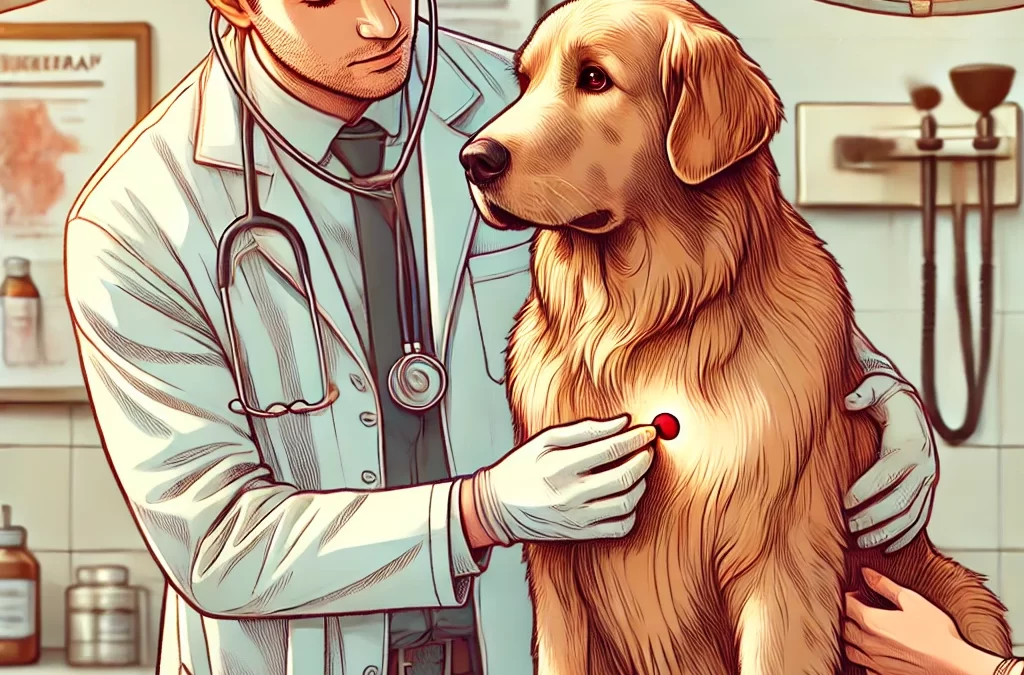
Picture this: You’ve just given your dog a much-deserved belly rub after a fun-filled walk. Suddenly, your fingertips brush against a small bump you’ve never noticed before. Cue the suspenseful music—Has an alien invader (read: malignant tumor) set up camp, or is it just a harmless squatter (benign growth) chilling under your dog’s skin? Before you sound the alarm or shrug it off, let’s shed some light on how to decode these mysterious new tenants in your furry friend’s body.
1. “Growth CSI”: Forensic Clues That Matter
Think of yourself as the detective in a high-stakes crime drama. Your job is to gather all the evidence:
- Texture and Mobility: Malignant tumors often feel irregular and may adhere to surrounding tissues, while benign lumps tend to be smoother and more mobile.
- Rate of Growth: Is that bump rapidly inflating like a balloon, or has it remained the same size over weeks or months? Faster growth can point to malignancy.
- Associated Symptoms: Changes in appetite, lethargy, weight loss, or localized pain might be extra red flags that require immediate attention.
The key takeaway? Don’t jump to conclusions just from how the lump feels. But do keep your “detective notebook” updated with observations.
2. Scientific Intel: Diagnostic Tests Reveal the Truth
Just like any good thriller, you’ll need a qualified partner to crack the case. In this episode, it’s your trusted veterinarian, armed with high-tech tools and a keen eye for detail:
- Fine Needle Aspiration (FNA): A quick, minimally invasive test that can provide immediate cellular clues. Think of it as collecting “fingerprints” of the lump’s identity.
- Biopsy: Sometimes, a closer look is needed—like analyzing a suspect’s DNA. A biopsy offers a deeper dive into the tissue’s structure and cell behavior.
- Imaging Tools: X-rays, ultrasounds, or MRIs act as the detective’s magnifying glass, spotting hidden clues about the growth’s boundaries and potential spread.
3. Tumor or Benign Growth? Understanding the Verdict
After collecting evidence and running tests, the verdict will be in. Malignant tumors—our “alien invaders”—carry the risk of infiltration and metastasis. This often calls for prompt, sometimes aggressive, treatment, which may include surgery, chemotherapy, or radiation. Benign growths—our “harmless squatters”—generally grow slowly and stay confined, but that doesn’t mean you can always ignore them. Some benign masses can still press on vital organs or become ulcerated over time, necessitating removal or periodic monitoring.
4. Crafting a Treatment Masterplan
Whether the diagnosis is a harmless squatter or a confirmed alien invader, having a solid game plan is non-negotiable:
- Surgical Removal: Often the first line of defense—like evicting a bad tenant.
- Medications & Therapies: Chemotherapy, targeted therapy, or immunotherapy can tip the scales in your dog’s favor if the tumor is malignant.
- Lifestyle Adjustments: From specialized diets to gentle exercise routines, holistic support helps your dog feel their best throughout treatment.
- Ongoing Monitoring: Think of this as your perimeter patrol to ensure no suspicious lumps return or appear elsewhere.
5. Celebrating the Wins and Sharing the Journey
Finding a new lump can be a scary twist in your beloved pet’s story. Yet remember: not every bump is a doom-and-gloom scenario. Armed with vigilance and a proactive approach, you can turn this “alien vs. squatter” mystery into a manageable subplot in your dog’s life adventure. Share updates with your vet, celebrate small victories (a stable lump, successful surgery, good energy levels), and cherish each tail wag along the way.
Because at the end of the day, every detective story worth telling concludes with hope—and maybe a few extra treats for the world’s best sidekick, your dog.
