
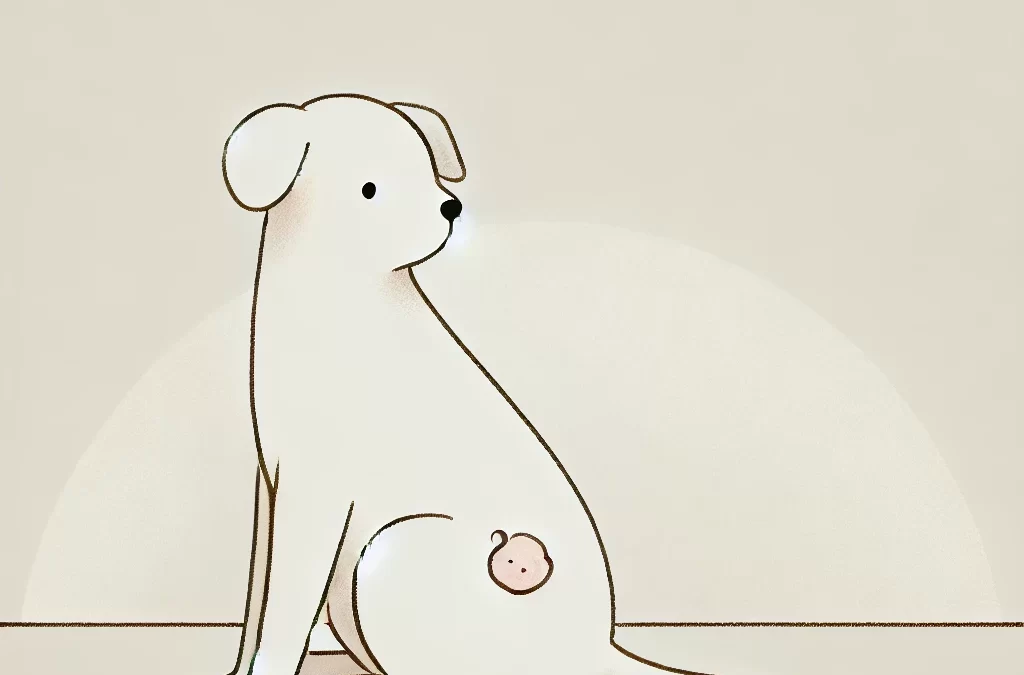
Will a Dog Cyst Go Away on Its Own? A Deep Dive into Canine Skin Health

Will a Dog Cyst Go Away on Its Own? A Deep Dive into Canine Skin Health

Finding a lump or bump on your dog can be an alarming experience, but not all growths are dangerous. Cysts, for instance, are relatively common in dogs and are often benign. However, the question arises: will a dog cyst go away on its own? Let’s break down this issue, exploring the types, causes, and natural approaches to managing cysts, as well as when professional intervention is necessary.


What Exactly Is a Cyst?

A cyst is a closed sac filled with fluid, semi-solid material, or air. They often form beneath the skin and can vary in size. Cysts in dogs are typically caused by blocked hair follicles, trauma, or infections. While most are harmless, understanding their nature is key to ensuring your dog’s health.

Types of Cysts in Dogs

  • Sebaceous Cysts: Result from blocked oil glands and are the most common type. These often appear as small, slow-growing lumps and can rupture over time.
  • Follicular Cysts: Linked to hair follicle blockages, often due to irritation or genetics.
  • True Cysts: Encased in an epithelial lining, these are rare but distinct.
  • Abscesses: Though not technically cysts, they are infected lumps filled with pus and often mistaken for cysts.

Will It Resolve on Its Own?

The answer depends on the type of cyst and the underlying cause:

  1. Sebaceous Cysts: These may rupture and drain on their own, but they often refill unless the sac is completely removed.
  2. Follicular Cysts: These rarely disappear without intervention and may grow over time.
  3. Infected Cysts or Abscesses: Require immediate treatment to prevent complications. They won’t heal on their own.

While some cysts may reduce in size temporarily, complete self-resolution is uncommon.


Natural Approaches to Manage Cysts

If the cyst is small, non-painful, and your veterinarian has confirmed it’s benign, natural management can be considered. These remedies aim to reduce inflammation, prevent infection, and promote skin health:

1. Warm Compress

A warm compress can encourage blood flow to the area, helping the cyst drain naturally. Use a clean cloth soaked in warm water and gently apply it for 5–10 minutes, twice daily.

2. Turmeric Paste

Turmeric’s anti-inflammatory and antimicrobial properties make it a favorite in holistic pet care. Mix turmeric powder with coconut oil to form a paste and apply it to the cyst (with vet approval).

3. Castor Oil

Rich in ricinoleic acid, castor oil can help reduce inflammation. Dab a small amount onto the cyst with a cotton swab.

4. Dietary Adjustments

Boosting your dog’s diet with omega-3 fatty acids (fish oil) and antioxidants can improve overall skin health. Ensure their diet is rich in vitamins E and C to support tissue repair.

5. Herbal Remedies

Calendula and chamomile compresses have soothing effects and may promote healing.


When to See a Veterinarian

While natural remedies can be effective for managing small, benign cysts, some situations require professional attention:

  • Rapid Growth: If the cyst increases in size quickly, it could indicate an underlying issue.
  • Pain or Discomfort: If your dog shows signs of pain, avoids being touched, or licks the area obsessively.
  • Infection: Redness, swelling, warmth, or oozing pus are signs of an infected cyst.
  • Multiple Lumps: Could indicate a systemic issue or a different condition.
  • Location Concerns: Cysts near joints or vital organs should be examined promptly.

A Balanced Approach: Combining Nature and Science

A dog cyst, while often harmless, requires careful observation. Combining natural remedies with veterinary guidance ensures your dog’s comfort and safety. Remember, cysts rarely disappear entirely on their own, so proactive care is essential.

The takeaway? Don’t panic if you discover a cyst on your dog. Instead, monitor its size and behavior, use natural therapies when appropriate, and consult your vet to rule out more serious conditions. By taking a balanced and informed approach, you can keep your furry friend healthy, happy, and thriving.

Understanding True Cysts in Dogs: Causes, Symptoms, and Treatment Options

Understanding True Cysts in Dogs: Causes, Symptoms, and Treatment Options

True cysts in dogs are fluid-filled sacs that develop under the skin and are usually benign. These cysts form when cells within the lining of the sac produce and secrete fluid, causing the lump to grow over time. While true cysts are generally harmless, they can become bothersome, depending on their size and location.

What Are True Cysts in Dogs?

True cysts are enclosed lumps that contain fluid secreted by the cells in their lining. Unlike some other types of cysts, which may be filled with semi-solid material, true cysts are filled primarily with fluid, making them soft and sometimes squishy to the touch. They can vary in size, from small, barely noticeable lumps to larger cysts that become more prominent over time.

These cysts can occur in any breed or age of dog, and while they are typically benign, they may need veterinary attention if they cause discomfort or begin to leak fluid.

Causes of True Cysts

True cysts in dogs are usually caused by a blockage in a gland or duct, leading to fluid accumulation. This blockage may occur due to:

  • Trauma or irritation: Injury or repeated irritation to the skin can lead to cyst formation.
  • Infections: Skin infections may block glands and ducts, contributing to cyst development.
  • Genetics: Some breeds are more predisposed to developing cysts due to genetic factors.

Symptoms of True Cysts

True cysts are often easy to identify as they present as lumps beneath the skin. The most common symptoms include:

  • Soft, fluid-filled lump: True cysts are typically soft or squishy, unlike tumors, which are usually firmer.
  • Varying size: Cysts can grow over time, with some remaining small and others becoming larger and more noticeable.
  • Fluid leakage: If punctured or damaged, a true cyst may leak fluid. This fluid can dry on the fur around the cyst, forming crusts.
  • Discomfort: In some cases, the cyst may cause discomfort depending on its size and location. Cysts near joints or in areas where the dog is frequently touched may become bothersome.

Are True Cysts Harmful?

Most true cysts are not harmful to dogs. They are benign and generally do not pose any significant health risks. However, they can become problematic if they grow too large or are located in areas that cause discomfort to the dog. Additionally, if a cyst is punctured, it may become irritated or infected, leading to complications.

Treatment Options for True Cysts

In many cases, true cysts do not require any treatment and may be left alone unless they cause discomfort or complications. However, if a cyst becomes bothersome, there are several treatment options available:

  1. Drainage: A veterinarian may drain the cyst by puncturing it and removing the fluid. This is a simple procedure but may need to be repeated if the cyst refills.
  2. Surgical Removal: For larger cysts or cysts that continue to refill, surgical removal may be the best option. The entire cyst, including the lining, is removed to prevent recurrence.
  3. Antibiotics: If a cyst becomes infected, a veterinarian may prescribe antibiotics to reduce inflammation and prevent further complications.

Preventing Cyst Formation

While true cysts cannot always be prevented, regular grooming and skin care can help reduce the risk of irritation and blockages that lead to cyst formation. If your dog has a history of cysts, regular check-ups with the veterinarian can help monitor for any new growths and address them before they become problematic.

True cysts are common, fluid-filled lumps that can develop on dogs for various reasons, such as blocked glands or skin trauma. Although these cysts are generally harmless, they may cause discomfort if they grow large or leak fluid. If you notice a lump on your dog, it’s important to consult with your veterinarian to ensure proper diagnosis and treatment. In most cases, true cysts can be easily managed, allowing your dog to remain comfortable and healthy.

Green yin-yang logo with TCMVET
Privacy Overview

This website uses cookies so that we can provide you with the best user experience possible. Cookie information is stored in your browser and performs functions such as recognising you when you return to our website and helping our team to understand which sections of the website you find most interesting and useful.