Iridociliary cysts, also known as iris or uveal cysts, are benign growths within a dog’s eye that typically require no treatment. These cysts form in various parts of the eye and, while usually harmless, can sometimes grow large enough to interfere with vision or normal eye function. This article explores iridociliary cysts in dogs, their symptoms, and what to watch for to ensure your pet’s optimal eye health.
What Are Iridociliary Cysts?
Iridociliary cysts develop in the eye, attached to different parts of the eye’s interior. These cysts may be round, ovoid, or slightly irregular in shape and can appear either lightly or darkly pigmented. They are generally semi-transparent and can vary widely in size. Some dogs may have only one cyst, while others may develop multiple cysts in one or both eyes.
Symptoms and Types of Iridociliary Cysts
Iridociliary cysts are often incidental findings during routine eye examinations. However, symptoms may arise when these cysts become large enough to impact a dog’s vision or eye function. Typical symptoms include:
Pigmented Spots in the Eye: The cysts may appear as lightly or darkly pigmented spots within the eye. This pigmentation can vary based on the cyst’s location and structure.
Semi-Transparent Appearance: Iridociliary cysts are usually semi-transparent, making them visible to veterinarians or pet owners closely observing their dog’s eyes.
Varying Shapes and Sizes: These cysts can range from spherical to ovoid, and while most are small, they may grow large enough to interfere with vision or normal eye function.
Unilateral or Bilateral Presence: Cysts may appear in one eye or both, depending on the underlying cause or genetic predisposition.
Complications and Associated Conditions
In most cases, iridociliary cysts remain benign and do not require treatment. However, in rare instances, they can grow large enough to disrupt normal eye function, potentially leading to:
Impaired Vision: Larger cysts can interfere with the field of vision, affecting a dog’s ability to see clearly.
Eye Irritation or Discomfort: The presence of larger cysts may cause mild irritation or discomfort within the eye, although this is uncommon.
Risk of Glaucoma: Occasionally, iridociliary cysts are linked to secondary conditions such as glaucoma. Glaucoma is a more severe condition caused by increased intraocular pressure, which can lead to pain and potential vision loss if left untreated.
When to Seek Treatment for Iridociliary Cysts
Most iridociliary cysts are harmless, and treatment is rarely necessary. However, veterinary intervention may be required if:
The cyst impairs vision: If a cyst grows large enough to block a portion of the eye or vision, treatment may be necessary to restore clear sight.
The cyst causes discomfort: Although rare, discomfort may indicate that the cyst is irritating nearby structures.
There are signs of glaucoma: Symptoms of glaucoma include eye redness, pain, tearing, and swelling, all of which require prompt veterinary attention.
In some cases, treatment options include drainage or surgical removal if the cyst is causing significant issues. These interventions are usually minor and pose minimal risk to the dog.
Monitoring and Ensuring Eye Health in Dogs
While iridociliary cysts are typically benign and pose little risk to your dog’s health, it’s important to monitor any eye changes closely. Regular veterinary check-ups can help ensure that these cysts are caught early and managed effectively if they become problematic. By staying informed and proactive, pet owners can support their dog’s long-term eye health and quality of life.
Meibomian gland tumors are small growths that develop along a dog’s eyelid margin, typically benign and slow-growing. These growths form when the meibomian gland, which produces part of the tear film, becomes clogged or irritated. Although generally non-cancerous, meibomian gland tumors can sometimes cause discomfort, leading to secondary eye issues if left untreated.
What Causes Meibomian Gland Tumors?
The exact cause of meibomian gland tumors is not fully understood, but they often result from blockages or changes in the gland that lead to small cyst-like growths. These tumors are more common in older dogs, as aging can affect gland function. Environmental factors, such as exposure to dust or pollen, may contribute to irritation that increases the likelihood of gland blockage.
Symptoms to Watch For
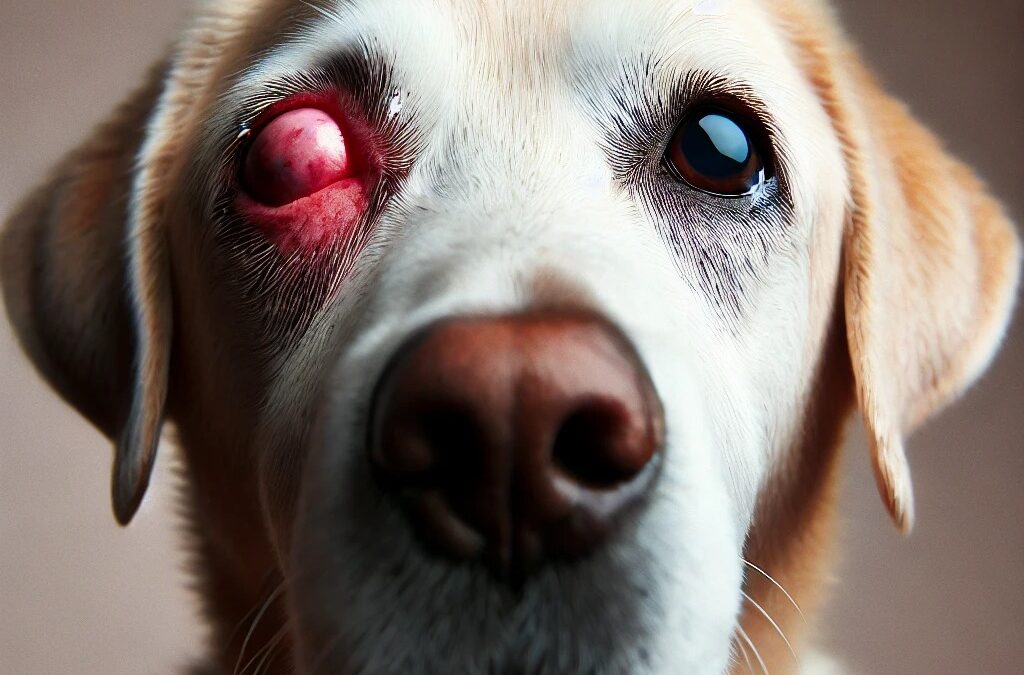
Visible Lump on the Eyelid – The most obvious symptom of a meibomian gland tumor is a small bump or lump along the eyelid edge. This lump may grow outward or inward, impacting the eye’s surface if it becomes large.
Irritation and Redness – As the tumor grows, it may cause local irritation, leading to red, inflamed eyelids. This can make the area itchy or uncomfortable for your dog.
Excess Tearing and Tear Staining – Larger tumors may interfere with blinking, causing excessive tearing and tear staining around the eyes. This often results in a wet area below the eyes, which can attract dirt and cause further irritation.
Eye Discharge or Secondary Infections – In some cases, meibomian gland tumors may lead to infections or ulcers if they create friction with the eye surface, resulting in discharge or cloudiness in the eye.
How Are Meibomian Gland Tumors Diagnosed?
A veterinarian can usually diagnose meibomian gland tumors based on their appearance and location on the eyelid. If there’s any concern about malignancy, a biopsy may be performed to confirm the tumor’s nature. Early detection is key to ensuring the best outcome, as untreated tumors can lead to complications over time.
Treatment Options
Surgical Removal – For larger tumors causing discomfort or interference with the eye, surgical removal is often recommended. This simple procedure can prevent further irritation and discomfort, especially if the tumor impacts normal blinking.
Cryotherapy – In some cases, cryotherapy is used to freeze and remove the tumor. This treatment is minimally invasive and effective for small tumors, particularly when surgery is not an ideal option for the dog’s age or health condition.
Aftercare and Prevention Tips
Post-treatment care is essential to ensure proper healing. Keeping the eye area clean and free from potential irritants can reduce the chances of regrowth. Additionally, routine check-ups with your vet allow for early detection of any new growths, ensuring they are managed before causing discomfort.
Meibomian gland tumors are common in dogs, especially as they age. While generally benign, they can cause discomfort if left untreated. With early detection and appropriate treatment, most meibomian gland tumors can be managed effectively, allowing your dog to maintain clear, healthy vision.
Cancer in dogs can lead to a variety of health complications, including blindness. This article explores how different types of cancer can affect a dog’s vision, the symptoms to watch for, and the importance of early detection and treatment.
How Cancer Can Cause Blindness in Dogs
Ocular Tumors: Tumors can develop directly within the eye, affecting structures such as the retina, optic nerve, or other critical components responsible for vision. Common ocular cancers include melanoma, lymphoma, and adenocarcinoma. These tumors can cause significant damage to the eye, leading to partial or complete blindness. Symptoms may include visible masses on the eye, redness, swelling, or changes in eye color.
Brain Tumors: Tumors located in the brain, particularly in areas affecting the optic nerves or visual cortex, can disrupt a dog’s ability to see. The optic nerves transmit visual information from the eyes to the brain, and any pressure or damage from a tumor can impair this process. Symptoms might include sudden vision loss, changes in behavior, seizures, or head tilting.
Metastatic Cancer: Cancer that originates in other parts of the body can spread (metastasize) to the eyes or brain, leading to similar issues as primary tumors in these locations. Metastatic cancer often progresses rapidly, making early detection and intervention crucial.
Paraneoplastic Syndromes: These are indirect effects of cancer that can impact various parts of the body, including the eyes. Certain cancers can cause immune system reactions that damage ocular tissues, resulting in vision loss.
Symptoms to Watch For
If your dog has cancer, it’s important to monitor for signs of vision problems. Symptoms indicating potential blindness include:
Squinting or closing one eye
Excessive tearing or discharge
Redness or swelling around the eyes
Cloudiness or visible masses on the eye
Behavioral changes such as bumping into objects or hesitancy to move in dim light
Sudden or gradual loss of vision
Diagnosis and Treatment
Early detection and intervention are key to managing cancer-related blindness in dogs. Diagnostic methods include:
Physical Examination: A thorough eye exam by a veterinarian to check for abnormalities.
Imaging: Techniques such as MRI, CT scans, or ultrasound to detect tumors in the eyes or brain.
Biopsy: Taking a sample of the tumor to determine its type and guide treatment.
Treatment options vary depending on the type and location of the cancer. They may include:
Surgery: Removal of the tumor to prevent further damage and potentially restore vision.
Radiation Therapy: Targeting the tumor with radiation to shrink it and reduce its impact on vision.
Chemotherapy: Using drugs to treat cancer and slow its progression.
Palliative Care: For advanced cases, focusing on maintaining comfort and quality of life.
Cancer can significantly impact a dog’s vision, leading to partial or complete blindness. Understanding the connection between cancer and blindness, recognizing the symptoms, and seeking prompt veterinary care are crucial steps in managing this condition. By staying informed and proactive, you can help ensure your dog receives the best possible care.