CORPET for dogs with tumors has attracted attention among United Kingdom dog owners looking for practical ways to support a pet during cancer treatment. A cancer diagnosis can be overwhelming, and owners often search for nutritional products, complementary support, and trustworthy information alongside veterinary care. This review examines what CORPET is intended to provide, how owners might assess its suitability, and the important considerations to keep in mind before adding any supplement to a dog’s treatment plan.
CORPET is presented as a dog cancer support product designed to complement veterinary management. Products in this category commonly focus on nutritional support, immune function, antioxidant activity, and maintaining general wellbeing. The purpose is not to replace surgery, chemotherapy, radiotherapy, prescription medicine, or specialist advice. Instead, it may be considered as part of a wider care plan for a dog living with cancer.
The exact benefits depend on the product’s ingredients, formulation, dosage instructions, and the individual dog’s health. Cancer is not one single disease. Different tumour types behave differently, and a dog’s age, weight, organ function, appetite, medication, and treatment schedule all influence what support may be appropriate.
For that reason, owners should read the product label carefully and discuss it with their veterinary surgeon before use. The official UK government guidance on animal medicines is also a helpful reference when comparing supportive products with regulated treatments.
CORPET for dogs with tumors: what owners may look for
When evaluating CORPET for dogs with tumors, owners should focus on more than marketing claims. A useful review should consider formulation, transparency, safety, ease of administration, and whether the product is appropriate for the dog’s circumstances.
Ingredient transparency
A reputable supplement should clearly list its ingredients, quantities, recommended serving size, storage instructions, and any relevant warnings. A vague list that uses broad descriptions without amounts makes it difficult to judge value or safety.
Owners should also check whether the product contains ingredients that could be unsuitable for dogs with liver disease, kidney disease, diabetes, pancreatitis, gastrointestinal problems, or known allergies. Some natural substances can still interact with medicines or cause side effects.
Practical administration
Dogs undergoing cancer treatment may have reduced appetite, nausea, mouth discomfort, or changes in taste and smell. A supplement that is difficult to mix with food or has an unpleasant taste may be challenging to use consistently.
Ease of administration matters because supportive care works best when it fits comfortably into a daily routine. Owners should follow the stated serving guidance rather than assuming that a larger amount will produce better results.
Quality and manufacturing standards
United Kingdom owners may wish to investigate where CORPET is manufactured, whether batches are tested, and how the company manages quality control. Information about manufacturing standards, ingredient sourcing, and independent testing can help owners make a more informed decision.
It is also sensible to check whether the product is intended specifically for dogs and whether the packaging provides clear contact information for the manufacturer or distributor.
What a CORPET review should not claim
A responsible CORPET review should avoid presenting the product as a cure for cancer. No supplement should be promoted as a substitute for diagnosis or treatment from a qualified veterinary professional. Claims that a product can eliminate tumours, guarantee remission, or replace conventional treatment should be treated with caution.
Supplements may support nutrition or general wellbeing, but evidence for cancer-related products can vary considerably. Some ingredients may have research behind them in particular settings, while evidence in dogs with specific cancers may be limited. Laboratory findings or studies in humans do not automatically prove that a product will benefit every dog.
Owners should therefore view CORPET as possible supportive care rather than a standalone cancer treatment.
Discussing CORPET with a veterinary surgeon
Before using CORPET, provide the veterinary team with the complete product label and a list of everything the dog currently receives. This includes prescription medicines, pain relief, anti-inflammatory drugs, vitamins, treats, and other supplements.
A veterinary surgeon may consider factors such as:
The type and stage of cancer
Current chemotherapy, radiotherapy, or surgical plans
Kidney and liver function
The dog’s appetite and digestion
Existing allergies or medical conditions
Possible interactions with medication
Whether the product is appropriate before or after an operation
This conversation is especially important because some supplements may affect bleeding, digestion, blood pressure, or the way medicines are absorbed or processed. A specialist veterinary oncologist can provide further guidance when the case is complex.
Monitoring a dog after starting a supplement
If a vet agrees that CORPET is suitable, introduce it according to the recommended instructions and monitor the dog closely. Keep note of appetite, energy, stool quality, vomiting, skin changes, thirst, urination, and any unusual behaviour.
Potential adverse effects should be reported to the veterinary team. Stop using a product and seek professional advice promptly if a dog develops repeated vomiting, severe diarrhoea, facial swelling, breathing difficulty, collapse, marked lethargy, or refuses food.
It is also useful to record the dog’s weight and general quality of life. These observations can help the veterinary team determine whether the wider care plan is working. A supplement should never delay urgent medical attention or be used to explain away symptoms that may indicate disease progression or treatment complications.
CORPET United Kingdom availability and owner considerations
For owners searching for CORPET United Kingdom information, practical details are just as important as the product’s intended purpose. Check delivery arrangements, packaging, serving instructions, refund policies, and whether the product is supplied through an established business. Imported products may have different labelling or customer-service arrangements, so buyers should verify that the product is suitable for use in the UK.
Price should also be considered in relation to the dog’s overall care. Cancer treatment can involve consultations, imaging, medication, surgery, and follow-up appointments. Owners should avoid feeling pressured into purchasing a supplement at the expense of essential veterinary treatment, high-quality food, pain management, or comfort-focused care.
For a broader overview of pet cancer support, owners may also find it useful to read our canine cancer care guide when discussing options with a veterinary professional.
Overall assessment
CORPET may be of interest to United Kingdom dog owners seeking additional nutritional or supportive care during a difficult cancer journey. Its suitability depends on the ingredients, product quality, the dog’s diagnosis, and professional veterinary guidance. The most balanced approach is to view it as a possible complement to an evidence-based treatment plan, not as a cure or replacement for veterinary medicine.
A careful owner review should prioritise transparent labelling, realistic claims, safe administration, and communication with the veterinary team. Above all, the dog’s comfort, dignity, nutrition, and quality of life should remain central to every decision.
When in doubt, ask your veterinary surgeon to help you compare any supportive product with the dog’s current treatment plan. That extra step can prevent avoidable complications and make sure any supplement is introduced in a way that supports, rather than disrupts, care.
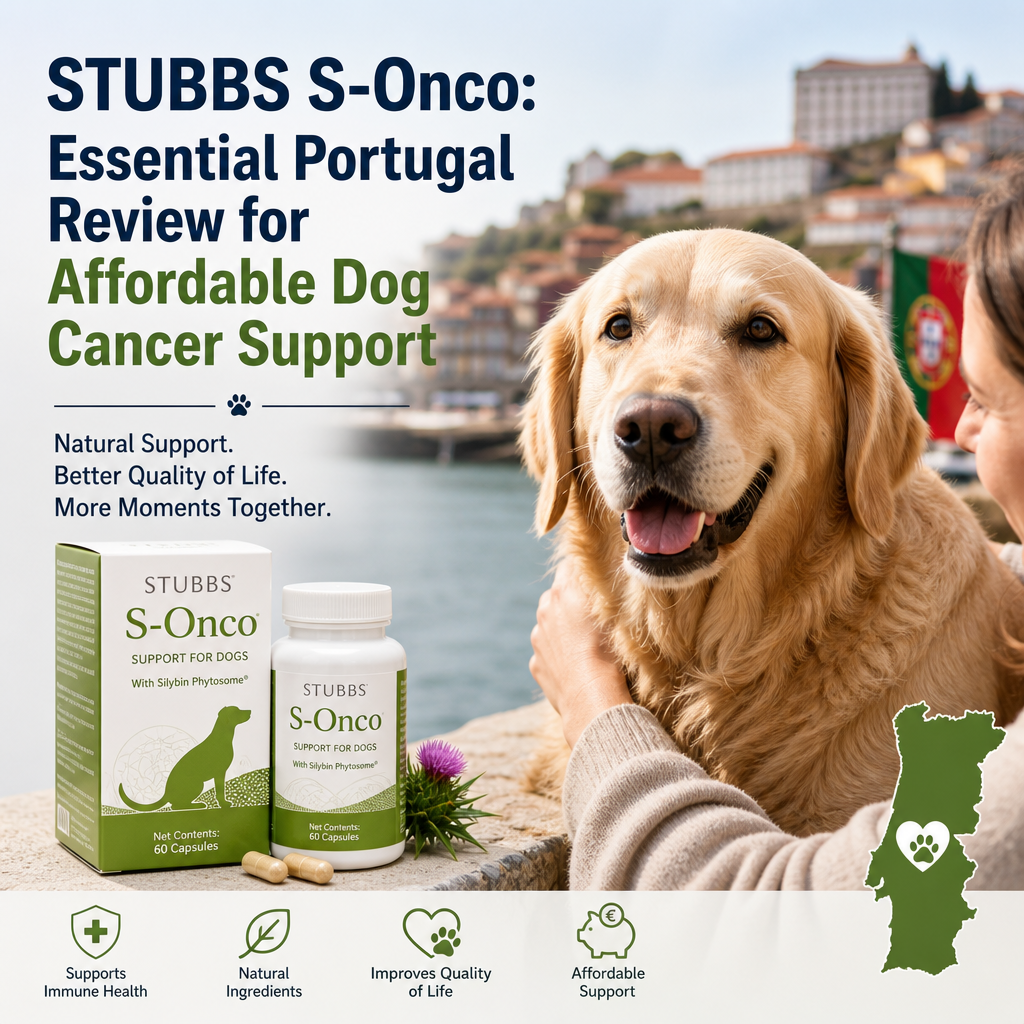
STUBBS S-Onco has attracted attention among Portuguese dog owners looking for practical, affordable support during a difficult cancer diagnosis. However, evaluating any supplement for a sick dog requires a balanced approach. A product may help complement veterinary care, but it should never replace diagnostic testing, surgery, chemotherapy, radiation, pain management, or other treatments recommended by a qualified veterinarian.
What is STUBBS S-Onco?
STUBBS S-Onco is marketed as a nutritional support product for dogs affected by cancer or those needing additional immune and metabolic support. Products in this category commonly contain combinations of vitamins, minerals, antioxidants, plant compounds, or other ingredients intended to support normal immune function and general wellbeing.
The exact formulation, dosage, and recommended duration are especially important. Different dogs have different needs based on their weight, age, breed, cancer type, kidney and liver function, current medications, and treatment plan. Owners should therefore read the official label carefully and discuss the product with their veterinarian before beginning use.
A supplement can sometimes support appetite, energy, digestion, or overall nutritional status, but those benefits are not the same as treating cancer itself. The distinction is essential when assessing claims about STUBBS S-Onco dog cancer support.
STUBBS S-Onco review: what should owners evaluate?
A responsible STUBBS S-Onco review should look beyond advertising language and consider several practical factors.
Ingredient transparency
The label should clearly identify every active ingredient and provide the amount per serving. Vague descriptions such as “immune blend” or “proprietary complex” make it harder for owners and veterinarians to assess safety. Transparent labeling also helps prevent accidental duplication with other supplements.
Evidence and realistic expectations
There is a difference between evidence for an individual ingredient and proof that a complete product improves cancer outcomes. Some nutrients may support normal body functions, while clinical evidence for extending survival or shrinking tumors may be limited or absent.
Owners should be cautious of promises involving guaranteed tumor reduction, complete cures, or replacement of conventional treatment. A trustworthy product description should explain its intended supportive role without encouraging delays in veterinary care.
Safety and tolerability
Cancer patients can be particularly vulnerable to side effects. Vomiting, diarrhea, reduced appetite, lethargy, or changes in drinking and urination should be taken seriously. A dog receiving chemotherapy, corticosteroids, anti-inflammatory medication, antibiotics, or anticoagulants may have a higher risk of interactions.
Veterinarians may also recommend avoiding certain ingredients before surgery or during specific treatment stages. Natural ingredients are not automatically harmless, and concentrated herbal extracts can affect the liver, kidneys, blood clotting, or medication metabolism.
STUBBS S-Onco dog cancer support in a broader care plan
Supportive cancer care involves much more than a single supplement. Nutrition is often a central concern, especially when a dog experiences nausea, mouth discomfort, altered taste, or loss of appetite. A veterinarian may recommend a highly digestible diet, calorie-dense food, appetite support, or a referral to a veterinary nutrition specialist.
Hydration is equally important. Dogs that are vomiting, experiencing diarrhea, or eating poorly may become dehydrated quickly. Owners should monitor water intake and report concerning changes rather than relying on a supplement to correct the problem.
Pain control, rest, gentle exercise, dental care, and emotional comfort also influence quality of life. Regular veterinary examinations can help identify whether a dog is responding to treatment or developing complications. These measures should remain the foundation of any cancer-support plan.
Searches for STUBBS S-Onco Portugal may lead owners to online stores, distributors, marketplaces, or international sellers. Before purchasing, check whether the seller provides a complete product label, batch information, expiry date, storage instructions, and clear contact details.
Portugal-based buyers should also consider delivery conditions. Products exposed to excessive heat or humidity during transport may deteriorate, particularly if they contain oils, probiotics, or other sensitive ingredients. Confirm whether the packaging is sealed and whether the product arrives in suitable condition.
It is also wise to verify return policies and customer-service information. A low price is not necessarily a good value if the product has unclear origin, incomplete labeling, or questionable storage history. Owners should avoid purchasing loose capsules, repackaged products, or items that make medical claims unsupported by reliable evidence.
Questions to ask a veterinarian
Before using STUBBS S-Onco, prepare a list of practical questions:
Is this product appropriate for my dog’s cancer type and current condition?
Could any ingredient interfere with chemotherapy, surgery, or prescribed medication?
Is the dose suitable for my dog’s weight and organ function?
Should the supplement be stopped before a procedure?
What side effects should prompt immediate contact?
Are there better-supported nutritional or symptom-management options?
Bring the packaging or a clear photograph of the full ingredient panel to the appointment. This allows the veterinarian to assess the actual formulation rather than relying on a product name alone.
Monitoring your dog after starting a supplement
If a veterinarian approves the product, introduce it exactly as directed. Do not combine it with several new supplements at the same time, because doing so makes it difficult to identify the cause of a reaction.
Keep a simple record of appetite, weight, bowel movements, vomiting, activity, water intake, and signs of pain. This information can help the veterinary team determine whether the product is tolerated and whether it is contributing meaningfully to the dog’s comfort.
Contact a veterinarian promptly if the dog develops repeated vomiting, bloody diarrhea, severe weakness, breathing difficulty, collapse, jaundice, seizures, or a sudden refusal to eat. These symptoms may indicate a serious complication and should not be attributed automatically to cancer or a supplement.
A balanced conclusion for Portuguese dog owners
STUBBS S-Onco may be considered as a complementary option for some dogs, but its role should remain supportive rather than curative. The quality of the ingredient list, the reliability of the seller, the dog’s medical history, and professional veterinary guidance all matter when deciding whether it is appropriate.
For families researching STUBBS S-Onco Portugal, the most responsible approach is to verify the product carefully, discuss it with the treating veterinarian, and prioritize proven cancer treatment and quality-of-life care. Affordable support can be valuable, but safety, transparency, and realistic expectations should come before marketing claims.
Inflammatory Bowel Disease (IBD) is a chronic condition in dogs characterized by persistent inflammation of the gastrointestinal tract. This condition can cause a range of symptoms, including vomiting, diarrhea, weight loss, and abdominal pain, significantly impacting a dog’s quality of life. Diet plays a crucial role in managing IBD, and many pet owners turn to homemade dog food to provide their dogs with the best possible nutrition. This guide will delve into the benefits of homemade dog food for IBD, key ingredients, and how to create a balanced diet for your furry friend.
Understanding Inflammatory Bowel Disease in Dogs
IBD in dogs is a condition where the immune system mistakenly attacks the lining of the digestive tract, leading to inflammation. The exact cause of IBD is unknown, but it is believed to be a combination of genetic, environmental, and dietary factors. Symptoms of IBD can vary in severity and may include:
Chronic diarrhea
Vomiting
Weight loss
Loss of appetite
Abdominal pain and discomfort
Lethargy
Managing IBD often involves a combination of medication, lifestyle changes, and dietary modifications. Since diet plays a critical role in controlling inflammation and managing symptoms, many pet owners find success with homemade dog food tailored to their dog’s specific needs.
Benefits of Homemade Dog Food for IBD
Homemade dog food offers several advantages over commercial diets, particularly for dogs with IBD:
Ingredient Control: When you prepare your dog’s food at home, you have complete control over the ingredients. This allows you to avoid common allergens and irritants that may exacerbate IBD symptoms.
Freshness and Quality: Homemade food is typically fresher than commercial options and can be made with high-quality, whole-food ingredients.
Customization: You can tailor the diet to meet your dog’s specific nutritional needs and preferences, ensuring they receive the right balance of nutrients.
Reduced Additives and Preservatives: Commercial dog foods often contain additives and preservatives that can trigger inflammation. Homemade food allows you to eliminate these potentially harmful substances.
Key Ingredients for Homemade Dog Food for IBD
When formulating a homemade diet for a dog with IBD, it is essential to choose ingredients that are easy to digest, anti-inflammatory, and nutritionally balanced. Here are some key components to consider:
1. Lean Proteins
Chicken: Skinless, boneless chicken breast is a good source of lean protein. Avoid fatty cuts and skin, which can exacerbate inflammation.
Turkey: Similar to chicken, turkey breast is another excellent lean protein source.
Fish: Fish like salmon and whitefish provide essential omega-3 fatty acids, which have anti-inflammatory properties.
2. Complex Carbohydrates
Sweet Potatoes: Rich in fiber and nutrients, sweet potatoes are gentle on the digestive system.
Pumpkin: Pumpkin is another excellent source of fiber that can help regulate digestion.
Rice: White or brown rice can be a good carbohydrate source, but some dogs with IBD may tolerate white rice better due to its lower fiber content.
3. Vegetables
Carrots: Carrots are a great source of vitamins and fiber.
Green Beans: Low in calories and high in fiber, green beans can be easily incorporated into a homemade diet.
Zucchini: Another mild vegetable that is easy to digest and provides essential nutrients.
4. Healthy Fats
Fish Oil: Rich in omega-3 fatty acids, fish oil can help reduce inflammation and support overall health.
Coconut Oil: A good source of medium-chain triglycerides (MCTs), which are easily digestible and provide quick energy.
Sample Homemade Dog Food Recipe for IBD
Here is a simple and nutritious recipe that can help manage IBD symptoms in dogs:
Ingredients:
1 cup of cooked, skinless, boneless chicken breast (shredded)
1 cup of cooked sweet potatoes (mashed)
1/2 cup of cooked carrots (diced)
1/2 cup of cooked green beans (chopped)
1 tablespoon of fish oil
Instructions:
Cook the chicken breast thoroughly and shred it into small pieces.
Cook the sweet potatoes, carrots, and green beans until they are soft and easy to digest.
Mix all the ingredients in a large bowl, ensuring they are well combined.
Add the fish oil and mix thoroughly.
Allow the food to cool to room temperature before serving.
Tips for Feeding Dogs with IBD
Introduce New Foods Gradually: When introducing homemade food or new ingredients, do so gradually to monitor for any adverse reactions.
Maintain Consistency: Keep meal times and portion sizes consistent to help regulate digestion.
Monitor Symptoms: Keep a close eye on your dog’s symptoms and adjust the diet as necessary in consultation with your veterinarian.
Hydration: Ensure your dog has access to fresh water at all times to stay hydrated.
Conclusion
Homemade dog food can be a valuable tool in managing IBD, providing your dog with tailored nutrition that supports their digestive health. By carefully selecting ingredients and working closely with your veterinarian, you can help alleviate your dog’s IBD symptoms and improve their quality of life. Remember, every dog is unique, so it may take some trial and error to find the perfect diet for your furry friend.
For more information on homemade dog food recipes and tips for managing IBD, consult with your veterinarian and consider seeking advice from a veterinary nutritionist. Your dog’s health and happiness are worth the effort.