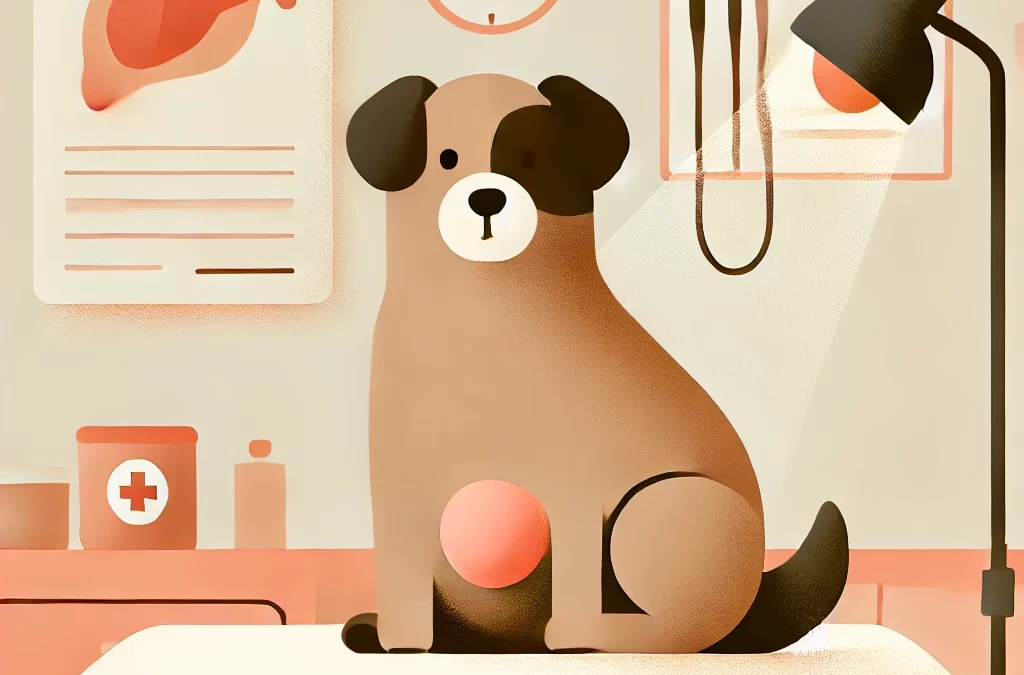
Discovering a lump on your dog’s stomach can be alarming. As pet owners, our first instinct is often worry—but not all lumps are dangerous. In fact, many are benign and manageable with proper care. To help you navigate this situation, here’s a fresh perspective on understanding, identifying, and addressing stomach lumps in dogs.
What Exactly Is a Stomach Lump?
A stomach lump in dogs refers to any abnormal mass or swelling in the abdominal area. These can vary in size, shape, and texture—some feel soft and movable, while others may be firm or attached to underlying tissues.
The key to handling such lumps lies in observation and timely action. Before jumping to conclusions, let’s explore the most common causes behind these growths.
Common Causes of Stomach Lumps
Lipomas (Fatty Tumors): These are benign, soft, and slow-growing lumps commonly found in older dogs. Lipomas rarely pose a health risk and are usually more of a cosmetic issue.
Hematomas or Abscesses: If your dog recently experienced trauma, the lump could be a hematoma (a collection of blood under the skin) or an abscess caused by an infection. These are often warm and tender to the touch.
Hernias: Hernias occur when internal tissues or organs push through a weak spot in the abdominal wall. They may feel soft and reduce when pressed gently.
Malignant Tumors: Unfortunately, some lumps are cancerous. Mast cell tumors, soft tissue sarcomas, and other malignancies often require prompt veterinary attention and treatment.
Cysts or Sebaceous Gland Growths: These are often fluid-filled sacs or clogged glands that can appear on your dog’s stomach. They’re generally harmless but may require draining or minor surgery if they grow too large.
Signs That Require Immediate Attention
While not all stomach lumps are a cause for concern, certain symptoms signal the need for an urgent vet visit:
The lump grows rapidly in size.
Your dog appears in pain when the area is touched.
The lump is hard, immovable, or irregularly shaped.
There is redness, swelling, or discharge from the area.
Your dog shows signs of lethargy, appetite loss, or other systemic issues.
What to Do If You Discover a Lump
Monitor the Lump: Keep track of its size, texture, and behavior. Taking photos every few days can help you note any changes.
Schedule a Vet Visit: Your veterinarian can perform a physical exam and may recommend diagnostic tests such as a fine-needle aspiration, biopsy, or ultrasound to determine the lump’s nature.
Consider Treatment Options: Depending on the diagnosis, your vet might suggest observation, medication, surgery, or other therapies. For benign growths like lipomas, treatment may not be necessary unless the lump causes discomfort.
Explore Natural Remedies (With Vet Approval): For non-malignant growths, some pet owners turn to natural supplements like turmeric, omega-3 fatty acids, or herbal treatments that promote overall immune health. Always consult your vet before introducing any new supplement.
Prevention Tips for a Healthy Dog
Regular Check-ups: Early detection is key to managing lumps effectively. Regular visits to the vet ensure any changes are addressed promptly.
Balanced Diet: A nutrient-rich diet can support your dog’s overall health and immunity.
Maintain a Healthy Weight: Obesity increases the risk of fatty tumors and other health issues. Keep your dog active and at an ideal weight.
Skin Care: Regular grooming and inspection of your dog’s coat and skin can help you spot abnormalities early.
A Word of Comfort
Not every lump is life-threatening, and advances in veterinary medicine have made diagnosis and treatment more effective than ever. By staying observant and proactive, you can ensure your dog remains happy and healthy.
If you notice a stomach lump, take a deep breath and reach out to your veterinarian. Together, you’ll find the best path forward for your furry companion.
Tags: dog stomach lump, causes of lumps in dogs, dog lump treatment, dog health care, benign tumors in dogs, natural remedies for dogs
Cancer is a common health concern in dogs, but did you know that certain breeds are more prone to developing cancer than others? Understanding the relationship between breed and cancer risk can help pet owners take proactive steps to ensure their dog’s well-being. In this article, we’ll explore which breeds are more susceptible to cancer and how to recognize early warning signs.
Dog Breeds with High Cancer Risk
German Shepherds German Shepherds are strong and active dogs, but they are also at higher risk for developing hemangiosarcoma, a type of cancer that affects the blood vessels. This cancer is often found in the spleen or heart and can progress quickly. Regular check-ups and monitoring for signs of lethargy or collapse are crucial for early detection.
Great Danes Due to their large size, Great Danes are more prone to bone cancer, also known as osteosarcoma. This aggressive cancer often affects the legs, and symptoms may include lameness or swelling in the affected area. Early diagnosis can improve treatment outcomes, so it’s important to consult a veterinarian at the first sign of limping.
Cocker Spaniels Cocker Spaniels have a higher incidence of mammary tumors, particularly in unspayed females. These tumors can be benign or malignant, so it’s essential to have any lumps checked by a vet. Spaying female dogs at an early age significantly reduces the risk of developing mammary cancer.
Beagles Beagles are known for their longevity, but they are also susceptible to thyroid cancer. This form of cancer can cause changes in a dog’s appetite, energy levels, and weight. Regular blood work and physical exams can help identify thyroid issues before they become more serious.
Labrador Retrievers Labrador Retrievers are generally healthy, but they are more likely to develop lymphoma, a cancer of the lymphatic system. Lymphoma can manifest as swollen lymph nodes, lethargy, or decreased appetite. Chemotherapy is often effective in treating lymphoma, especially when caught early.
Recognizing Early Signs of Cancer in Dogs
Regardless of breed, cancer can affect any dog, and early detection is key to improving the chances of successful treatment. Here are common warning signs that every dog owner should be aware of:
Unusual lumps or growths
Persistent sores or wounds that don’t heal
Loss of appetite or sudden weight loss
Difficulty breathing or coughing
Changes in bathroom habits (urination or defecation)
If you notice any of these symptoms, it’s important to consult your veterinarian immediately for further evaluation.
Reducing Cancer Risk in Dogs
While genetics play a large role in cancer risk, there are steps pet owners can take to reduce their dog’s likelihood of developing cancer. Here are a few proactive measures:
Spay or Neuter Your Dog: Spaying female dogs before their first heat reduces the risk of breast cancer, while neutering males eliminates the risk of testicular cancer.
Maintain a Healthy Diet: A balanced diet rich in nutrients and antioxidants can help support your dog’s immune system and reduce cancer risk.
Exercise Regularly: Regular physical activity not only keeps your dog fit but also helps in maintaining a healthy immune system.
Regular Vet Check-ups: Annual or bi-annual veterinary visits allow for early detection of abnormalities, which can be vital for cancer treatment success.
Knowing your dog’s breed-specific cancer risks can help you take the necessary precautions to keep your pet healthy. Regular vet visits, a balanced diet, and staying alert to changes in your dog’s behavior can all contribute to early detection and successful treatment. Whether your dog is a breed known for higher cancer risk or not, it’s important to stay proactive about their health.
Arsenicum Album, a widely used homeopathic remedy, has gained popularity for its effectiveness in treating various ailments in dogs. This in-depth guide explores the proper dosage, benefits, and considerations for using Arsenicum Album to ensure your pet’s safety and well-being.
Understanding Arsenicum Album
Arsenicum Album, derived from arsenic trioxide, is highly diluted and prepared according to homeopathic principles. It is used to address a range of conditions such as gastrointestinal issues, skin problems, and anxiety in dogs. Despite its toxic origins, the dilution process renders it safe for therapeutic use.
Recommended Dosage for Dogs
The appropriate dosage of Arsenicum Album depends on the dog’s size, condition, and specific needs. Here are general guidelines:
Small Dogs (under 10 kg): Use 6C or 30C potency, administering 1 pellet once or twice daily.
Medium Dogs (10-25 kg): Use 6C or 30C potency, administering 2 pellets once or twice daily.
Large Dogs (over 25 kg): Use 6C or 30C potency, administering 3 pellets once or twice daily.
Conditions Treated by Arsenicum Album
Gastrointestinal Issues: Arsenicum Album is effective for treating diarrhea, vomiting, and food poisoning. It helps in reducing inflammation and promoting gastrointestinal health.
Skin Conditions: This remedy can address symptoms of eczema, psoriasis, and other skin irritations, providing relief from itching and discomfort.
Anxiety and Fear: Dogs experiencing anxiety, particularly those with separation anxiety or fear of thunderstorms, can benefit from Arsenicum Album’s calming effects.
Administering Arsenicum Album
Dosage Form: Arsenicum Album typically comes in pellet form. Ensure the pellets are given directly to the dog, either by placing them in the mouth or dissolving in a small amount of water.
Timing: For acute conditions, frequent dosing (every few hours) may be necessary initially, then reducing frequency as symptoms improve. For chronic conditions, follow a consistent daily schedule.
Monitoring: Observe your dog’s response to the remedy. If symptoms worsen or no improvement is seen within a few days, consult your veterinarian.
Precautions and Considerations
Veterinary Consultation: Always consult with a veterinarian before starting any new treatment. They can provide tailored advice based on your dog’s health history and current condition.
Avoid Overuse: While homeopathic remedies are generally safe, avoid unnecessary or prolonged use without veterinary guidance.
Watch for Side Effects: Though rare, some dogs might experience side effects. Discontinue use if adverse reactions occur and seek veterinary advice.
Integrating Arsenicum Album with Conventional Treatments
Arsenicum Album can be used alongside conventional treatments, but it’s essential to coordinate with your veterinarian. They can help ensure that the combination of therapies is safe and effective for your dog.
Conclusion
Arsenicum Album offers a natural, homeopathic approach to treating various health issues in dogs. By understanding the appropriate dosages and uses, and consulting with a veterinarian, pet owners can safely integrate this remedy into their dog’s healthcare regimen. Remember, the key to successful treatment is careful observation and professional guidance, ensuring your beloved pet remains healthy and happy.