
K9 INU vs Alternatives: 7 Best Immune-Support Companion Product Options in Norway

K9 INU vs Alternatives: 7 Best Immune-Support Companion Product Options in Norway

K9 INU vs Alternatives is a comparison many Norwegian dog owners make when looking for an immune-support companion product. Dogs facing tumors or other serious health concerns often require a carefully coordinated plan that may include veterinary treatment, nutrition, symptom management, and supportive care. Products marketed for immune support can be part of that conversation, but they should complement—not replace—professional veterinary advice.

Understanding immune-support companion products

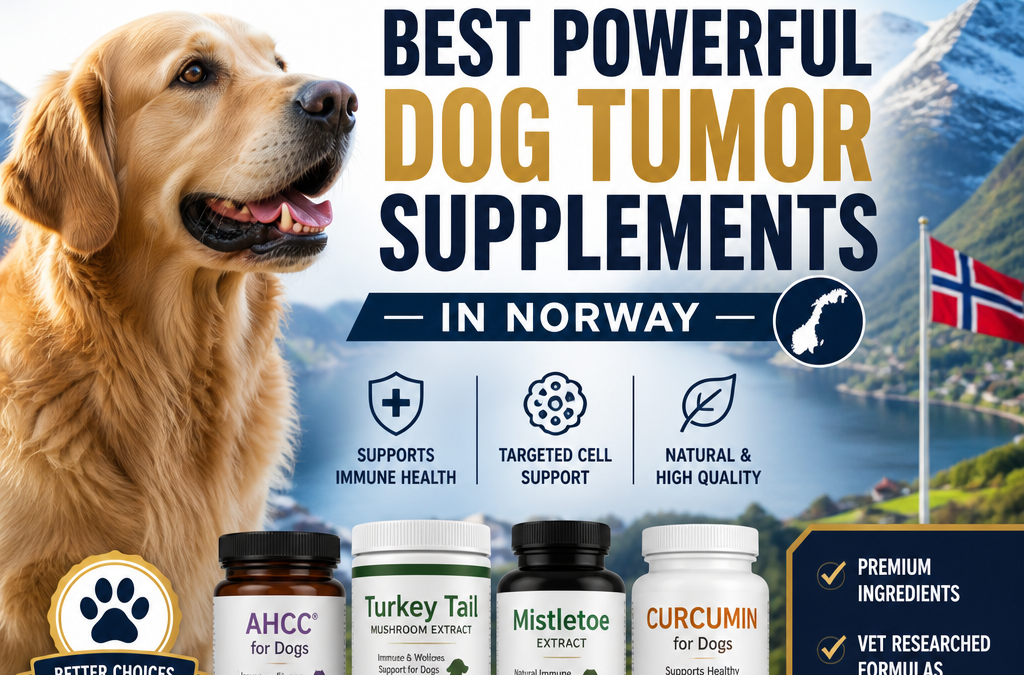
K9 INU vs alternatives illustration

An immune-support companion product is generally designed to provide nutritional or botanical ingredients that may help support normal immune function. These products can come in powders, capsules, soft chews, oils, or liquid formulas. Common ingredients include medicinal mushrooms, beta-glucans, antioxidants, omega-3 fatty acids, vitamins, minerals, and plant extracts.

The word “support” is important. Such products are not typically proven to cure cancer, eliminate tumors, or replace surgery, chemotherapy, radiation, or prescribed medication. Their potential role is usually broader: helping maintain appetite, energy, general resilience, or nutritional balance while a dog undergoes treatment or recovers from illness. That is why K9 INU vs alternatives should be viewed through the lens of support, not promises.

Because formulas differ significantly, comparing the ingredient list, dosage instructions, quality standards, and suitability for a specific dog is more useful than relying on marketing claims alone. For context on product ingredients often discussed in this category, some owners also review alternatives to medicinal mushrooms / mycotherapy before deciding what best fits their dog’s needs.

It also helps to understand that “immune support” can mean different things in different products. Some formulas emphasize digestive comfort and nutritional balance, while others focus on antioxidant content or mushroom-derived compounds. A careful K9 INU vs alternatives comparison should therefore start with what the product is trying to do, not just how strongly it is marketed.

When owners ask whether a companion product is worth adding, the better question is often whether it fits the dog’s current condition. A dog with a poor appetite, nausea, or medication sensitivity may need a very different product from a dog that is eating normally and simply needs general nutritional support. This practical approach keeps the discussion grounded in the dog’s real needs.

K9 INU vs Alternatives: what should owners compare?

When evaluating K9 INU vs alternatives, start by identifying the product’s intended purpose. Some formulas are made specifically for dogs with tumor-related concerns, while others are general immune supplements. A product aimed at everyday wellness may not provide the same ingredient profile as a specialized companion formula.

Consider the following factors:

Ingredient transparency

A reputable product should clearly list every active and inactive ingredient, along with the amount per serving. Proprietary blends that hide individual quantities make it difficult to assess whether the formula is meaningful or suitable for a dog’s size and condition.

Look for information about the source of ingredients, particularly medicinal mushrooms, herbs, oils, and animal-derived nutrients. Products with clear labeling are easier for veterinarians to evaluate alongside existing treatments. In a K9 INU vs alternatives review, transparency is often one of the strongest signs of product quality.

Evidence and realistic claims

Some ingredients have laboratory or preliminary animal research suggesting immune-modulating or antioxidant activity. However, evidence from cell studies does not automatically prove that a supplement improves outcomes in dogs with cancer.

Be cautious of claims promising to shrink tumors, cure cancer, or guarantee longer survival. Responsible products describe themselves as supportive and avoid presenting supplements as substitutes for veterinary medicine. That distinction matters just as much when comparing K9 INU vs alternatives as when reviewing any other dog tumor support product.

Owners should also remember that a supplement can be biologically interesting without being clinically decisive. A formula may support general wellness yet still have only a modest effect on the larger treatment picture. That does not make it useless, but it does mean expectations should stay realistic.

Tolerability and administration

A supplement is only useful if a dog will take it consistently. Powders mixed into food may work well for some dogs, while others tolerate soft chews or capsules more easily. Taste, serving size, storage requirements, and the possibility of digestive upset all matter.

Dogs with nausea, reduced appetite, or sensitive digestion may need a gradual introduction. Any vomiting, diarrhea, itching, lethargy, or change in appetite should be discussed with a veterinarian. If the dog refuses a product repeatedly, the best option may be to switch formats rather than push ahead with an unsuitable choice.

Practical quality checks

Beyond the label, owners should consider how the product is made and sold. Batch traceability, expiration dates, storage guidance, and customer support can be useful signs of a more reliable supplement. In Norway, this is especially relevant because imported products may vary in formulation or documentation.

Independent testing can also help reduce uncertainty. When a brand provides third-party analysis for purity or potency, veterinarians and owners have more confidence that the ingredient list reflects what is actually in the package. That kind of documentation can make K9 INU vs alternatives easier to evaluate objectively.

A useful checklist includes the source of raw materials, whether the product is intended for long-term use, and whether the company provides dosing guidance by weight. Small details can matter a lot when a dog is already dealing with a serious diagnosis.

What a responsible comparison looks like

A practical K9 INU vs alternatives comparison should ask three simple questions: what does the product contain, what is it meant to support, and can the dog tolerate it safely? These questions are more helpful than vague promises about “boosting immunity” in a general sense.

In many cases, the best choice is the one that fits seamlessly into the dog’s existing routine. If a product is difficult to administer, poorly labeled, or hard to verify, owners may struggle to use it consistently even if the ingredient profile looks appealing on paper.

Dog tumor support options beyond supplements

Dog tumor support options should be selected according to the type of tumor, its location, the dog’s age, overall health, and the treatment plan recommended by a veterinary professional. A supplement may be considered, but it is only one possible component of supportive care.

Supportive care works best when it is aligned with the medical plan. That may mean managing side effects, improving nutrition, reducing stress, and monitoring changes closely. K9 INU vs alternatives becomes much easier to interpret once it is placed inside that broader care framework.

Veterinary oncology

A veterinary oncologist can provide specialized advice about diagnosis and treatment. Depending on the condition, options may include surgery, chemotherapy, radiation therapy, targeted medication, or monitoring. Early consultation can help owners understand expected benefits, side effects, and quality-of-life considerations.

For an overview of tumor warning signs in breed-specific risk discussions, owners often read guides such as Akita cancer risks & early tumor signs or similar breed-focused resources. Even though each dog is different, early detection can influence the care plan.

Owners should not wait for a supplement to “do the work” if a tumor is changing quickly. In serious cases, diagnosis and treatment planning matter more than any companion product. A supplement may help support the dog during treatment, but it should not delay care.

Nutrition and weight maintenance

Maintaining body weight and muscle mass is often a practical priority. Some dogs need a highly palatable, energy-dense diet, while others require adjustments for kidney, liver, or digestive problems. Sudden dietary changes may worsen appetite or gastrointestinal symptoms, so nutritional decisions should be individualized.

In many cases, food intake matters more than adding multiple supplements. A dog that eats well is often better positioned to tolerate treatment, maintain strength, and recover from stress. This is one reason K9 INU vs alternatives should never be evaluated outside the broader nutrition plan.

For some dogs, the best “support product” is simply the right food at the right time. Appetite enhancement, frequent small meals, and careful hydration strategies can sometimes provide more immediate benefit than another capsule or powder.

Pain and symptom management

Pain relief, anti-nausea medication, appetite support, and treatment for inflammation can significantly affect a dog’s comfort. These measures may be more immediately important than any supplement. Owners should report changes such as reluctance to move, panting at rest, hiding, difficulty eating, or altered sleep.

Symptom control can also make supportive nutrition easier. If nausea or pain is preventing normal meals, even the best immune-support companion product will have limited practical value until those problems are addressed.

Good symptom control can also improve cooperation with medication and feeding routines. This often makes a practical difference in whether a supplement is used consistently enough to matter.

Exercise and emotional wellbeing

Gentle, appropriate activity can help preserve mobility and mood. Short walks, enrichment games, comfortable bedding, and predictable routines may support quality of life. Exercise should be adjusted to the dog’s energy level and physical limitations.

Emotional wellbeing matters too. Dogs in treatment often benefit from consistency, calm handling, and a familiar environment. Supportive care is not only about supplements; it is also about reducing stress where possible.

Stress reduction can be especially useful for dogs that are already fatigued or uncomfortable. A calm environment, minimal disruption, and familiar routines may help the dog rest and eat more reliably.

When a supplement may not be the right first step

Some situations call for medical attention before any supplement is added. Rapid weight loss, repeated vomiting, swelling, bleeding, breathing changes, or pain that seems to worsen should be assessed promptly. In those cases, the focus should be on diagnosis and stabilization first, then on longer-term support.

If a dog is acutely unwell, it is usually better to simplify the plan rather than add more variables. Once the dog is stable, the owner and veterinarian can revisit K9 INU vs alternatives with a clearer picture of what is actually needed.

Comparing common alternatives

Alternatives to K9 INU may include mushroom-based formulas, omega-3 supplements, antioxidant blends, veterinary therapeutic diets, and single-nutrient products. Each category has potential advantages and limitations.

Mushroom formulas often focus on beta-glucans and compounds found in species such as turkey tail, reishi, or maitake. However, potency and quality can vary, and products intended for humans may not be appropriate for dogs.

Omega-3 products, especially those providing EPA and DHA, are commonly considered for general inflammatory and nutritional support. Fish oil quality, freshness, concentration, and correct dosing are important. Too much may contribute to digestive upset or interact with certain medications.

Antioxidant blends may contain vitamins C and E, selenium, or plant compounds. More is not always better, and high doses can be inappropriate for some medical conditions or treatment plans.

Veterinary diets are not supplements, but they can offer carefully formulated nutrition for dogs with specific health needs. In some cases, a therapeutic diet may be more valuable than adding several uncoordinated products.

For dogs whose owners are exploring broader immune-support strategies, it can also help to compare formulas with breed-specific guidance such as Cocker Spaniel cancer risks or Bulldog cancer risks and tumor symptoms when looking for early warning signs and support priorities.

In practical terms, alternatives often differ less by marketing category than by implementation. Two products can both be described as immune support, yet one may be easier to dose, more transparent, or more suitable for a dog on medication. That is why K9 INU vs alternatives should be compared carefully rather than by label alone.

How to compare labels side by side

A useful method is to compare serving size, number of active ingredients, source quality, and whether the formula is designed for general wellness or for a dog with a diagnosed condition. If K9 INU vs alternatives is being discussed in a clinic setting, the most helpful questions are usually practical ones: What does this provide? What problem is it meant to address? Can the dog tolerate it? Does it fit with the current treatment plan?

Side-by-side comparison is especially helpful when owners are overwhelmed by marketing language. A shorter ingredient list with clear quantities may be easier to evaluate than a long list of unsupported claims.

It can also be useful to compare cost per day rather than package price alone. A less expensive bottle may contain a lower concentration or require multiple servings, while a more concentrated product may actually be simpler and more economical to use.

Why one “best” product does not exist

There is no single supplement that suits every dog. Age, breed, tumor type, appetite, concurrent medication, allergies, and digestive sensitivity all affect the best choice. For that reason, K9 INU vs alternatives should be viewed as an individualized decision rather than a contest with one universal winner.

Sometimes the best option is not a supplement at all, but a change in diet, a medication adjustment, or a more detailed oncology consultation. That is still a positive outcome if it improves the dog’s comfort and safety.

Owners often feel pressure to choose quickly, but there is usually more value in choosing carefully. A thoughtful comparison reduces the chance of buying something that is hard to use, poorly tolerated, or irrelevant to the dog’s actual needs.

Safety considerations in Norway

Norwegian dog owners should purchase products from reliable suppliers that provide clear labeling, batch information, storage instructions, and customer support. Imported supplements may have different quality standards or dosage recommendations. Check whether the product is intended for dogs, whether it is legally marketed for the relevant use, and whether the seller provides transparent manufacturer information.

Always tell the veterinarian about every supplement a dog receives. Certain ingredients may affect blood clotting, blood pressure, liver metabolism, immune activity, or the way medications work. This is especially important before surgery, during chemotherapy, or when a dog takes anti-inflammatory, steroid, anticoagulant, or seizure medication.

Owners who want a more science-based overview of immune nutrition can review the U.S. National Center for Complementary and Integrative Health’s guidance on medicinal mushrooms and safety considerations. While the source is not dog-specific, it is useful for understanding why product quality and ingredient claims matter.

Safety also includes storage and handling. Heat, moisture, and expiration dates can affect supplement stability. If a product changes smell, color, or texture, it should not be used without checking the manufacturer’s guidance.

In Norway, owners may also need to be mindful of availability and import documentation. A product that is easy to reorder from a trustworthy source can be more practical than one that is difficult to verify or inconsistently supplied.

Questions to ask your veterinarian

  • Is this product appropriate for my dog’s diagnosis and current medication plan?
  • Could it interact with surgery, chemotherapy, or pain relief medication?
  • Should I start with a half serving or a slower introduction?
  • What side effects should I watch for in the first two weeks?
  • Would a diet change be more helpful than adding another supplement?

Making a responsible choice

The best immune-support companion product is not necessarily the most expensive or the one with the longest ingredient list. A sensible choice should have transparent labeling, realistic claims, appropriate dosing, reliable quality controls, and a clear place within the dog’s overall care plan.

When considering K9 INU vs alternatives, focus on the dog’s individual needs rather than choosing based solely on reviews or promotional language. Discuss the product with a veterinarian, introduce it carefully, and monitor appetite, digestion, energy, weight, and comfort. Used responsibly, supportive products may complement conventional care, while informed veterinary guidance remains the foundation of safe and effective dog tumor support.

If your dog is already in treatment, the most important question is not whether a supplement sounds impressive, but whether it fits the dog’s real condition today. That practical approach keeps K9 INU vs alternatives in perspective and helps owners make clearer, safer decisions over time.

For many families, the final decision comes down to consistency, safety, and clarity. The most useful product is the one that can be used as intended, fits the dog’s medical plan, and supports comfort without creating unnecessary risk.

In that sense, K9 INU vs alternatives is less about finding a single winner and more about choosing the right support at the right time. When owners combine careful product review with veterinary guidance, they give their dogs the best chance of receiving thoughtful, balanced care.

Across each step, the goal is to keep K9 INU vs alternatives practical, calm, and centered on the dog’s needs. That perspective helps owners compare options without losing sight of the bigger treatment picture.

When in doubt, return to the basics: what the product contains, how it is tolerated, and whether it fits the care plan. Those simple checks often matter more than any marketing headline about K9 INU vs alternatives.
K9 INU Alternative: 7 Powerful Dog Tumor Supplement Options in Norway

K9 INU Alternative: 7 Powerful Dog Tumor Supplement Options in Norway

K9 INU Alternative options are attracting attention among dog owners in Norway who want supportive nutrition for dogs diagnosed with tumors. While supplements cannot replace veterinary treatment, carefully selected products may help support appetite, normal immune function, digestion, energy, and overall quality of life. The most suitable choice depends on the dog’s diagnosis, current medication, age, and general health.

A tumor diagnosis can be overwhelming, especially when owners are trying to understand surgery, chemotherapy, radiation, pain management, and nutrition at the same time. Supplements should therefore be approached as part of a broader care plan rather than as a cure. A veterinarian, preferably one experienced in oncology, should review any product before it is introduced.

Why consider alternatives to K9 INU?

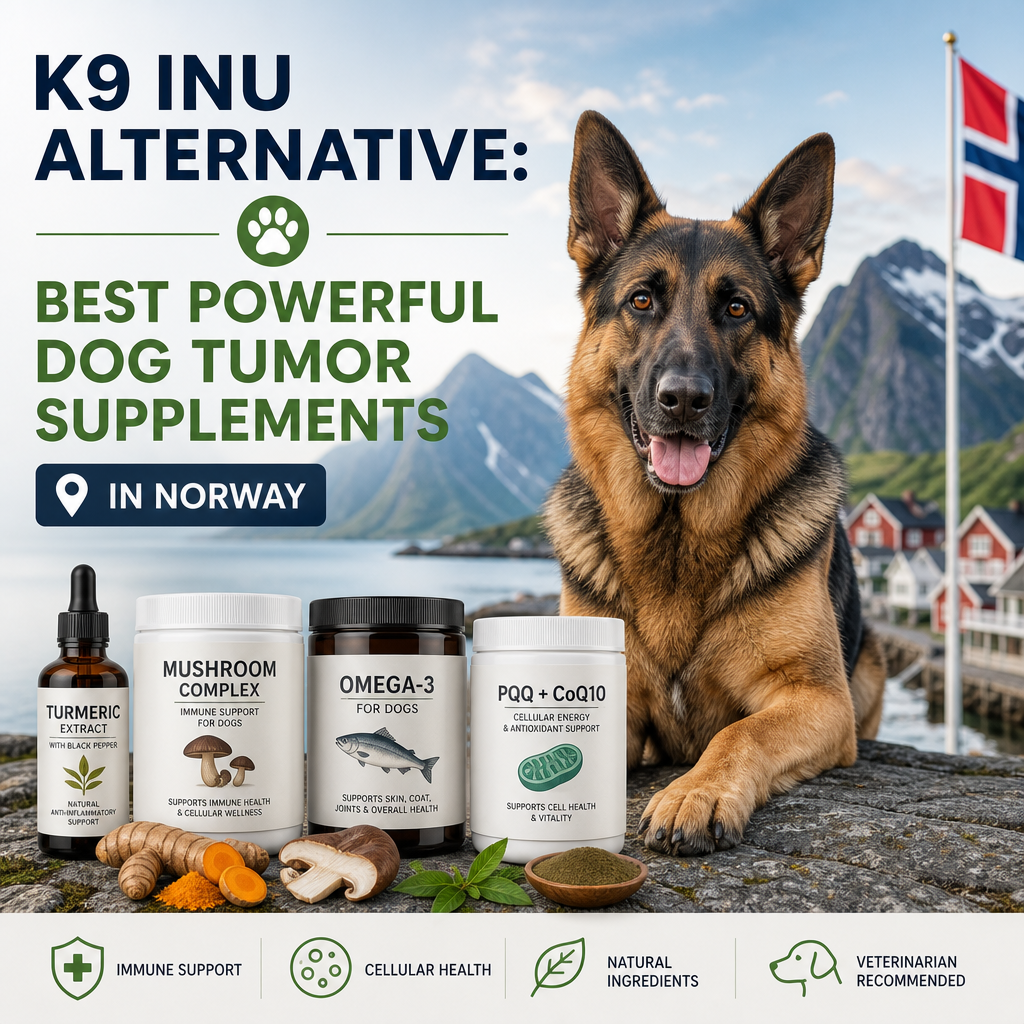
K9 INU alternative illustration

Pet owners may search for alternatives to K9 INU for several reasons. A product may be difficult to find in Norway, unavailable through a trusted supplier, unsuitable for a particular dog, or incompatible with medication. Some owners may also prefer supplements with clearly listed ingredients, independent quality testing, or a formulation designed around a specific need such as digestive support or maintaining body condition.

Another important consideration is evidence. Many supplements marketed for canine tumors make strong claims, but scientific support varies considerably. Responsible selection means looking beyond advertising and checking the ingredient list, dosage instructions, manufacturing standards, and potential interactions. In practice, a K9 INU alternative should be judged by what it can realistically support, not by promises of tumor control.

A supplement should never delay a veterinary examination or replace a proven treatment. Tumors can progress quickly, and signs such as unexplained weight loss, bleeding, persistent vomiting, breathing difficulty, severe pain, or sudden weakness require prompt professional attention.

For owners comparing products, it can help to review a trusted reference on canine cancer care before making a purchase. The American Cancer Society’s overview of complementary and integrative medicine explains how supportive therapies are typically used alongside medical treatment, which is useful when evaluating any K9 INU alternative.

If you want to compare the same general product concept across different markets, you may also find it helpful to review the Norway-focused K9 Immunity Alternative guide, which covers a related approach to supportive dog supplements in a similar care context.

What to look for in dog tumor supplements Norway

When comparing dog tumor supplements Norway products, begin with safety and transparency. Choose supplements made specifically for dogs, with clear dosing based on body weight. Products should identify the amount of each active ingredient rather than hiding important details in a proprietary blend.

Useful quality indicators include:

  • A complete ingredient list with precise quantities
  • Batch or lot information
  • Manufacturer contact details
  • Appropriate storage instructions
  • Testing for contamination and heavy metals where relevant
  • Instructions that clearly distinguish dogs from cats or humans
  • Recommendations to consult a veterinarian when the dog is ill or taking medication

It is also wise to avoid products containing unnecessary flavorings, excessive sugar, or ingredients that may irritate the stomach. Dogs undergoing cancer treatment can be more sensitive than healthy animals, so a gentle formulation is usually preferable. If a K9 INU alternative contains multiple botanical extracts, look for clear labeling and a reason for each ingredient.

Owners should also pay attention to palatability. A supplement is only useful if the dog will actually eat it. Chews, powders, capsules, liquids, and capsules hidden in food each have different advantages. For dogs with nausea or reduced appetite, the easiest-to-administer format is often the most practical one, even if it is not the most complex formulation on the market.

In addition, consider whether the supplement fits the dog’s current treatment stage. A product that is sensible during recovery after surgery may not be appropriate during active chemotherapy, and a formula that helps maintain body condition may be less relevant for a dog whose main concern is gastrointestinal upset. Matching the product to the actual problem is one of the simplest ways to improve the value of a K9 INU alternative.

Common ingredients found in supportive formulas

Different supplements use different combinations of nutrients and botanical ingredients. None should be assumed to treat cancer directly, but some may provide nutritional or functional support.

Omega-3 fatty acids from purified fish oil are commonly used to support normal inflammatory balance, skin health, and body condition. The product should state the actual EPA and DHA content, not just the total amount of fish oil. Dogs with clotting problems or those scheduled for surgery may require special guidance. Many owners prefer this ingredient when choosing a K9 INU alternative because it is familiar and widely discussed in veterinary nutrition.

Medicinal mushrooms, including turkey tail, reishi, and maitake, are often included in canine wellness products. Preliminary research has generated interest in some mushroom compounds, but results do not establish that every commercial product is effective against tumors. Quality, extraction method, and dosage can vary widely, so the label should be examined carefully before buying any K9 INU alternative with mushroom extracts.

Antioxidant nutrients such as vitamins E and C, selenium, and plant polyphenols may support normal cellular protection. However, high-dose antioxidant supplementation can be inappropriate during certain chemotherapy or radiation protocols. The oncology veterinarian should decide whether these ingredients fit the treatment plan, especially if the K9 INU alternative will be used throughout active care.

Digestive support may include probiotics, prebiotic fibers, or digestive enzymes. These products can be helpful for some dogs experiencing appetite changes, loose stools, or digestive disruption, although they should be introduced gradually. In many homes, digestive support is the practical reason a K9 INU alternative is chosen first.

Protein and calorie support may be more important than a complex supplement when a dog is losing weight. A veterinarian or veterinary nutritionist can recommend energy-dense foods, palatable toppers, or clinically appropriate diets. For that reason, a K9 INU alternative should be viewed as one piece of the nutrition plan rather than the whole plan.

Joint and comfort support can also matter for older dogs with tumors, especially when mobility decreases. Some formulas include glucosamine, chondroitin, green-lipped mussel, or curcumin-based ingredients. These may help some dogs stay active and comfortable, but they should still be checked for interactions and suitability. Supportive care is usually most effective when it addresses the whole patient, not only the tumor diagnosis.

Liver support ingredients such as milk thistle are sometimes added to supplement blends. These are often marketed for general wellness, but they are not automatically safe for every dog or every treatment plan. Because many dogs with cancer take other medications, even common natural ingredients should be reviewed carefully before use.

Understanding realistic expectations

It is easy for marketing language to make a supplement sound more powerful than it is. Dog owners in Norway may see words such as support, defense, immunity, vitality, or recovery on a label and assume a product can actively fight a tumor. In reality, supplements are best viewed as supportive tools that may improve daily comfort or help maintain nutrition during treatment. They are not a substitute for diagnosis, staging, surgery, prescription therapy, or monitoring.

This is why veterinarians often encourage owners to focus on specific goals. For one dog, the right outcome might be better appetite. For another, it may be improved stool quality or reduced medication-related digestive upset. A practical K9 INU alternative should be selected based on one or two clear objectives rather than a vague hope that it will do everything at once.

When expectations are realistic, it becomes easier to evaluate whether the product is worthwhile. If a supplement causes stomach upset, does not improve appetite, or is too difficult to give, it may not be the right choice even if it looks impressive on paper. In that sense, usefulness matters more than popularity.

Selecting a K9 INU alternative for an individual dog

The best K9 INU alternative is not necessarily the product with the longest ingredient list. Start by identifying the main goal. Is the dog struggling to maintain weight, experiencing digestive upset, showing reduced appetite, or recovering from surgery? A targeted supplement is often easier to evaluate than several products introduced at once.

Consider the dog’s complete medical profile. Kidney disease, liver disease, diabetes, pancreatitis, allergies, and bleeding disorders can all affect supplement safety. Medication interactions are also important. Herbal products may influence drug metabolism, blood pressure, clotting, or immune activity. This is one reason clinicians often ask owners to bring the supplement label to the appointment when discussing a K9 INU alternative.

Introduce only one new product at a time, using the recommended dose unless the veterinarian provides different instructions. Monitor appetite, stool quality, vomiting, energy, itching, and any changes in pain or behavior. Stop the supplement and contact the veterinarian if a concerning reaction develops.

Some dogs need support during specific stages of treatment rather than continuously. A carefully chosen K9 INU alternative may be useful after surgery, during a period of poor appetite, or when maintaining body weight becomes difficult. The right timing can matter as much as the product itself.

Age and body condition also matter. Senior dogs often tolerate new ingredients differently from younger adults, and thin dogs may need a different plan from dogs who are still eating well but need digestive help. For this reason, a single formula should not be chosen only because another dog responded well to it. Even when the supplement category is similar, the best fit can vary a great deal from patient to patient.

It can be helpful to write down a brief checklist before purchasing: what problem am I trying to solve, what medication is my dog taking, what ingredients are already in the diet, and how will I know whether the product is helping? This simple habit can reduce trial-and-error and make the discussion with the veterinary team more productive.

How to compare labels before you buy

Reading the label carefully can prevent many mistakes. Check whether the product lists the exact amount per capsule, chew, milliliter, or scoop. Review serving size, storage instructions, expiration date, and any warnings about use alongside medication. If a supplement seems vague, overly promotional, or impossible to interpret, it is often better to choose a clearer option.

It also helps to compare the intended use of the formula. A product designed for digestion may not be the best choice for a dog needing weight support, while a product marketed for immunity may not address appetite loss. A well-matched K9 INU alternative should solve a real problem, not simply add more ingredients.

When in doubt, ask the clinic whether the product has been used safely in similar cases. Veterinary teams often know which products are easy to dose, palatable, and practical for dogs that are already dealing with illness.

Label comparison is also the right time to look for signs of quality control. Look for a manufacturer that explains sourcing, manufacturing standards, and how the product is tested. If the packaging provides no information beyond broad marketing claims, that is a warning sign. Supplement labels should help you make an informed decision, not leave you guessing.

If the product contains a blend rather than a single ingredient, check whether each ingredient has a reason to be there. Blends can be useful, but they can also make it harder to identify what is helping and what might be causing a problem. This matters even more when the dog is already taking prescription medication or eating a restricted diet.

Practical ways to support a dog with tumors at home

Supplements work best when daily care is consistent. Small, frequent meals can be easier to tolerate than large ones. Some dogs eat better when food is slightly warmed, as the aroma becomes more appealing. Others do better with a quiet feeding area, fewer distractions, and predictable mealtimes.

Hydration is equally important. Dogs with cancer may drink less if they feel nauseated or tired, and dehydration can make weakness worse. Offer fresh water often and ask the veterinary team whether broth, wet food, or other feeding strategies are appropriate for your dog. If your dog is struggling to drink, do not wait too long to seek advice.

Pain control also affects appetite and digestion. A dog that seems picky may actually be uncomfortable. If a pet begins eating less, becomes restless, or changes posture frequently, tell the veterinarian. In some cases, improving comfort does more for appetite than changing the supplement.

Owners should also keep a simple daily log. Note food intake, stool quality, vomiting, energy, medication timing, and any supplement given. This record makes it easier to spot patterns and decide whether a product is genuinely useful. It also helps the clinic recommend adjustments based on real observations rather than memory alone.

Buying supplements safely in Norway

Norwegian dog owners should purchase from established veterinary clinics, reputable pharmacies, or suppliers that provide full product information and reliable customer support. Be cautious with products sold through anonymous marketplaces, social media advertisements, or websites that promise to shrink tumors or guarantee recovery.

Check whether the product is legally marketed for animal use, whether the label is available in a language you understand, and whether shipping conditions could affect stability. Oils, probiotics, and certain botanical products may require careful storage. Imported products can also vary in concentration, labeling, and quality-control standards. If a K9 INU alternative is being shipped from abroad, ask whether the formulation is the same one reviewed by your veterinarian.

A veterinary clinic may be able to recommend products commonly used alongside cancer care in Norway. This can reduce the risk of purchasing a counterfeit or poorly documented supplement. It may also help owners avoid duplicated ingredients when several supportive products are used together.

When ordering online, verify the return policy and expiration date. A supplement that arrives late, is close to expiry, or is damaged in transit is not a good value. If a company cannot explain where the product is made or how it is stored before shipping, that uncertainty should count against it.

Another useful check is customer support. Reliable suppliers usually answer questions about ingredients, storage, and dosing without making unrealistic claims. The ability to communicate clearly is often a sign that the company takes product safety seriously.

Nutrition remains the foundation of supportive care

Supplements work best, if they are appropriate at all, when the dog’s basic nutritional needs are being met. Dogs with tumors may eat less because of nausea, pain, stress, medication, or changes in taste and smell. Small, frequent meals, warmed food, and highly palatable veterinary diets may help, but feeding strategies should be adapted to the diagnosis.

Avoid making sudden dietary changes during active treatment unless advised by a professional. Homemade diets can become nutritionally unbalanced when used for more than a short period, particularly if protein, calcium, essential fatty acids, or vitamins are missing.

Ultimately, the purpose of a supplement should be practical and measurable: helping the dog eat, maintain strength, tolerate treatment, or remain comfortable. Honest expectations are essential. A well-chosen K9 INU alternative may provide support, but veterinary monitoring, appropriate medical treatment, pain control, and attentive daily care remain the central parts of managing canine cancer.

If you are comparing a K9 INU alternative with other supportive products, the safest approach is to match the formula to the dog’s current needs and to recheck the plan as those needs change. Good nutrition, careful monitoring, and professional guidance matter more than any single supplement.

For many families, the decision becomes easier once the goal is narrowed down. If the priority is appetite, choose a product that supports palatability and digestion. If the priority is body condition, focus on calorie and protein support. If the priority is comfort, ask the veterinary team whether joint or mobility support is appropriate. A thoughtful plan usually works better than trying to cover every possible need at once.

When supplements are used in this way, they can be a helpful part of a larger care strategy without creating false hope. That balanced approach is often the best way to support a dog living with tumors in Norway.

In short, the most useful K9 INU alternative is one that is transparent, practical, veterinarian-approved, and tailored to the individual dog. Careful selection and ongoing review are the keys to making supportive nutrition genuinely helpful.

Green yin-yang logo with TCMVET
Privacy Overview

This website uses cookies so that we can provide you with the best user experience possible. Cookie information is stored in your browser and performs functions such as recognising you when you return to our website and helping our team to understand which sections of the website you find most interesting and useful.