
by TCMVET | Mar 14, 2024 | Dog Cancer & Tumors
Canine Squamous Cell Carcinoma (SCC) is a prevalent skin cancer in dogs, raising significant concern among pet owners and veterinarians. A notable risk factor contributing to this disease is the exposure to ultraviolet (UV) radiation, particularly in dogs with pigment deficiency. This article aims to explore the intricate relationship between UV radiation, pigment deficiency, and the development of SCC in dogs, offering insights for better understanding and prevention.
Understanding Squamous Cell Carcinoma in Dogs Squamous Cell Carcinoma in dogs is a type of skin cancer that originates in the squamous cells, which are flat, scale-like cells in the outer layer of the skin. Though it can occur anywhere on the body, it is commonly found in areas with minimal fur, such as the abdomen, ears, and nose.
UV Radiation and Its Impact on Canine Skin UV radiation from the sun is a known carcinogen. Prolonged exposure to UV rays can cause damage to the DNA in skin cells, leading to mutations and eventually cancer. Dogs, like humans, are susceptible to these harmful effects, especially those with light-colored or thinly-haired skin.
Pigment Deficiency and Increased Risk Pigment deficiency in dogs refers to the lack of melanin, the natural pigment that gives color to the skin and fur and provides some protection against UV radiation. Dogs with white or light-colored fur and skin are more prone to SCC due to this deficiency. The lack of melanin means less natural protection, making these dogs more vulnerable to the damaging effects of UV rays.
Symptoms and Diagnosis Symptoms of SCC in dogs can include red, crusted, or scaly patches on the skin, particularly in sun-exposed areas. These lesions may ulcerate and bleed. Diagnosis typically involves a physical examination and biopsy of the affected area.
Preventive Measures Prevention plays a crucial role in combating SCC in dogs. Limiting sun exposure, especially during peak hours, and using sun-protective clothing or pet-safe sunscreen on vulnerable areas can significantly reduce the risk.
Treatment Options Treatment varies depending on the stage and location of the cancer. Options include surgical removal of the tumor, cryosurgery (freezing the cancer cells), radiation therapy, and chemotherapy. Early detection and treatment are crucial for a better prognosis.
Understanding the link between UV radiation, pigment deficiency, and SCC in dogs is key to prevention and early detection. By protecting dogs from excessive sun exposure and being vigilant for early signs of skin changes, pet owners can play a pivotal role in ensuring the health and longevity of their canine companions.

by TCMVET | Mar 14, 2024 | Dog Cancer & Tumors
As pet owners, we often worry about the various health issues that can affect our beloved canine companions. One such concern is the occurrence of nasal tumors in dogs, a condition that, while rare, can have significant implications for a dog’s health and well-being. This article aims to provide comprehensive information about canine nasal tumors, focusing particularly on the types, causes, symptoms, diagnosis, and treatment options, with a special emphasis on squamous cell carcinoma.
Types of Canine Nasal Tumors
Canine nasal tumors can be classified into several types, but the most common is squamous cell carcinoma. This type of cancer is linked to UV radiation and a lack of protective pigmentation, making certain dogs more vulnerable to it. Other types of nasal tumors in dogs include lymphomas, fibrosarcomas, hemangiomas, malignant melanomas, mast cell tumors, fibromas, and histiocytomas.
The Progression of Squamous Cell Carcinoma
Squamous cell carcinoma in dogs typically progresses slowly, starting as in situ carcinoma, then evolving to superficial squamous cell carcinoma, and eventually to deep invasive squamous cell carcinoma. The early stages are characterized by symptoms like redness and crusting, followed by superficial infiltration and ulceration. In the later stages, deeper infiltration and erosive lesions are common.
Symptoms to Watch Out For
The symptoms of nasal tumors in dogs can vary depending on the tumor’s location and stage. Initially, owners may notice chronic nasal discharge, nosebleeds, snoring, or breathing difficulties. As the tumor progresses, facial deformity or swelling may occur. It’s crucial to pay attention to these signs, as early detection can significantly impact treatment outcomes.
Diagnosis and Examination
Diagnosing a canine nasal tumor involves a biopsy of the erosive or proliferative lesion. Cytology and superficial biopsies are generally not informative for these types of tumors. Advanced imaging techniques like CT or MRI scans are often employed to assess the extent of the tumor and plan for surgery or other treatments. Rhinoscopy can also be useful for examining the deeper areas of the nasal cavity.
Prevention and Early Intervention
Reducing a dog’s exposure to sunlight and applying protective coloration can help prevent or slow the progression of precancerous lesions. For existing inflammation and ulcers, regular application of protective pigments is recommended, although it’s less effective once the cancer has progressed.
Treatment Options
Treatment for squamous cell carcinoma in dogs depends on the extent of infiltration. Early-stage, superficially invasive tumors can be treated effectively with cryosurgery, laser therapy, photodynamic therapy, intracavitary carboplatin, hyperthermia, or radiation therapy. For deeper invasive tumors, extensive surgical removal, often including the nasal planum, is required. Radiation therapy can also be employed post-surgery, especially if the tumor margins are not clear.
The Importance of Early Detection
The prognosis for dogs with nasal tumors varies greatly depending on the stage at which the tumor is diagnosed and treated. Early detection and treatment can lead to a better long-term prognosis. For advanced-stage tumors, treatment options are limited, and the focus may shift to palliative care to improve quality of life.
Nasal tumors in dogs, particularly squamous cell carcinoma, require prompt attention and specialized care. Understanding the types, symptoms, diagnostic methods, and treatment options is crucial for dog owners and veterinarians alike. Early detection and intervention can significantly improve the outcomes for dogs suffering from this condition. Regular veterinary check-ups and being attentive to changes in your dog’s nasal health are key to ensuring the well-being of your furry friend.

by TCMVET | Mar 13, 2024 | Dog Cancer & Tumors
Combating fibrosarcomas in dogs requires a comprehensive approach, and integrating Chinese Herbal Medicine (CHM) with nutrition and lifestyle changes can play a pivotal role. This article explores how the synergy of diet, lifestyle adjustments, and CHM can enhance the management of fibrosarcomas in dogs.
Understanding Fibrosarcomas in Dogs Fibrosarcomas are aggressive tumors arising from the connective tissues in dogs. These malignancies can grow rapidly and require early intervention. Integrating CHM with conventional treatment can provide a holistic approach to care.
The Role of Nutrition Nutritional management is critical for dogs with fibrosarcomas. A balanced diet that supports the immune system and overall health is vital.
- High-Quality Protein: Essential for repairing tissues and supporting immune function.
- Balanced Fatty Acids: Omega-3 fatty acids, known for their anti-inflammatory properties, are beneficial.
- Antioxidants and Vitamins: Crucial for supporting the immune system and combating oxidative stress.
Incorporating Chinese Herbal Medicine CHM offers a range of herbs known for their anti-cancer and immune-boosting properties. Integrating these into the dog’s diet can be beneficial:
- Astragalus: Known for its immune-boosting qualities.
- Dang Shen: A tonic herb that can enhance vitality.
- Turmeric: Contains curcumin, known for its anti-inflammatory properties.
Lifestyle Management Along with nutrition, lifestyle management is key. This includes:
- Regular Exercise: Maintaining a moderate exercise routine tailored to the dog’s condition.
- Stress Reduction: Ensuring a calm environment to support overall well-being.
- Holistic Therapies: Acupuncture and massage can complement CHM and conventional treatments.
Collaborative Approach A collaborative approach involving veterinarians and CHM practitioners ensures that the dietary and lifestyle changes align with the overall treatment plan.
Research and Case Studies Emerging studies suggest the positive impact of combining CHM, nutrition, and lifestyle changes in managing canine cancers, including fibrosarcomas.
Integrating Chinese Herbal Medicine with tailored nutrition and lifestyle management offers a holistic strategy for managing fibrosarcomas in dogs. This integrated approach supports overall health, complements conventional treatments, and enhances the quality of life for our canine companions.

by TCMVET | Mar 13, 2024 | Dog Cancer & Tumors
Diagnosing fibrosarcomas in dogs presents unique challenges, and integrating traditional practices like Chinese Herbal Medicine (CHM) can provide additional insights. This article explores the conventional diagnosis of fibrosarcomas in dogs and how CHM can complement this process.
Understanding Fibrosarcomas in Dogs Fibrosarcomas are malignant tumors originating from fibrous tissues. In dogs, these tumors may appear anywhere but are commonly found in the limbs, spine, and mouth. Early and accurate diagnosis is crucial for effective treatment and management.
Conventional Diagnostic Methods The standard approach to diagnosing fibrosarcomas in dogs includes:
- Physical Examination: Vets look for lumps or abnormal growths during routine check-ups.
- Biopsy and Histopathology: Tissue samples from the tumor are examined under a microscope.
- Imaging Techniques: X-rays, ultrasounds, and MRIs help determine the tumor’s size and spread.
Integrating Traditional Chinese Herbal Medicine While CHM is not a diagnostic tool in the conventional sense, it can provide supportive insights, particularly in understanding the overall health and balance of the dog, which can be crucial in managing cancer.
- Holistic Assessment: CHM practitioners often conduct a comprehensive evaluation, including examining the dog’s tongue, pulse, and behavior, which can offer additional clues about the dog’s overall health status.
- Supporting Diagnosis with Herbal Remedies: Certain herbal formulations, known for their healing properties, might be used to support the dog’s constitution and vitality during the diagnostic process and treatment.
- Collaboration with Veterinarians: Integrating CHM requires collaboration between the veterinarian and a skilled CHM practitioner for a holistic approach to diagnosis and subsequent treatment.
Case Studies and Research Emerging research and case studies have shown the potential benefits of incorporating CHM in supporting the overall health of dogs diagnosed with fibrosarcomas, although its role in direct diagnosis is limited.
While the primary diagnosis of fibrosarcomas in dogs relies on conventional veterinary methods, the integration of CHM can offer complementary support, enhancing the overall care approach. This holistic strategy underscores the importance of treating the entire dog, not just the disease.
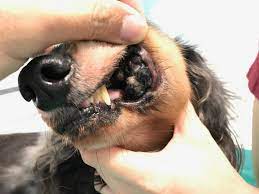
by TCMVET | Mar 5, 2024 | Dog Cancer & Tumors
Oral tumors in dogs account for about 6% of all canine tumors and are a significant concern for pet owners and veterinarians. This article provides an in-depth look at the various types of oral tumors in dogs, their prevalence, symptoms, and effective treatment options.
Types of Canine Oral Tumors: Oral tumors in dogs can be classified into several categories based on their histological makeup, including:
- Epithelial Tumors: Such as squamous cell carcinoma (SCC), papillomas, fibropapillomas, intraosseous carcinomas, and infiltrative nasal carcinomas.
- Melanocytic Tumors: Including malignant melanomas.
- Mesenchymal Tumors: Like fibrosarcomas, hemangiosarcomas, and osteosarcomas.
- Mixed Tumors: Such as transmissible venereal tumors and lymphomas.
- Odontogenic Tumors: Specific to tooth-forming tissues, including ameloblastomas.
Epidemiology and Prevalence: Oral tumors are more common in older dogs and certain breeds, such as Cocker Spaniels and German Shepherds. Symptoms such as decreased appetite, bad breath, tooth loosening or loss, bleeding, eye protrusion, nosebleeds, swallowing difficulties, chewing pain, and increased thirst are often observed.
Diagnosis and Treatment: Early diagnosis through biopsies is essential for effective treatment, which may include surgery, radiation, or chemotherapy, depending on the tumor type.
Understanding the types, symptoms, and treatment options for canine oral tumors is crucial for early detection and effective management. Regular veterinary check-ups are vital for maintaining the oral health of dogs and catching any anomalies early.
