by TCMVET | Mar 5, 2024 | Dog Cancer & Tumors
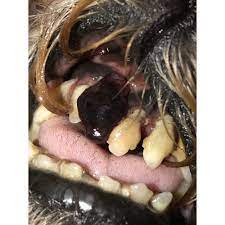
Malignant melanoma stands out as the most prevalent oral tumor in dogs, accounting for 30%-40% of all malignant oral tumors. This article aims to provide a detailed overview of malignant melanomas in canines, focusing on their prevalence, risk factors, symptoms, and treatment options.
Prevalence and Risk Factors: Malignant melanoma typically affects older dogs, with an average onset age of around 12 years. It is more common in male dogs and is seen with a higher frequency in dogs with darker oral mucosa. Certain breeds, such as Chow Chows and Golden Retrievers, are at a higher risk of developing this condition.
Symptoms and Diagnosis: Malignant melanomas in dogs can occur in various locations within the mouth, including the gums, cheek mucosa, lips, hard and soft palates, and the tongue. These tumors are often firm and darkly pigmented, although about 33% of cases may present as non-pigmented tumors. They can sometimes have ulcerated or necrotic surfaces. Rapid growth and local infiltration are characteristic of these tumors.
Treatment and Management: The management of malignant melanoma in dogs requires an integrated approach involving surgical removal, possibly followed by radiation therapy or chemotherapy. The prognosis depends on the stage of the tumor at diagnosis and the effectiveness of the treatment.
Early detection and prompt treatment are key in managing malignant melanoma in dogs. Regular veterinary check-ups and awareness of the symptoms can help in early diagnosis, improving the chances of successful treatment.

by TCMVET | Mar 5, 2024 | Dog Cancer & Tumors
Canine oral tumors are a significant health concern for dog owners and veterinarians. They account for about 6% of all tumors in dogs and can occur in various oral locations including the lips, cheek mucosa, upper and lower jaws, palate, teeth, tongue, and tonsils. This comprehensive guide aims to shed light on the different types of oral tumors in dogs, their symptoms, diagnosis, and treatment options.
Types of Canine Oral Tumors: Oral tumors in dogs can be classified into several types based on their tissue origin. These include:
- Epithelial Tumors: The most common type is the squamous cell carcinoma (SCC), but this category also includes papillomas, fibropapillomas, intraosseous carcinomas, and infiltrative nasal carcinomas.
- Melanocytic Tumors: Malignant melanomas are a serious concern due to their aggressive nature.
- Mesenchymal Tumors: These include fibrosarcomas, hemangiosarcomas, granular cell tumors, mixed mesenchymal sarcomas, neurofibrosarcomas, undifferentiated sarcomas, myxosarcomas, chondrosarcomas, osteosarcomas, and multilobular osteochondrosarcomas.
- Odontogenic Tumors: These originate from tooth-forming tissues and include ameloblastomas, calcifying epithelial odontogenic tumors, and odontomas.
- Miscellaneous Tumors: This group includes transmissible venereal tumors, mast cell tumors, lymphomas, and plasma cell tumors.
Symptoms of Oral Tumors in Dogs: The clinical signs of oral tumors in dogs can vary, but common symptoms include:
- Decreased appetite
- Bad breath
- Loose or missing teeth
- Blood in saliva
- Bulging eyes
- Nasal discharge or bleeding
- 吞咽困难
- Chewing difficulty or pain
- Excessive drooling
Diagnosis of Canine Oral Tumors: Early diagnosis is crucial for effective treatment. Diagnostic methods include:
- Physical examination
- Biopsy and histopathology
- Radiography (X-rays)
- CT scans or MRI for advanced imaging
Treatment Options: The treatment of oral tumors in dogs depends on the type, location, and stage of the tumor. Common treatment methods include:
- Surgery: This is often the primary treatment for removing the tumor.
- Radiation Therapy: Used primarily for tumors that cannot be completely removed surgically or for palliative care.
- Chemotherapy: Often used in conjunction with surgery or radiation.
- Immunotherapy: Emerging as a potential treatment, especially for melanomas.
Prevention and Prognosis: While there is no sure way to prevent oral tumors in dogs, regular dental care and check-ups can help in early detection. The prognosis depends on the type of tumor, with some like SCC and melanomas having a more guarded prognosis due to their aggressive nature.
Oral tumors in dogs are a complex health issue that requires prompt attention and specialized care. Understanding the types, symptoms, diagnosis, and treatment options is crucial for dog owners and veterinarians. Early detection and appropriate treatment can significantly improve the quality of life and prognosis for dogs with oral tumors.

by TCMVET | Mar 2, 2024 | Dog Cancer & Tumors
The convergence of Eastern and Western medical practices is creating new pathways in veterinary healthcare, particularly in the treatment of canine cancer. “East Meets West: A New Approach to Treating Dog Cancer with Chinese Herbal Medicine” explores this fusion, highlighting how Chinese herbs are being incorporated into contemporary cancer treatments for dogs.
The Growing Concern of Canine Cancer
Cancer in dogs is a major health issue with increasing prevalence. As dogs live longer due to advanced veterinary care, the likelihood of developing cancer rises. Conventional treatments like chemotherapy and radiation, while effective, can have harsh side effects.
The Essence of Chinese Herbal Medicine
Chinese Herbal Medicine (CHM) is an ancient practice that forms a significant part of Traditional Chinese Medicine (TCM). It focuses on restoring balance and harmony within the body using natural herbs and plants. The philosophy behind CHM is to treat the whole body, not just the symptoms of a disease.
Integrating CHM in Canine Cancer Treatment
The integration of CHM in treating dog cancer represents a holistic approach. This method doesn’t replace conventional treatments but complements them. The focus is on enhancing the dog’s quality of life, boosting the immune system, reducing side effects of conventional treatments, and potentially targeting cancer cells.
Scientific Basis and Research
While CHM has been used for centuries, scientific research backing its efficacy in canine cancer is growing. Studies have begun to explore the anti-cancer properties of various herbs. For instance, research on herbs like Turmeric and Astragalus shows promising results in reducing tumor growth.
Key Chinese Herbs in Canine Cancer Treatment
- Turmeric (Curcumin): Known for its anti-inflammatory and anti-cancer properties.
- Astragalus: Boosts the immune system and may help in countering the effects of chemotherapy.
- Ginseng: Often used for its energy-boosting and anti-cancer effects.
- Dong Quai: Helps in blood circulation, potentially beneficial in cancer treatments.
The Role of Veterinary Oncologists
Veterinary oncologists play a crucial role in integrating CHM into cancer treatment plans. They can provide guidance on the appropriate herbs, dosages, and treatment schedules, ensuring the best possible care for canine patients.
Success Stories and Testimonials
The article would include real-life stories and testimonials from pet owners and veterinarians who have seen positive outcomes using CHM in conjunction with traditional cancer treatments. These stories provide a personal touch and help readers connect with the subject.
Guidelines for Pet Owners
The article will provide practical advice for pet owners interested in exploring CHM for their dogs. It emphasizes the importance of consulting with veterinary professionals and choosing certified herbal products.
This new approach in treating canine cancer signifies a meaningful collaboration between Eastern and Western medical practices. By embracing the strengths of both, we can open doors to more effective and compassionate cancer treatments for our beloved dogs.

by TCMVET | Mar 2, 2024 | Dog Cancer & Tumors
In recent years, the integration of traditional Chinese medicine (TCM) into veterinary care has gained significant attention. The article “Harnessing Ancient Wisdom: Combating Canine Cancer with Traditional Chinese Herbs” delves into this intriguing topic, exploring how ancient herbal remedies are being utilized in modern veterinary practices to combat canine cancer. This approach not only offers new avenues for treatment but also highlights the importance of holistic care in managing this complex disease.
Understanding Canine Cancer: Canine cancer, similar to human cancer, involves the uncontrolled growth of cells. Factors such as genetics, environmental influences, hormonal imbalances, and even viral infections can contribute to its development. As dogs age, they become increasingly susceptible to cancer, making it a leading cause of death in older dogs.
The Role of Traditional Chinese Herbs: Traditional Chinese Medicine, with its rich history spanning thousands of years, offers a unique perspective on health and disease. It emphasizes balance and harmony within the body and utilizes natural herbs to restore this equilibrium. In the context of canine cancer, TCM practitioners aim to strengthen the immune system, reduce tumor growth, and alleviate symptoms associated with conventional cancer treatments.
Key Herbs and Their Benefits:
- Astragalus (Huang Qi) – Known for its immune-boosting properties, Astragalus is believed to enhance overall vitality and help in fighting tumors.
- Ginseng (Ren Shen) – This well-known herb is reputed for its anti-fatigue and immune-enhancing effects.
- Dong Quai (Dang Gui) – Often used for its anti-inflammatory properties, Dong Quai can help in managing pain and swelling.
- Turmeric (Jiang Huang) – Containing curcumin, Turmeric is recognized for its anti-inflammatory and antioxidant properties, which are crucial in cancer care.
Integrating TCM with Conventional Treatments: The integration of TCM herbs with conventional cancer treatments like chemotherapy and radiation therapy can offer a more comprehensive approach to managing canine cancer. This combination can potentially enhance the effectiveness of conventional treatments, mitigate side effects, and improve the quality of life for dogs undergoing cancer therapy.
Safety and Professional Guidance: While TCM offers promising benefits, it is crucial to consult with a veterinarian knowledgeable in both conventional and herbal medicine. The correct dosage and formulation are essential to ensure safety and effectiveness. Additionally, not all herbs are suitable for every type of cancer or individual dog, making professional guidance indispensable.
The incorporation of traditional Chinese herbs into the treatment of canine cancer represents a fusion of ancient wisdom and modern science. This approach underlines the importance of holistic care and offers a beacon of hope for many pet owners seeking additional options in the fight against canine cancer. As research continues to evolve, it is anticipated that more innovative and effective treatments will emerge, improving the lives of our canine companions.

by TCMVET | Mar 1, 2024 | Dog Cancer & Tumors
The diagnosis of cancer in a beloved dog is a challenging experience for any pet owner. While conventional veterinary treatments are essential, incorporating Traditional Chinese Medicine (TCM) can offer a more holistic approach to care. This article explores how Chinese medicine, with its ancient wisdom and natural remedies, can support dogs battling cancer, aiming to improve their quality of life and overall well-being.
Understanding Canine Cancer:
Cancer in dogs, like in humans, is characterized by the uncontrolled growth of cells. Common types include lymphoma, mammary cancer, and osteosarcoma. Symptoms vary but can include lumps, weight loss, lethargy, or changes in behavior. Early detection and a comprehensive treatment plan are crucial.
The Holistic Perspective of TCM:
TCM views health and illness as a balance or imbalance of the body’s vital energy, Qi. In cancer care, TCM aims to restore this balance and support the body’s natural healing processes. This approach considers the entire well-being of the dog, including physical symptoms, emotional state, and overall energy levels.
Key Components of TCM in Canine Cancer Care:
- Herbal Therapy: Chinese herbs such as Astragalus, Ginseng, and Turmeric are used for their immune-boosting and anti-inflammatory properties.
- Acupuncture: This ancient practice is used to relieve pain, reduce stress, and improve energy flow, enhancing the dog’s quality of life.
- Dietary Therapy: TCM emphasizes the importance of a balanced diet tailored to the dog’s specific needs, often incorporating whole foods and natural ingredients.
- Qi Gong and Tui Na: These gentle practices can help in maintaining the flow of Qi and provide comfort to dogs.
Integrating Chinese Medicine with Conventional Treatments:
Combining TCM with conventional treatments like chemotherapy can provide a more comprehensive approach to cancer care. TCM practices can help mitigate side effects, enhance the efficacy of conventional treatments, and contribute to a dog’s overall well-being.
The Role of a Qualified Practitioner:
Implementing TCM in a dog’s cancer treatment should always be under the guidance of a qualified practitioner. A veterinarian trained in both TCM and conventional medicine can tailor the treatment to the dog’s specific condition and ensure safe integration.
Using Chinese Medicine to support dogs with cancer offers a holistic approach that addresses not just the disease but the overall health of the pet. This integrative method can be a valuable component in the journey to recovery, offering comfort and enhanced quality of life for our canine companions.
