by TCMVET | Dec 7, 2024 | Dog Cancer & Tumors
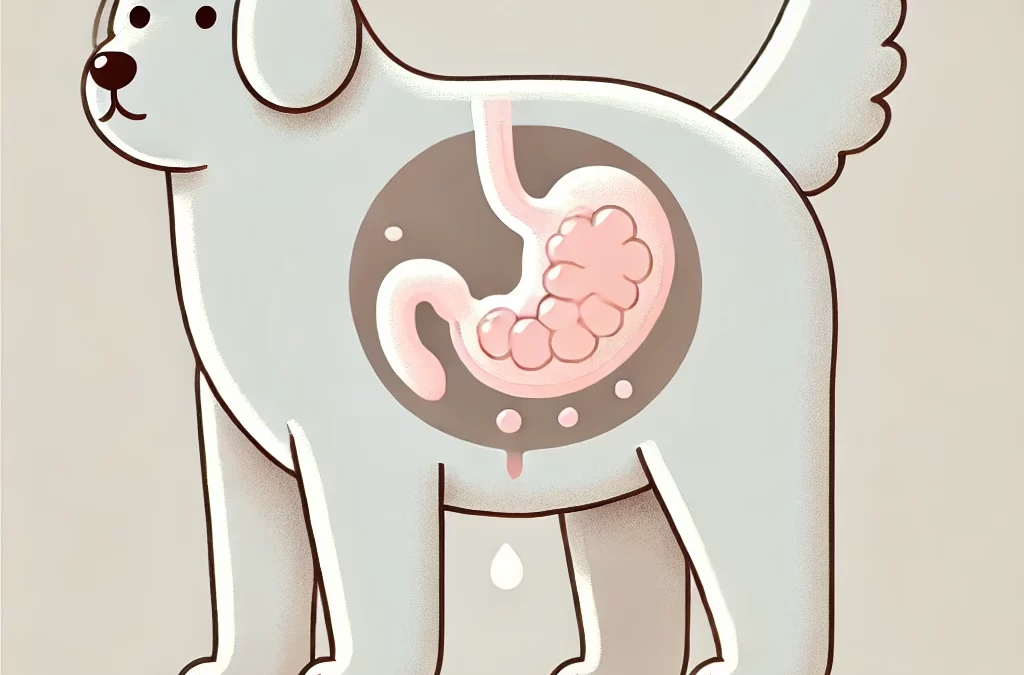
Discovering a large abdominal mass in a dog can be alarming for any pet owner. While it is natural to worry, understanding the potential causes, symptoms, and treatment options can empower you to make informed decisions about your dog’s health.
What is an Abdominal Mass?
An abdominal mass is an abnormal growth in the stomach area that may arise from organs such as the liver, spleen, intestines, or even surrounding tissues. These masses can vary significantly in size and may be benign (non-cancerous) or malignant (cancerous).
Common Causes of Abdominal Masses
- Benign Growths
- Lipomas: Fatty tumors that are generally harmless.
- Cysts: Fluid-filled sacs that may grow over time but are typically non-threatening.
- Malignant Tumors
- Hemangiosarcoma: A common cancer affecting the spleen.
- Lymphoma: Affects lymph nodes and can spread to the abdomen.
- Carcinomas: Tumors arising from epithelial tissues of internal organs.
- Other Causes
- Abscesses: Infections that lead to pus-filled pockets.
- Organ Enlargement: Conditions like liver disease can mimic mass growth.
Symptoms to Watch For
Early detection can significantly impact outcomes. Look for:
- Swollen or distended abdomen
- Weight loss or reduced appetite
- Vomiting or diarrhea
- Lethargy or signs of discomfort
- Difficulty breathing due to abdominal pressure
Diagnosis
Diagnosing an abdominal mass requires a veterinarian’s expertise. Procedures may include:
- Physical Examination: Palpating the abdomen to detect unusual growths
- Imaging Tests: Ultrasound or X-rays to determine the size, location, and nature of the mass
- Biopsy or Fine Needle Aspiration: Collecting tissue samples for analysis
- Blood Tests: Checking for related health conditions
Treatment Options
The treatment depends on the mass’s type and location:
- Surgical Removal: Often the first line of action for operable masses
- Chemotherapy or Radiation: Used for malignant growths, especially if surgery isn’t possible
- Palliative Care: Focuses on maintaining comfort if the condition is untreatable
Proactive Steps for Pet Owners
- Routine Check-ups: Regular veterinary visits can help catch problems early
- Monitor Symptoms: Keep an eye on any changes in your dog’s behavior or appetite
- Proper Nutrition: A balanced diet supports overall health and recovery
- Second Opinions: Don’t hesitate to consult another vet for complex cases
Large abdominal masses in dogs are a serious concern, but with timely veterinary care and proper management, many dogs can achieve good outcomes. Always work closely with your vet to determine the best course of action for your furry friend.

by TCMVET | Nov 30, 2024 | Dog Cancer & Tumors
When it comes to our furry companions, nothing is more heart-wrenching than the diagnosis of a mammary mass. The very word “mass” strikes fear, conjuring images of cancer and invasive treatments. But what if there was more to mammary mass removal in dogs than just the surgical procedure? What if the healing process could encompass not only the physical act of removing the mass but also embrace a holistic, integrative approach that promotes true wellness?
In this article, we’ll explore how mammary mass removal is evolving, pushing the boundaries of conventional veterinary medicine to offer a comprehensive solution for dogs facing this condition.
The Mammary Mass Mystery: Understanding the Basics
Mammary masses are relatively common in female dogs, especially those that have not been spayed. While many masses are benign, some may be malignant, leading to a higher concern for cancer. In fact, approximately 50% of mammary tumors in dogs are cancerous, making early detection and prompt treatment vital.
Traditionally, the primary treatment for mammary masses has been surgical removal, often followed by chemotherapy or radiation if the mass is found to be malignant. This approach is still widely used, but with a growing interest in alternative and complementary therapies, the scope of treatment has expanded.
Surgery: A Foundation, Not the Whole Solution
Surgical removal remains the cornerstone of mammary mass treatment. The goal is to excise the mass completely, reducing the risk of the cancer spreading. However, the act of surgery alone does not guarantee long-term health. The real work begins after the incision has healed.
It’s here that an integrative approach comes into play.
Integrating Holistic Care: The Power of Prevention and Support
While surgery addresses the immediate physical concern, what many dog owners are now discovering is that post-operative care can be just as important in slowing recurrence and promoting overall health. The role of diet, lifestyle, and natural therapies is coming to the forefront as essential components of recovery.
1. Diet and Nutrition: Fueling the Body’s Defenses
Post-surgery, a balanced diet becomes crucial. Research suggests that certain nutrients can support immune function and help fight off cancerous cells. Omega-3 fatty acids (found in fish oil) have anti-inflammatory properties, while antioxidants (such as vitamins C and E) can protect healthy cells from oxidative stress.
Some experts even recommend a raw food diet or an anti-cancer diet for dogs with a history of mammary tumors. These diets emphasize lean meats, vegetables, and herbs that may help strengthen the dog’s immune system and reduce inflammation.
2. Herbal Supplements and Natural Remedies: A Holistic Touch
In addition to conventional treatments, many holistic veterinarians advocate for herbal supplements that can aid in healing. Adaptogenic herbs like ashwagandha or turmeric are known for their anti-inflammatory and immune-boosting properties. Additionally, lignans, found in flax seeds, are often recommended for their potential to inhibit the growth of cancer cells.
These natural remedies can be used alongside traditional treatments to help balance the body’s systems and improve overall vitality.
3. Mind-Body Connection: Stress Reduction and Emotional Healing
A dog’s emotional well-being should not be underestimated in the healing process. Research increasingly supports the idea that stress, anxiety, and negative emotions can affect the body’s ability to recover from illness. Offering a calm, loving environment with plenty of rest and affection can help reduce your dog’s stress levels, allowing their body to heal more effectively.
Massage therapy, gentle exercise, and even canine acupuncture are also being explored as ways to promote circulation, reduce pain, and encourage overall wellness during recovery.
Early Detection and Proactive Care: Prevention is Key
Prevention of future mammary masses or recurrence hinges on early detection. Regular vet check-ups, along with routine mammary gland exams (either during grooming or through veterinary visits), can help catch abnormalities early. For dogs at higher risk—those who haven’t been spayed or have had previous tumors—owners should be vigilant and proactive about any changes in the mammary glands.
In addition, spaying before the first heat cycle has been shown to reduce the risk of mammary tumors in dogs, making it an important consideration for pet owners.
What’s Next? The Future of Mammary Mass Treatment
As veterinary care continues to evolve, the approach to mammary mass removal is becoming increasingly multifaceted. While surgery remains a critical tool, it is no longer the sole focus of treatment. The integration of holistic care practices, early detection, and preventative measures offer a more comprehensive strategy to combat mammary masses and promote overall health in dogs.
By embracing a well-rounded approach that nurtures both the body and the mind, we can ensure that our furry friends have the best chance at a long, healthy, and happy life after mammary mass removal.
Key Takeaways
- Surgery remains essential for mammary mass removal but should be followed by supportive care.
- Diet plays a pivotal role in recovery, with anti-inflammatory and immune-boosting foods helping the healing process.
- Holistic therapies, including herbal remedies and acupuncture, can enhance recovery and overall health.
- Stress reduction and emotional well-being are key components of the healing process.
- Early detection and spaying are crucial for preventing mammary masses and cancers in the future.
By thinking beyond the scalpel and embracing a holistic approach, we give our dogs not only the best chance at recovery but also a path to a richer, fuller life.

by TCMVET | Nov 30, 2024 | Dog Cancer & Tumors
When a beloved dog is diagnosed with cancer, it feels like the ground has shifted beneath you. But amidst the despair, there’s also a growing movement of pet owners, holistic practitioners, and researchers who believe that cancer in dogs doesn’t have to be an immediate death sentence. With the right combination of therapies, diet, and lifestyle changes, the progression of cancer can be slowed down, giving your dog more time to enjoy life with you by their side.
Here’s a fresh perspective on how to support your dog’s health and potentially slow the growth of cancer cells.
1. Think Beyond Traditional Medicine
While chemotherapy and surgery are standard treatments for cancer in dogs, many pet owners are now looking for complementary therapies that focus on boosting their dog’s immune system and overall well-being. Integrative medicine, which combines conventional treatments with natural and alternative therapies, has gained traction in recent years.
Therapies such as acupuncture, massage, and herbal treatments can help reduce inflammation, alleviate pain, and enhance your dog’s overall quality of life. You might also want to explore the world of cannabinoids, like CBD, which has shown promise in some studies for managing pain and reducing tumor growth. Always consult your vet before starting any alternative therapy, but it’s encouraging to see more options emerge.
2. Harness the Power of Nutrition
There’s a lot of buzz around the idea that what you feed your dog can influence their health—and that includes their ability to fight cancer. A cancer-supportive diet for your dog goes beyond just feeding them healthy food; it’s about creating an environment in the body that makes it harder for cancer cells to thrive.
Some nutritionists recommend ketogenic diets for dogs with cancer, which are high in fat, moderate in protein, and low in carbohydrates. This type of diet may deprive the cancer cells of the sugar they need to grow, slowing their progression. Adding anti-cancer superfoods like turmeric, mushrooms (shiitake, maitake, and reishi), and green tea extract can also provide a boost.
Lignans, compounds found in flaxseeds and other plants, have been linked to slowing the growth of cancer cells in dogs, particularly in cases of canine lymphoma. You might also want to talk to your vet about supplements like omega-3 fatty acids, antioxidants, and vitamin D, all of which play a role in maintaining immune function and supporting healthy cell regeneration.
3. Exercise and Mental Stimulation: A Balance of Movement and Rest
It’s easy to assume that your dog, once diagnosed with cancer, should rest as much as possible. But just like in humans, maintaining a balance of rest and activity can help keep your dog’s body functioning optimally. Regular, low-impact exercise can help improve circulation, reduce pain, and support your dog’s immune system.
Mental stimulation is just as important. Engaging your dog’s mind with interactive toys, training sessions, or scent games can boost their mental health and improve their overall outlook on life. A happier, less stressed dog is likely to be in better shape to cope with the challenges cancer brings.
4. A Holistic Approach: The Mind-Body Connection
One aspect of cancer treatment that’s often overlooked in both humans and pets is the mind-body connection. Stress and anxiety can weaken the immune system and create an environment in which cancer cells can thrive. Therefore, fostering a calm, stress-free environment is essential for your dog’s well-being.
Consider meditative practices or creating a sanctuary at home where your dog can feel safe and relaxed. This can include playing soothing music, creating a cozy bed in a quiet part of your home, or even aromatherapy with pet-safe essential oils. It’s a small, but powerful, step in ensuring that your dog’s body is in the best possible state to fight the disease.
5. Cutting-Edge Research and Experimental Therapies
We are living in an exciting time when medical research into cancer therapies is rapidly advancing. While the landscape for dog cancer treatment is still evolving, there are some fascinating new treatments that show promise, like immunotherapy and gene therapy. These cutting-edge therapies aim to trigger the dog’s own immune system to fight the cancer more effectively, often targeting tumors with greater precision than traditional methods.
Stay informed and advocate for your dog by consulting with specialists who are up-to-date on the latest treatments and clinical trials. You may be able to give your dog access to therapies that aren’t widely available yet, all in an effort to slow the progression of cancer and improve their quality of life.
6. The Power of Love and Compassion
Perhaps the most profound and often underappreciated aspect of managing cancer in a dog is the healing power of love and emotional connection. Your presence, attention, and care can be a huge comfort to your dog, reducing anxiety and stress, which can help their immune system function more effectively.
It’s not just about the food, the medicine, or the treatments—it’s about the bond you share. This relationship provides your dog with the strength to fight, the joy to live, and the comfort of knowing they are deeply loved, no matter what.
Conclusion: Slowing Cancer, One Step at a Time
Cancer in dogs is undoubtedly devastating, but it’s important to remember that there are many avenues for slowing its progression and supporting your dog’s health. By combining modern veterinary treatments with alternative therapies, proper nutrition, exercise, and emotional care, you can make a significant difference in your dog’s quality of life.
The road may be long, but with a holistic approach and a deep commitment to your dog’s well-being, you can help them live a fuller, happier life—one where cancer doesn’t define their story, but rather, the love and care you provide every day.

by TCMVET | Nov 26, 2024 | Dog Cancer & Tumors
When a pet parent hears the word “tumor,” it’s like a punch to the gut. The questions come flooding in: Is it cancerous? Will my dog be okay? And most importantly, what can I do to help? While modern veterinary medicine offers various treatments, many owners are turning to natural, holistic approaches to complement traditional care. Let’s explore some innovative and lesser-known options to help manage and potentially shrink tumors in dogs.
The Nature of Tumors in Dogs
Tumors in dogs can range from benign lipomas to malignant cancers like mast cell tumors or osteosarcomas. The treatment plan depends on the type, size, and stage of the tumor, but addressing it often involves a mix of conventional treatments (like surgery or chemotherapy) and supportive therapies to boost overall health.
But here’s the catch: not all treatments have to be invasive or synthetic. Nature has provided us with a treasure trove of resources that may help shrink tumors while supporting your dog’s well-being.
Nutritional Support: Food as Medicine
- Mushroom Powerhouses
Medicinal mushrooms like shiitake, reishi, and turkey tail are rich in beta-glucans, which can help regulate the immune system and may slow tumor growth. Studies in veterinary oncology suggest that these fungi can reduce the progression of certain cancers. A sprinkle of powdered mushroom supplements in your dog’s food could be a game-changer.
- Golden Paste (Turmeric Blend)
Turmeric is known for its active compound, curcumin, a powerful anti-inflammatory and antioxidant. Curcumin has been shown to disrupt cancer cell growth in some studies. Mix turmeric powder with coconut oil and black pepper to create a dog-friendly golden paste.
- Omega-3 Fatty Acids
Found in fish oil or flaxseed, omega-3s are natural anti-inflammatories that can slow the growth of tumors and support overall health. Add it to your dog’s meals for a simple yet impactful dietary boost.
Natural Supplements for Tumor Management
- CBD Oil
Cannabidiol (CBD) has gained traction for its potential anti-tumor effects. It’s believed to induce apoptosis (programmed cell death) in cancer cells and reduce inflammation. Always choose a pet-specific CBD oil that’s free from THC and consult your vet for the right dosage.
- Essiac Tea
A blend of herbs including burdock root, slippery elm, and sheep sorrel, Essiac tea has long been used as a natural remedy for tumors. It’s available in liquid or capsule form and is believed to help detoxify the body and shrink abnormal growths.
- Chuanxiong (Szechuan Lovage)
A lesser-known but potent traditional Chinese herb, Chuanxiong has properties that improve circulation and reduce inflammation. Some holistic vets recommend it as part of an herbal protocol for managing tumors.
Holistic Therapies
- Acupuncture
While not directly shrinking tumors, acupuncture can improve blood flow, reduce pain, and enhance the efficacy of other treatments. It’s a great addition to a multi-faceted care plan.
- Hyperbaric Oxygen Therapy (HBOT)
Tumors thrive in low-oxygen environments. Hyperbaric oxygen therapy saturates the body with oxygen, potentially slowing tumor growth and aiding in healing.
Lifestyle Adjustments
- Dietary Overhaul
A low-carb, high-protein diet can starve certain tumors that rely on sugar for growth. Consider a raw or cooked diet tailored to your dog’s specific needs.
- Stress Reduction
Chronic stress can suppress the immune system, making it harder for your dog to fight off diseases. Ensure your dog’s environment is calm and enriched with activities they enjoy.
- Detoxifying the Environment
Reduce exposure to harmful chemicals like pesticides, synthetic air fresheners, and processed foods. These environmental toxins can burden your dog’s system, making recovery more challenging.
The Power of Combining Modern and Natural Approaches
While natural therapies offer incredible benefits, they’re not a standalone solution for all dogs. Partnering with a vet who understands integrative care is crucial. This ensures your dog receives the best of both worlds: the life-saving power of modern medicine and the gentle support of natural remedies.
A Hopeful Outlook
The journey of helping your dog through a tumor diagnosis can feel daunting, but remember: you’re not alone. With a blend of dietary changes, natural supplements, and holistic therapies, you can give your dog a fighting chance while improving their quality of life.
Sometimes, the smallest changes—a dash of turmeric, a spoonful of mushroom powder, or a drop of CBD—can make the biggest difference.

by TCMVET | Nov 21, 2024 | Dog Cancer & Tumors
When it comes to managing mast cell tumors in dogs, owners often find themselves navigating a sea of treatment options. Among these, cimetidine—a drug originally developed to treat ulcers—has gained attention for its potential to manage the symptoms and progression of this complex condition. But what exactly is its role, and how does dosage impact its effectiveness? Let’s dive into the topic with a fresh perspective.
What is Cimetidine?
Cimetidine belongs to a class of medications known as H2 receptor antagonists, designed to reduce stomach acid production. While its primary use is for gastrointestinal conditions, researchers have discovered additional benefits that extend its use to managing mast cell tumors in dogs.
The connection lies in histamine. Mast cell tumors release histamine, which can lead to various symptoms, including gastric ulcers and inflammation. By blocking H2 receptors, cimetidine can help mitigate these effects.
Why Use Cimetidine for Mast Cell Tumors?
- Symptom Management: Cimetidine reduces histamine release, helping to control symptoms like vomiting, diarrhea, and discomfort caused by increased gastric acidity.
- Tumor Stabilization: Some studies suggest that cimetidine may help slow tumor progression by altering the tumor microenvironment, although this effect remains under investigation.
- Supportive Role: Cimetidine is often used as part of a multi-modal approach, complementing treatments like surgery, chemotherapy, or natural therapies.
Dosage: Finding the Sweet Spot
Determining the correct dosage is crucial for achieving the desired therapeutic effect. However, a “one-size-fits-all” approach doesn’t work when it comes to dogs, as factors such as size, age, and overall health significantly influence dosing.
- General Guidelines: Cimetidine is usually administered orally at doses ranging from 5 to 10 mg per kilogram (2.2 lbs) of body weight, two to three times daily. However, always follow your veterinarian’s specific recommendations.
- Tailored Dosing: Dosages may vary based on the severity of symptoms, tumor stage, and whether the dog is receiving additional treatments. Adjustments are common and should be guided by regular monitoring.
The Importance of Vet Supervision
While cimetidine is relatively safe, it’s not without side effects. Potential issues include diarrhea, lethargy, or changes in appetite. Additionally, interactions with other medications should be carefully considered, especially if your dog is undergoing chemotherapy or using other drugs like NSAIDs.
Veterinary oversight ensures:
- Accurate dosing.
- Monitoring for side effects or interactions.
- Adjustments based on the dog’s response.
Alternative and Complementary Therapies
While cimetidine is an effective tool, it’s often most successful when combined with other therapies. Some alternatives include:
- Natural Supplements: Herbs like Chuanxiong (Szechuan Lovage) or turmeric may offer anti-inflammatory benefits and support overall well-being.
- Dietary Adjustments: A low-histamine diet can complement cimetidine’s effects, reducing histamine release triggered by certain foods.
- Holistic Care: Acupuncture, CBD oil, and other supportive therapies may help improve quality of life for dogs with mast cell tumors.
Future Innovations in Mast Cell Tumor Management
Emerging research continues to explore the role of cimetidine and similar drugs in veterinary oncology. From targeted therapies to histamine inhibitors, the future of treating mast cell tumors in dogs holds promise for more personalized and effective solutions.
Key Takeaways
Cimetidine is a valuable ally in managing mast cell tumors, but its effectiveness hinges on proper usage and integration into a broader treatment plan. By working closely with your veterinarian and staying informed about new developments, you can give your dog the best chance at a comfortable and happy life.
Closing Thoughts
If your dog has been diagnosed with mast cell tumors, don’t hesitate to explore all available options. While cimetidine may not be a cure, its ability to manage symptoms and support overall treatment makes it an important part of the puzzle. With tailored care and a holistic approach, your furry friend can continue to thrive despite the challenges.
