
by TCMVET | Nov 12, 2024 | Dog Cancer & Tumors
For pet owners looking to help their dogs develop lean muscle, enhance strength, or recover from an injury, the idea of muscle-building supplements might seem intriguing. While not a standard for every dog, these supplements can benefit certain breeds, high-energy dogs, working dogs, and even those in recovery. Here, we’ll explore the benefits of muscle-building supplements for dogs, key ingredients to look for, and tips for choosing safe and effective products.
1. Why Muscle Matters for Dogs
A healthy muscular system is vital for every dog, not just the active or athletic ones. Muscles help support joints, improve endurance, and maintain overall mobility. For dogs involved in agility, hunting, or other high-intensity activities, strong muscles can help prevent injuries and improve performance. Additionally, older dogs, those recovering from surgery, and dogs with certain conditions like arthritis can benefit from muscle support to maintain strength and reduce discomfort.
2. Who Should Consider Muscle Builder Supplements?
Muscle-building supplements aren’t necessary for all dogs, but they can be beneficial for:
- Active Breeds: Breeds like Border Collies, German Shepherds, and Labradors that are naturally high-energy and thrive with a structured exercise routine.
- Working Dogs: Police, military, and service dogs often require enhanced physical capabilities.
- Senior Dogs: Aging dogs can lose muscle mass over time. Supplements can help maintain muscle tone, which supports joint health.
- Dogs in Recovery: Dogs recovering from surgery or injury may need additional support to rebuild strength and mobility.
3. Key Ingredients to Look For
Not all muscle-building supplements are created equal, so understanding ingredient benefits can help in selecting a quality product. Here are the top ingredients that can support muscle health:
- Amino Acids: Building blocks of protein, amino acids like L-carnitine and L-glutamine aid in muscle development and recovery. These are crucial for dogs building or maintaining lean muscle.
- Creatine: Although commonly associated with human bodybuilding, creatine is a natural compound that can help dogs improve muscle performance. It’s especially beneficial for short bursts of energy, such as sprinting or agility training.
- Omega-3 Fatty Acids: These healthy fats are known to reduce inflammation, which can help with recovery after exercise. Omega-3s can also support joint health, making them a good addition to a muscle-focused supplement.
- Protein Sources: High-quality protein sources like chicken, fish, or beef provide essential nutrients for muscle growth and repair. Some muscle-building supplements incorporate dehydrated protein powder.
- Joint Support Compounds: Ingredients like glucosamine and chondroitin aren’t directly for muscle building, but they support joint health, which is vital for active dogs who want to build and sustain muscle.
4. Choosing the Right Muscle Builder Supplement
When selecting a supplement, consider these tips to ensure you’re providing the safest and most effective product for your dog:
- Choose Dog-Specific Products: Some human muscle-building supplements can be harmful to dogs. Look for products specifically formulated for canine physiology.
- Check for High-Quality Ingredients: The fewer fillers, artificial flavors, or preservatives, the better. A good supplement should be rich in whole ingredients.
- Talk to Your Vet: Before starting any supplement, consult your vet, especially if your dog has any pre-existing health conditions.
- Start Slowly: Gradually introduce any new supplement to observe how your dog responds, and avoid giving more than the recommended dose.
5. Supplementation vs. Natural Diet
While supplements can provide a convenient way to boost your dog’s muscle health, a balanced diet is foundational. High-protein diets, including lean meats, eggs, and some fish, can naturally support muscle health. Supplements are most effective when combined with good nutrition and a proper exercise routine.
6. Building Muscle Through Exercise and Training
Supplements alone can’t build muscle; a well-structured exercise routine is essential. Focus on activities that engage the entire body, such as:
- Weighted Walks or Hiking: Attaching a light backpack can provide gentle resistance for healthy dogs.
- Agility Training: Encourages flexibility and builds strength while keeping your dog mentally stimulated.
- Swimming: A low-impact exercise, swimming is excellent for muscle growth and joint health.
Conclusion: Building a Stronger, Healthier Dog
Muscle-building supplements can be a valuable addition for dogs needing a strength boost, but they work best when paired with balanced nutrition and exercise. By carefully choosing high-quality supplements and keeping your vet informed, you can support your dog’s muscle health, ensuring they stay active, strong, and ready for life’s adventures.
by TCMVET | Nov 12, 2024 | Dog Cancer & Tumors
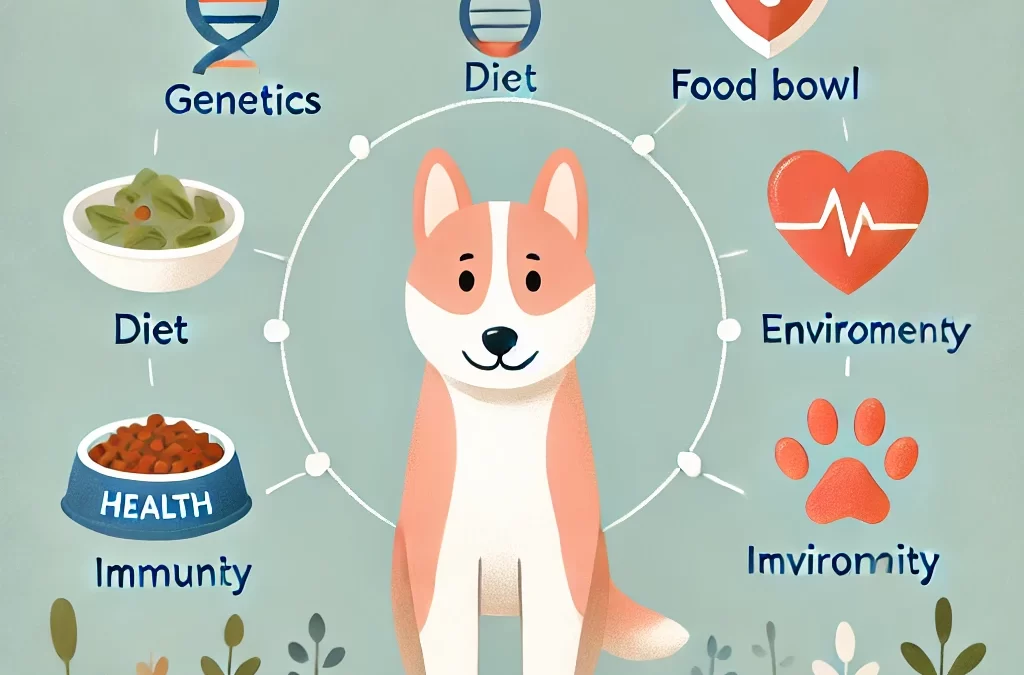
Cancer is one of the most challenging diseases for humans and pets alike, and it’s particularly heartbreaking when it affects our beloved dogs. But understanding why and how cancer develops in dogs can shed light on prevention and provide insight into early detection. While there’s no surefire way to prevent cancer, let’s explore the main contributing factors, emerging research, and ways we can help reduce risks.
1. Genetics: The Influence of Breed and Family History
Some breeds have a higher predisposition to cancer. For example, breeds like Golden Retrievers, Boxers, and Rottweilers are genetically inclined to develop certain cancers. Research suggests that inherited genetic mutations play a significant role in these tendencies. A study published in Canine Genetics and Epidemiology revealed that particular breeds have shared genetic traits that make them more susceptible to tumors. As a result, a dog’s lineage can increase its risk, meaning pet parents of certain breeds need to be extra vigilant with regular vet check-ups.
2. Environmental Factors: Carcinogens and Everyday Toxins
Dogs are exposed to environmental toxins just like humans. Common culprits include secondhand smoke, certain cleaning products, pesticides, and pollution. Dogs, with their close contact with floors and outdoor surfaces, can easily ingest or inhale harmful substances, unknowingly bringing toxins into their bodies. There is also mounting evidence that shows a direct correlation between exposure to specific carcinogens and increased cancer risks in dogs.
Actionable Insight: To minimize exposure, consider choosing natural cleaning products, avoiding smoking around pets, and ensuring your dog’s play areas are free from pesticides.
3. Diet: The Role of Nutrition in Cancer Prevention
What a dog eats can have profound effects on their health, influencing everything from immune function to cellular health. Poor-quality food, high in fillers and artificial additives, can contribute to cellular mutations and inflammation, potentially leading to cancer. On the other hand, a balanced diet rich in antioxidants, omega fatty acids, and natural proteins can support cellular repair and immune defenses.
Dietary Recommendation: Consider switching to high-quality, organic, or even home-cooked meals tailored to meet your dog’s nutritional needs. Always consult with a veterinarian for guidance on the best diet.
4. Hormonal Influences and Reproductive Health
Hormones are powerful chemical messengers in the body, and they can influence tumor growth. Studies have shown that spaying or neutering at the appropriate age can reduce the risk of certain cancers, such as mammary or testicular cancers. However, the timing of these procedures is essential, as early spaying or neutering has been linked with an increased risk of other cancers, such as osteosarcoma.
Balanced Decision: Talk with your vet about the best time for spaying or neutering your dog, as timing may vary depending on breed and individual health.
5. Infections and Viruses
Certain infections and viruses are known to be carcinogenic. In dogs, viruses like the canine papillomavirus can cause warts that may develop into malignant tumors in rare cases. Additionally, infections that cause chronic inflammation can lead to cellular changes and mutations over time, potentially leading to cancer.
6. Aging: The Inevitable Factor
Age is one of the most significant risk factors for cancer in dogs. With improvements in veterinary care, dogs are living longer, and with age comes an increased likelihood of cancer. As a dog’s cells age, the mechanisms for repairing DNA damage can become less efficient, making it easier for cancerous mutations to occur.
Preventative Steps and Lifestyle Changes for a Healthier Life
While not all cases of cancer are preventable, certain lifestyle adjustments can help reduce risks. Here are some preventative measures that could promote long-term health:
- Routine Veterinary Care: Regular check-ups help detect any abnormal growths or early warning signs.
- Healthy Diet Choices: Choose food high in essential nutrients, free of artificial additives and fillers.
- Maintain a Clean Environment: Use non-toxic products and avoid exposing your dog to harmful chemicals.
- Exercise Regularly: Keeping your dog active supports a robust immune system, vital for fighting off diseases.
Conclusion: Knowledge as Our Best Defense
Understanding the factors that contribute to cancer in dogs can help us make informed choices and, where possible, reduce the risk. While genetics and age are beyond our control, we can take steps to ensure our dogs lead healthier, longer lives. By remaining vigilant, prioritizing quality care, and fostering a toxin-free environment, we can give our dogs the best chance at a cancer-free life.

by TCMVET | Nov 11, 2024 | Dog Cancer & Tumors
A diagnosis of a splenic tumor in a beloved dog can be heart-wrenching, as these tumors often pose a serious health risk. However, gaining an understanding of the types of splenic tumors, survival rates, and potential treatments can help dog parents make the best choices for their pet’s wellbeing. In this article, we’ll explore splenic tumors in dogs from a fresh perspective, focusing on the realities and options that can provide both clarity and hope.
1. What Are Splenic Tumors?
- Hemangiosarcoma: A malignant and aggressive tumor type, hemangiosarcoma is unfortunately common in canine spleens and often spreads rapidly to other organs.
- Hemangioma and Splenic Masses: Benign tumors and masses can also form on the spleen. Though these do not spread like hemangiosarcoma, they can rupture, leading to internal bleeding.
- Lymphoma: This type, arising in the lymphatic system, may also affect the spleen, adding complexity to the condition.
2. Recognizing Symptoms Early
- Subtle Symptoms: Splenic tumors are often asymptomatic until they reach an advanced stage. Symptoms may include lethargy, loss of appetite, and weight loss.
- Acute Crisis: In cases where the tumor ruptures, symptoms can escalate rapidly. Pale gums, collapse, abdominal swelling, and labored breathing may signal internal bleeding, requiring immediate veterinary attention.
3. Survival Rates and What They Mean
- Splenic Hemangiosarcoma: With hemangiosarcoma, the prognosis is often guarded due to its aggressive nature. Median survival rates with surgery alone can range from 2-3 months.
- With Chemotherapy: Combining surgery with chemotherapy can extend survival, sometimes offering 6-12 months, depending on the individual dog’s response.
- Benign Tumors and Masses: Survival rates for benign masses are considerably more optimistic, as surgical removal can often provide a complete solution without recurrence.
4. Exploring Treatment Options
- Surgical Intervention: Splenectomy, or removal of the spleen, is the most common treatment for splenic tumors. It can provide immediate relief from symptoms and prevent further complications from a ruptured mass.
- Chemotherapy: This is often recommended for malignant tumors like hemangiosarcoma to control the spread, though it may not be curative. Some dogs tolerate chemotherapy well, showing few side effects.
- Alternative Therapies: Many pet parents explore natural supplements like medicinal mushrooms, which may boost immune function. While these aren’t substitutes for surgery or chemotherapy, they can serve as complementary support.
5. Providing a Good Quality of Life
- Managing Pain and Comfort: Pain management is essential to ensure a good quality of life. Veterinarians often recommend pain relief medications or even acupuncture.
- Diet and Nutrition: Providing a balanced diet rich in antioxidants and immune-boosting supplements can support overall health, especially during treatment or recovery.
- Low-Stress Environment: Minimizing stress through a calm and familiar environment can make a big difference, helping your dog feel comfortable and secure.
6. Why There’s Still Hope
- Promising Research: Ongoing research into canine cancers, especially hemangiosarcoma, may lead to better treatments and outcomes.
- New Therapies: Immunotherapy and targeted treatments are in development, with some showing early promise in trials. Although these are not yet widely available, they offer hope for the future.
- Stories of Resilience: Many dogs with splenic tumors defy the odds and live longer than expected, especially with attentive care and timely treatment.
7. How to Support Your Dog’s Journey
- Veterinary Guidance: Building a strong relationship with your veterinarian is crucial. They can tailor a treatment plan and provide resources for managing your dog’s condition.
- Support Communities: Many online support groups exist for dog parents dealing with cancer, offering encouragement, advice, and shared experiences that can be incredibly uplifting.
Conclusion
Splenic tumors in dogs present unique challenges, but with prompt diagnosis, informed decisions, and compassionate care, many dogs maintain a good quality of life. While survival rates vary, staying proactive and hopeful can make all the difference. Remember, each journey is unique, and by supporting your dog through every step, you’re giving them the love and care they deserve.

by TCMVET | Nov 8, 2024 | Dog Cancer & Tumors
Dogs hold a cherished place in our lives, embodying loyalty, companionship, and boundless joy. However, certain breeds are genetically predisposed to cancer, making it a significant concern for many dog owners. Understanding which breeds are more susceptible to cancer and why can help owners be more vigilant and proactive in managing their pet’s health.
The Breeds at Higher Risk
While cancer can affect any dog, some breeds show a higher incidence due to their genetic makeup. Here are a few breeds known to be more prone to cancer:
- Golden Retrievers: One of the most beloved dog breeds, Golden Retrievers, unfortunately, have one of the highest cancer rates. Hemangiosarcoma and lymphoma are particularly common in this breed.
- Boxers: Known for their playful and energetic nature, Boxers are prone to developing mast cell tumors and lymphoma. Early detection and regular check-ups are crucial for this breed.
- Rottweilers: Rottweilers are susceptible to osteosarcoma, an aggressive type of bone cancer. Their large size and genetic predispositions make them particularly vulnerable.
- Bernese Mountain Dogs: This breed is admired for its gentle nature but has a high risk of histiocytic sarcoma. Owners should monitor for any unusual lumps or behavioral changes.
- German Shepherds: Renowned for their intelligence and loyalty, German Shepherds can develop hemangiosarcoma and other cancers. Their large size and genetic line contribute to their predisposition.
Understanding the Genetic Link
The genetic component plays a significant role in why certain breeds are more prone to cancer. Selective breeding, while often aimed at enhancing desirable traits, can inadvertently pass on genes that predispose dogs to various cancers. Genetic mutations, hereditary syndromes, and breed-specific predispositions are factors that contribute to the increased risk.
Recognizing the Signs
Early detection can make a significant difference in treatment outcomes. Here are some key symptoms owners should look out for:
- Unexplained weight loss
- Lethargy or decreased interest in activities
- Persistent lumps or growths
- Changes in eating or drinking habits
- Panting or difficulty breathing, especially at night
Preventive Measures and Proactive Care
While some cancers cannot be prevented, owners can take steps to reduce risks and promote overall health:
- Regular Veterinary Check-Ups: Routine visits can help catch potential issues early.
- Balanced Diet and Exercise: Maintaining a healthy weight and ensuring proper nutrition can support the immune system.
- Genetic Testing: For breeds with a high risk, genetic testing can provide insights into potential predispositions.
- Awareness of Breed-Specific Risks: Knowing the risks allows owners to be more observant and proactive in their care.
A Call for Research and Awareness
Ongoing research into canine cancer aims to better understand the genetic and environmental factors that contribute to these conditions. Awareness campaigns and funding for veterinary oncology are essential in advancing treatment options and preventive strategies.
Conclusion
Owning a dog from a breed that is prone to cancer does not mean inevitable heartache; rather, it emphasizes the importance of knowledge and preparedness. By understanding the risks, recognizing the signs, and maintaining proactive care, owners can provide their beloved companions with a higher quality of life and more precious moments together.

by TCMVET | Oct 29, 2024 | Food & Health
Choosing to prepare homemade meals for your dog can feel rewarding, offering you a chance to customize their diet to suit specific needs. However, it’s essential to recognize that dogs have unique nutritional requirements, and a well-balanced diet is vital to their health. Before transitioning your dog from commercial foods to homemade meals, it’s crucial to plan and consult professionals to ensure you’re meeting their dietary needs.
Why Choose Homemade Dog Food?
Opting for homemade dog food can strengthen the bond between you and your dog, allowing you to see exactly what goes into each meal. Homemade meals are often free from fillers, preservatives, and artificial ingredients commonly found in some commercial pet foods, making them appealing for health-conscious pet owners.
Important Considerations for Homemade Dog Food
- Consult with a Veterinarian
Always discuss any dietary changes with your veterinarian. They can provide insights into your dog’s unique health needs, potential dietary restrictions, and wellness goals. This consultation is particularly important if your dog has any chronic health conditions, allergies, or sensitivities.
- Work with a Veterinary Nutritionist
A veterinary nutritionist can help design a balanced homemade dog food plan that meets all of your dog’s essential nutrient needs. Canine diets should be rich in protein, healthy fats, vitamins, and minerals but also carefully moderated in calories and carbohydrates.
- Ensure Nutritional Balance
Dogs need a blend of protein sources (like chicken, beef, or fish), healthy fats, complex carbohydrates (like brown rice or sweet potatoes), and vegetables. Adding a multivitamin supplement specifically designed for dogs is often recommended to fill in any gaps.
Common Mistakes to Avoid When Cooking for Your Dog
- Over- or Underfeeding
Portion control is crucial. An unbalanced diet or overfeeding can lead to weight issues and health complications, so it’s essential to understand your dog’s daily caloric needs.
- Adding Unsafe Ingredients
Avoid ingredients toxic to dogs, such as onions, garlic, chocolate, grapes, and artificial sweeteners (e.g., xylitol). Always do a double-check before introducing new ingredients.
- Skipping Regular Health Check-ups
Regular veterinary check-ups are vital to monitor your dog’s health and weight. Homemade diets can sometimes lead to nutrient deficiencies if not properly managed, so ongoing monitoring is beneficial.
How to Get Started with Homemade Dog Food
- Start with Basic Recipes
Begin with simple, balanced recipes that use lean meats, whole grains, and dog-friendly vegetables. Avoid any highly processed ingredients, and opt for fresh or lightly cooked foods to preserve nutrients.
- Test and Adjust
As you begin feeding homemade meals, observe your dog’s reaction, energy levels, and stool consistency. These indicators can guide you to fine-tune their diet over time.
- Gradual Transition
Switch from commercial food to homemade meals gradually over several days to prevent digestive upset. Start by mixing a small amount of homemade food with their regular food, gradually increasing the homemade portion over time.
Cooking for your dog is a fulfilling way to contribute to their health and happiness. With proper planning and guidance, homemade dog food can be a nutritious, delicious option that your dog will thrive on. Prioritize consultations with a veterinarian and a veterinary nutritionist to ensure a balanced diet tailored to your dog’s individual needs. With commitment and attention to detail, you can successfully provide a homemade diet that supports your dog’s long-term wellness.
