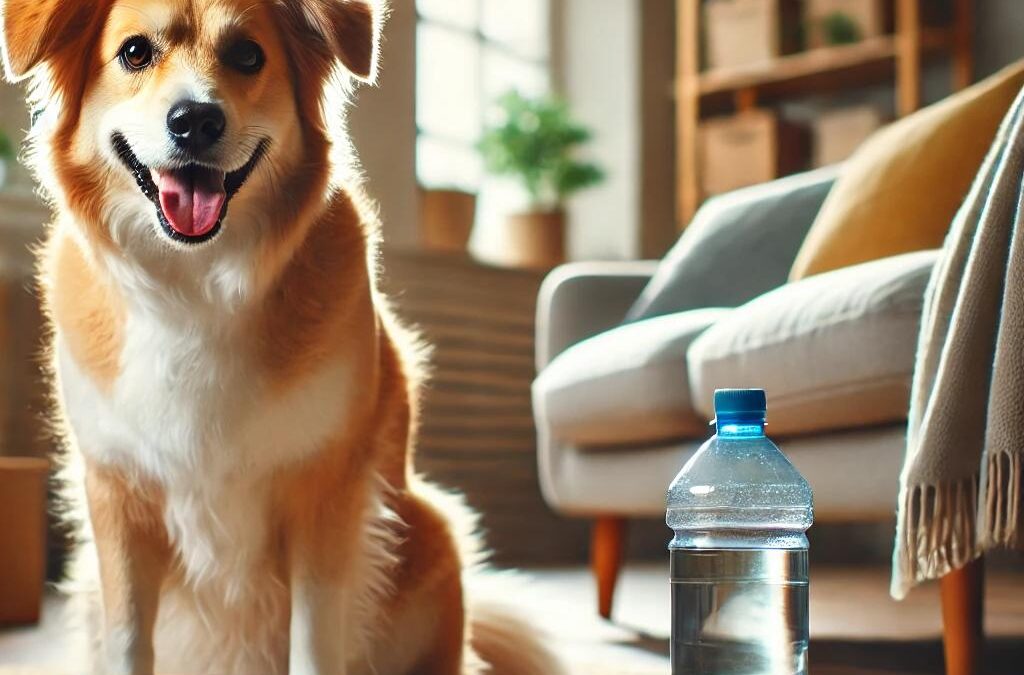
Hydration plays a crucial role in maintaining your dog’s overall health, particularly when it comes to reducing inflammation. Water is essential for flushing toxins from the body, promoting healthy kidney function, and preventing conditions like urinary tract infections and kidney stones, which can lead to inflammation. Ensuring that your dog stays properly hydrated is one of the simplest yet most important steps you can take to support their well-being.
Why Hydration Matters for Dogs
Water is fundamental to nearly every bodily function. For dogs, staying hydrated helps regulate body temperature, aids digestion, supports organ function, and even improves joint lubrication. Dehydration, on the other hand, can lead to a host of health issues, including lethargy, reduced kidney function, and an increased risk of inflammation-related conditions.
1. Reducing Inflammation
Proper hydration helps reduce inflammation by flushing toxins out of the body. Toxins that accumulate in the body can trigger inflammatory responses, which lead to pain and discomfort. By drinking enough water, your dog’s kidneys are able to effectively remove these toxins, reducing the risk of inflammation-related conditions.
2. Preventing Urinary Tract Infections and Kidney Stones
Dehydration can lead to concentrated urine, which increases the risk of urinary tract infections and kidney stones. Both of these conditions can cause inflammation and pain in dogs. Regular hydration helps dilute urine and supports healthy kidney function, reducing the risk of these painful issues.
3. Supporting Joint Health
Water plays an essential role in keeping joints well-lubricated, which is particularly important for older dogs or dogs with arthritis. Proper hydration ensures that synovial fluid—the fluid that cushions joints—can work effectively, reducing the risk of joint inflammation and pain.
How to Ensure Your Dog Stays Hydrated
Provide Fresh Water at All Times: Make sure your dog always has access to clean, fresh water, both indoors and outdoors. Change the water regularly to keep it free from contaminants.
Monitor Water Intake: In hotter weather or after exercise, dogs will need more water. Keep an eye on their water intake, and encourage them to drink more if necessary.
Offer Hydration Alternatives: If your dog isn’t drinking enough water, try adding low-sodium broth to their meals or offering water-rich foods like cucumbers or watermelon (in moderation).
Signs of Dehydration in Dogs
It’s important to recognize the signs of dehydration early to prevent serious health issues. Symptoms include:
Dry gums or nose
Lethargy or weakness
Sunken eyes
Panting excessively
Loss of skin elasticity
If you notice these signs, encourage your dog to drink water, and if dehydration persists, consult your veterinarian immediately.
Proper hydration is essential for your dog’s health, particularly when it comes to reducing inflammation and preventing conditions like urinary tract infections and kidney stones. By ensuring your dog has constant access to fresh water and monitoring their intake, especially during hot weather or after exercise, you can help them stay healthy and comfortable.
When a dog is undergoing treatment for a medical condition, ensuring their comfort and well-being becomes a top priority for pet owners and veterinarians alike. From pain management to emotional support, there are several strategies that can help maintain a canine patient’s comfort during treatment. This article explores effective methods to enhance the quality of life for dogs in treatment, providing valuable insights for pet owners and professionals.
The Importance of Comfort in Canine Treatment
Maintaining comfort during treatment not only improves a dog’s quality of life but can also positively impact their recovery. Stress and discomfort can hinder the healing process, making it essential to adopt comprehensive strategies that address both physical and emotional needs.
Pain Management Techniques
Medication: Administering prescribed pain relief medications can significantly reduce discomfort. Always consult with a veterinarian to determine the appropriate dosage and type of medication for your dog.
Acupuncture: This Traditional Chinese Medicine technique can alleviate pain and promote relaxation without the side effects of pharmaceuticals.
Cold and Heat Therapy: Alternating between cold packs and warm compresses can reduce inflammation and soothe sore muscles.
Creating a Comfortable Environment
Cozy Bedding: Provide soft, supportive bedding to cushion your dog’s body and prevent pressure sores.
Calm Atmosphere: Create a quiet, stress-free environment. Minimize loud noises and disruptions to help your dog relax.
Accessible Spaces: Ensure that your dog’s living space is easily accessible, with food, water, and bathroom areas within reach.
Nutritional Support
Balanced Diet: Feed your dog a balanced diet rich in nutrients to support their immune system and overall health.
Hydration: Keep your dog well-hydrated, especially if they are undergoing treatments like chemotherapy that can cause dehydration.
Appetite Stimulants: If your dog’s appetite decreases, consult your vet about safe appetite stimulants or alternative feeding methods.
Emotional and Mental Support
Routine and Familiarity: Maintain a consistent daily routine to provide a sense of stability and security.
Gentle Interaction: Spend quality time with your dog, offering gentle petting, soothing words, and reassurance.
Enrichment Activities: Engage your dog in low-impact enrichment activities, such as puzzle toys or gentle play, to keep their mind stimulated.
Holistic Approaches
Massage Therapy: Gentle massage can relax tense muscles, improve circulation, and provide comfort.
Aromatherapy: Certain essential oils, when used safely, can have calming effects. Always consult a veterinarian before introducing new scents.
Herbal Supplements: Some herbal supplements can support overall health and alleviate specific symptoms. Ensure any supplements are approved by your vet.
Monitoring and Adjusting Care
Regular Check-Ups: Frequent veterinary visits allow for the monitoring of your dog’s condition and the adjustment of treatment plans as needed.
Observation: Keep a close eye on your dog’s behavior and symptoms. Note any changes and report them to your veterinarian promptly.
Feedback Loop: Maintain open communication with your vet, providing feedback on what strategies are working and what needs adjustment.
Ensuring the comfort of canine patients during treatment requires a multifaceted approach that addresses both physical and emotional needs. By employing a combination of pain management techniques, creating a comfortable environment, offering nutritional support, and providing emotional care, pet owners can significantly improve their dog’s quality of life during this challenging time.
Watching a beloved pet suffer from a serious illness like lymphoma can be one of the most challenging experiences for any dog owner. Understanding the signs that indicate your dog is reaching the end stages of this disease can help you provide the best possible care and comfort during their final days. In this article, we will discuss the key signs that your dog may be dying from Stage 4 lymphoma and how you can support them through this difficult time.
What Is Stage 4 Lymphoma in Dogs?
Lymphoma is a type of cancer that affects the lymphatic system, which is a crucial part of the immune system. Stage 4 lymphoma indicates that the cancer has progressed significantly and has likely spread to other organs beyond the lymph nodes, such as the liver, spleen, and bone marrow.
Key Signs Your Dog Is Dying from Stage 4 Lymphoma
1. Severe Weight Loss
One of the most noticeable signs of advanced lymphoma is severe weight loss. Despite eating, your dog may continue to lose weight rapidly due to the cancer’s impact on their body’s ability to absorb nutrients.
2. Loss of Appetite
Dogs with Stage 4 lymphoma often lose interest in food. This can be due to nausea, pain, or the body’s declining function. Encouraging your dog to eat small, palatable meals can sometimes help, but they may still refuse food.
3. Extreme Fatigue and Weakness
As the disease progresses, your dog may become extremely tired and weak. They might struggle to get up, walk, or engage in activities they once enjoyed. This fatigue is a result of the cancer spreading and the body’s declining energy levels.
4. Breathing Difficulties
Breathing difficulties are common in dogs with advanced lymphoma, especially if the cancer has spread to the chest area. You may notice labored or rapid breathing, coughing, or an increased effort to breathe.
5. Swollen Lymph Nodes
Swollen lymph nodes are a primary symptom of lymphoma, but in Stage 4, these nodes can become very large and hard. You might notice these enlarged nodes under your dog’s jaw, behind the knees, or in the groin area.
6. Pale Gums and Mucous Membranes
Pale gums and mucous membranes can indicate anemia, which is common in dogs with late-stage lymphoma. This occurs because the cancer affects the body’s ability to produce healthy red blood cells.
7. Increased Thirst and Urination
Some dogs with Stage 4 lymphoma may show increased thirst and urination. This can be a result of the cancer affecting the kidneys or other metabolic processes in the body.
Providing Comfort and Care
While there is no cure for Stage 4 lymphoma, there are ways to make your dog’s remaining time as comfortable as possible:
Pain Management: Consult your veterinarian about pain relief options to ensure your dog is not suffering unnecessarily.
Hydration: Keep your dog hydrated by offering water regularly. If they refuse to drink, discuss alternative hydration methods with your vet.
Comfortable Environment: Create a comfortable resting area for your dog, with soft bedding and easy access to food and water.
Emotional Support: Spend quality time with your dog, offering affection and companionship. Your presence can provide great comfort during this difficult time.
Conclusion
Recognizing the signs that your dog is dying from Stage 4 lymphoma is crucial for providing appropriate care and comfort. By understanding these symptoms and working closely with your veterinarian, you can ensure that your dog’s final days are as peaceful and pain-free as possible. Cherish the moments you have left with your furry friend, and provide them with the love and care they deserve.