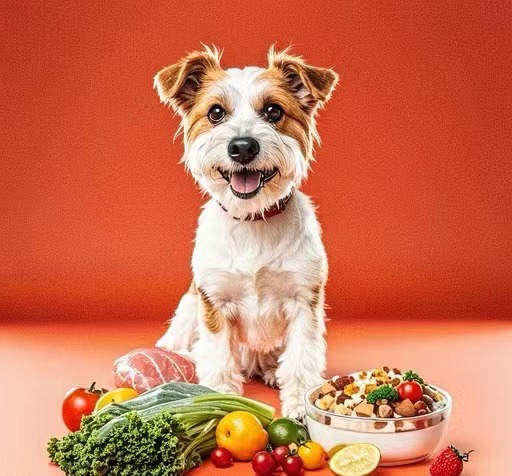
Inflammatory Bowel Disease (IBD) in dogs is a chronic condition that affects the gastrointestinal tract, causing symptoms such as vomiting, diarrhea, and weight loss. Managing IBD requires a careful approach to diet, as certain foods can trigger or worsen symptoms. Creating homemade dog food recipes tailored to IBD can provide relief and improve your dog’s quality of life. This article will explore the basics of IBD-friendly diets and share some nutritious and easy-to-make recipes.
Understanding IBD in Dogs
IBD occurs when a dog’s immune system mistakenly attacks the lining of the digestive tract, leading to inflammation. The exact cause of IBD is not well understood, but it is believed to be a combination of genetic, environmental, and dietary factors. Common symptoms of IBD in dogs include:
Chronic diarrhea
Vomiting
Weight loss
Loss of appetite
Abdominal pain
Key Principles of an IBD-Friendly Diet
When preparing homemade food for a dog with IBD, it’s crucial to focus on ingredients that are easy to digest and unlikely to cause an immune response. Here are some key principles to follow:
Limited Ingredients: Use simple recipes with limited ingredients to minimize the risk of triggering an immune response.
Novel Proteins: Incorporate novel protein sources that your dog has not been exposed to before, such as duck, venison, or rabbit.
Low-Fat Content: High-fat foods can exacerbate IBD symptoms, so opt for lean proteins and avoid added fats.
Easily Digestible Carbohydrates: Use easily digestible carbohydrates like sweet potatoes, pumpkin, and white rice.
Probiotics and Prebiotics: Include sources of probiotics and prebiotics to support gut health and improve digestion.
Homemade IBD Dog Food Recipes
Here are some IBD-friendly dog food recipes that are both nutritious and delicious.
Recipe 1: Turkey and Sweet Potato Delight
Ingredients:
1 pound ground turkey
1 large sweet potato, peeled and diced
1 cup cooked white rice
1 cup spinach, chopped
1 tablespoon flaxseed oil (optional)
1 probiotic supplement (consult your vet for recommendations)
Instructions:
In a large pot, cook the ground turkey over medium heat until fully cooked. Drain any excess fat.
Add the diced sweet potato and enough water to cover the ingredients. Bring to a boil, then reduce heat and simmer until the sweet potato is tender.
Stir in the cooked rice and chopped spinach. Cook for an additional 5 minutes.
Remove from heat and let cool. Add flaxseed oil and probiotic supplement if using.
Store in an airtight container in the refrigerator for up to 3 days or freeze in portions.
Recipe 2: Duck and Pumpkin Stew
Ingredients:
1 pound ground duck or duck breast, diced
1 cup pumpkin puree (plain, no added sugar)
1 cup cooked quinoa
1/2 cup carrots, finely chopped
1 tablespoon coconut oil
1 probiotic supplement (consult your vet for recommendations)
Instructions:
In a large skillet, heat the coconut oil over medium heat. Add the duck and cook until fully cooked.
Add the pumpkin puree, cooked quinoa, and chopped carrots. Stir well to combine.
Cook for an additional 10 minutes, stirring occasionally, until the carrots are tender.
Remove from heat and let cool. Add the probiotic supplement if using.
Store in an airtight container in the refrigerator for up to 3 days or freeze in portions.
Recipe 3: Venison and Rice Medley
Ingredients:
1 pound ground venison
1 cup cooked white rice
1/2 cup green beans, chopped
1/2 cup butternut squash, diced
1 tablespoon olive oil
1 probiotic supplement (consult your vet for recommendations)
Instructions:
In a large pot, cook the ground venison over medium heat until fully cooked. Drain any excess fat.
Add the diced butternut squash and enough water to cover the ingredients. Bring to a boil, then reduce heat and simmer until the squash is tender.
Stir in the cooked rice and chopped green beans. Cook for an additional 5 minutes.
Remove from heat and let cool. Add olive oil and the probiotic supplement if using.
Store in an airtight container in the refrigerator for up to 3 days or freeze in portions.
Conclusion
Managing IBD in dogs requires a careful and thoughtful approach to their diet. By preparing homemade meals with easily digestible ingredients and avoiding common triggers, you can help alleviate your dog’s symptoms and improve their overall well-being. Always consult with your veterinarian before making any significant changes to your dog’s diet, and monitor their response to new foods closely.
Inflammatory Bowel Disease (IBD) is a chronic condition in dogs characterized by persistent inflammation of the gastrointestinal tract. This condition can cause a range of symptoms, including vomiting, diarrhea, weight loss, and abdominal pain, significantly impacting a dog’s quality of life. Diet plays a crucial role in managing IBD, and many pet owners turn to homemade dog food to provide their dogs with the best possible nutrition. This guide will delve into the benefits of homemade dog food for IBD, key ingredients, and how to create a balanced diet for your furry friend.
Understanding Inflammatory Bowel Disease in Dogs
IBD in dogs is a condition where the immune system mistakenly attacks the lining of the digestive tract, leading to inflammation. The exact cause of IBD is unknown, but it is believed to be a combination of genetic, environmental, and dietary factors. Symptoms of IBD can vary in severity and may include:
Chronic diarrhea
Vomiting
Weight loss
Loss of appetite
Abdominal pain and discomfort
Lethargy
Managing IBD often involves a combination of medication, lifestyle changes, and dietary modifications. Since diet plays a critical role in controlling inflammation and managing symptoms, many pet owners find success with homemade dog food tailored to their dog’s specific needs.
Benefits of Homemade Dog Food for IBD
Homemade dog food offers several advantages over commercial diets, particularly for dogs with IBD:
Ingredient Control: When you prepare your dog’s food at home, you have complete control over the ingredients. This allows you to avoid common allergens and irritants that may exacerbate IBD symptoms.
Freshness and Quality: Homemade food is typically fresher than commercial options and can be made with high-quality, whole-food ingredients.
Customization: You can tailor the diet to meet your dog’s specific nutritional needs and preferences, ensuring they receive the right balance of nutrients.
Reduced Additives and Preservatives: Commercial dog foods often contain additives and preservatives that can trigger inflammation. Homemade food allows you to eliminate these potentially harmful substances.
Key Ingredients for Homemade Dog Food for IBD
When formulating a homemade diet for a dog with IBD, it is essential to choose ingredients that are easy to digest, anti-inflammatory, and nutritionally balanced. Here are some key components to consider:
1. Lean Proteins
Chicken: Skinless, boneless chicken breast is a good source of lean protein. Avoid fatty cuts and skin, which can exacerbate inflammation.
Turkey: Similar to chicken, turkey breast is another excellent lean protein source.
Fish: Fish like salmon and whitefish provide essential omega-3 fatty acids, which have anti-inflammatory properties.
2. Complex Carbohydrates
Sweet Potatoes: Rich in fiber and nutrients, sweet potatoes are gentle on the digestive system.
Pumpkin: Pumpkin is another excellent source of fiber that can help regulate digestion.
Rice: White or brown rice can be a good carbohydrate source, but some dogs with IBD may tolerate white rice better due to its lower fiber content.
3. Vegetables
Carrots: Carrots are a great source of vitamins and fiber.
Green Beans: Low in calories and high in fiber, green beans can be easily incorporated into a homemade diet.
Zucchini: Another mild vegetable that is easy to digest and provides essential nutrients.
4. Healthy Fats
Fish Oil: Rich in omega-3 fatty acids, fish oil can help reduce inflammation and support overall health.
Coconut Oil: A good source of medium-chain triglycerides (MCTs), which are easily digestible and provide quick energy.
Sample Homemade Dog Food Recipe for IBD
Here is a simple and nutritious recipe that can help manage IBD symptoms in dogs:
Ingredients:
1 cup of cooked, skinless, boneless chicken breast (shredded)
1 cup of cooked sweet potatoes (mashed)
1/2 cup of cooked carrots (diced)
1/2 cup of cooked green beans (chopped)
1 tablespoon of fish oil
Instructions:
Cook the chicken breast thoroughly and shred it into small pieces.
Cook the sweet potatoes, carrots, and green beans until they are soft and easy to digest.
Mix all the ingredients in a large bowl, ensuring they are well combined.
Add the fish oil and mix thoroughly.
Allow the food to cool to room temperature before serving.
Tips for Feeding Dogs with IBD
Introduce New Foods Gradually: When introducing homemade food or new ingredients, do so gradually to monitor for any adverse reactions.
Maintain Consistency: Keep meal times and portion sizes consistent to help regulate digestion.
Monitor Symptoms: Keep a close eye on your dog’s symptoms and adjust the diet as necessary in consultation with your veterinarian.
Hydration: Ensure your dog has access to fresh water at all times to stay hydrated.
Conclusion
Homemade dog food can be a valuable tool in managing IBD, providing your dog with tailored nutrition that supports their digestive health. By carefully selecting ingredients and working closely with your veterinarian, you can help alleviate your dog’s IBD symptoms and improve their quality of life. Remember, every dog is unique, so it may take some trial and error to find the perfect diet for your furry friend.
For more information on homemade dog food recipes and tips for managing IBD, consult with your veterinarian and consider seeking advice from a veterinary nutritionist. Your dog’s health and happiness are worth the effort.