Dog tumour growing fast: 7 Best Support Options and Urgent Steps to Take
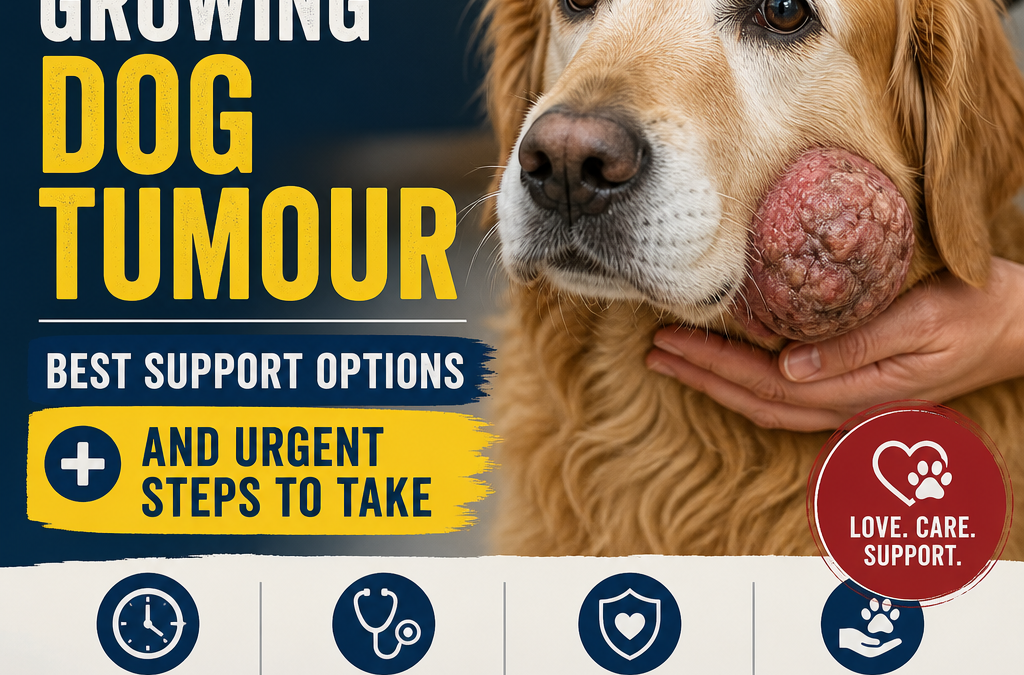
Dog tumour growing fast can be frightening to discover, especially when a lump seems to change noticeably over days or weeks. Although some fast-growing masses are benign, rapid enlargement can also indicate infection, inflammation, bleeding, or an aggressive cancer. The safest response is to arrange veterinary assessment promptly, monitor changes carefully, and focus on practical dog tumour support while a diagnosis is being established.
Table of Contents
- Why a rapidly growing dog tumour needs attention
- What the veterinarian may do
- Understanding dog tumour support during diagnosis
- Dog tumour growing fast: key support steps while you wait for results
- Supporting comfort and daily wellbeing
- Treatment options for a fast-growing mass
- Making decisions based on quality of life
Why a rapidly growing dog tumour needs attention
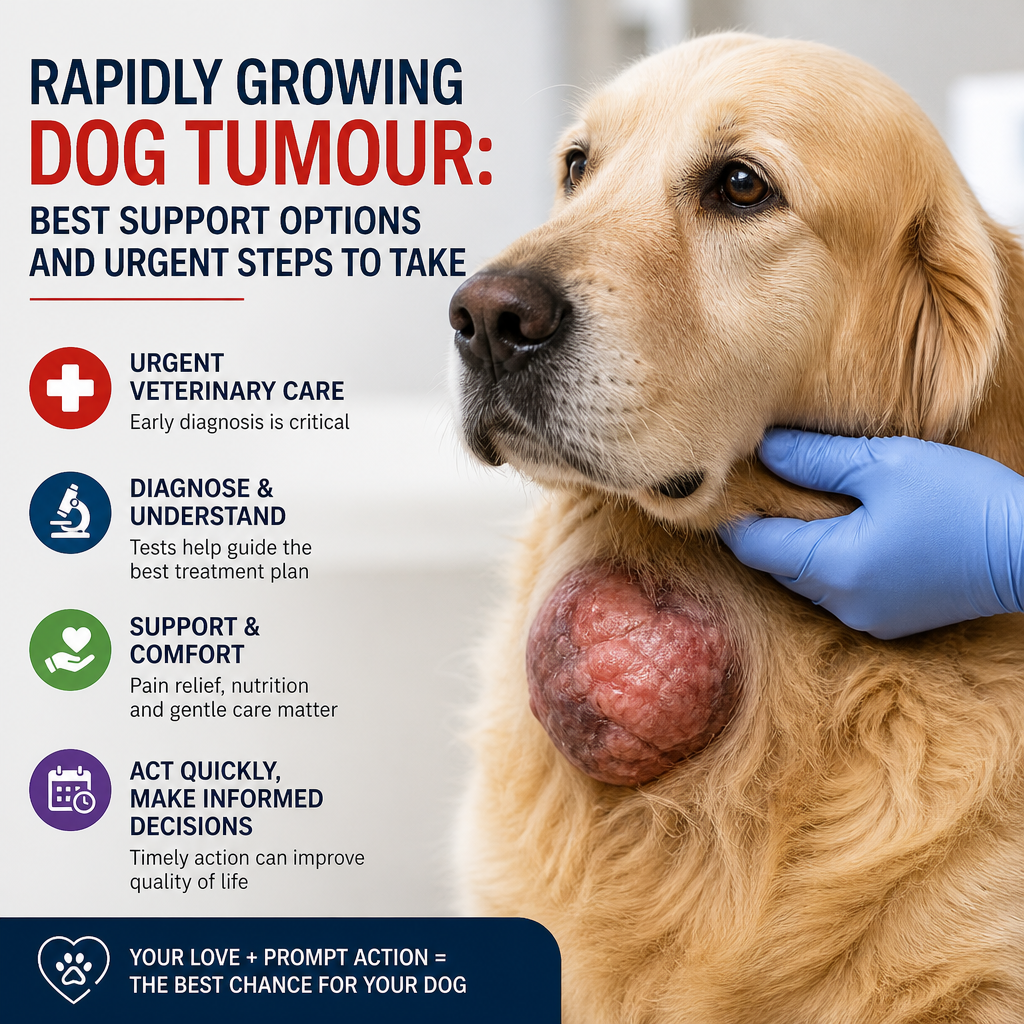
A lump that grows quickly should never be assessed by appearance alone. Tumours can develop in the skin, tissue beneath the skin, mammary glands, mouth, limbs, or internal organs, and different masses may look very similar from the outside. Some are harmless fatty growths, while others can invade nearby tissue or spread to other parts of the body.
Rapid growth may occur because tumour cells are multiplying quickly, but it can also result from swelling, fluid accumulation, infection, or bleeding within a mass. A previously stable lump that suddenly becomes larger, red, warm, painful, or ulcerated requires particular attention. A dog tumour growing fast can change the treatment timeline, so it is best to act early rather than wait to see whether it settles on its own.
For owners who are already comparing options, best supplements for dogs with cancer can be part of a wider discussion with the veterinary team, but supplements should never replace prompt diagnosis.
Contact your veterinarian as soon as possible if you notice:
- A lump increasing in size over a short period
- Bleeding, oozing, scabbing, or an unpleasant smell
- Redness, heat, swelling, or obvious pain
- Changes in appetite, energy, movement, or behaviour
- Difficulty breathing, swallowing, urinating, or passing stool
- Vomiting, weakness, collapse, or pale gums
- A mass that interferes with walking or normal daily activities
Emergency signs such as collapse, severe bleeding, breathing difficulty, extreme weakness, or uncontrolled pain require immediate veterinary care rather than a routine appointment.
In practical terms, dog owners often notice the change first because a collar feels tighter, a limb seems awkward, or a pet starts licking one spot more than usual. That pattern does not tell you what the mass is, but it does tell you the body is reacting to something that deserves attention.
What the veterinarian may do
The first step is usually a physical examination. Your veterinarian will assess the mass’s location, size, firmness, mobility, surface appearance, and relationship to surrounding tissues. They may also check lymph nodes and look for signs that the problem is affecting the rest of the body.
A fine-needle aspiration is often recommended. During this procedure, cells are collected from the lump with a small needle and examined under a microscope. It can sometimes identify the type of mass, although some tumours require a biopsy for a definitive diagnosis.
Additional tests may include:
- Blood and urine tests to assess overall health
- X-rays or ultrasound to look for internal involvement
- Advanced imaging, such as CT or MRI, for surgical planning
- A tissue biopsy to determine tumour type and grade
- Lymph node sampling to check for spread
Do not squeeze, puncture, massage, or attempt to remove the lump at home. These actions can cause bleeding, infection, pain, and tissue damage. They may also make later examination or surgery more difficult.
For general clinical guidance on cancer evaluation and follow-up testing, the Merck Veterinary Manual is a useful veterinary reference.
It can help to write down a few practical details before the appointment. When did the lump first appear? Has the size changed daily, weekly, or only after activity? Is the skin intact? Does your dog react when it is touched? Those notes can help the veterinarian decide whether the problem is likely to be inflammatory, infectious, or neoplastic.
Understanding dog tumour support during diagnosis
Dog tumour support begins with protecting comfort and preventing the mass from becoming irritated. If the area is exposed to licking or scratching, your veterinarian may recommend an Elizabethan collar, recovery suit, or protective dressing. Any dressing must be applied correctly and checked regularly, because moisture and pressure can worsen skin damage.
Keep the area clean and dry, but avoid using household disinfectants, essential oils, creams, or human medications unless your veterinarian specifically approves them. Some common products are toxic to dogs or may interfere with healing.
Record the mass’s size and appearance. A simple log can include:
- Date and measurements in centimetres
- Photographs taken from the same angle
- Changes in colour, texture, or discharge
- Signs of pain or increased sensitivity
- Appetite, drinking, energy, and mobility
- Any medications or treatments given
This information helps the veterinarian identify how quickly the mass is changing and whether treatment is having an effect.
If you want to compare practical support approaches, this guide to dog cancer supplements may help you prepare questions for your vet.
Good support also means limiting strain on the affected area. Use non-slip flooring if your dog is unsteady, keep bedding soft, and make food and water easy to reach. If the lump sits where a harness or collar rubs, change how you walk your dog until the area is assessed.
Dog tumour growing fast: key support steps while you wait for results
When a dog tumour growing fast is being investigated, the most useful support is calm, consistent observation. Try to keep your dog’s routine as normal as possible while reducing anything that could irritate the mass. Short, quiet walks, soft bedding, and close supervision can make a difficult waiting period more manageable.
If the lump changes shape, bleeds, or becomes more painful, contact the clinic rather than waiting for a scheduled recheck. A dog tumour growing fast may need a faster follow-up if the mass is interfering with eating, toileting, sleeping, or movement.
It can also help to write down exactly when the lump first changed. In many cases, owners notice that the dog tumour growing fast is not just larger, but also firmer, warmer, or more sensitive to touch. Those details can help your vet decide whether urgent imaging, sampling, or referral is needed.
Practical day-to-day checks at home
When a dog tumour growing fast is being monitored, small changes matter. Check your dog at the same time each day so you can spot differences in size, comfort, appetite, or breathing. If the mass is bleeding, use a clean cloth and call your vet for instructions rather than applying pressure for too long or trying to treat it yourself.
Keeping a short home record can make follow-up appointments more productive. Note whether your dog can settle comfortably at night, get up without difficulty, and complete normal routines such as toileting and short walks.
It also helps to watch for changes that may seem unrelated at first. A dog that is eating less, hiding more, panting at rest, or avoiding stairs may be uncomfortable even if the lump itself has not changed dramatically. In cases where a dog tumour growing fast is affecting the mouth, throat, chest, abdomen, or rear limbs, behaviour changes can appear before the underlying diagnosis is confirmed.
Supportive care during the waiting period
While you are waiting for test results, focus on reducing stress. Avoid rough play, long car trips unless necessary, and exposure to other pets that might bump the area. If your dog is anxious, speak with your veterinarian about safe ways to keep them settled.
Meals should remain familiar unless your veterinary team suggests otherwise. Sudden diet changes can upset the stomach at a time when your dog is already under strain. Fresh water should always be available, and you should track whether your dog is drinking normally.
If your dog is prescribed medicine, follow the dosing instructions carefully. Never substitute human painkillers or old prescriptions from another pet. A dog tumour growing fast can be painful, but the wrong medicine can create a second medical problem.
Dog tumour growing fast: what changes matter most
Not every change means the worst-case scenario, but some patterns deserve faster follow-up. A mass that doubles in size in a short period, becomes ulcerated, or starts draining fluid should be rechecked promptly. When a dog tumour growing fast becomes harder, more fixed in place, or more painful, that may suggest deeper tissue involvement.
Other warning signs include loss of appetite, fever, vomiting, coughing, laboured breathing, difficulty urinating, or changes in stool. These can indicate that the tumour is affecting the body more broadly, or that another illness is present alongside the lump.
It is also worth considering whether the location is limiting normal function. A mass near a joint may change how a dog walks; one in the mouth may make chewing difficult; one near the rear end may interfere with toileting. In each of these situations, practical dog tumour support is not only about comfort, but also about preserving daily function while your vet works out the cause.
Supporting comfort and daily wellbeing
While testing and treatment are underway, maintain a predictable routine. Dogs often cope better when meals, rest, walks, and medication are given at consistent times. Offer a quiet, comfortable bed that is easy to access, particularly if the mass affects mobility or your dog is recovering from a procedure.
Nutrition is also important. Provide a complete, balanced diet and monitor food and water intake. Avoid making sudden dietary changes or giving unproven supplements. Some supplements can interact with chemotherapy, pain relief, anaesthesia, or other prescribed treatments.
Pain management should always be guided by a veterinarian. Never give human painkillers such as ibuprofen, naproxen, or paracetamol unless specifically instructed, as these medicines can cause serious poisoning in dogs. Veterinary pain relief may include prescription anti-inflammatory drugs, other analgesics, or supportive medications depending on the diagnosis and your dog’s health.
Gentle activity may help maintain strength, but exercise should be adjusted to your dog’s condition. Avoid rough play, jumping, or activities that rub against the mass. If your dog becomes tired, painful, or reluctant to move, allow rest and contact the veterinary team for guidance.
Many owners also benefit from setting up a simple comfort plan at home. This might include washable bedding, a quiet resting area, easy access to water, and a note of who is giving medicines and when. Practical support often reduces stress for both the dog and the family while the medical plan is being decided.
What to watch for between appointments
A dog tumour growing fast may also affect general wellbeing before the underlying cause is known. Watch for changes in breathing, posture, appetite, sleep, and interest in family life. Even subtle signs such as hiding, panting at rest, or reluctance to climb stairs can point to discomfort.
Ask yourself whether your dog still has enough energy for the routines they normally enjoy. If the answer is changing quickly, that is useful information to share with your veterinarian. The phrase dog tumour growing fast often describes the visible lump, but the bigger concern is how the condition is affecting the whole dog.
Owners sometimes underestimate the value of photographing the lump from the same angle each day. Small visual records can make growth easier to discuss at the clinic and may help the veterinarian judge whether the mass is expanding uniformly or changing in only one area.
Treatment options for a fast-growing mass
Treatment depends on the tumour’s type, size, location, grade, and whether it has spread. Surgery may be recommended when the mass can be removed safely. Removing a tumour with an appropriate margin of surrounding tissue can sometimes provide the best chance of control.
Other treatments may include chemotherapy, radiation therapy, targeted medication, immunotherapy, or a combination of approaches. In some cases, treatment is intended to eliminate the disease; in others, it aims to slow progression and preserve comfort.
When curative treatment is not possible or would place too much strain on the dog, palliative care may be the most compassionate option. This can involve pain control, wound care, nausea relief, appetite support, mobility assistance, and regular monitoring of quality of life.
Owners looking at different treatment pathways often discuss whether supportive products can fit alongside veterinary care. That conversation is especially important when a dog tumour growing fast may require surgery, chemotherapy, or palliative treatment in a short time frame.
If the diagnosis turns out to be a specific cancer type, your vet may talk through how the tumour usually behaves, what the likely next steps are, and how much time each decision will take. For example, some masses need surgery quickly, while others are best managed through monitoring, symptom relief, or referral to an oncology team. The exact plan depends on the individual dog, not only on the size of the lump.
Questions to ask before choosing a plan
Ask your veterinarian which tests are most urgent, whether the mass is likely to be removable, and what side effects may follow each option. It is also helpful to ask how soon treatment should begin, whether pain relief is appropriate now, and what changes should trigger a return visit.
If your dog has a specific diagnosis, such as anal gland disease, this page on anal sac carcinoma in dogs explains another condition that can present with a growing mass near the rear end.
You may also want to ask whether referral is worth considering if the lump is in a difficult location or close to vital structures. That question matters because a dog tumour growing fast can sometimes be more safely treated by a specialist who performs these procedures regularly.
Supportive options to discuss with your vet
Supportive care is most useful when it is tailored to the diagnosis and used alongside the main treatment plan. Depending on the case, your vet may discuss pain control, anti-nausea medication, appetite stimulants, wound management, activity restriction, or adjustments to your dog’s diet.
Some owners also ask about supplements, herbal support, or nutraceuticals. These conversations should be handled carefully. A product that seems harmless may still affect bleeding risk, liver function, anaesthesia, or medication metabolism. That is why a dog tumour growing fast should be discussed with the vet before anything new is added at home.
Where appropriate, supportive products may be considered as part of a broader plan. For owners comparing those options, pages such as Pyravet Immunity + Cancer Support for Dogs With EBC-46 alternative: Powerful Affordable Options can be used to prepare questions, not to replace medical advice.
If the tumour affects eating, your vet may also suggest ways to make food easier to manage. If it affects walking, they may advise ramps, supportive harnesses, or limited stair use. If the mass is painful or ulcerated, wound care instructions become especially important. These practical measures can make a big difference in day-to-day comfort while a dog tumour growing fast is being treated or monitored.
Understanding when a dog tumour growing fast needs emergency care
Some situations should never wait for a routine appointment. If a dog tumour growing fast is accompanied by collapse, severe bleeding, pale gums, trouble breathing, repeated vomiting, or sudden weakness, treat it as an emergency. In those moments, stabilising your dog matters more than identifying the exact cause right away.
Call the clinic before you arrive if possible, especially if the mass is actively bleeding or your dog seems distressed. That gives the team time to prepare for triage and pain relief. A dog tumour growing fast can sometimes be manageable with planned care, but a sudden change in breathing or circulation needs immediate attention.
If the lump is on the head, neck, mouth, or limbs, emergency care may also be needed if it interferes with eating, moving, or walking. Even a mass that seems external can become serious if it begins to affect normal function or causes significant discomfort.
Never delay urgent care because the lump is already being monitored. Fast change can mean the situation has shifted from routine follow-up to a time-sensitive problem, and early stabilisation can make later treatment safer.
Making decisions based on quality of life
A diagnosis can feel overwhelming, but decisions do not have to be made without support. Ask the veterinary team about likely outcomes, treatment risks, expected costs, recovery time, and how the condition may progress without treatment.
Track quality-of-life indicators such as:
- Willingness to eat and drink
- Interest in family and normal activities
- Ability to rest comfortably
- Mobility and ability to toilet normally
- Pain, breathing, and anxiety
- Number of good days compared with difficult days
A dog tumour growing fast should be treated as a reason for prompt professional evaluation, not as a signal to panic. Early assessment can clarify what the mass is and identify options before it causes complications. With timely veterinary care, careful monitoring, and compassionate dog tumour support, owners can help protect both comfort and wellbeing throughout diagnosis and treatment.
If you are gathering background reading, this article on Ocoxin Pets alternative options may also help you understand supportive care conversations in a broader cancer plan.
For more context on warning signs and veterinary decision-making, the American College of Veterinary Internal Medicine explains specialist veterinary medicine resources that can support informed discussions with your vet.
In the end, the most helpful response to a dog tumour growing fast is not to guess, press, or wait too long. Prompt examination, careful observation, and thoughtful support give your dog the best chance of staying comfortable while the cause is confirmed and a plan is put in place.