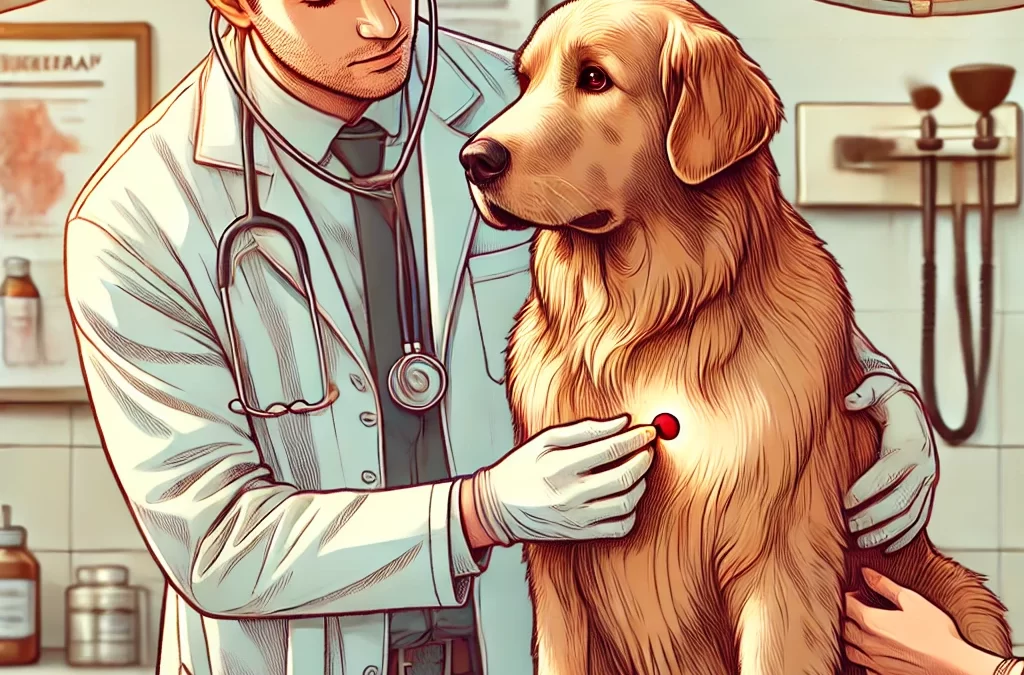
Picture this: You’ve just given your dog a much-deserved belly rub after a fun-filled walk. Suddenly, your fingertips brush against a small bump you’ve never noticed before. Cue the suspenseful music—Has an alien invader (read: malignant tumor) set up camp, or is it just a harmless squatter (benign growth) chilling under your dog’s skin? Before you sound the alarm or shrug it off, let’s shed some light on how to decode these mysterious new tenants in your furry friend’s body.
1. “Growth CSI”: Forensic Clues That Matter
Think of yourself as the detective in a high-stakes crime drama. Your job is to gather all the evidence:
Texture and Mobility: Malignant tumors often feel irregular and may adhere to surrounding tissues, while benign lumps tend to be smoother and more mobile.
Rate of Growth: Is that bump rapidly inflating like a balloon, or has it remained the same size over weeks or months? Faster growth can point to malignancy.
Associated Symptoms: Changes in appetite, lethargy, weight loss, or localized pain might be extra red flags that require immediate attention.
The key takeaway? Don’t jump to conclusions just from how the lump feels. But do keep your “detective notebook” updated with observations.
2. Scientific Intel: Diagnostic Tests Reveal the Truth
Just like any good thriller, you’ll need a qualified partner to crack the case. In this episode, it’s your trusted veterinarian, armed with high-tech tools and a keen eye for detail:
Fine Needle Aspiration (FNA): A quick, minimally invasive test that can provide immediate cellular clues. Think of it as collecting “fingerprints” of the lump’s identity.
Biopsy: Sometimes, a closer look is needed—like analyzing a suspect’s DNA. A biopsy offers a deeper dive into the tissue’s structure and cell behavior.
Imaging Tools: X-rays, ultrasounds, or MRIs act as the detective’s magnifying glass, spotting hidden clues about the growth’s boundaries and potential spread.
3. Tumor or Benign Growth? Understanding the Verdict
After collecting evidence and running tests, the verdict will be in. Malignant tumors—our “alien invaders”—carry the risk of infiltration and metastasis. This often calls for prompt, sometimes aggressive, treatment, which may include surgery, chemotherapy, or radiation. Benign growths—our “harmless squatters”—generally grow slowly and stay confined, but that doesn’t mean you can always ignore them. Some benign masses can still press on vital organs or become ulcerated over time, necessitating removal or periodic monitoring.
4. Crafting a Treatment Masterplan
Whether the diagnosis is a harmless squatter or a confirmed alien invader, having a solid game plan is non-negotiable:
Surgical Removal: Often the first line of defense—like evicting a bad tenant.
Medications & Therapies: Chemotherapy, targeted therapy, or immunotherapy can tip the scales in your dog’s favor if the tumor is malignant.
Lifestyle Adjustments: From specialized diets to gentle exercise routines, holistic support helps your dog feel their best throughout treatment.
Ongoing Monitoring: Think of this as your perimeter patrol to ensure no suspicious lumps return or appear elsewhere.
5. Celebrating the Wins and Sharing the Journey
Finding a new lump can be a scary twist in your beloved pet’s story. Yet remember: not every bump is a doom-and-gloom scenario. Armed with vigilance and a proactive approach, you can turn this “alien vs. squatter” mystery into a manageable subplot in your dog’s life adventure. Share updates with your vet, celebrate small victories (a stable lump, successful surgery, good energy levels), and cherish each tail wag along the way.
Because at the end of the day, every detective story worth telling concludes with hope—and maybe a few extra treats for the world’s best sidekick, your dog.
Discovering a lump on your dog’s stomach can be alarming. As pet owners, our first instinct is often worry—but not all lumps are dangerous. In fact, many are benign and manageable with proper care. To help you navigate this situation, here’s a fresh perspective on understanding, identifying, and addressing stomach lumps in dogs.
What Exactly Is a Stomach Lump?
A stomach lump in dogs refers to any abnormal mass or swelling in the abdominal area. These can vary in size, shape, and texture—some feel soft and movable, while others may be firm or attached to underlying tissues.
The key to handling such lumps lies in observation and timely action. Before jumping to conclusions, let’s explore the most common causes behind these growths.
Common Causes of Stomach Lumps
Lipomas (Fatty Tumors): These are benign, soft, and slow-growing lumps commonly found in older dogs. Lipomas rarely pose a health risk and are usually more of a cosmetic issue.
Hematomas or Abscesses: If your dog recently experienced trauma, the lump could be a hematoma (a collection of blood under the skin) or an abscess caused by an infection. These are often warm and tender to the touch.
Hernias: Hernias occur when internal tissues or organs push through a weak spot in the abdominal wall. They may feel soft and reduce when pressed gently.
Malignant Tumors: Unfortunately, some lumps are cancerous. Mast cell tumors, soft tissue sarcomas, and other malignancies often require prompt veterinary attention and treatment.
Cysts or Sebaceous Gland Growths: These are often fluid-filled sacs or clogged glands that can appear on your dog’s stomach. They’re generally harmless but may require draining or minor surgery if they grow too large.
Signs That Require Immediate Attention
While not all stomach lumps are a cause for concern, certain symptoms signal the need for an urgent vet visit:
The lump grows rapidly in size.
Your dog appears in pain when the area is touched.
The lump is hard, immovable, or irregularly shaped.
There is redness, swelling, or discharge from the area.
Your dog shows signs of lethargy, appetite loss, or other systemic issues.
What to Do If You Discover a Lump
Monitor the Lump: Keep track of its size, texture, and behavior. Taking photos every few days can help you note any changes.
Schedule a Vet Visit: Your veterinarian can perform a physical exam and may recommend diagnostic tests such as a fine-needle aspiration, biopsy, or ultrasound to determine the lump’s nature.
Consider Treatment Options: Depending on the diagnosis, your vet might suggest observation, medication, surgery, or other therapies. For benign growths like lipomas, treatment may not be necessary unless the lump causes discomfort.
Explore Natural Remedies (With Vet Approval): For non-malignant growths, some pet owners turn to natural supplements like turmeric, omega-3 fatty acids, or herbal treatments that promote overall immune health. Always consult your vet before introducing any new supplement.
Prevention Tips for a Healthy Dog
Regular Check-ups: Early detection is key to managing lumps effectively. Regular visits to the vet ensure any changes are addressed promptly.
Balanced Diet: A nutrient-rich diet can support your dog’s overall health and immunity.
Maintain a Healthy Weight: Obesity increases the risk of fatty tumors and other health issues. Keep your dog active and at an ideal weight.
Skin Care: Regular grooming and inspection of your dog’s coat and skin can help you spot abnormalities early.
A Word of Comfort
Not every lump is life-threatening, and advances in veterinary medicine have made diagnosis and treatment more effective than ever. By staying observant and proactive, you can ensure your dog remains happy and healthy.
If you notice a stomach lump, take a deep breath and reach out to your veterinarian. Together, you’ll find the best path forward for your furry companion.
Tags: dog stomach lump, causes of lumps in dogs, dog lump treatment, dog health care, benign tumors in dogs, natural remedies for dogs
Discovering a lump on the right side of your dog’s throat can be a concerning experience for any pet owner. While it’s natural to worry, understanding the potential causes and available treatments is crucial for your dog’s health and your peace of mind. This article delves into the common reasons behind throat lumps in dogs, diagnostic methods, and the most effective treatments, all aimed at optimizing your dog’s health and well-being.
Common Causes of Throat Lumps in Dogs
Benign Tumors: Not all lumps are cancerous. Benign tumors such as lipomas or cysts are common and usually harmless. However, they should still be monitored and evaluated by a veterinarian to rule out any complications.
Infections and Abscesses: Infections, often resulting from bites or wounds, can cause swelling and lumps in the throat area. Abscesses are pus-filled swellings that may require drainage and antibiotics.
Cancerous Growths: Malignant tumors like lymphomas or thyroid carcinomas can present as lumps on the throat. Early detection and treatment are critical for the best outcomes.
Enlarged Lymph Nodes: Lymph nodes can become enlarged due to infections, immune responses, or cancer. Swollen lymph nodes in the throat should be examined to determine the underlying cause.
Diagnostic Methods
Physical Examination: A thorough physical examination by a veterinarian is the first step in diagnosing the nature of the lump. The vet will palpate the lump to assess its size, texture, and mobility.
Fine Needle Aspiration (FNA): FNA involves using a thin needle to extract cells from the lump for microscopic examination. This minimally invasive procedure helps in determining whether the lump is benign or malignant.
Biopsy: If FNA results are inconclusive or suggest malignancy, a biopsy may be performed. This involves removing a larger tissue sample for detailed analysis.
Imaging Techniques: X-rays, ultrasounds, and CT scans provide detailed images of the lump and surrounding tissues, helping to identify the lump’s nature and plan further treatment.
Effective Treatment Options
Surgical Removal: For benign tumors and some malignant growths, surgical removal is often the best option. This procedure eliminates the lump and reduces the risk of further complications.
Radiation Therapy: For inoperable or malignant tumors, radiation therapy can shrink the tumor and alleviate symptoms. It’s often used in conjunction with surgery or chemotherapy.
Chemotherapy: Chemotherapy is used for treating malignant tumors, especially if they have spread. This treatment can help control cancer growth and improve your dog’s quality of life.
Antibiotics and Drainage: In cases of infections and abscesses, antibiotics are prescribed to combat the infection. Abscesses may require surgical drainage to remove pus and reduce swelling.
Holistic and Supportive Care: Supplements like Baituxiao can be integrated into your dog’s treatment plan to boost the immune system, reduce inflammation, and improve overall health. Holistic approaches, including acupuncture and herbal remedies, can complement conventional treatments.
Preventive Measures and Monitoring
Regular Check-ups: Routine veterinary visits are crucial for early detection and treatment of any lumps or abnormalities. Regular check-ups ensure that any changes in your dog’s health are promptly addressed.
Home Monitoring: Pet owners should regularly check their dogs for any unusual lumps or changes in existing lumps. Keeping a record of the lump’s size, shape, and growth rate can be helpful for the veterinarian.
Healthy Lifestyle: A balanced diet, regular exercise, and proper grooming contribute to your dog’s overall health and can help prevent various health issues, including lumps.
Understanding and treating lumps on your dog’s throat is essential for maintaining their health and quality of life. By being informed about the potential causes, diagnostic methods, and treatment options, you can ensure that your dog receives the best possible care. Always consult with a veterinarian to determine the most appropriate course of action for your pet. Early detection and timely intervention are key to effectively managing and treating throat lumps in dogs.
As pet owners, discovering a lump on your dog can be alarming. However, it’s important to note that not all lumps are cancerous. In fact, many lumps on dogs are benign. Understanding the nature of these lumps and how to manage them can help you care for your pet better and reduce unnecessary anxiety.
Key Characteristics of Non-Cancerous Lumps
Non-cancerous lumps often have the following characteristics:
Slow Growth: These lumps typically grow slowly, sometimes over months or even years before showing significant changes.
Good Mobility: Benign lumps are usually soft and can move easily under the skin, rather than being fixed in one spot.
Painless: Most benign lumps do not cause pain or discomfort to the dog unless they are located in a sensitive area.
Regular Shape: These lumps generally have smooth and regular edges.
Common Types of Non-Cancerous Lumps
1. Lipomas
Lipomas are the most common type of non-cancerous lump, often found in older dogs. They are made up of fat cells, are soft to the touch, and can move easily. Lipomas typically do not cause pain or discomfort.
2. Sebaceous Cysts
Sebaceous cysts are small sacs filled with fluid or semi-solid material, formed from skin cells. These cysts are usually harmless but may require treatment if they rupture or become infected.
3. Scar Tissue
Scar tissue can form lumps following an injury. These lumps are generally harmless but should be monitored for any changes.
How to Handle Non-Cancerous Lumps
While non-cancerous lumps are typically harmless, regular monitoring and veterinary checks are essential to ensure they do not grow or change. Here are some tips on managing these lumps:
Regular Check-Ups: Examine your dog’s skin monthly to look for new lumps or changes in existing ones.
Keep Records: Document the size, shape, and location of any lumps to provide detailed information during vet visits.
Consult Your Vet: If you find any lump, it’s best to consult your veterinarian. They may perform a fine needle aspiration or biopsy to determine the nature of the lump.
Conclusion
Non-cancerous lumps on dogs are often harmless but require attention and care. By regularly checking your dog and consulting with your veterinarian, you can ensure your pet remains healthy and promptly address any issues. Remember, attention to detail and timely action are key to managing your pet’s health effectively.