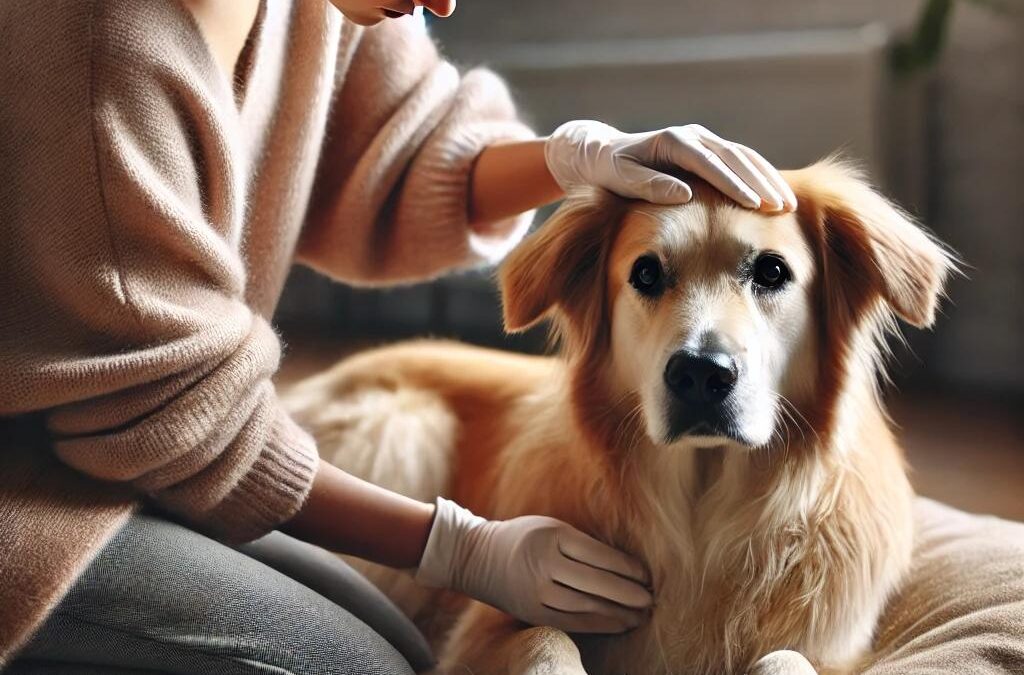
English Setter cancer risks, early tumor symptoms in English Setters, common cancers in this breed are important topics for any owner of this elegant, gentle gundog. As a medium-to-large sporting breed known for its sweet nature and athletic build, the English Setter is generally a healthy dog, but like many purebreds, it carries some predispositions to certain health problems, including several types of tumors and cancers as it ages.
—
A. Breed Overview: English Setter Health at a Glance
English Setters are medium-to-large dogs, usually weighing 45–80 pounds, with males typically larger than females. They’re well known for their:
– Friendly, soft temperament
– High energy and need for regular exercise
– Long, feathered coat and characteristic “belton” speckling
– Strong bond with family and generally gentle nature with children and other pets
Their average lifespan is often around 10–12 years, though some live longer with good care. As a sporting breed, they are built for stamina and field work, which can help keep them fit, but their size and genetics do play a role in their health profile.
Research and clinical experience suggest that English Setters, like many medium-large and sporting breeds, may have an increased tendency toward certain cancers compared with mixed breeds, especially as they move into middle age and senior years. While not every English Setter will develop cancer, owners should be aware of patterns that veterinarians commonly see in this breed.
—
B. Tumor and Cancer Risks for English Setters
Common cancers in this breed
Not every English Setter will experience serious disease, but some tumor types are reported more often in dogs of similar size and type. The following are among the more frequently seen:
1. Lymphoma (lymphosarcoma)
This is a cancer of the lymphatic system (lymph nodes, spleen, etc.). Medium and large breeds, including setters, can be overrepresented. Signs may start subtly—swollen lymph nodes under the jaw or behind the knees, or vague changes like lower energy.
2. Hemangiosarcoma
A malignant cancer arising from blood vessel cells, often found in the spleen, liver, or heart. It’s seen more often in larger, active breeds. English Setters, being athletic and mid-to-large sized, fall into this risk category. This cancer can be silent until it causes internal bleeding.
3. Mast cell tumors (MCTs)
These are common skin tumors in dogs. English Setters, with their fair skin under a light coat, can develop various skin lumps; some of these may be benign fatty tumors, but others like mast cell tumors need prompt evaluation. MCTs can look like harmless bumps, so testing is essential.
4. Soft tissue sarcomas
These are tumors arising from connective tissues (fat, muscle, etc.) and can occur anywhere on the body. Medium and large breeds may be more prone. They often appear as firm, slow-growing lumps under the skin.
5. Osteosarcoma (bone cancer)
While seen most commonly in giant breeds, medium-large sporting breeds may also be affected. This aggressive cancer typically affects the long bones of the legs, often causing lameness that worsens over time.
Why English Setters may be at risk
Several factors can influence tumor risk:
– Body size and build: Larger dogs, including English Setters, have a relatively higher incidence of certain cancers such as hemangiosarcoma and osteosarcoma compared with smaller breeds.
– Genetics and purebred status: Breeding within a limited gene pool can concentrate both desirable traits and disease risks. Some lines may have more cancer history than others.
– Light coat and skin exposure: While fur offers protection, fair skin under a light coat may be more vulnerable to sun damage over time, contributing to skin changes. This doesn’t guarantee cancer but highlights the importance of regular skin and coat checks.
– Sex and neuter status: Hormones can influence the risk of certain reproductive tract cancers. Decisions about spaying or neutering should always be made with a veterinarian, balancing cancer risk, joint health, and overall well-being.
Understanding these general tendencies can help you stay vigilant without becoming alarmed. The goal is awareness and early action, not worry.
—
C. Early Warning Signs Owners Should Watch For
Early tumor symptoms in English Setters
Because English Setters are often stoic and eager to please, they may hide discomfort until disease is advanced. Regular observation at home can make a meaningful difference. Pay attention to:
1. New or changing skin lumps
– Any bump, nodule, or thickening under or on the skin
– Lumps that change in size, color, or texture
– Sores that don’t heal or areas that bleed easily
Tip: Run your hands over your dog’s body at least once a month, especially along the chest, belly, thighs, and under the tail and ears. Note any changes and mention them to your veterinarian.
2. Weight loss or appetite changes
– Eating less or becoming “picky” without an obvious cause
– Gradual weight loss despite normal feeding
– Increased drinking or urination can also be a red flag for several diseases
3. Lethargy and decreased stamina
English Setters are naturally active. Signs that may warrant attention include:
– Reluctance to run or play like usual
– Sleeping more and engaging less with the family
– Seeming “down” or less enthusiastic over days to weeks
4. Pain, lameness, or mobility issues
– Limping that doesn’t improve in a few days
– Swollen limbs, joints, or visible bone deformity
– Difficulty rising, jumping into the car, or climbing stairs
While joint disease is common in older sporting dogs, persistent pain or a non-healing lameness can sometimes signal bone or soft tissue tumors.
5. Bleeding, coughing, or other internal signs
– Sudden collapse, pale gums, or abdominal swelling can indicate internal bleeding (a possible sign of hemangiosarcoma) and need emergency veterinary care.
– Chronic coughing, breathing changes, or nasal discharge that doesn’t resolve should also be checked promptly.
When to seek veterinary care
Contact your veterinarian if you notice:
– Any new lump lasting longer than 1–2 weeks
– A lump that grows, hardens, or changes quickly
– Unexplained weight loss or appetite changes lasting more than a week
– Ongoing lameness, especially with swelling or visible bone change
– Sudden weakness, collapse, or trouble breathing (emergency)
Only a veterinarian can determine what a lump or symptom represents. Early evaluation allows more options and better planning, whether the issue is benign or more serious.
—
D. Senior Care Considerations for English Setters
As English Setters age—often from around 7–8 years onward—they naturally slow down. At the same time, their risk of tumors and cancer rises.
How aging affects this breed
Common age-related changes include:
– Decreased muscle mass and stamina
– Stiffness from arthritis or old injuries
– Slower metabolism and easier weight gain
– Dulling of senses (hearing, vision)
Because an older Setter might not exercise as vigorously, it’s easy to miss subtle declines in health or early signs of disease.
Nutrition and body condition
Maintaining a healthy, lean body condition is one of the most powerful things you can do to support longevity and reduce cancer-related risk factors.
– Choose an age-appropriate diet: A senior or adult formula suited to your dog’s activity level can help maintain muscle while avoiding excess calories.
– Monitor weight monthly: You should be able to feel ribs easily with light pressure and see a slight waist from above.
– Adjust portions based on condition, not just feeding guidelines: Discuss any weight changes or appetite shifts with your veterinarian, as these can be early signs of illness.
Exercise and activity adjustments
English Setters remain active and playful well into their senior years, but they may need:
– Shorter, more frequent walks instead of long, high-impact runs
– Gentle off-leash time in safe, fenced areas if mobility allows
– Mental enrichment (scent games, gentle training) to keep them engaged
Avoid abrupt increases in activity and monitor for excessive panting, limping, or fatigue afterward.
Joint care and pain management
Old sporting dogs commonly develop arthritis:
– Provide soft bedding and minimize slippery floors.
– Use ramps or steps for car entry or furniture if allowed.
– Ask your veterinarian about safe pain-relief options and joint-supportive measures (such as specific diets, medications, or supplements). Never give human pain medications without veterinary guidance.
Veterinary check-ups and screening
For senior English Setters, consider:
– Twice-yearly wellness exams once your dog reaches about 7–8 years, or earlier if your vet advises.
– Baseline bloodwork and urinalysis to monitor organ function.
– Regular lump checks during appointments; your vet may recommend sampling certain masses with a fine needle.
– Additional imaging or screening tests may be recommended based on exam findings, age, or family history.
A close partnership with your veterinarian helps catch small problems before they become big ones.
—
E. General Tumor Prevention & Wellness Support
No approach can guarantee that a dog will not develop cancer, but you can support overall health and potentially reduce certain risk factors.
Weight management and physical health
– Keep your English Setter lean and fit with balanced nutrition and daily activity.
– Preventing obesity can lower inflammation and strain on the body, which benefits joints, heart, and general resilience.
Diet, hydration, and lifestyle
– Feed a complete, balanced dog food appropriate for age, size, and activity.
– Provide fresh water at all times and encourage regular drinking, especially after exercise.
– Limit excess high-calorie treats; use small, healthy rewards instead.
Speak with your veterinarian before making major diet changes, especially for senior dogs or those with other health conditions.
Environmental considerations
– Sun exposure: While their coat offers protection, avoid prolonged intense midday sun, especially on thinly furred areas like the nose and belly.
– Tobacco smoke and chemicals: Minimize exposure to secondhand smoke and harsh lawn chemicals where possible.
– Safe exercise: Regular gentle exercise supports immune function, weight control, and mental well-being.
Natural and integrative wellness support
Some owners explore supportive options such as:
– Omega-3 fatty acids
– Certain vitamins or herbal blends
– Joint-support supplements
These may contribute to overall wellness in some dogs, but they should not be used as a stand-alone approach for cancer prevention or treatment. Always:
– Discuss any supplement or natural product with your veterinarian first.
– Avoid products making bold cure or “anti-cancer” claims without scientific backing.
—
F. Optional Integrative Care: Complementing Modern Veterinary Treatment
For English Setters living with tumors or cancer, some families choose to add holistic or traditional wellness approaches alongside conventional care recommended by a veterinary oncologist.
Potential supportive approaches can include:
– Acupuncture or massage to help with comfort and mobility
– Gentle physical therapy to maintain strength and function
– Dietary adjustments focused on maintaining body condition and supporting digestion
These methods may help support quality of life, comfort, and overall resilience. They are best used as complements to, not replacements for, evidence-based diagnostics and treatment plans.
If you’re interested in integrative options:
– Seek out veterinarians with additional training in integrative or holistic medicine.
– Ensure all practitioners coordinate with your primary vet, so treatments are safe and aligned.
—
Conclusion
English Setters are loving, athletic companions who can be prone to several types of tumors and cancer, particularly as they reach middle age and beyond. By understanding English Setter cancer risks, staying alert to early tumor symptoms in English Setters, and knowing the more common cancers in this breed, you can act quickly if something seems “off.” Regular veterinary check-ups, thoughtful senior care, and day-to-day monitoring at home form the foundation of early detection. With attentive, breed-aware care and a strong partnership with your veterinarian, you can give your English Setter the best chance for a long, comfortable, and joyful life.
Finding a lump or bump on your dog can be an alarming experience, but not all growths are dangerous. Cysts, for instance, are relatively common in dogs and are often benign. However, the question arises: will a dog cyst go away on its own? Let’s break down this issue, exploring the types, causes, and natural approaches to managing cysts, as well as when professional intervention is necessary.
What Exactly Is a Cyst?
A cyst is a closed sac filled with fluid, semi-solid material, or air. They often form beneath the skin and can vary in size. Cysts in dogs are typically caused by blocked hair follicles, trauma, or infections. While most are harmless, understanding their nature is key to ensuring your dog’s health.
Types of Cysts in Dogs
Sebaceous Cysts: Result from blocked oil glands and are the most common type. These often appear as small, slow-growing lumps and can rupture over time.
Follicular Cysts: Linked to hair follicle blockages, often due to irritation or genetics.
True Cysts: Encased in an epithelial lining, these are rare but distinct.
Abscesses: Though not technically cysts, they are infected lumps filled with pus and often mistaken for cysts.
Will It Resolve on Its Own?
The answer depends on the type of cyst and the underlying cause:
Sebaceous Cysts: These may rupture and drain on their own, but they often refill unless the sac is completely removed.
Follicular Cysts: These rarely disappear without intervention and may grow over time.
Infected Cysts or Abscesses: Require immediate treatment to prevent complications. They won’t heal on their own.
While some cysts may reduce in size temporarily, complete self-resolution is uncommon.
Natural Approaches to Manage Cysts
If the cyst is small, non-painful, and your veterinarian has confirmed it’s benign, natural management can be considered. These remedies aim to reduce inflammation, prevent infection, and promote skin health:
1. Warm Compress
A warm compress can encourage blood flow to the area, helping the cyst drain naturally. Use a clean cloth soaked in warm water and gently apply it for 5–10 minutes, twice daily.
2. Turmeric Paste
Turmeric’s anti-inflammatory and antimicrobial properties make it a favorite in holistic pet care. Mix turmeric powder with coconut oil to form a paste and apply it to the cyst (with vet approval).
3. Castor Oil
Rich in ricinoleic acid, castor oil can help reduce inflammation. Dab a small amount onto the cyst with a cotton swab.
4. Dietary Adjustments
Boosting your dog’s diet with omega-3 fatty acids (fish oil) and antioxidants can improve overall skin health. Ensure their diet is rich in vitamins E and C to support tissue repair.
5. Herbal Remedies
Calendula and chamomile compresses have soothing effects and may promote healing.
When to See a Veterinarian
While natural remedies can be effective for managing small, benign cysts, some situations require professional attention:
Rapid Growth: If the cyst increases in size quickly, it could indicate an underlying issue.
Pain or Discomfort: If your dog shows signs of pain, avoids being touched, or licks the area obsessively.
Infection: Redness, swelling, warmth, or oozing pus are signs of an infected cyst.
Multiple Lumps: Could indicate a systemic issue or a different condition.
Location Concerns: Cysts near joints or vital organs should be examined promptly.
A Balanced Approach: Combining Nature and Science
A dog cyst, while often harmless, requires careful observation. Combining natural remedies with veterinary guidance ensures your dog’s comfort and safety. Remember, cysts rarely disappear entirely on their own, so proactive care is essential.
The takeaway? Don’t panic if you discover a cyst on your dog. Instead, monitor its size and behavior, use natural therapies when appropriate, and consult your vet to rule out more serious conditions. By taking a balanced and informed approach, you can keep your furry friend healthy, happy, and thriving.
Fatty lumps, or lipomas, are one of the most common non-cancerous growths in dogs, particularly as they age. Pet owners often feel a sense of alarm when they discover these lumps, but most lipomas are benign. In this article, we’ll explore what these lumps feel like, how to distinguish them from other growths, and tips on when to consult a veterinarian.
1. What Are Fatty Lumps?
Definition of Lipomas: Lipomas are soft, fatty deposits that form under the skin, usually in older or overweight dogs.
Common Locations: Typically found on the torso, armpits, and limbs but can appear in various locations.
Cause: Though exact causes aren’t fully known, they may be linked to age, breed, genetics, and weight.
2. The Feel of Fatty Lumps:
Soft and Movable: Lipomas are generally soft and slightly squishy, feeling somewhat like a lump of dough under the skin. They’re easy to move with a gentle push, which often differentiates them from harder, less mobile growths.
Not Painful: Unlike cysts or abscesses, lipomas are not painful unless they press on a nerve or joint.
Consistent Texture: Lipomas usually feel the same throughout, with a homogenous, doughy texture.
3. Differences Between Lipomas and Other Types of Lumps:
Cysts: Often firmer, cysts can be fluid-filled and sometimes have a central punctum, unlike the uniformity of a lipoma.
Abscesses: These are usually painful and feel warm to the touch, often accompanied by redness.
Cancerous Growths: Malignant lumps can feel harder, are often fixed in place, and can grow quickly or irregularly. Tumors might feel irregular in shape or firm.
Fibromas: These benign tumors feel firmer than lipomas and are less mobile but are usually harmless.
4. When Should You Worry?
Growth Rate: If a lump grows quickly, changes shape, or becomes painful, it’s best to consult a vet immediately.
Location Concerns: Lumps near joints or in areas that affect mobility may require removal or monitoring.
Multiple Lumps: Multiple lipomas are common in some breeds, but if new lumps appear rapidly, consider a veterinary check.
5. Diagnosing Lipomas:
Veterinary Examination: A vet can confirm if a lump is a lipoma through palpation.
Fine Needle Aspiration (FNA): For a more definitive diagnosis, FNA can collect cells from the lump for analysis, providing clarity on whether the lump is benign or requires further investigation.
6. Should Lipomas Be Removed?
When Surgery is Needed: Generally, lipomas are left alone unless they cause discomfort, restrict movement, or grow excessively.
Minimally Invasive Options: Newer methods, like liposuction or steroid injections, may help reduce lipomas in some cases.
7. Prevention and Health Tips for Reducing Lipomas:
Maintain a Healthy Weight: Obesity is a known risk factor for lipomas.
Regular Check-Ups: Regular vet visits allow for early detection and monitoring of any new growths.
Balanced Diet and Exercise: A balanced diet and consistent exercise can help prevent obesity, which may reduce the likelihood of lipomas.
Conclusion: While fatty lumps in dogs can be concerning, they’re often harmless and easy to manage. By understanding the feel, causes, and symptoms of lipomas, dog owners can make informed decisions about their pet’s health. If you’re unsure about a lump on your dog, always seek professional advice for peace of mind.
Cancer in dogs is a growing concern among pet owners, and early detection plays a crucial role in improving treatment outcomes. Dogs, like humans, can develop various types of cancer, and recognizing the early signs is vital for initiating prompt veterinary care. Being proactive and observant about your dog’s health can help catch cancer in its early stages, giving your dog the best chance at a longer, healthier life.
In this article, we will explore key symptoms that could indicate cancer in dogs and provide practical tips on how to detect these signs early. We will also discuss the importance of regular check-ups and preventive care.
Early Warning Signs of Cancer in Dogs
Unexplained Lumps or Growths Not all lumps and bumps are dangerous, but sudden or growing masses should never be ignored. Any unexplained growths or lumps that increase in size or change in appearance could be a sign of a tumor, which could be benign or cancerous. A veterinary exam, including a biopsy or imaging, is necessary to determine the nature of the lump.
Unusual Odors Persistent foul odors from your dog’s mouth, nose, or other areas can be an indication of cancer, particularly in the mouth, nasal cavity, or anal glands. While bad breath can have several causes, cancer-related odors tend to be more intense and long-lasting.
Non-Healing Sores Wounds or sores that do not heal within a reasonable time frame should be examined by a vet. Non-healing sores, especially on the skin, mouth, or paw pads, could be indicative of cancer, such as melanoma or squamous cell carcinoma.
Persistent Lameness or Difficulty Moving If your dog starts to limp or shows signs of pain while walking, jumping, or playing, it could be due to cancer affecting the bones or muscles. Bone cancer (osteosarcoma) often presents with lameness that doesn’t improve over time, so it’s important to get this checked out as soon as possible.
Weight Loss or Loss of Appetite Sudden, unexplained weight loss is a common sign of cancer in dogs. Even if your dog is eating normally, cancer can affect how the body metabolizes nutrients, leading to significant weight loss. If your dog is also showing less interest in food, it could be related to gastrointestinal or other internal cancers.
Chronic Coughing or Breathing Difficulties Lung cancer or cancers that have spread to the respiratory system can cause chronic coughing, wheezing, or shortness of breath. If your dog experiences any of these symptoms, it’s essential to see a vet for an evaluation, especially if the symptoms persist.
Swollen Lymph Nodes Enlarged lymph nodes are a common symptom of lymphoma, one of the most prevalent cancers in dogs. You can feel for swollen lymph nodes under your dog’s jaw, in front of the shoulders, or behind the knees. If these areas feel unusually swollen, consult your vet for further testing.
Abdominal Swelling or Distention Abnormal swelling in the abdomen may be caused by internal tumors or fluid accumulation due to cancer. Bloating or distention should not be overlooked, as it can indicate more severe conditions like liver, spleen, or gastrointestinal cancers.
Behavioral Changes If your dog suddenly becomes lethargic, irritable, or avoids contact with people and other pets, it may be a sign of discomfort caused by cancer. Dogs often become more withdrawn or depressed when they are in pain or feel unwell, so any noticeable changes in behavior should be taken seriously.
How to Perform Routine At-Home Health Checks
As a responsible pet owner, you can perform regular at-home checks to monitor your dog’s health and catch any concerning changes early. Here’s a simple routine to follow:
Check for Lumps and Bumps: Run your hands over your dog’s body regularly to check for any new lumps, growths, or changes in their skin. Focus on areas like the chest, abdomen, and legs where tumors may be more noticeable.
Examine the Mouth and Gums: Look inside your dog’s mouth for any abnormal growths, dark patches, or unusual odors. Make sure to check the gums and teeth for signs of discoloration or swelling.
Monitor Eating and Drinking Habits: Keep an eye on how much your dog is eating and drinking. Any sudden loss of appetite or significant increase in water intake could be a sign of underlying health problems, including cancer.
Track Weight and Activity Levels: Weigh your dog periodically and take note of any sudden changes in weight or activity. If your dog becomes less active or starts to lose weight unexpectedly, consider scheduling a vet visit.
Check for Swollen Lymph Nodes: Feel for swollen lymph nodes under your dog’s neck, behind the knees, and in front of the shoulders. Any noticeable swelling should be brought to the attention of a veterinarian.
Importance of Regular Veterinary Check-Ups
While at-home checks are essential, they should not replace regular visits to the veterinarian. Routine check-ups allow your vet to perform more thorough exams, including blood work, X-rays, and other diagnostic tests, to catch signs of cancer or other illnesses early. As your dog ages, these check-ups become even more critical since cancer risk increases with age.
For older dogs or breeds prone to certain cancers, your vet may recommend more frequent screenings or specific tests to monitor for early signs of the disease. Early detection through routine veterinary care can significantly improve the chances of successful treatment.
Preventive Measures to Reduce Cancer Risk
Although not all cancers can be prevented, there are steps you can take to reduce your dog’s risk:
Maintain a Healthy Diet Feeding your dog a well-balanced diet with high-quality ingredients helps keep their immune system strong and may reduce the risk of certain cancers. Avoid low-grade commercial foods that may contain harmful preservatives or artificial additives.
Regular Exercise Exercise helps maintain a healthy weight and supports your dog’s overall well-being. Keeping your dog physically active can also reduce their risk of obesity, which has been linked to a higher incidence of cancer in dogs.
Avoid Carcinogens Limit your dog’s exposure to environmental carcinogens such as second-hand smoke, pesticides, and household chemicals. Keeping your dog’s living environment clean and free from harmful substances can help reduce cancer risk.
Spay or Neuter Spaying or neutering your dog can significantly lower the risk of certain cancers, such as mammary and testicular cancers. Speak with your vet about the appropriate timing for this procedure based on your dog’s breed and health.
Sun Protection Dogs with light-colored fur or thin coats are more susceptible to skin cancer from sun exposure. Limit your dog’s time in the sun, particularly during peak hours, and consider applying pet-safe sunscreen to sensitive areas like the nose and ears.
Detecting cancer in dogs early can make a significant difference in their prognosis and treatment success. By being vigilant and conducting regular at-home checks, you can catch early signs of cancer before it progresses. Pairing this with regular veterinary check-ups and preventive care measures will help ensure your dog stays healthy and happy for as long as possible.
With early detection and appropriate treatment, many dogs can live longer and maintain a good quality of life, even after a cancer diagnosis. Take proactive steps to monitor your dog’s health and stay informed about the risks and symptoms of canine cancer.
Cancer is one of the leading causes of death in dogs, with the Flint Animal Cancer Center reporting that up to 50% of dogs succumb to the disease. Just like in humans, early detection is critical in increasing the chances of successful treatment. While many symptoms can be caused by other conditions, recognizing potential warning signs early on could make a big difference in your dog’s prognosis.
Key Signs and Symptoms of Canine Cancer
Here are some of the most common signs of cancer in dogs. If you notice any of these symptoms, it’s important to schedule a veterinary visit to rule out any serious conditions.
1. Collapsing or Weakness
Sudden weakness, lethargy, or collapsing can be a sign of a serious health issue, including cancer. Large breed dogs are particularly prone to tumors of the spleen, which can cause these symptoms. Even if your dog seems to recover quickly, it’s essential to have them checked by a vet immediately.
2. Unusual Lumps and Bumps
Lumps and swellings that don’t go away or continue to grow can be a sign of tumors. Not all lumps are cancerous, but it’s important to have any abnormal growths examined to rule out malignancy.
3. Abnormal Discharges
Any unusual discharge, including bleeding, vomiting, diarrhea, or pus, could be an indicator of an underlying health issue, including cancer. If your dog shows these symptoms, consult your veterinarian for an evaluation.
4. Weight Loss or Loss of Appetite
A sudden lack of interest in food and noticeable weight loss can signal serious illness. If your dog’s appetite decreases without an obvious cause, such as a change in food or routine, it’s time to consult your vet.
5. Difficulty Breathing, Urinating, Defecating, Eating, or Swallowing
When everyday functions like breathing, eating, or going to the bathroom become a challenge for your dog, it could indicate a more serious health issue. Tumors can block airways, digestive tracts, or urinary pathways, so these symptoms should not be ignored.
6. Pain or Sensitivity
If your dog becomes sensitive to touch, limps, or avoids physical activity, they may be in pain. While joint issues or arthritis can cause similar symptoms, it’s worth investigating if cancer could be the underlying cause.
While many of these symptoms can be related to non-cancerous conditions, early detection of cancer in dogs can be crucial for successful treatment. If your dog shows any of these signs, don’t hesitate to seek veterinary attention. Regular check-ups and staying vigilant about your dog’s health can make all the difference.