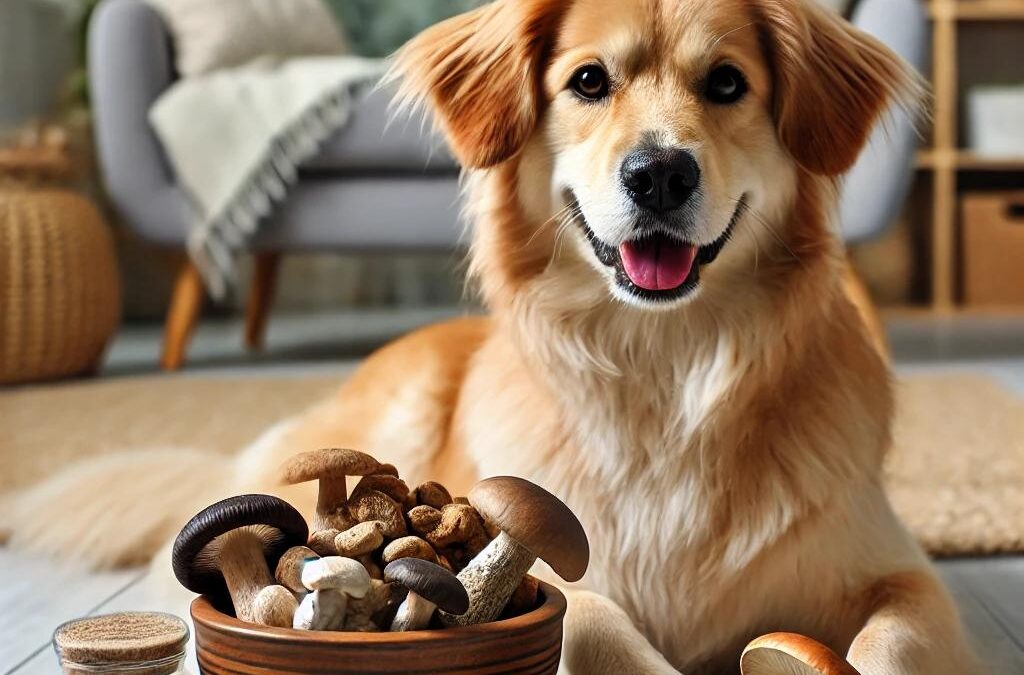
by TCMVET | Sep 13, 2024 | Food & Health
Mushrooms have long been valued for their nutritional and medicinal properties in human diets, but did you know that certain mushroom species can also benefit your dog? With more than fourteen thousand species of mushrooms discovered and classified, around three thousand are considered edible, and many of these varieties pack a nutritional punch that extends beyond humans. In fact, edible mushrooms can provide significant health benefits for your dog, promoting everything from immune system support to reducing inflammation.
1. Nutritional Powerhouses: Why Mushrooms are Good for Dogs
Mushrooms are rich in vitamins, minerals, and antioxidants that are essential for maintaining good health. These nutrients work in synergy with natural compounds and enzymes to provide numerous health benefits. Some of these include decreasing cancer risks, supporting the immune system, improving digestive health, and even protecting the brain. This makes mushrooms a valuable addition to your dog’s diet, especially when you choose varieties that are known for their specific health benefits.
2. Mushroom Varieties That Benefit Your Dog
Not all mushrooms are safe for dogs, but certain species can offer incredible health advantages. Here are a few mushrooms that can help your dog thrive:
- Shiitake: Known for its immune-boosting properties, Shiitake mushrooms are also rich in antioxidants, which help reduce inflammation and support overall health.
- Turkey Tail: This mushroom is famous for its cancer-fighting properties. It contains polysaccharides that stimulate the immune system and may even help prevent tumor growth in dogs.
- Maitake: Rich in beta-glucans, Maitake mushrooms enhance the immune system and have anti-inflammatory effects, making them great for dogs with arthritis or joint issues.
- Reishi: Often called the “Mushroom of Immortality,” Reishi mushrooms help reduce stress, improve sleep, and support heart health.
- Chaga: This powerful mushroom is packed with antioxidants, which help protect your dog’s cells from oxidative damage and support overall health.
- Cordyceps: Known for boosting energy levels, Cordyceps mushrooms also support lung function and help improve endurance, making them an excellent choice for active dogs.
3. How Mushrooms Can Help Dogs with Health Conditions
Incorporating these mushrooms into your dog’s diet can offer targeted health benefits. For example, dogs suffering from chronic inflammation, such as those with arthritis, can benefit from the anti-inflammatory properties of mushrooms like Reishi and Maitake. Additionally, dogs with weakened immune systems can gain significant support from the immune-boosting properties of Shiitake and Turkey Tail mushrooms.
4. Safe Mushroom Use for Dogs
While mushrooms can be highly beneficial for your dog, not all mushrooms are safe. Some wild mushrooms are toxic, so it’s important to only feed your dog species that are known to be safe and beneficial. It’s also a good idea to consult with your veterinarian before introducing mushrooms into your dog’s diet, particularly if your dog has existing health conditions or is taking medication.
Mushrooms are a fantastic, nutrient-dense food that can provide numerous health benefits for your dog. From boosting the immune system to reducing inflammation and improving energy levels, certain mushroom varieties like Shiitake, Turkey Tail, Maitake, Reishi, Chaga, and Cordyceps are packed with valuable compounds that can promote your dog’s overall well-being. With the right guidance, incorporating mushrooms into your dog’s diet can be an excellent way to support their health.

by TCMVET | Jul 28, 2024 | pet Chinese herbal medicine
Mammary tumors are a significant health concern for dogs, especially in unspayed females. While conventional treatments like surgery and chemotherapy are common, many pet owners are seeking natural remedies to support their dogs’ health and potentially shrink these tumors. This article explores effective natural strategies, highlighting the benefits of incorporating Baituxiao, a promising product from TCMVET, into your dog’s care regimen.
Understanding Mammary Tumors in Dogs
Mammary tumors, also known as breast cancer in dogs, can be benign or malignant. Early detection and treatment are crucial for improving outcomes. Symptoms to watch for include lumps around the mammary glands, changes in nipple appearance, and swelling or discharge from the nipples.
The Role of Natural Remedies in Tumor Management
Natural remedies can play a supportive role in managing mammary tumors by boosting the immune system, reducing inflammation, and promoting overall well-being. Here are some effective strategies:
1. Diet and Nutrition
A balanced diet rich in antioxidants, vitamins, and minerals is essential for dogs with mammary tumors. Foods high in omega-3 fatty acids, such as fish oil, can help reduce inflammation and support the immune system. Additionally, incorporating fresh vegetables and lean proteins can provide essential nutrients that promote health.
2. Herbal Supplements
Certain herbs are known for their anti-cancer properties. Turmeric, for example, contains curcumin, which has been shown to inhibit tumor growth and reduce inflammation. Milk thistle is another beneficial herb that supports liver function and detoxification, helping the body process and eliminate toxins more effectively.
3. Acupuncture and Traditional Chinese Medicine (TCM)
Acupuncture can help manage pain and improve overall energy flow in dogs with cancer. TCM offers various herbal formulations that can support the immune system and promote healing.
4. Baituxiao: A Natural Powerhouse
Baituxiao, a product from TCMVET, has gained attention for its potential benefits in managing tumors in dogs. Formulated with natural ingredients, Baituxiao aims to support the immune system and inhibit tumor growth.
How Baituxiao Supports Tumor Management
Baituxiao combines traditional Chinese herbs known for their anti-cancer properties. Key ingredients include:
- Astragalus Membranaceus: Boosts immune function and enhances the body’s ability to fight cancer cells.
- Scutellaria Barbata: Known for its anti-inflammatory and anti-tumor properties.
- Curcuma Longa: Contains curcumin, which helps reduce inflammation and inhibit cancer cell proliferation.
Pet owners have reported positive outcomes when incorporating Baituxiao into their dogs’ care regimen, noting improvements in energy levels, appetite, and overall well-being.
Practical Steps to Integrate Natural Remedies
Consult Your Veterinarian
Before introducing any new supplement or remedy, it’s crucial to consult with your veterinarian. They can help tailor a treatment plan that includes both conventional and natural therapies, ensuring the best care for your dog.
Gradual Introduction
Start by gradually introducing new supplements or dietary changes to your dog’s routine. Monitor their response and make adjustments as needed.
Regular Monitoring
Keep track of your dog’s progress with regular veterinary check-ups and monitoring. This helps ensure that any changes in their condition are promptly addressed.
Natural remedies, including the integration of products like Baituxiao, offer promising support for managing mammary tumors in dogs. By combining a balanced diet, herbal supplements, acupuncture, and innovative products, you can help improve your dog’s quality of life and potentially reduce tumor size. Always work closely with your veterinarian to develop a comprehensive treatment plan tailored to your dog’s specific needs. With the right approach, you can provide your furry friend with the best possible care on their journey to health and recovery.

by TCMVET | Jul 28, 2024 | Food & Health
Ensuring your dog receives the best nutrition possible is a top priority for any pet owner. One of the most crucial components of a healthy canine diet is protein. But with so many options available, how do you choose the ultimate protein for your dog? This guide will explore the various sources of protein, their benefits, and how to select the right one to keep your furry friend healthy and thriving.
Understanding the Importance of Protein in a Dog’s Diet
Protein plays a vital role in your dog’s overall health. It is essential for:
- Muscle Development and Repair: Protein provides the amino acids necessary for building and repairing muscles.
- Immune Function: Amino acids from proteins support the immune system, helping your dog fight off infections and diseases.
- Skin and Coat Health: Adequate protein intake promotes a shiny coat and healthy skin.
- Energy: Proteins are a key source of energy, especially for active dogs.
Top Protein Sources for Dogs
1. Chicken
Chicken is a popular protein source in dog food due to its high digestibility and affordability. It is rich in essential amino acids and provides a good balance of omega-6 fatty acids.
2. Beef
Beef is another excellent source of protein, providing essential nutrients like iron, zinc, and B vitamins. It is particularly beneficial for dogs with high energy needs.
3. Fish
Fish, such as salmon and sardines, are rich in omega-3 fatty acids, which support heart health, reduce inflammation, and promote a healthy coat. Fish is also a good option for dogs with food allergies.
4. Lamb
Lamb is a highly digestible protein source, often used in hypoallergenic dog foods. It is rich in essential amino acids and a good source of vitamins and minerals like iron and zinc.
5. Turkey
Turkey is a lean protein source that provides essential amino acids and is lower in fat compared to beef. It is a great option for dogs needing a lower-fat diet.
6. Eggs
Eggs are a complete protein, meaning they contain all the essential amino acids. They are highly digestible and provide a nutrient-dense option for dogs.
7. Plant-Based Proteins
For dogs with specific dietary restrictions, plant-based proteins like lentils, chickpeas, and quinoa can be valuable alternatives. While they may not provide all essential amino acids on their own, they can be combined to create a balanced diet.
Choosing the Right Protein for Your Dog
Consider Your Dog’s Age and Activity Level
- Puppies and Active Dogs: These dogs require higher protein levels to support growth and energy needs. Animal-based proteins like chicken, beef, and fish are excellent choices.
- Senior Dogs: Older dogs may benefit from easily digestible proteins like fish or turkey, which are also lower in fat.
- Dogs with Health Issues: Dogs with certain health conditions, such as kidney disease, may need a protein source that is lower in phosphorus and easier to digest. Consult your veterinarian for recommendations.
Evaluate Protein Quality
Not all proteins are created equal. High-quality proteins are easily digestible and provide a complete amino acid profile. Look for dog foods that list specific protein sources (e.g., chicken, beef, salmon) as the first ingredient.
Be Aware of Food Allergies
Some dogs may develop allergies to common protein sources like chicken or beef. In such cases, novel protein sources like lamb or duck, or hypoallergenic plant-based proteins, can be beneficial.
Choosing the ultimate protein for your dog involves understanding their unique dietary needs and preferences. By selecting high-quality protein sources and tailoring their diet to their age, activity level, and health status, you can ensure your dog receives optimal nutrition for a healthy, happy life. Always consult with your veterinarian before making significant changes to your dog’s diet, especially if they have specific health concerns. With the right protein, you can help your furry friend thrive and enjoy a vibrant, energetic life.

by TCMVET | Jul 25, 2024 | Medicines & Therapies
Lymphoma in dogs is a common and challenging diagnosis that leaves pet owners searching for effective and natural treatments to support their furry friends. Among the array of holistic options, Turkey Tail Mushroom stands out as a promising aid in the fight against canine lymphoma. This article explores the potential benefits of this powerful fungus and how it can complement traditional cancer treatments to enhance your dog’s health and well-being.
What is Turkey Tail Mushroom?
Turkey Tail Mushroom (Trametes versicolor) is a colorful and medicinal fungus known for its fan-like shape and vibrant colors resembling a turkey’s tail. For centuries, it has been used in traditional Chinese medicine for its immune-boosting properties and its ability to combat various diseases, including cancer.
How Does Turkey Tail Mushroom Help Dogs with Lymphoma?
1. Immune System Support
Turkey Tail Mushroom is rich in polysaccharopeptides (PSP) and polysaccharides (PSK), compounds known to stimulate the immune system. For dogs battling lymphoma, a robust immune system is crucial in fighting cancer cells and preventing secondary infections.
2. Anti-Cancer Properties
Research has shown that Turkey Tail Mushroom possesses anti-tumor properties. The PSK and PSP compounds can inhibit the growth of cancer cells and induce apoptosis (programmed cell death) in malignant cells, offering a natural way to slow down cancer progression.
3. Enhancing Traditional Treatments
When used alongside conventional cancer treatments such as chemotherapy, Turkey Tail Mushroom can improve their efficacy. It helps mitigate the side effects of these treatments, allowing dogs to tolerate higher doses and potentially achieve better outcomes.
4. Anti-Inflammatory Benefits
Chronic inflammation is a hallmark of cancer. The anti-inflammatory properties of Turkey Tail Mushroom help reduce inflammation, which can alleviate pain and discomfort in dogs with lymphoma.
Incorporating Turkey Tail Mushroom into Your Dog’s Diet
Before introducing Turkey Tail Mushroom to your dog’s regimen, it’s essential to consult with a veterinarian, preferably one with experience in holistic treatments. They can recommend the appropriate dosage and ensure it doesn’t interfere with any ongoing treatments.
Turkey Tail Mushroom is available in various forms, including powders, capsules, and extracts. Choose a high-quality, organic product to ensure your dog gets the maximum benefit.
Success Stories and Scientific Support
Numerous anecdotal reports and emerging scientific studies highlight the positive impact of Turkey Tail Mushroom on dogs with lymphoma. Pet owners have observed improved energy levels, reduced tumor size, and better overall health in their dogs after incorporating this mushroom into their treatment plans.
One notable study conducted by the University of Pennsylvania School of Veterinary Medicine found that dogs with hemangiosarcoma, another aggressive cancer, showed significant improvement when treated with Turkey Tail Mushroom. These promising results suggest a broader application for various canine cancers, including lymphoma.
Turkey Tail Mushroom represents a breakthrough in natural cancer treatment for dogs with lymphoma. Its immune-boosting, anti-cancer, and anti-inflammatory properties make it a valuable addition to conventional treatments. While it’s not a standalone cure, it can significantly enhance your dog’s quality of life and potentially improve treatment outcomes. Always consult with your veterinarian before starting any new treatment to ensure it’s safe and appropriate for your dog’s specific condition.

by TCMVET | Jul 23, 2024 | Food & Health
In the realm of natural health remedies, coconut oil has emerged as a versatile and beneficial addition not just for humans but for our canine companions as well. Known for its myriad health benefits, coconut oil is a ‘tropical treasure’ that can significantly enhance dog health in various ways. This article delves into how coconut oil can be a valuable component in maintaining and improving your dog’s well-being.
What is Coconut Oil?
Coconut oil is derived from the meat of mature coconuts harvested from the coconut palm. It is rich in medium-chain fatty acids (MCFAs), which are believed to possess beneficial properties, including lauric acid, capric acid, and caprylic acid. These MCFAs have antimicrobial, antifungal, and antibacterial properties.
Benefits of Coconut Oil for Dogs
- Skin Health: Coconut oil can improve dogs’ skin health by reducing allergies and improving skin conditions like eczema and dermatitis. Applied topically, it can help create a healthier coat and soothe dry, itchy skin.
- Digestive Aid: When added to a dog’s diet, coconut oil can help improve digestion, reduce gastrointestinal disorders, and enhance nutrient absorption.
- Immune System Booster: The antifungal and antibacterial properties of coconut oil can help strengthen your dog’s immune system, making it a great supplement for general health maintenance.
- Metabolic Function: Coconut oil is known to enhance energy levels and help with weight management in dogs by improving thyroid function and increasing metabolism.
- Bone Health: Coconut oil aids in the absorption of minerals such as calcium and magnesium, which are important for bone health in dogs.
How to Use Coconut Oil for Your Dog
Incorporating coconut oil into your dog’s routine can be done in several ways:
- Dietary Supplement: Start with a small amount, about 1/4 teaspoon per day for small dogs and puppies and 1 teaspoon for larger dogs, mixed into their food.
- Topical Application: Apply a small amount directly to the skin or coat to improve dermatological health or heal wounds.
Precautions and Considerations
While coconut oil is generally safe for dogs, it’s crucial to start with small doses and observe how your dog reacts. Some dogs might show signs of diarrhea or greasy stools if they consume too much coconut oil too quickly. Always consult with a veterinarian before making significant changes to your dog’s diet or health regimen.
Testimonials from Pet Owners
Many dog owners have reported positive changes in their pets’ health after incorporating coconut oil into their care routine. These range from improved coat sheen and reduced allergic symptoms to enhanced energy levels and better overall health.
Coconut oil stands out as a natural, effective supplement that can support and enhance your dog’s health in multiple ways. From improving skin and coat conditions to boosting metabolic functions and immune response, coconut oil is a versatile addition to any dog’s diet. Embracing this tropical elixir can help ensure that your canine enjoys a healthier, more vibrant life.
