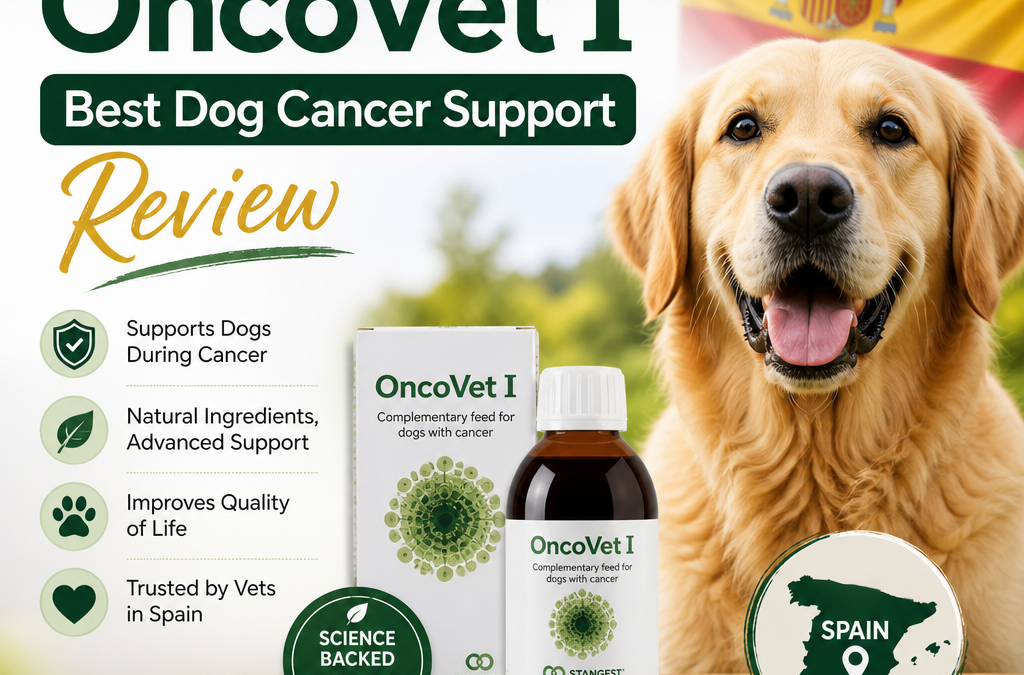
Stangest OncoVet I: 7 Best Dog Cancer Support Review for Spain
Stangest OncoVet I is a nutritional supplement designed to support dogs during cancer care, particularly when they need extra help maintaining normal immune function, appetite, energy, and overall condition. For families in Spain, choosing a canine supplement can be difficult because products vary in ingredients, dosage guidance, availability, and suitability for each animal. This review explains what Stangest OncoVet I is, how it may fit into a veterinary treatment plan, and the most important considerations before giving it to a dog.
Table of Contents
What is Stangest OncoVet I?
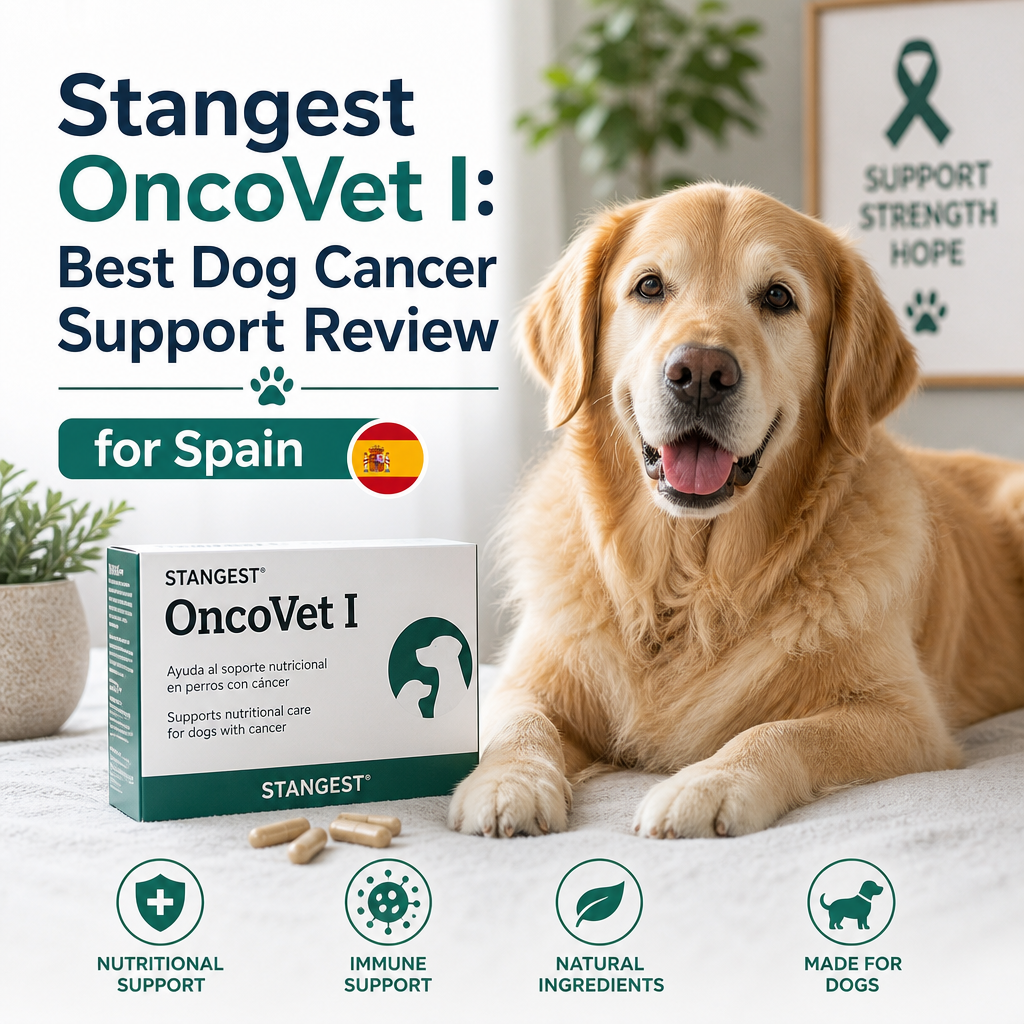
Stangest OncoVet I is a complementary veterinary product formulated for dogs and cats that require nutritional support during periods of illness. It is commonly associated with oncology support, meaning it may be used alongside conventional veterinary care for animals diagnosed with cancer. The product is not intended to replace surgery, chemotherapy, radiotherapy, immunotherapy, pain management, or other treatments prescribed by a veterinarian.
Cancer can affect a dog in several ways. Some animals experience reduced appetite, weight loss, digestive changes, fatigue, inflammation, or a decline in muscle condition. In other cases, the disease itself or its treatment can increase nutritional demands. A supplement such as OncoVet I may be considered as part of a broader plan focused on maintaining quality of life and supporting the body during treatment.
Before choosing any supplement, it helps to compare it with the dog’s current diagnosis and care plan. A product like Stangest OncoVet I may be appropriate for one patient and unnecessary for another, which is why veterinary guidance matters from the start.
Many owners also prefer to discuss supportive care options with their vet before making a purchase, especially when a dog is already on multiple medicines or a special diet. If you want a broader overview of pet support products, see our veterinary pet health resources for related guidance.
Stangest OncoVet I dog cancer support: What can it do?
The phrase Stangest OncoVet I dog cancer support generally refers to the product’s role as an adjunct to veterinary oncology care. Its purpose is supportive rather than curative. Depending on the individual dog’s condition, nutritional supplements may help provide selected nutrients, antioxidants, or other compounds that contribute to normal physiological functions.
Potential reasons a veterinarian might consider this type of product include:
- Supporting a dog with reduced appetite or changing nutritional needs
- Helping maintain body condition during a prolonged illness
- Providing complementary nutritional support during cancer treatment
- Supporting normal immune system function
- Helping owners follow a structured care routine at home
However, the expected benefit depends on the dog’s diagnosis, age, weight, medication, organ function, and response to treatment. A supplement that is appropriate for one dog may not be suitable for another. For this reason, it should be viewed as one part of an individualized care plan rather than a universal cancer remedy.
For more background on supportive nutrition in sick pets, the World Small Animal Veterinary Association offers widely respected clinical resources for veterinarians and pet owners.
In practical terms, Stangest OncoVet I can be most helpful when the goal is steady support rather than rapid change. Owners often look for something that may help a dog keep eating, stay comfortable, and preserve condition while treatment is underway, and that is where a carefully chosen support product may fit.
Stangest OncoVet I review: Ingredients and formulation
A useful Stangest OncoVet I review should look beyond marketing claims and consider the product’s practical role. Owners should carefully read the current packaging or official product information for the exact ingredient list, because formulations, presentation sizes, and instructions can change between markets.
Many veterinary oncology supplements contain combinations of nutritional ingredients selected for antioxidant, immune, digestive, or metabolic support. The relevance of each ingredient depends on the dog’s health status. For example, a nutrient that is well tolerated in a healthy animal may require caution in a dog with kidney disease, liver disease, diabetes, pancreatitis, or a history of urinary problems.
It is also important to distinguish nutritional support from evidence-based cancer treatment. Supplements may contribute to general wellbeing, but they do not destroy tumors or guarantee remission. Claims suggesting that a product can cure cancer should be treated with caution. A reliable product review should recognize both possible benefits and limitations.
When reading the label, pay attention to the form of the supplement, the recommended daily amount, how long one container is likely to last, and whether the product is meant for short-term or ongoing use. These details matter because a dog with cancer may need a plan that changes from week to week as appetite, medication, and body condition change. If the label is unclear, the safest option is to ask a veterinarian or a qualified veterinary pharmacist before starting.
It can also help to compare the supplement with the dog’s diet. Some dogs are already receiving therapeutic food designed for weight maintenance or digestive support. In that situation, a supplement may be unnecessary, or it may need to be adjusted to avoid adding too many calories or ingredients the dog does not tolerate well. A careful review of the whole feeding plan is often more useful than focusing on a single product in isolation.
For practical pet health guidance in Europe, owners can also review the European Commission’s animal health and welfare information, which explains broader standards relevant to responsible care.
Because ingredient lists can vary, Stangest OncoVet I should always be checked in its current version before use. That small step helps reduce confusion and makes it easier to compare the product with the dog’s actual needs.
How it may be used during veterinary treatment
Veterinarians may recommend supplements at different stages of care. Some dogs receive nutritional support after diagnosis, while others begin supplementation during chemotherapy, after surgery, or when appetite and body weight become difficult to maintain.
The correct amount should always be based on the product instructions and veterinary guidance. Owners should not assume that a higher dose will produce better results. Giving too much may increase the risk of digestive upset or interfere with the animal’s overall treatment plan.
Before using Stangest OncoVet I, provide the veterinarian with a complete list of:
- Prescription medicines
- Painkillers and anti-inflammatory drugs
- Other supplements
- Special diets or home-prepared foods
- Known allergies
- Previous reactions to nutritional products
This information helps the veterinary team assess possible interactions and determine whether the supplement is appropriate.
In many cancer cases, timing matters as much as the product itself. A supplement may be more useful when a dog is stable and able to eat reliably than during a period of severe nausea or vomiting. If the dog is struggling to keep food down, the veterinarian may prioritize anti-nausea medication, pain relief, hydration, or a feeding strategy before introducing a new supplement. That approach often leads to better tolerance and a clearer understanding of whether the supplement is actually helping.
Owners should also keep in mind that cancer care rarely follows a straight line. The same dog may need more support after surgery, less during a stable period, and different nutritional support if bloodwork or imaging shows disease progression. Using a supplement as a fixed routine without review can miss these changes. Regular communication with the veterinary oncology team is the best way to make sure the plan stays appropriate.
Because the label and the treatment plan matter equally, Stangest OncoVet I should be introduced only after the owner understands how it fits into the dog’s broader veterinary care. That makes it easier to spot helpful changes and to stop the product if it no longer suits the patient.
For owners deciding whether to start Stangest OncoVet I, the most useful approach is to treat it like part of a medical plan: check compatibility first, then monitor whether the dog is actually tolerating it well once it is introduced.
Possible benefits and limitations
The main advantage of a specialized supplement is convenience. It may provide a concentrated source of selected nutrients in a format intended for companion animals. Some owners also find that a consistent nutritional routine helps them monitor appetite, stool quality, energy, and weight more closely.
Nevertheless, no supplement can compensate for insufficient calories, uncontrolled pain, dehydration, nausea, or inadequate cancer treatment. If a dog is losing weight rapidly, vomiting, refusing food, struggling to breathe, or showing severe weakness, urgent veterinary assessment is more important than adding a supplement.
Possible unwanted effects may include loose stools, vomiting, reluctance to eat, or intolerance to one of the ingredients. Stop administering the product and contact a veterinarian if the dog develops a concerning reaction. Dogs with complex medical conditions may need blood tests or dietary adjustments before supplementation begins.
The most realistic way to think about this product is as a support tool. It may help some dogs maintain their condition better during treatment, but its value depends on the individual patient and the rest of the care plan. If the dog is receiving multiple therapies, the supplement should be reviewed alongside each one so that any change in appetite, stool quality, or energy can be interpreted correctly.
For owners, the biggest limitation is often expectation. A good supplement can support comfort and nutrition, but it cannot replace a diagnosis, staging, treatment planning, or follow-up care. Dogs with cancer usually benefit most when the supplement is used to support a broader veterinary strategy that already includes appropriate medicine, diet, and monitoring.
Used in that way, Stangest OncoVet I may be one practical part of long-term support rather than a stand-alone solution, and that distinction helps keep expectations realistic.
When people search for Stangest OncoVet I, they are usually trying to answer a very specific question: will this help my dog right now, and is it safe with everything else my dog is already getting? The best answer always comes from the full clinical picture, not from a label alone.
Stangest OncoVet I Spain: Buying and veterinary considerations
For owners searching for Stangest OncoVet I Spain, the safest approach is to purchase through a reputable veterinary clinic, established animal-health pharmacy, or authorized retailer. Check that the packaging is sealed, the expiration date is valid, and the storage instructions have been followed. Products bought from unknown online sellers may have uncertain authenticity or storage conditions.
Availability can vary between Spanish regions and retailers. A veterinarian may be able to advise whether the product is currently suitable, identify an equivalent option, or recommend a different nutritional strategy. Spanish pet owners should also confirm that the label includes clear instructions, batch information, and appropriate species guidance.
When comparing prices, consider the recommended daily amount rather than the cost of the container alone. A larger package is not always more economical if the dog needs only a short course or cannot tolerate the product.
It is also sensible to check whether the seller provides proper customer support and product documentation. In Spain, where imported pet supplements can sometimes appear on multiple marketplaces, a low price alone is not enough to judge value. A trustworthy source should be able to confirm storage conditions, expiry, and the exact version of the product being sold. If those details are missing, it is better to look elsewhere.
Before buying, compare the supplement with the dog’s specific clinical needs. A product that is marketed for general support may not suit a dog that requires a renal diet, a low-fat diet, or medication that must be taken with food. The buying decision should come after a veterinary discussion, not before it. That approach is especially important in cancer care, where even small changes in digestion or intake can affect how well a dog feels from day to day.
In practical terms, Stangest OncoVet I should be treated like any other health product for a sick pet: check the source, confirm the instructions, and make sure the purchase fits the medical plan rather than the other way around.
Monitoring your dog’s response
If Stangest OncoVet I is introduced, monitor the dog regularly. Useful observations include appetite, water consumption, body weight, stool consistency, vomiting, activity level, coat condition, and signs of pain. Keeping a simple daily record can help the veterinarian evaluate whether the overall plan is working.
A supplement should not delay a follow-up appointment or replace diagnostic testing. Cancer care often requires changes over time, and the dog’s nutritional needs may change after surgery, during chemotherapy, or as the disease progresses.
Watch for subtle patterns as well as obvious side effects. A dog may not vomit, for example, but may begin eating more slowly, leaving food behind, or showing hesitation at mealtime. These changes can signal that the supplement, the diet, or the treatment plan needs adjustment. Recording the date, time, and type of change makes it easier for the veterinarian to decide what to do next.
If the dog is improving, continue to observe rather than assume the product alone is responsible. Improvement may be due to better pain control, a dietary change, recovery from surgery, or a combination of factors. That is why follow-up matters: it helps separate true benefit from coincidence and protects the dog from staying on an unnecessary product for too long.
Many owners find that the simplest monitoring method is also the most effective: note meals, bathroom changes, energy, and comfort each day. Over time, that record can show whether Stangest OncoVet I is helping or whether another approach is needed.
Consistent monitoring is especially valuable because cancer support products are not one-size-fits-all. A dog that looks better in the first few days may still need a later review if appetite drops again or stool changes appear.
Questions owners often ask before choosing a supplement
Is it safe to use with cancer medication?
Sometimes, but not always. The answer depends on the dog’s prescriptions, the supplement’s ingredients, and the dog’s current condition. A veterinarian should review both before the product is started.
Can it replace a therapeutic diet?
No. A supplement cannot replace a complete and balanced therapeutic diet unless a veterinarian has specifically designed that plan. Nutrition for dogs with cancer usually requires a broader strategy than a single product can provide.
How quickly should results appear?
There is no fixed timeline. Some dogs may show changes in appetite or stool quality within days, while others may not respond noticeably. If no benefit is observed after a reasonable trial period, the veterinarian may suggest stopping it or trying a different approach.
What if my dog refuses it?
Do not force the product without professional advice. Refusal may mean the taste, texture, or timing is not suitable, or it may signal that the dog feels unwell. Your veterinarian can suggest alternatives.
These questions come up often because dog cancer support products are only useful when they fit the pet’s medical reality. Stangest OncoVet I may be well suited to one stage of care and less helpful at another, so ongoing review is part of responsible use.
Owners who are unsure about starting Stangest OncoVet I should remember that a careful discussion with the veterinary team can prevent unnecessary expense, reduce the chance of side effects, and make it easier to choose the right supportive option for the dog’s stage of illness.
Final assessment
Stangest OncoVet I may be a useful complementary option for selected dogs receiving cancer care, especially when nutritional and general health support are part of a carefully managed veterinary plan. Its value lies in supporting the animal—not in replacing proven cancer treatment. Owners in Spain should check the current formulation, purchase from a reliable source, follow the recommended dosage, and consult their veterinarian before use. The best results are most likely when supplementation is combined with appropriate oncology treatment, a suitable diet, pain control, regular monitoring, and close attention to the dog’s quality of life.
For practical decision-making, the most important question is not whether a supplement sounds promising in general, but whether it fits the individual dog. When used thoughtfully and reviewed with a veterinarian, Stangest OncoVet I can be part of a well-rounded support plan for a dog living with cancer.
In the end, Stangest OncoVet I is most valuable when owners use it as a measured support option, not a shortcut. That mindset helps keep care safer, clearer, and more focused on the dog’s real needs.
Used well, Stangest OncoVet I can support day-to-day comfort without distracting from the main treatment goals. That is the kind of balanced use most owners want, and it is usually the safest path for dogs facing cancer.