by TCMVET | Aug 25, 2026 | Research and News
Medicinal mushrooms / immune support has become an increasingly discussed topic among Lithuania dog owners looking for complementary ways to care for a dog with a tumor. Products containing mushroom extracts, vitamins, antioxidants, and other nutritional ingredients are often marketed as part of a broader wellness plan. However, choosing appropriate support requires careful comparison, realistic expectations, and close cooperation with a veterinarian.
A tumor diagnosis can be overwhelming. Owners may encounter a wide range of products described as immune boosters, natural cancer support, or nutritional supplements. Some may contain medicinal mushrooms such as turkey tail, reishi, maitake, or shiitake, while others combine these ingredients with omega-3 fatty acids, minerals, herbs, or digestive-support compounds. The quality, concentration, and safety of these products can vary significantly, so informed evaluation is essential.
Medicinal mushrooms / immune support: what owners should know
Medicinal mushrooms are fungi used in traditional health practices and modern nutritional products. Their most discussed compounds include beta-glucans and other polysaccharides, which may interact with immune cells. Turkey tail, also known as Trametes versicolor, is especially common in discussions about dog cancer supplements Lithuania owners can find online or through specialist retailers.
Research into mushroom compounds and canine cancer support is still developing. Some studies have explored whether mushroom-derived compounds may influence immune activity or complement conventional treatment. However, supplements should not be considered a cure for cancer, and evidence from laboratory or small clinical studies cannot automatically be applied to every dog, tumor type, or treatment plan.
The immune system is complex. Stimulating or modifying immune responses is not always appropriate, particularly for dogs with autoimmune disease, severe inflammation, or certain medications. A product labeled “immune support” may also contain several additional ingredients, making it difficult to determine which component is responsible for an effect or side effect.
For dog owners in Lithuania, it helps to compare mushroom products with the same caution used for any other part of a care plan. The most useful products are usually the ones that explain exactly what is inside, how it is processed, and why it may be appropriate for a specific dog. When a label is vague, the phrase medicinal mushrooms / immune support may sound reassuring, but it does not tell the full story.
One reliable background source is the National Center for Complementary and Integrative Health overview of mushroom supplements, which explains how mushroom products are studied and why quality matters. That kind of evidence-based context is useful before deciding whether medicinal mushrooms / immune products are worth discussing with a veterinary professional.
It is also helpful to remember that dogs vary widely in how they respond to supplements. A product that seems helpful for one patient may do little for another, even when the tumor type appears similar. That is one reason owners should avoid assuming that all dog cancer supplements Lithuania shoppers see online will work the same way. The details of the formula matter as much as the marketing language.
In practical terms, the first step is often to read the label carefully and identify the exact mushroom species. Turkey tail, reishi, maitake, and shiitake all have different profiles and should not be treated as interchangeable. If a product does not clearly identify the species, it becomes much harder to judge whether it belongs in a thoughtful support plan.
Another useful question is how the mushroom ingredient was prepared. Some products use whole mushroom powder, while others use extracts designed to concentrate certain compounds. The difference can be important, because the total weight listed on the package does not always reveal how much of the relevant material the dog is actually receiving. That is why careful comparison matters when reviewing medicinal mushrooms / immune formulas.
Owners who want a broader overview of the topic can also review a related internal guide on the benefits of medicinal mushrooms for dogs: boosting immune health naturally. That article can help frame the discussion before choosing a product or asking a veterinarian to review a specific supplement.
Comparing dog tumor support Lithuania products
When comparing dog tumor support Lithuania options, owners should begin with the label rather than the marketing claim. A reliable product should clearly state the ingredients, amount per serving, recommended use, batch information, storage instructions, and manufacturer details. Vague phrases such as “powerful mushroom blend” are less useful than a complete ingredient list showing the exact mushroom species and extract concentration.
Important comparison points include:
- Mushroom species: Turkey tail, reishi, maitake, and shiitake are not interchangeable. Each contains different compounds and may be processed differently.
- Extract standardization: Look for information about beta-glucan content or extract ratios when available. The total weight of mushroom powder does not necessarily indicate the amount of active compounds.
- Testing and quality control: Products made with independent testing for contaminants, heavy metals, microbes, and unwanted additives offer greater transparency.
- Formulation: Powders, capsules, liquids, and chews may have different dosing accuracy and palatability.
- Additional ingredients: Check for herbs, stimulants, high levels of vitamins, or minerals that could conflict with a prescribed diet or medication.
- Clear dosing instructions: Doses should be based on the dog’s weight and should not rely solely on broad human product guidelines.
Price alone is not a reliable indicator of quality. A less expensive product may contain a small amount of active extract, while a higher-priced product is not automatically better. Comparing the amount of relevant compounds per serving, manufacturing standards, and veterinary suitability is more meaningful than comparing package prices.
Owners should also think carefully about product transparency. If a supplement hides the amount of mushroom extract or combines multiple “support” ingredients into one proprietary blend, it becomes harder to judge whether the product is suitable. In that situation, even a well-known brand may not be the best choice for a dog with a tumor.
When possible, compare more than one option and write down the exact species, extract type, and intended use of each formula. This makes conversations with the veterinarian more productive and helps the owner separate genuine nutritional support from marketing language. For many families, that small step improves the quality of decision-making more than any advertising claim.
If the dog is already on medication, check the supplement label for ingredients that may overlap with the current treatment plan. A supplement that looks simple on the front can still contain botanicals, concentrates, or nutrient levels that deserve a second look. This is especially important when the goal is to use medicinal mushrooms / immune products as part of a broader, carefully monitored approach.
Some owners are tempted to choose the product with the longest ingredient list, assuming that more ingredients means stronger support. In reality, simpler is often easier to monitor. A formula with one clearly identified mushroom extract may be easier to assess than a complex blend, because the veterinarian can better judge whether the dog is tolerating it well.
Another practical tip is to save the product information sheet or package insert before starting. If the supplement has to be paused later, or if a different brand is considered, those details make it easier to compare formulas. That record can also help avoid accidental duplication when the dog is already receiving a prescription diet or other nutritional support.
For some families, the best way to compare dog cancer supplements Lithuania stores offer is to ask four simple questions: What exactly is in it? How is it made? Is it independently tested? Will it fit the dog’s medical plan? If the answer to any of those questions is unclear, the product probably needs more scrutiny before use.
What to look for on the label
A label that clearly lists the mushroom species, extract ratio, serving size, and manufacturer contact details is much easier to evaluate. If the product describes itself only as an “immune blend,” the owner may not know whether the formula includes turkey tail, reishi, or another species entirely. Clear labeling is especially important for medicinal mushrooms / immune support because quality and composition can differ widely.
Look for batch numbers, expiration dates, and storage guidance. These details do not prove a product is effective, but they do show that the manufacturer is organized and traceable. That matters when the supplement will be used alongside veterinary care and needs to be monitored over time.
How to think about product form
Powders may mix into food, while capsules can make exact dosing easier. Liquids may be convenient for small dogs or dogs with poor appetite, but they can also vary in taste. Treat-style products may be easier to give, yet they sometimes contain extra flavorings or sweeteners. The best form depends on the dog’s preferences, medical needs, and the owner’s ability to give it consistently.
Consistency is important because sporadic use makes it harder to know whether the supplement is helping or causing side effects. If a product is difficult to administer, the issue is not just convenience; it can affect how well the care plan works in real life.
When a simple formula may be better
A simple formula can be useful when the dog is sensitive, elderly, or already taking several medications. Fewer ingredients make it easier to identify the source of any improvement or side effect. That does not mean simpler products are automatically superior, but they often make decision-making clearer.
Many owners searching for dog tumor support Lithuania options assume that the most complex product will offer the best results. In practice, complexity can create uncertainty. A straightforward formula, reviewed by a veterinarian, is often easier to manage safely.
Veterinary guidance is essential
Before adding dog cancer supplements Lithuania owners should discuss them with the treating veterinarian or veterinary oncologist. This is especially important if the dog is receiving chemotherapy, radiation therapy, surgery, corticosteroids, nonsteroidal anti-inflammatory drugs, or other prescription medicines.
Some supplements can affect blood clotting, liver enzymes, blood pressure, or immune activity. These effects may create risks around surgery or alter how medications are processed. Reishi and certain herbal ingredients, for example, may be unsuitable for dogs with bleeding concerns or liver problems. A veterinarian can also advise whether a supplement should be paused before a procedure.
A complete medical review should consider the tumor type, stage, current treatment, blood test results, appetite, kidney and liver function, and any other health conditions. Dogs with reduced organ function may need a very different approach from otherwise healthy dogs. Professional advice also helps owners avoid delaying proven treatment while trying multiple products at once.
It is also worth asking whether the intended supplement fits the dog’s overall treatment goals. In some cases, the priority may be maintaining appetite and body weight. In other cases, the focus may be on managing nausea, supporting mobility, or keeping the dog comfortable during treatment. A veterinarian can help determine where medicinal mushrooms / immune products might fit, if at all.
Owners should bring the product label, dose instructions, and any online information to the consultation. That gives the veterinarian the chance to review the exact ingredients and identify conflicts more quickly. It also reduces the risk of using a product that appears natural but contains an ingredient that is not appropriate for the dog’s condition.
It is wise to avoid starting several supplements at the same time. When multiple products are introduced together, it becomes difficult to know which one caused a change in stool quality, appetite, energy, or skin condition. A step-by-step approach gives the veterinarian better information and allows safer decisions about whether to continue a product.
Veterinary input is particularly important if the dog has a history of autoimmune disease, immune-mediated illness, clotting problems, or severe liver disease. In these situations, a product marketed as immune support may not be appropriate without closer supervision. That is one reason medicinal mushrooms / immune supplements should not be chosen purely on the basis of popularity or online reviews.
What a supportive care plan may include
Tumor support is broader than supplementation. Maintaining appetite, hydration, comfortable movement, healthy body weight, and emotional well-being can be highly important. A veterinarian may recommend a tailored diet, pain management, anti-nausea medication, dental care, or strategies for supporting gastrointestinal health.
Omega-3 fatty acids are sometimes considered as part of nutritional support, but the appropriate source and dose depend on the dog’s diet and medical condition. High-calorie foods or treats may not be suitable for every patient, particularly when obesity, pancreatitis, or digestive disease is present. The goal should be a balanced plan that supports quality of life rather than adding as many products as possible.
Owners should introduce only one new supplement at a time. This makes it easier to identify changes in appetite, stool quality, energy, itching, vomiting, or other symptoms. Keeping a daily record can help the veterinary team assess whether the product appears beneficial, ineffective, or poorly tolerated.
Supportive care may also include practical steps at home. Comfortable bedding, short gentle walks, a predictable feeding schedule, and close observation of changes in behavior can all matter. These details do not replace treatment, but they can help a dog feel more stable while the owner and veterinarian decide whether a supplement is worth continuing.
In many homes, the best supplement strategy is not the largest one. It is the one that fits the dog’s needs, aligns with medical advice, and can be monitored carefully. That is why medicinal mushrooms / immune support should be treated as one possible tool, not the center of the plan. Responsible use means using fewer products, not more, when that improves clarity and safety.
Supportive care also includes communication. If the dog’s appetite drops, vomiting begins, or a new medication is added, the supplement plan may need to be reviewed. A product that seemed harmless at first can become less suitable if the dog’s condition changes. Regular check-ins help ensure that the plan stays practical rather than becoming a set-and-forget routine.
Some owners prefer to use supplements only after a specific conversation about goals. For example, the goal may be to maintain weight during treatment, keep the dog comfortable, or support normal activity. Defining the goal makes it easier to decide whether a supplement is worth the effort and cost. Without that clarity, even good products may be used inconsistently.
It is also helpful to think about nutrition as a whole rather than focusing on a single ingredient. A balanced diet, good hydration, and a stable routine often do more to support daily function than any single product can do alone. This broader perspective keeps medicinal mushrooms / immune products in a realistic role.
Warning signs and responsible use
Stop a supplement and contact a veterinarian if a dog develops persistent vomiting, diarrhea, facial swelling, breathing difficulty, unusual bruising, marked lethargy, yellowing of the gums or eyes, or a sudden loss of appetite. These signs may indicate an adverse reaction or progression of disease and should not be dismissed as normal adjustment.
Owners should also be cautious with products sold for humans. Human supplements may contain ingredients that are unsafe for dogs, including certain sweeteners, concentrated essential oils, excessive vitamin D, or inappropriate mineral levels. Imported products may have different labeling standards, and translations may not provide enough information to judge safety.
The most responsible approach to medicinal mushrooms / immune support is measured and evidence-aware. Mushroom extracts may be considered as complementary nutritional support for some dogs, but they should be selected for transparency and discussed with a veterinary professional. Comparing dog cancer supplements Lithuania products carefully can help owners avoid misleading claims and focus on quality, compatibility, and safety.
Ultimately, dog tumor support Lithuania owners choose should fit the individual animal, not simply follow a popular trend. A thoughtful plan combines veterinary treatment, nutrition, symptom control, monitoring, and compassionate daily care. Supplements may have a place within that plan, but they work best when used cautiously and never as a replacement for diagnosis or proven medical care.
For owners comparing options, the most useful questions are simple: What is in the product, how was it made, how will it be monitored, and does the veterinarian agree with the plan? If the answer to any of those questions is unclear, it is usually better to pause and gather more information before starting.
Used carefully, medicinal mushrooms / immune products may be one part of a broader supportive approach. Used without guidance, they can create confusion, waste money, or delay better care. A balanced, veterinary-led plan gives the dog the best chance of receiving support that is both practical and safe.
As a final check, remember that a supplement does not need to be dramatic to be useful. In many cases, the most helpful products are the ones that are clearly labeled, sensibly dosed, and easy to monitor. That is especially true when medicinal mushrooms / immune support is being considered alongside established veterinary care.
by TCMVET | Aug 25, 2026 | Research and News
Turkey Tail / immune / mushrooms supplements are attracting growing interest among Estonian dog owners looking for supportive care during a cancer diagnosis. These products are not cancer cures, and they should never replace veterinary treatment, but some mushroom-derived compounds may complement a carefully planned medical and nutritional approach. Understanding the evidence, product quality, safety considerations, and local purchasing options can help owners make more informed decisions.
Why consider dog cancer supplements in Estonia?
A cancer diagnosis can affect a dog’s appetite, energy, immune function, digestion, and overall quality of life. Veterinary treatment may include surgery, chemotherapy, radiation, pain management, dietary adjustments, or palliative care. Supplements are sometimes used alongside these treatments to support general wellbeing.
The phrase “dog cancer supplements Estonia” covers a wide range of products, including medicinal mushrooms, omega-3 fatty acids, antioxidants, vitamins, probiotics, and herbal formulas. Each category has different potential benefits and risks. A supplement that is appropriate for one dog may be unsuitable for another, particularly when the dog has liver or kidney disease or is taking prescription medication.
The most important first step is to identify the type and stage of cancer. A veterinarian can help determine whether a supplement is appropriate and whether it could interfere with surgery, chemotherapy, blood clotting, or other treatments. In some cases, a vet may also suggest alternatives such as The Healthy Hound Pure Turkey Tail Alternative: 7 Powerful Tumor Supplements NZ when owners want to compare mushroom-based options.
It is also helpful to think about supplements as part of a wider care plan. For many dogs, that means combining veterinary treatment with nutrition, symptom control, and carefully chosen supportive products. In that context, Turkey Tail / immune / mushrooms products may be one option among several, not the main event.
Turkey Tail / immune / mushrooms: what does the evidence show?
Turkey Tail, scientifically known as Trametes versicolor or Coriolus versicolor, is one of the most discussed medicinal mushrooms in canine cancer support. It contains polysaccharides, including beta-glucans and protein-bound compounds such as PSK and PSP. These substances have been studied for their possible effects on immune signaling.
Research into Turkey Tail for dogs has produced encouraging but limited results. Some veterinary and laboratory studies suggest that specific extracts may support immune responses or help dogs tolerate certain cancer-related challenges. However, the available evidence is not strong enough to claim that Turkey Tail eliminates tumors or works equally well for every cancer type.
The quality of the extract matters considerably. A product made from the mushroom’s fruiting body may differ from one made primarily from mycelium or grain substrate. Extraction methods also influence which compounds are available. Products should ideally state the mushroom species, extraction method, active compound levels, batch information, and testing for contaminants.
“Immune support” is also a broad marketing term. A supplement that influences immune activity is not automatically beneficial in every situation. Some dogs may have immune-mediated diseases, receive immunosuppressive medication, or undergo treatments where immune stimulation requires careful supervision.
For background on human and veterinary interest in fungi, some owners also read the U.S. National Center for Complementary and Integrative Health overview of medicinal mushrooms at the NCCIH medicinal mushrooms resource.
In other words, the evidence supports caution as much as curiosity. Turkey Tail / immune / mushrooms formulas may be promising, but they are still supplements with limits. The best use case is usually supportive care, not treatment replacement.
Comparing dog tumor support Estonia products
When comparing dog tumor support Estonia options, owners should look beyond attractive packaging and general health claims. A useful comparison begins with transparency and suitability.
1. Ingredient clarity
The label should identify the exact mushroom species and the amount provided per serving. “Mushroom blend” is less informative than a full list showing the quantity of each ingredient. If the formula includes Turkey Tail, the product should clearly state whether it uses a standardized extract or powdered mushroom material.
2. Testing and manufacturing standards
Look for manufacturers that provide certificates of analysis or independent testing. Important checks include heavy metals, pesticides, bacteria, mold, and unwanted fillers. Products manufactured under recognized quality-control standards offer greater confidence than supplements with no traceable production information.
3. Dosage guidance
A reliable product should provide dosing based on the dog’s weight and explain how to introduce it. Dogs differ widely in size, age, health status, and medication use, so vague instructions can be a warning sign. The veterinarian may recommend starting with a lower amount and monitoring tolerance.
4. Veterinary compatibility
Before purchasing, review the ingredient list with the treating veterinarian. This is especially important if the dog is taking chemotherapy drugs, corticosteroids, nonsteroidal anti-inflammatory drugs, anticoagulants, anticonvulsants, or medications for liver and kidney conditions.
5. Value rather than price alone
The cheapest product may contain very little active extract, while the most expensive product is not necessarily the best. Compare the price per measured amount of active ingredients, the concentration, testing documentation, and serving size.
If you are comparing formulations against other branded supports, it may help to review a product-specific guide such as The Healthy Hound Pure Turkey Tail Alternative: 7 Powerful Tumor Supplements NZ to understand how extract quality and dose transparency are presented in practice.
Owners who want to compare a broader range of products can also review local-market guides and ask whether each option is designed for general immune support or for a more targeted canine cancer support plan. In practice, Turkey Tail / immune / mushrooms products vary a lot in purity, concentration, and labeling accuracy, so the details matter.
Another practical point is consistency. If a supplement works well for a dog, the same brand and batch style should ideally be available for repeat use. Sudden changes in formulation can alter tolerance, which is why many veterinarians prefer products with stable manufacturing standards. This is one reason Turkey Tail / immune / mushrooms options that provide batch testing are often easier to trust.
Some supplements in this category are sold with broad wellness claims rather than clear nutrient or extract disclosure. Those products may look appealing, but they make comparison difficult. For dog owners, a better choice is usually a formula that identifies the source material, extraction ratio, and serving size in plain language.
When a product is marketed as a tumor support product, it should still be judged like any other supplement: by evidence, safety, transparency, and compatibility with the dog’s current care. That approach is especially helpful in Estonia, where owners may shop locally or import from European retailers.
Because turkey tail support products can differ so much, it can also help to think in terms of goals. Is the aim to support appetite, general immune function, or overall resilience during treatment? Once the goal is clear, it becomes easier to compare dog tumor support Estonia products without getting distracted by branding. In many cases, the simplest formula is the one easiest to evaluate.
When comparing brands, a useful question is whether the product offers real support for a dog’s care plan or only broad marketing language. Clear labeling, sensible dosing, and traceable testing usually matter more than dramatic promises. That is especially true for Turkey Tail / immune / mushrooms supplements, where extract quality can vary widely between manufacturers.
Owners should also consider how easy it will be to keep the supplement consistent over time. A product that is reliable, well documented, and available again from the same source is usually preferable to one that changes formula often. In supportive care, consistency can be just as important as the ingredient list itself.
Finally, compare the product in the context of the dog’s diagnosis. A supplement chosen for a dog with a mast cell tumor, for example, may not be the same choice for a dog with lymphoma or a soft tissue sarcoma. That is why the best Turkey Tail / immune / mushrooms option is not universal; it depends on the dog, the treatment plan, and the veterinarian’s guidance.
Other supplements sometimes used in supportive care
Turkey Tail is only one possible component of a broader support plan. Omega-3 fatty acids from purified fish oil may help maintain healthy inflammatory balance and support skin, coat, and general nutrition. They can also affect blood clotting, however, so veterinary guidance is important before surgery or when other blood-thinning products are used.
Probiotics may be considered for dogs experiencing digestive changes, especially during stressful periods or certain treatments. A balanced, highly digestible diet is often more important than adding multiple supplements. Some dogs need additional calories, while others require a carefully controlled diet because of pancreatitis, kidney disease, or gastrointestinal problems.
Antioxidant supplements require particular caution. Although antioxidants are commonly marketed for cancer support, high doses may not be appropriate during every type of chemotherapy or radiation treatment. The effect can depend on the treatment protocol, timing, dose, and the dog’s overall condition.
In a practical sense, support plans often work best when they focus on a few well-understood tools instead of many overlapping ones. That is also true for Turkey Tail / immune / mushrooms formulas, where the final choice should fit the dog’s diagnosis and medication plan rather than a generic label claim.
If a dog is already taking a prescription diet or several medications, it is usually wise to avoid adding multiple new products at once. That helps the veterinary team determine whether the supplement is helpful, neutral, or causing unwanted changes. The same caution applies to every form of supportive care, including mushroom-based supplements and other immune-focused products.
Some owners also ask whether supplements should be used only during active treatment or continued afterward. The answer depends on the dog’s condition, the underlying cancer type, and the veterinarian’s plan. In many cases, the safest approach is to reassess regularly rather than assume a supplement should continue indefinitely. That applies to Turkey Tail / immune / mushrooms products as well.
Supportive care is not always about adding more. Sometimes it is about simplifying the routine so the dog can tolerate meals, medications, and rest more comfortably. In that respect, a carefully chosen supplement may help, but only if it fits naturally into the rest of the plan.
How to use supplements safely
Introduce only one new supplement at a time. This makes it easier to identify side effects and determine whether the product is tolerated. Monitor appetite, vomiting, diarrhea, stool changes, itching, lethargy, and unusual bruising. Stop the product and contact a veterinarian if severe or persistent symptoms develop.
Keep a simple record of the dog’s weight, appetite, energy, medications, supplement doses, and treatment dates. This information can help the veterinary team assess whether the supplement is helpful or causing problems.
Avoid using human mushroom products unless a veterinarian specifically approves them. Human products may contain concentrated extracts, sweeteners, alcohol-based ingredients, or additional herbs that are unsafe for dogs. Never use wild-foraged mushrooms for therapeutic purposes because identification errors and contamination can be dangerous.
Safety matters even more when owners search broadly for Turkey Tail / immune / mushrooms support and try to mix several products at once. A single well-chosen formula is usually easier to monitor than a stack of overlapping supplements.
It is also important to consider timing. Some supplements may be better introduced after a treatment cycle, while others may be easier to evaluate during a stable period. A veterinarian can help decide when to start, pause, or stop a supplement based on the dog’s status. That careful pacing is especially useful when a dog is already receiving multiple therapies and the owner wants to add Turkey Tail / immune / mushrooms support.
Watch for simple warning signs such as reduced appetite, loose stool, restlessness, or changes in drinking habits. These signs do not always mean the supplement is the cause, but they should be reported so the care plan can be adjusted. Good monitoring is one of the most important parts of safe supplement use in any dog cancer support program.
In addition, owners should store products correctly and check expiration dates. Heat, moisture, and light can affect potency, especially with natural extracts. Proper storage helps preserve the quality of Turkey Tail / immune / mushrooms products and makes dosing more consistent over time.
If there is any uncertainty, the safest move is to pause and ask the veterinary team before continuing. That is especially important if the dog’s appetite changes, a new medication is added, or the treatment protocol shifts. Careful use matters more than aggressive supplement stacking.
Buying in Estonia
Estonian owners may find canine supplements through veterinary clinics, pet pharmacies, specialized online retailers, and European suppliers that deliver to Estonia. Local availability can vary, so check the product’s storage requirements, expiration date, shipping conditions, and customer support.
A reputable seller should make the full label available before purchase and provide clear contact information. Be cautious of websites promising guaranteed tumor shrinkage, replacing chemotherapy, or achieving results within a specific number of days. Such claims are not consistent with responsible veterinary practice.
The best product is not necessarily the one with the strongest advertising. It is the one with transparent ingredients, appropriate testing, realistic claims, and a clear place within the dog’s overall treatment plan.
For owners comparing options across Europe, this approach can also be useful when reviewing region-specific products like Alternatives to Medicinal mushrooms / mycotherapy: 7 Powerful Dog Tumor Support Options in Austria, because the same quality checks apply regardless of market.
When buying in Estonia, it can help to ask whether the seller can provide batch documentation, storage guidance, and ingredient details before payment. Those basics make it easier to compare dog cancer supplements Estonia products fairly and avoid low-quality options. If a seller cannot explain what is in the product, it is usually best to look elsewhere.
Online shopping may offer a wider selection, but it also increases the risk of unclear labeling or exaggerated claims. A careful buyer should look for contact details, a real ingredients panel, and a sensible return policy. For natural supplements, these signs of professionalism often matter more than flashy marketing.
Local availability can also influence long-term use. If a supplement is hard to reorder, the dog may be switched to a different product unnecessarily. That is another reason to prioritize transparency and consistency when choosing Turkey Tail / immune / mushrooms support in Estonia.
A balanced approach to canine cancer support
Mushroom supplements may offer potential supportive benefits, but they should be viewed as complementary tools rather than standalone cancer treatments. Veterinary supervision, accurate diagnosis, pain control, nutrition, hydration, and regular monitoring remain central to a dog’s care.
For owners comparing dog cancer supplements Estonia or searching for dog tumor support Estonia, Turkey Tail may be worth discussing with a veterinarian, particularly when the product is well documented and carefully selected. The safest approach combines evidence-informed choices with individualized medical advice, allowing the dog’s comfort and quality of life to remain the primary priorities.
In short, Turkey Tail / immune / mushrooms products can be one part of a thoughtful support plan, but they work best when the formulation is transparent, the dosage is appropriate, and the veterinary team stays involved from the start.
For many families, the goal is not to find a miracle product but to build a support plan that is realistic, affordable, and safe. That usually means choosing one clearly labeled supplement, monitoring the dog closely, and reviewing progress with the veterinarian at regular intervals. In that setting, Turkey Tail / immune / mushrooms support can be considered thoughtfully rather than emotionally.
Used well, these supplements may fit into a broader plan that includes nutrition, symptom management, and ongoing veterinary assessment. Used poorly, they can create confusion and delay better care. The difference is usually not the marketing claim; it is the quality of the product and the care team guiding its use.
With that approach, Estonia dog owners can compare options more confidently and decide whether a mushroom-based supplement belongs in their dog’s cancer support plan. The same careful thinking applies whether the product is local, imported, or recommended by a clinic.
For more details on medicinal mushroom science, review the NCCIH medicinal mushrooms resource alongside your veterinarian’s advice. Reliable information, not marketing language, should guide the final decision.
by TCMVET | Aug 20, 2026 | Research and News
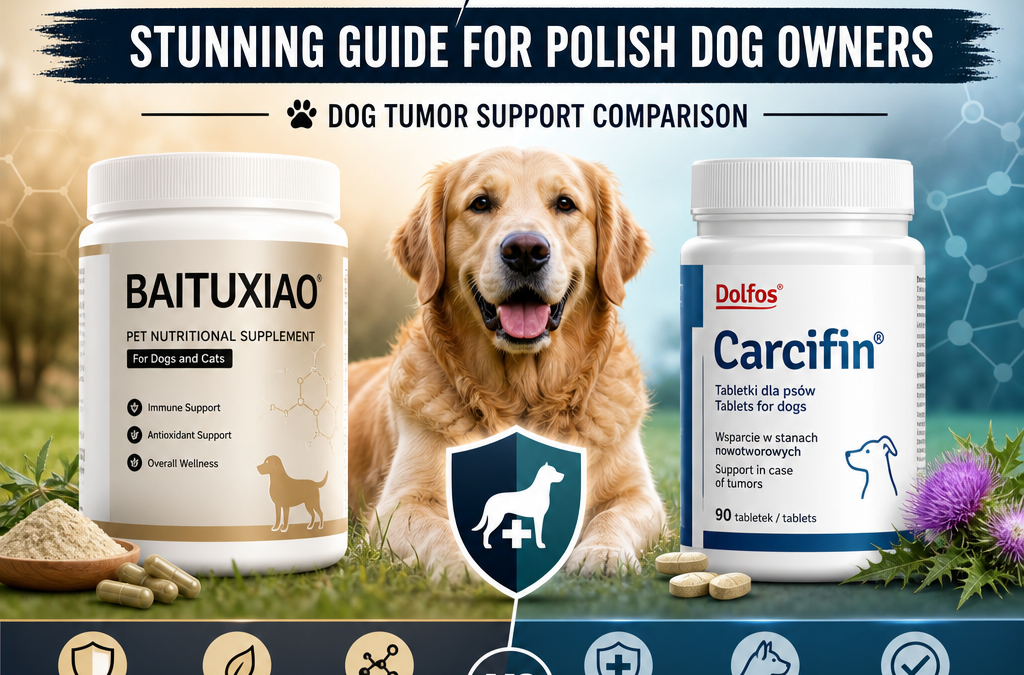
Baituxiao vs Dolfos Carcifin is an important comparison for Polish dog owners searching for supportive care during a pet’s cancer treatment. Both products are marketed as nutritional supplements rather than replacements for veterinary medicine, but they may differ in ingredients, intended use, availability, and how easily they fit into an individual dog’s treatment plan. Understanding these differences can help owners have a more focused discussion with their veterinarian.
Cancer in dogs can affect appetite, energy, digestion, immunity, and overall quality of life. A supplement may be considered to support nutrition or general wellbeing, but it should never delay diagnosis, surgery, chemotherapy, radiation therapy, or other evidence-based treatment. Every dog has different needs, especially when taking prescription medicines or managing conditions involving the liver, kidneys, stomach, or immune system.
Baituxiao vs Dolfos Carcifin: What Are These Products?
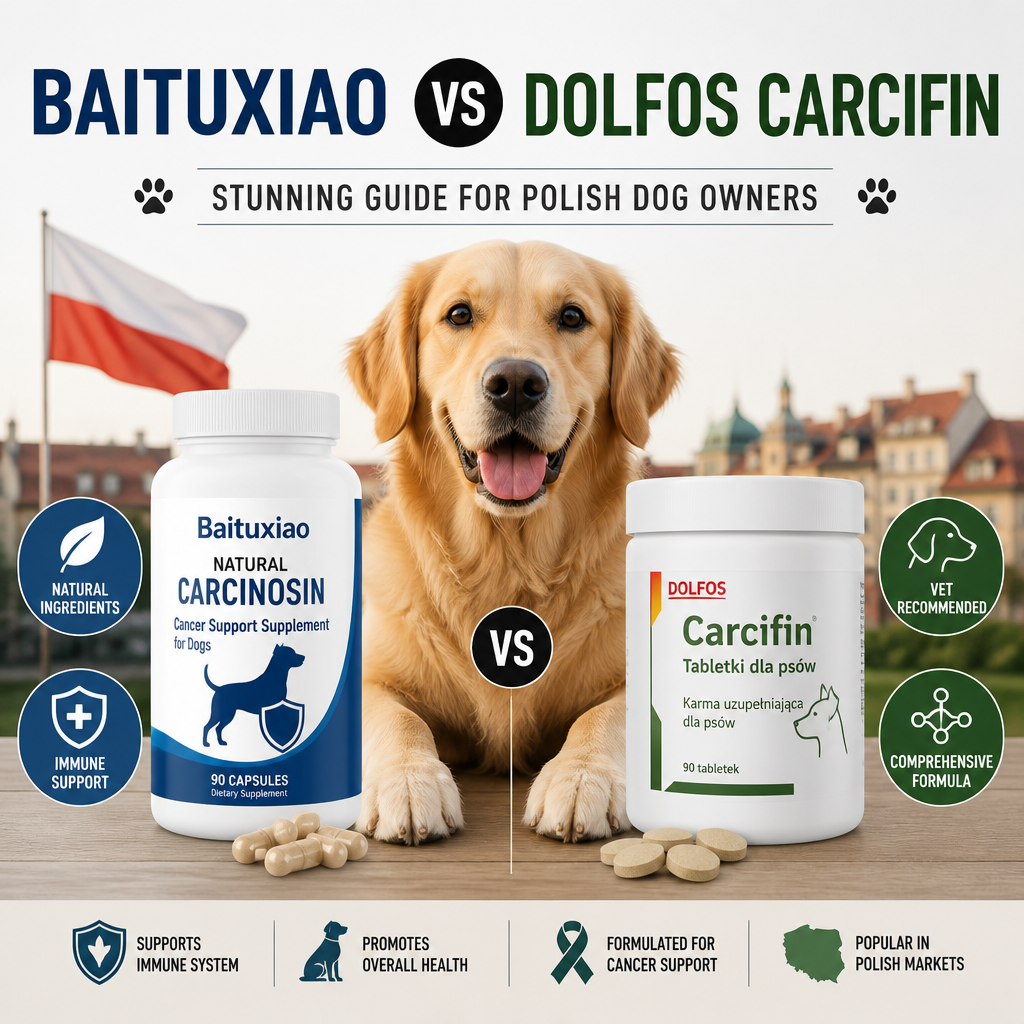
Baituxiao is commonly presented as a traditional or complementary herbal formula used in some markets for dogs and other animals with serious health concerns. Its formulations may contain multiple botanical ingredients, and the exact composition can vary depending on the manufacturer, distributor, or country of purchase. Because herbal products can have biological effects, they should be assessed carefully before being combined with conventional cancer therapy.
Dolfos Carcifin is a veterinary supplement associated with nutritional support for dogs and cats affected by tumors or weakened condition. Depending on the local product formulation and packaging, it may contain ingredients intended to support appetite, metabolism, antioxidant defenses, or general vitality. Polish owners should always inspect the current label because formulations, dosage instructions, and authorized claims may change.
Neither product should be assumed to destroy tumors or cure cancer. Supplement names and marketing language can sometimes sound stronger than the scientific evidence behind them. The most reliable way to evaluate either option is to examine its ingredients, quality controls, safety profile, and compatibility with the dog’s diagnosed condition.
For readers comparing local options, it may also help to review another veterinary supplement guide such as VEBIOT Neoplasmoxan alternative: 7 Powerful Must-Know Options for Dogs with Tumors in Poland, which shows how product evaluation usually comes back to the same practical questions: ingredients, safety, and veterinary guidance.
When owners first hear about Baituxiao vs Dolfos Carcifin, it is easy to focus on product names alone. A better starting point is the dog’s current condition, because weight loss, poor appetite, nausea, pain, and stress can all shape which supplement is worth discussing at all.
In some cases, the right question is not which brand sounds stronger, but which one has clearer labeling and a simpler dosing plan. That practical approach keeps Baituxiao vs Dolfos Carcifin grounded in real-world veterinary care instead of promotional claims.
A Dolfos Carcifin comparison should begin with the label rather than advertising claims. Look for the complete ingredient list, quantities per serving, recommended daily amount, storage instructions, batch information, and manufacturer details. Products that clearly disclose their composition are generally easier for veterinarians to assess.
Baituxiao may include several plant-based ingredients traditionally used in complementary medicine. Such combinations can be difficult to evaluate because the effect of each ingredient, the interaction between ingredients, and the consistency between batches may not always be clear. Herbal products can also vary in concentration and purity.
Dolfos products are often distributed through veterinary or animal-health channels, which may make product documentation easier to obtain. However, availability through a professional channel does not automatically prove that a supplement is effective for a particular tumor. Owners should still ask whether there are published studies, safety data, or practical veterinary experience relevant to their dog.
In a careful Baituxiao vs Dolfos Carcifin review, the first step is still to ask what the label actually says. The exact dose, intended species, and ingredient transparency matter more than promises on the front of the package.
The key questions include:
- What is the exact active ingredient and amount?
- Is the product intended for dogs, cats, or both?
- Does it contain herbs or nutrients that may affect blood clotting?
- Could it influence liver enzymes or medication absorption?
- Does it contain ingredients unsuitable for dogs with kidney or gastrointestinal disease?
- Is the product registered and legally sold in Poland or the European Union?
When possible, owners can also confirm product details through the manufacturer’s official documentation. For general supplement reference and ingredient-style checking, the FDA animal health literacy resources are a useful educational source for understanding why labels, dosage directions, and safety information matter.
Ingredient transparency matters even more if the dog is already taking several medications. In that situation, Baituxiao vs Dolfos Carcifin should be reviewed alongside the treatment schedule so the veterinarian can spot any overlap that could increase side effects or reduce usefulness.
It also helps to compare the practical form of each product. A capsule, powder, tablet, or liquid can be easier or harder to use depending on the dog’s appetite and the owner’s routine. The best choice in Baituxiao vs Dolfos Carcifin is often the one that can be given consistently without causing stress at mealtime.
Dog Tumor Support Comparison: Evidence and Expectations
A dog tumor support comparison must distinguish supportive care from anti-cancer treatment. Supportive supplements may help some dogs maintain appetite, body condition, or general comfort, but evidence for direct tumor control is often limited. A supplement should therefore be viewed as one possible part of a broader care plan.
The strength of evidence may differ between individual ingredients and the finished product. An ingredient can have promising laboratory findings without proving that a commercially available supplement improves survival or tumor response in dogs. Laboratory studies, small clinical reports, and owner testimonials are not equivalent to controlled veterinary trials.
Owners should be especially cautious of claims promising rapid tumor reduction, guaranteed remission, or a cure without surgery or oncology treatment. These claims are not a substitute for medical evidence and may encourage dangerous delays in care.
In practice, the best Baituxiao vs Dolfos Carcifin decision usually depends on realistic goals. Some owners want to support eating habits and body condition. Others want a product that fits neatly into a veterinarian-led plan. Clear expectations make the dog tumor support comparison more useful and reduce disappointment later.
That same realistic approach is useful when comparing any supplement for a dog with cancer. Baituxiao vs Dolfos Carcifin should be judged by how well the product supports the dog’s day-to-day condition, not by how dramatic the marketing sounds.
Owners may also want to ask whether a product has been used mainly for general vitality, recovery support, or tumor-related care. Those goals are not identical. A supplement that helps with energy may still have little evidence for tumor-specific effects, and that distinction matters when comparing Baituxiao vs Dolfos Carcifin.
Another helpful question is how long the dog would need to use the supplement before any benefit could reasonably be noticed. If the answer is unclear, that may be a sign the product should be treated as optional support rather than a central part of care.
Safety and Interactions With Cancer Treatment
Safety is one of the most important factors in the Baituxiao vs Dolfos Carcifin decision. Dogs receiving chemotherapy, corticosteroids, non-steroidal anti-inflammatory drugs, antibiotics, or pain medication may be more vulnerable to adverse reactions. A supplement can affect drug metabolism, bleeding risk, blood pressure, glucose levels, or gastrointestinal function.
Some dogs may experience vomiting, diarrhea, reduced appetite, itching, lethargy, or changes in liver enzymes after starting a new supplement. If these signs appear, stop administering the product until a veterinarian provides guidance. Emergency symptoms such as repeated vomiting, collapse, breathing difficulty, pale gums, uncontrolled bleeding, or severe weakness require immediate veterinary attention.
Provide the veterinarian with the product packaging and a full list of everything the dog receives, including prescription medicines, over-the-counter products, vitamins, oils, and homemade remedies. This information helps the veterinary team identify possible interactions and decide whether blood tests are appropriate.
For dogs already on treatment, a cautious Baituxiao vs Dolfos Carcifin review should also include timing. Even a helpful supplement may be a poor fit if it worsens nausea, complicates medication schedules, or makes it harder to keep food down. The safest plan is the one that supports treatment without adding unnecessary risk.
If the dog is already struggling with digestion or low energy, ask whether the supplement could improve comfort without creating new problems. In many cases, the most helpful choice in a Baituxiao vs Dolfos Carcifin decision is the one that causes the fewest side effects and is easiest to monitor.
It is also wise to check whether the dog has any other chronic diseases. Kidney disease, liver disease, pancreatitis, heart problems, and endocrine disorders can all change how a supplement should be used. A product that seems harmless for one patient may be inappropriate for another, which is why Baituxiao vs Dolfos Carcifin cannot be separated from the dog’s full medical picture.
When uncertainty remains, owners should ask the vet to review the label line by line. That simple step often reveals whether the product is worth trying, whether the dose needs adjustment, or whether it should be avoided entirely during active cancer treatment.
Choosing Between the Products in Poland
For Polish dog owners, practical considerations matter as much as marketing. Purchase supplements from reputable veterinary clinics, established pharmacies, or authorized retailers. Be careful with products sold through anonymous websites or social media, particularly when labels are incomplete, instructions are unclear, or claims sound unrealistic.
Compare the cost per recommended daily dose rather than the price of the container. Check whether the product is suitable for the dog’s weight and age, whether the packaging is in Polish or includes understandable instructions, and whether the seller can provide an invoice, batch number, and expiration date.
The veterinarian may recommend avoiding supplements altogether if the dog has unstable disease, severe nausea, impaired liver function, kidney failure, or a treatment plan where interactions are a concern. In other cases, the veterinarian may approve one product, suggest a different nutritional formula, or focus on appetite control, pain relief, hydration, and a high-quality diet instead.
When Polish owners compare Baituxiao vs Dolfos Carcifin, they should also think about follow-up. A product that is easy to buy but difficult to monitor is not automatically the better choice. The simplest supplement schedule is often the most practical one during active cancer care.
Polish owners who want broader product context can also compare similar dog-support options on the site, such as the Ocoxin Pets Alternative: 7 Best Affordable Dog Tumor Supplements in the UK. Reading a few comparisons can make it easier to spot the same red flags across different supplements.
Availability can also differ from city to city and from clinic to clinic. If one product is hard to source consistently, that inconvenience may become a real problem over weeks or months of use. In that sense, Baituxiao vs Dolfos Carcifin is partly a question of supply reliability as well as formulation.
Owners should also think about whether the seller provides responsive support. If a product has unclear instructions, no clear manufacturer contact, or no straightforward way to verify authenticity, it may be less suitable for a dog already dealing with a serious diagnosis.
A Sensible Decision-Making Approach
Start with the cancer diagnosis and treatment objective. A supplement choice for a dog recovering from surgery may be different from one for a dog receiving chemotherapy or palliative care. Next, review the full ingredient list with a veterinarian and establish measurable goals, such as maintaining appetite, weight, activity, or comfort.
Introduce only one new product at a time. This makes it easier to identify side effects and determine whether the supplement is providing a meaningful benefit. Keep a simple daily record of food intake, water consumption, stool quality, vomiting, energy, pain signs, and body weight. If there is no clear benefit after the agreed monitoring period, continuing indefinitely may not be worthwhile.
Ultimately, the best dog tumor support comparison is individualized. Baituxiao vs Dolfos Carcifin should not be judged solely by popularity, price, or promotional language. Ingredient transparency, veterinary supervision, product quality, treatment compatibility, and the dog’s quality of life should guide the decision. A carefully coordinated plan can provide support while keeping proven cancer care at the center of the dog’s treatment.
Before making a final choice, ask your veterinarian whether the supplement fits the current stage of disease, the dog’s bloodwork, and the rest of the treatment plan. That final check often matters more than any headline claim, and it keeps the focus on practical support rather than promises.
In the end, Baituxiao vs Dolfos Carcifin is less about finding a miracle product and more about choosing the safer, clearer, and more practical option for the individual dog. When owners stay focused on evidence, monitoring, and veterinary advice, they can make a decision that is both sensible and supportive.
If you are still comparing options after reviewing this Baituxiao vs Dolfos Carcifin guide, remember that the most useful supplement is the one that matches the dog’s current needs and your vet’s plan. That may mean choosing one product now and revisiting the decision later if the treatment stage changes.
For many families, the most important outcome is not dramatic marketing language but steadier eating, more predictable digestion, and better day-to-day comfort. When those goals are kept in view, Baituxiao vs Dolfos Carcifin becomes a practical veterinary discussion rather than a confusing product search.
Owners who document changes carefully can also bring better information to follow-up visits. That makes it easier to tell whether Baituxiao vs Dolfos Carcifin is truly helping, whether the dose needs revision, or whether a different supportive approach would be more appropriate.
by TCMVET | Aug 17, 2026 | Research and News
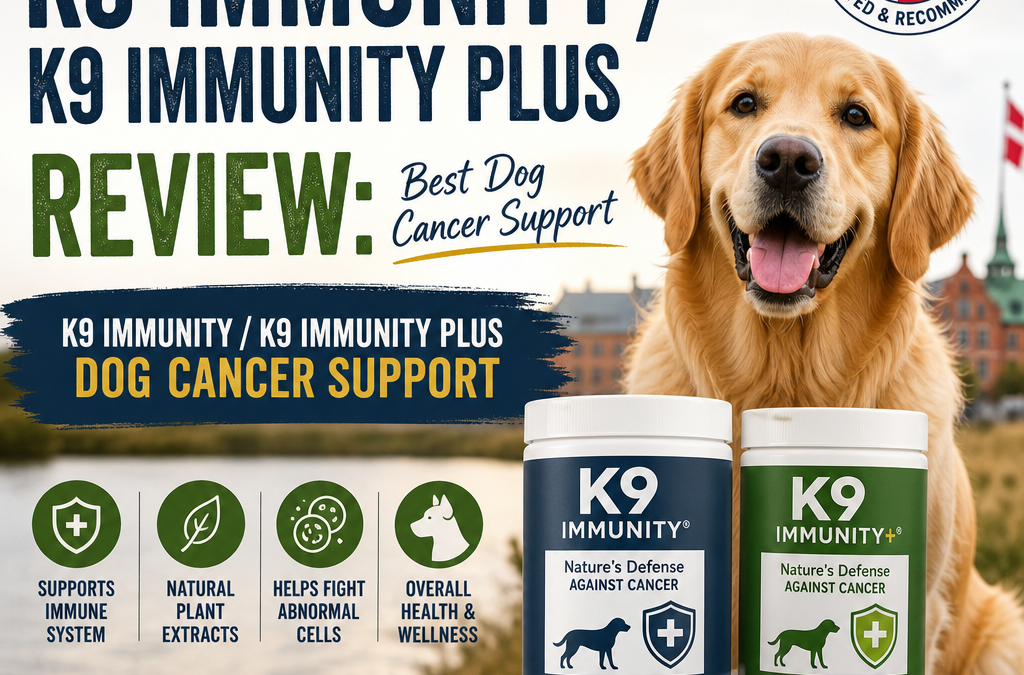
K9 Immunity / K9 Immunity Plus is often discussed by dog owners looking for additional nutritional support during a difficult cancer diagnosis. The products are marketed as immune-support supplements for dogs and are typically considered alongside veterinary treatment, a balanced diet, and close monitoring. However, understanding what these formulas can realistically do is essential before adding them to a dog’s care plan.
What Is K9 Immunity / K9 Immunity Plus?
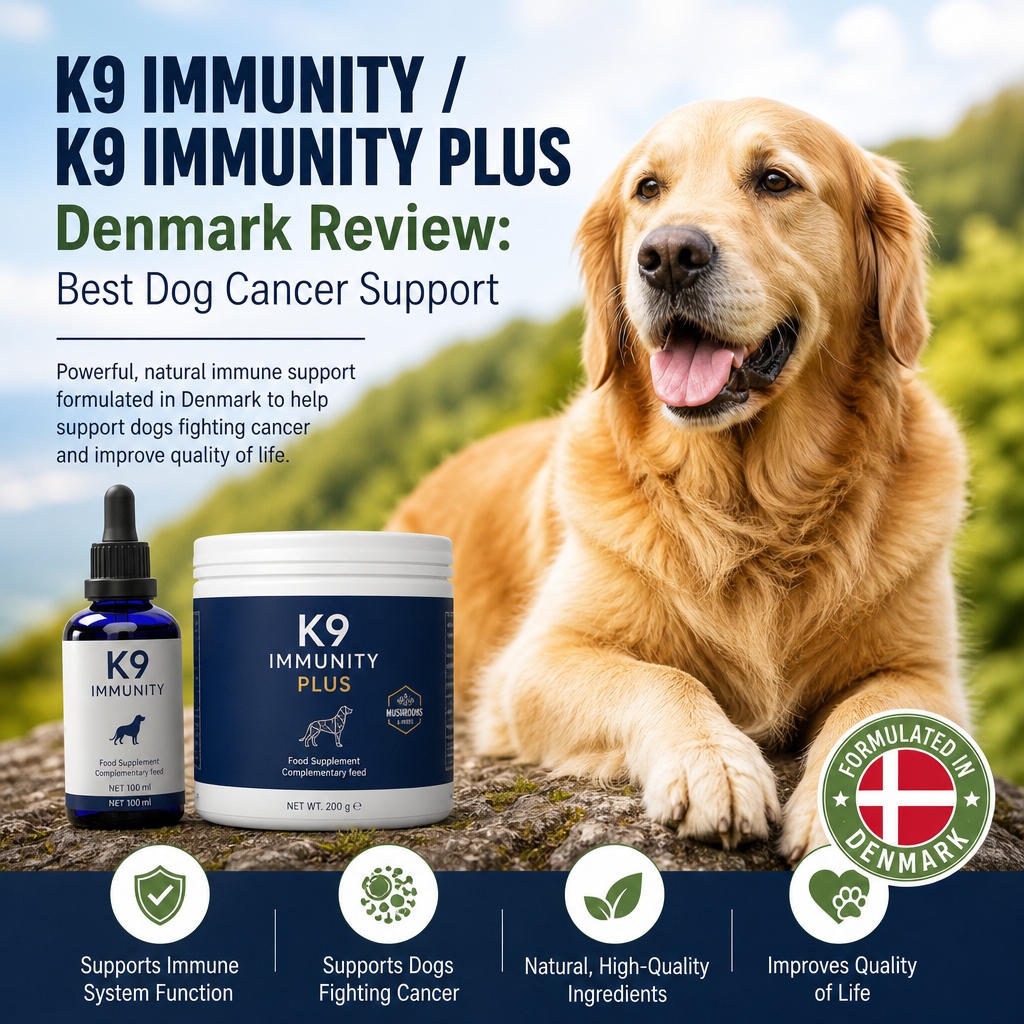
K9 Immunity and K9 Immunity Plus are canine supplements designed to support immune function and overall wellness. They are commonly associated with ingredients such as medicinal mushrooms, antioxidants, and other nutritional compounds selected for their potential role in supporting a dog’s natural defenses.
The “Plus” version is generally positioned as a more advanced or comprehensive formula. Product formulations can change, so owners should always check the current label, ingredient list, serving instructions, and manufacturer information before purchasing or administering either product.
These supplements are not intended to replace surgery, chemotherapy, radiation therapy, prescription medicine, or other veterinary interventions. Instead, they are generally used as complementary support, particularly for dogs facing cancer, chronic illness, recovery from treatment, or age-related immune challenges.
For owners who are new to supportive care, it helps to think of these products as part of a wider nutrition plan rather than a single solution. A supplement may add useful compounds, but it cannot correct every problem that can arise during cancer treatment. Appetite loss, nausea, inflammation, stress, and medication side effects all need separate attention.
That is why a careful review should focus not only on what is inside the bottle, but also on how the formula fits into a dog’s daily routine. A product that is simple to give, well tolerated, and used consistently may be more practical than a more complicated option that never gets administered properly.
Owners should also remember that dogs respond differently based on age, condition, and treatment history. A senior dog with multiple health concerns may need a more cautious approach than a younger dog with a recent diagnosis. The same supplement can be a reasonable fit for one patient and a poor fit for another.
K9 Immunity / K9 Immunity Plus review: What Do Owners Look For?
A useful K9 Immunity / K9 Immunity Plus review should consider more than promotional claims. Dog owners typically want to know whether the product is safe, easy to administer, appropriately formulated, and suitable for use alongside conventional cancer treatment.
Common factors include:
- The quality and transparency of the ingredient list
- The amount of each active ingredient
- Manufacturing and quality-control standards
- The dog’s age, breed, weight, and medical history
- Compatibility with current medications
- Ease of mixing the supplement with food
- The manufacturer’s instructions and customer support
- The cost of long-term use
Some owners report that their dogs appear to have improved appetite, energy, or general well-being after using an immune-support supplement. These observations can be meaningful to individual families, but they do not prove that a supplement treats or eliminates cancer. Dogs may also experience temporary changes due to treatment adjustments, diet, hydration, pain control, or natural fluctuations in their condition.
The strongest review is therefore a balanced one: the supplement may provide nutritional support for some dogs, but its benefits and limitations should be assessed with a veterinarian.
Another practical point is transparency. A product is easier to evaluate when the label clearly lists the ingredient amounts rather than hiding behind a proprietary blend. Owners should be able to compare the formula with what their veterinarian recommends and ask whether any ingredient overlaps with existing medication or diet plans.
It can also be helpful to think about the outcome you are hoping to support. Some families are primarily looking for appetite support, while others want help maintaining body condition or general vitality during treatment. Identifying the main goal makes it easier to judge whether the supplement is worth the cost.
Because long-term use is common with supportive products, price matters too. A supplement that is affordable for a single month may become difficult to maintain over time. This is especially important for dogs that may need ongoing support for chronic illness or recurring treatment cycles.
K9 Immunity / K9 Immunity Plus dog cancer support
The phrase K9 Immunity / K9 Immunity Plus dog cancer support refers to the product’s role as a complementary supplement rather than a standalone cancer cure. Cancer can affect appetite, immune function, energy levels, digestion, and body weight. Nutritional support may help a dog maintain strength, but the appropriate approach depends heavily on the type and stage of cancer.
Some ingredients used in canine immune supplements, including certain medicinal mushrooms, are studied for antioxidant or immune-modulating properties. However, evidence from laboratory studies, human research, or preliminary animal research does not automatically establish that a particular commercial product improves survival in dogs with cancer.
Veterinary guidance is especially important because supplements can interact with treatment. For example, products that affect immune activity, blood clotting, blood pressure, or liver metabolism may not be suitable for every patient. A veterinarian may also recommend pausing certain supplements before surgery or changing the dose during chemotherapy.
Supportive cancer care may include:
- Maintaining adequate calories and hydration
- Managing nausea, pain, and inflammation
- Monitoring weight and muscle condition
- Supporting appetite when necessary
- Following the oncology treatment schedule
- Checking bloodwork at recommended intervals
- Providing low-stress rest and appropriate activity
For readers who want a broader buying guide, see our K9 Immunity alternative guide for affordable dog tumor supplements in France. A supplement can be considered one part of this broader plan, not a substitute for professional care.
In many cases, the best results come from combining different supportive measures rather than relying on a single product. A dog that eats well, stays hydrated, receives pain control when needed, and keeps up with monitoring is often in a better position than one given supplements alone. This is why veterinary oncology teams usually focus on the full picture, not just one bottle on the shelf.
It is also worth noting that cancer support goals can change over time. Early in treatment, the priority may be to stabilize appetite and energy. Later, the goal may shift toward comfort, mobility, or maintaining a good quality of life. A supplement that fits one stage may not be the best choice for another stage.
Owners should feel comfortable discussing realistic expectations before starting a new product. If a supplement is presented as a cure or as a replacement for standard treatment, that should be a warning sign. Honest support products tend to describe their role more carefully and leave room for veterinary advice.
Potential benefits and limitations
The potential advantage of a product such as K9 Immunity or K9 Immunity Plus is convenience. A powdered or easy-to-administer formula may help owners provide consistent nutritional support without preparing complicated meals. Some formulas may also offer concentrated ingredients that are difficult to include in sufficient amounts through an ordinary diet.
Nevertheless, supplements have limitations. “Natural” does not always mean harmless, and immune-support products are not universally appropriate. Dogs with liver disease, kidney disease, autoimmune conditions, bleeding disorders, or gastrointestinal sensitivity may require special caution. Pregnant or nursing dogs and dogs taking several medications also need individualized advice.
Another limitation is the lack of large, independent clinical trials for many commercial canine supplements. Without strong clinical evidence, it is difficult to determine whether a product changes cancer progression, extends survival, or improves quality of life beyond normal variation and concurrent veterinary treatment.
Some owners also notice that a product seems helpful at first but becomes harder to evaluate once several changes happen at the same time. For example, if a dog starts a supplement, changes food, begins pain medication, and receives chemotherapy within the same week, it may be impossible to know which factor caused any improvement. Keeping the care plan as organized as possible makes observations more useful.
Cost-effectiveness is another limitation. Even a supplement that is well tolerated may not be worth the expense if the ingredients do not fit the dog’s needs or if the owner cannot sustain the purchase over time. In supportive care, consistency matters more than novelty.
For a general reference on how canine cancer care is approached in veterinary medicine, the VCA Hospitals overview of cancer in dogs explains common treatment options and support strategies in clear terms.
When comparing options, it can help to ask practical questions: Does the product list exact ingredient amounts? Is the daily serving realistic for your dog? Can the supplement be given with food or medication? Answers to these questions often matter more than broad marketing language.
Owners in Denmark or elsewhere in Europe may also want to compare the supplement with local availability and veterinary recommendations. Shipping delays, storage conditions, and import costs can all affect the real-world usefulness of a product, especially when a dog needs continuous support.
K9 Immunity / K9 Immunity Plus Denmark
Interest in K9 Immunity / K9 Immunity Plus Denmark may involve availability, shipping, pricing, product authenticity, and local purchasing requirements. Danish dog owners should check whether the product is supplied directly by the manufacturer or an authorized distributor. This can help reduce the risk of expired, incorrectly stored, or counterfeit products.
Buyers in Denmark should also review:
- Delivery times and shipping fees
- Currency conversion and total checkout costs
- Return and refund policies
- Import rules and possible taxes
- Product expiry dates and storage instructions
- Danish or English labeling
- Customer service contact details
Before ordering, it is sensible to compare the ingredients and dosage information with the product listed on the manufacturer’s official website. If a local retailer carries the supplement, check that the packaging is sealed and that the batch or lot information is visible.
In Denmark, as in any other market, it is wise to verify that the product being sold matches the version your veterinarian is familiar with. Formulas can change over time, and a name that sounds familiar does not always guarantee the same ingredient profile. The safest purchase is the one you can trace clearly back to the manufacturer or a trusted distributor.
Owners may also want to think about how easy it will be to reorder. A supplement used as part of ongoing support should be available in a predictable way, with packaging that arrives in good condition and enough notice before supplies run out. That kind of planning avoids gaps that can disrupt routine care.
If you are comparing different brands, look at whether the label gives storage guidance for heat or humidity. This matters during shipping and after delivery, because poor storage can affect product quality. A supplement that seems fine on paper can become less reliable if it is exposed to unsuitable conditions.
How to use the supplement responsibly
Introduce any new supplement gradually unless a veterinarian provides different instructions. Follow the label rather than assuming that a larger amount will produce better results. Giving the product with food may improve tolerance, but the correct method depends on the specific formulation.
Keep a simple record of the dog’s weight, appetite, stool quality, energy, medications, and notable symptoms. This makes it easier to identify changes and discuss them accurately with a veterinarian. Stop use and seek professional advice if the dog develops vomiting, diarrhea, facial swelling, breathing difficulty, unusual bruising, severe lethargy, or another concerning reaction.
Most importantly, do not delay diagnosis or treatment while waiting to see whether a supplement works. Early veterinary assessment can make a major difference in identifying treatment options and managing discomfort.
Questions to ask your veterinarian
If you are considering K9 Immunity / K9 Immunity Plus, it can help to ask whether the product is appropriate for your dog’s diagnosis, current medicines, and treatment stage. A veterinarian may also help you decide whether the formula should be paused before surgery or monitored more closely during chemotherapy.
Useful questions include whether the ingredients fit your dog’s condition, whether any adverse effects are likely, and how to tell if the supplement is helping or causing problems. In many cases, this conversation is more valuable than relying on marketing claims alone.
Signs to monitor after starting a supplement
After starting a new product, watch for appetite changes, vomiting, diarrhea, itching, weakness, or unusual behavior. Positive changes can be subtle and may appear as steadier eating habits, better tolerance of meals, or more consistent energy during daily routines. Keep in mind that K9 Immunity / K9 Immunity Plus is only one part of the larger care plan, and improvements may also come from pain relief, hydration, or treatment adjustments.
If you are browsing product pages, the store is another place to check current availability and packaging details before making a decision.
When tracking changes at home, keep notes short and consistent. A simple daily log can include meal interest, water intake, bowel movements, energy level, and any medication given. Over time, this record can make it much easier for your veterinary team to spot patterns that are otherwise easy to miss.
It can also help to weigh your dog at the same time each week if possible. Small changes in body weight or muscle tone may signal that the care plan needs adjustment. For dogs with cancer, early action on these shifts often matters more than waiting for a bigger problem to appear.
If the supplement is mixed into food, make sure the dog is actually finishing the full portion. Some dogs will eat around an added ingredient, while others may reject the meal entirely if the flavor changes too much. If that happens, talk to your veterinarian about a different delivery method or a simpler supportive option.
Overall assessment
K9 Immunity / K9 Immunity Plus may be considered by owners seeking additional immune and nutritional support for a dog with cancer or another chronic condition. A fair K9 Immunity / K9 Immunity Plus review should recognize that the product may complement a veterinary plan, but current evidence should not be interpreted as proof that it cures cancer or replaces established treatment.
For families researching K9 Immunity / K9 Immunity Plus Denmark, careful purchasing, ingredient verification, and veterinary supervision are particularly important. The best dog cancer support plan combines evidence-based medical care with nutrition, symptom management, emotional support, and regular monitoring of quality of life.
When used thoughtfully, K9 Immunity / K9 Immunity Plus can be part of a broader support strategy rather than a shortcut or cure. That distinction matters most when a dog is facing a serious diagnosis and every decision should support comfort, safety, and informed veterinary care.
For many families, the most helpful outcome is not a dramatic promise but a steady routine that supports the dog day by day. If the supplement fits the treatment plan, is tolerated well, and is purchased from a reliable source, it may have a place in that routine. If not, there are usually other ways to support nutrition, comfort, and resilience without adding unnecessary risk.
In the end, the value of any canine immune supplement depends on the individual dog, the treatment plan, and the veterinarian’s guidance. That careful approach is especially important when choosing a product in Denmark, where availability, shipping, and product verification can all affect the final decision.
by TCMVET | Aug 15, 2026 | Research and News
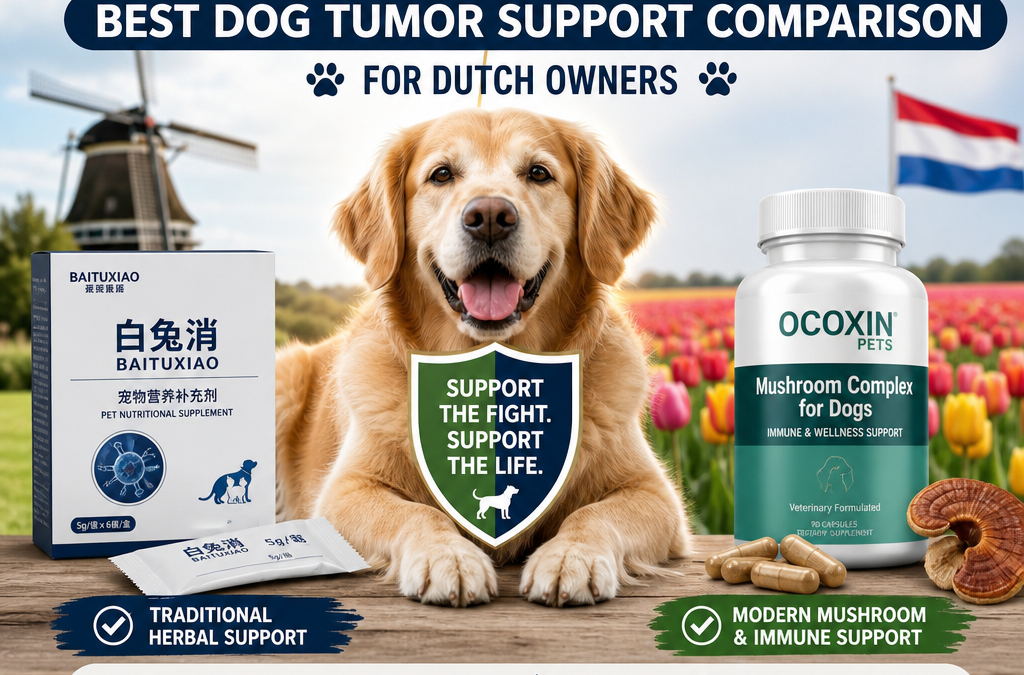
Baituxiao vs Ocoxin Pets is a comparison many Dutch dog owners may consider when looking for supportive care during a pet’s cancer treatment. Both products are marketed as complementary supplements rather than replacements for veterinary diagnosis or therapy, but they differ in ingredients, presentation, intended use, and availability. Understanding these differences can help owners have a more informed discussion with their veterinarian.
A dog diagnosed with a tumor needs an individualized treatment plan. Depending on the tumor type, location, stage, and overall health, treatment may involve surgery, chemotherapy, radiotherapy, immunotherapy, pain control, dietary support, or palliative care. Supplements can sometimes be used alongside conventional treatment, but their suitability depends on the dog and the medicines being prescribed.
What Is Baituxiao?
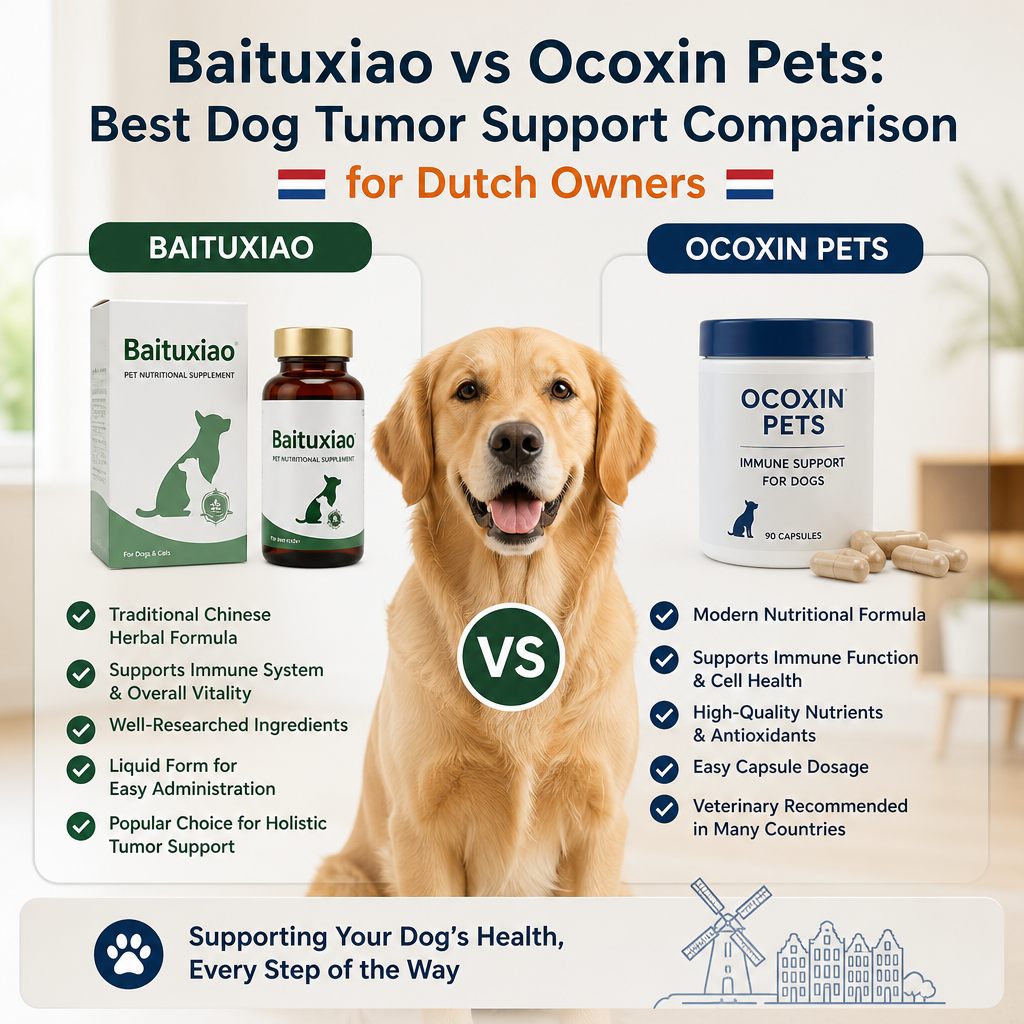
Baituxiao is a traditional Chinese medicine-inspired product commonly promoted for supportive use in animals with masses or tumors. Its formula may include multiple botanical and mineral ingredients, although the exact composition, concentration, and product quality can vary depending on the supplier and market.
The product is generally presented as a complementary option intended to support the body’s overall condition. Marketing materials may refer to immune support, circulation, inflammation, or the management of abnormal tissue growth. However, these claims should be interpreted carefully. Evidence from laboratory studies, traditional use, or human supplements does not automatically prove that a product can shrink tumors or extend a dog’s life.
For Dutch owners, an important consideration is product transparency. Before purchasing Baituxiao, check the complete ingredient list, manufacturer information, batch details, recommended dosage, storage instructions, and import status. Products bought through international websites may have different formulations or labeling standards from products distributed within the European Union.
When the main goal is supportive care, it also helps to compare the product with other options used in veterinary oncology. A veterinarian may be able to explain whether a supplement is appropriate alongside the dog’s current plan or whether a different approach is safer. For a broader overview of cancer awareness in dogs, the Alaskan Malamute cancer risks and early tumor signs guide can be a useful internal reference.
Baituxiao vs Ocoxin Pets also raises a broader issue that matters to many owners: how to separate supportive care from claims that sound more certain than the evidence allows. A product can be discussed as a possible aid, but it should still be viewed through the same veterinary lens used for any other supplement.
What Is Ocoxin Pets?
Ocoxin Pets is a veterinary-oriented nutritional supplement designed to support dogs and cats during periods of illness, including situations in which a tumor has been diagnosed. It is commonly associated with nutritional and antioxidant support, and its formulation may contain plant-based compounds, vitamins, minerals, amino acids, and other nutrients.
The goal of Ocoxin Pets is usually supportive rather than curative. It may be considered when a dog has reduced appetite, is recovering from treatment, or needs additional nutritional assistance. Some veterinarians may also discuss it as part of a broader quality-of-life plan, particularly when maintaining food intake and general condition is a priority.
As with any supplement, the exact formula matters. Owners should verify the product label and consult a veterinarian about possible interactions. Antioxidant-containing products, for example, may not always be appropriate during every type of cancer therapy, because the timing and dose of antioxidants can be relevant to certain treatments.
For more background on veterinary oncology and cancer signs, owners may also find helpful reading on dog belly lumps and abdominal tumors.
In practical terms, Ocoxin Pets is often chosen for its nutritional positioning, while Baituxiao is more often associated with a traditional herbal approach. That difference matters because a supplement’s intent can affect whether a vet sees it as a suitable fit during treatment.
Baituxiao vs Ocoxin Pets: Key Differences
The most useful way to approach a Baituxiao vs Ocoxin Pets decision is to compare their practical characteristics rather than relying on promotional claims.
1. Formula and ingredients
Baituxiao is typically associated with a broad traditional herbal formula. Ocoxin Pets is generally positioned as a veterinary nutritional supplement containing a defined blend of nutrients and botanical compounds. However, formulations can change, so owners should rely on the current official label rather than online summaries.
A clear ingredient list is essential. Avoid products that do not disclose amounts, use vague “proprietary blends,” or make strong promises without explaining the evidence behind them.
2. Intended role
Baituxiao is often marketed toward support for dogs with masses or tumors. Ocoxin Pets is more commonly described as general nutritional and antioxidant support during illness. Neither should be regarded as a substitute for surgery, chemotherapy, radiotherapy, or other treatments recommended by a veterinary oncologist.
3. Evidence and reliability
The scientific evidence for supplements used in canine cancer care is generally more limited than the evidence for established veterinary treatments. Research on individual ingredients may provide useful information, but it does not necessarily demonstrate that the complete product improves survival or eliminates a tumor.
Ocoxin Pets may appeal to owners who prefer a product presented specifically for veterinary use and nutritional support. Baituxiao may appeal to those interested in traditional herbal approaches. In both cases, the quality of independent evidence and manufacturing standards should be carefully considered.
4. Availability in the Netherlands
Dutch owners should check whether a product is supplied through a reputable European or veterinary channel. Imported supplements may be subject to different labeling requirements, delivery conditions, and customs procedures. It is also important to determine whether the product is legally marketed as a feed supplement, complementary feed, or another category.
A Dutch veterinarian may be more familiar with products distributed through European veterinary networks. This can make it easier to confirm authenticity, dosage, storage requirements, and compatibility with prescribed medicines.
5. How the products fit into real treatment plans
In a Baituxiao vs Ocoxin Pets discussion, the question is not only which product sounds more appealing, but which one fits the dog’s actual cancer care. A small, older dog with poor appetite may need a different type of support from a younger dog that is recovering after surgery. The best choice depends on what the dog is experiencing day to day.
That is why veterinary context matters so much. A supplement can appear attractive on paper, yet still be a poor fit if it causes digestive upset, conflicts with medication timing, or adds little value to the current plan.
Ocoxin Pets Comparison: What Should Owners Assess?
A useful Ocoxin Pets comparison should go beyond price. Consider the dog’s diagnosis, current medication, appetite, body weight, kidney and liver function, and treatment schedule.
Ask whether the product contains ingredients that could affect blood clotting, blood pressure, liver enzymes, sedation, or immune activity. Herbal ingredients can be biologically active and may interfere with conventional drugs. The fact that a product is natural does not guarantee that it is harmless.
Owners should also assess palatability. A supplement that causes nausea or makes food less appealing may be counterproductive. Monitor changes in vomiting, diarrhea, appetite, thirst, urination, energy, and behavior after starting any new product. Keep a written record so the veterinarian can distinguish supplement effects from changes caused by the disease or cancer treatment.
Many owners also ask about product goals and follow-up. In a Baituxiao vs Ocoxin Pets discussion, it is worth asking what improvement should realistically be expected and how quickly any changes should be reviewed. That practical approach is often more helpful than relying on marketing language alone.
Another useful part of the Ocoxin Pets comparison is understanding whether the supplement is being used to support nutrition, comfort, or general resilience. That distinction may sound small, but it can influence whether the dog receives a product that genuinely suits the situation.
If the dog is already taking medication for pain, nausea, or appetite stimulation, the owner should not assume the supplement will behave passively. Interactions are possible, so the safest approach is to review the whole care plan instead of assessing the supplement in isolation.
How to Read Labels and Product Claims
Owners often compare packaging language before they compare the actual formulas. That can be misleading. A supplement may mention immune support, vitality, or recovery, but those words do not explain what the ingredients are or how they were tested.
Look for:
- full ingredient disclosure
- clear dosage instructions
- lot or batch identification
- manufacturer contact details
- storage instructions
- species-specific labeling for dogs or pets
If any of those items are missing, ask why. A reputable product should make it easy for owners and veterinarians to understand exactly what is being given. For Dutch owners, it is also wise to check whether the label is translated clearly enough to avoid accidental dosing mistakes.
When reading claims, be especially careful with phrases that suggest certainty. Supportive supplements may help some pets feel better, but they should not be presented as guaranteed cancer treatments. That caution applies equally in the Baituxiao vs Ocoxin Pets conversation.
Supporting a Dog With a Tumor
Supplements are only one small part of supportive care. Maintaining a healthy body weight, providing highly palatable food, managing pain, controlling nausea, and reducing stress can have a meaningful impact on daily wellbeing. Regular veterinary checks help identify complications early and allow treatment to be adjusted.
Owners should be cautious about claims that any supplement can dissolve tumors, replace cancer treatment, or guarantee remission. Such promises are not consistent with responsible veterinary care. A supplement may potentially support nutrition or comfort, but it should never delay diagnosis or evidence-based treatment.
For owners who want to understand more about tumor awareness in dogs, a helpful reference is this guide to skin cancer in dogs and helpful facts on carcinoma.
In the Baituxiao vs Ocoxin Pets discussion, the safest choice depends on the individual dog, the product’s verified formulation, and the advice of the treating veterinarian. For Dutch owners, purchasing through a trustworthy source and confirming regulatory and ingredient information are equally important. A careful, evidence-aware approach helps ensure that complementary support adds value without compromising the dog’s primary cancer care.
In short, Baituxiao vs Ocoxin Pets should be viewed as a practical decision about support, not a replacement for oncology care. When the product label is transparent, the vet has reviewed the dog’s treatment plan, and the owner is monitoring response closely, a supplement may fit more safely into the overall strategy. The key is to keep the discussion focused on the dog’s needs rather than on broad claims about what a supplement might do.
For many households, the best next step after a diagnosis is not choosing quickly between products, but slowing down and asking how each option fits the wider care plan. If the dog is eating poorly, losing weight, or struggling through treatment, a veterinarian may prioritize nutritional support, symptom control, and monitoring over any single supplement choice. That is often where the most meaningful help begins.
Practical Questions to Ask Your Vet
If you are comparing Baituxiao vs Ocoxin Pets, a short conversation with your veterinarian can prevent a lot of confusion later. Bring the product label, dosage plan, and the dog’s current medication list to the appointment.
Helpful questions include:
- Is this supplement appropriate for my dog’s specific tumor type?
- Could it interfere with current medication or anesthesia?
- Should it be given with food or on an empty stomach?
- How long should we try it before reviewing results?
- What side effects should I watch for at home?
- Would nutritional support, appetite management, or a different product be better?
These questions are useful because they turn a general supplement decision into a medical decision. That is especially important when the dog is undergoing active treatment or is already medically fragile.
Owners should also ask how the product will be monitored. If the supplement is helping, what should improve first: appetite, energy, stool quality, or comfort? If nothing changes, when should it be stopped? Those checkpoints make the Baituxiao vs Ocoxin Pets comparison more practical and safer.
Common Mistakes to Avoid
One common mistake is assuming that a natural product is automatically gentle. Some herbal formulas can be quite active, and certain ingredients may affect the liver, clotting system, or digestion. Another mistake is starting more than one new supplement at the same time, which makes it hard to tell what is helping and what is causing problems.
Owners also sometimes switch products too quickly. If the dog is stable and a veterinarian has approved the supplement, it may be reasonable to observe over a planned trial period. However, if side effects appear, the product should be reviewed promptly rather than continued out of hope alone.
A final mistake is relying on online testimonials. Personal stories can be emotionally persuasive, but they do not replace medical evaluation. In cancer care, decisions need to be based on the individual dog, not on assumptions drawn from another pet’s experience.
When to Seek Veterinary Help
Contact a veterinarian quickly if the dog develops vomiting, diarrhea, marked lethargy, trouble breathing, collapse, bleeding, swelling, jaundice, or a sudden loss of appetite after starting a supplement. These signs may reflect side effects, disease progression, or another medical problem that needs attention.
It is also important to seek help if a tumor seems to grow quickly, becomes painful, bleeds, or affects walking, eating, or elimination. Supplements are not a replacement for monitoring, and delays can reduce treatment options.
If you are still evaluating Baituxiao vs Ocoxin Pets, a good rule is simple: start with safety, confirm the diagnosis, and make sure the product fits the treatment plan. A well-chosen supportive supplement may have a place, but only when it is used carefully and with veterinary oversight.
For Dutch dog owners, that cautious approach is often the best one. It keeps the focus on quality of life, treatment compatibility, and realistic expectations, which are the same priorities that should guide any cancer-support decision.
