Spleen tumors in dogs are often referred to as “silent killers” because they can grow undetected for a long time, showing minimal symptoms until they become a medical emergency. Many pet owners only realize their dog has a spleen tumor when sudden internal bleeding occurs. Understanding the risks, signs, and treatment options for canine splenic tumors is crucial for early detection and intervention.
What Are Spleen Tumors in Dogs?
The spleen is an important organ that helps with blood filtration, immune function, and iron recycling. Tumors in the spleen can be benign (non-cancerous) or malignant (cancerous). The most common types of splenic tumors in dogs include:
Hemangioma – A benign tumor made up of blood vessels.
Hemangiosarcoma (HSA) – A highly aggressive cancer that originates in blood vessel cells and has a high risk of spreading to other organs.
Lymphoma – A type of cancer that affects the lymphatic system and can involve the spleen.
Splenic Nodular Hyperplasia – A non-cancerous condition where the spleen forms abnormal nodules that can still rupture and cause bleeding.
Among these, hemangiosarcoma is the most dangerous and accounts for a large percentage of splenic tumors. It is particularly common in breeds like Golden Retrievers, German Shepherds, and Labrador Retrievers.
Symptoms of Spleen Tumors in Dogs
Early detection of spleen tumors is difficult because many dogs remain asymptomatic until the tumor grows significantly or ruptures. Some signs to watch for include:
Lethargy or weakness – Your dog may seem tired and less active than usual.
Pale gums – A sign of anemia, often due to internal bleeding.
Sudden collapse – This may occur if the tumor ruptures and causes internal bleeding.
Enlarged abdomen – A swollen belly can indicate a growing tumor or internal bleeding.
Loss of appetite and weight loss – Gradual decline in eating and body weight.
Rapid breathing or increased heart rate – A sign of low blood volume or oxygen deprivation.
If your dog shows any of these symptoms, seek veterinary care immediately, especially if they collapse or have pale gums.
How Are Spleen Tumors Diagnosed?
A veterinarian will typically use the following methods to diagnose splenic tumors:
Physical Examination – Checking for an enlarged abdomen or signs of anemia.
Ultrasound – Helps visualize masses inside the spleen.
X-rays – Can show an enlarged spleen or signs of metastasis.
Blood Tests – Detects anemia, abnormal white blood cell counts, and organ function changes.
Fine-Needle Aspiration or Biopsy – Helps determine if the tumor is benign or malignant.
In many cases, a definitive diagnosis can only be made after the spleen is surgically removed and examined.
Treatment Options for Canine Spleen Tumors
1. Surgery (Splenectomy)
If a spleen tumor is detected, the most common treatment is splenectomy (surgical removal of the spleen). Dogs can live without a spleen, but if the tumor is malignant, surgery alone is often not enough to stop cancer progression.
2. Chemotherapy
For hemangiosarcoma, chemotherapy may be recommended after surgery to slow down cancer spread. However, the prognosis remains poor, with an average survival time of 3 to 6 months even with treatment.
3. Natural and Holistic Support
Some pet owners explore natural therapies to support their dog’s immune system and quality of life. Potential options include:
Medicinal mushrooms (like Turkey Tail and Reishi) – May help support immune function.
TCM (Traditional Chinese Medicine) herbs – Some herbal blends, like Baituxiao, have been used for tumor care.
Dietary changes – A high-protein, anti-inflammatory diet may support overall health.
While these options cannot cure cancer, they may enhance well-being and slow disease progression.
Can Spleen Tumors Be Prevented?
While there is no guaranteed way to prevent spleen tumors, pet owners can take steps to reduce risks:
Regular vet check-ups – Early detection through routine exams and ultrasounds in high-risk breeds.
Avoid carcinogenic exposure – Reduce exposure to pesticides, secondhand smoke, and low-quality pet food.
Support immune health – A balanced diet with antioxidants may help prevent cell damage.
Final Thoughts
Spleen tumors in dogs are a serious health concern, especially hemangiosarcoma, which often goes undetected until it becomes life-threatening. Regular veterinary check-ups, being aware of subtle symptoms, and acting quickly if your dog shows signs of distress can make a critical difference. If your dog is diagnosed with a splenic tumor, discuss treatment options with your vet to determine the best course of action for your pet’s quality of life.
By staying informed and proactive, pet owners can provide their dogs with the best possible care and support during this challenging time.
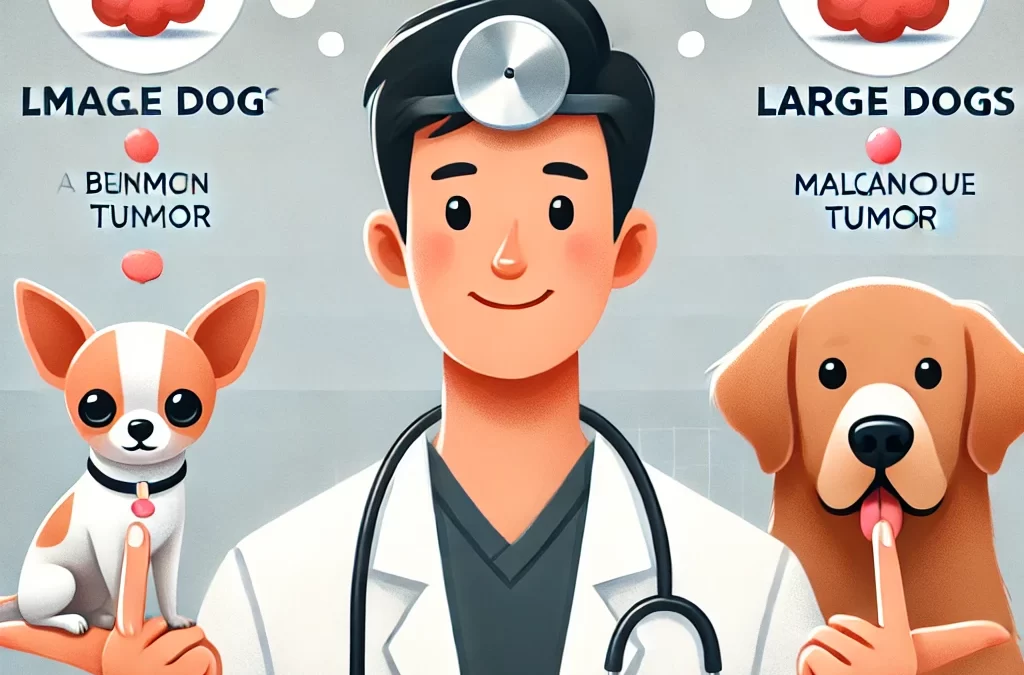
When it comes to cancer and tumor development in dogs, size matters—literally. Small and large breeds have different genetic predispositions, metabolic rates, and immune responses, all of which contribute to variations in how tumors develop, progress, and respond to treatment. If you’re a pet parent concerned about your dog’s health, understanding these differences can help you make informed decisions about prevention, early detection, and treatment.
1. The Genetic Factor: Breed-Specific Tumor Risks
Some cancers are more common in certain breeds, and a dog’s size often plays a role in this predisposition.
Large Breeds: Dogs like Golden Retrievers, Great Danes, and Rottweilers are more likely to develop osteosarcoma (bone cancer), hemangiosarcoma (blood vessel cancer), and lymphoma. These cancers tend to be aggressive and often metastasize quickly.
Small Breeds: Breeds like Poodles, Dachshunds, and Chihuahuas are more prone to benign tumors such as lipomas and papillomas, but they can also develop mammary tumors and bladder cancer.
The difference is not just in the type of tumors but also in how these cancers behave and respond to treatment.
2. Tumor Growth Rate and Behavior
Tumor progression varies significantly between small and large dogs due to differences in growth rates and cell metabolism.
Faster Growth in Large Dogs: Larger breeds grow rapidly as puppies, and this rapid cell division may contribute to a higher risk of developing malignant tumors later in life. Their tumors also tend to be more aggressive.
Slower Growth in Small Dogs: While tumors in small breeds may develop more slowly, they are still a concern. Benign tumors like lipomas are common but may interfere with mobility if they grow too large. Additionally, small dogs can still develop malignant tumors, such as mast cell tumors, which can spread if left untreated.
3. Life Expectancy and Tumor Onset
Large dogs tend to have shorter lifespans than small dogs, and this impacts tumor development timelines.
Early-Onset Cancers in Large Dogs: Since large breeds age faster, they are more likely to develop cancer at a younger age—often between 6 to 8 years old. This means owners should begin cancer screenings and preventive care early.
Later-Onset Tumors in Small Dogs: Small breeds may not show signs of cancer until their senior years (10+ years old), which means long-term monitoring is essential.
Understanding these timelines can help pet owners schedule vet checkups at the right time to catch potential tumors early.
4. Diagnosis and Treatment Challenges
When diagnosing and treating tumors, size plays a role in both detection and the ability to perform procedures.
Surgical Considerations: Large dogs can better tolerate some surgeries due to their larger body mass, but removing tumors in weight-bearing bones (like with osteosarcoma) can be challenging. Small dogs, on the other hand, may struggle with anesthesia risks, especially if they are very tiny.
Chemotherapy and Medication Differences: Dosing for chemotherapy is weight-dependent, and larger dogs often require higher drug doses, increasing treatment costs. Small dogs, despite needing lower doses, may experience stronger side effects due to their delicate systems.
5. Prevention and Early Detection Strategies
Regardless of size, early detection is crucial. Here’s what dog owners can do:
Routine Veterinary Checkups: Regular exams help catch tumors before they grow too large.
Physical Checks at Home: Running your hands over your dog’s body weekly can help detect unusual lumps.
Breed-Specific Cancer Screenings: Large breeds should have early X-rays and ultrasounds, while small breeds may benefit from skin and bladder screenings.
Diet and Lifestyle Adjustments: A balanced diet, regular exercise, and weight management can help support overall health and potentially reduce cancer risks.
Final Thoughts
While tumors affect both small and large dogs, their differences in genetics, tumor behavior, and treatment options mean pet owners need tailored care strategies. Large dogs are more prone to aggressive cancers at younger ages, while small dogs may develop slower-growing tumors later in life. By understanding these distinctions and prioritizing early detection, dog owners can improve their pets’ quality of life and potentially extend their time together.
As dogs age, they become more susceptible to various health conditions, including the growth of tumors. Tumors can range from benign lumps to malignant cancers that can seriously affect your pet’s quality of life. Being proactive in preventing and managing tumor growth is crucial for ensuring your dog lives a long and healthy life. In this guide, we’ll cover strategies to prevent tumor formation, recognize early signs, and manage existing tumors in dogs.
Understanding Tumor Growth in Dogs
Tumors are abnormal masses of tissue that result from uncontrolled cell growth. These can be benign (non-cancerous) or malignant (cancerous). While benign tumors typically do not spread to other parts of the body, malignant tumors are aggressive and can metastasize, affecting your dog’s organs and overall health.
Common types of tumors in dogs include:
Lipomas: Soft, fatty lumps that are usually benign.
Mast Cell Tumors: A type of skin cancer that can vary in severity.
Melanomas: Often found in the mouth or skin, and usually malignant.
Hemangiosarcomas: Aggressive tumors that arise from blood vessels, commonly affecting the spleen or heart.
Early Detection of Tumors
Early detection is one of the most important factors in successfully managing tumor growth in dogs. Regular checkups with your veterinarian, combined with at-home monitoring, can help detect tumors early when they are easier to treat.
Here are some signs that may indicate your dog has a tumor:
Lumps or bumps under the skin
Sudden weight loss or lack of appetite
Unexplained bleeding or discharge
Difficulty breathing, eating, or swallowing
Lethargy or changes in behavior
Regularly feeling your dog’s body for lumps and abnormalities can help catch tumors early. Any new lump or swelling should be checked by a vet, even if it appears harmless.
Proactive Strategies for Tumor Prevention
While it’s not possible to prevent all types of tumors, there are steps you can take to reduce your dog’s risk of developing them.
Balanced Diet: Feeding your dog a healthy, balanced diet rich in antioxidants, vitamins, and omega-3 fatty acids can strengthen the immune system. A strong immune system helps fight off abnormal cell growth that could lead to tumors.
Maintain a Healthy Weight: Obesity has been linked to a higher risk of tumor development in dogs. Maintaining a healthy weight through regular exercise and proper nutrition can lower this risk.
Spay and Neuter: Spaying female dogs can significantly reduce the risk of mammary tumors, while neutering males reduces the risk of testicular cancer.
Limit Exposure to Carcinogens: Environmental toxins like pesticides, tobacco smoke, and certain chemicals have been linked to cancer in pets. Limit your dog’s exposure to these substances to reduce their risk.
Herbal and Natural Supplements: Many dog owners are turning to natural supplements and traditional herbal remedies to support their dog’s immune system. Herbs like Scrophularia, Chinese honeysuckle, and Szechuan lovage are known for their anti-inflammatory and tumor-inhibiting properties. Consult your vet about safe, natural options for your pet.
Managing Tumor Growth in Dogs
If your dog has been diagnosed with a tumor, a combination of veterinary care and lifestyle changes can help manage the condition. Treatment options depend on the type and severity of the tumor but may include:
Surgery: If the tumor is localized, surgical removal is often the first step. In many cases, complete removal can prevent further spread or complications.
Chemotherapy and Radiation: For malignant tumors, chemotherapy or radiation may be recommended to shrink the tumor and reduce the chance of metastasis.
Holistic Treatments: Many pet owners are opting for holistic approaches to cancer treatment, such as acupuncture, herbal supplements, and specialized diets. These methods can help support overall health and reduce the side effects of conventional treatments.
Pain Management: Ensuring your dog is comfortable is essential, especially in advanced cases. Your vet may recommend pain medications, anti-inflammatory drugs, or alternative therapies like CBD oil to keep your pet at ease.
When to Seek Veterinary Help
If you notice any unusual lumps, changes in your dog’s behavior, or symptoms like lethargy, weight loss, or bleeding, it’s essential to consult a veterinarian immediately. Early diagnosis and treatment significantly improve the prognosis for dogs with tumors.
Your vet will likely perform diagnostic tests such as a biopsy, ultrasound, or bloodwork to determine whether the tumor is benign or malignant. Based on the results, your vet will recommend a tailored treatment plan to best manage your dog’s condition.
Tumor growth in dogs is a serious issue, but by being proactive, you can help reduce your pet’s risk and manage any existing conditions effectively. Through a combination of regular veterinary checkups, a healthy lifestyle, and early detection, you can ensure your dog lives a long and comfortable life, even when faced with tumors. Remember, the key to successful treatment is catching tumors early and following a comprehensive care plan that fits your dog’s individual needs.
As responsible pet owners, ensuring the health and well-being of our dogs is a top priority. One of the growing concerns among dog owners is the risk of tumors, which can vary from benign lumps to malignant cancers. Understanding how to prevent and recognize canine tumors early on can significantly improve the chances of successful treatment and extend your pet’s quality of life.
What Are Canine Tumors?
Tumors in dogs are abnormal growths of cells that can form masses or lumps on or inside the body. They can be either benign (non-cancerous) or malignant (cancerous). Benign tumors are usually slow-growing and less harmful, while malignant tumors are aggressive and can spread to other parts of the body.
Common Types of Canine Tumors
Lipomas: These are soft, fatty lumps found just under the skin. Lipomas are generally benign and do not spread to other tissues.
Mast Cell Tumors: Often seen in the skin, these tumors are the most common type of malignant skin tumor in dogs. Mast cell tumors can be dangerous, depending on their stage and grade.
Mammary Gland Tumors: These tumors occur in unspayed female dogs and are often associated with hormonal changes. They can be benign or malignant.
Hemangiosarcoma: A highly aggressive cancer, this tumor originates from the blood vessels and often affects the spleen or heart.
Melanoma: A type of skin cancer, melanoma in dogs is usually malignant and can spread to other organs.
Signs and Symptoms to Watch For
Recognizing the early signs of a tumor is crucial for prompt treatment. Be on the lookout for:
Unexplained lumps or swelling under the skin
Sudden changes in appetite or weight loss
Difficulty breathing, urinating, or defecating
Lethargy or decreased activity
Persistent sores or wounds that don’t heal
Any changes in behavior or daily routine
Prevention Tips for Canine Tumors
While not all tumors can be prevented, certain lifestyle adjustments can lower the risk of tumors in dogs:
Regular Veterinary Checkups: Annual or bi-annual vet visits allow for early detection of tumors and other health issues.
Balanced Diet: A diet rich in antioxidants, omega-3 fatty acids, and quality protein can boost your dog’s immune system and reduce cancer risks.
Exercise: Keeping your dog physically active helps maintain a healthy weight, which can lower the risk of tumors, particularly mammary gland tumors in unspayed females.
Spaying and Neutering: Spaying female dogs before their first heat cycle drastically reduces the risk of mammary tumors. Neutering males can lower the risk of certain cancers like testicular cancer.
Limit Exposure to Carcinogens: Avoid exposing your dog to tobacco smoke, pesticides, and other harmful chemicals known to cause cancer.
Herbal Supplements and Traditional Medicine: Some pet owners have turned to herbal supplements to support their dog’s immune system. Traditional Chinese herbs, such as Szechuan lovage and Scrophularia, have been explored for their potential in promoting circulation, reducing inflammation, and managing tumors in pets.
When to See a Veterinarian
If you notice any unusual lumps or changes in your dog’s health, it’s important to consult your veterinarian right away. A biopsy or other diagnostic tests may be necessary to determine whether the lump is benign or malignant. Early diagnosis greatly improves the outcome of treatment.
Canine tumors are a serious health concern, but with proper preventive care and early detection, many dogs can live long, healthy lives. Regular vet visits, a nutritious diet, and attention to any changes in your pet’s health can go a long way in reducing the risk of tumors. Stay informed and proactive about your dog’s health, and consult with your veterinarian if you have any concerns.
Fatty tumors, also known as lipomas, are common benign growths in dogs. While they are typically harmless, their presence can be concerning for pet owners. Exploring natural solutions to dissolve these fatty tumors can provide a holistic approach to your dog’s health and well-being. In this article, we will discuss various natural remedies and lifestyle changes that may help manage and reduce fatty tumors in dogs.
Understanding Fatty Tumors
Lipomas are soft, movable lumps that develop under the skin. They are composed of fatty tissue and are generally not painful. While the exact cause of lipomas is not fully understood, they are more common in older dogs and certain breeds, such as Labradors and Dachshunds. Although lipomas are non-cancerous, they can grow large and interfere with your dog’s mobility and comfort.
Natural Remedies to Dissolve Fatty Tumors
1. Dietary Changes
A balanced diet is crucial for overall health and can impact the development and management of lipomas.
Raw Food Diet: Switching to a raw or homemade diet can reduce the intake of preservatives and additives that may contribute to tumor growth.
Anti-Inflammatory Foods: Incorporate foods rich in omega-3 fatty acids, such as fish oil, flaxseed oil, and fatty fish. These foods can help reduce inflammation and support the immune system.
High-Quality Protein: Ensure your dog’s diet includes high-quality protein sources to maintain muscle mass and overall health.
2. Herbal Supplements
Certain herbs and supplements have been known to support the immune system and help reduce tumor size.
Turmeric: Known for its anti-inflammatory and antioxidant properties, turmeric can be added to your dog’s food. Curcumin, the active ingredient in turmeric, may help shrink tumors.
Milk Thistle: This herb supports liver function and detoxification, which can be beneficial for overall health and potentially reduce tumor growth.
Spirulina: A nutrient-dense blue-green algae, spirulina can boost the immune system and provide essential vitamins and minerals.
3. Essential Oils
Some essential oils have properties that may help reduce the size of lipomas when used topically.
Frankincense Oil: Known for its anti-inflammatory properties, frankincense oil can be diluted with a carrier oil and applied to the tumor.
Castor Oil: Often used to dissolve cysts and tumors, castor oil can be gently massaged into the lipoma to promote reduction.
4. Exercise and Weight Management
Maintaining a healthy weight through regular exercise can prevent the formation of new lipomas and help manage existing ones.
Daily Walks: Ensure your dog gets regular exercise, which helps maintain a healthy weight and supports overall well-being.
Weight Control: Keep your dog’s weight in check with a balanced diet and portion control to reduce the risk of lipoma development.
When to Consult a Veterinarian
While natural remedies can be effective, it is essential to consult with your veterinarian before starting any new treatment regimen. Your vet can provide guidance on safe and appropriate options for your dog and monitor the progress of any existing tumors. Additionally, any new or rapidly growing lumps should be evaluated by a professional to rule out malignancy.
Exploring natural solutions to dissolve fatty tumors in dogs can offer a holistic approach to your pet’s health. By making dietary changes, incorporating herbal supplements, using essential oils, and ensuring regular exercise, you can help manage and potentially reduce the size of lipomas. Always work closely with your veterinarian to create a comprehensive care plan that prioritizes your dog’s well-being.