
by TCMVET | Dec 9, 2024 | Dog Cancer & Tumors
Spinal tumors in dogs, though rare, can severely impact their mobility and quality of life. These tumors may develop within or around the spinal column, affecting the nervous system’s function. Early detection and proper management are essential to providing the best care for your furry friend. Here’s a comprehensive guide to the types of spinal tumors in dogs and their symptoms, causes, and treatment options.
Common Types of Spinal Tumors in Dogs
- Intramedullary Tumors
- Description: These tumors originate within the spinal cord itself. They often arise from glial cells, which support the nervous system.
- Examples: Astrocytomas, ependymomas, and oligodendrogliomas
- Symptoms: Gradual weakness, incoordination, and possible paralysis in severe cases
- Treatment: Surgery (if possible), radiation therapy, and supportive care
- Extradural Tumors
- Description: These tumors occur outside the spinal cord but within the spinal canal, often compressing the cord and causing neurological issues.
- Examples: Osteosarcomas, fibrosarcomas, and lymphomas
- Symptoms: Back pain, difficulty walking, and muscle weakness
- Treatment: Surgical removal, chemotherapy, or radiation, depending on the tumor type
- Intradural-Extramedullary Tumors
- Description: Located within the spinal canal but outside the spinal cord, these tumors grow in the surrounding meninges or nerve roots.
- Examples: Meningiomas, nerve sheath tumors (schwannomas)
- Symptoms: Pain, incoordination, and possible urinary or bowel incontinence
- Treatment: Surgery and radiation therapy
- Vertebral Tumors
- Description: These tumors arise from the bones of the spine, causing structural instability and potential compression of the spinal cord.
- Examples: Osteosarcoma, chondrosarcoma
- Symptoms: Severe pain, swelling, and difficulty standing or walking
- Treatment: Surgery, chemotherapy, and pain management
Symptoms of Spinal Tumors in Dogs
The symptoms of spinal tumors can vary depending on the tumor’s location and size, but common signs include:
- Reluctance to move or play
- Difficulty walking or dragging limbs
- Pain or sensitivity in the back or neck
- Loss of bladder or bowel control
- Sudden changes in behavior or posture
Causes and Risk Factors
Spinal tumors in dogs may be caused by:
- Genetic Predisposition: Certain breeds like German Shepherds and Golden Retrievers may be at higher risk.
- Age: Older dogs are more likely to develop spinal tumors.
- Cancer Metastasis: Tumors from other parts of the body may spread to the spine.
Diagnosis and Treatment
Veterinarians use several methods to diagnose spinal tumors:
- Neurological Examination: Assesses reflexes, coordination, and pain response.
- Imaging: X-rays, MRI, or CT scans to locate and evaluate the tumor.
- Biopsy: Confirms the tumor type for targeted treatment.
Treatment options include:
- Surgery: The preferred method for accessible and operable tumors.
- Radiation Therapy: Used for inoperable or residual tumors post-surgery.
- Chemotherapy: Effective for some metastatic or primary spinal tumors.
- Pain Management: Essential for improving the dog’s quality of life.
Supporting Your Dog Through Recovery
Care for dogs with spinal tumors should include:
- Providing a soft, supportive bed to prevent pressure sores
- Assisting with mobility through harnesses or carts
- Maintaining a nutritious diet to support overall health
- Regular follow-ups with the vet to monitor progress
Conclusion
Spinal tumors in dogs require prompt attention and specialized care. While the prognosis depends on the tumor type and progression, advancements in veterinary medicine have made treatments more effective. By understanding the symptoms and options available, you can ensure your dog receives the best care and support.
by TCMVET | Dec 7, 2024 | Dog Cancer & Tumors
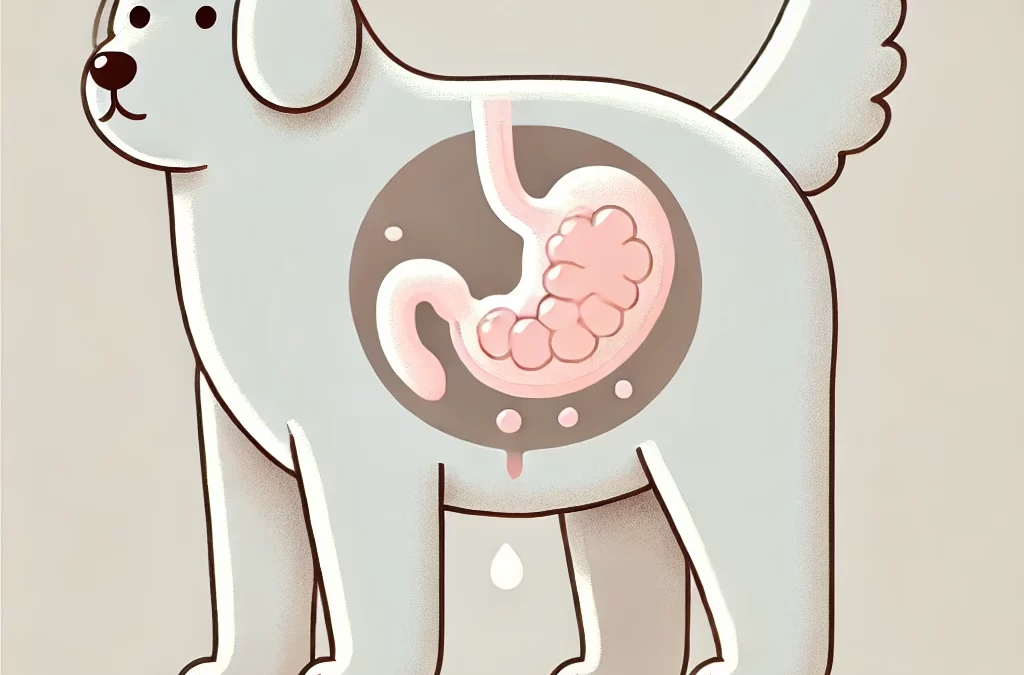
Discovering a large abdominal mass in a dog can be alarming for any pet owner. While it is natural to worry, understanding the potential causes, symptoms, and treatment options can empower you to make informed decisions about your dog’s health.
What is an Abdominal Mass?
An abdominal mass is an abnormal growth in the stomach area that may arise from organs such as the liver, spleen, intestines, or even surrounding tissues. These masses can vary significantly in size and may be benign (non-cancerous) or malignant (cancerous).
Common Causes of Abdominal Masses
- Benign Growths
- Lipomas: Fatty tumors that are generally harmless.
- Cysts: Fluid-filled sacs that may grow over time but are typically non-threatening.
- Malignant Tumors
- Hemangiosarcoma: A common cancer affecting the spleen.
- Lymphoma: Affects lymph nodes and can spread to the abdomen.
- Carcinomas: Tumors arising from epithelial tissues of internal organs.
- Other Causes
- Abscesses: Infections that lead to pus-filled pockets.
- Organ Enlargement: Conditions like liver disease can mimic mass growth.
Symptoms to Watch For
Early detection can significantly impact outcomes. Look for:
- Swollen or distended abdomen
- Weight loss or reduced appetite
- Vomiting or diarrhea
- Lethargy or signs of discomfort
- Difficulty breathing due to abdominal pressure
Diagnosis
Diagnosing an abdominal mass requires a veterinarian’s expertise. Procedures may include:
- Physical Examination: Palpating the abdomen to detect unusual growths
- Imaging Tests: Ultrasound or X-rays to determine the size, location, and nature of the mass
- Biopsy or Fine Needle Aspiration: Collecting tissue samples for analysis
- Blood Tests: Checking for related health conditions
Treatment Options
The treatment depends on the mass’s type and location:
- Surgical Removal: Often the first line of action for operable masses
- Chemotherapy or Radiation: Used for malignant growths, especially if surgery isn’t possible
- Palliative Care: Focuses on maintaining comfort if the condition is untreatable
Proactive Steps for Pet Owners
- Routine Check-ups: Regular veterinary visits can help catch problems early
- Monitor Symptoms: Keep an eye on any changes in your dog’s behavior or appetite
- Proper Nutrition: A balanced diet supports overall health and recovery
- Second Opinions: Don’t hesitate to consult another vet for complex cases
Large abdominal masses in dogs are a serious concern, but with timely veterinary care and proper management, many dogs can achieve good outcomes. Always work closely with your vet to determine the best course of action for your furry friend.

by TCMVET | Dec 3, 2024 | Dog Cancer & Tumors
Hemangiopericytoma is a rare soft tissue tumor in dogs, arising from pericytes, the cells surrounding blood vessels. While these tumors are generally slow-growing and localized, their tendency to recur after surgical removal makes them a unique challenge in veterinary oncology. This article delves into the nature of hemangiopericytomas, their diagnosis, and groundbreaking ways to manage them effectively.
What is Hemangiopericytoma in Dogs?
Hemangiopericytomas are typically found in the skin or subcutaneous tissues of middle-aged to older dogs. These tumors may appear as:
- Firm, movable lumps under the skin
- Masses varying in size, sometimes ulcerated if on the surface
- Slow-progressing but invasive growths
Commonly located on limbs, these tumors rarely metastasize but can significantly impact a dog’s mobility and comfort.
Uncommon Signs to Watch For
While hemangiopericytomas might initially seem harmless, certain symptoms should raise concern:
- Persistent licking or biting of a lump
- Swelling that doesn’t resolve
- Localized lameness or discomfort
These subtle signs often precede more obvious indications of a growing tumor.
Innovative Approaches to Diagnosis
Traditional diagnostic methods involve fine-needle aspiration or biopsy, followed by imaging like X-rays or ultrasounds. However, advancements in veterinary diagnostics now allow for:
- CT Scans: Providing detailed images of the tumor’s extent.
- 3D Tumor Modeling: Used to plan precise surgical interventions.
- Liquid Biopsies: A cutting-edge method to detect tumor-specific markers in the bloodstream, offering non-invasive monitoring.
Rethinking Treatment Options
While surgery remains the gold standard for hemangiopericytoma treatment, innovative methods are emerging to enhance outcomes:
- Advanced Surgical Techniques: Laser surgery and electrosurgery reduce the risk of recurrence by achieving cleaner margins.
- Immunotherapy: Stimulating the immune system to target residual cancer cells post-surgery.
- Cryotherapy: Freezing tumor cells for localized control when surgery is not viable.
- Photodynamic Therapy: Using light-activated drugs to destroy cancer cells.
These novel approaches provide alternatives for cases where traditional surgery might be challenging or insufficient.
Natural and Supportive Therapies
Holistic care is gaining traction as a complement to conventional treatments. These include:
- Herbal Supplements: Ingredients like astragalus and medicinal mushrooms support immunity and potentially inhibit tumor growth.
- Acupuncture: Helps alleviate pain and improve overall wellbeing.
- CBD Oil: Renowned for its anti-inflammatory and analgesic properties, it can help dogs cope with discomfort.
Combined with proper nutrition and regular exercise, these therapies contribute to improved quality of life.
The Power of Palliative Care
For dogs with advanced or recurrent hemangiopericytomas, palliative care focuses on comfort:
- Pain management with medications or laser therapy
- Mobility aids like harnesses or wheelchairs
- Emotional enrichment to maintain mental health
Owners often find solace in knowing they’re providing their pets with love and care during challenging times.
Why Hemangiopericytomas Are a Call for Innovation
Hemangiopericytomas challenge veterinarians and pet owners alike to think beyond conventional treatments. The low metastatic potential provides a unique opportunity to experiment with targeted therapies and holistic approaches without compromising the dog’s quality of life.
By embracing emerging technologies and integrative care, the management of hemangiopericytomas can evolve into a more personalized and effective process, giving dogs the best chance at a comfortable and fulfilling life.

by TCMVET | Nov 16, 2024 | Dog Cancer & Tumors
When we hear the word “tumor,” our minds often leap to the worst-case scenario: cancer. However, not all tumors are malignant. In fact, benign intestinal tumors in dogs are far less sinister and can often be managed effectively with the right approach. This article dives into the nuances of these benign growths, helping you understand their causes, symptoms, and management strategies.
What Are Benign Intestinal Tumors?
Benign intestinal tumors are non-cancerous growths that develop in the gastrointestinal (GI) tract of dogs. While they don’t invade surrounding tissues or spread to other parts of the body, their presence can still lead to discomfort or digestive issues if they grow large enough to obstruct the intestines or interfere with normal function.
Common Types of Benign Intestinal Tumors in Dogs:
- Adenomas: Develop from glandular cells lining the intestines.
- Leiomyomas: Originate from smooth muscle cells in the intestinal wall.
- Polyps: Small growths that protrude from the lining of the intestines.
Causes: Why Do These Tumors Develop?
While the exact cause of benign intestinal tumors in dogs is unknown, several factors may contribute:
- Genetics: Some breeds, like German Shepherds and Collies, may have a predisposition.
- Chronic Inflammation: Long-term GI inflammation can increase the risk of abnormal cell growth.
- Dietary Factors: Poor-quality diets lacking fiber may play a role in polyp development.
Symptoms: What to Watch For
Benign tumors often grow slowly, making symptoms subtle at first. Over time, as the tumor enlarges, the following signs may appear:
- Chronic Vomiting or Diarrhea: Due to irritation or partial blockage.
- Weight Loss: If the tumor affects nutrient absorption.
- Blood in Stool: Bright red or dark, depending on the tumor’s location.
- Abdominal Pain: If the tumor causes bloating or obstruction.
- Change in Appetite: Fluctuations between hunger and refusal to eat.
Red Flag: Any persistent GI symptom warrants a visit to your veterinarian for a thorough evaluation.
Diagnosis: Pinpointing the Problem
Diagnosing benign intestinal tumors involves a combination of techniques:
- Physical Exam: Palpation of the abdomen for masses.
- Imaging: X-rays or ultrasounds to visualize the intestinal tract.
- Endoscopy: A camera-assisted examination to view and potentially biopsy the growth.
- Biopsy: Definitive diagnosis comes from analyzing a tissue sample to determine if the tumor is benign.
Treatment: Options for Managing Benign Tumors
While benign tumors aren’t life-threatening, they often require treatment to alleviate symptoms or prevent complications.
1. Surgical Removal
- When Is Surgery Needed? If the tumor causes obstruction or severe symptoms.
- Outcome: Surgery is typically curative for benign growths, and dogs recover well post-operation.
2. Endoscopic Polypectomy
- What Is It? A less invasive method to remove polyps or small tumors via an endoscope.
- Advantages: Shorter recovery time and minimal discomfort.
3. Dietary Adjustments
- Why It Helps: A high-fiber diet may reduce inflammation and support gut healing after treatment.
- Foods to Include: Pumpkin, cooked sweet potatoes, and vet-recommended kibble.
4. Monitoring
- For Small Tumors: Regular check-ups to monitor growth without immediate intervention.
Prognosis: What to Expect
Benign intestinal tumors generally have an excellent prognosis when treated appropriately. Regular veterinary visits and follow-ups are crucial to ensure the tumor doesn’t recur or cause further issues.
Prevention: Can You Lower the Risk?
While it’s impossible to guarantee prevention, the following steps may reduce your dog’s risk of developing benign intestinal tumors:
- Balanced Diet: Include high-quality proteins, healthy fats, and sufficient fiber.
- Regular Vet Visits: Routine check-ups can catch potential issues early.
- Watch for Symptoms: Early detection often leads to simpler, less invasive treatments.
A Unique Perspective: The Gut and Overall Health
Interestingly, your dog’s gut health is closely tied to their overall well-being. The presence of a benign tumor might signal underlying imbalances, like inflammation or poor diet, that deserve attention. Treating the tumor is just one part of the journey—addressing the root causes ensures your dog remains healthy and vibrant.
Conclusion: Turning Challenges into Opportunities
Benign intestinal tumors in dogs, while concerning, are manageable and often curable. They offer a reminder to prioritize gut health, provide nutritious meals, and maintain a strong partnership with your veterinarian. With care and vigilance, your furry companion can continue to enjoy a happy, comfortable life.

by TCMVET | Nov 11, 2024 | Dog Cancer & Tumors
A diagnosis of a splenic tumor in a beloved dog can be heart-wrenching, as these tumors often pose a serious health risk. However, gaining an understanding of the types of splenic tumors, survival rates, and potential treatments can help dog parents make the best choices for their pet’s wellbeing. In this article, we’ll explore splenic tumors in dogs from a fresh perspective, focusing on the realities and options that can provide both clarity and hope.
1. What Are Splenic Tumors?
- Hemangiosarcoma: A malignant and aggressive tumor type, hemangiosarcoma is unfortunately common in canine spleens and often spreads rapidly to other organs.
- Hemangioma and Splenic Masses: Benign tumors and masses can also form on the spleen. Though these do not spread like hemangiosarcoma, they can rupture, leading to internal bleeding.
- Lymphoma: This type, arising in the lymphatic system, may also affect the spleen, adding complexity to the condition.
2. Recognizing Symptoms Early
- Subtle Symptoms: Splenic tumors are often asymptomatic until they reach an advanced stage. Symptoms may include lethargy, loss of appetite, and weight loss.
- Acute Crisis: In cases where the tumor ruptures, symptoms can escalate rapidly. Pale gums, collapse, abdominal swelling, and labored breathing may signal internal bleeding, requiring immediate veterinary attention.
3. Survival Rates and What They Mean
- Splenic Hemangiosarcoma: With hemangiosarcoma, the prognosis is often guarded due to its aggressive nature. Median survival rates with surgery alone can range from 2-3 months.
- With Chemotherapy: Combining surgery with chemotherapy can extend survival, sometimes offering 6-12 months, depending on the individual dog’s response.
- Benign Tumors and Masses: Survival rates for benign masses are considerably more optimistic, as surgical removal can often provide a complete solution without recurrence.
4. Exploring Treatment Options
- Surgical Intervention: Splenectomy, or removal of the spleen, is the most common treatment for splenic tumors. It can provide immediate relief from symptoms and prevent further complications from a ruptured mass.
- Chemotherapy: This is often recommended for malignant tumors like hemangiosarcoma to control the spread, though it may not be curative. Some dogs tolerate chemotherapy well, showing few side effects.
- Alternative Therapies: Many pet parents explore natural supplements like medicinal mushrooms, which may boost immune function. While these aren’t substitutes for surgery or chemotherapy, they can serve as complementary support.
5. Providing a Good Quality of Life
- Managing Pain and Comfort: Pain management is essential to ensure a good quality of life. Veterinarians often recommend pain relief medications or even acupuncture.
- Diet and Nutrition: Providing a balanced diet rich in antioxidants and immune-boosting supplements can support overall health, especially during treatment or recovery.
- Low-Stress Environment: Minimizing stress through a calm and familiar environment can make a big difference, helping your dog feel comfortable and secure.
6. Why There’s Still Hope
- Promising Research: Ongoing research into canine cancers, especially hemangiosarcoma, may lead to better treatments and outcomes.
- New Therapies: Immunotherapy and targeted treatments are in development, with some showing early promise in trials. Although these are not yet widely available, they offer hope for the future.
- Stories of Resilience: Many dogs with splenic tumors defy the odds and live longer than expected, especially with attentive care and timely treatment.
7. How to Support Your Dog’s Journey
- Veterinary Guidance: Building a strong relationship with your veterinarian is crucial. They can tailor a treatment plan and provide resources for managing your dog’s condition.
- Support Communities: Many online support groups exist for dog parents dealing with cancer, offering encouragement, advice, and shared experiences that can be incredibly uplifting.
Conclusion
Splenic tumors in dogs present unique challenges, but with prompt diagnosis, informed decisions, and compassionate care, many dogs maintain a good quality of life. While survival rates vary, staying proactive and hopeful can make all the difference. Remember, each journey is unique, and by supporting your dog through every step, you’re giving them the love and care they deserve.
