
by TCMVET | Jul 5, 2024 | Dog Cancer & Tumors
As a pet owner, discovering lumps and bumps on your dog can be concerning. While some may be harmless, others could indicate underlying health issues. Providing your dog with the right supplements can play a crucial role in managing and preventing these growths. In this article, we introduce Baituxiao, a highly effective Traditional Chinese Medicine (TCM) supplement designed to address lumps and bumps in dogs.
Understanding Dog Lumps and Bumps
Lumps and bumps can appear on dogs for various reasons, ranging from benign conditions to more serious health concerns. Common types include:
- Lipomas: Benign fatty tumors.
- Sebaceous Cysts: Blocked oil glands.
- Mast Cell Tumors: Can be benign or malignant.
- Abscesses: Usually caused by infections or bites.
The Role of Supplements in Managing Lumps and Bumps
Supplements can support your dog’s immune system, reduce inflammation, and promote overall skin health, making them a valuable addition to traditional treatments.
Introducing Baituxiao: The Ultimate Supplement for Dog Lumps and Bumps
Baituxiao is a TCM-based supplement that offers a natural and effective solution for managing lumps and bumps in dogs. This herbal formula is designed to shrink tumors, reduce inflammation, and support your dog’s overall well-being.
Benefits of Baituxiao
- Natural Ingredients: Contains a blend of herbs known for their anti-tumor and anti-inflammatory properties.
- Holistic Approach: Promotes overall health and wellness, not just the affected area.
- Non-Invasive: A stress-free alternative to surgical procedures.
How Baituxiao Works
Baituxiao works by harnessing the power of traditional Chinese herbs to support the body’s natural healing processes. The ingredients in Baituxiao help to:
- Reduce Tumor Size: The anti-tumor properties of the herbs help shrink benign and malignant growths.
- Ease Inflammation: Anti-inflammatory herbs reduce swelling and discomfort associated with lumps.
- Boost Immunity: Supports the immune system to help prevent future growths.
Success Stories with Baituxiao
Many pet owners have seen remarkable improvements in their dogs after using Baituxiao. From reducing the size of lipomas to completely resolving cysts, Baituxiao has proven to be a reliable and effective supplement.
How to Incorporate Baituxiao into Your Dog’s Routine
Administering Baituxiao is simple and can be easily integrated into your dog’s daily routine. The recommended dosage depends on your dog’s size and the severity of the condition. Always consult with a veterinarian experienced in TCM for the best results.
Preventing Future Lumps and Bumps
In addition to using Baituxiao, here are some tips to help prevent future lumps and bumps in your dog:
- Regular Vet Check-ups: Early detection is key to effective treatment.
- Healthy Diet: Ensure your dog receives a balanced diet rich in nutrients.
- Exercise: Regular physical activity supports overall health.
- Grooming: Regular grooming helps in early detection of new lumps or changes in existing ones.
Lumps and bumps on dogs are common, but with the right approach, they can be managed effectively. Baituxiao offers a natural, holistic solution to support your dog’s health and well-being. By incorporating Baituxiao into your pet care routine, you can provide a proactive approach to managing and preventing lumps and bumps, ensuring your dog stays healthy and happy.

by TCMVET | Jul 5, 2024 | Medicines & Therapies
Discovering lumps and bumps on your dog can be alarming. While not all lumps are dangerous, it’s crucial to address them promptly to ensure your furry friend’s health and comfort. In this guide, we’ll explore various treatment options, including the innovative TCM product Baituxiao, which has been garnering praise for its effectiveness.
Understanding Dog Lumps and Bumps
Lumps and bumps can appear on dogs for various reasons, including benign tumors, cysts, warts, and malignant growths. Understanding the nature of these lumps is the first step toward effective treatment.
Common Causes of Lumps in Dogs
- Lipomas: These are benign, fatty tumors that are usually harmless but can grow large and uncomfortable.
- Sebaceous Cysts: These are blocked oil glands that can become inflamed or infected.
- Mast Cell Tumors: These can be benign or malignant and require immediate attention.
- Abscesses: Often caused by infections or bites, these need to be drained and treated with antibiotics.
Conventional Treatment Options
- Surgical Removal: For large or suspicious lumps, surgical removal is often recommended.
- Cryotherapy: Freezing small, benign lumps can be effective and less invasive.
- Medication: Antibiotics for abscesses or anti-inflammatory drugs for benign lumps can help manage symptoms.
Introducing Baituxiao: A Natural Solution
Baituxiao, a Traditional Chinese Medicine (TCM) product, offers a natural alternative for treating dog lumps and bumps. This herbal formula is designed to shrink tumors, reduce inflammation, and promote overall skin health without the side effects commonly associated with conventional treatments.
Benefits of Baituxiao
- Natural Ingredients: Made from a blend of herbs known for their anti-tumor and anti-inflammatory properties.
- Non-Invasive: Avoids the stress and risks of surgical procedures.
- Holistic Approach: Supports overall health and wellness, not just the targeted area.
How to Use Baituxiao
Administering Baituxiao is simple and can be easily integrated into your dog’s daily routine. The recommended dosage depends on your dog’s size and the severity of the condition. Always consult a veterinarian experienced in TCM for the best results.
Success Stories
Many pet owners have reported significant improvements in their dogs’ conditions after using Baituxiao. From shrinking lipomas to resolving stubborn cysts, Baituxiao has proven to be a valuable addition to pet care routines.
Preventing Future Lumps and Bumps
- Regular Check-ups: Routine vet visits can catch issues early.
- Balanced Diet: Ensure your dog is getting a diet rich in nutrients.
- Exercise: Regular physical activity helps maintain overall health.
- Regular Grooming: Helps in early detection of any new lumps or changes in existing ones.
Lumps and bumps on dogs are common but should never be ignored. With the right approach, including natural remedies like Baituxiao, you can ensure your dog’s health and comfort. Remember to consult your veterinarian before starting any new treatment to tailor the approach to your dog’s specific needs.
by TCMVET | Jul 3, 2024 | Dog Cancer & Tumors
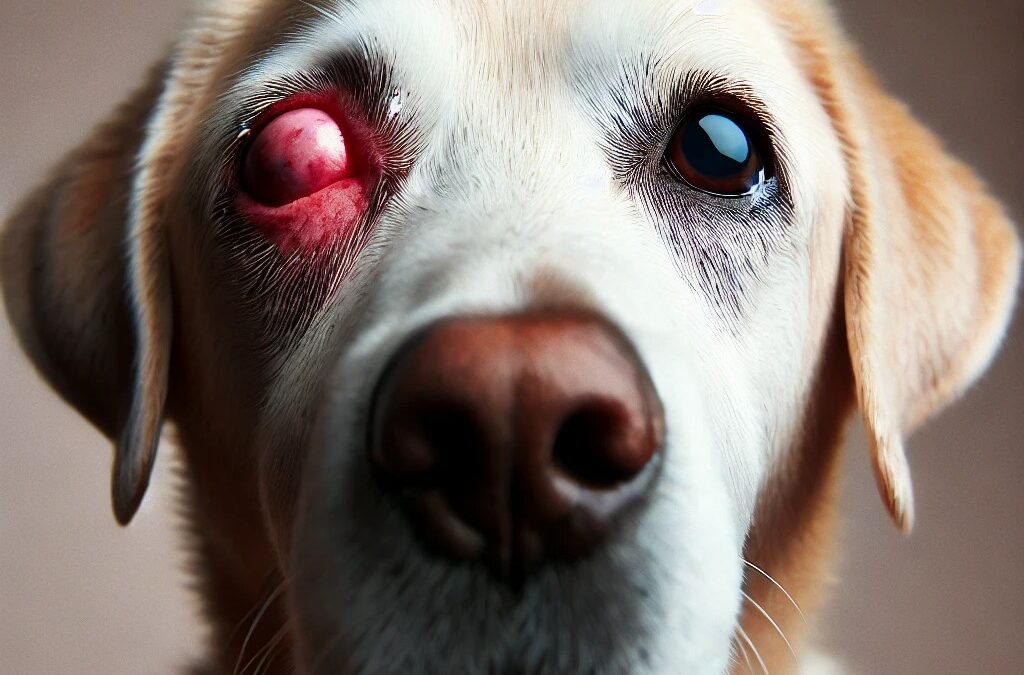
Cancer in dogs can lead to a variety of health complications, including blindness. This article explores how different types of cancer can affect a dog’s vision, the symptoms to watch for, and the importance of early detection and treatment.
How Cancer Can Cause Blindness in Dogs
- Ocular Tumors: Tumors can develop directly within the eye, affecting structures such as the retina, optic nerve, or other critical components responsible for vision. Common ocular cancers include melanoma, lymphoma, and adenocarcinoma. These tumors can cause significant damage to the eye, leading to partial or complete blindness. Symptoms may include visible masses on the eye, redness, swelling, or changes in eye color.
- Brain Tumors: Tumors located in the brain, particularly in areas affecting the optic nerves or visual cortex, can disrupt a dog’s ability to see. The optic nerves transmit visual information from the eyes to the brain, and any pressure or damage from a tumor can impair this process. Symptoms might include sudden vision loss, changes in behavior, seizures, or head tilting.
- Metastatic Cancer: Cancer that originates in other parts of the body can spread (metastasize) to the eyes or brain, leading to similar issues as primary tumors in these locations. Metastatic cancer often progresses rapidly, making early detection and intervention crucial.
- Paraneoplastic Syndromes: These are indirect effects of cancer that can impact various parts of the body, including the eyes. Certain cancers can cause immune system reactions that damage ocular tissues, resulting in vision loss.
Symptoms to Watch For
If your dog has cancer, it’s important to monitor for signs of vision problems. Symptoms indicating potential blindness include:
- Squinting or closing one eye
- Excessive tearing or discharge
- Redness or swelling around the eyes
- Cloudiness or visible masses on the eye
- Behavioral changes such as bumping into objects or hesitancy to move in dim light
- Sudden or gradual loss of vision
Diagnosis and Treatment
Early detection and intervention are key to managing cancer-related blindness in dogs. Diagnostic methods include:
- Physical Examination: A thorough eye exam by a veterinarian to check for abnormalities.
- Imaging: Techniques such as MRI, CT scans, or ultrasound to detect tumors in the eyes or brain.
- Biopsy: Taking a sample of the tumor to determine its type and guide treatment.
Treatment options vary depending on the type and location of the cancer. They may include:
- Surgery: Removal of the tumor to prevent further damage and potentially restore vision.
- Radiation Therapy: Targeting the tumor with radiation to shrink it and reduce its impact on vision.
- Chemotherapy: Using drugs to treat cancer and slow its progression.
- Palliative Care: For advanced cases, focusing on maintaining comfort and quality of life.
Cancer can significantly impact a dog’s vision, leading to partial or complete blindness. Understanding the connection between cancer and blindness, recognizing the symptoms, and seeking prompt veterinary care are crucial steps in managing this condition. By staying informed and proactive, you can help ensure your dog receives the best possible care.

by TCMVET | Jun 10, 2024 | Dog Cancer & Tumors
A tumor on a dog’s paw pad can be a concerning issue for pet owners. These growths can cause discomfort, pain, and potential mobility issues for your furry friend. This article delves into the causes, symptoms, diagnosis, and treatment options for tumors on dog paw pads, providing you with a comprehensive guide to help your pet live a healthier, happier life.
What Causes Tumors on Dog Paw Pads?
Tumors on dog paw pads can arise from various factors. Common causes include:
- Benign Growths: These non-cancerous tumors, such as warts or cysts, can develop due to infections, inflammation, or genetic predisposition.
- Malignant Tumors: Cancerous growths, such as melanomas, mast cell tumors, or squamous cell carcinomas, can also affect the paw pads, often requiring more aggressive treatment.
- Infections: Bacterial, fungal, or viral infections can lead to the formation of tumors or tumor-like lesions on the paw pads.
- Trauma: Chronic injury or irritation to the paw pads can sometimes result in the formation of growths.
Symptoms to Watch For
Early detection of tumors on dog paw pads can significantly improve treatment outcomes. Keep an eye out for the following symptoms:
- Swelling: Unusual swelling or lumps on the paw pads.
- Discoloration: Changes in color, such as redness or darkening of the affected area.
- Pain: Signs of discomfort, such as limping, licking, or chewing at the paw.
- Bleeding: Open sores or bleeding from the tumor site.
- Odor: Foul smell emanating from the paw, which may indicate infection.
Diagnosing Tumors on Dog Paw Pads
If you notice any abnormal growths on your dog’s paw pads, it’s essential to consult a veterinarian promptly. The diagnostic process typically involves:
- Physical Examination: The vet will perform a thorough examination of the paw and may check for other signs of illness.
- Fine Needle Aspiration (FNA): A sample of cells is taken from the tumor using a thin needle and examined under a microscope.
- Biopsy: A small tissue sample may be removed for more detailed analysis, especially if the tumor is suspected to be malignant.
- Imaging: X-rays or ultrasound may be used to assess the extent of the tumor and check for potential spread to other areas.
Treatment Options
Treatment for tumors on dog paw pads varies based on the type, size, and malignancy of the tumor. Common treatment options include:
- Surgical Removal: The most effective treatment for many tumors, involving the excision of the growth with clear margins to prevent recurrence.
- Cryotherapy: Freezing the tumor with liquid nitrogen, often used for small, superficial tumors.
- Radiation Therapy: Used for malignant tumors that are not easily removed surgically.
- Chemotherapy: Systemic treatment for cancerous tumors, especially if there is a risk of metastasis.
- Topical Treatments: Medications or ointments for benign tumors or to manage symptoms.
Post-Operative Care and Monitoring
After treatment, proper care and monitoring are crucial for a successful recovery. Follow these tips:
- Wound Care: Keep the affected area clean and dry, and follow the vet’s instructions for cleaning and bandaging.
- Activity Restriction: Limit your dog’s activity to prevent strain on the paw.
- Medications: Administer any prescribed medications, such as antibiotics or pain relievers, as directed.
- Regular Check-Ups: Attend follow-up appointments to monitor the healing process and check for any signs of recurrence.
Conclusion
A tumor on your dog’s paw pad can be a daunting discovery, but with prompt diagnosis and appropriate treatment, your pet can regain comfort and mobility. Always consult with your veterinarian to determine the best course of action for your dog’s specific needs. By staying vigilant and proactive, you can ensure your furry friend enjoys a healthy and happy life.

by TCMVET | Jun 10, 2024 | Medicines & Therapies
Histiocytomas are common skin tumors in dogs that, while typically benign, can cause discomfort and health issues if left untreated. Understanding how to effectively remove histiocytomas can improve your pet’s quality of life and prevent potential health risks. This article provides an in-depth look at the symptoms, diagnosis, surgical removal, and post-operative care of histiocytomas in dogs, offering a comprehensive health guide for your furry friend.
What is a Histiocytoma?
A histiocytoma is a type of benign skin tumor commonly found in young dogs, although older dogs can also be affected. These tumors originate from histiocytes, a type of immune cell found in the skin. Histiocytomas usually appear as small, round, and raised growths that can be red and ulcerated. They are most commonly found on the head, ears, and limbs.
Symptoms of Histiocytomas
Identifying histiocytomas early can make treatment easier and more effective. Look out for the following symptoms:
- Small, round, and firm bumps on the skin
- Redness or ulceration on the surface of the tumor
- Rapid growth over a short period
- Possible itching or discomfort for the dog
Diagnosis of Histiocytomas
If you notice any unusual growths on your dog’s skin, it’s essential to consult a veterinarian. Diagnosis typically involves:
- Physical Examination: The vet will conduct a thorough examination of the growth.
- Fine Needle Aspiration (FNA): A sample of cells is taken from the tumor using a thin needle and examined under a microscope.
- Biopsy: In some cases, a small tissue sample may be removed for more detailed analysis.
Surgical Removal of Histiocytomas
Surgical removal is the most common and effective treatment for histiocytomas. The procedure involves:
- Pre-Surgery Preparation: Your dog will undergo a pre-surgical examination to ensure they are fit for anesthesia.
- Anesthesia: The dog is given anesthesia to ensure a painless procedure.
- Tumor Removal: The veterinarian makes an incision around the tumor and removes it, ensuring clear margins to prevent recurrence.
- Stitching: The incision is closed with stitches, and a bandage may be applied to protect the area.
Post-Operative Care
After surgery, proper care is crucial for a smooth recovery. Follow these steps:
- Wound Care: Keep the surgical site clean and dry. Follow the vet’s instructions for cleaning and bandaging.
- Activity Restriction: Limit your dog’s activity to prevent strain on the stitches.
- Medications: Administer any prescribed medications, such as antibiotics or pain relievers, as directed.
- Follow-Up Visits: Attend all follow-up appointments to ensure the wound is healing properly and to check for any signs of infection or complications.
Preventing Recurrence
While histiocytomas are generally benign and unlikely to recur once removed, regular monitoring of your dog’s skin for any new growths is important. Maintain regular veterinary check-ups to catch any potential issues early.
Conclusion
Removing histiocytomas in dogs is a straightforward procedure that can significantly improve your pet’s comfort and health. By understanding the symptoms, diagnosis, and treatment options, you can ensure your furry friend receives the best care possible. Always consult with your veterinarian to determine the most appropriate course of action for your dog’s specific needs.
