Cancer is a growing concern for pet owners, especially those with multiple dogs. When a dog in the household is diagnosed with cancer, a common question arises: Is canine cancer contagious? Understanding the nature of cancer and how it spreads can help pet owners take appropriate precautions while providing the best care for their furry companions.
Is Cancer Contagious in Dogs?
The simple answer is no—most forms of cancer in dogs are not contagious. Unlike infectious diseases caused by viruses or bacteria, cancer is the uncontrolled growth of abnormal cells within an individual’s body. It does not spread from one dog to another through direct contact, shared food bowls, or proximity.
However, there are rare exceptions, such as transmissible venereal tumors (TVT), which can spread through direct contact, particularly during mating. TVT is one of the only naturally occurring transmissible cancers in dogs, and it mainly affects stray or unneutered dogs. Apart from this, conventional cancers such as lymphoma, osteosarcoma, and mast cell tumors cannot be transmitted between dogs.
Can Cancer Be Influenced by Environmental Factors?
While cancer itself is not contagious, dogs living in the same household may share common environmental risks that could contribute to cancer development. These include:
Exposure to secondhand smoke – Dogs in smoking households have a higher risk of developing lung cancer and nasal tumors.
Toxic chemicals – Pesticides, herbicides, and household cleaning products may increase the risk of cancer in pets.
Diet and obesity – Poor diet and obesity-related inflammation can contribute to the development of cancer over time.
Genetics – If multiple dogs in a household are from the same bloodline or breed, they may have a genetic predisposition to certain cancers.
What Should Multi-Dog Owners Do?
Even though cancer is not contagious, pet owners should take certain precautions to ensure the health and well-being of all their dogs:
1. Maintain a Healthy Environment
Keep your home free of harmful toxins, including cigarette smoke and harsh chemicals.
Avoid using pesticides and herbicides in areas where your dogs play.
2. Support a Nutritious Diet
Feed all dogs a balanced, high-quality diet with fresh, natural ingredients.
Consider supplements that support immune health, such as omega-3 fatty acids and antioxidants.
3. Monitor for Symptoms in Other Dogs
Regularly check for lumps, swelling, weight loss, or behavioral changes.
Schedule annual veterinary check-ups and routine cancer screenings, especially for senior dogs or breeds prone to cancer.
4. Provide Emotional Support
If one dog is diagnosed with cancer, other dogs in the household may experience stress or behavioral changes.
Maintain a stable routine and provide comfort to all pets in the home.
5. Consult a Veterinarian
If you have concerns about cancer risks in your home, consult your vet for personalized advice on prevention and early detection.
Conclusion
Canine cancer is not contagious, but shared environmental factors and genetic predispositions may influence cancer risks in multiple dogs within a household. By maintaining a healthy home, providing proper nutrition, and staying vigilant for symptoms, pet owners can help their dogs live longer, healthier lives. If one of your dogs is diagnosed with cancer, offering love, comfort, and appropriate medical care is the best way to support them while ensuring the well-being of your entire pack.
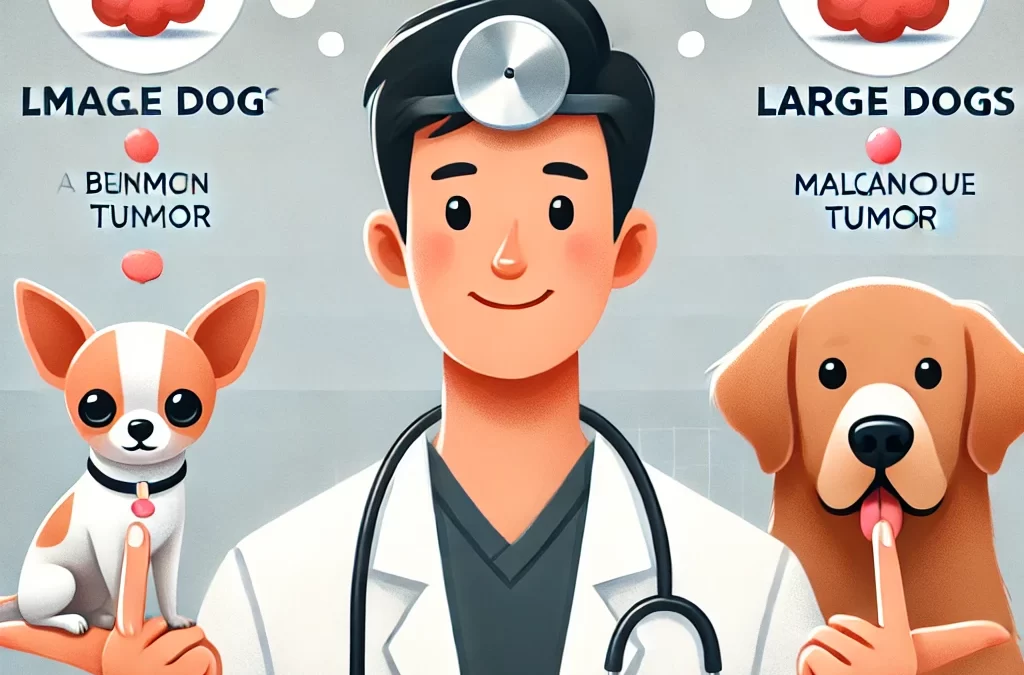
When it comes to cancer and tumor development in dogs, size matters—literally. Small and large breeds have different genetic predispositions, metabolic rates, and immune responses, all of which contribute to variations in how tumors develop, progress, and respond to treatment. If you’re a pet parent concerned about your dog’s health, understanding these differences can help you make informed decisions about prevention, early detection, and treatment.
1. The Genetic Factor: Breed-Specific Tumor Risks
Some cancers are more common in certain breeds, and a dog’s size often plays a role in this predisposition.
Large Breeds: Dogs like Golden Retrievers, Great Danes, and Rottweilers are more likely to develop osteosarcoma (bone cancer), hemangiosarcoma (blood vessel cancer), and lymphoma. These cancers tend to be aggressive and often metastasize quickly.
Small Breeds: Breeds like Poodles, Dachshunds, and Chihuahuas are more prone to benign tumors such as lipomas and papillomas, but they can also develop mammary tumors and bladder cancer.
The difference is not just in the type of tumors but also in how these cancers behave and respond to treatment.
2. Tumor Growth Rate and Behavior
Tumor progression varies significantly between small and large dogs due to differences in growth rates and cell metabolism.
Faster Growth in Large Dogs: Larger breeds grow rapidly as puppies, and this rapid cell division may contribute to a higher risk of developing malignant tumors later in life. Their tumors also tend to be more aggressive.
Slower Growth in Small Dogs: While tumors in small breeds may develop more slowly, they are still a concern. Benign tumors like lipomas are common but may interfere with mobility if they grow too large. Additionally, small dogs can still develop malignant tumors, such as mast cell tumors, which can spread if left untreated.
3. Life Expectancy and Tumor Onset
Large dogs tend to have shorter lifespans than small dogs, and this impacts tumor development timelines.
Early-Onset Cancers in Large Dogs: Since large breeds age faster, they are more likely to develop cancer at a younger age—often between 6 to 8 years old. This means owners should begin cancer screenings and preventive care early.
Later-Onset Tumors in Small Dogs: Small breeds may not show signs of cancer until their senior years (10+ years old), which means long-term monitoring is essential.
Understanding these timelines can help pet owners schedule vet checkups at the right time to catch potential tumors early.
4. Diagnosis and Treatment Challenges
When diagnosing and treating tumors, size plays a role in both detection and the ability to perform procedures.
Surgical Considerations: Large dogs can better tolerate some surgeries due to their larger body mass, but removing tumors in weight-bearing bones (like with osteosarcoma) can be challenging. Small dogs, on the other hand, may struggle with anesthesia risks, especially if they are very tiny.
Chemotherapy and Medication Differences: Dosing for chemotherapy is weight-dependent, and larger dogs often require higher drug doses, increasing treatment costs. Small dogs, despite needing lower doses, may experience stronger side effects due to their delicate systems.
5. Prevention and Early Detection Strategies
Regardless of size, early detection is crucial. Here’s what dog owners can do:
Routine Veterinary Checkups: Regular exams help catch tumors before they grow too large.
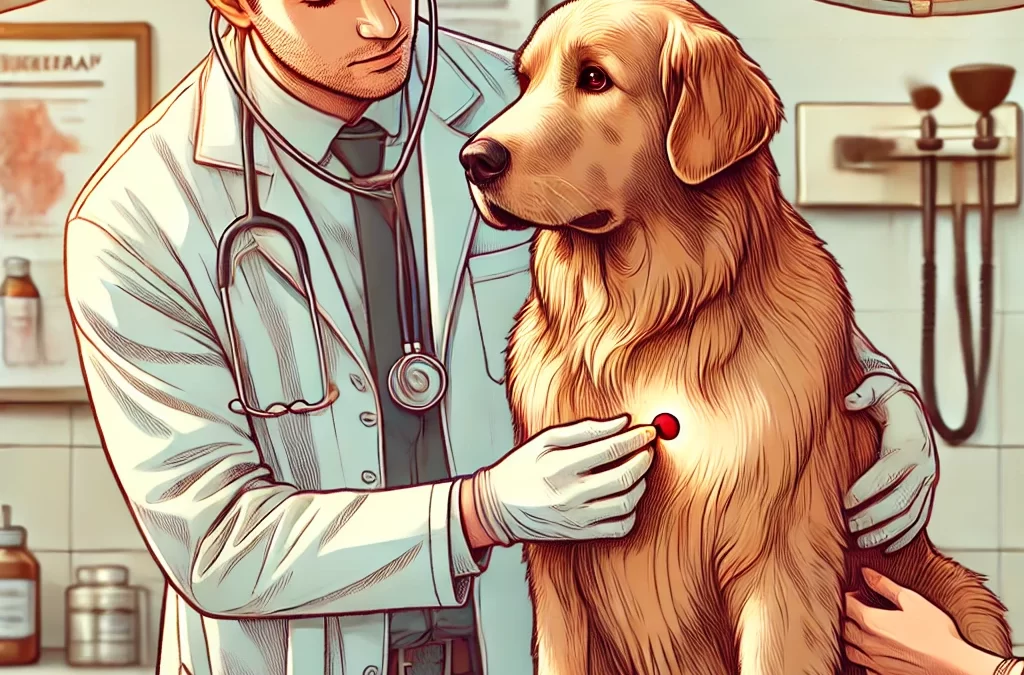
Physical Checks at Home: Running your hands over your dog’s body weekly can help detect unusual lumps.
Breed-Specific Cancer Screenings: Large breeds should have early X-rays and ultrasounds, while small breeds may benefit from skin and bladder screenings.
Diet and Lifestyle Adjustments: A balanced diet, regular exercise, and weight management can help support overall health and potentially reduce cancer risks.
Final Thoughts
While tumors affect both small and large dogs, their differences in genetics, tumor behavior, and treatment options mean pet owners need tailored care strategies. Large dogs are more prone to aggressive cancers at younger ages, while small dogs may develop slower-growing tumors later in life. By understanding these distinctions and prioritizing early detection, dog owners can improve their pets’ quality of life and potentially extend their time together.
Picture this: You’ve just given your dog a much-deserved belly rub after a fun-filled walk. Suddenly, your fingertips brush against a small bump you’ve never noticed before. Cue the suspenseful music—Has an alien invader (read: malignant tumor) set up camp, or is it just a harmless squatter (benign growth) chilling under your dog’s skin? Before you sound the alarm or shrug it off, let’s shed some light on how to decode these mysterious new tenants in your furry friend’s body.
1. “Growth CSI”: Forensic Clues That Matter
Think of yourself as the detective in a high-stakes crime drama. Your job is to gather all the evidence:
Texture and Mobility: Malignant tumors often feel irregular and may adhere to surrounding tissues, while benign lumps tend to be smoother and more mobile.
Rate of Growth: Is that bump rapidly inflating like a balloon, or has it remained the same size over weeks or months? Faster growth can point to malignancy.
Associated Symptoms: Changes in appetite, lethargy, weight loss, or localized pain might be extra red flags that require immediate attention.
The key takeaway? Don’t jump to conclusions just from how the lump feels. But do keep your “detective notebook” updated with observations.
2. Scientific Intel: Diagnostic Tests Reveal the Truth
Just like any good thriller, you’ll need a qualified partner to crack the case. In this episode, it’s your trusted veterinarian, armed with high-tech tools and a keen eye for detail:
Fine Needle Aspiration (FNA): A quick, minimally invasive test that can provide immediate cellular clues. Think of it as collecting “fingerprints” of the lump’s identity.
Biopsy: Sometimes, a closer look is needed—like analyzing a suspect’s DNA. A biopsy offers a deeper dive into the tissue’s structure and cell behavior.
Imaging Tools: X-rays, ultrasounds, or MRIs act as the detective’s magnifying glass, spotting hidden clues about the growth’s boundaries and potential spread.
3. Tumor or Benign Growth? Understanding the Verdict
After collecting evidence and running tests, the verdict will be in. Malignant tumors—our “alien invaders”—carry the risk of infiltration and metastasis. This often calls for prompt, sometimes aggressive, treatment, which may include surgery, chemotherapy, or radiation. Benign growths—our “harmless squatters”—generally grow slowly and stay confined, but that doesn’t mean you can always ignore them. Some benign masses can still press on vital organs or become ulcerated over time, necessitating removal or periodic monitoring.
4. Crafting a Treatment Masterplan
Whether the diagnosis is a harmless squatter or a confirmed alien invader, having a solid game plan is non-negotiable:
Surgical Removal: Often the first line of defense—like evicting a bad tenant.
Medications & Therapies: Chemotherapy, targeted therapy, or immunotherapy can tip the scales in your dog’s favor if the tumor is malignant.
Lifestyle Adjustments: From specialized diets to gentle exercise routines, holistic support helps your dog feel their best throughout treatment.
Ongoing Monitoring: Think of this as your perimeter patrol to ensure no suspicious lumps return or appear elsewhere.
5. Celebrating the Wins and Sharing the Journey
Finding a new lump can be a scary twist in your beloved pet’s story. Yet remember: not every bump is a doom-and-gloom scenario. Armed with vigilance and a proactive approach, you can turn this “alien vs. squatter” mystery into a manageable subplot in your dog’s life adventure. Share updates with your vet, celebrate small victories (a stable lump, successful surgery, good energy levels), and cherish each tail wag along the way.
Because at the end of the day, every detective story worth telling concludes with hope—and maybe a few extra treats for the world’s best sidekick, your dog.