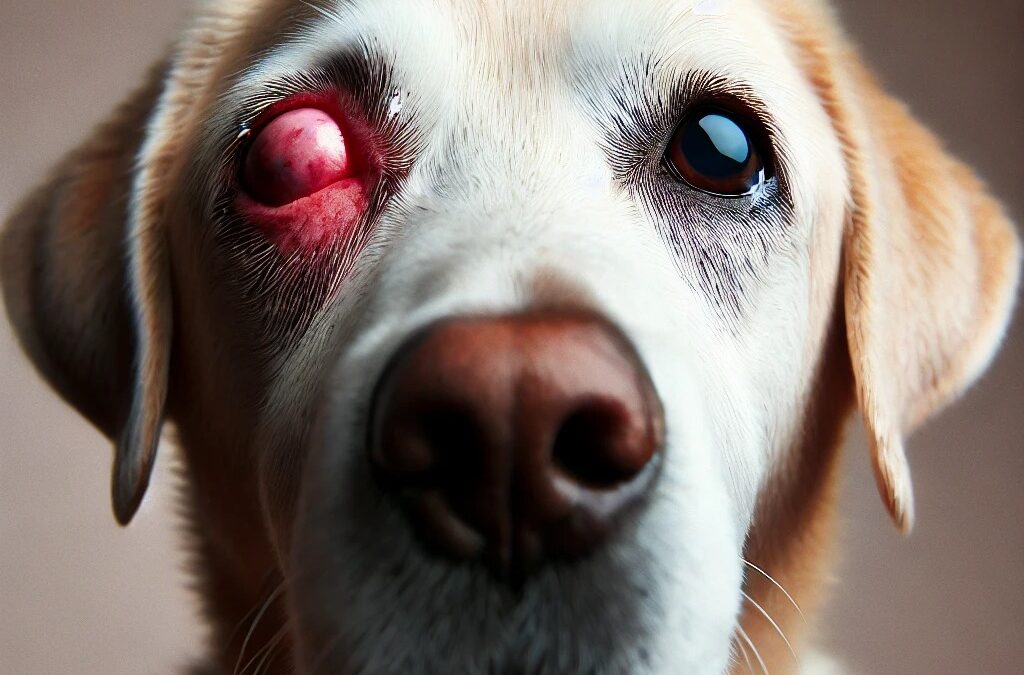
Discovering that your dog has a tumor behind the eye can be alarming. Known as retrobulbar tumors, these growths can significantly affect your dog’s health and vision. Early detection and effective treatment are crucial for managing this condition. In this article, we will explore the signs of retrobulbar tumors in dogs, discuss treatment options, and introduce TCMVET’s Baituxiao as a supportive supplement to enhance your dog’s recovery and overall well-being.
Recognizing Early Signs of Retrobulbar Tumors
Early detection is key to managing retrobulbar tumors effectively. Watch for these common signs that may indicate the presence of a tumor behind your dog’s eye:
Bulging Eye: A noticeable protrusion of one eye.
Eye Displacement: The eye may appear pushed forward or to the side.
Vision Issues: Sudden vision loss or difficulty seeing.
Pain and Discomfort: Pawing at the eye, reluctance to be touched, or general irritability.
Swelling or Redness: Inflammation around the eye.
Behavioral Changes: Decreased appetite, lethargy, or avoiding bright light.
Diagnosing Retrobulbar Tumors
If you notice any of these symptoms, seek veterinary care immediately. Diagnosing retrobulbar tumors typically involves:
Physical Examination: A thorough check of your dog’s eye and surrounding area.
Imaging Tests: X-rays, ultrasound, CT scans, or MRI to get detailed images of the tumor.
Biopsy: To determine the tumor type and whether it is benign or malignant.
Treatment Options for Retrobulbar Tumors
The choice of treatment depends on the tumor’s type, size, location, and malignancy. Here are common treatment options:
Surgery: Often the first line of treatment. In some cases, the eye may need to be removed to ensure complete tumor removal.
Radiation Therapy: To shrink the tumor and alleviate symptoms, particularly when surgery is not feasible.
Chemotherapy: Used for malignant tumors to control cancer spread.
Palliative Care: Focuses on managing symptoms and ensuring comfort when curative treatment is not possible.
Integrating Baituxiao for Enhanced Support
Alongside conventional treatments, integrating natural supplements like TCMVET’s Baituxiao can offer additional support in managing eye tumors in dogs. Baituxiao is designed to promote overall health and enhance the body’s natural defenses.
Benefits of Baituxiao
Immune System Support: Strengthens the immune system to help fight cancer cells more effectively.
Anti-Inflammatory Properties: Reduces inflammation associated with tumors, alleviating symptoms and improving comfort.
Detoxification: Supports liver function and detoxification, beneficial during cancer treatment.
Holistic Health: Promotes overall well-being and supports natural healing processes.
Post-Treatment Care and Monitoring
Regular follow-up visits are crucial to monitor recovery and detect any signs of recurrence. Post-treatment care includes:
Pain Management: Ensuring your dog is comfortable and pain-free.
Eye Care: Administering prescribed eye drops or medications.
Nutritional Support: Providing a balanced diet to support health and recovery.
Early identification and treatment of retrobulbar tumors in dogs are essential for preserving vision and improving quality of life. By recognizing the signs, seeking prompt veterinary care, and exploring all available treatment options, including supportive supplements like Baituxiao, you can provide comprehensive care for your dog. Stay vigilant and proactive in your dog’s healthcare to ensure they live a happy, healthy life.
As loving pet owners, noticing any changes in our dogs’ health can be alarming. One such change that can raise concern is swelling in a dog’s eyes. This article explores whether cancer can cause this symptom, providing valuable insights for dog owners and helping to clarify the connection between eye swelling and cancer in dogs.
Understanding Eye Swelling in Dogs
Eye swelling, also known as periorbital swelling, can occur for various reasons. It is characterized by inflammation and puffiness around the eyes, which can be uncomfortable and may affect a dog’s vision. Causes of eye swelling can range from infections and allergies to trauma and underlying health conditions.
The Cancer Connection
Cancer can indeed be a contributing factor to eye swelling in dogs. While it’s not the most common cause, certain types of cancer can lead to this symptom:
Orbital Tumors: Tumors located in or around the eye socket can cause noticeable swelling. These tumors can be benign or malignant and may affect the structures within the orbit.
Lymphoma: This type of cancer targets the lymphatic system and can cause generalized swelling, including around the eyes.
Squamous Cell Carcinoma: This form of skin cancer can develop on the eyelids or other parts of the eye, leading to inflammation and swelling.
Symptoms to Watch For
If your dog has swelling around the eyes, it’s essential to observe for additional symptoms that might indicate cancer:
Persistent Redness: Redness that doesn’t resolve with standard treatments.
Discharge: Unusual discharge from the eyes, which can be clear, yellow, or bloody.
Vision Changes: Difficulty seeing, bumping into objects, or noticeable vision impairment.
Pain: Signs of discomfort when touching the eye area or excessive pawing at the eyes.
Systemic Symptoms: Lethargy, weight loss, and changes in appetite.
Diagnosis and Treatment
If you notice swelling around your dog’s eyes, a prompt visit to the veterinarian is crucial. The vet will perform a thorough examination, which may include:
Physical Exam: Checking the eyes and surrounding structures.
Imaging: X-rays, ultrasounds, or MRIs to identify tumors or other abnormalities.
Biopsy: Taking a sample of any abnormal tissue for further analysis.
Treatment depends on the underlying cause of the swelling. If cancer is diagnosed, options may include surgery to remove tumors, radiation therapy, or chemotherapy. Early detection and treatment are key to improving outcomes.
Managing Your Dog’s Health
Caring for a dog with cancer requires a comprehensive approach that addresses both the disease and its symptoms. Regular veterinary check-ups, a nutritious diet, and a comfortable environment are essential. Additionally, being vigilant about any changes in your dog’s eyes or overall health can help catch potential issues early.
Swelling in a dog’s eyes can be a distressing symptom for pet owners. While cancer is a possible cause, it’s important to remember that many other factors can also lead to eye swelling. By understanding the potential link between cancer and eye swelling, pet owners can take proactive steps to ensure their dog’s health and well-being.
Cancer in dogs can lead to a variety of health complications, including blindness. This article explores how different types of cancer can affect a dog’s vision, the symptoms to watch for, and the importance of early detection and treatment.
How Cancer Can Cause Blindness in Dogs
Ocular Tumors: Tumors can develop directly within the eye, affecting structures such as the retina, optic nerve, or other critical components responsible for vision. Common ocular cancers include melanoma, lymphoma, and adenocarcinoma. These tumors can cause significant damage to the eye, leading to partial or complete blindness. Symptoms may include visible masses on the eye, redness, swelling, or changes in eye color.
Brain Tumors: Tumors located in the brain, particularly in areas affecting the optic nerves or visual cortex, can disrupt a dog’s ability to see. The optic nerves transmit visual information from the eyes to the brain, and any pressure or damage from a tumor can impair this process. Symptoms might include sudden vision loss, changes in behavior, seizures, or head tilting.
Metastatic Cancer: Cancer that originates in other parts of the body can spread (metastasize) to the eyes or brain, leading to similar issues as primary tumors in these locations. Metastatic cancer often progresses rapidly, making early detection and intervention crucial.
Paraneoplastic Syndromes: These are indirect effects of cancer that can impact various parts of the body, including the eyes. Certain cancers can cause immune system reactions that damage ocular tissues, resulting in vision loss.
Symptoms to Watch For
If your dog has cancer, it’s important to monitor for signs of vision problems. Symptoms indicating potential blindness include:
Squinting or closing one eye
Excessive tearing or discharge
Redness or swelling around the eyes
Cloudiness or visible masses on the eye
Behavioral changes such as bumping into objects or hesitancy to move in dim light
Sudden or gradual loss of vision
Diagnosis and Treatment
Early detection and intervention are key to managing cancer-related blindness in dogs. Diagnostic methods include:
Physical Examination: A thorough eye exam by a veterinarian to check for abnormalities.
Imaging: Techniques such as MRI, CT scans, or ultrasound to detect tumors in the eyes or brain.
Biopsy: Taking a sample of the tumor to determine its type and guide treatment.
Treatment options vary depending on the type and location of the cancer. They may include:
Surgery: Removal of the tumor to prevent further damage and potentially restore vision.
Radiation Therapy: Targeting the tumor with radiation to shrink it and reduce its impact on vision.
Chemotherapy: Using drugs to treat cancer and slow its progression.
Palliative Care: For advanced cases, focusing on maintaining comfort and quality of life.
Cancer can significantly impact a dog’s vision, leading to partial or complete blindness. Understanding the connection between cancer and blindness, recognizing the symptoms, and seeking prompt veterinary care are crucial steps in managing this condition. By staying informed and proactive, you can help ensure your dog receives the best possible care.