by TCMVET | Aug 23, 2026 | Research and News
Baituxiao vs Pet Wellbeing Life Gold is a comparison many dog owners encounter when looking for supportive care during a cancer diagnosis or when trying to maintain their dog’s overall wellness. Both products are commonly discussed as complementary supplements, but they are not interchangeable, and neither should be considered a replacement for veterinary diagnosis or treatment. Understanding their intended uses, ingredients, administration, and safety considerations can help owners have a more productive conversation with their veterinarian.
Baituxiao vs Pet Wellbeing Life Gold: Different Support Philosophies
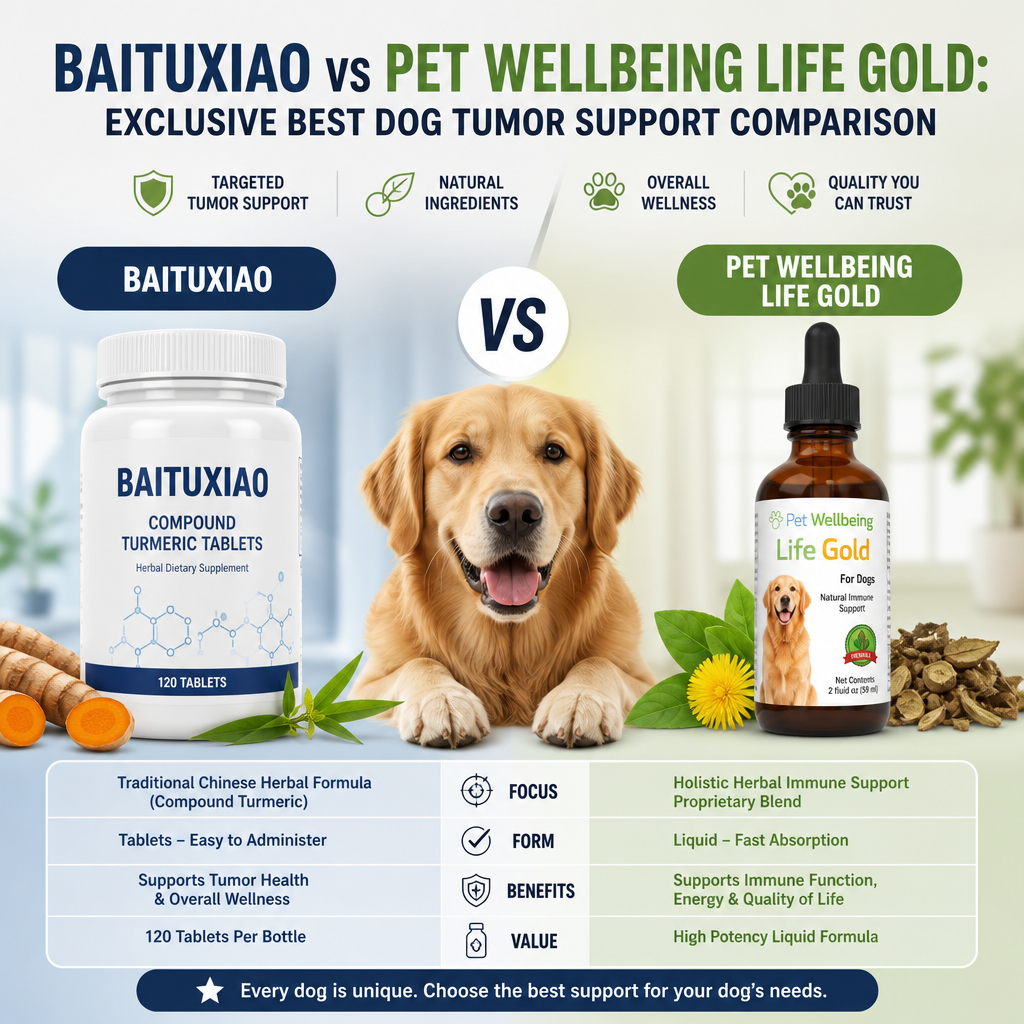
The clearest difference in this dog tumor support comparison is the way each formula is positioned. Baituxiao is generally marketed as a targeted herbal supplement for dogs with tumors or abnormal growths. Its ingredient profile is often built around traditional Chinese medicine concepts and botanicals selected for immune, circulation, inflammation, or tissue-support purposes.
Pet Wellbeing Life Gold, by contrast, is typically presented as a broader wellness formula. It is commonly associated with liquid herbal support designed to help maintain vitality, immune function, appetite, digestion, and general quality of life. Rather than focusing exclusively on tumor-related support, it may be used as part of a wider health plan.
These distinctions matter because a dog with a confirmed cancer diagnosis may have very different needs from a healthy senior dog seeking general nutritional support. The right choice depends on the dog’s condition, current medications, treatment plan, and tolerance for supplements. In many cases, owners first compare Baituxiao vs Pet Wellbeing Life Gold because they want a natural option, but the better decision still depends on medical context.
For owners who want to read more about early warning signs that can appear alongside lumps or tumors, this guide on dog lumps and benign lump awareness can be a helpful starting point.
A Pet Wellbeing Life Gold comparison should begin with the label rather than promotional claims. Herbal products can vary by formulation, market, and product updates, so owners should review the current packaging and manufacturer information carefully. When you compare Baituxiao vs Pet Wellbeing Life Gold, the ingredient list is one of the most important parts of the decision.
Life Gold is generally a liquid product, which can make it easier to measure and mix with food. Liquid administration may be useful for dogs that refuse tablets or have difficulty swallowing capsules. However, liquid formulas may have a strong herbal flavor, and some dogs may reject them initially.
Baituxiao is commonly supplied in a capsule or powder-based format, depending on the product version and supplier. Capsules can be convenient for precise dosing, while powders may be opened and mixed with food when permitted by the product instructions. Owners should not assume that all herbal ingredients are automatically safe simply because they are natural. Certain herbs may affect blood clotting, blood pressure, liver metabolism, or gastrointestinal function.
When comparing labels, look for:
- A complete ingredient list
- Amounts for each active ingredient
- Recommended dosing by body weight
- Manufacturing and quality-control information
- Batch, expiration, and storage details
- Warnings involving pregnancy, surgery, or medication use
Products that do not clearly disclose their ingredients or dosing instructions deserve additional caution. In a Baituxiao vs Pet Wellbeing Life Gold review, transparency matters as much as the marketing language.
How the Products May Fit Into a Veterinary Care Plan
Supplements should be viewed as supportive tools, not primary cancer therapies. A veterinarian may recommend surgery, chemotherapy, radiation, targeted medication, pain management, dietary changes, or monitoring, depending on the tumor type and stage. A supplement may be considered only after these factors are evaluated.
In the Baituxiao vs Pet Wellbeing Life Gold discussion, one product may appear more appealing because it is marketed specifically for tumors, while the other may seem more suitable for general strength and wellness. Marketing language, however, does not establish clinical effectiveness. The most appropriate product is the one that fits the dog’s diagnosis and does not interfere with evidence-based treatment.
Owners should provide the veterinarian with the exact product label and a list of every medication, supplement, and treat the dog receives. This is especially important before surgery, biopsy, chemotherapy, or radiation. Some herbal ingredients may need to be discontinued before procedures because of potential effects on bleeding or drug metabolism.
For a broader look at region-specific supplement comparisons, see this internal resource on Golden Retriever cancer risks and early tumor signs, which may help owners think about breed-related risk and monitoring needs.
It can also help to review an external veterinary education source such as the American Veterinary Medical Association’s cancer in pets overview for general guidance on diagnosis, treatment, and supportive care.
Safety Considerations for Dogs With Tumors
Dogs with cancer can be more vulnerable to side effects because they may already have poor appetite, weight loss, nausea, diarrhea, dehydration, or reduced organ function. Introducing a new supplement should therefore be done cautiously.
Possible signs of intolerance include vomiting, loose stools, excessive salivation, itching, lethargy, refusal to eat, or changes in drinking and urination. Any severe or persistent reaction requires veterinary attention. A supplement should also be reconsidered if the dog’s liver or kidney values change unexpectedly.
Dosing deserves particular care. More is not necessarily better, and a dose suitable for one dog may be inappropriate for another because of age, breed, body weight, tumor type, or concurrent illness. Owners should follow the product’s instructions unless a veterinarian provides different guidance.
Because Baituxiao vs Pet Wellbeing Life Gold may involve different delivery forms, owners should also think about practical safety. A liquid can be easier to hide in food, while a capsule may be better if the dog eats unpredictably and needs a measured amount. Either way, the dog’s response should be observed closely during the first week of use.
Choosing Between the Two Options
A practical dog tumor support comparison should focus on the individual dog rather than on which product has the stronger advertising message. Baituxiao may be considered by owners seeking a more tumor-focused herbal formula, while Pet Wellbeing Life Gold may appeal to those looking for broader wellness and vitality support. Neither description guarantees a particular outcome.
Consider the following questions before choosing:
- Has the dog received a confirmed diagnosis?
- What treatment is currently planned or underway?
- Does the dog have liver, kidney, digestive, or bleeding problems?
- Is the dog taking prescription medication?
- Will the product be easy to administer consistently?
- Does the manufacturer provide transparent dosing and quality information?
- Has the veterinarian reviewed the full ingredient list?
A product that is difficult to give or causes appetite and digestive problems may provide little practical benefit, even if its ingredient profile appears promising. When owners ask about Baituxiao vs Pet Wellbeing Life Gold, this is usually the stage where the conversation should return to the dog’s actual daily routine and health status.
If you are also comparing herbal support options for other dogs, this article on Basenji cancer risks and early tumor signs can provide another useful example of how breed-specific concerns affect supplement conversations.
The Importance of Monitoring Results
Once a veterinarian approves a supplement, monitor the dog systematically. Track appetite, weight, activity, stool quality, vomiting, pain behaviors, sleep, and overall comfort. Keep notes about when the supplement was started and whether any other changes occurred at the same time.
Routine veterinary examinations and diagnostic testing remain essential. Bloodwork or imaging may be needed to evaluate disease progression and organ function. Owners should not rely on improved energy or appetite alone as proof that a tumor is shrinking, since symptoms can fluctuate for many reasons.
It may also help to set a simple schedule for reassessment after starting Baituxiao vs Pet Wellbeing Life Gold. A short observation period can show whether the dog tolerates the product, but longer-term follow-up is what helps determine whether the supplement fits into the overall care plan.
Ultimately, Baituxiao vs Pet Wellbeing Life Gold is not a simple contest between two competing products. The better decision comes from matching the formula to the dog’s medical needs, reviewing potential interactions, and using supplements only as part of a professionally guided care plan. Thoughtful monitoring, transparent product information, and regular veterinary oversight provide the strongest foundation for supporting a dog’s comfort and quality of life. For many owners, the safest takeaway from Baituxiao vs Pet Wellbeing Life Gold is that the right supplement is the one that aligns with the veterinarian’s plan and the dog’s day-to-day tolerance.
by TCMVET | Aug 22, 2026 | Research and News
Pet Wellbeing Life Gold alternative products are attracting attention from dog owners looking for supportive care during a pet’s cancer journey. While no supplement can replace veterinary diagnosis, surgery, chemotherapy, radiation, or other prescribed treatment, carefully selected nutritional products may help support general wellness, appetite, digestion, and immune function. Choosing among alternatives to Pet Wellbeing Life Gold requires a clear understanding of ingredients, evidence, safety, and your dog’s individual medical needs. In many cases, the best Pet Wellbeing Life Gold alternative is the one that fits your dog’s diagnosis, current medications, and overall condition without adding unnecessary risk.
What Is Pet Wellbeing Life Gold?
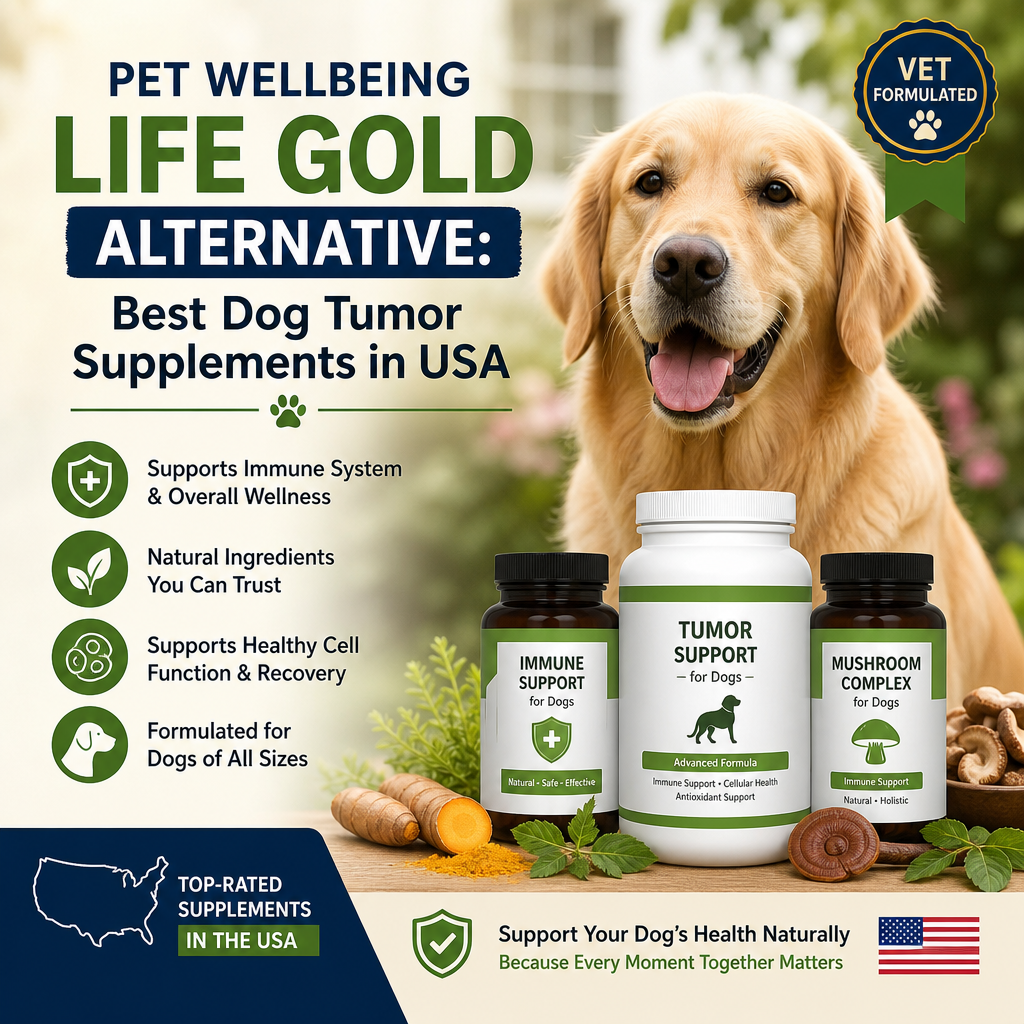
Pet Wellbeing Life Gold is a liquid herbal supplement marketed for dogs and cats that need additional support during serious illness. Its formula commonly includes botanical ingredients traditionally used to support immune health, circulation, energy, and overall vitality. Many pet owners consider products like this as part of a broader integrative-care plan. A Pet Wellbeing Life Gold alternative may aim to offer some of the same supportive benefits with different ingredients, testing standards, or dosing formats.
However, supplements vary significantly in quality and purpose. Some are designed primarily for immune support, while others focus on antioxidants, digestive health, appetite, or nutritional support. The best choice depends on your dog’s diagnosis, current medications, age, weight, and overall condition. If your dog already has cancer-related discomfort or a visible mass, learning more about Dog Lumps Helpful Guide to Benign Lumps & Tumor Awareness can also help you track changes more carefully while you discuss supportive options with your veterinarian.
It is also important to remember that “natural” does not automatically mean safe. Herbal ingredients can cause side effects or interact with medications, including drugs used in cancer treatment. Even a Pet Wellbeing Life Gold alternative that seems simple at first glance may contain multiple active compounds, so ingredient review matters.
How to Choose a Pet Wellbeing Life Gold Alternative
When comparing a Pet Wellbeing Life Gold alternative, start by looking beyond marketing claims. A reliable supplement should provide a complete ingredient list, serving instructions, product testing information, and clear contact details for the manufacturer. The goal is to find something practical, transparent, and appropriate for your dog rather than something that merely sounds promising online.
Consider the following factors:
- Veterinary oversight: Ask your veterinarian or a veterinary oncologist before adding any supplement.
- Ingredient transparency: Avoid products that hide amounts behind vague proprietary blends.
- Third-party testing: Independent testing can help verify purity and reduce the risk of contamination.
- Appropriate formulation: Choose a product made specifically for dogs rather than using human supplements.
- Medication compatibility: Some herbs and antioxidants may affect drug metabolism, blood clotting, or immune activity.
- Palatability: A product is only useful if your dog will consistently accept it.
- Evidence and quality control: Look for reasonable claims supported by published research or veterinary experience.
The goal should not be to find the strongest product. Instead, look for a well-formulated supplement that complements your veterinarian’s treatment plan without creating unnecessary risks. For practical guidance on monitoring lumps and growths during care, see Dog Lumps Helpful Guide to Benign Lumps & Tumor Awareness.
It can also help to compare products in the same category side by side. A Pet Wellbeing Life Gold alternative may differ from another formula in extraction method, flavoring, concentration, or the presence of extra herbs that do not add meaningful value. When a label includes more than one purpose, ask whether each ingredient truly supports your dog’s situation or simply makes the product look more complete. Thoughtful comparison usually leads to safer decisions.
Common Types of Dog Tumor Supplements in the United States
The market for dog tumor supplements in the United States includes several broad categories. Each has a different role, and none should be considered a cure for cancer. If you are comparing a Pet Wellbeing Life Gold alternative, these categories are often the starting point for discussion with your veterinary team.
Many owners first search for a Pet Wellbeing Life Gold alternative because they want a product that feels practical, easy to give, and aligned with supportive care. That is understandable, but the most useful supplement is usually the one that matches your dog’s specific needs rather than the one with the boldest promise. In many cases, the conversation is less about replacing one product and more about identifying the right support within a complete care plan.
When a cancer diagnosis is new, pet owners often feel pressure to act quickly. A measured approach is usually better. Start with the most pressing concerns first: appetite, hydration, nausea, pain, stool changes, and medication tolerance. Then decide whether a Pet Wellbeing Life Gold alternative belongs in the plan. That order keeps the focus on comfort and function instead of marketing language.
Medicinal mushroom supplements
Mushrooms such as turkey tail, reishi, maitake, and shiitake are frequently included in canine wellness products. Turkey tail is especially well known because compounds called polysaccharopeptides have been studied for immune-related support. Some research has explored turkey tail in dogs with cancer, but results do not mean every mushroom product will have the same effect.
Quality is crucial. Products should identify the mushroom species, use the appropriate portion of the mushroom, and provide information about extraction and testing. Avoid assuming that a culinary mushroom powder offers the same benefits as a standardized veterinary supplement. A careful Pet Wellbeing Life Gold alternative built around mushrooms should also explain how the ingredients were sourced and why the formula was chosen. For many owners, this is the category that feels most comparable to a Pet Wellbeing Life Gold alternative because it is often framed around immune support.
For a deeper look at one of the more unusual tumor-related conditions in dogs, you may also find Hemangiopericytoma in Dogs: An Uncommon Tumor with Innovative Management Options helpful.
Mushroom-based products are not all interchangeable. Some emphasize beta-glucans, while others combine several fungi with extra herbs, vitamins, or amino acids. If you are considering a Pet Wellbeing Life Gold alternative in this category, ask whether the formula is designed for long-term use, short-term support, or a specific stage of illness. The clearer the purpose, the easier it is to judge whether the product belongs in your dog’s routine.
Omega-3 fatty acids
Fish oil containing EPA and DHA may support skin, joints, and normal inflammatory balance. These fatty acids are sometimes included in nutritional plans for dogs with cancer, particularly when maintaining body condition and appetite is a concern.
Fish oil can cause gastrointestinal upset and may affect blood clotting at higher doses. It should be used carefully in dogs undergoing surgery or taking medications that influence clotting. Choose a purified product designed for pets and follow dosing guidance from your veterinarian. When used appropriately, omega-3s can be one of the more straightforward components in a Pet Wellbeing Life Gold alternative plan. They are also commonly paired with a complete diet rather than used as a stand-alone solution.
Because omega-3 products vary in concentration, reading the label matters. Two bottles may look similar but deliver very different amounts of EPA and DHA per serving. If your veterinarian recommends fish oil as part of a Pet Wellbeing Life Gold alternative strategy, confirm the exact dose so the supplement does not drift from the intended plan.
Antioxidant and nutritional formulas
Some supplements contain vitamins, minerals, amino acids, or antioxidant compounds. These may be useful when a dog has a restricted diet, poor appetite, or increased nutritional needs. However, excessive supplementation can be harmful. High doses of certain vitamins or minerals may interfere with treatment or place stress on the liver and kidneys.
A complete, balanced diet is usually more important than adding numerous individual products. Veterinary nutrition advice can help determine whether your dog needs a calorie-dense diet, appetite support, or a specific nutrient adjustment. In that context, a Pet Wellbeing Life Gold alternative should be viewed as support, not a substitute for good nutrition. If a product adds vitamins without a clear reason, it may do more to complicate the routine than improve it.
Some owners also search for combinations that include antioxidants and immune support in one bottle. That convenience can be appealing, but more ingredients are not automatically better. The more complex the formula, the more important it becomes to verify doses, possible interactions, and the rationale behind each ingredient. A simpler Pet Wellbeing Life Gold alternative is often easier to monitor and adjust if your dog’s condition changes.
Digestive and appetite support
Dogs with cancer may experience nausea, constipation, diarrhea, or reduced appetite. Probiotics, fiber, digestive enzymes, or appetite-support products may help some dogs, but the cause of the problem should be identified first. Appetite loss can result from pain, medication side effects, infection, dehydration, or disease progression.
Treating the underlying issue is more effective than relying only on a supplement. In some cases, supportive care plans may also be informed by common risk patterns such as those discussed in dog cancer causes Important viral tumors infection risks.
Owners researching a Pet Wellbeing Life Gold alternative often discover that digestive support matters as much as immune support. If a dog cannot keep food down or refuses meals, even the most carefully selected supplement will have limited value. That is why appetite, stool quality, and hydration deserve attention alongside the supplement label itself.
Digestive support can also be useful during periods of treatment stress. A dog receiving medication may develop softer stools, gas, or temporary nausea that makes supplement use difficult. In those situations, a product that is gentle on the stomach may be more practical than a heavily concentrated formula. The best Pet Wellbeing Life Gold alternative is the one your dog can actually take consistently.
Safety Concerns and Possible Interactions
Before using alternatives to Pet Wellbeing Life Gold, provide your veterinarian with a list of every product your dog receives. Include prescription medications, over-the-counter products, herbal remedies, vitamins, and treats with added supplements.
Potential concerns include:
- Increased bleeding risk before or after surgery
- Changes in liver enzyme activity
- Reduced or increased medication absorption
- Gastrointestinal irritation
- Allergic reactions
- Excessive sedation or stimulation
- Kidney or liver complications
- Interference with chemotherapy or radiation protocols
Stop the supplement and contact your veterinarian if your dog develops vomiting, diarrhea, unusual bruising, weakness, breathing changes, swelling, or a sudden decline in appetite. Never delay urgent veterinary care while waiting for a supplement to work.
A cautious Pet Wellbeing Life Gold alternative strategy should always account for the rest of the treatment plan. Even when a product seems mild, stacked ingredients can create hidden risks if your dog is already receiving pain medication, steroids, anti-nausea drugs, or chemotherapy support. If you are unsure, ask for a medication review before introducing anything new.
It is also wise to watch for changes over time rather than assuming a supplement is safe because the first few doses went well. Some reactions develop gradually. A product that seemed fine during week one may become a problem if your dog’s appetite drops, a new drug is added, or blood work changes. Regular check-ins make a Pet Wellbeing Life Gold alternative much safer to use.
For owners of small breeds, it may help to stay alert to breed-related cancer risks as well. Articles such as Lhasa Apso Cancer Risks: Essential Early Tumor Signs to Avoid and Maltese Cancer Risks: Essential Early Signs and Common Tumors can be useful references when discussing vigilance, screening, and early observation with your veterinarian.
A Practical Approach to Supplement Use
Introduce only one new product at a time, using the recommended amount for your dog’s weight unless your veterinarian advises otherwise. Keep a simple record of the product name, ingredients, dose, start date, appetite, stool quality, energy level, and any changes in symptoms.
This record can help you and your veterinary team determine whether the supplement is tolerated or useful. Avoid combining several immune-support formulas, as overlapping ingredients may increase the risk of side effects without providing additional benefit. If you are testing a Pet Wellbeing Life Gold alternative, the diary approach makes it easier to connect cause and effect instead of guessing.
It can be helpful to set a short evaluation window. For example, monitor your dog closely during the first one to two weeks and review appetite, stool consistency, willingness to eat, and overall comfort. If the product does not seem to help, or if it causes new issues, stop it and ask whether a different supportive option would be more appropriate. That habit keeps the supplement plan focused and practical.
Most importantly, use supplements as supportive tools rather than primary cancer treatment. Regular examinations, laboratory monitoring, nutritional assessment, pain control, and communication with a veterinary oncology team remain central to good care.
When comparing a Pet Wellbeing Life Gold alternative, it can also help to review breed-specific risks and early warning signs. For example, owners of small breeds may benefit from reading Maltese Cancer Risks: Essential Early Signs and Common Tumors.
If you are still narrowing options, a practical checklist can help: confirm the ingredient list, verify the product is intended for dogs, ask about third-party testing, and review likely interactions with your veterinarian. That process usually leads to a safer and more effective decision than choosing a supplement based on testimonials alone.
In day-to-day use, consistency matters more than intensity. A Pet Wellbeing Life Gold alternative taken at the right time, in the right amount, and alongside the right medical care is more likely to be helpful than a stronger formula given irregularly. Dogs do best when the routine is simple enough for the whole household to follow.
The best Pet Wellbeing Life Gold alternative is not necessarily the most expensive or the one with the longest ingredient list. A sensible choice is a transparent, quality-tested product that fits your dog’s diagnosis and treatment plan. Products containing medicinal mushrooms, omega-3 fatty acids, or targeted nutritional support may be considered, but their suitability must be evaluated individually.
For dog owners researching dog tumor supplements in the United States, product quality and professional guidance should take priority over dramatic promises. Reputable educational resources such as the American Veterinary Medical Association’s cancer in pets guidance can also help you discuss options with your veterinarian.
With careful selection and veterinary supervision, supportive supplements may help promote comfort and general wellbeing while your dog receives evidence-based medical care. A thoughtful Pet Wellbeing Life Gold alternative can be part of that plan when it is chosen with safety, transparency, and your dog’s specific needs in mind. If your goal is steady support rather than a dramatic promise, the right Pet Wellbeing Life Gold alternative can fit into a realistic care plan and help you stay focused on what matters most: your dog’s comfort, nutrition, and quality of life.
Before you decide, keep in mind that a Pet Wellbeing Life Gold alternative should complement, not complicate, treatment. Discuss any new product with your veterinarian, especially if your dog has liver disease, kidney disease, bleeding concerns, or is already taking multiple medications. That extra step can make the difference between a helpful addition and an avoidable setback. If you are comparing several products, the safest Pet Wellbeing Life Gold alternative is the one that your veterinarian can review, your dog can tolerate, and your household can use consistently.
In the end, the right choice should support daily comfort, not create confusion. By focusing on ingredient transparency, evidence, safety, and practical use, you can choose a Pet Wellbeing Life Gold alternative that belongs in a responsible care plan rather than a risky experiment.
by TCMVET | Aug 17, 2026 | Research and News
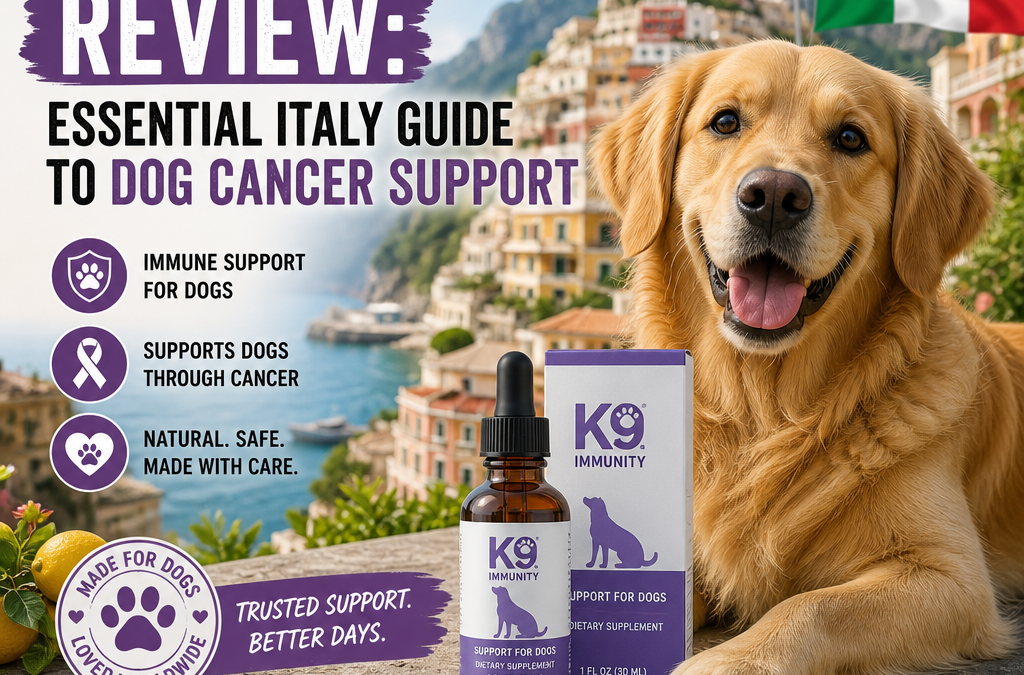
K9 Immunity is a nutritional supplement designed to support dogs whose immune systems may be under strain, including dogs being monitored for cancer or recovering from serious illness. For owners in Italy, understanding what this product can and cannot do is essential before adding it to a pet’s care plan. This K9 Immunity review examines its intended role, ingredients, potential benefits, safe use, and the importance of veterinary guidance.
What Is K9 Immunity?
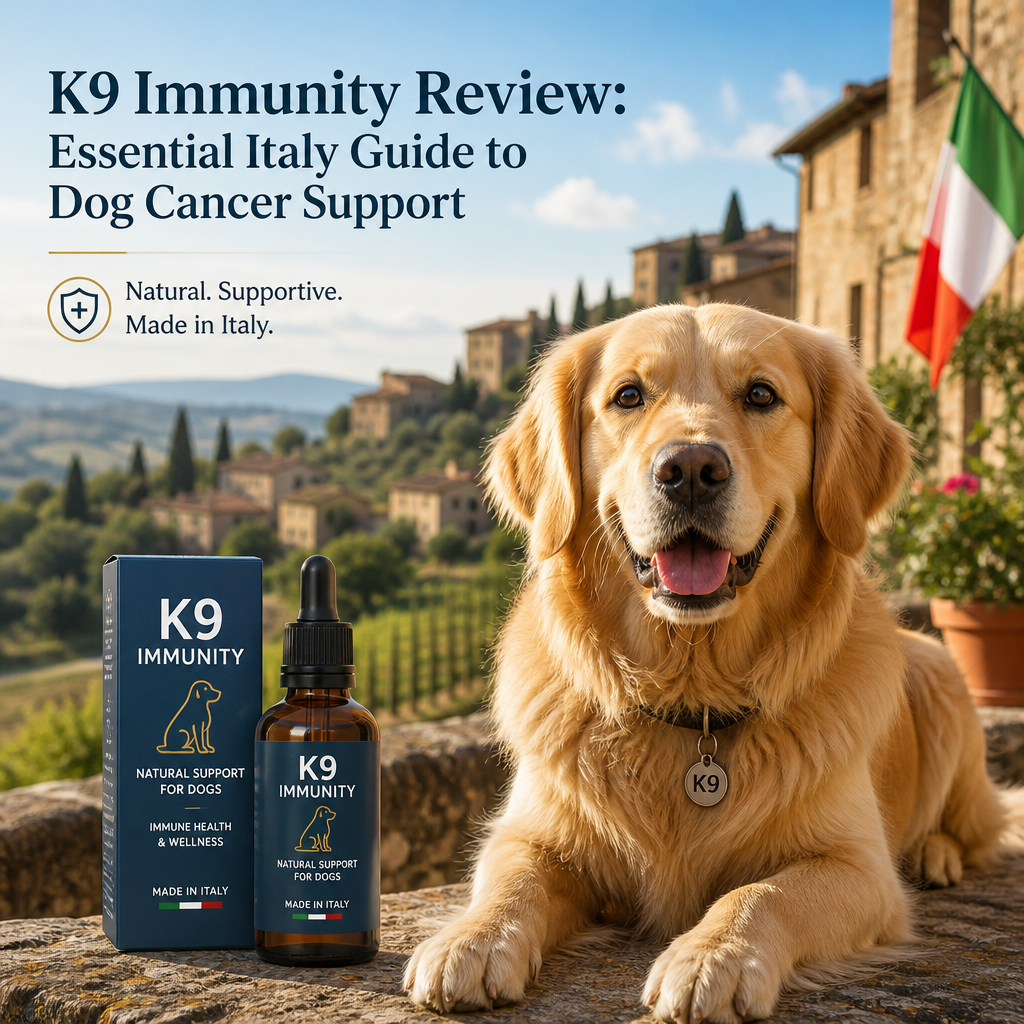
K9 Immunity is generally presented as a natural immune-support formula for dogs. Products in this category are usually intended to provide compounds such as medicinal mushrooms, antioxidants, vitamins, minerals, or plant-based ingredients that may help support normal immune function.
It is important to distinguish nutritional support from medical treatment. A supplement cannot replace surgery, chemotherapy, radiation therapy, prescription medication, diagnostic testing, or professional veterinary monitoring. Instead, it may be considered as part of a broader supportive-care strategy when a veterinarian believes it is appropriate.
Because formulas and serving instructions can change, Italian pet owners should check the current product label, manufacturer information, and import documentation before purchasing. The exact ingredient list, concentration, capsule or powder format, and recommended dosage should always be confirmed from the packaging.
What Benefits May It Offer?
The main reason owners investigate K9 Immunity is the possibility of supporting a dog’s natural defenses during periods of illness. A healthy immune system helps the body respond to infections, inflammation, and other biological challenges. Dogs with cancer may also experience reduced appetite, treatment-related stress, or changes in general condition, making nutritional support an important part of overall care.
Potential reasons a veterinarian might discuss an immune-support supplement include:
- Supporting normal immune-system activity
- Providing antioxidant compounds
- Helping maintain energy and general vitality
- Supporting appetite or nutritional status when a dog is recovering
- Complementing a balanced diet and conventional treatment plan
However, evidence for individual supplements varies considerably. Results seen in laboratory studies, small trials, or research on one ingredient do not automatically prove that a finished product will treat cancer or extend a dog’s life. Owners should be cautious about dramatic claims, guaranteed outcomes, or testimonials presented as medical evidence.
For readers looking for broader guidance on nutrition and supportive care, see our best supplements for dogs with cancer guide.
K9 Immunity Dog Cancer Support and Veterinary Care
K9 Immunity dog cancer support should be viewed as complementary rather than curative. Canine cancer includes many different diseases, such as lymphoma, mast cell tumors, osteosarcoma, hemangiosarcoma, and mammary tumors. Each condition can require a different diagnostic and treatment approach.
Before using a supplement, the veterinarian should know:
- The dog’s diagnosis, if one has been confirmed
- Current medications and chemotherapy drugs
- Any history of liver, kidney, or digestive disease
- Previous allergic or supplement reactions
- Whether surgery or another procedure is planned
- Changes in appetite, weight, stools, energy, or behavior
Some natural ingredients can affect blood clotting, blood pressure, liver enzymes, immune activity, or the absorption of medicines. These interactions may be particularly important before surgery or during chemotherapy. A veterinarian may recommend pausing a supplement at certain stages of treatment, even if the product is generally considered gentle.
To learn more about early warning signs and when to seek help, read recognizing dog cancer symptoms and early support.
Ingredients and Quality Considerations
When evaluating any K9 Immunity review, look beyond marketing language and examine the label carefully. A quality product should identify its active ingredients and provide clear information about amounts per serving. Vague “proprietary blends” can make it difficult to determine how much of each ingredient a dog receives.
Consider the following points:
- Ingredient transparency: The label should clearly list active and inactive ingredients.
- Dosage instructions: Serving guidance should account for the dog’s weight or size.
- Manufacturing standards: Look for information about production, testing, and quality control.
- Batch consistency: A reputable manufacturer should be able to explain how products are tested for purity and contamination.
- Storage guidance: Heat, moisture, and incorrect storage can reduce product quality.
- Expiration information: Do not use an expired supplement or one with damaged packaging.
Mushroom-based ingredients, botanical extracts, and concentrated antioxidants are often associated with immune-support products. They may be suitable for some dogs but not for every patient. A dog with an autoimmune disorder, sensitive stomach, or impaired liver function may require additional caution.
K9 Immunity Italy: Buying and Using It Responsibly
For owners researching K9 Immunity Italy, purchasing through a reliable source is especially important. Imported supplements may be sold through international websites, distributors, or marketplaces, but availability and labeling can differ by country. Check whether the seller provides a complete ingredient label, customer service details, shipping information, and a clear return policy.
Italian consumers should also consider:
- Whether the product can legally be imported and sold as a pet supplement
- Whether labels and instructions are available in a language the owner understands
- Potential customs charges or delivery delays
- Product authenticity and packaging security
- Whether the seller stores the supplement under suitable conditions
Avoid products with missing labels, unusually low prices, broken seals, or claims that sound too good to be true. A supplement marketed as a guaranteed cancer cure should be treated as a warning sign. Responsible companies should explain that their product is intended to support wellness and should not replace veterinary treatment.
If you prefer a holistic perspective on supportive care, this American Veterinary Medical Association overview of cancer in pets is a helpful educational resource.
Possible Side Effects and Precautions
Even natural products can cause adverse reactions. Some dogs may develop vomiting, diarrhea, reduced appetite, itching, or other signs of intolerance. If symptoms appear after starting K9 Immunity, stop giving the product and contact a veterinarian for advice.
Seek prompt veterinary attention if a dog experiences difficulty breathing, facial swelling, collapse, severe weakness, persistent vomiting, bloody stools, or a sudden decline in condition. Owners should also avoid introducing several new supplements at once, since doing so makes it difficult to identify the cause of a reaction.
Introduce any approved supplement according to professional advice and monitor the dog’s appetite, stool quality, energy, weight, and comfort. Keep a written record of all medications and supplements, especially when a dog is undergoing cancer treatment.
Owners who want more ideas for home support during treatment may also find effective ways to support weight gain in dogs undergoing cancer treatment useful.
Final Assessment
This K9 Immunity review supports a balanced conclusion: the product may be considered as nutritional support for some dogs, but it should not be presented as a standalone cancer treatment. Its suitability depends on the individual dog, the diagnosis, current therapy, ingredient profile, and veterinary assessment.
For families in Italy, the safest approach is to verify the product’s authenticity, review the label, purchase from a dependable source, and discuss its use with a veterinarian before administration. Supportive nutrition can be valuable, but the foundation of canine cancer care remains accurate diagnosis, appropriate treatment, regular monitoring, pain control, and attention to the dog’s quality of life.
