
by TCMVET | Apr 28, 2024 | Dog Cancer & Tumors
Breast cancer in dogs, also known as mammary gland tumors, is a common type of cancer that primarily affects unspayed female dogs. These tumors can vary in size, number, and malignancy. While spaying before the first heat cycle greatly reduces the risk, it’s still important for all dog owners to be aware of the signs and treatment options for this disease.
Symptoms of mammary gland tumors in dogs may include lumps or masses in the mammary glands, which are located in the groin area. These masses may be firm, painless, and grow rapidly. In some cases, the skin over the mass may become ulcerated or inflamed. Other signs can include swollen lymph nodes in the area, bloody discharge from the nipples, and general signs of illness such as lethargy and loss of appetite.
Diagnosis of mammary gland tumors in dogs is usually done through a combination of physical examination, imaging tests such as X-rays and ultrasounds, and biopsy of the mass. Treatment options depend on the size and malignancy of the tumor, as well as the overall health of the dog. Surgery to remove the tumor is often recommended, especially if the tumor is small and hasn’t spread. In some cases, chemotherapy or radiation therapy may also be recommended.
In addition to conventional treatments, many pet owners are turning to holistic and alternative therapies to support their dog’s overall health and well-being. TCMVET BAITUXIAO, a traditional Chinese medicine, is one such option that is gaining popularity. This herbal supplement is believed to have anti-inflammatory, antioxidant, and immune-boosting properties, which may help slow the growth of tumors and improve the overall quality of life for dogs with cancer.
It’s important to note that while TCMVET BAITUXIAO and other holistic treatments may offer benefits, they should not be used as a substitute for conventional veterinary care. Always consult with a qualified veterinarian before starting any new treatment regimen for your dog.

by TCMVET | Apr 26, 2024 | Dog Cancer & Tumors
Mast Cell Tumors (MCT) are one of the most common forms of cancer in dogs, presenting a significant challenge for pet owners and veterinarians. While chemotherapy is a common treatment, it’s not always the preferred route due to its side effects and the stress it can cause to both the pet and its owner. As an alternative, Chinese herbal medicine offers a less invasive option that has been gaining attention for its potential to manage MCT effectively without the harsh impacts of conventional chemotherapy.
Understanding Mast Cell Tumors
Mast cell tumors arise from mast cells, which are part of the immune system. These tumors can vary widely in their behavior, from benign masses that can be easily removed surgically to highly malignant tumors that can spread rapidly. Because of this variability, treatment strategies must be carefully considered.
The Role of Chinese Herbs in Treating MCT
Chinese herbal medicine has been used for centuries to treat a variety of ailments in both humans and animals. For dogs with MCT, certain herbs have been identified that target the mechanisms which drive tumor growth and metastasis:
- Yunnan Baiyao: This herb is renowned for its ability to control bleeding and reduce inflammation, which can be beneficial in cases of MCT.
- Scutellaria Baicalensis (Huang Qin): Known for its anti-inflammatory and antioxidant properties, this herb can help to stabilize mast cells and reduce the release of histamine and other chemicals that contribute to tumor growth.
- Curcuma Longa (Turmeric): Contains curcumin, which has been studied extensively for its anti-inflammatory, antioxidant, and anti-cancer properties.
- Artemisia Capillaris (Yin Chen Hao): Traditionally used to detoxify the liver, which can be supportive in cases where the body is trying to cope with cancerous cells.
Integrating Chinese Herbs into Treatment Plans
Incorporating Chinese herbs into the treatment regimen for a dog with MCT should always be done under the guidance of a veterinarian who is trained in both conventional and herbal medicine. Dosage, formulation, and administration routes need to be tailored to the individual dog’s condition and overall health profile.
Case Studies and Research
While clinical studies on the use of Chinese herbs for MCT in dogs are limited, numerous anecdotal reports and some veterinary case studies suggest that they can be an effective part of a broader treatment plan. Researchers continue to investigate these herbs to better understand their mechanisms of action and potential benefits.
Conclusion
Choosing to treat a dog’s mast cell tumors with Chinese herbs represents a shift towards holistic veterinary care. This approach considers the dog’s overall well-being and seeks to treat the cancer with minimal side effects. For pet owners looking for alternatives to chemotherapy, Chinese herbs offer a promising avenue, though they should be pursued with careful veterinary supervision to ensure the best outcomes for their beloved pets.
This exploration of Chinese herbs as a treatment for mast cell tumors in dogs without chemotherapy provides a foundational understanding for pet owners considering holistic alternatives to traditional cancer treatments.

by TCMVET | Mar 22, 2024 | Dog Cancer & Tumors
Mast Cell Tumors (MCTs) are one of the most common types of skin cancers found in dogs. They can manifest in any breed and at any age, although they predominantly appear in middle-aged to older dogs. Conventional treatments often involve surgery, chemotherapy, or radiation, but an increasing number of pet owners and veterinarians are turning towards Traditional Chinese Medicine (TCM) for a more holistic approach.
Understanding Mast Cell Tumors in Dogs
MCTs arise from mast cells, which are a vital part of the immune system, helping to fight off parasites and involved in allergic reactions. However, when these cells mutate and proliferate uncontrollably, they form mast cell tumors. These tumors can vary in appearance, from small, benign lumps to large, malignant growths, and can occur anywhere on the dog’s body.
The Conventional Approach to Treatment
The traditional approach to treating MCTs in dogs usually involves surgical removal of the tumor. In cases where the tumor is malignant, chemotherapy or radiation therapy may be recommended. However, these treatments can be invasive and may have significant side effects.
Integrating Traditional Chinese Medicine
TCM offers a gentler, yet effective alternative or complementary approach to treating MCTs in dogs. This holistic method considers the entire well-being of the pet, focusing not just on the tumor, but also on strengthening the immune system and improving overall health. Some of the key components of TCM in treating MCTs include:
- Herbal Medicine: Various Chinese herbs are known for their anti-tumor properties. Herbs like Bai Hua She She Cao (Hedyotis diffusa), Ban Zhi Lian (Scutellaria barbata), and Huang Qin (Scutellaria baicalensis) are commonly used in TCM to target cancer cells and boost immunity.
- Acupuncture: This ancient practice can help relieve pain, reduce inflammation, and improve energy flow, which can be beneficial for dogs undergoing cancer treatment.
- Diet Therapy: A balanced diet, potentially including specific foods and supplements known in TCM for their cancer-fighting properties, can play a critical role in supporting a dog’s health during cancer treatment.
The Benefits of Integrating TCM in MCT Treatment
By incorporating TCM into the treatment plan for MCTs, dogs can enjoy several benefits:
- Reduced side effects from conventional treatments
- Improved overall well-being and quality of life
- Strengthened immune system to help fight the tumor
- Holistic approach that treats the whole pet, not just the disease
While Traditional Chinese Medicine should not replace conventional veterinary care, it can be an excellent complementary approach to treating Mast Cell Tumors in dogs. TCM offers a more natural, less invasive option that can significantly enhance the quality of life for our canine companions facing this challenging disease.
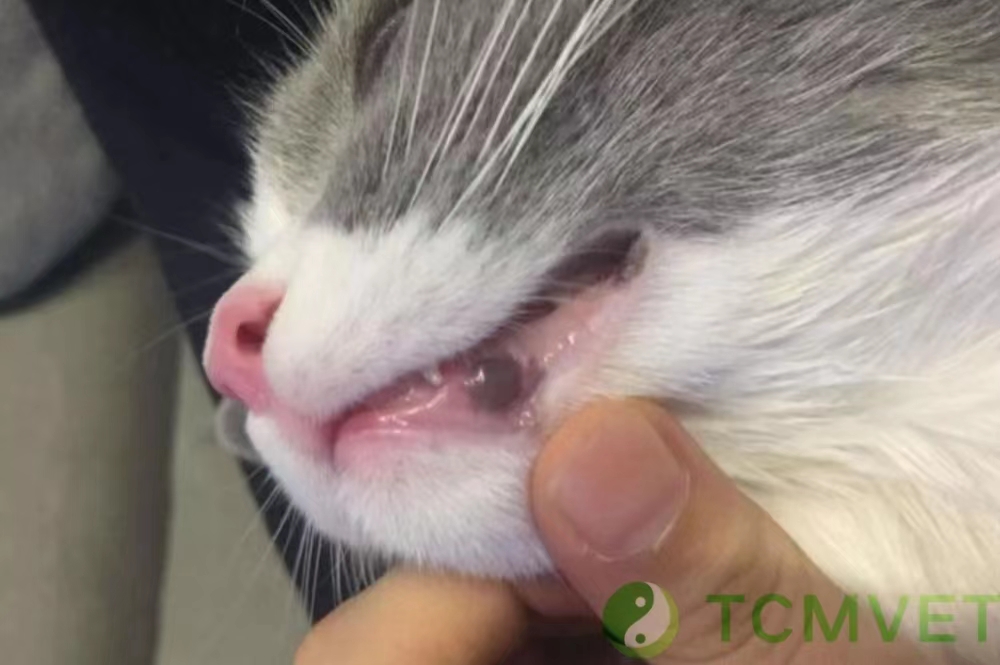
by TCMVET | Mar 6, 2024 | Dog Cancer & Tumors
Melanoma, a form of cancer arising from pigment-producing melanocytes, is a significant health concern in dogs and, to a lesser extent, in cats. This comprehensive guide aims to shed light on the characteristics, diagnosis, and potential treatment options for melanoma in these animals, providing valuable information for pet owners and veterinary professionals alike.
What is Melanoma?
Melanoma is a cancer that originates in melanocytes, the cells responsible for pigment production in the skin and other parts of the body. In dogs, it is a relatively common cancer, especially in breeds with considerable skin pigmentation. Unlike in dogs, melanoma is rarer in cats but tends to be more malignant when it occurs.
Common Sites and Appearances
In dogs, melanomas are most frequently found on the haired skin, presenting as small, brown to black masses. They can also appear as larger, flat, and wrinkled masses. Primary melanomas in dogs may also develop in the oral cavity, nailbed, footpad, eye, gastrointestinal tract, nasal cavity, anal sac, or mucocutaneous junctions. The most common site for oral melanoma in dogs includes the gingiva, lips, tongue, and hard palate.
Risk Factors and Causes
Unlike human melanomas, which are often linked to UV light exposure, canine melanoma is less likely attributed to sunlight due to the protective hair coat of most breeds. However, the exact risk factors for canine melanoma are not well established. In cats, melanoma is less common and its causes are similarly complex and not fully understood.
Diagnosis and Pathology
Diagnosing melanoma can be challenging, especially anaplastic amelanotic melanomas that resemble soft tissue sarcomas. Immunohistochemical methods are frequently used to increase diagnostic precision, employing antibodies like PNL2 and tyrosinase, in addition to Melan A and S-100.
Molecular Biology Insights
Canine and feline melanomas have a limited molecular characterization compared to human melanomas. In canine oral malignant melanomas (MMs), BRAF mutations common in human cutaneous melanoma are uncommon. However, ERK activation similarities in human and canine MMs suggest potential parallels in molecular pathways. Researchers have also identified other molecular abnormalities in canine and feline melanoma, providing new avenues for treatment research.
Treatment Options and Research
The treatment of melanoma in dogs and cats depends on various factors, including the location, size, stage, and histological characteristics of the tumor. Some of the treatment options include:
- Surgery: The primary treatment for localized melanoma, aiming to remove the entire tumor.
- Radiation Therapy: Often used for tumors that cannot be completely removed surgically.
- Chemotherapy: Employed in cases where the melanoma has spread, although its effectiveness can vary.
- Immunotherapy: A newer approach, such as the use of Oncept vaccine in dogs, specifically designed for canine melanoma.
Future Therapeutic Targets
Recent transcriptome analysis in canine melanoma has revealed new therapeutic targets in the focal adhesion and PI3K-Akt signaling pathways. Furthermore, the presence of exon 11 c-kit gene mutations in some dogs with malignant melanoma opens up the possibility for targeted therapy using KIT small molecule inhibitors.
The Road Ahead
Continued research into the molecular biology of canine and feline melanomas holds promise for the development of more effective treatments. Understanding somatic mutations in genes like NRAS and PTEN, similar to human melanoma hotspots, may offer new therapeutic avenues.
Melanoma in dogs and cats presents a unique set of challenges in veterinary medicine. Ongoing research and advances in molecular biology are key to improving diagnosis and treatment. Pet owners should be aware of the signs and consult with a veterinarian for early detection and optimal care.

by TCMVET | Feb 23, 2024 | pet Chinese herbal medicine
Mast cell tumors (MCTs) are the most prevalent form of skin cancer in dogs, presenting a significant concern for pet owners and veterinarians alike. While the exact cause of MCTs remains elusive, genetic factors are often implicated. In recent years, there has been growing interest in integrating traditional Chinese herbs into the treatment regimen for canine MCTs. This article explores this integrative approach, examining the potential benefits and considerations of using traditional Chinese herbs alongside conventional treatments.
Understanding Mast Cell Tumors in Dogs: Mast cell tumors are characterized by the proliferation of mast cells, a type of white blood cell. These tumors can vary in appearance and severity, ranging from benign growths to highly malignant forms. Symptoms can include lumps or bumps on the skin, which may be itchy or ulcerated. MCTs are particularly challenging because of their unpredictable behavior and potential to spread to other body parts.
The Role of Traditional Chinese Herbs: Traditional Chinese Medicine (TCM) has a rich history spanning thousands of years, with herbal medicine being a key component. In TCM, health is seen as a balance between the body’s internal systems, and illness is viewed as a disruption of this balance. Chinese herbs are used to restore equilibrium, and their application in veterinary medicine is gaining traction.
Key Herbs and Their Properties: Several Chinese herbs have been identified as potentially beneficial for treating MCTs in dogs. These include:
- Yunnan Baiyao: Known for its ability to control bleeding and promote healing, it’s often used in cases of tumors that are prone to bleeding.
- Jian Pi Wan: A formula that strengthens the spleen and stomach, which, according to TCM theory, can indirectly help in controlling tumor growth.
- Si Miao San: Useful for its anti-inflammatory properties, this herb can help reduce swelling around tumors.
- Ba Zheng San: Traditionally used for its detoxifying effects, which can be beneficial in flushing out toxins from the body.
Integrative Approach: Combining Traditional and Modern Treatments: The integration of Chinese herbs into a treatment plan for MCTs should be done in conjunction with conventional therapies. Surgery, chemotherapy, and radiation remain the mainstays of treatment for these tumors. Chinese herbs can complement these treatments by helping to manage symptoms, reduce side effects, and possibly enhance the overall well-being of the dog.
Considerations and Precautions: While the use of Chinese herbs offers a promising adjunct to conventional treatments, it’s crucial to approach this integratively and under the guidance of a qualified veterinarian. The selection of herbs and their dosages must be tailored to the individual dog, considering factors such as the type and stage of the tumor, the dog’s overall health, and any other medications being taken.
Integrating traditional Chinese herbs into the treatment of mast cell tumors in dogs represents a holistic approach that can potentially enhance the quality of life and overall outcomes for canine patients. As research in this area continues to evolve, it is hoped that more definitive guidelines and protocols will emerge, aiding veterinarians and pet owners in making informed decisions about their pet’s health care. As always, consultation with a veterinary professional is essential before starting any new treatment regimen.
