
by TCMVET | Feb 4, 2024 | Dog Cancer & Tumors
Visceral Hemangiosarcoma is one of the most aggressive cancers affecting dogs, commonly targeting vital organs like the spleen and heart. Conventional veterinary treatments often fall short in offering a long-term solution, leading pet owners to explore alternative therapies. Chinese Herbal Medicine (CHM), an ancient practice with a rich history in human medicine, is now gaining traction in the veterinary field for its potential benefits in treating diseases like visceral hemangiosarcoma in dogs. This article explores the role of CHM in this context, examining its principles, effectiveness, and how it can be integrated with conventional treatments.
Understanding Visceral Hemangiosarcoma in Dogs
Visceral hemangiosarcoma is a malignant tumor that arises from the blood vessel cells, predominantly affecting the spleen and heart. This cancer is particularly challenging to treat due to its rapid growth and high likelihood of metastasis. Early detection is rare, and symptoms often appear only in advanced stages, making effective treatment difficult.
The Principles of Chinese Herbal Medicine
Chinese Herbal Medicine is a key component of Traditional Chinese Medicine (TCM), a holistic approach to health and disease. CHM focuses on restoring balance within the body, strengthening the immune system, and addressing the underlying disharmony that leads to disease. In treating cancer, CHM aims to support the body’s natural defenses, reduce tumor growth, and alleviate symptoms.
Key Herbs in Treating Visceral Hemangiosarcoma
Several herbs are recognized in CHM for their potential anti-cancer properties, including:
- Astragalus (Huang Qi): Known for boosting the immune system and potentially inhibiting tumor growth.
- Sargassum (Hai Zao): Believed to reduce tumor size and prevent metastasis.
- Ginseng (Ren Shen): Renowned for its overall health benefits, including energy and appetite improvement, which can be crucial for dogs undergoing cancer treatment.
- Turmeric (Jiang Huang): Contains curcumin, a compound with noted anti-inflammatory and anti-cancer properties.
Integrating CHM with Conventional Treatments
The integration of CHM into a dog’s cancer treatment plan should be a collaborative effort between the pet owner, veterinarian, and a qualified TCM practitioner. This holistic approach can potentially enhance the efficacy of conventional treatments, mitigate side effects, and improve the quality of life for dogs with visceral hemangiosarcoma.
Safety and Quality Considerations
When considering CHM, it’s crucial to prioritize safety and quality. Herbs should be sourced from reputable suppliers, and their administration should be closely monitored by a professional to avoid any adverse reactions or interactions with conventional medications.
While research in the field of CHM for treating canine cancers is still evolving, early indications suggest it could play a significant role in managing conditions like visceral hemangiosarcoma. By offering a more holistic and less invasive approach, CHM provides an additional avenue for pet owners to explore in their quest to improve the health and well-being of their dogs.

by TCMVET | Jan 26, 2024 | Dog Cancer & Tumors
Introduction When it comes to our furry friends, the appearance of any lump can be a cause for concern. Among these, fatty tumors, also known as lipomas, are common in dogs, especially as they age. Understanding what lipomas are, and how to manage them, is crucial for every dog owner. This article aims to shed light on the nature of fatty tumors in dogs, their causes, diagnosis, and management strategies.
What Are Fatty Tumors in Dogs? Fatty tumors, or lipomas, are benign growths that occur in the fat cells of dogs. They are typically soft, movable, and painless, often located under the skin. While they are generally harmless, understanding their nature is vital for the health and well-being of your dog.
Causes and Risk Factors The exact cause of lipomas is not known, but certain factors increase the likelihood of their development in dogs:
- Age: Older dogs are more prone to develop lipomas.
- Breed: Some breeds, like Labrador Retrievers, are more predisposed to fatty tumors.
- Weight: Overweight or obese dogs have a higher risk of developing lipomas.
Diagnosis Not all lumps are lipomas, so it’s important to get a proper diagnosis from a veterinarian. This usually involves:
- Physical Examination: The vet will examine the size, shape, and location of the lump.
- Fine Needle Aspiration: A simple procedure where a needle is used to extract cells from the lump for analysis.
Treatment and Management Treatment for lipomas depends on various factors like the size, number, and location of the tumors:
- Monitoring: Small lipomas that aren’t growing may just need to be monitored.
- Surgery: Larger, bothersome lipomas might require surgical removal.
- Diet and Exercise: Maintaining a healthy weight through proper diet and exercise can prevent new lipomas from forming.
Prevention Tips While there’s no surefire way to prevent lipomas, these tips can help reduce the risk:
- Healthy Diet: Feed your dog a balanced diet to maintain a healthy weight.
- Regular Exercise: Ensure your dog gets regular exercise to avoid obesity.
- Regular Vet Checkups: Regular checkups can help in early detection and management of lipomas.
Conclusion Fatty tumors in dogs are common and often not a cause for alarm. However, proper diagnosis and management are key to ensuring your dog’s health and comfort. By understanding what lipomas are and how to manage them, dog owners can better care for their canine companions.

by TCMVET | Oct 19, 2023 | Research and News
The diagnosis of cancer in our beloved canine companions is a daunting and emotionally charged event for pet owners. As the quest for effective treatments continues, many are turning to natural alternatives to complement traditional methods. Herbal supplements, with their rich history in holistic health, are becoming increasingly recognized in the realm of canine cancer care. In this exploration, we unearth the potential benefits and considerations of such herbal interventions.
Why Herbal Supplements?
Herbs have been integral to traditional medicine systems for centuries. Their allure in modern times, especially in treating conditions like cancer, lies in their natural compositions, potential therapeutic benefits, and fewer side effects when compared to certain synthetic drugs.
Herbs in the Spotlight for Canine Cancer Care
- Turmeric: Known primarily for its active ingredient, curcumin, turmeric possesses anti-inflammatory and antioxidant properties. Some studies suggest curcumin may inhibit tumor growth and reduce the spread of cancer cells.
- Milk Thistle: Celebrated for its liver-supporting benefits, milk thistle can be crucial when dogs undergo chemotherapy, helping protect the liver from potential toxic side effects.
- Olive Leaf Extract: With its antioxidant and anti-inflammatory traits, olive leaf extract can potentially support a dog’s immune system and overall well-being during cancer treatments.
- Echinacea: This immune-boosting herb might help strengthen a dog’s natural defenses, especially vital during times of illness or stress.
- Astragalus: Often used in Traditional Chinese Medicine, Astragalus is believed to enhance the immune system and may provide supportive benefits in cancer care.
The Herbal Balance
While the potential benefits of these herbal supplements are promising, it’s imperative to strike a balance. Not all herbs are suitable for every dog, and dosages need careful calibration.
Collaboration is Key
Before introducing herbal supplements into your dog’s cancer treatment regimen, always collaborate with a veterinarian. They can offer insights into potential drug-herb interactions, correct dosages, and the overall suitability of a particular herb for your dog’s unique situation.
Conclusion
As we tap into the bounties of nature, herbal supplements present a new horizon in canine cancer care. Their therapeutic potential, combined with conventional treatments, might offer our furry friends a better quality of life, weaving hope into the tapestry of holistic pet care.

by TCMVET | Oct 18, 2023 | Research and News
Cushing’s Disease, medically known as hyperadrenocorticism, is a condition where a dog’s adrenal glands produce excessive cortisol. This can lead to various symptoms like increased thirst, urination, a pot-bellied appearance, and hair loss. While there are conventional treatments available, many pet owners are looking towards alternative therapies. Among them, Chinese herbs have become a popular holistic choice. In this article, we’ll delve into the potential benefits and applications of Chinese herbs for treating Cushing’s Disease in dogs.
Understanding Cushing’s Disease
Before diving into the remedies, it’s essential to understand the disease. Cushing’s can be caused by a tumor in the adrenal or pituitary gland or prolonged exposure to high doses of steroids. The excessive cortisol affects the body’s functions and can lead to various complications if left untreated.
The Holistic Approach of Traditional Chinese Veterinary Medicine (TCVM)
TCVM emphasizes balance in the body, aiming to treat the root causes of diseases rather than just the symptoms. Chinese herbs have been used for millennia to address imbalances and promote healing. Their natural properties make them an appealing alternative or supplement to traditional treatments.
Chinese Herbs for Cushing’s Disease in Dogs
- Rehmannia (Shu Di Huang): This root is known for its tonifying properties. It nourishes the blood and yin and can help restore balance in dogs with Cushing’s.
- Astragalus (Huang Qi): Commonly used to boost the immune system, Astragalus also supports the adrenal glands, potentially helping to reduce excessive cortisol production.
- Ginkgo Biloba: While more commonly associated with cognitive support, Ginkgo can improve blood flow and reduce inflammation, assisting dogs with Cushing’s symptoms.
- Dandelion (Pu Gong Ying): This herb acts as a diuretic and supports the liver, helping to detoxify and address some of the symptoms of Cushing’s Disease.
Consultation is Crucial
While the potential of Chinese herbs for treating Cushing’s Disease seems promising, it’s paramount for dog owners to consult with a veterinarian before introducing any new treatments. A veterinarian experienced in both Western and Chinese medicine can offer guidance on appropriate dosages and combinations.
Conclusion
Cushing’s Disease in dogs can be a challenging condition to manage. However, the holistic approach of Chinese herbs offers a promising alternative or complementary treatment. With proper guidance and understanding, these ancient remedies might offer relief and improved quality of life for our four-legged friends.
by TCMVET | Oct 18, 2023 | Research and News
Fatty tumors, also known as lipomas, are common in dogs, especially as they age. While these tumors are benign and usually harmless, many pet owners seek ways to treat or prevent them to ensure the health and comfort of their furry companions. Among various treatments and preventative measures, Chinese herbs have gained increasing attention in recent years. In this article, we will delve into the potential of Chinese herbs in treating and managing fatty tumors in dogs.
Understanding Fatty Tumors (Lipomas)
Lipomas are soft, movable lumps that form under the skin. They’re formed by the overgrowth of fat cells and can vary in size. While they are non-cancerous and typically don’t cause pain, they can become problematic if they grow too large or press against other organs or tissues.
Why Consider Chinese Herbs?
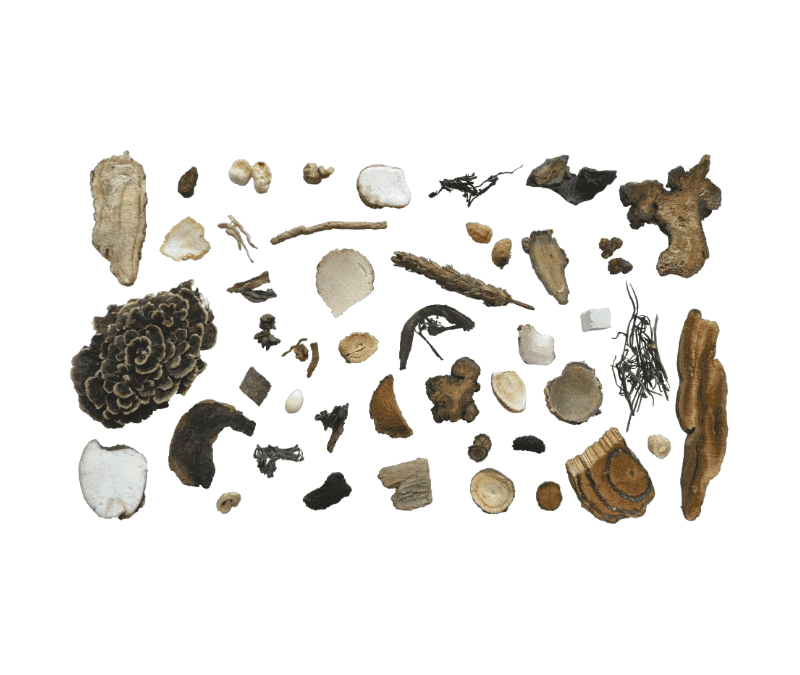
Traditional Chinese Veterinary Medicine (TCVM) has been practiced for thousands of years and offers a holistic approach to treating various ailments in animals. Chinese herbs, in particular, are known to help in balancing the body’s Qi (energy), enhancing the immune system, and promoting overall health. Their natural and holistic nature makes them a favored choice for many pet owners wary of the side effects of conventional drugs.
Chinese Herbs for Lipomas
- Jiaogulan (Gynostemma pentaphyllum): Often called the ‘immortality herb’, Jiaogulan is believed to boost the immune system and improve circulation. It may help in slowing down the growth of lipomas.
- Hawthorn (Crataegus): Traditionally used to support heart health, Hawthorn also has anti-inflammatory properties. This can potentially reduce the size or prevent the growth of fatty tumors.
- Turmeric (Curcuma longa): Known for its powerful anti-inflammatory and antioxidant properties, Turmeric can be beneficial in preventing and managing lipomas.
- Reishi Mushroom (Ganoderma lucidum): This mushroom is renowned in Chinese medicine for boosting the immune system and promoting overall health, potentially preventing the formation of lipomas.
Consultation is Key
While the potential of Chinese herbs in treating lipomas is promising, it’s essential for pet owners to consult with a veterinarian before administering any herbs. Some herbs may interact with medications or have unwanted side effects. A vet knowledgeable in both Western and Chinese medicine can provide the best guidance on the correct dosage and combination of herbs for your dog.
Conclusion
Lipomas are common in dogs and, while mostly harmless, can be a cause for concern. The holistic approach of Traditional Chinese Veterinary Medicine, including the use of Chinese herbs, offers a natural alternative or complement to conventional treatments. With proper consultation and care, these herbs might just be the answer to managing or even preventing fatty tumors in our canine companions.
