Energyvet Cytovet Review: 5 Key Positive and Powerful Things Czech Dog Owners Should Know
Energyvet Cytovet is a natural veterinary supplement that has attracted attention among dog owners in the Czech Republic who are looking for additional support during cancer treatment. It is commonly discussed as part of a broader care plan designed to support immunity, vitality, digestion, and overall quality of life. However, Cytovet should not be viewed as a cure for cancer or as a replacement for professional veterinary care. The most responsible approach is to consider it a complementary product used alongside a diagnosis-based treatment plan.
For owners comparing options, it helps to understand what this supplement can realistically do, what it cannot do, and how to use it safely in a dog already dealing with a serious illness. If you are exploring general pet wellness guidance and supportive care resources, the veterinary information on TCM-Vet may also be useful as a starting point.
Table of Contents
What Is Energyvet Cytovet?
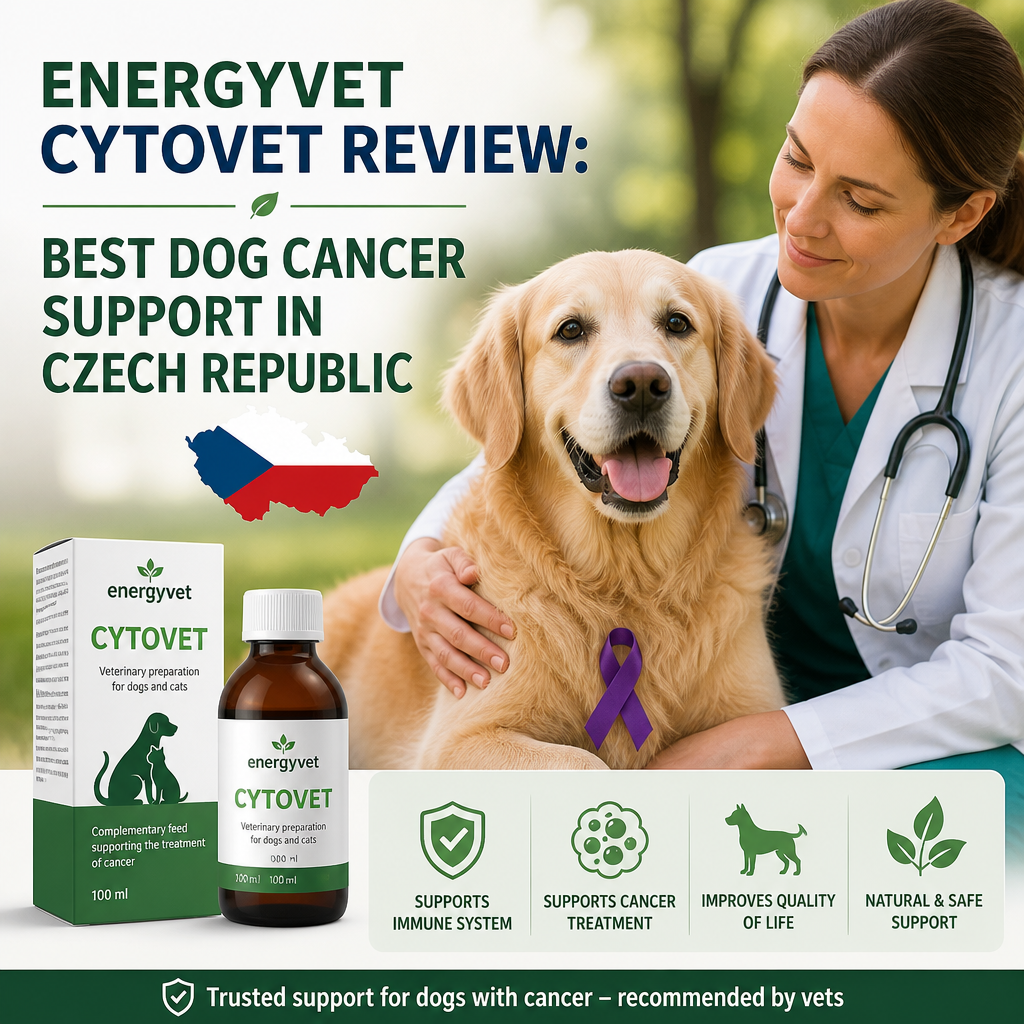
Energyvet Cytovet is a complementary veterinary product associated with natural mineral-based support. It is marketed for dogs and other animals that may benefit from assistance with detoxification, internal balance, and general vitality. The product is often included in discussions about supportive care for animals facing chronic illness, recovery, or demanding medical treatment.
The exact role of any supplement depends on the dog’s age, weight, diagnosis, medication, organ function, and general condition. A product that is tolerated well by one dog may not be appropriate for another. This is particularly important in dogs with cancer because their nutritional and medical needs can change rapidly.
Many owners searching for an Energyvet Cytovet review are primarily interested in whether the product can help their dog feel stronger, maintain appetite, or cope better with the effects of illness. These are reasonable questions, but they should be answered with realistic expectations. Supportive products may contribute to comfort and general wellbeing, yet they cannot replace surgery, chemotherapy, radiation therapy, pain management, or other treatments prescribed by a veterinarian.
Energyvet Cytovet is therefore best understood as a supportive tool rather than a primary intervention. In a careful cancer-care routine, Energyvet Cytovet may be discussed alongside nutrition, monitoring, and symptom management, but it should never be treated as the centerpiece of treatment. Owners who keep that perspective usually make calmer, safer decisions.
It is also helpful to remember that dogs do not all respond the same way to the same supplement. One dog may appear steadier after a few days, while another may show no obvious change at all. A thoughtful Energyvet Cytovet review should reflect that variability instead of promising a universal outcome.
Energyvet Cytovet dog cancer support: What Can It Offer?
Energyvet Cytovet dog cancer support is generally discussed in terms of complementary care rather than direct anticancer action. Some owners use it with the goal of supporting the body during a difficult period, especially when a dog is experiencing reduced energy, digestive problems, or poor recovery.
Potential reasons owners consider Cytovet include:
- Supporting general vitality during illness
- Helping maintain normal appetite and digestion
- Providing complementary support during recovery
- Supporting the body while a dog receives veterinary treatment
- Improving the overall care routine for an older or chronically ill dog
It is important to separate these possible supportive goals from claims that a supplement can shrink tumors or eliminate cancer. There is limited clinical evidence demonstrating that Cytovet independently treats canine cancer. Any improvement in appetite, energy, or behavior should be discussed with a veterinarian because it may reflect changes in the disease, medication response, hydration, or nutrition.
In practical terms, owners should think of supportive supplements as part of comfort-focused care. A dog that eats a little better, rests more calmly, or seems more stable day to day may be benefiting from several factors at once, not just one product. That is why careful observation matters so much when a pet is undergoing cancer treatment.
Energyvet Cytovet dog cancer support may also be most useful when the treatment goal is quality of life. For some dogs, the priority is not aggressive intervention but steadier day-to-day functioning, better appetite, or fewer digestive ups and downs. In those situations, any supportive product should be evaluated by how it fits into the dog’s routine rather than by exaggerated claims.
Owners may also notice that cancer-related stress affects the entire household. When a dog is unwell, even small improvements in routine can feel meaningful. If a supplement appears to help maintain appetite, reduce the sense of instability, or support a calmer recovery period, those benefits may matter emotionally as well as physically. Still, the veterinarian should be the one to confirm whether the change is actually positive and sustainable.
Energyvet Cytovet review: Important Factors to Consider
A balanced Energyvet Cytovet review should look at both its potential benefits and its limitations. The main advantage of a complementary supplement is that it may fit into a broader wellness plan and give owners another way to support daily care. Some dogs may tolerate it well and show improvements in general condition, although individual responses vary considerably.
The limitations are equally important. Natural does not automatically mean risk-free. Supplements can interact with prescription medicines, affect digestion, or be unsuitable for dogs with kidney, liver, or gastrointestinal disease. Cancer patients may also have weakened immune systems or altered metabolism, making professional supervision especially valuable.
Owners should carefully review the product label, follow the recommended serving guidance, and avoid combining multiple supplements without veterinary advice. It is also wise to introduce only one new product at a time. This makes it easier to identify possible side effects and determine whether the dog is responding positively.
It is also worth asking whether the product fits the broader goals of treatment. For some dogs, the priority may be appetite support. For others, pain control, hydration, or gastrointestinal stability will matter more. A supplement can only be judged fairly when it is viewed in the context of the dog’s current condition and treatment plan.
Energyvet Cytovet review discussions are most useful when they include the full picture: diagnosis, stage of disease, current medicines, and the dog’s current comfort level. That broader context prevents overconfidence and helps owners make safer choices. It also keeps expectations realistic if the dog’s condition changes quickly, which is common in oncology cases.
A careful owner should also consider timing. If a dog is already starting chemotherapy or recovering from surgery, adding anything new at the wrong moment can make it difficult to understand what is causing improvement or discomfort. In those cases, a veterinary team may recommend waiting until the dog is stable before evaluating a new product.
Questions to discuss with your veterinarian
- Is this product appropriate for my dog’s tumor type and overall condition?
- Could it interfere with chemotherapy, pain medication, or steroids?
- Should I avoid it if my dog has kidney or liver concerns?
- What changes should I monitor after starting it?
- How long should I try it before deciding whether it helps?
It can also help to ask whether there are more important priorities before introducing a supplement. If the dog is dehydrated, in pain, or unable to keep food down, those issues usually need immediate attention first. In that sense, a good Energyvet Cytovet review is not only about the product itself, but about whether the timing and goals make sense for the individual dog.
How to Use Cytovet Responsibly
Before introducing Energyvet Cytovet, speak with the veterinarian managing the dog’s cancer care. Provide a complete list of all medicines, supplements, and dietary products the dog is receiving. This includes painkillers, anti-inflammatory drugs, chemotherapy medicines, steroids, digestive products, and herbal preparations.
A responsible approach includes:
- Confirming that the supplement is appropriate for the dog’s diagnosis.
- Checking whether it may interfere with current medication.
- Following the manufacturer’s dosage instructions rather than estimating a serving.
- Monitoring appetite, stools, vomiting, drinking, energy, and behavior.
- Stopping use and contacting the veterinarian if concerning symptoms appear.
Possible warning signs include repeated vomiting, severe diarrhea, sudden lethargy, refusal to eat, unusual thirst, abdominal discomfort, or a noticeable worsening of the dog’s condition. These symptoms should never be dismissed as a normal part of starting a supplement.
When introducing any new support product, it can help to keep a simple daily note. Record eating habits, water intake, stool quality, activity level, and any changes in comfort. This makes it easier for the veterinary team to decide whether the supplement is helping, doing nothing, or causing a problem.
Supportive products are most useful when they are monitored carefully and used with veterinary guidance, especially in dogs with cancer.
If the dog is already taking several medications, ask the veterinarian whether the supplement should be started gradually or whether it should be avoided entirely. In complex cases, the safest answer may be to simplify the plan rather than add more products. That is often the most practical way to reduce stress for both the dog and the owner.
Owners should also pay attention to the dog’s daily routine after introducing the product. A good sign may be a steadier appetite, less digestive upset, or more comfortable rest. A poor sign may be a change in stool quality, reluctance to eat, or reduced enthusiasm. Careful notes help separate coincidence from a meaningful change.
When in doubt, stop the supplement and call the veterinary clinic. It is always better to pause a nonessential product than to continue something that might complicate treatment. Responsible use is what turns a general wellness product into a potentially helpful part of care.
Energyvet Cytovet Czech Republic: Availability and Purchasing Advice
Energyvet Cytovet Czech Republic searches are common because the product is associated with the Czech veterinary supplement market. Dog owners should purchase it from a reputable source, such as an established veterinary pharmacy, recognized pet-health retailer, or authorized distributor. Reliable sellers should provide clear product information, instructions in the appropriate language, batch details, expiry information, and proper storage guidance.
Avoid products with damaged packaging, unclear labeling, or unusually low prices from unknown sellers. Counterfeit or improperly stored supplements may not have the expected quality. Czech dog owners can also ask a local veterinarian or veterinary pharmacy whether the product is suitable for their pet and how it should fit into an existing treatment plan.
Because regulations and product formulations can change, consumers should rely on the current official label rather than older online descriptions or anecdotal recommendations. For broader guidance on evaluating veterinary medicines and supplements in the European Union, the European Medicines Agency veterinary regulatory overview is a useful reference.
If you are buying in the Czech Republic, check whether the seller offers traceable contact details, clear return information, and current documentation for the product batch. Those small details can make a meaningful difference when you are purchasing something intended for a sick dog.
It is also sensible to compare the product information with the dog’s current medical record. If the label instructions, storage requirements, or ingredient profile seem unclear, ask for clarification before buying. This extra step may feel minor, but it can prevent problems later.
Some owners are tempted to choose the cheapest available option online, especially when they are already facing costly treatment. However, with a sick dog, reliability is more important than saving a small amount of money. A trusted source and clear documentation are worth prioritizing when evaluating Energyvet Cytovet Czech Republic purchasing options.
Combining Supportive Care With Cancer Treatment
The most effective care plan for a dog with cancer usually combines several elements. These may include accurate diagnosis, staging, surgery, chemotherapy, radiation, prescription medication, nutritional support, pain control, and regular monitoring. A supplement such as Cytovet may be considered as one small part of this plan, but it should never delay diagnostic testing or proven treatment.
Nutrition is also important. Some dogs need highly palatable meals, carefully balanced calories, or a diet adjusted for kidney, liver, or digestive concerns. Maintaining hydration, reducing stress, providing comfortable rest, and watching for changes in quality of life can be just as important as any supplement.
Owners sometimes hope that natural products will provide a gentle alternative to standard treatment, but cancer care is rarely that simple. The best outcomes usually come from combining professional diagnosis, realistic expectations, and practical day-to-day support. In many cases, the goal is not only to extend life but also to preserve comfort and dignity.
That can mean adjusting routines at home, offering small frequent meals, limiting unnecessary stress, and staying alert to pain or mobility changes. Even simple steps such as keeping water close to the dog, providing soft bedding, and maintaining a predictable schedule can improve quality of life during treatment.
Supportive care also includes communication. If a dog’s appetite declines, if the dog becomes withdrawn, or if breathing, movement, or elimination changes, the veterinary team should know quickly. A supplement cannot compensate for unmanaged pain or a progressing tumor. In practice, a sensible Energyvet Cytovet review should always return to this central point: the dog’s comfort comes first.
When owners combine veterinary treatment with attentive home care, they often feel more confident and less overwhelmed. Small improvements may be modest, but they can still matter. The most useful role for any supportive product is to complement that broader effort, not distract from it.
What a Practical Owner Checklist Looks Like
Before adding a supplement, it helps to use a simple checklist. Ask whether your dog is currently stable enough for a new product, whether the label is clear, and whether your veterinarian knows exactly what you plan to give. This approach is especially important when the dog already has cancer, because even a small change can affect tolerance and appetite.
- Confirm the current diagnosis and treatment stage
- Review all medicines and supplements already in use
- Check the product source and packaging quality
- Start only if the veterinarian agrees it is reasonable
- Track changes for at least several days after starting
A checklist is not a substitute for professional guidance, but it helps owners stay organized. In stressful situations, written notes often reveal patterns that memory alone misses. That can make follow-up appointments more productive and reduce guesswork about whether a product is helping.
Final Assessment
Energyvet Cytovet may be worth discussing as a complementary product for some dogs, including those undergoing cancer care in the Czech Republic. However, the available evidence does not support presenting it as a standalone cancer treatment or guaranteed solution. A fair Energyvet Cytovet review should recognize that benefits may be supportive and individual rather than curative.
The safest decision depends on the dog’s specific condition, current medication, and veterinary advice. Used cautiously and as part of a professionally supervised care plan, Cytovet may have a place in some dogs’ supportive routines. The priority should always remain accurate diagnosis, appropriate medical treatment, comfort, nutrition, and the best possible quality of life.
If you are considering this supplement, focus on the dog’s daily comfort first and the product second. When expectations are realistic and the veterinary team is involved, it becomes easier to decide whether the supplement belongs in the care plan. For many owners, that balanced approach provides the clearest way to evaluate Energyvet Cytovet without overpromising what it can do.