
by TCMVET | Jan 26, 2024 | Dog Cancer & Tumors
In the world of canine health, fatty tumors, also known as lipomas, are a common occurrence among middle-aged and older dogs. These benign tumors can be a source of concern for pet owners, but understanding their nature and treatment options is crucial for effective management. This article delves into the essentials of fatty tumors in dogs, exploring what they are, how they are diagnosed, treatment options including surgical removal, and post-operative care.
What are Fatty Tumors?
Fatty tumors, or lipomas, are non-cancerous growths that occur in a dog’s fat cells. They are soft, movable, and typically painless, often found under the skin in various parts of the body. While they are generally harmless, their location and size can sometimes cause discomfort or mobility issues for the dog.
Diagnosis:
The first step in managing a lipoma is accurate diagnosis. Veterinarians typically start with a physical examination followed by a fine needle aspiration, where a small sample of the tumor is extracted and examined to confirm it’s a fatty tumor. In some cases, a biopsy may be necessary to rule out malignancy, especially if the tumor grows rapidly or behaves abnormally.
Treatment Options:
The treatment of lipomas in dogs largely depends on their size, number, and the discomfort they cause. Small, non-intrusive tumors may not require immediate action, and can be monitored for changes. However, larger tumors or those causing discomfort may need to be removed.
Surgical Removal:
Surgery is the most common treatment for problematic lipomas. The procedure involves the complete removal of the tumor and is generally straightforward, with a high success rate. The decision to operate should consider the dog’s overall health, age, and the risks involved.
Post-Operative Care:
After surgery, post-operative care is crucial for a quick and smooth recovery. This may include managing the surgical site, ensuring it remains clean and free from infection, and administering any prescribed medications. Follow-up visits to the veterinarian are important to monitor healing and ensure no recurrence of the tumor.
Conclusion:
Fatty tumors in dogs, though mostly benign, can sometimes require medical intervention. Understanding these growths, their diagnosis, and the available treatment options, especially surgical removal, can help pet owners make informed decisions about their dog’s health. Always consult with a veterinarian for the best course of action tailored to your dog’s specific needs.

by TCMVET | Jan 25, 2024 | Dog Cancer & Tumors
In the dynamic world of canine health, lipomas, often referred to as fatty tumors, have become a topic of increasing interest and concern among dog owners. These benign tumors, while not life-threatening, can raise questions regarding their impact on a dog’s well-being. This article aims to provide a comprehensive understanding of lipomas in dogs, addressing common questions and concerns, and exploring effective solutions for management and treatment.
Understanding Canine Lipomas
Lipomas are non-cancerous lumps that typically form under the skin of middle-aged and older dogs. Composed of fat cells, these tumors are usually soft and movable, located on the torso, limbs, or neck. The cause of lipomas is not entirely clear, but factors such as genetics, diet, and the dog’s age and breed (like Labrador Retrievers) seem to play a role.
Symptoms and Diagnosis
The primary symptom of a lipoma is the presence of a soft, fatty lump beneath the skin. While generally painless, larger lipomas can cause discomfort or interfere with movement. Diagnosis often involves a fine needle aspiration, a minimally invasive procedure that allows veterinarians to examine the cells of the tumor.
Treatment Options
Treatment for lipomas largely depends on their size and location. Options include:
- Monitoring: Small, non-problematic lipomas may simply require monitoring for any changes in size or texture.
- Surgery: Larger, obstructive lipomas might necessitate surgical removal. The cost of dog lipoma removal can vary, making it important for owners to discuss options with their vet.
- Radiation Therapy and Medical Oncology: In rare cases, advanced treatments like radiation therapy may be considered, particularly for more aggressive or recurring tumors.
Natural and Holistic Approaches
Many dog owners are exploring natural ways to manage lipomas. These include:
- Dietary Changes: Feeding dogs a balanced diet rich in nutrients and low in fats can help control the growth of lipomas.
- Herbal Remedies: Some herbal treatments claim to reduce the size of lipomas, but it’s important to consult a vet before trying these methods.
- Exercise: Regular exercise helps maintain a healthy weight, potentially reducing the risk of developing lipomas.
Preventive Measures and Awareness
Prevention of lipomas involves maintaining a healthy lifestyle for your dog. Regular check-ups, a balanced diet, and adequate exercise are key. It’s also important for owners to be aware of changes in their dog’s body and consult their vet if they notice any new lumps or bumps.
Conclusion
Canine lipomas, while mostly harmless, require attention and understanding. By staying informed and proactive in your dog’s health care, you can ensure they lead a comfortable and happy life. Whether opting for traditional treatments or exploring natural remedies, the wellbeing of your furry friend remains the top priority.
by TCMVET | Oct 18, 2023 | Research and News
Fatty tumors, also known as lipomas, are common in dogs, especially as they age. While these tumors are benign and usually harmless, many pet owners seek ways to treat or prevent them to ensure the health and comfort of their furry companions. Among various treatments and preventative measures, Chinese herbs have gained increasing attention in recent years. In this article, we will delve into the potential of Chinese herbs in treating and managing fatty tumors in dogs.
Understanding Fatty Tumors (Lipomas)
Lipomas are soft, movable lumps that form under the skin. They’re formed by the overgrowth of fat cells and can vary in size. While they are non-cancerous and typically don’t cause pain, they can become problematic if they grow too large or press against other organs or tissues.
Why Consider Chinese Herbs?
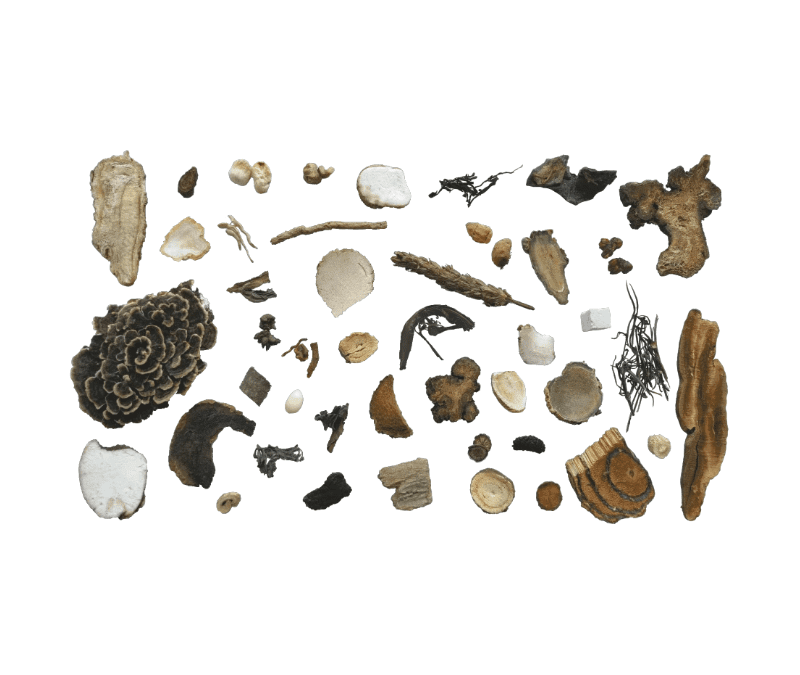
Traditional Chinese Veterinary Medicine (TCVM) has been practiced for thousands of years and offers a holistic approach to treating various ailments in animals. Chinese herbs, in particular, are known to help in balancing the body’s Qi (energy), enhancing the immune system, and promoting overall health. Their natural and holistic nature makes them a favored choice for many pet owners wary of the side effects of conventional drugs.
Chinese Herbs for Lipomas
- Jiaogulan (Gynostemma pentaphyllum): Often called the ‘immortality herb’, Jiaogulan is believed to boost the immune system and improve circulation. It may help in slowing down the growth of lipomas.
- Hawthorn (Crataegus): Traditionally used to support heart health, Hawthorn also has anti-inflammatory properties. This can potentially reduce the size or prevent the growth of fatty tumors.
- Turmeric (Curcuma longa): Known for its powerful anti-inflammatory and antioxidant properties, Turmeric can be beneficial in preventing and managing lipomas.
- Reishi Mushroom (Ganoderma lucidum): This mushroom is renowned in Chinese medicine for boosting the immune system and promoting overall health, potentially preventing the formation of lipomas.
Consultation is Key
While the potential of Chinese herbs in treating lipomas is promising, it’s essential for pet owners to consult with a veterinarian before administering any herbs. Some herbs may interact with medications or have unwanted side effects. A vet knowledgeable in both Western and Chinese medicine can provide the best guidance on the correct dosage and combination of herbs for your dog.
Conclusion
Lipomas are common in dogs and, while mostly harmless, can be a cause for concern. The holistic approach of Traditional Chinese Veterinary Medicine, including the use of Chinese herbs, offers a natural alternative or complement to conventional treatments. With proper consultation and care, these herbs might just be the answer to managing or even preventing fatty tumors in our canine companions.
