
by TCMVET | May 20, 2024 | Cat Cancer & Tumors
Mammary tumors are one of the most common types of tumors found in cats, particularly in unspayed females. These tumors can be either benign or malignant, with the latter posing significant health risks. This article provides an in-depth overview of mammary tumors in cats, aiming to enhance understanding and awareness among pet owners.
What Are Mammary Tumors?
Mammary tumors, also known as mammary gland tumors, are abnormal growths that develop in the mammary glands of cats. These glands are located along the cat’s belly, and tumors can appear in any of the mammary glands.
Causes and Risk Factors
The exact cause of mammary tumors in cats is not well understood, but several risk factors have been identified:
- Spaying Status: Unspayed female cats are at a significantly higher risk of developing mammary tumors. Spaying a cat before her first heat cycle greatly reduces this risk.
- Age: Older cats are more likely to develop mammary tumors.
- Breed: Certain breeds, such as Siamese cats, are more predisposed to mammary tumors.
- Hormonal Influences: Hormones like estrogen and progesterone play a role in the development of these tumors.
Symptoms to Watch For
Early detection of mammary tumors can significantly improve the prognosis for affected cats. Pet owners should be vigilant for the following symptoms:
- Lumps or Masses: Any unusual lumps or masses in the mammary area should be checked by a veterinarian.
- Swelling: Swelling in the mammary glands can be an indicator of a tumor.
- Ulceration: Open sores or ulcers on the skin over the mammary glands can be a sign of advanced tumors.
- Discharge: Any unusual discharge from the mammary glands should be investigated.
Diagnosis and Treatment
If a mammary tumor is suspected, a veterinarian will typically perform a physical examination and may recommend the following diagnostic tests:
- Biopsy: A tissue sample from the tumor is examined to determine if it is benign or malignant.
- Imaging: X-rays or ultrasounds may be used to assess the extent of the tumor and check for metastasis.
Treatment options depend on the type and stage of the tumor:
- Surgery: The primary treatment for mammary tumors is surgical removal. In some cases, the entire mammary chain may need to be removed.
- Chemotherapy: This may be recommended for malignant tumors, especially if they have spread to other parts of the body.
- Radiation Therapy: This can be used in conjunction with surgery and chemotherapy for comprehensive treatment.
Prevention and Early Detection
Spaying female cats before their first heat cycle is the most effective way to reduce the risk of mammary tumors. Regular veterinary check-ups and monitoring for any changes in the mammary glands can help in early detection and treatment.
Conclusion
Understanding mammary tumors in cats is crucial for pet owners, especially those with unspayed females. Early detection, prompt veterinary care, and preventive measures like spaying can significantly improve outcomes for affected cats. If you notice any unusual changes in your cat’s mammary area, consult your veterinarian immediately for a thorough evaluation and appropriate treatment.

by TCMVET | Apr 25, 2024 | Cat Cancer & Tumors
Introduction Cancer in cats is a broad term for a range of diseases that, while distinct in type and impact, share a common destructive nature. Cancer cells often escape detection by the body’s DNA enzymes that typically identify and eliminate abnormalities. They can also “trick” the immune system’s natural detoxifying cells, allowing them to proliferate unchecked.
Types of Cancer in Cats Cancers are categorized based on their location within the body. Carcinomas arise from epithelial tissues lining internal and external surfaces, while sarcomas develop from connective tissues like muscle, blood vessels, and bones. Lymphomas form in lymphatic tissues. Benign tumors, though typically harmless, can pose risks depending on their location and potential to produce hormones.
Carcinogenic Factors Some cats carry specific cancer-causing genes, while others have more complex genetic predispositions. Factors such as exposure to ultraviolet light, radiation, chemicals, and viral infections can activate these oncogenes. For some cats, even minor injection sites can lead to sarcoma development.
Diagnosing Cancer Accurate cancer diagnosis requires a sample from the suspected tissue. Small tumors should be completely removed for analysis, whereas larger tumors may require a biopsy or a fine needle aspirate for cytological examination. Cancer becomes a significant health concern for cats over the age of seven, although it can occur at any age. Early diagnosis is crucial for successful treatment, highlighting the importance of annual veterinary check-ups.
Cancer Treatments
- Surgery: Often the most effective treatment, used to remove tumors entirely.
- Radiation Therapy: Employed for cancers that are localized or sensitive to radiation and cannot be fully removed surgically.
- Chemotherapy: Targets rapidly growing cancer cells, particularly useful when cancer has metastasized.
- New Therapies: Include angiogenesis inhibitors that cut off the blood supply to tumors, immunotherapy to stimulate the immune system against cancer cells, and gene therapy that introduces therapeutic genes into cancer cells via viruses.
Other Considerations Pain management and euthanasia are common but difficult topics. Most veterinarians agree that a cat should not suffer unduly from treatment side effects. Sometimes, the kindest treatment might involve palliative care, even if it shortens a cat’s life.
Preventing Cancer Reducing the risk of cancer in cats involves several strategies:
- Wise selection of breeding partners to avoid hereditary risks.
- Taking precautions against feline leukemia when there’s a known risk.
- Avoiding excessive vaccinations for feline leukemia and rabies.
- Early removal of ovaries in female cats to prevent certain types of cancers.
- Minimizing exposure to known carcinogens.
- Maintaining a balanced diet to boost the immune system.
- Keeping cats at a healthy weight.
- Protecting white cats from direct sunlight.
- Regularly checking for any lumps or bumps.
- Keeping up with annual veterinary check-ups.
Conclusion Understanding the various types of feline cancers and their treatments can help cat owners manage their pets’ health more effectively. With the right preventive measures and early detection, the prognosis for cats with cancer can be significantly improved, ensuring they lead longer, healthier lives.

by TCMVET | Mar 3, 2024 | Cat Cancer & Tumors
Cancer in cats is a significant health concern, but natural treatments like herbal remedies offer a ray of hope. “Herbs for Health” provides an in-depth look at how these natural solutions can be used to treat feline cancer, emphasizing a holistic approach to pet health.
Understanding Feline Cancer
Feline cancer manifests in various forms, including lymphoma, mammary cancer, and skin cancer. Early detection is crucial for effective treatment. Symptoms can range from unexplained weight loss to changes in behavior or appearance.
The Role of Herbal Remedies in Cancer Treatment
Herbal remedies have been used in traditional medicine for centuries to treat various ailments, including cancer. These natural solutions can support conventional cancer treatments by boosting the immune system, reducing side effects, and improving overall quality of life.
Key Herbs for Feline Cancer Treatment
- Turmeric (Curcuma longa): Contains curcumin, known for its anti-inflammatory and anti-cancer properties.
- Milk Thistle (Silybum marianum): Supports liver function, helping to detoxify the body during cancer treatments.
- Astragalus (Huang Qi): Enhances immune function and may help in tumor reduction.
- Cat’s Claw (Uncaria tomentosa): Known for its immune-boosting and anti-tumor effects.
Integrating Herbal Treatments with Conventional Therapies
Herbal remedies should complement, not replace, conventional cancer treatments. Collaboration with a veterinarian is essential to create a balanced treatment plan that combines the best of both worlds.
Research and Evidence Supporting Herbal Treatments
While research on herbal treatments for feline cancer is ongoing, several studies have shown promising results. These studies suggest that herbs can play a supportive role in cancer treatment, helping to improve the effectiveness of conventional therapies.
Case Studies and Success Stories
Numerous pet owners have reported positive effects of herbal treatments on their cats’ health and well-being during cancer treatment. These anecdotal experiences provide valuable insights into the potential benefits of herbal remedies.
The Future of Herbal Treatments in Veterinary Medicine
As interest in holistic and natural treatments grows, the role of herbal remedies in veterinary medicine is expected to expand. Ongoing research will be crucial in validating and refining these treatments.
“Herbs for Health: A Guide to Treating Feline Cancer Naturally” offers a comprehensive overview of how herbal remedies can support the treatment of cancer in cats. By embracing these natural solutions, pet owners can contribute to the overall well-being and longevity of their feline companions.

by TCMVET | Mar 3, 2024 | Cat Cancer & Tumors
Feline cancer is a growing concern among pet owners. However, the ancient wisdom of Eastern medicine offers promising herbal remedies. This article explores how traditional herbs can be a vital ally in the fight against feline cancer.
Understanding Feline Cancer
Cancer in cats can manifest in various forms, including lymphoma, squamous cell carcinoma, and mammary cancer. Recognizing early symptoms such as weight loss, lethargy, or abnormal swellings is crucial for early intervention.
The Role of Eastern Herbs in Cancer Treatment
Traditional Eastern medicine, with its holistic approach, uses a variety of herbs to treat not just the symptoms but the root cause of diseases. In the context of feline cancer, these herbs are used to strengthen the body’s natural defenses and combat the growth of cancer cells.
Key Herbs and Their Properties
- Turmeric (Curcuma longa): Contains curcumin, known for its anti-inflammatory and anti-cancer properties.
- Astragalus (Huang Qi): Boosts the immune system and may help in reducing tumor growth.
- Ginseng (Ren Shen): An adaptogen that enhances overall health and vitality.
- Green Tea (Camellia sinensis): Rich in antioxidants, it can help in preventing cell damage.
Integrating Herbs with Conventional Cancer Therapies
While traditional herbs offer many benefits, they should be used in conjunction with conventional cancer treatments. Collaboration between veterinarians and herbal medicine practitioners is vital to ensure a safe and effective integrated treatment plan.
Evidence and Research in Herbal Oncology
Research in the field of herbal oncology, though still in its nascent stages, shows promising results. Studies indicate that certain herbs can reduce tumor size and enhance the effectiveness of conventional treatments.
Case Studies: Successes in Feline Herbal Treatments
Several case studies and anecdotal reports suggest that herbal treatments can improve the quality of life and longevity of cats with cancer. These stories offer hope and pave the way for more formal research.
The Future of Herbal Medicine in Veterinary Oncology
The integration of traditional herbs into veterinary oncology is an evolving field. As more research is conducted, it could lead to more effective and personalized treatment plans for feline cancer.
“Eastern Promise: Traditional Herbs in the Fight Against Feline Cancer” highlights the potential of herbal remedies as part of a comprehensive cancer treatment plan. These ancient practices, combined with modern veterinary medicine, offer a holistic approach to enhancing the health and well-being of cats.
by TCMVET | Mar 3, 2024 | Cat Cancer & Tumors
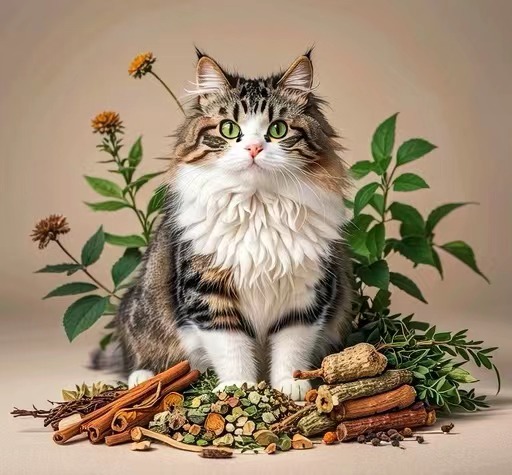
Cancer in cats is a daunting challenge, but hope lies in nature’s bounty. Chinese herbs have been used for centuries to treat various ailments, and their role in combating feline cancer is gaining interest. This article delves into how these ancient remedies can be a game-changer in the fight against cancer in our feline friends.
The Prevalence of Cancer in Cats
Feline cancer is not uncommon and can affect cats of any age, though it’s more prevalent in seniors. Types of cancer in cats include lymphoma, skin cancer, and mammary gland cancer, each with different symptoms and treatment options.
Chinese Herbs: An Ancient Solution
Chinese herbal medicine, part of Traditional Chinese Medicine (TCM), uses a variety of plants and herbs to treat diseases. In the context of feline cancer, these herbs aim to strengthen the immune system, inhibit tumor growth, and alleviate the side effects of conventional cancer treatments.
Key Chinese Herbs for Feline Cancer
- Astragalus (Huang Qi): Known for boosting immunity and potentially inhibiting tumor growth.
- Dong Quai (Dang Gui): Used for its blood-tonifying properties, important in cancer care.
- Ginseng (Ren Shen): A powerful adaptogen that can improve overall vitality.
- Turmeric (Jiang Huang): Contains curcumin, with its anti-inflammatory and anti-cancer properties.
Integrating Chinese Herbs with Conventional Treatments
While Chinese herbs offer promising benefits, they should not replace conventional cancer treatments. Instead, they can be used alongside chemotherapy or radiation to enhance effectiveness and reduce side effects. Consultation with a veterinarian knowledgeable in both Western and Eastern medicine is crucial.
The Science Behind Chinese Herbs in Cancer Treatment
Recent studies have begun to explore the efficacy of Chinese herbs in cancer treatment, with some showing positive effects on immune function and tumor inhibition. More research is needed, but the potential is promising.
Real-Life Success Stories
Numerous anecdotes from pet owners suggest that Chinese herbs have helped their cats live longer and more comfortably with cancer. These stories, while not scientific evidence, offer hope and insight into the potential of herbal treatments.
The Future of Herbal Treatment in Veterinary Oncology
As interest in holistic and integrative veterinary medicine grows, so too does the exploration of herbal treatments in cancer care. The future of these treatments looks bright, with ongoing research and a growing body of anecdotal evidence.
“Nature’s Cure: Using Chinese Herbs to Fight Cancer in Cats” highlights the potential of Chinese herbal medicine as a complementary treatment in feline cancer care. These ancient remedies, combined with modern veterinary science, offer a holistic approach to improving the quality of life for cats with cancer.
