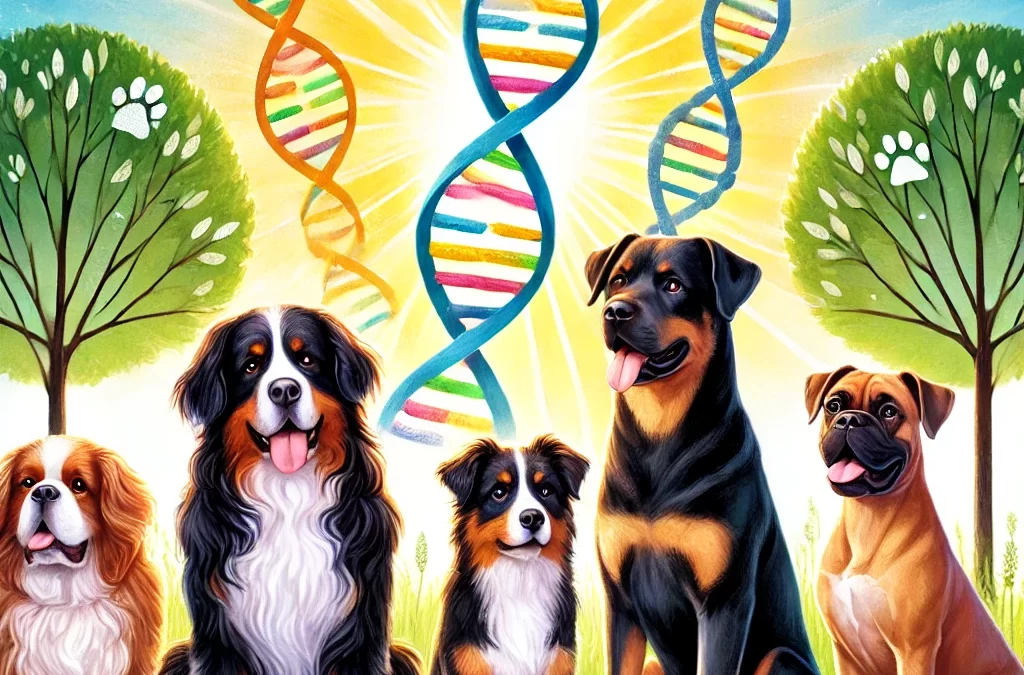
When considering adding a furry companion to your family, health should be a key factor in your decision-making process. While all dogs are susceptible to certain health conditions, some breeds are genetically predisposed to developing cancer. Understanding these risks can empower you to make informed choices and proactively manage your pet’s health.
Why Are Some Breeds More Prone to Cancer?
Cancer in dogs, much like in humans, is influenced by genetics, environmental factors, and age. Breeds that have been selectively bred for specific traits often inherit genetic vulnerabilities, including a predisposition to cancer. For many breeds, this unfortunate legacy is a result of centuries of inbreeding aimed at maintaining desirable characteristics.
Breeds at Higher Risk of Cancer
1. Golden Retriever
Golden Retrievers are beloved for their friendly nature and intelligence, but they also carry a high risk of cancer, particularly lymphoma and hemangiosarcoma. Studies suggest that nearly 60% of Goldens will develop cancer during their lifetime. This staggering statistic has driven research initiatives like the Golden Retriever Lifetime Study, aimed at uncovering the reasons behind their susceptibility.
2. Bernese Mountain Dog
Known for their gentle temperament and striking tricolor coat, Bernese Mountain Dogs face a higher-than-average risk of histiocytic sarcoma, a rare but aggressive form of cancer. Their relatively short lifespan (6-8 years) is often linked to this disease.
3. Boxer
Boxers, with their playful energy and loyalty, are prone to a variety of cancers, including mast cell tumors and lymphoma. Their predisposition may be tied to specific genetic mutations, making regular vet check-ups essential.
4. Rottweiler
Rottweilers, despite their reputation as strong, robust dogs, are vulnerable to osteosarcoma, a type of bone cancer. This risk is particularly high in larger Rottweilers, underscoring the importance of monitoring their weight and joint health.
5. Scottish Terrier
Scottish Terriers, affectionately known as Scotties, are disproportionately affected by transitional cell carcinoma (TCC), a type of bladder cancer. This breed-specific risk highlights the importance of observing urinary health in these small yet sturdy dogs.
Breaking the Stereotypes: Small Breeds Are Not Exempt
While cancer is often associated with large breeds, small breeds are not immune. For example, Boston Terriers and Dachshunds are prone to mast cell tumors and melanoma, respectively. The size of the dog does not always correlate with cancer risk, making vigilance crucial for all pet owners.
How to Reduce the Risk of Cancer in Dogs
While you cannot change a dog’s genetic makeup, you can take proactive steps to minimize risk:
Nutrition: Feed your dog a balanced diet with antioxidant-rich foods. Supplements like omega-3 fatty acids may also support cellular health.
Regular Exercise: Keep your dog active to maintain a healthy weight, reducing strain on their immune system.
Avoid Toxins: Minimize exposure to pesticides, tobacco smoke, and other carcinogens.
Routine Check-ups: Schedule annual veterinary visits for early detection of abnormalities.
Spay/Neuter: For certain breeds, this can lower the risk of reproductive cancers.
Innovative Research: A Ray of Hope
Recent advancements in veterinary medicine are offering hope for breeds predisposed to cancer. Immunotherapy, targeted therapies, and genetic testing are becoming more accessible, enabling early detection and tailored treatments. For example, the Canine Cancer Genome Project is mapping genetic predispositions in popular breeds, paving the way for breed-specific preventive measures.
Choosing a Breed: A Heartfelt Decision
Deciding which breed to welcome into your home involves balancing practical considerations with emotional connections. If you’re drawn to a breed with a high cancer risk, ensure you’re prepared for potential medical expenses and the emotional commitment of managing a chronic condition. Many dog lovers would agree: the joy these breeds bring often outweighs the challenges of their health risks.
Conclusion
While certain breeds are more prone to cancer, awareness and proactive care can significantly improve their quality of life. By understanding their unique vulnerabilities, you can provide the love and care they deserve, turning what could be a heartbreaking challenge into a journey of compassion and resilience.
Cancer remains one of the most common health issues in dogs, affecting all breeds and crossbreeds. However, studies show that certain purebred dogs have a heightened susceptibility to specific cancers, suggesting that genetics may play a significant role in cancer risk. This article explores the connection between breed-specific genetic factors and cancer types in dogs, focusing on recent advances in genetic research that offer new insights into the causes of cancer and potential future treatments.
The Role of Genetics in Cancer Susceptibility in Purebred Dogs
Purebred dogs are often at greater risk for specific cancers due to the limited genetic diversity within their breed lines. Selective breeding over generations has led to unique genetic patterns within each breed, some of which may carry cancer predisposition genes. Unlike the broad genetic diversity in humans, these narrowed gene pools in purebred dogs make genetic research more manageable, allowing for targeted studies on smaller populations.
Common Cancer Types and Breeds at Risk
Histiocytic Sarcoma Predominantly seen in breeds like Bernese Mountain Dogs and Flat-Coated Retrievers, histiocytic sarcoma is an aggressive cancer affecting immune cells. Genetic studies on these breeds have uncovered possible genetic links, aiding in early diagnosis and future research.
Osteosarcoma Large and giant breeds, such as Great Danes, Greyhounds, and Rottweilers, are more susceptible to osteosarcoma, a painful bone cancer. Genetic analysis has identified potential markers that may predict osteosarcoma risk, contributing to early detection and improved treatment approaches.
Hemangiosarcoma Known to impact Golden Retrievers, German Shepherds, and Labradors, hemangiosarcoma is a fast-growing cancer that originates in blood vessel walls. Genome-wide association studies (GWAS) are beginning to reveal genetic traits associated with hemangiosarcoma, providing a clearer picture of its hereditary basis.
Mast Cell Tumors Mast cell tumors affect breeds like Boxers, Bulldogs, and Boston Terriers. Genetic research suggests that certain DNA mutations in these breeds may predispose them to this cancer, offering new avenues for understanding mast cell tumor development.
Lymphoma Breeds like Boxers and Labrador Retrievers have an increased risk for lymphoma. Recent molecular genetic studies are highlighting specific genes linked to lymphoma in these dogs, supporting the creation of preventive and diagnostic tools.
Melanoma Melanoma, commonly seen in breeds such as Schnauzers and Scottish Terriers, affects skin pigmentation cells. Cytogenetic studies have identified genetic alterations in these breeds, which may help predict melanoma occurrence and progression.
Mammary Tumors Smaller breeds, including Poodles and Cocker Spaniels, are at higher risk for mammary tumors. Genetic mapping has shown that specific gene variations may increase susceptibility to these tumors, paving the way for improved screening.
Recent Advances: Genome-Wide Association Studies in Dogs
Recent technological advancements have allowed researchers to perform genome-wide association studies (GWAS) on canine breeds, identifying cancer-related genetic markers with precision. These studies pinpoint genetic variations associated with specific cancers, making early diagnosis, preventive measures, and tailored treatments possible. By understanding the underlying genetic components, veterinarians and breeders can make informed decisions to mitigate cancer risks in predisposed breeds.
Implications for Veterinary Oncology and Canine Health
As breed-specific genetic research advances, pet owners and veterinarians will have greater resources for understanding and managing cancer risks in dogs. Knowledge of a dog’s genetic predisposition can lead to early screening, preventive measures, and prompt intervention, ultimately improving the quality of life for at-risk breeds. This research also strengthens the role of dogs as valuable models in comparative oncology, contributing to both canine and human cancer treatment advancements.
Harnessing Genetic Insights for Cancer Prevention in Dogs
The genetic predisposition to cancer in certain dog breeds emphasizes the importance of genetic studies in veterinary oncology. With ongoing genetic discoveries, dog breeds at higher risk for specific cancers can benefit from more personalized healthcare strategies. This research not only improves canine health but also enhances our understanding of cancer genetics across species.
Cancer is a leading cause of death in dogs, and understanding its primary causes is crucial for prevention and early detection. In this article, we will explore the number one cause of cancer in dogs, common risk factors, and practical steps to reduce your pet’s risk of developing this devastating disease.
Understanding the Number One Cause of Cancer in Dogs
The number one cause of cancer in dogs is genetic predisposition. Certain breeds are more susceptible to cancer due to inherited genetic factors. Breeds such as Boxers, Golden Retrievers, and Bernese Mountain Dogs are known to have higher incidences of cancer compared to other breeds. While genetics play a significant role, other factors such as environment, diet, and lifestyle also contribute to the risk.
Common Types of Cancer in Dogs
Lymphoma: Affects the lymphatic system and is common in middle-aged and older dogs.
Mast Cell Tumors: Often found in the skin, these tumors can vary in appearance and behavior.
Osteosarcoma: A type of bone cancer prevalent in large and giant breeds.
Hemangiosarcoma: A cancer of the blood vessels, often affecting the spleen or heart.
Melanoma: Commonly occurs in the mouth or on the skin.
Risk Factors for Cancer in Dogs
1. Genetic Predisposition
Certain breeds are genetically more likely to develop cancer. Breeders and pet owners should be aware of the risks associated with specific breeds and take preventive measures.
2. Age
The risk of cancer increases with age. Regular veterinary check-ups are essential for early detection and treatment.
3. Environment
Exposure to certain environmental factors, such as pesticides, herbicides, and secondhand smoke, can increase the risk of cancer in dogs. Keeping your pet’s living environment clean and free from harmful chemicals is crucial.
4. Diet
A poor diet lacking essential nutrients can weaken a dog’s immune system, making them more susceptible to cancer. Feeding your dog a balanced, high-quality diet can help maintain their overall health and reduce cancer risk.
5. Spaying and Neutering
Spaying and neutering can significantly reduce the risk of certain types of cancer, such as mammary and testicular cancers.
Preventive Measures
1. Regular Veterinary Check-ups
Routine veterinary visits are vital for early detection and prevention. Regular screenings can help identify cancer at an early stage when it is more treatable.
2. Healthy Diet
Provide your dog with a balanced diet rich in antioxidants, vitamins, and minerals. Avoid feeding your dog processed foods and opt for natural, high-quality ingredients.
3. Exercise
Regular physical activity helps maintain a healthy weight and boosts the immune system. Ensure your dog gets adequate exercise daily.
4. Minimize Exposure to Toxins
Keep your pet’s environment clean and reduce exposure to harmful chemicals. Use pet-safe cleaning products and avoid smoking around your dog.
5. Spay and Neuter
Consider spaying or neutering your dog to reduce the risk of reproductive cancers. Discuss the best time for this procedure with your veterinarian.
Conclusion
While genetic predisposition is the number one cause of cancer in dogs, understanding the risk factors and taking preventive measures can significantly reduce the likelihood of your dog developing cancer. Regular veterinary care, a healthy diet, exercise, and a toxin-free environment are key to maintaining your dog’s health and well-being. By staying informed and proactive, you can help your furry friend live a long, healthy life.
For more information on canine health and cancer prevention, visit our blog and stay updated with the latest research and tips.