
Unlocking Herbal Remedies: A Hopeful Approach to Managing Canine Osteosarcoma

Unlocking Herbal Remedies: A Hopeful Approach to Managing Canine Osteosarcoma

Canine osteosarcoma is a devastating diagnosis for any dog owner. This aggressive form of bone cancer primarily affects large breed dogs and can lead to significant pain and mobility issues. While traditional treatments typically involve surgery, chemotherapy, and radiation, a growing interest has emerged in the potential of herbal remedies to provide relief and support during treatment. This article explores how certain herbs may help alleviate symptoms associated with canine osteosarcoma and improve the quality of life for affected dogs.

Understanding Canine Osteosarcoma Canine osteosarcoma is the most common bone tumor found in dogs, accounting for about 85% of all malignancies originating in the skeleton. It predominantly affects the limbs but can also occur in the bones of the skull, spine, and pelvis. The rapid growth associated with this cancer often leads to early metastasis, making timely and effective treatment critical.

The Role of Herbal Remedies in Supportive Care Herbal remedies have been used in veterinary medicine as a complementary approach alongside conventional therapies. Here are some herbs that are noted for their potential benefits in supporting dogs with osteosarcoma:

  1. Turmeric (Curcuma longa): Known for its anti-inflammatory properties, turmeric contains curcumin, a compound that has been studied for its potential to reduce tumor growth and alleviate pain.
  2. Ginger (Zingiber officinale): Another powerful anti-inflammatory herb, ginger can help manage nausea and improve appetite, common issues in dogs undergoing cancer treatment.
  3. Milk Thistle (Silybum marianum): This herb supports liver function, which is crucial for dogs undergoing chemotherapy as it helps process and eliminate toxins associated with treatment.
  4. Hawthorn (Crataegus spp.): Often used for its cardiovascular benefits, hawthorn can help manage the circulatory issues that may arise from cancer or its treatment.

Incorporating Herbal Remedies into Treatment Plans Integrating herbal remedies into a dog’s cancer treatment plan should always be done under the guidance of a qualified veterinarian who is knowledgeable in both conventional and holistic medicine. The correct dosage and formulation are crucial to ensure safety and effectiveness, as well as to prevent any potential interactions with prescribed medications.

Conclusion While canine osteosarcoma remains a challenging condition, the addition of herbal remedies to conventional treatment plans offers a ray of hope. These natural options can potentially ease symptoms, improve overall health, and enhance the quality of life for dogs battling this harsh disease. As research continues to evolve, it is hoped that more definitive guidance on the use of herbs in veterinary oncology will emerge, providing dog owners with additional tools to fight this aggressive cancer.

By exploring the potential of herbal remedies, we not only expand the arsenal available to combat canine osteosarcoma but also open up a more holistic approach to treatment that considers the overall well-being of our beloved pets.
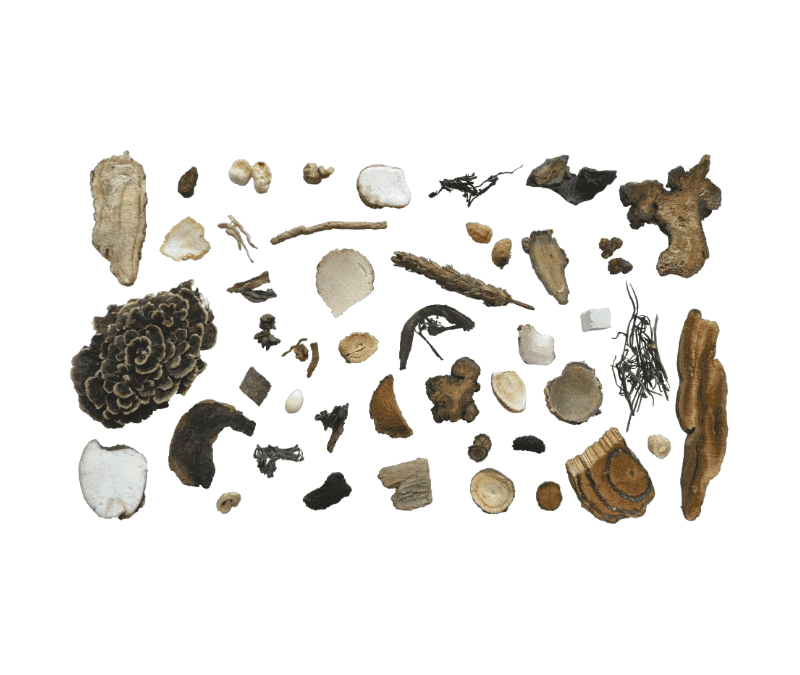
Treatment for Fatty Tumors in Dogs: The Role of Chinese Herbs

Treatment for Fatty Tumors in Dogs: The Role of Chinese Herbs

Fatty tumors, also known as lipomas, are common in dogs, especially as they age. While these tumors are benign and usually harmless, many pet owners seek ways to treat or prevent them to ensure the health and comfort of their furry companions. Among various treatments and preventative measures, Chinese herbs have gained increasing attention in recent years. In this article, we will delve into the potential of Chinese herbs in treating and managing fatty tumors in dogs.

Understanding Fatty Tumors (Lipomas)

Lipomas are soft, movable lumps that form under the skin. They’re formed by the overgrowth of fat cells and can vary in size. While they are non-cancerous and typically don’t cause pain, they can become problematic if they grow too large or press against other organs or tissues.

Why Consider Chinese Herbs?

Traditional Chinese Veterinary Medicine (TCVM) has been practiced for thousands of years and offers a holistic approach to treating various ailments in animals. Chinese herbs, in particular, are known to help in balancing the body’s Qi (energy), enhancing the immune system, and promoting overall health. Their natural and holistic nature makes them a favored choice for many pet owners wary of the side effects of conventional drugs.

Chinese Herbs for Lipomas

  1. Jiaogulan (Gynostemma pentaphyllum): Often called the ‘immortality herb’, Jiaogulan is believed to boost the immune system and improve circulation. It may help in slowing down the growth of lipomas.
  2. Hawthorn (Crataegus): Traditionally used to support heart health, Hawthorn also has anti-inflammatory properties. This can potentially reduce the size or prevent the growth of fatty tumors.
  3. Turmeric (Curcuma longa): Known for its powerful anti-inflammatory and antioxidant properties, Turmeric can be beneficial in preventing and managing lipomas.
  4. Reishi Mushroom (Ganoderma lucidum): This mushroom is renowned in Chinese medicine for boosting the immune system and promoting overall health, potentially preventing the formation of lipomas.

Consultation is Key

While the potential of Chinese herbs in treating lipomas is promising, it’s essential for pet owners to consult with a veterinarian before administering any herbs. Some herbs may interact with medications or have unwanted side effects. A vet knowledgeable in both Western and Chinese medicine can provide the best guidance on the correct dosage and combination of herbs for your dog.

Conclusion

Lipomas are common in dogs and, while mostly harmless, can be a cause for concern. The holistic approach of Traditional Chinese Veterinary Medicine, including the use of Chinese herbs, offers a natural alternative or complement to conventional treatments. With proper consultation and care, these herbs might just be the answer to managing or even preventing fatty tumors in our canine companions.

Green yin-yang logo with TCMVET
Privacy Overview

This website uses cookies so that we can provide you with the best user experience possible. Cookie information is stored in your browser and performs functions such as recognising you when you return to our website and helping our team to understand which sections of the website you find most interesting and useful.