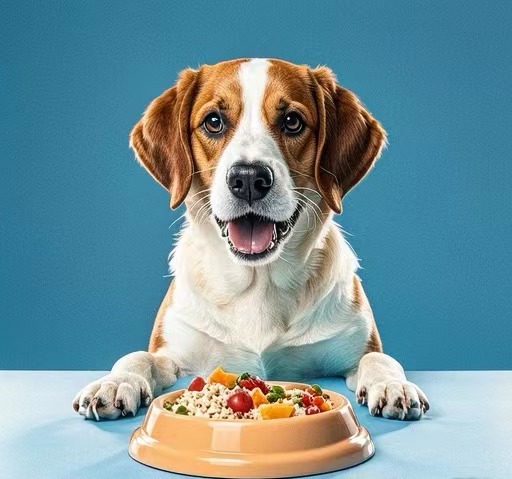
When a dog is diagnosed with cancer, it becomes crucial to provide them with a diet that supports their immune system and overall well-being. Nutrition can play an essential role in managing cancer, improving quality of life, and even aiding in recovery. In this article, we’ll explore the best and worst foods for dogs with cancer, helping you make informed choices to support your dog’s health during this challenging time.
The Best Foods for Dogs with Cancer
1. High-Quality Protein
Protein is vital for dogs, especially those battling cancer. Tumors tend to steal essential nutrients from the body, which can lead to muscle loss and weakness. High-quality proteins help maintain lean muscle mass and support overall strength. The best sources of protein for dogs with cancer include:
Chicken
Turkey
Fish (such as salmon)
Eggs
Lamb
Choose organic, grass-fed, or free-range sources when possible, as they are less likely to contain harmful chemicals or hormones.
2. Omega-3 Fatty Acids
Omega-3 fatty acids are known for their anti-inflammatory properties and can help slow down the growth of cancer cells. They can also support your dog’s immune system and reduce inflammation. Good sources of omega-3 fatty acids include:
Fish oil (especially salmon or sardine oil)
Flaxseed oil
Chia seeds
Incorporating these fats into your dog’s diet can provide them with the necessary nutrients to fight cancer more effectively.
3. Antioxidant-Rich Vegetables
Vegetables high in antioxidants help combat free radicals, which can contribute to cancer growth. Including these vegetables in your dog’s meals can support their immune system and slow the progression of the disease. Recommended antioxidant-rich vegetables for dogs include:
Spinach
Broccoli
Carrots
Blueberries
Kale
Sweet potatoes
Cook the vegetables lightly to make them easier for your dog to digest, and avoid using any seasoning.
4. Mushrooms
Certain types of mushrooms, such as shiitake, maitake, and reishi, have shown potential anti-cancer properties. These mushrooms are rich in polysaccharides, which can boost immune function and help slow cancer progression. Adding small amounts of these mushrooms to your dog’s meals can be beneficial, but always consult your veterinarian for guidance on portion sizes.
5. Low-Carbohydrate, High-Fat Diets
Cancer cells tend to thrive on sugar, so reducing your dog’s carbohydrate intake can potentially slow tumor growth. A ketogenic-style diet (low-carb, high-fat) is often recommended for dogs with cancer. Focus on healthy fats like coconut oil, olive oil, and fish oil while reducing grains and starchy foods.
The Worst Foods for Dogs with Cancer
1. Processed Foods and Treats
Processed dog foods, especially those with artificial preservatives, coloring, and flavorings, can harm a dog with cancer. These foods often contain low-quality ingredients that offer little to no nutritional benefit. Avoid feeding your dog:
Commercially processed treats
Kibble with chemical additives
Canned food with high sugar content
Instead, opt for homemade treats or raw, minimally processed food options.
2. Grains and Starches
Cancer cells feed on glucose, so limiting foods high in carbohydrates is crucial. Foods such as grains, potatoes, and corn can raise blood sugar levels, potentially accelerating cancer growth. Avoid these carbohydrate-heavy foods:
White rice
Wheat
Corn
Potatoes
Substitute these with low-carb options such as leafy greens or non-starchy vegetables.
3. High-Sugar Foods
Sugar can fuel cancer cell growth, so it’s essential to avoid feeding your dog any foods with high sugar content. This includes not only processed sugary treats but also naturally high-sugar fruits. Steer clear of:
Grapes and raisins (which are toxic to dogs)
Bananas
Apples with seeds
Sugary dog treats
Choose low-sugar fruits like blueberries or cranberries for snacks instead.
4. Dairy Products
Many dogs are lactose intolerant, and dairy can cause digestive upset. In addition, certain dairy products can increase inflammation in the body, which may negatively affect dogs with cancer. Avoid giving your dog:
Milk
Cheese
Ice cream
Yogurt (unless it’s plain and unsweetened)
If you want to include some dairy, opt for plain, unsweetened, and organic varieties, but introduce them in moderation.
5. Fried and Fatty Foods
Excessive fried or fatty foods can put stress on your dog’s digestive system, leading to inflammation and weight gain. Avoid feeding your dog anything fried, such as:
Bacon
Fried chicken
Fast food
Instead, focus on healthy fats like those from fish oil or coconut oil to provide essential nutrients without causing harm.
Providing the right diet is essential for managing your dog’s cancer and supporting their health. Focus on feeding high-quality protein, omega-3 fatty acids, and antioxidant-rich vegetables, while avoiding processed foods, sugars, and high-carbohydrate items. Always consult with a veterinarian or a pet nutritionist to ensure that you are meeting your dog’s specific nutritional needs and supporting their fight against cancer.
Cancer is a challenging diagnosis for any pet owner to face, especially when it affects a beloved dog. While conventional treatments like surgery, chemotherapy, and radiation are often necessary, nutrition plays a critical role in supporting the overall health and well-being of dogs battling cancer. Providing the right nutritional support can improve your dog’s quality of life, bolster their immune system, and even complement conventional cancer treatments.
Understanding the Importance of Nutrition for Dogs with Cancer
A balanced and tailored diet is essential for dogs with cancer. Cancer can significantly impact a dog’s metabolism, leading to weight loss, muscle wasting, and decreased energy levels. Furthermore, the disease can alter how a dog’s body processes nutrients, making it harder for them to absorb essential vitamins and minerals. This makes nutritional support not just important, but crucial in managing the condition.
Key Nutrients for Supporting a Dog with Cancer
High-Quality Protein: Protein is vital for maintaining muscle mass and supporting immune function. Look for easily digestible protein sources such as chicken, turkey, or fish, which provide the amino acids necessary for cell repair and immune health.
Healthy Fats: Omega-3 fatty acids, found in fish oil and flaxseed, are known for their anti-inflammatory properties. These fats can help reduce inflammation, which is often elevated in cancer, and provide a concentrated source of energy for your dog.
Low Carbohydrates: Cancer cells thrive on carbohydrates, so a diet low in sugars and starches can help slow the progression of the disease. Focus on feeding your dog a diet rich in vegetables and low-glycemic fruits, which provide essential nutrients without fueling cancer growth.
Antioxidants: Vitamins C and E, beta-carotene, and selenium are powerful antioxidants that can help protect cells from damage caused by free radicals, which are prevalent in dogs with cancer. Including antioxidant-rich foods like blueberries, spinach, and carrots can be beneficial.
Herbal Supplements: Natural supplements like turmeric (curcumin) and medicinal mushrooms (such as reishi and maitake) can support the immune system and have been shown to possess anti-cancer properties. Always consult with your vet before introducing new supplements into your dog’s diet.
Practical Tips for Feeding a Dog with Cancer
Frequent Small Meals: Dogs with cancer often have reduced appetites, so offering smaller, more frequent meals can help ensure they receive the necessary nutrients without overwhelming them.
Palatability: Some dogs undergoing cancer treatment may experience nausea or loss of appetite. Enhancing the flavor of their meals with natural broths or a small amount of healthy fats can encourage them to eat.
Consult Your Vet: Every dog is different, and what works for one may not work for another. It’s important to work closely with your veterinarian or a veterinary nutritionist to develop a personalized diet plan that meets your dog’s specific needs.
The Role of Nutritional Supplements in Cancer Care
In addition to a balanced diet, certain nutritional supplements can provide extra support for dogs with cancer. Probiotics, for example, can help maintain gut health, which is particularly important if your dog is undergoing chemotherapy. Omega-3 supplements, as mentioned earlier, can further boost anti-inflammatory effects and support overall health.
Another option to consider is Baituxiao, a natural herbal supplement specifically designed for dogs with cancer. Baituxiao contains a blend of traditional Chinese medicinal herbs known for their immune-boosting and anti-cancer properties. When used alongside a balanced diet, this supplement can provide additional support in managing your dog’s cancer.
While cancer is a serious and often overwhelming diagnosis, you can make a significant difference in your dog’s health and quality of life through careful nutritional support. By providing a diet rich in high-quality proteins, healthy fats, and essential nutrients, you can help your dog maintain strength, reduce inflammation, and support their immune system during this challenging time. Always consult with your veterinarian to create the best nutrition plan tailored to your dog’s unique needs, and consider incorporating supplements like Baituxiao to further enhance their health and well-being.
Understanding the intricate relationship between canine cancer and blood sugar levels is vital for pet owners and veterinarians. Recent studies suggest that managing blood sugar levels can play a crucial role in the treatment and prevention of cancer in dogs. This article delves into the connection between cancer and blood sugar, highlighting key insights and practical steps for maintaining your dog’s health.
How Blood Sugar Levels Affect Canine Cancer
1. The Role of Glucose in Cancer Growth
Cancer cells thrive on glucose, using it as a primary energy source to fuel their rapid growth and proliferation. Elevated blood sugar levels can create an environment that supports the development and spread of cancer. By understanding this connection, pet owners can take proactive steps to regulate their dog’s blood sugar, potentially slowing cancer progression.
2. Insulin Resistance and Cancer Risk
Just like in humans, insulin resistance in dogs can lead to elevated blood sugar levels. Insulin resistance occurs when cells become less responsive to insulin, a hormone that helps regulate blood sugar. This condition not only increases the risk of diabetes but also creates a favorable environment for cancer cells to grow. Monitoring and managing insulin resistance is, therefore, a crucial aspect of cancer prevention and treatment in dogs.
Symptoms and Diagnosis
Recognizing the symptoms of blood sugar imbalances and cancer in dogs is essential for early detection and intervention. Common signs include:
Increased Thirst and Urination: These can indicate high blood sugar levels.
Unexplained Weight Loss: Despite eating well, weight loss can signal diabetes or cancer.
Lethargy: Low energy levels can be a symptom of both high blood sugar and cancer.
Frequent Infections: High blood sugar can weaken the immune system, making dogs more susceptible to infections.
Visible Tumors or Lumps: Physical signs of cancer that require immediate veterinary attention.
To diagnose these conditions, veterinarians may perform blood tests, glucose tolerance tests, and biopsies to identify the underlying issues and develop a treatment plan.
Managing Blood Sugar Levels in Dogs with Cancer
1. Diet and Nutrition
A balanced diet low in simple sugars and high in protein and fiber can help regulate blood sugar levels. Foods with a low glycemic index release glucose slowly, preventing spikes in blood sugar. Consider incorporating these elements into your dog’s diet:
Lean Proteins: Chicken, turkey, and fish
Fiber-Rich Vegetables: Green beans, carrots, and pumpkin
Whole Grains: Brown rice and oats
Consult with your veterinarian to create a tailored nutrition plan that meets your dog’s specific needs.
2. Regular Exercise
Physical activity helps regulate blood sugar levels and maintain a healthy weight, reducing the risk of both diabetes and cancer. Engage your dog in regular walks, play sessions, and activities that keep them active and fit.
3. Medications and Supplements
In some cases, veterinarians may prescribe medications to manage blood sugar levels or recommend supplements that support metabolic health. These can include:
Insulin: For dogs diagnosed with diabetes
Omega-3 Fatty Acids: To support overall health and reduce inflammation
Antioxidants: To combat oxidative stress and support the immune system
4. Regular Monitoring
Frequent veterinary check-ups and blood tests are crucial for monitoring your dog’s blood sugar levels and overall health. Early detection of any imbalances allows for prompt adjustments to their treatment plan.
Understanding the link between canine cancer and blood sugar levels offers a new perspective on managing your dog’s health. By maintaining balanced blood sugar levels through proper diet, exercise, and veterinary care, you can create a healthier environment that may help prevent or slow the progression of cancer. Stay proactive and informed to ensure your furry friend enjoys a long, healthy life.
When a dog is diagnosed with cancer, proper nutrition and supportive supplements can play a crucial role in their overall health and quality of life. This article aims to provide a comprehensive guide on the best diet and supplements for dogs with cancer, helping pet owners make informed decisions to support their furry companions.
Understanding the Nutritional Needs of Dogs with Cancer
Cancer can significantly impact a dog’s metabolism and nutritional needs. Here are some key considerations for feeding a dog with cancer:
High-Quality Protein: Dogs with cancer often require high-quality protein sources to maintain muscle mass and support their immune system. Opt for lean meats like chicken, turkey, and fish.
Low Carbohydrates: Cancer cells thrive on carbohydrates. Reducing the carbohydrate content in your dog’s diet can help slow down the growth of cancer cells. Focus on low-carb vegetables like spinach, broccoli, and cauliflower.
Healthy Fats: Omega-3 fatty acids have anti-inflammatory properties and can help support the immune system. Include sources like fish oil, flaxseed oil, and coconut oil in your dog’s diet.
Antioxidants: Antioxidants help combat oxidative stress, which is often elevated in dogs with cancer. Include antioxidant-rich foods like blueberries, carrots, and leafy greens.
Best Diet for Dogs with Cancer
A balanced and tailored diet can help improve the quality of life for dogs with cancer. Here are some dietary recommendations:
Homemade Diet
A homemade diet allows you to control the ingredients and tailor the nutrition to your dog’s specific needs. Consult with a veterinarian or a pet nutritionist to create a balanced meal plan. Here’s a sample recipe:
Protein Source: 50% lean meat (chicken, turkey, or fish)
Several commercial dog foods are formulated specifically for dogs with cancer. These diets are designed to provide balanced nutrition while minimizing ingredients that may feed cancer cells. Look for brands that offer high protein, low carbohydrate, and high fat content, with added antioxidants and Omega-3 fatty acids.
Supplements for Dogs with Cancer
In addition to a balanced diet, certain supplements can support a dog’s health during cancer treatment. Here are some beneficial supplements:
Fish Oil: Rich in Omega-3 fatty acids, fish oil helps reduce inflammation and supports the immune system.
Probiotics: Probiotics promote a healthy gut microbiome, which is crucial for overall health and immune function.
Turmeric: Curcumin, the active ingredient in turmeric, has anti-inflammatory and antioxidant properties that can help combat cancer.
CBD Oil: Cannabidiol (CBD) oil can help manage pain, reduce inflammation, and improve overall well-being in dogs with cancer.
Mushroom Extracts: Certain mushrooms like Reishi, Shiitake, and Maitake have immune-boosting and anti-cancer properties.
Consulting with a Veterinarian
Before making any significant changes to your dog’s diet or introducing new supplements, consult with your veterinarian. They can provide personalized recommendations based on your dog’s specific type of cancer, overall health, and treatment plan.
Proper nutrition and supportive supplements can play a vital role in the health and quality of life of dogs with cancer. By focusing on a balanced diet rich in high-quality proteins, healthy fats, and low carbohydrates, and incorporating beneficial supplements, you can help support your dog through their cancer journey. Always consult with a veterinarian to ensure that any dietary changes or supplements are safe and appropriate for your pet.