
by TCMVET | Apr 26, 2024 | Dog Cancer & Tumors
Canine osteosarcoma is a devastating diagnosis for any dog owner. This aggressive form of bone cancer primarily affects large breed dogs and can lead to significant pain and mobility issues. While traditional treatments typically involve surgery, chemotherapy, and radiation, a growing interest has emerged in the potential of herbal remedies to provide relief and support during treatment. This article explores how certain herbs may help alleviate symptoms associated with canine osteosarcoma and improve the quality of life for affected dogs.
Understanding Canine Osteosarcoma Canine osteosarcoma is the most common bone tumor found in dogs, accounting for about 85% of all malignancies originating in the skeleton. It predominantly affects the limbs but can also occur in the bones of the skull, spine, and pelvis. The rapid growth associated with this cancer often leads to early metastasis, making timely and effective treatment critical.
The Role of Herbal Remedies in Supportive Care Herbal remedies have been used in veterinary medicine as a complementary approach alongside conventional therapies. Here are some herbs that are noted for their potential benefits in supporting dogs with osteosarcoma:
- Turmeric (Curcuma longa): Known for its anti-inflammatory properties, turmeric contains curcumin, a compound that has been studied for its potential to reduce tumor growth and alleviate pain.
- Ginger (Zingiber officinale): Another powerful anti-inflammatory herb, ginger can help manage nausea and improve appetite, common issues in dogs undergoing cancer treatment.
- Milk Thistle (Silybum marianum): This herb supports liver function, which is crucial for dogs undergoing chemotherapy as it helps process and eliminate toxins associated with treatment.
- Hawthorn (Crataegus spp.): Often used for its cardiovascular benefits, hawthorn can help manage the circulatory issues that may arise from cancer or its treatment.
Incorporating Herbal Remedies into Treatment Plans Integrating herbal remedies into a dog’s cancer treatment plan should always be done under the guidance of a qualified veterinarian who is knowledgeable in both conventional and holistic medicine. The correct dosage and formulation are crucial to ensure safety and effectiveness, as well as to prevent any potential interactions with prescribed medications.
Conclusion While canine osteosarcoma remains a challenging condition, the addition of herbal remedies to conventional treatment plans offers a ray of hope. These natural options can potentially ease symptoms, improve overall health, and enhance the quality of life for dogs battling this harsh disease. As research continues to evolve, it is hoped that more definitive guidance on the use of herbs in veterinary oncology will emerge, providing dog owners with additional tools to fight this aggressive cancer.
By exploring the potential of herbal remedies, we not only expand the arsenal available to combat canine osteosarcoma but also open up a more holistic approach to treatment that considers the overall well-being of our beloved pets.

by TCMVET | Apr 20, 2024 | Dog Cancer & Tumors
Introduction While conventional treatment options like surgery are commonly recommended for problematic lipomas, many pet owners seek complementary approaches to support their dog’s health. Here we explore integrative strategies that can help manage lipomas and enhance your dog’s overall well-being.
Holistic Management of Lipomas
- Balanced Nutrition: A balanced diet rich in omega-3 fatty acids, fiber, and antioxidants can help manage inflammation and support overall health. Foods like salmon, blueberries, and spinach can be beneficial additions to your dog’s diet.
- Regular Exercise: Consistent exercise helps maintain a healthy weight and improves overall metabolic health, which can be beneficial in managing lipomas.
- Supplements: Certain supplements can support skin health and fat metabolism. Ingredients like turmeric, which has anti-inflammatory properties, and fish oil, rich in omega-3 fatty acids, are often recommended. Discuss any new supplements with your veterinarian to ensure they are appropriate for your dog’s specific health needs.
Innovative Non-Surgical Options
- Laser Therapy: Some veterinarians offer laser therapy as a non-invasive option to help reduce the size of lipomas and alleviate any discomfort. This method uses light to stimulate cells and reduce inflammation.
- Herbal Remedies: Supplements like TCMVET Baituxiao utilize traditional Chinese herbs known to support the body’s natural ability to manage growths and improve general health. Always consult with your vet before introducing herbal remedies.
Conclusion An integrative approach to managing lipomas in dogs combines conventional veterinary care with complementary therapies. This holistic strategy not only focuses on the lipoma itself but also aims to enhance your dog’s overall health and quality of life. Regular veterinary consultations remain crucial to tailor the most effective treatment plan for your dog.
These articles are crafted to be informative and reassuring, offering practical advice and alternative options for managing lipomas in dogs, suitable for publication on a brand’s official website.
by TCMVET | Mar 25, 2024 | Dog Cancer & Tumors
In the realm of pet care, few things are as distressing as witnessing our beloved companions battle against illness, especially when it comes to formidable foes like tumors. Yet, amidst such challenges, there shines a beacon of hope: TCMVET Baituxiao.
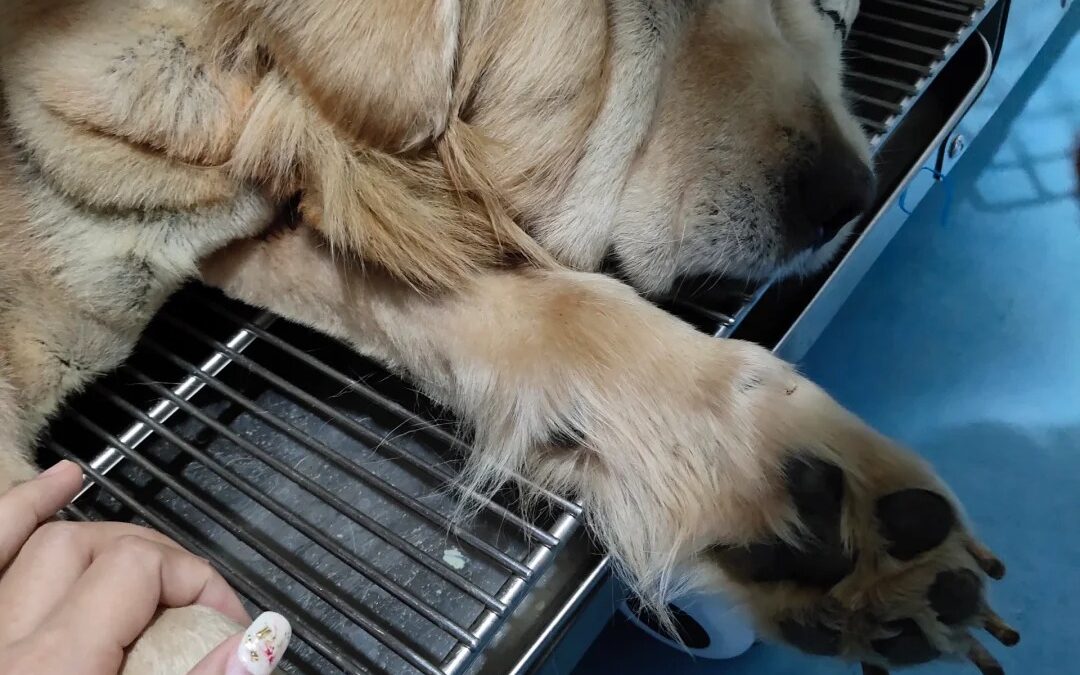
A Story of Struggle and Hope Imagine the plight of a helpless dog, writhing in pain, collapsing under the weight of a massive tumor, and crying out in desperate agony. This poignant image encapsulates the harsh reality faced by many pets and their owners. However, within this darkness lies a glimmer of hope – the potential for relief and healing through the innovative approach of TCMVET Baituxiao.
Understanding TCMVET Baituxiao: A Holistic Solution TCMVET Baituxiao represents a paradigm shift in pet healthcare, drawing upon the rich heritage of Traditional Chinese Medicine (TCM) to offer a holistic solution to various health challenges, including tumors. At its core, Baituxiao aims to restore balance and harmony within the body, bolstering the immune system, reducing inflammation, and potentially aiding in tumor management.
Case Study: A Compelling Journey of Healing Consider the case of a courageous dog facing a life-threatening tumor. Despite the odds stacked against them, the introduction of TCMVET Baituxiao into their treatment regimen marked a turning point in their journey. With diligent care and the support of Baituxiao’s unique blend of herbal remedies, the dog experienced a remarkable improvement in their condition. Gradually, the once agonizing cries were replaced by signs of comfort and vitality, offering a glimmer of hope to their devoted owner.
The Power of Integration: Complementing Conventional Treatment It’s essential to highlight that TCMVET Baituxiao is not a standalone solution but rather a complementary approach to conventional veterinary care. Before embarking on any new supplement or treatment, consulting with a trusted veterinarian is paramount. By integrating Baituxiao into a comprehensive treatment plan, pet owners can harness the collective benefits of both Eastern and Western medicine, maximizing the potential for their pet’s well-being.
Empowering Pet Owners: A Call to Action In conclusion, the journey of pet care is often fraught with challenges, yet it is also filled with moments of profound resilience and hope. TCMVET Baituxiao stands as a testament to the enduring bond between humans and animals, offering a beacon of healing and relief in the face of adversity. As responsible pet owners, let us embrace this opportunity to explore holistic avenues of care and empower our furry companions to live their best lives.
With TCMVET Baituxiao, the path to healing begins anew, promising a brighter and healthier future for our beloved pets.

by TCMVET | Mar 24, 2024 | pet Chinese herbal medicine
Canine cancer, a prevalent issue among aging pets, poses significant challenges to pet owners worldwide. While conventional treatments like surgery, chemotherapy, and radiation therapy are common, an increasing number of dog owners are turning towards a more holistic approach: herbal remedies. This article explores how these natural treatments offer a safe and effective complement to traditional canine cancer care.
Understanding Canine Cancer
Canine cancer affects various body parts and manifests in forms like lymphoma, mast cell tumors, and osteosarcoma. Recognizing the symptoms early, which may include lumps, abnormal swelling, sores, sudden weight loss, or loss of appetite, is crucial for timely intervention.
The Role of Herbal Remedies
Herbal remedies have been used in traditional medicine for centuries, known for their minimal side effects and ability to support overall well-being. When it comes to treating canine cancer, these remedies serve as a supportive therapy, aiming to boost the immune system, alleviate symptoms, and improve quality of life.
Common Herbs Used in Canine Cancer Care
- Turmeric (Curcumin) – Known for its anti-inflammatory properties, curcumin can inhibit the growth of cancer cells and reduce inflammation.
- Milk Thistle – Supports liver function, crucial when dogs undergo chemotherapy.
- Ginger – Eases gastrointestinal upset, a common side effect of cancer treatments.
- Astragalus – Boosts the immune system and has been shown to slow tumor growth.
- Cannabis Oil (CBD) – Known for pain relief and reducing inflammation without the psychoactive effects.
Integrating Herbal Remedies with Conventional Treatments
It’s important to consult with a veterinarian before introducing any herbal remedy, as they can guide on appropriate dosage and potential interactions with existing treatments. The goal is to create a balanced approach that combines the strengths of both conventional and herbal treatments.
Benefits of Herbal Remedies
- Reduced Side Effects: Herbal remedies typically have fewer side effects compared to conventional treatments.
- Improved Quality of Life: Many herbs can improve overall well-being and energy levels in dogs.
- Holistic Care: Focuses on treating the dog’s entire body rather than just the cancer.
Considerations and Safety
While herbal remedies are generally safe, they should not replace conventional treatments but rather complement them. Quality and dosage are key factors, and it’s crucial to source these herbs from reputable suppliers.
Herbal remedies offer a gentle yet effective approach to complement traditional cancer treatments in dogs. By focusing on natural ingredients and holistic health, these remedies can enhance the quality of life for our canine companions, providing a loving, supportive environment as they navigate their journey with cancer.

by TCMVET | Mar 22, 2024 | Dog Cancer & Tumors
Mast Cell Tumors (MCTs) in dogs are a significant concern for pet owners, characterized by the growth of abnormal mast cells. While conventional treatments like surgery and chemotherapy are prevalent, a growing interest in herbal remedies reflects a shift towards a more holistic approach. This article explores how herbal treatments can be a complementary therapy for dogs with MCTs.
Understanding Canine Mast Cell Tumors
Mast Cell Tumors are among the most common skin tumors in dogs. These tumors arise from mast cells, which are part of the immune system. MCTs can vary greatly in behavior, appearance, and severity. Identifying and treating these tumors early is crucial for the well-being of the affected dogs.
The Role of Herbal Remedies in Treating MCTs
Herbal remedies have been used for centuries in traditional medicine, and their application in veterinary oncology is gaining traction. These natural treatments are sought after for their minimal side effects and holistic benefits, focusing on treating the dog’s body as a whole rather than just targeting the tumor.
Common Herbs Used in Treating MCTs
- Turmeric (Curcumin): Known for its anti-inflammatory and antioxidant properties, turmeric can inhibit tumor growth and reduce inflammation.
- Yunnan Baiyao: A traditional Chinese medicine known for its hemostatic properties, it’s used to control bleeding associated with MCTs.
- Milk Thistle (Silymarin): It’s primarily known for liver support but also has antioxidative properties beneficial in cancer treatment.
- Astragalus: Used to boost the immune system and improve overall vitality, which can be helpful for dogs undergoing cancer treatment.
Integrating Herbal Remedies with Conventional Treatments
While herbal remedies can be effective, they should not replace conventional veterinary treatments. Instead, they should be used in conjunction with them. It is essential to consult with a veterinarian before starting any herbal treatment to ensure it is safe and appropriate for your pet’s specific condition.
The Benefits of a Holistic Approach
A holistic approach, which includes herbal remedies, offers several benefits:
- Reduced Side Effects: Herbal treatments are generally less harsh than conventional treatments.
- Improved Quality of Life: These remedies can improve overall well-being, not just treat the tumor.
- Supporting Overall Health: Herbal remedies can support the liver, immune system, and other organs affected by the cancer or its treatment.
Herbal remedies offer a promising complementary approach in treating Mast Cell Tumors in dogs. They provide a holistic solution that can improve the quality of life and overall health of our canine companions. However, always consult with a veterinary professional before starting any new treatment regimen.
