
by TCMVET | Feb 23, 2024 | pet Chinese herbal medicine
Mast cell tumors (MCTs) are the most prevalent form of skin cancer in dogs, presenting a significant concern for pet owners and veterinarians alike. While the exact cause of MCTs remains elusive, genetic factors are often implicated. In recent years, there has been growing interest in integrating traditional Chinese herbs into the treatment regimen for canine MCTs. This article explores this integrative approach, examining the potential benefits and considerations of using traditional Chinese herbs alongside conventional treatments.
Understanding Mast Cell Tumors in Dogs: Mast cell tumors are characterized by the proliferation of mast cells, a type of white blood cell. These tumors can vary in appearance and severity, ranging from benign growths to highly malignant forms. Symptoms can include lumps or bumps on the skin, which may be itchy or ulcerated. MCTs are particularly challenging because of their unpredictable behavior and potential to spread to other body parts.
The Role of Traditional Chinese Herbs: Traditional Chinese Medicine (TCM) has a rich history spanning thousands of years, with herbal medicine being a key component. In TCM, health is seen as a balance between the body’s internal systems, and illness is viewed as a disruption of this balance. Chinese herbs are used to restore equilibrium, and their application in veterinary medicine is gaining traction.
Key Herbs and Their Properties: Several Chinese herbs have been identified as potentially beneficial for treating MCTs in dogs. These include:
- Yunnan Baiyao: Known for its ability to control bleeding and promote healing, it’s often used in cases of tumors that are prone to bleeding.
- Jian Pi Wan: A formula that strengthens the spleen and stomach, which, according to TCM theory, can indirectly help in controlling tumor growth.
- Si Miao San: Useful for its anti-inflammatory properties, this herb can help reduce swelling around tumors.
- Ba Zheng San: Traditionally used for its detoxifying effects, which can be beneficial in flushing out toxins from the body.
Integrative Approach: Combining Traditional and Modern Treatments: The integration of Chinese herbs into a treatment plan for MCTs should be done in conjunction with conventional therapies. Surgery, chemotherapy, and radiation remain the mainstays of treatment for these tumors. Chinese herbs can complement these treatments by helping to manage symptoms, reduce side effects, and possibly enhance the overall well-being of the dog.
Considerations and Precautions: While the use of Chinese herbs offers a promising adjunct to conventional treatments, it’s crucial to approach this integratively and under the guidance of a qualified veterinarian. The selection of herbs and their dosages must be tailored to the individual dog, considering factors such as the type and stage of the tumor, the dog’s overall health, and any other medications being taken.
Integrating traditional Chinese herbs into the treatment of mast cell tumors in dogs represents a holistic approach that can potentially enhance the quality of life and overall outcomes for canine patients. As research in this area continues to evolve, it is hoped that more definitive guidelines and protocols will emerge, aiding veterinarians and pet owners in making informed decisions about their pet’s health care. As always, consultation with a veterinary professional is essential before starting any new treatment regimen.
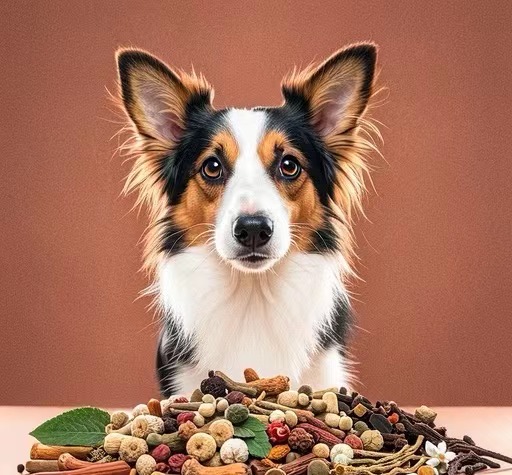
by TCMVET | Feb 19, 2024 | Dog Cancer & Tumors
The intersection of traditional Chinese medicine (TCM) and modern veterinary science is bringing about a revolution in canine cancer care. “Paws and Herbs: Revolutionizing Canine Cancer Care with Traditional Chinese Medicine” explores this groundbreaking approach, offering new insights and hope for dogs afflicted with cancer.
The Growing Concern of Canine Cancer
Cancer is a significant health issue in dogs, affecting a considerable number of pets each year. Common forms include lymphoma, melanoma, and osteosarcoma, each presenting unique challenges in treatment. The traditional approach has largely relied on surgery, chemotherapy, and radiation, which, while effective, often come with side effects that impact the quality of life.
The Emergence of TCM in Canine Cancer Care
Traditional Chinese Medicine, a system of healthcare that dates back thousands of years, is gaining recognition in the veterinary field for its holistic approach to treatment. TCM focuses on balancing the body’s energy, or Qi, and treats the patient as a whole rather than just targeting the disease.
Key Principles of TCM in Treating Canine Cancer
TCM employs a variety of practices, including herbal medicine, acupuncture, and dietary therapy. In treating canine cancer, these practices are aimed at boosting the immune system, controlling pain, improving appetite, and reducing the side effects of conventional cancer treatments.
Herbal Remedies: A Core of TCM for Canine Cancer
A wide range of Chinese herbs are known for their anti-cancer properties. Herbs like Huang Qin (Scutellaria) and Lu Hui (Aloe Vera) are believed to have tumor-fighting capabilities. Formulas are often tailored to the individual dog, considering factors like the type of cancer, the dog’s overall health, and compatibility with conventional treatments.
Integrating TCM with Conventional Cancer Treatments
An integrative approach, combining TCM with Western medical practices, is showing promising results in canine cancer care. This approach not only targets the cancer cells but also supports the overall well-being of the dog, leading to better outcomes and improved quality of life.
The Science Behind TCM in Canine Cancer Care
Scientific studies are beginning to back the efficacy of TCM in cancer treatment. Research is focusing on understanding how these ancient practices work at a molecular level and how they can be best integrated with conventional treatments for optimal results.
The Future of Canine Cancer Care
As the field of veterinary medicine continues to evolve, TCM is expected to play an increasingly significant role in canine cancer care. With ongoing research and growing acceptance, TCM holds the potential to transform how we treat cancer in our canine companions.
“Paws and Herbs: Revolutionizing Canine Cancer Care with Traditional Chinese Medicine” highlights an exciting development in veterinary medicine. This approach not only offers a complementary treatment to conventional methods but also opens the door to more natural and holistic care options for our beloved pets.

by TCMVET | Feb 3, 2024 | pet Chinese herbal medicine
When it comes to treating undifferentiated malignant oral tumors in dogs, pet owners often seek out less traditional and more holistic treatment options. One area of growing interest is the use of herbal remedies, which have been utilized in human medicine for thousands of years and are now gaining attention in veterinary oncology. This article delves into how herbal remedies are being explored to support dogs with this challenging diagnosis.
Understanding Undifferentiated Malignant Oral Tumors in Dogs
Undifferentiated malignant oral tumors are aggressive growths in the oral cavity that lack a distinct cellular origin. This makes them particularly challenging to treat as they do not respond to standard therapies as predictably as more differentiated tumors. Recognizing the signs early on, which may include difficulty eating, oral bleeding, or noticeable mass growth, is crucial for timely intervention.
The Promise of Herbal Remedies
Herbal remedies in veterinary medicine are not meant to replace conventional treatments but rather to complement them. The goal is to use herbs to support the overall health of the dog, potentially reduce tumor growth, and improve the quality of life. Herbs such as Neem, Turmeric, and Milk Thistle have properties that are being studied for their anti-cancer potential.
Neem: A Potent Plant with Anti-Cancer Properties
Neem has been recognized for its medicinal properties, including its role as an anti-inflammatory and potential anti-cancer agent. It’s thought to help modulate the immune response, which could be beneficial in managing oral tumors.
Turmeric: Curcumin and its Therapeutic Effects
Turmeric, and specifically the compound curcumin found within it, has been extensively studied for its anti-inflammatory and anti-oxidant properties. There is growing evidence to suggest it may help fight cancer by inhibiting tumor growth and metastasis.
Milk Thistle: Supporting Liver Function During Treatment
Milk Thistle is best known for its liver-protective effects, which is particularly beneficial for dogs undergoing chemotherapy or taking medications that may be hepatotoxic. It may help prevent liver damage and support detoxification pathways.
Integrating Herbal Remedies with Conventional Care
When exploring the use of herbal remedies, it is essential to do so under the guidance of a veterinarian who is knowledgeable in both conventional oncology and herbal medicine. They can create a treatment plan that safely includes herbs, monitor the dog’s response, and adjust as needed.
Clinical Studies and Anecdotal Evidence
While there is a growing body of anecdotal evidence supporting the use of herbal remedies, more clinical studies are needed to fully understand their efficacy and safety. Pet owners are encouraged to seek out evidence-based information and discuss all treatment options with their vet.
The exploration of herbal remedies for undifferentiated malignant oral tumors in dogs represents an exciting area of integrative veterinary medicine. As research continues, these natural options may become a more established part of cancer care, offering hope and support to dogs and their owners.

by TCMVET | Feb 3, 2024 | Dog Cancer & Tumors
Oral cavity tumors in dogs present a challenging health issue that mirrors similar conditions in humans. As our canine companions suffer from these rapidly growing malignant neoplasms, pet owners and veterinarians alike are turning towards holistic approaches to complement conventional treatments. One such approach that has gained attention is the integration of Traditional Chinese Medicine (TCM) into the veterinary care regimen. This article explores how TCM can be utilized in the fight against canine oral cancer, and what benefits it may hold for our beloved pets.
Understanding Oral Cavity Tumors in Dogs
Oral tumors in dogs can be aggressive and often exude high levels of insulin into the bloodstream, leading to weakness and potential neurological problems. Symptoms can range from lethargy to complete loss of consciousness, with breeds like Boxers and Airedales being at higher risk. With the randomness of insulin release, diagnosis and management can be particularly difficult.
The Role of Traditional Chinese Medicine
Traditional Chinese Medicine, with its thousands of years of history, offers a different perspective on health and disease. TCM is based on the concept of balancing the body’s Qi (vital energy) and focuses on treating the underlying imbalances that lead to disease, rather than just the symptoms. When it comes to oral cavity tumors in dogs, TCM aims to enhance the body’s natural defenses and support the immune system to fight cancer cells.
Herbal Remedies and Their Applications
Chinese herbal medicine utilizes a variety of plants and natural substances known for their therapeutic properties. Herbs like Huang Qin (Scutellaria baicalensis) and Ling Zhi (Ganoderma lucidum) have been noted for their anti-inflammatory and anti-cancer properties. These herbs, when prescribed by a qualified veterinary herbalist, can be integrated into a treatment plan that may include surgery, chemotherapy, or radiation.
The Benefits of a Holistic Approach
Incorporating TCM into a canine cancer treatment plan can offer multiple benefits:
- Alleviation of Symptoms: Herbal remedies can help manage symptoms such as inflammation and pain, improving the quality of life for dogs undergoing cancer treatment.
- Strengthening the Body: TCM aims to strengthen the body’s own healing mechanisms, which can be especially beneficial for older dogs or those with weakened immune systems.
- Reducing Side Effects: When used alongside conventional treatments, TCM can help mitigate the side effects associated with chemotherapy and radiation.
Consultation with Professionals
It is crucial to consult with a veterinary professional trained in TCM before administering any herbal remedies to your pet. An expert can provide a tailored treatment plan that takes into account the unique health profile of your dog.
While the integration of Traditional Chinese Medicine into veterinary practice is still in its formative stages, early adopters and anecdotal evidence suggest potential benefits that warrant further scientific exploration. By offering a complementary approach to conventional treatments, TCM may provide a more rounded and gentle option for managing oral cavity tumors in dogs.

by TCMVET | Feb 2, 2024 | pet Chinese herbal medicine
The increasing prevalence of environmentally-induced lung cancer in dogs has raised considerable concern among pet owners and veterinarians alike. While modern veterinary practices continue to advance, there is growing interest in exploring complementary treatments, particularly Traditional Chinese Medicine (TCM), to enhance the efficacy of conventional therapies. This article delves into how TCM can be integrated into the treatment plan for dogs suffering from lung cancer caused by environmental factors, and its potential benefits.
Understanding Environmentally-Induced Lung Cancer in Dogs
Lung cancer in dogs, particularly when induced by environmental factors such as second-hand smoke, air pollution, and exposure to carcinogens, poses a significant health threat. Symptoms may include chronic cough, difficulty breathing, lethargy, and loss of appetite. Traditional diagnosis methods involve imaging and biopsy, followed by treatments like surgery, chemotherapy, and radiation.
The Role of Traditional Chinese Medicine
TCM, with its centuries-old history, offers a unique perspective on health and disease. It focuses on restoring and maintaining balance within the body and emphasizes the importance of harmony between the environment and health. In the context of lung cancer in dogs, TCM aims to strengthen the body’s natural defenses, support detoxification processes, and alleviate symptoms associated with the disease and conventional treatments.
Key Components of TCM in Treating Canine Lung Cancer
- Herbal Medicine: Herbs like Astragalus, Ginseng, and Turmeric are used for their immune-boosting, anti-inflammatory, and anti-tumor properties.
- Acupuncture: This involves the insertion of fine needles at specific points on the body to stimulate healing and pain relief.
- Dietary Therapy: TCM stresses the importance of a balanced diet tailored to the dog’s specific health needs, focusing on foods that support immune function and overall well-being.
Integrating TCM with Conventional Treatments
The integration of TCM into a canine lung cancer treatment plan should be done in consultation with a veterinarian skilled in both Western and Eastern medicine. This holistic approach allows for a more personalized treatment plan that addresses not just the cancer itself but also the overall health of the dog.
Advantages of Using TCM as a Complementary Approach
- Enhanced Quality of Life: TCM can help reduce side effects from conventional cancer treatments, improving the dog’s quality of life.
- Holistic Treatment: TCM treats the whole body, not just the symptoms of the disease, promoting overall health and well-being.
- Supportive Care: It can strengthen the immune system and help the body cope with the stress of illness and treatment.
Considerations and Best Practices
While TCM shows promise as a complementary treatment, it is not a standalone cure for lung cancer. It should be used in conjunction with, not in place of, conventional veterinary medicine. The selection of herbs and treatments should be based on a thorough evaluation of the dog’s individual condition.
Traditional Chinese Medicine offers a valuable complementary approach to treating environmentally-induced lung cancer in dogs. By integrating TCM with conventional therapies, there is potential for not only improved treatment outcomes but also enhanced quality of life for our canine companions. As interest in holistic pet care grows, TCM stands out as a promising option for pet owners seeking a more comprehensive approach to their dog’s health.
