
by TCMVET | Jan 30, 2024 | Food & Health
As pet owners, we all share a common goal – to ensure our furry friends lead a healthy and happy life. A key component in achieving this is maintaining a robust immune system. This system serves as a guardian, protecting our dogs from various health issues.
Herbs and Pet Health: Historically, traditional herbs have been used to promote health and prevent diseases. In the realm of pet care, certain herbs are known for their immune-boosting properties. For example, Echinacea is often praised for its ability to enhance the immune response, while Astragalus is known for its antioxidant properties.
Supporting the Immune System: Enhancing your dog’s immune system isn’t just about adding supplements; it’s about a holistic approach to their lifestyle. This includes a balanced diet rich in essential nutrients, regular exercise, and preventive veterinary care. Nutrients such as Omega-3 fatty acids, found in fish oil, are crucial for immune health, as well as maintaining a shiny coat and healthy skin.
Consulting with Veterinarians: Before introducing any new supplement or major dietary change to your pet’s routine, it’s imperative to consult with a veterinarian. They can provide guidance on what’s appropriate based on your dog’s specific health needs, age, and existing medical conditions.
Integrated Health Approach: Combining traditional herb-based supplements with modern veterinary science can often yield the best results. For instance, incorporating moderate amounts of certain herbs under veterinary guidance, along with a well-rounded diet and regular health check-ups, creates a comprehensive health plan.
Ultimately, enhancing your dog’s immune system and overall health requires a balanced approach that includes proper nutrition, appropriate supplements, and regular veterinary care. By understanding and implementing these natural methods, you can significantly contribute to improving your dog’s quality of life.

by TCMVET | Jan 26, 2024 | pet Chinese herbal medicine
Introduction Traditional Chinese Veterinary Medicine (TCVM), an ancient practice stemming from Traditional Chinese Medicine (TCM), has been gaining popularity in the pet care world. Among its most intriguing aspects are the use of TCVM herbs for pets. This article explores the benefits, types, and considerations of using TCVM herbal remedies to enhance the health and well-being of our furry companions.
What is TCVM? TCVM stands for Traditional Chinese Veterinary Medicine. It’s an approach that has been used for thousands of years to treat various health conditions in animals, mirroring principles from human Traditional Chinese Medicine. TCVM encompasses acupuncture, diet, exercise, and herbal therapy.
The Role of Herbs in TCVM Herbs are a cornerstone of TCVM and are used to treat a range of conditions in pets. These herbs are believed to balance the body’s energy, or Qi, and support natural healing processes.
Common TCVM Herbs and Their Uses
- Ginseng: Used for general weakness, to enhance stamina and appetite.
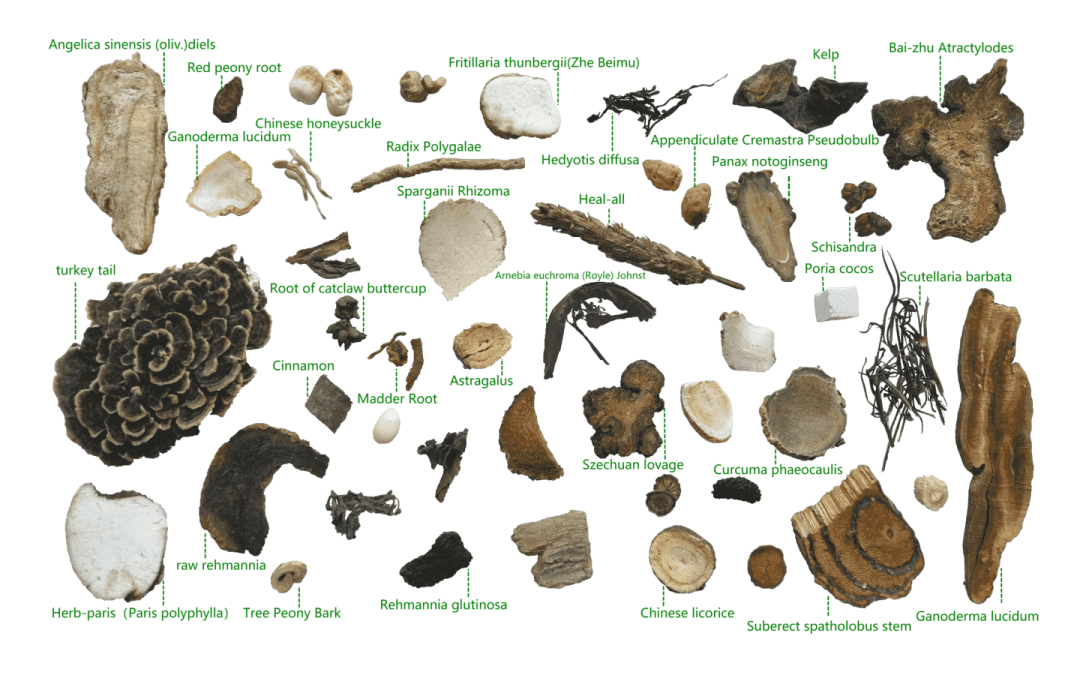
- Astragalus: Boosts the immune system and supports heart health.
- Dang Gui: Commonly used for blood deficiencies and circulatory problems.
- Goji Berries: Supports eye health and kidney function.
Benefits of TCVM Herbs for Pets TCVM herbs offer various benefits:
- Natural Treatment: An alternative to conventional medication.
- Holistic Approach: Focuses on treating the whole body, not just symptoms.
- Personalization: Tailored to the individual needs of each pet.
Considerations and Safety While TCVM herbs can be beneficial, it’s crucial to approach them with care:
- Consult a TCVM Practitioner: Always consult with a qualified TCVM veterinarian before starting any herbal treatment.
- Quality of Herbs: Ensure herbs are sourced from reputable suppliers.
- Monitoring: Watch for any adverse reactions in your pet.
Integrating TCVM Herbs into Pet Care Incorporating TCVM herbs into your pet’s care regimen can be done in various ways, such as through supplements, added to food, or as part of a prescribed treatment plan from a TCVM practitioner.
Conclusion TCVM herbs offer a unique and holistic way to address various health concerns in pets. By understanding and respecting the principles of Traditional Chinese Veterinary Medicine, pet owners can explore new avenues to enhance their pets’ health and quality of life.

by TCMVET | Jan 25, 2024 | Food & Health
Heartworms in dogs are a grave concern for pet owners, posing a significant health risk to our beloved companions. This article delves into the world of home remedies, offering a natural approach to prevent and manage this serious condition. While not a substitute for veterinary care, these remedies can play a supportive role in your dog’s health regimen.
Understanding Heartworm Disease in Dogs
Heartworm disease is caused by the parasite Dirofilaria immitis, transmitted through mosquito bites. These worms reside in the heart, lungs, and blood vessels of infected dogs, leading to serious health issues, including heart failure and lung disease. Early detection and prevention are crucial.
Home Remedies for Heartworm Prevention
- Mosquito Repellent: Since heartworms are transmitted by mosquitoes, using natural repellents can be a first line of defense. Essential oils like citronella, eucalyptus, and neem oil are known to deter mosquitoes when applied safely to your dog’s coat.
- Herbal Supplements: Certain herbs are believed to have properties that can help prevent heartworm infection. Herbs like hawthorn and garlic have been suggested for their potential health benefits, though their effectiveness is not scientifically proven and should be used cautiously.
- Dietary Management: A strong immune system can help dogs resist heartworms. Feeding your dog a diet rich in antioxidants, including fresh fruits and vegetables, can boost their immune system.
- Regular Exercise: Maintaining your dog’s health through regular exercise can help their body better resist infections and diseases, including heartworms.
- Preventive Care: While not a ‘home remedy’ per se, ensuring your dog receives regular veterinary check-ups and preventive medications remains the most effective way to protect against heartworms.
A Balanced Approach to Treatment
It’s important to note that while home remedies can support your dog’s health, they are not a substitute for professional veterinary care. Regular check-ups, preventive medications, and prompt treatment for heartworm disease are essential.
Conclusion
Exploring home remedies for heartworm prevention in dogs offers a natural and proactive approach to pet health. However, it’s crucial to balance these remedies with professional veterinary advice and treatment. By combining the best of both worlds, you can ensure your furry friend stays happy, healthy, and heartworm-free.

by TCMVET | Oct 19, 2023 | Research and News
The diagnosis of cancer in our beloved canine companions is a daunting and emotionally charged event for pet owners. As the quest for effective treatments continues, many are turning to natural alternatives to complement traditional methods. Herbal supplements, with their rich history in holistic health, are becoming increasingly recognized in the realm of canine cancer care. In this exploration, we unearth the potential benefits and considerations of such herbal interventions.
Why Herbal Supplements?
Herbs have been integral to traditional medicine systems for centuries. Their allure in modern times, especially in treating conditions like cancer, lies in their natural compositions, potential therapeutic benefits, and fewer side effects when compared to certain synthetic drugs.
Herbs in the Spotlight for Canine Cancer Care
- Turmeric: Known primarily for its active ingredient, curcumin, turmeric possesses anti-inflammatory and antioxidant properties. Some studies suggest curcumin may inhibit tumor growth and reduce the spread of cancer cells.
- Milk Thistle: Celebrated for its liver-supporting benefits, milk thistle can be crucial when dogs undergo chemotherapy, helping protect the liver from potential toxic side effects.
- Olive Leaf Extract: With its antioxidant and anti-inflammatory traits, olive leaf extract can potentially support a dog’s immune system and overall well-being during cancer treatments.
- Echinacea: This immune-boosting herb might help strengthen a dog’s natural defenses, especially vital during times of illness or stress.
- Astragalus: Often used in Traditional Chinese Medicine, Astragalus is believed to enhance the immune system and may provide supportive benefits in cancer care.
The Herbal Balance
While the potential benefits of these herbal supplements are promising, it’s imperative to strike a balance. Not all herbs are suitable for every dog, and dosages need careful calibration.
Collaboration is Key
Before introducing herbal supplements into your dog’s cancer treatment regimen, always collaborate with a veterinarian. They can offer insights into potential drug-herb interactions, correct dosages, and the overall suitability of a particular herb for your dog’s unique situation.
Conclusion
As we tap into the bounties of nature, herbal supplements present a new horizon in canine cancer care. Their therapeutic potential, combined with conventional treatments, might offer our furry friends a better quality of life, weaving hope into the tapestry of holistic pet care.
by TCMVET | Oct 13, 2023 | Research and News
With the rising trend in holistic health and well-being, pet parents worldwide are seeking natural ways to enhance their dog’s health and longevity. Canine lymphoma, a common malignancy, is no exception. While traditional treatments like chemotherapy play a pivotal role in managing this disease, holistic alternatives offer complementary support. Dive into the world of holistic treatments for canine lymphoma, optimized for SEO and your pet’s well-being.
1. Understanding Canine Lymphoma:
Lymphoma is a cancer of the lymphatic system. Though aggressive, with timely diagnosis and treatment, many dogs can live comfortably for extended periods.
2. Why Consider Holistic Treatment?:
Holistic treatments focus on the whole dog – mind, body, and spirit. The idea is not just to treat the disease but to improve overall quality of life.
3. Dietary Adjustments:
- Anti-inflammatory Diet: Foods like blueberries, turmeric, and fish oils, rich in omega-3 fatty acids, have anti-inflammatory properties which can support overall health.
- High Protein, Low Carb: Some believe a diet low in carbohydrates can be beneficial for cancer patients as cancer cells predominantly use glucose for energy.
4. Herbal Supplements:
- Astragalus: Boosts the immune system and can potentially slow tumor growth.
- Milk Thistle: Supports liver function, especially if your dog is undergoing chemotherapy.
- Echinacea: Enhances immune system function but should be used under veterinary supervision.
5. Acupuncture:
This ancient Chinese practice can alleviate some symptoms associated with lymphoma and side effects of chemotherapy, like nausea and fatigue.
6. CBD and Hemp Oils:
While research is in its infancy, some dog owners report that these oils help with pain management and appetite stimulation. Always choose a high-quality source and consult your vet.
7. Essential Oils:
Lavender and chamomile can be calming for pets undergoing treatment. However, ensure any oil used is pet-safe and properly diluted.
8. Massage and Physical Therapy:
This can help with circulation, muscle tone, and overall well-being. Plus, it’s a great bonding activity!
9. Consultation is Key:
Remember, while holistic treatments can offer support, they should not replace traditional treatments without veterinary consultation. Discuss all therapies, supplements, and diet changes with a holistic or integrative veterinarian to ensure they’re safe and effective.
In Conclusion:
A holistic approach to canine lymphoma aims to enhance quality of life, manage symptoms, and complement traditional treatments. In a digital age where pet parents are proactively seeking health information, blending both science and nature offers a harmonious solution for our beloved four-legged companions. Always prioritize professional advice and trust reputable sources when charting the best path forward for your furry friend.
