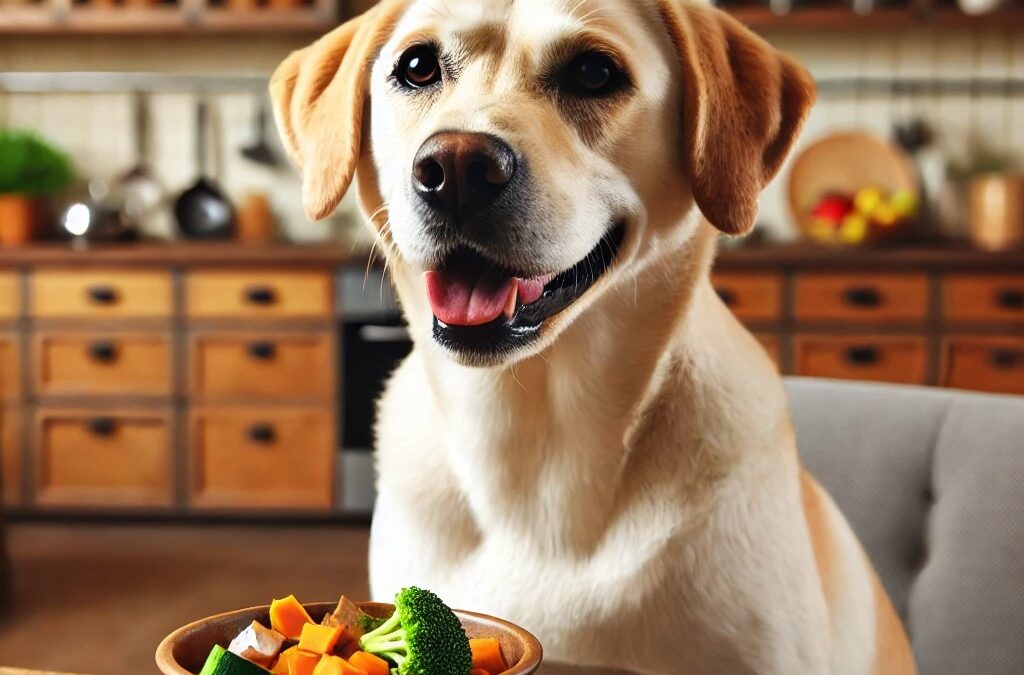
When a dog receives a cancer diagnosis, pet owners are faced with a flurry of questions and concerns, including how to best support their dog’s health through diet. Proper nutrition plays a vital role in maintaining strength, supporting the immune system, and enhancing overall quality of life during this challenging time. This article explores unique and evidence-based approaches to feeding a dog with cancer.
The Importance of Tailored Nutrition for Dogs with Cancer
Cancer can change a dog’s metabolism and nutritional needs, making standard diets insufficient. A customized diet can help manage weight, maintain muscle mass, and provide the energy needed to fight the disease. Feeding a dog with cancer is about ensuring they receive nutrient-dense meals that support healing and vitality.
Key Nutritional Components to Consider
High-Quality Protein: Cancer and its treatments often result in muscle wasting. Providing easily digestible, high-quality protein sources like lean meats, fish, and eggs can help maintain muscle mass.
Healthy Fats: Omega-3 fatty acids, such as those found in fish oil, flaxseed, and krill oil, are known for their anti-inflammatory properties and may slow the growth of cancer cells. These fats can serve as a primary energy source, as cancer cells rely heavily on glucose.
Low Carbohydrate Intake: Since cancer cells thrive on glucose, reducing carbohydrate intake can potentially slow down their growth. Instead, aim for complex carbohydrates with a low glycemic index if needed, such as certain vegetables.
Antioxidants: Incorporate foods rich in antioxidants, such as blueberries, spinach, and kale. Antioxidants help neutralize free radicals and support the immune system.
Essential Vitamins and Minerals: Zinc, selenium, and vitamins C and E can contribute to immune health and combat oxidative stress.
Innovative Diet Ideas for Dogs with Cancer
1. Homemade Anti-Cancer Diet
Creating a balanced homemade diet allows for complete control over the ingredients and nutritional profile. A suggested recipe might include:
Lean protein: Boiled chicken or turkey.
Healthy fats: Drizzle with fish oil.
Vegetables: Lightly steamed broccoli, kale, or carrots for added vitamins.
Supplements: Consider adding a canine multivitamin or probiotics for gut health.
2. Commercial Cancer-Specific Dog Foods
There are high-quality commercial dog foods designed specifically for dogs with cancer. Look for formulas that emphasize low carbohydrates, high protein, and omega-3 fatty acids. Ensure that any commercial option meets the Association of American Feed Control Officials (AAFCO) standards for complete and balanced nutrition.
Foods to Avoid
High-Sugar Treats: Sugary snacks and high-carb foods can provide energy to cancer cells, which thrive on glucose.
Highly Processed Foods: These foods often contain preservatives and additives that may be detrimental to a dog’s health.
Toxic Foods: Avoid any known toxic foods, such as grapes, chocolate, onions, and garlic, as these can exacerbate health issues.
Integrating Holistic and Supportive Approaches
In addition to dietary changes, consider integrating supportive care such as:
Herbal Supplements: Consult with a veterinarian knowledgeable in herbal medicine to explore supplements like turmeric (curcumin) or medicinal mushrooms such as reishi and maitake.
Hydration: Ensure your dog stays well-hydrated. Broths made from chicken or bone broth can add essential minerals while encouraging fluid intake.
Digestive Enzymes: These can aid in digestion and improve nutrient absorption, especially for dogs experiencing treatment-related digestive issues.
Final Thoughts
Feeding a dog with cancer requires a thoughtful and balanced approach that takes into account their changing nutritional needs. By focusing on high-quality proteins, healthy fats, reduced carbohydrates, and antioxidant-rich foods, pet owners can create a diet that supports their dog’s well-being and complements veterinary treatment. Always consult with a veterinarian before making significant changes to your dog’s diet to ensure it aligns with their individual needs and treatment plan.
A holistic, nutrient-rich approach to feeding can make a significant difference in maintaining your dog’s vitality and comfort during their battle with cancer. With the right dietary choices, you can provide meaningful support and care during their journey.
As pet owners, the diagnosis of cancer in our beloved dogs can be heart-wrenching. While veterinary treatments are crucial, nutrition plays a significant role in supporting their health and well-being during this challenging time. Creating homemade meals tailored to the needs of dogs battling cancer can provide essential nutrients, improve their quality of life, and complement medical treatments. Here’s a guide to crafting the best homemade meals for dogs fighting cancer.
Understanding the Nutritional Needs of Dogs with Cancer
Cancer can significantly alter a dog’s metabolism, leading to weight loss, muscle wasting, and decreased energy levels. It’s essential to understand the specific nutritional requirements for dogs with cancer:
High-Quality Protein: Protein helps maintain muscle mass and supports the immune system. Choose easily digestible, high-quality protein sources such as chicken, turkey, fish, and lean beef.
Healthy Fats: Fats are a vital energy source for dogs with cancer. Omega-3 fatty acids, found in fish oil, flaxseed oil, and chia seeds, have anti-inflammatory properties and can help slow cancer progression.
Low Carbohydrates: Cancer cells thrive on glucose, so it’s beneficial to limit carbohydrate intake. Opt for low-glycemic vegetables like broccoli, spinach, and cauliflower.
Antioxidants: Antioxidants help combat oxidative stress and support the immune system. Incorporate foods rich in vitamins A, C, and E, such as carrots, blueberries, and sweet potatoes.
Hydration: Ensure your dog stays well-hydrated, as cancer and its treatments can lead to dehydration. Add bone broth or water-rich vegetables like cucumbers to their diet.
Recipe Ideas for Homemade Dog Meals
Here are some nutritious and delicious recipes to consider when preparing homemade meals for your dog with cancer:
1. Chicken and Veggie Delight
Ingredients:
1 cup cooked chicken breast (shredded)
1/2 cup steamed broccoli (chopped)
1/2 cup steamed carrots (chopped)
1/4 cup quinoa (cooked)
1 tablespoon fish oil
Instructions:
Combine all ingredients in a bowl.
Mix well and serve at room temperature.
Store leftovers in the refrigerator for up to three days.
2. Beef and Sweet Potato Stew
Ingredients:
1 pound lean ground beef
1 cup sweet potatoes (diced)
1/2 cup green beans (chopped)
1/4 cup blueberries
1 tablespoon flaxseed oil
Instructions:
Cook the ground beef in a skillet until fully browned.
In a pot, combine the cooked beef, sweet potatoes, green beans, and blueberries.
Add enough water to cover the ingredients and simmer until the vegetables are tender.
Stir in the flaxseed oil and let the stew cool before serving.
Store leftovers in the refrigerator for up to three days.
3. Fish and Spinach Medley
Ingredients:
1 cup cooked salmon (flaked)
1/2 cup spinach (steamed and chopped)
1/2 cup cauliflower (steamed and chopped)
1/4 cup brown rice (cooked)
1 tablespoon chia seeds
Instructions:
Combine all ingredients in a bowl.
Mix well and serve at room temperature.
Store leftovers in the refrigerator for up to three days.
Supplementing with TCMVET’s Baituxiao
In addition to these nutritious meals, consider supplementing your dog’s diet with TCMVET’s Baituxiao. This supplement is formulated to support the immune system and overall health, providing an extra layer of defense against cancer.
Consulting with Your Veterinarian
Before making any significant changes to your dog’s diet, consult with your veterinarian. They can provide personalized recommendations based on your dog’s specific needs and medical condition.
Crafting homemade meals for dogs battling cancer is a labor of love that can have a profound impact on their health and quality of life. By understanding their nutritional needs and incorporating high-quality ingredients, you can provide your furry friend with the best possible support during their fight against cancer. Remember, a well-balanced diet, combined with veterinary care and supplements like TCMVET’s Baituxiao, can make a significant difference in their journey to recovery.
Cancer can drastically alter a dog’s life, including its dietary needs. Post-cancer nutrition is pivotal in supporting recovery and overall well-being. This article delves into the critical role of protein in the diets of dogs that have been diagnosed with cancer, providing insights for pet owners on how to effectively manage their furry friend’s nutrition during this challenging time.
Understanding the Role of Protein in Canine Cancer Recovery
Protein is a fundamental component of a healthy diet for dogs, particularly those recovering from cancer. It helps in repairing tissues, supporting immune function, and maintaining muscle mass, which can be compromised during cancer treatments such as chemotherapy or radiation. The right amount of protein can help a dog regain strength and improve its quality of life post-diagnosis.
How Much Protein is Adequate?
The amount of protein needed can vary significantly depending on the type of cancer, the treatments undergone, and the individual dog’s overall health and activity level. Generally, veterinarians recommend a higher protein intake for cancer-recovering dogs to support tissue repair and to bolster the immune system. However, it’s crucial to balance the quantity and quality of protein to avoid overburdening the kidneys, especially if they have been affected by the cancer or its treatment.
Choosing the Right Protein Sources
Not all proteins are created equal, especially when it comes to dogs with cancer. High-quality, easily digestible proteins are preferred. These can include cooked lean meats like chicken, turkey, and fish. In some cases, veterinarians might also recommend specialized commercial diets formulated for cancer patients, which contain balanced nutrients tailored to support recovery.
Adjustments Based on Cancer Type
Dietary needs can also vary depending on the type of cancer. For instance, dogs with gastrointestinal tumors may require a more easily digestible diet with moderate to high protein but lower in fat. Meanwhile, dogs with other types of cancer might benefit from different adjustments. It’s essential to consult with a veterinary nutritionist who can tailor a diet plan based on your dog’s specific condition and needs.
Monitoring and Adjustments
Regular veterinary check-ups are crucial to monitor the dog’s response to its new diet and adjust as necessary. Blood work and other tests can help ensure that the diet is supporting the dog’s health without causing additional strain on any compromised organs.
Protein plays a vital role in the diet of dogs recovering from cancer. By providing the right type and amount of protein, pet owners can significantly influence their dog’s recovery and overall health. Always consult with a veterinarian or a canine nutritionist to develop a feeding strategy that’s best suited to your dog’s specific health needs.
When your beloved dog is diagnosed with cancer, it’s natural to feel overwhelmed and uncertain about the best course of action. One of the most important aspects of their care is their diet. Feeding dogs with cancer requires special attention to ensure they receive the necessary nutrients to support their health and well-being during this challenging time. In this article, we will explore the best dietary practices for dogs with cancer, providing valuable insights to help pet owners make informed decisions.
Understanding Canine Cancer and Nutrition
Cancer can affect dogs in various ways, and their nutritional needs may change depending on the type of cancer, stage of the disease, and treatments they are undergoing. Proper nutrition plays a crucial role in maintaining their strength, boosting their immune system, and improving their quality of life. Here are some key considerations:
1. High-Quality Protein
Protein is essential for dogs with cancer as it helps in tissue repair and supports the immune system. Opt for high-quality sources of protein such as:
Lean meats (chicken, turkey, beef)
Fish (salmon, mackerel)
Eggs
2. Healthy Fats
Healthy fats provide a concentrated source of energy and can help maintain body weight. Omega-3 fatty acids, in particular, have anti-inflammatory properties that can be beneficial for dogs with cancer. Include sources like:
Fish oil
Flaxseed oil
Coconut oil
3. Complex Carbohydrates
Complex carbohydrates are a good source of energy and can help maintain blood sugar levels. Choose easily digestible options like:
Sweet potatoes
Brown rice
Oatmeal
4. Fresh Vegetables and Fruits
Fresh vegetables and fruits are rich in antioxidants, vitamins, and minerals that support overall health. Some excellent choices include:
Broccoli
Carrots
Blueberries
Apples (without seeds)
5. Avoiding Harmful Ingredients
Certain ingredients can exacerbate cancer symptoms or interfere with treatments. It’s essential to avoid:
Processed foods
Artificial additives and preservatives
High-sugar treats
Homemade vs. Commercial Diets
Pet owners often debate between homemade and commercial diets for dogs with cancer. Each option has its pros and cons:
Homemade Diets
Homemade diets allow for complete control over ingredients and can be tailored to your dog’s specific needs. However, they require careful planning to ensure nutritional balance. Consulting with a veterinary nutritionist is recommended.
Commercial Diets
Commercial diets formulated for dogs with cancer are convenient and scientifically balanced. Look for reputable brands that offer therapeutic diets specifically designed for canine cancer patients.
Supplementing the Diet
Supplements can provide additional support for dogs with cancer. Always consult with your veterinarian before adding any supplements to your dog’s diet. Some commonly recommended supplements include:
Probiotics for digestive health
Glucosamine and chondroitin for joint support
Vitamin E and selenium for antioxidant benefits
Hydration is Key
Keeping your dog well-hydrated is crucial, especially if they are undergoing treatments that can lead to dehydration. Ensure they have access to fresh water at all times and consider offering broth or water-rich foods to encourage fluid intake.
Monitoring and Adjusting the Diet
Regular monitoring of your dog’s weight, energy levels, and overall condition is essential. Adjust their diet as needed based on their response to treatment and any changes in their health status. Working closely with your veterinarian will ensure that your dog’s nutritional needs are met throughout their cancer journey.
Conclusion
Feeding a dog with cancer requires thoughtful consideration and a balanced approach to nutrition. By providing high-quality protein, healthy fats, complex carbohydrates, and fresh produce, you can support your dog’s health and well-being. Whether you choose a homemade or commercial diet, consult with your veterinarian to ensure the best possible care for your furry friend.