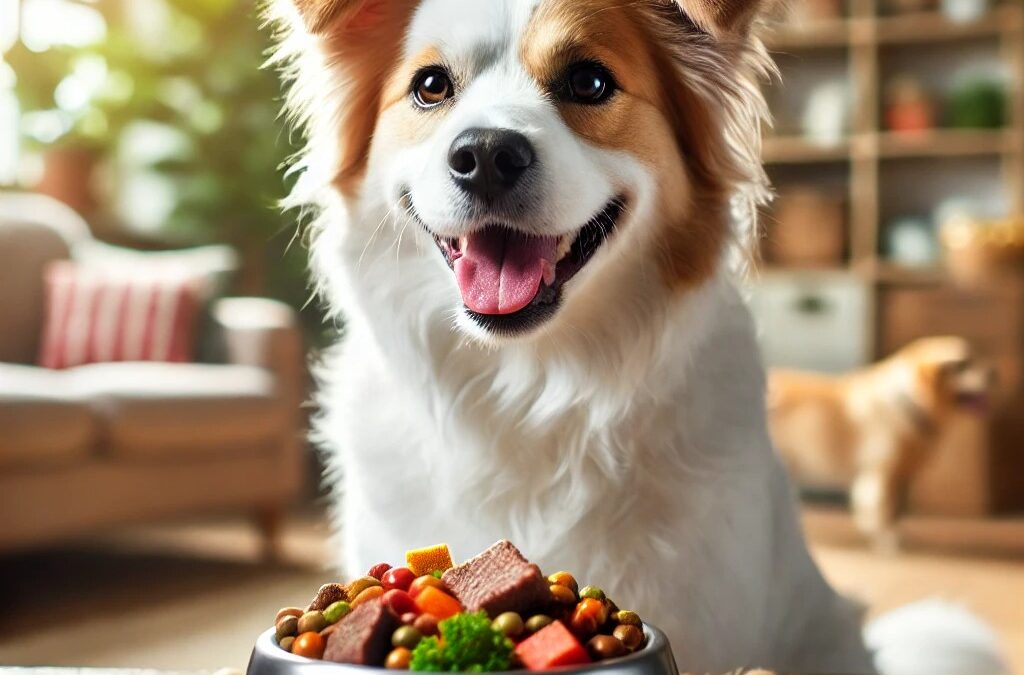
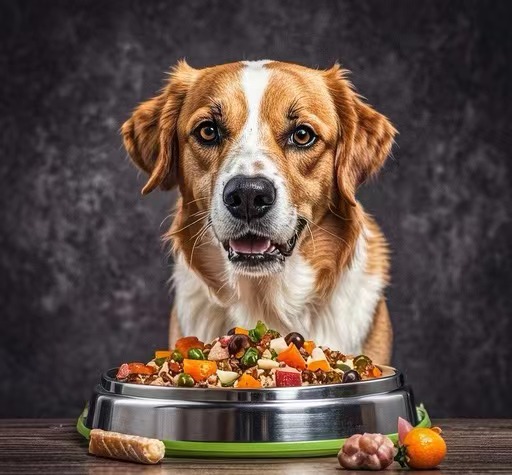
Ensuring your dog receives the best nutrition possible is a top priority for any pet owner. One of the most crucial components of a healthy canine diet is protein. But with so many options available, how do you choose the ultimate protein for your dog? This guide will explore the various sources of protein, their benefits, and how to select the right one to keep your furry friend healthy and thriving.
Understanding the Importance of Protein in a Dog’s Diet
Protein plays a vital role in your dog’s overall health. It is essential for:
Muscle Development and Repair: Protein provides the amino acids necessary for building and repairing muscles.
Immune Function: Amino acids from proteins support the immune system, helping your dog fight off infections and diseases.
Skin and Coat Health: Adequate protein intake promotes a shiny coat and healthy skin.
Energy: Proteins are a key source of energy, especially for active dogs.
Top Protein Sources for Dogs
1. Chicken
Chicken is a popular protein source in dog food due to its high digestibility and affordability. It is rich in essential amino acids and provides a good balance of omega-6 fatty acids.
2. Beef
Beef is another excellent source of protein, providing essential nutrients like iron, zinc, and B vitamins. It is particularly beneficial for dogs with high energy needs.
3. Fish
Fish, such as salmon and sardines, are rich in omega-3 fatty acids, which support heart health, reduce inflammation, and promote a healthy coat. Fish is also a good option for dogs with food allergies.
4. Lamb
Lamb is a highly digestible protein source, often used in hypoallergenic dog foods. It is rich in essential amino acids and a good source of vitamins and minerals like iron and zinc.
5. Turkey
Turkey is a lean protein source that provides essential amino acids and is lower in fat compared to beef. It is a great option for dogs needing a lower-fat diet.
6. Eggs
Eggs are a complete protein, meaning they contain all the essential amino acids. They are highly digestible and provide a nutrient-dense option for dogs.
7. Plant-Based Proteins
For dogs with specific dietary restrictions, plant-based proteins like lentils, chickpeas, and quinoa can be valuable alternatives. While they may not provide all essential amino acids on their own, they can be combined to create a balanced diet.
Choosing the Right Protein for Your Dog
Consider Your Dog’s Age and Activity Level
Puppies and Active Dogs: These dogs require higher protein levels to support growth and energy needs. Animal-based proteins like chicken, beef, and fish are excellent choices.
Senior Dogs: Older dogs may benefit from easily digestible proteins like fish or turkey, which are also lower in fat.
Dogs with Health Issues: Dogs with certain health conditions, such as kidney disease, may need a protein source that is lower in phosphorus and easier to digest. Consult your veterinarian for recommendations.
Evaluate Protein Quality
Not all proteins are created equal. High-quality proteins are easily digestible and provide a complete amino acid profile. Look for dog foods that list specific protein sources (e.g., chicken, beef, salmon) as the first ingredient.
Be Aware of Food Allergies
Some dogs may develop allergies to common protein sources like chicken or beef. In such cases, novel protein sources like lamb or duck, or hypoallergenic plant-based proteins, can be beneficial.
Choosing the ultimate protein for your dog involves understanding their unique dietary needs and preferences. By selecting high-quality protein sources and tailoring their diet to their age, activity level, and health status, you can ensure your dog receives optimal nutrition for a healthy, happy life. Always consult with your veterinarian before making significant changes to your dog’s diet, especially if they have specific health concerns. With the right protein, you can help your furry friend thrive and enjoy a vibrant, energetic life.
As pet owners become increasingly aware of the importance of nutrition in maintaining their dogs’ health, the role of dietary patterns in preventing and managing canine cancer is gaining attention. This article delves into how specific dietary choices can influence cancer risk in dogs, providing insights into optimal nutrition strategies for your furry friend.
Understanding the Connection
Cancer is a multifactorial disease influenced by genetics, environment, and lifestyle factors, including diet. Research suggests that what dogs eat can significantly impact their risk of developing cancer. By understanding this connection, pet owners can make informed decisions to help reduce their dogs’ cancer risk.
The Role of Diet in Cancer Prevention
High-Quality Protein: Providing dogs with high-quality, easily digestible protein sources can support overall health and immune function. Lean meats, fish, and eggs are excellent choices.
Antioxidant-Rich Foods: Antioxidants help neutralize harmful free radicals that can damage cells and lead to cancer. Incorporating fruits and vegetables like blueberries, carrots, and spinach into your dog’s diet can boost their antioxidant intake.
Healthy Fats: Omega-3 fatty acids, found in fish oil and flaxseed, have anti-inflammatory properties that may help reduce cancer risk. These healthy fats support cell function and immune response.
Low Carbohydrate Diets: Some studies suggest that reducing carbohydrate intake may help starve cancer cells, which rely on glucose for energy. A diet low in simple sugars and refined carbohydrates can be beneficial.
Avoiding Harmful Ingredients
Artificial Additives: Preservatives, colors, and flavors can contribute to inflammation and increase cancer risk. Opt for natural, additive-free dog foods.
Processed Foods: Highly processed foods often contain harmful chemicals and lower nutritional value. Choosing whole, minimally processed foods is a healthier option.
Obesity: Maintaining a healthy weight is crucial, as obesity is a known risk factor for various cancers. Regular exercise and portion control are key.
Implementing a Cancer-Preventive Diet
Consult with a Veterinarian: Before making significant changes to your dog’s diet, consult with a veterinarian or a veterinary nutritionist to ensure the diet meets your dog’s specific needs.
Balanced Nutrition: Ensure the diet is well-balanced, providing all essential nutrients. Consider commercial diets formulated for cancer prevention or homemade diets tailored to your dog’s health.
Regular Monitoring: Regular check-ups and monitoring of your dog’s health can help detect any issues early and adjust the diet as needed.
Recent Research and Developments
Recent studies have highlighted the potential of certain dietary components in reducing cancer risk. For example, a study published in the Journal of Veterinary Internal Medicine found that dogs fed a diet rich in fish oil and antioxidants showed a lower incidence of cancer.
Another study explored the benefits of ketogenic diets, which are high in fat and low in carbohydrates, in managing cancer in dogs. The findings indicated that such diets might help slow tumor growth and improve overall outcomes.
Diet plays a crucial role in influencing cancer risk in dogs. By focusing on high-quality proteins, antioxidant-rich foods, healthy fats, and reducing harmful ingredients, pet owners can help support their dogs’ health and potentially reduce their risk of cancer. Ongoing research continues to shed light on the intricate relationship between diet and canine cancer, offering hope for more effective prevention strategies.
When your beloved canine companion is diagnosed with cancer, their diet becomes a crucial part of their care. Proper nutrition can support their immune system, improve their quality of life, and potentially slow the progression of the disease. This detailed guide will explore the best homemade food options for dogs with cancer, focusing on ingredients that offer optimal nutritional benefits.
Understanding the Nutritional Needs of Dogs with Cancer
Dogs with cancer often experience changes in their metabolism, leading to weight loss and muscle wasting. Their bodies might need more protein and fats while managing carbohydrates carefully to prevent feeding cancer cells. The goal is to provide a diet that maintains energy levels, supports the immune system, and offers easily digestible nutrients.
Key Components of a Cancer-Fighting Dog Diet
High-Quality Protein:
Sources: Lean meats like chicken, turkey, and fish (salmon or sardines).
Benefits: Proteins are essential for muscle maintenance and repair. Fish also provides omega-3 fatty acids, which have anti-inflammatory properties and may help slow cancer growth.
Healthy Fats:
Sources: Fish oil, flaxseed oil, and coconut oil.
Benefits: Healthy fats provide energy and support the immune system. Omega-3 fatty acids, in particular, have been shown to reduce inflammation and may inhibit cancer cell growth.
Low Glycemic Carbohydrates:
Sources: Vegetables like broccoli, spinach, and kale; and fruits like blueberries and apples.
Benefits: Low glycemic carbs are less likely to spike blood sugar levels, which can feed cancer cells. Vegetables and fruits also provide antioxidants that combat oxidative stress.
Fiber:
Sources: Pumpkin, sweet potatoes, and green beans.
Benefits: Fiber aids in digestion and helps maintain a healthy gut. It can also prevent constipation, which is common in dogs undergoing cancer treatment.
Antioxidants:
Sources: Berries (blueberries, strawberries), leafy greens, and turmeric.
Benefits: Antioxidants help neutralize free radicals, reducing cellular damage. Turmeric contains curcumin, a compound known for its anti-cancer properties.
Sample Homemade Dog Food Recipe for Dogs with Cancer
Ingredients:
1 pound lean ground turkey
1 cup cooked quinoa
1 cup chopped spinach
1/2 cup blueberries
1 tablespoon flaxseed oil
1/2 cup pumpkin puree
1 teaspoon turmeric
Instructions:
Cook the Turkey: In a large skillet, cook the ground turkey over medium heat until fully cooked. Drain any excess fat.
Prepare Quinoa: Cook the quinoa according to package instructions. Allow it to cool slightly.
Combine Ingredients: In a large bowl, mix the cooked turkey, quinoa, spinach, blueberries, pumpkin puree, and turmeric.
Add Flaxseed Oil: Drizzle the flaxseed oil over the mixture and stir well to combine.
Serve and Store: Serve the food at room temperature. Store any leftovers in the refrigerator for up to three days or freeze portions for later use.
Additional Tips for Feeding Dogs with Cancer
Consult Your Vet: Always consult with your veterinarian before making any significant changes to your dog’s diet. They can provide guidance tailored to your dog’s specific condition.
Small, Frequent Meals: Offer small, frequent meals to help maintain your dog’s energy levels and prevent nausea.
Stay Hydrated: Ensure your dog has access to fresh water at all times. Proper hydration is crucial for overall health.
Avoid Harmful Ingredients: Steer clear of ingredients that can be toxic or hard to digest, such as onions, garlic, and artificial additives.
By focusing on these key components and maintaining a balanced diet, you can play a vital role in your dog’s cancer journey, offering them the best possible nutrition and care.
When a dog is diagnosed with cancer, providing optimal nutrition becomes crucial to support its health, manage symptoms, and improve the effectiveness of treatment. The right diet can help strengthen the immune system, maintain body weight, and enhance overall quality of life. This article explores the best dietary strategies for dogs with cancer, including specific nutrients, food types, and feeding practices that can make a significant difference in their health and well-being.
Understanding the Nutritional Needs of Dogs with Cancer
Cancer significantly impacts a dog’s metabolism, often increasing the need for specific nutrients while decreasing appetite and altering nutrient absorption. The goals of a cancer-specific diet are to:
Support the Immune System
Enhance the body’s ability to fight cancer and prevent infections.
Manage symptoms such as nausea, diarrhea, and pain through appropriate dietary choices.
Complement Conventional Treatments
Support the effectiveness of treatments like chemotherapy and radiation.
Key Components of a Cancer-Specific Diet
High-Quality Protein
Importance: Protein is essential for maintaining muscle mass and supporting the immune system.
Sources: Lean meats (chicken, turkey), fish, eggs, and plant-based proteins like lentils and chickpeas.
Recommendation: Aim for a diet with at least 30% protein content from high-quality sources.
Healthy Fats
Importance: Fats provide a concentrated energy source and essential fatty acids that have anti-inflammatory and immune-boosting properties.
Sources: Fish oil (rich in omega-3 fatty acids), flaxseed oil, and coconut oil.
Recommendation: Include healthy fats making up 20-30% of the diet, focusing on omega-3 fatty acids for their anti-cancer properties.
Low Carbohydrates
Importance: Cancer cells thrive on glucose; therefore, reducing carbohydrate intake can help starve cancer cells while providing energy through fats and proteins.
Sources: Minimize grains and starchy vegetables, opting for low-glycemic vegetables like leafy greens and cruciferous vegetables (broccoli, cauliflower).
Recommendation: Carbohydrates should constitute less than 20% of the diet, focusing on fiber-rich, low-glycemic vegetables.
Antioxidant-Rich Foods
Importance: Antioxidants help combat oxidative stress and inflammation, supporting the immune system.
Sources: Blueberries, spinach, carrots, pumpkin, and sweet potatoes.
Recommendation: Incorporate a variety of colorful vegetables and fruits to provide a broad spectrum of antioxidants.
Supplements
Fish Oil: Rich in omega-3 fatty acids, fish oil can help reduce inflammation and support the immune system.
Probiotics: Enhance gut health and improve nutrient absorption.
Turmeric (Curcumin): Known for its anti-inflammatory and anti-cancer properties.
Milk Thistle: Supports liver function and detoxification.
Medicinal Mushrooms: Reishi, shiitake, and maitake mushrooms boost the immune system and have anti-cancer properties.
Creating a Balanced Meal Plan
Consult with a Veterinarian
Importance: Before making any dietary changes, consult with your veterinarian or a veterinary nutritionist to tailor a diet plan specific to your dog’s needs and health status.
Sample Meal Plan
Breakfast: Cooked chicken breast with steamed broccoli and a teaspoon of fish oil.
Lunch: Ground turkey mixed with pumpkin puree and a side of blueberries.
Dinner: Salmon fillet with spinach and sweet potato mash.
Snacks: Carrot sticks, apple slices (without seeds), and small amounts of plain yogurt.
Home-Cooked vs. Commercial Diets
Home-Cooked: Allows for precise control over ingredients and nutrient content. Requires careful planning and consultation with a nutritionist to ensure balance.
Commercial Diets: Look for high-quality, cancer-specific commercial diets that are grain-free and rich in protein and healthy fats. Brands like Hill’s Prescription Diet and Royal Canin offer specialized formulas.
Feeding Practices and Tips
Frequent, Small Meals
Offering small, frequent meals can help manage nausea and ensure consistent nutrient intake.
Hydration
Ensure your dog has access to fresh water at all times. Consider adding moisture to meals with broths or wet food.
Palatability
Enhance the flavor and appeal of meals by adding a small amount of low-sodium broth or warming the food slightly.
Monitoring and Adjusting
Regularly monitor your dog’s weight, appetite, and overall health. Adjust the diet as needed in consultation with your veterinarian.
Conclusion
A well-planned diet can significantly impact a dog’s ability to cope with cancer, enhancing their quality of life and supporting overall health. By focusing on high-quality proteins, healthy fats, low carbohydrates, and antioxidant-rich foods, you can provide your dog with the best possible nutritional support during their battle with cancer. Always work closely with your veterinarian to tailor a diet plan that meets your dog’s specific needs and adjusts as their condition evolves. With the right approach, you can help your dog maintain strength, vitality, and well-being throughout their cancer treatment.
When a dog is diagnosed with cancer, particularly a brain tumor, the challenges can seem overwhelming. However, advancing veterinary medicine offers hope through targeted treatments and specialized diets. This comprehensive guide explores the best dietary strategies for dogs with cancer and the latest advancements in treating brain tumors, helping owners make informed decisions for their pets’ health.
The Importance of Diet in Canine Cancer Care
Nutrition plays a crucial role in supporting dogs through cancer treatment, especially those suffering from brain tumors. An optimal diet can help manage symptoms, improve quality of life, and potentially slow the progression of the disease.
High-Fat, Low-Carb Diet: Research suggests that a ketogenic diet, which is high in fats and low in carbohydrates, may benefit dogs with cancer. By reducing carb intake, this diet aims to starve cancer cells of glucose, their primary energy source, potentially slowing tumor growth.
Balanced Omega Fatty Acids: Incorporating omega-3 fatty acids from fish oil can help reduce inflammation and support immune function. Conversely, reducing omega-6 fatty acids, which are pro-inflammatory, is often recommended.
High-Quality Protein: Adequate protein intake is essential for maintaining muscle mass and supporting a healthy immune system. Sources like cooked eggs, lean meats, and specially formulated commercial diets can be beneficial.
Antioxidant-Rich Foods: Antioxidants can help combat oxidative stress associated with cancer. Foods rich in vitamins E and C, selenium, and carotenoids are important parts of a cancer-fighting diet.
Advanced Treatments for Brain Tumors in Dogs
Treating brain tumors in dogs involves sophisticated techniques that aim to maximize efficacy while minimizing discomfort.
Surgery: If the tumor is accessible and localized, surgery may be the best option. This can effectively reduce tumor size and alleviate symptoms, providing a quicker path to recovery.
Radiation Therapy: Advanced radiation therapies like stereotactic radiosurgery (SRS) deliver high doses of radiation to the tumor with pinpoint accuracy, sparing healthy tissues. This method is highly effective for tumors that cannot be fully removed surgically.
Chemotherapy: While less commonly used for brain tumors due to the blood-brain barrier, specific chemotherapy drugs can be effective when combined with other treatments.
Palliative Care: For dogs where treatment isn’t feasible, palliative care focuses on managing symptoms and improving quality of life. This can include medications to reduce swelling around the tumor, pain relief, and dietary adjustments.
Implementing a Cancer Care Plan
When your dog is diagnosed with a brain tumor, it’s essential to work closely with a veterinary oncologist who can guide the treatment process and dietary adjustments. They will consider your dog’s specific needs, the type and stage of the tumor, and overall health to create a tailored treatment and nutrition plan.
Understanding the role of diet and the options available for treating brain tumors in dogs can empower pet owners to make decisions that enhance their dogs’ quality of life and well-being. Through a combination of targeted therapies and strategic nutrition, there is hope for managing canine brain tumors effectively.