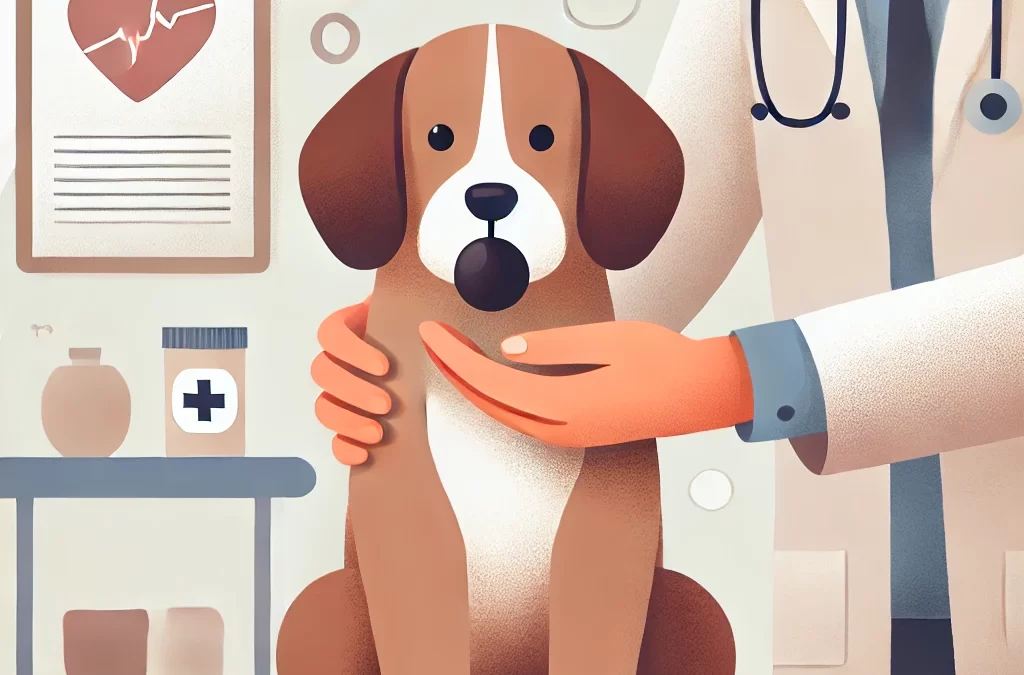
Oral malignant melanoma (OMM) in dogs is a stealthy adversary. Known for its aggressive nature and rapid spread, it’s a diagnosis that strikes fear into the hearts of pet owners. But OMM is more than just a medical condition—it’s a call to action for pet parents to embrace vigilance, innovation, and holistic care. Let’s dive into this challenging topic with a fresh lens, exploring both science and hope.
What Is Oral Malignant Melanoma?
Oral malignant melanoma is a type of cancer that originates in the melanocytes—cells responsible for pigment production in the skin and mucous membranes. While it most commonly appears in the mouth, this cancer doesn’t stop there. It’s notorious for its ability to invade nearby tissues and metastasize to distant organs like the lungs and lymph nodes.
This condition is most prevalent in middle-aged to older dogs, particularly breeds with dark-pigmented gums, such as Cocker Spaniels, Chow Chows, and Scottish Terriers. Despite its grim reputation, understanding OMM’s signs and treatment options can empower owners to make informed decisions.
Recognizing the Signs
Oral malignant melanoma often goes unnoticed until it’s advanced, making regular oral check-ups critical. Common signs include:
A dark or irregular mass in the mouth, gums, or lips.
Bleeding, foul breath, or drooling.
Difficulty eating, chewing, or swallowing.
Facial swelling or enlarged lymph nodes.
If you spot any of these symptoms, consult your veterinarian immediately. Early detection can significantly impact outcomes.
Beyond Traditional Treatments: Embracing Innovation
Conventional treatments for OMM include surgery, radiation therapy, and chemotherapy. While effective in many cases, these options aren’t always accessible or affordable. Here are some innovative and integrative approaches gaining attention:
Immunotherapy Vaccines: A game-changer in oncology, OMM-specific vaccines, like the canine melanoma vaccine (ONCEPT®), stimulate the dog’s immune system to fight cancer cells. This cutting-edge treatment has shown promise in extending survival times.
Photodynamic Therapy (PDT): This technique uses light-activated drugs to destroy cancer cells selectively, sparing surrounding healthy tissue. It’s a less invasive option for certain cases.
Holistic Supplements: Natural supplements like curcumin (found in turmeric), medicinal mushrooms, and omega-3 fatty acids are being explored for their anti-inflammatory and immune-boosting properties. Always consult a vet before incorporating supplements.
The Role of Diet in Recovery
A cancer diagnosis calls for a shift in dietary strategies. Dogs battling OMM benefit from a diet tailored to their metabolic needs. Focus on:
High-quality proteins: Lean meats and fish to maintain muscle mass.
Healthy fats: Omega-3 fatty acids to combat inflammation and support overall health.
Low-carbohydrate options: Cancer cells thrive on sugar; limiting carbs can help slow their growth.
Homemade, vet-approved meals can be a great way to ensure your dog receives optimal nutrition.
Emotional and Practical Support for Pet Parents
Caring for a dog with OMM is as emotionally demanding as it is challenging. Here’s how to navigate this journey:
Create a daily care routine: Establishing consistency can help reduce stress for both you and your dog.
Seek community support: Online forums and local support groups for pet owners dealing with canine cancer can provide comfort and valuable insights.
Explore palliative care options: If curative treatment isn’t an option, focus on pain management and improving your dog’s quality of life.
A Glimpse of Hope
While oral malignant melanoma in dogs is a formidable foe, advancements in veterinary medicine and integrative care are changing the narrative. Early detection, innovative treatments, and a focus on holistic well-being are empowering pet parents to fight back against this disease.
Your dog’s diagnosis doesn’t define the journey—it’s a chapter in the story of their resilience, love, and the bond you share. Keep asking questions, seeking solutions, and cherishing every moment.
Abnormal growths in the lower intestines of dogs, though not as common as other health issues, are a concerning phenomenon that often flies under the radar. These growths, which can range from benign polyps to malignant tumors, affect a dog’s digestion, overall comfort, and long-term health. Understanding their causes, signs, and treatment options is crucial for ensuring a better quality of life for your furry companion.
What Are Abnormal Growths in the Lower Intestines?
The term “abnormal growths” encompasses a variety of conditions that affect the lower intestinal tract, which includes the colon, rectum, and anus. These growths might be:
Polyps: Benign, non-cancerous growths that can cause discomfort but rarely spread.
Adenocarcinomas: Malignant tumors originating from glandular cells, often aggressive and invasive.
Leiomyosarcomas: Rare, malignant growths affecting the smooth muscle layer of the intestines.
Lymphomas: Cancer affecting lymphatic tissues in the intestines, common in dogs with a predisposition to gastrointestinal diseases.
Causes of Lower Intestinal Growths in Dogs
The exact causes vary, but several factors contribute to the development of abnormal growths:
Age: Older dogs are more prone to intestinal tumors due to cellular aging and mutations.
Breed Predisposition: Breeds like German Shepherds and Collies have higher risks of gastrointestinal cancers.
Diet and Environment: Low-quality diets, exposure to toxins, or chronic intestinal irritation can lead to abnormal cell growth.
Chronic Inflammation: Conditions like inflammatory bowel disease (IBD) create a breeding ground for abnormal growths.
Signs and Symptoms to Watch For
Abnormal growths in the lower intestines often present subtle or ambiguous symptoms, making early detection a challenge. Key signs include:
Chronic Diarrhea: Persistent loose stools, often with mucus or blood.
Constipation or Straining: Difficulty passing stool due to obstruction caused by growths.
Blood in Stool (Hematochezia): Bright red or dark, tarry blood is a common indicator.
Abdominal Pain: Dogs may display signs like whining, restlessness, or a hunched posture.
Weight Loss: Unexplained weight loss despite a normal appetite.
Lethargy and Weakness: A decrease in energy levels due to anemia or systemic effects of the growth.
Diagnosis: Unveiling the Hidden Problem
Diagnosing lower intestinal growths requires a combination of clinical exams and advanced diagnostics:
Physical Examination: A rectal exam may reveal palpable growths in the lower tract.
Imaging: X-rays, ultrasounds, or CT scans help visualize tumors and their location.
Endoscopy: A camera inserted into the colon can identify and sometimes biopsy abnormal tissue.
Biopsy: Tissue samples confirm whether the growth is benign or malignant, guiding treatment.
Treatment Options: Tailored for Each Case
Treatment varies depending on the type, location, and stage of the growth:
Surgical Removal: The first-line treatment for localized growths, particularly benign polyps or small malignant tumors.
Chemotherapy: Recommended for cancers that have metastasized or cannot be fully removed surgically.
Radiation Therapy: Used in conjunction with surgery for aggressive tumors.
Palliative Care: Focused on pain management and improving the dog’s comfort in advanced or untreatable cases.
Holistic Support for Digestive Health
While medical treatments address the primary condition, holistic approaches can provide additional support:
High-Fiber Diets: Promote smoother digestion and reduce irritation in the lower intestines.
Probiotics: Enhance gut flora and support overall intestinal health.
Turmeric (Curcumin): Known for its anti-inflammatory and potential anti-cancer properties.
CBD Oil: Helps reduce inflammation and pain, improving the dog’s quality of life.
Preventive Measures: Reducing the Risk
While not all growths can be prevented, there are steps you can take to lower your dog’s risk:
Regular Check-ups: Annual veterinary exams help catch abnormalities early.
High-Quality Diets: Provide balanced, nutritious food to minimize gastrointestinal stress.
Monitor Stool Health: Keep an eye on changes in your dog’s stool and bowel habits.
Limit Toxin Exposure: Avoid feeding low-grade food or exposing your dog to harmful chemicals.
The Emotional Toll on Pet Parents
Caring for a dog with intestinal growths can be emotionally draining. It’s natural to feel anxious or overwhelmed, but remember you’re not alone. Many resources, including support groups and veterinary professionals, can guide you through this journey.
Conclusion: Knowledge Is Power
Abnormal growths in the lower intestines of dogs may seem daunting, but with early detection and proactive care, many dogs can lead fulfilling lives. Stay vigilant, seek regular veterinary advice, and provide the best possible care to your four-legged friend.
Nose cancer in dogs, also known as nasal cancer, is a relatively rare but aggressive condition that affects the nasal cavity or sinuses. While it accounts for less than 1% of all canine cancers, its severity lies in its invasive nature and the difficulty of early detection. This article delves into the symptoms, diagnosis, treatment options, and supportive care for dogs battling nose cancer.
What Is Nose Cancer in Dogs?
Canine nose cancer primarily involves tumors that develop within the nasal passages or sinuses. The most common type is adenocarcinoma, but other forms like squamous cell carcinoma, fibrosarcoma, or osteosarcoma can also occur. This condition typically affects older dogs, with larger breeds appearing to be at a slightly higher risk.
Signs and Symptoms
Early signs of nasal cancer can be subtle and are often mistaken for respiratory infections or allergies. As the disease progresses, the symptoms become more pronounced. Look out for the following:
Persistent Nasal Discharge Unilateral discharge (affecting one nostril) that is bloody or mucoid in nature is a hallmark symptom.
Frequent Sneezing Chronic sneezing that doesn’t improve with treatment could indicate nasal irritation from a tumor.
Facial Swelling Swelling around the nose, eyes, or forehead may occur as the tumor invades surrounding structures.
Breathing Difficulty Snoring or noisy breathing might indicate a blockage in the nasal passages.
Nose Bleeds (Epistaxis) Intermittent or continuous bleeding from the nose is often reported.
Neurological Symptoms If the tumor extends into the brain, symptoms like seizures, disorientation, or behavioral changes may appear.
Loss of Appetite and Weight Loss As with many cancers, systemic effects can lead to reduced food intake and weight loss.
Diagnosis
Diagnosing nose cancer involves a thorough evaluation, including:
Physical Examination: A vet may check for asymmetry in the face or abnormal sounds during breathing.
Rhinoscopy: A small camera inserted into the nasal passages helps visualize the tumor.
Imaging: X-rays, CT scans, or MRIs provide detailed views of the tumor and its spread.
Biopsy: Tissue samples confirm the type and severity of the cancer.
Treatment Options
Treatment depends on the tumor’s size, type, and stage, as well as the overall health of your dog. Options include:
Radiation Therapy Radiation is the most effective treatment for nasal cancer, aiming to shrink the tumor and alleviate symptoms. While it may not cure the cancer, it can significantly improve quality of life.
Surgery Surgical removal of the tumor is challenging due to the complex anatomy of the nasal area but may be attempted in specific cases.
Chemotherapy Chemotherapy is less commonly used but might be recommended for certain tumor types or as an adjunct to other treatments.
Palliative Care When curative treatment isn’t an option, palliative care focuses on relieving pain and discomfort through medications, including anti-inflammatories, pain relievers, and nasal decongestants.
Natural Therapies for Supportive Care
Incorporating holistic approaches alongside conventional treatments can enhance your dog’s comfort:
Herbal Supplements Herbs like turmeric (curcumin) and astragalus are believed to have anti-inflammatory and immune-boosting properties.
Dietary Adjustments A high-quality, low-carbohydrate diet supports overall health and reduces inflammation.
CBD Oil Cannabidiol may help manage pain and reduce anxiety in dogs with advanced cancer.
Prognosis and Quality of Life
The prognosis for canine nose cancer depends on factors like tumor type and stage at diagnosis. With radiation therapy, many dogs experience symptom relief and extended survival times, often ranging from 8 to 18 months. Without treatment, the disease progresses quickly, often within weeks to a few months.
How to Support Your Dog
Monitor Symptoms: Keep track of changes in breathing, eating, or energy levels.
Frequent Vet Visits: Regular check-ups ensure your dog’s condition is monitored closely.
Provide Comfort: Soft bedding, a quiet environment, and easy access to food and water make a big difference.
Final Thoughts
Canine nose cancer is a daunting diagnosis, but with timely intervention and a comprehensive care plan, you can give your dog the best possible quality of life. Always consult with your veterinarian to explore treatment options tailored to your dog’s specific needs.
When a dog is facing lymphoma, providing a calm and stable environment is essential for their comfort and well-being. By reducing sources of stress and maintaining a peaceful home, you can help your dog feel more secure and at ease during this challenging time. Here are some practical tips to create a soothing environment for your dog.
1. Designate a Quiet Resting Spot
Give your dog a dedicated spot in the home where they can rest without interruptions. Choose a warm, quiet corner, away from high-traffic areas, and add a soft, comfortable bed. This quiet resting place helps reduce noise and activity, allowing your dog to relax more deeply.
Suggestions: Consider placing your dog’s bed near a window with natural light but away from outdoor noise to maintain a balance of light and quiet.
2. Keep the Environment Stable
Sudden changes in surroundings, like moving furniture or rearranging their area, can lead to confusion and anxiety in dogs with lymphoma. Maintaining a stable environment with familiar sights and smells provides them with a comforting sense of normalcy, helping to alleviate stress.
Tips: Try to avoid significant changes in your dog’s space. If rearrangements are necessary, introduce them gradually to minimize your dog’s reaction.
3. Implement a Consistent Daily Routine
Establishing a steady daily routine for meals, walks, and rest can help your dog feel secure and reduce anxiety. A regular schedule allows your dog to know what to expect and when, reducing the stress of unpredictable events. Consistent routines are especially beneficial for dogs facing health challenges, as they create a sense of order and reassurance.
Example Routine: Plan meals at the same time each day, followed by light activities or quiet time to reinforce predictability.
Providing a stable, peaceful environment is a simple yet effective way to support dogs with lymphoma. With a dedicated resting area, a stable environment, and a regular daily schedule, you can create a tranquil space that allows your dog to relax and feel more at ease. These strategies promote comfort and reduce stress, supporting their emotional well-being as they navigate their health journey.
Managing pain in dogs with cancer has become a crucial and complex topic in modern veterinary medicine. Pet owners facing the challenge of alleviating their beloved dogs’ cancer pain seek effective relief methods. In this article, we will explore various natural therapies and holistic care approaches that can help alleviate cancer-related pain in dogs and improve their quality of life.
1. Herbal Medicine
Herbal medicine has a long history of use in managing pain associated with canine cancer. For example, TCMVET Baituxiao is a supplement based on traditional Chinese medicine (TCM), specifically formulated to address tumors and inflammation. Herbal formulas often contain ingredients with anti-inflammatory, analgesic, and immune-boosting properties, which can effectively help reduce pain and improve overall health.
2. Acupuncture
Acupuncture, an ancient Chinese therapy, has been proven to significantly relieve cancer pain in dogs. By stimulating specific acupuncture points, this therapy can enhance blood circulation and release endorphins, which helps in pain relief. Many pet owners find that acupuncture not only alleviates pain but also boosts their dogs’ spirits and appetite.
3. CBD Oil
In recent years, CBD oil has gained popularity as a natural pain reliever in pet care. Derived from hemp, CBD oil does not contain the psychoactive component THC. Research indicates that CBD oil can effectively reduce pain and inflammation in dogs. It interacts with the endocannabinoid system, which plays a role in regulating pain and immune responses, making it a valuable option for managing cancer pain in dogs.
4. Physical Therapy and Rehabilitation
Physical therapy can be beneficial for dogs with cancer by improving mobility, reducing pain, and enhancing overall well-being. Techniques such as hydrotherapy, laser therapy, and massage can help manage pain and improve the quality of life for dogs undergoing cancer treatment. Customized exercise plans developed by a veterinary physiotherapist can also help maintain muscle strength and flexibility.
5. Dietary Supplements
Nutritional support plays a vital role in managing cancer pain in dogs. Omega-3 fatty acids, found in fish oil, have anti-inflammatory properties that can help reduce pain and improve joint health. Additionally, supplements like turmeric, known for its anti-inflammatory and antioxidant effects, can be beneficial. Consulting with a veterinarian to develop a tailored diet and supplement plan is essential for addressing the specific needs of a dog with cancer.
6. Environmental Enrichment
Creating a comfortable and stress-free environment can significantly impact a dog’s well-being when dealing with cancer pain. Soft bedding, easy access to favorite resting spots, and minimizing stressors in the environment can help reduce pain and improve comfort. Engaging activities and mental stimulation can also distract from pain and improve the overall quality of life.
Conclusion
Managing cancer pain in dogs requires a comprehensive and multi-faceted approach. Integrating natural therapies and holistic care can provide significant relief and improve the quality of life for dogs suffering from cancer. By exploring options like herbal medicine, acupuncture, CBD oil, physical therapy, dietary supplements, and environmental enrichment, pet owners can offer their beloved dogs the best possible care during challenging times. Always consult with a veterinarian to develop a personalized pain management plan tailored to your dog’s specific needs.