
by TCMVET | Feb 24, 2024 | pet Chinese herbal medicine
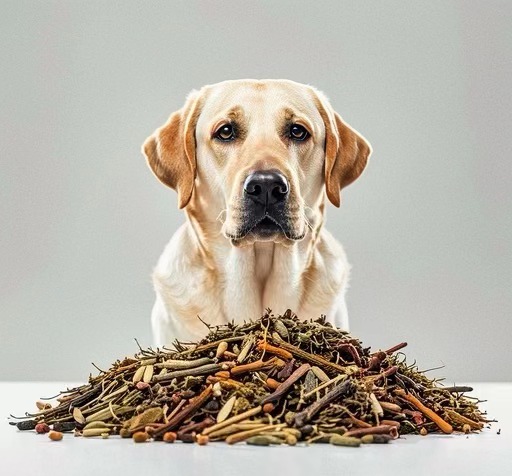
In the evolving landscape of veterinary medicine, the integration of Traditional Chinese Medicine (TCM) herbs in treating various canine ailments, particularly hepatocellular carcinoma (HCC), represents a fascinating blend of ancient wisdom and modern science. This article explores the role of Chinese herbs in the fight against HCC in dogs, offering insights for pet owners seeking holistic treatment options.
Understanding Canine Hepatocellular Carcinoma
Hepatocellular carcinoma is a significant type of liver cancer in dogs. Characterized by malignant tumor growth in the liver’s cells, it presents symptoms such as weight loss, lethargy, and abdominal pain. Conventional treatments typically include surgery, chemotherapy, and radiation therapy.
The Basis of Traditional Chinese Medicine in Veterinary Care
TCM, with its rich history spanning thousands of years, is grounded in the concept of balancing the body’s vital energy (Qi). It emphasizes a holistic approach, focusing on treating the underlying cause of disease rather than just alleviating symptoms.
Chinese Herbs in Treating Canine HCC
Several herbs used in TCM have shown promise in supporting dogs with HCC:
- Milk Thistle (Silybum marianum): Renowned for its liver-protective properties and ability to aid in detoxification.
- Astragalus (Huang Qi): Believed to boost the immune system and potentially inhibit tumor growth.
- Turmeric (Curcuma longa): Known for its anti-inflammatory and antioxidant properties, which may benefit liver health.
Integrating Chinese Herbs with Conventional Treatments
Incorporating Chinese herbs into a dog’s cancer treatment plan should be a collaborative process between pet owners and veterinarians. The goal is to create a complementary treatment strategy that enhances the effectiveness of conventional therapies while minimizing side effects.
Case Studies and Research
While research in this area is still emerging, various case studies have reported positive outcomes in dogs treated with Chinese herbs, including improved liver function and quality of life. These findings, although preliminary, are encouraging for further exploration.
The Importance of Professional Guidance
It is crucial for pet owners to seek guidance from veterinarians experienced in both TCM and conventional medicine. This ensures the safe and effective use of Chinese herbs, tailored to each dog’s specific health needs.
The integration of traditional Chinese herbs into the treatment regimen for canine hepatocellular carcinoma offers a new horizon in veterinary care. This approach not only aligns with the principles of holistic health but also enhances the range of options available to manage and treat this challenging condition. As veterinary medicine continues to advance, the fusion of traditional and modern practices holds great promise for the health and well-being of our canine companions.
by TCMVET | Feb 24, 2024 | Dog Cancer & Tumors
Title: “Harnessing Ancient Wisdom for Modern Health: The Role of Traditional Chinese Herbal Medicine in Treating Canine Hepatocellular Carcinoma”
In the realm of veterinary medicine, the integration of conventional treatments with traditional practices, such as Chinese herbal medicine, is an emerging trend offering new hope to canine patients suffering from serious conditions like hepatocellular carcinoma (HCC). This article delves into the innovative approach of combining traditional Chinese herbal remedies with modern veterinary practices to treat HCC in dogs.
Understanding Hepatocellular Carcinoma in Dogs
Hepatocellular carcinoma, a malignant tumor affecting the liver’s epithelial tissue, is a significant health concern in canines. Accounting for about half of all liver cancers in dogs, HCC presents symptoms such as loss of appetite, weakness, diarrhea, weight loss, enlarged liver, and vomiting. While the exact causes remain unclear, environmental factors, diet, toxins, and genetic predisposition are believed to play crucial roles.
Traditional Chinese Herbal Medicine: An Overview
Chinese herbal medicine, a cornerstone of Traditional Chinese Medicine (TCM), has been used for thousands of years to treat various ailments in humans and animals. This practice involves using specific herbs and natural substances, often in combination, to restore balance and health. The philosophy behind TCM is to treat the whole patient, not just the symptoms, which aligns well with holistic veterinary practices.
Integrating Chinese Herbs into Canine Cancer Treatment
The integration of Chinese herbal medicine into canine cancer treatment is based on the principle of using natural compounds to support the body’s healing processes. These herbs are believed to possess properties that can help detoxify the body, strengthen the immune system, and improve overall health. For dogs with HCC, certain herbs may target liver health specifically, aiding in the reduction of tumor growth and alleviating symptoms.
Potential Benefits and Considerations
The potential benefits of using Chinese herbs in treating HCC in dogs include:
- Enhanced Quality of Life: By reducing symptoms and improving general well-being, these herbs can enhance the quality of life for canine patients.
- Complementary Treatment: Used alongside conventional treatments like chemotherapy, Chinese herbs may enhance efficacy and reduce side effects.
- Holistic Approach: This method considers the dog’s overall health, leading to a more comprehensive treatment strategy.
However, it’s crucial for pet owners to consult with a veterinarian experienced in both conventional and herbal medicine. The correct dosage and formulation of herbs are vital, and professional guidance is necessary to avoid any potential interactions with other treatments.
Real-World Applications and Case Studies
Several case studies and anecdotal reports suggest the effectiveness of Chinese herbal medicine in managing canine HCC. Veterinarians who practice integrative medicine have observed improvements in liver function, reduced tumor sizes, and extended survival times in dogs treated with these herbs.
The integration of traditional Chinese herbal medicine into the treatment of canine hepatocellular carcinoma represents a convergence of ancient wisdom and modern science. It offers a promising complementary approach that may improve outcomes and quality of life for our canine companions battling liver cancer. As with any medical treatment, it’s essential to proceed under the guidance of a qualified veterinarian, ensuring the safest and most effective care for your pet.

by TCMVET | Feb 19, 2024 | Dog Cancer & Tumors
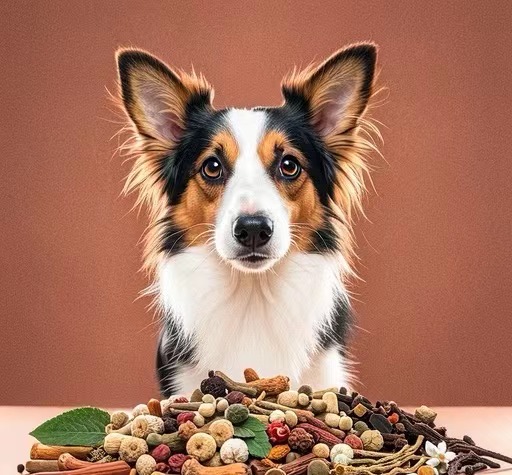
Canine gastric cancer, a significant health concern for dogs, often presents a challenge in treatment and management. In the evolving landscape of veterinary medicine, a new pathway is being explored – the use of Chinese herbs. “Sniffing Out Solutions” delves into this novel approach, highlighting how traditional Chinese medicine (TCM) is offering innovative solutions in canine gastric cancer therapy.
Understanding Canine Gastric Cancer
Gastric cancer in dogs is a complex condition that can be difficult to diagnose and treat. Symptoms often include loss of appetite, weight loss, vomiting, and lethargy. Traditional treatments have relied heavily on surgery, chemotherapy, and radiation therapy. However, these methods can be invasive and may not always be effective.
The Emergence of TCM in Veterinary Medicine
Traditional Chinese Medicine has been used for thousands of years to treat various ailments in humans. Recently, veterinarians have started exploring the benefits of TCM in treating animal diseases, including canine gastric cancer. This approach is based on the belief that health is achieved through the balance of the body’s energy or Qi.
The Role of Chinese Herbs in Canine Gastric Cancer
Chinese herbal medicine offers a less invasive and more holistic approach to treating gastric cancer in dogs. Herbs such as Astragalus (Huang Qi), Ginseng (Ren Shen), and Dong Quai (Dang Gui) are known for their immune-boosting and anti-inflammatory properties. These herbs can help in reducing tumor growth and alleviating symptoms associated with cancer.
Integrating Chinese Herbs with Conventional Cancer Treatments
An integrative approach, combining Chinese herbs with conventional cancer treatments, can offer a more comprehensive treatment plan. This method aims to not only target the cancer cells but also to strengthen the dog’s overall health, potentially leading to better outcomes and improved quality of life.
The Science and Research Behind TCM in Canine Cancer
Although TCM has been practiced for centuries, scientific research into its efficacy in treating canine cancer is still in its early stages. However, preliminary studies and anecdotal evidence suggest that TCM can play a valuable role in cancer therapy, particularly in managing symptoms and improving the well-being of the animal.
The Future of Canine Cancer Treatment
The incorporation of Chinese herbs into canine cancer treatment represents a promising new frontier in veterinary medicine. As research continues and more evidence emerges, TCM could become a standard part of the veterinary toolkit for managing and treating canine gastric cancer.
“Sniffing Out Solutions: Chinese Herbs as a New Pathway in Canine Gastric Cancer Therapy” opens up a new horizon in veterinary medicine. This approach not only provides an alternative treatment option but also embodies the spirit of innovation and holistic care in the field. With continued research and application, TCM has the potential to significantly improve the lives of dogs suffering from gastric cancer.
by TCMVET | Feb 19, 2024 | Dog Cancer & Tumors
The intersection of traditional Chinese medicine (TCM) and modern veterinary science is bringing about a revolution in canine cancer care. “Paws and Herbs: Revolutionizing Canine Cancer Care with Traditional Chinese Medicine” explores this groundbreaking approach, offering new insights and hope for dogs afflicted with cancer.
The Growing Concern of Canine Cancer
Cancer is a significant health issue in dogs, affecting a considerable number of pets each year. Common forms include lymphoma, melanoma, and osteosarcoma, each presenting unique challenges in treatment. The traditional approach has largely relied on surgery, chemotherapy, and radiation, which, while effective, often come with side effects that impact the quality of life.
The Emergence of TCM in Canine Cancer Care
Traditional Chinese Medicine, a system of healthcare that dates back thousands of years, is gaining recognition in the veterinary field for its holistic approach to treatment. TCM focuses on balancing the body’s energy, or Qi, and treats the patient as a whole rather than just targeting the disease.
Key Principles of TCM in Treating Canine Cancer
TCM employs a variety of practices, including herbal medicine, acupuncture, and dietary therapy. In treating canine cancer, these practices are aimed at boosting the immune system, controlling pain, improving appetite, and reducing the side effects of conventional cancer treatments.
Herbal Remedies: A Core of TCM for Canine Cancer
A wide range of Chinese herbs are known for their anti-cancer properties. Herbs like Huang Qin (Scutellaria) and Lu Hui (Aloe Vera) are believed to have tumor-fighting capabilities. Formulas are often tailored to the individual dog, considering factors like the type of cancer, the dog’s overall health, and compatibility with conventional treatments.
Integrating TCM with Conventional Cancer Treatments
An integrative approach, combining TCM with Western medical practices, is showing promising results in canine cancer care. This approach not only targets the cancer cells but also supports the overall well-being of the dog, leading to better outcomes and improved quality of life.
The Science Behind TCM in Canine Cancer Care
Scientific studies are beginning to back the efficacy of TCM in cancer treatment. Research is focusing on understanding how these ancient practices work at a molecular level and how they can be best integrated with conventional treatments for optimal results.
The Future of Canine Cancer Care
As the field of veterinary medicine continues to evolve, TCM is expected to play an increasingly significant role in canine cancer care. With ongoing research and growing acceptance, TCM holds the potential to transform how we treat cancer in our canine companions.
“Paws and Herbs: Revolutionizing Canine Cancer Care with Traditional Chinese Medicine” highlights an exciting development in veterinary medicine. This approach not only offers a complementary treatment to conventional methods but also opens the door to more natural and holistic care options for our beloved pets.

by TCMVET | Feb 19, 2024 | Dog Cancer & Tumors
The world of veterinary medicine is continuously evolving, with innovative treatments surfacing to enhance the health and wellbeing of our beloved pets. One such pioneering approach is the integration of traditional Chinese herbal medicine in treating canine gastric cancer, a condition that has long challenged veterinarians and pet owners alike. This article delves into this novel treatment modality, exploring its benefits, methodologies, and the potential it holds for the future of canine health.
Understanding Canine Gastric Cancer
Canine gastric cancer, primarily affecting breeds like Collies, Bull Terriers, Belgian Shepherds, and Chow Chows, is a serious health condition that often goes undetected in its early stages. Symptoms like vomiting, drooling, loss of appetite, and black stools, indicative of internal bleeding, usually appear only in the advanced stages of the disease. The prognosis for dogs diagnosed with gastric cancer is generally poor, especially if the cancer is malignant and has metastasized to organs like the lungs, liver, and lymph nodes.
The Role of Chinese Herbal Medicine
Chinese herbal medicine, with its rich history spanning thousands of years, offers a holistic approach to health and disease. It focuses on restoring balance within the body and strengthening the immune system. In the context of canine gastric cancer, these herbs are used not just to target the tumor but also to alleviate symptoms and improve the overall quality of life of the affected dogs.
Key Herbs and Their Benefits
Several Chinese herbs are known for their anti-cancer properties. Herbs like Huang Qin (Scutellaria baicalensis) and Bai Hua She She Cao (Hedyotis diffusa) are revered for their ability to inhibit tumor growth and boost the immune system. Other herbs such as Gan Cao (licorice root) and Mu Li (oyster shell) are used for their soothing effect on the gastrointestinal tract, helping to relieve symptoms like vomiting and diarrhea.
Integrating Chinese Herbal Medicine with Conventional Treatments
The most effective approach in treating canine gastric cancer involves a combination of traditional Chinese herbal medicine and conventional veterinary treatments like surgery, chemotherapy, and radiation. This integrative approach aims to not only attack the cancer cells but also to support the body’s natural defenses and mitigate the side effects of conventional treatments.
Case Studies and Success Stories
Numerous case studies have shown promising results with the use of Chinese herbs in treating canine gastric cancer. Dogs treated with a combination of herbal and conventional therapies have shown improved survival rates, reduced tumor sizes, and enhanced quality of life.
The Future of Canine Cancer Treatment
The use of Chinese herbal medicine in treating canine gastric cancer represents a significant step forward in veterinary oncology. It highlights the importance of integrating traditional wisdom with modern scientific practices. As research continues to unfold, it is hoped that this approach will lead to more effective and less invasive treatment options for our canine companions.
Herbal Horizons: Pioneering Chinese Medicine in Canine Gastric Cancer Treatment marks a new era in veterinary medicine. It offers hope and new possibilities for treating a devastating disease that affects many dogs worldwide. As we continue to explore and validate these treatments through scientific research, the future looks promising for enhancing the health and longevity of our beloved pets.
