
by TCMVET | Aug 4, 2024 | pet Chinese herbal medicine
The search for effective and holistic treatments for canine cancer has led many veterinarians and pet owners to explore Traditional Chinese Medicine (TCM). Among the various herbal formulas, Xue Fu Zhu Yu Tang has gained significant attention for its potential benefits in treating different types of canine cancers. While direct scientific evidence in dogs is limited, anecdotal reports and human studies suggest promising outcomes, making it a topic worth exploring.
What is Xue Fu Zhu Yu Tang?
Xue Fu Zhu Yu Tang is a well-known herbal formula in TCM, traditionally used to invigorate blood flow, disperse blood stasis, and promote overall health. The formula consists of multiple herbs, including angelica root, red peony root, and Chinese licorice, which work synergistically to enhance circulation and support the body’s natural healing processes.
Promising Human Studies
Research in humans has demonstrated the potential benefits of Xue Fu Zhu Yu Tang, particularly in the context of liver and lung cancers. Studies have shown that this herbal formula can improve survival rates and enhance the quality of life for cancer patients. These findings have sparked interest in its application for canine cancer treatment, with the hope that similar benefits can be observed in dogs.
Anecdotal Evidence in Dogs
Although scientific studies on the use of Xue Fu Zhu Yu Tang in dogs are still in their infancy, many pet owners and veterinarians have reported positive outcomes. Anecdotal evidence suggests that dogs receiving this herbal formula experience improved energy levels, reduced tumor size, and prolonged survival. These encouraging reports highlight the potential of Xue Fu Zhu Yu Tang as a complementary therapy in canine cancer care.
Improving Energy Levels and Overall Well-being
One of the most notable benefits of Xue Fu Zhu Yu Tang is its ability to enhance energy levels in dogs undergoing cancer treatment. Cancer and its associated treatments, such as chemotherapy, often leave dogs feeling fatigued and lethargic. By promoting better blood flow and overall vitality, Xue Fu Zhu Yu Tang can help dogs maintain higher energy levels, improving their quality of life during treatment.
Prolonging Survival
While definitive scientific proof is still needed, the anecdotal evidence of prolonged survival in dogs treated with Xue Fu Zhu Yu Tang is compelling. Many pet owners have shared stories of their dogs living longer and more comfortably when this herbal formula is included in their treatment regimen. These accounts provide hope and motivation for further research into the formula’s efficacy.
A Holistic Approach to Canine Cancer
Integrating Xue Fu Zhu Yu Tang into conventional cancer treatments represents a holistic approach to canine cancer care. By combining the strengths of TCM and modern veterinary medicine, veterinarians can offer a more comprehensive and balanced treatment plan. This integrative approach not only targets the cancer itself but also supports the overall well-being of the dog, addressing both physical and emotional health.
Xue Fu Zhu Yu Tang holds great promise as a complementary therapy in the fight against canine cancer. While more research is needed to establish its efficacy, the positive anecdotal reports and encouraging human studies make it a valuable addition to the holistic treatment options available for dogs. By embracing both traditional and modern medical practices, we can provide our canine companions with the best possible care, improving their chances of a longer, healthier life.

by TCMVET | Aug 4, 2024 | pet Chinese herbal medicine
In recent years, the world of veterinary medicine has seen a transformative shift towards a more holistic approach to cancer treatment for dogs. This progressive trend involves the integration of Traditional Chinese Medicine (TCM) with conventional therapies like chemotherapy and radiation, offering a comprehensive treatment plan that aims to enhance the overall quality of life and improve treatment outcomes.
The Power of Integration
Traditional Chinese Medicine, a centuries-old practice, emphasizes the balance of energy within the body, known as “Qi.” According to TCM principles, illness results from imbalances in this energy flow. By restoring harmony, TCM aims to support the body’s natural healing processes. When combined with conventional cancer treatments, TCM can provide a powerful, multifaceted approach to fighting cancer in dogs.
Boosting Immunity and Energy Balance
One of the significant benefits of integrating TCM with conventional treatments is its potential to boost the dog’s immune system. Herbs commonly used in TCM, such as astragalus and ginseng, are known for their immune-enhancing properties. These herbs can help strengthen the body’s defense mechanisms, making dogs more resilient during rigorous cancer treatments.
Moreover, acupuncture, a key component of TCM, can be highly beneficial in managing pain and improving energy balance. By stimulating specific points on the body, acupuncture helps alleviate discomfort and promote a sense of well-being, which is crucial for dogs undergoing cancer treatment.
Reducing Side Effects
Conventional cancer treatments like chemotherapy and radiation, while effective, often come with a range of side effects, including nausea, fatigue, and loss of appetite. Integrating TCM can help mitigate these adverse effects. For instance, ginger and licorice root are commonly used in TCM to alleviate nausea and digestive issues. By incorporating these natural remedies, veterinarians can help dogs maintain better health and comfort during their treatment journey.
Enhancing Overall Quality of Life
The holistic approach of combining TCM with conventional treatments not only targets the cancer itself but also focuses on improving the overall quality of life for dogs. This comprehensive care strategy considers the physical, emotional, and spiritual well-being of the animal. By addressing these various aspects, TCM and conventional treatments together can provide a more humane and compassionate cancer treatment experience.
A Collaborative Effort
Integrating TCM with conventional cancer treatments requires a collaborative effort between veterinary oncologists and TCM practitioners. This partnership ensures that the treatment plan is tailored to the individual needs of each dog, maximizing the potential benefits of both treatment modalities.
The integration of TCM with conventional cancer treatments represents a promising advancement in veterinary medicine. By combining the strengths of both approaches, veterinarians can offer more effective, comprehensive, and compassionate care for dogs battling cancer. This holistic strategy not only aims to enhance treatment outcomes but also prioritizes the well-being and quality of life of our beloved canine companions.

by TCMVET | Apr 26, 2024 | Dog Cancer & Tumors
Mast Cell Tumors (MCT) are one of the most common forms of cancer in dogs, presenting a significant challenge for pet owners and veterinarians. While chemotherapy is a common treatment, it’s not always the preferred route due to its side effects and the stress it can cause to both the pet and its owner. As an alternative, Chinese herbal medicine offers a less invasive option that has been gaining attention for its potential to manage MCT effectively without the harsh impacts of conventional chemotherapy.
Understanding Mast Cell Tumors
Mast cell tumors arise from mast cells, which are part of the immune system. These tumors can vary widely in their behavior, from benign masses that can be easily removed surgically to highly malignant tumors that can spread rapidly. Because of this variability, treatment strategies must be carefully considered.
The Role of Chinese Herbs in Treating MCT
Chinese herbal medicine has been used for centuries to treat a variety of ailments in both humans and animals. For dogs with MCT, certain herbs have been identified that target the mechanisms which drive tumor growth and metastasis:
- Yunnan Baiyao: This herb is renowned for its ability to control bleeding and reduce inflammation, which can be beneficial in cases of MCT.
- Scutellaria Baicalensis (Huang Qin): Known for its anti-inflammatory and antioxidant properties, this herb can help to stabilize mast cells and reduce the release of histamine and other chemicals that contribute to tumor growth.
- Curcuma Longa (Turmeric): Contains curcumin, which has been studied extensively for its anti-inflammatory, antioxidant, and anti-cancer properties.
- Artemisia Capillaris (Yin Chen Hao): Traditionally used to detoxify the liver, which can be supportive in cases where the body is trying to cope with cancerous cells.
Integrating Chinese Herbs into Treatment Plans
Incorporating Chinese herbs into the treatment regimen for a dog with MCT should always be done under the guidance of a veterinarian who is trained in both conventional and herbal medicine. Dosage, formulation, and administration routes need to be tailored to the individual dog’s condition and overall health profile.
Case Studies and Research
While clinical studies on the use of Chinese herbs for MCT in dogs are limited, numerous anecdotal reports and some veterinary case studies suggest that they can be an effective part of a broader treatment plan. Researchers continue to investigate these herbs to better understand their mechanisms of action and potential benefits.
Conclusion
Choosing to treat a dog’s mast cell tumors with Chinese herbs represents a shift towards holistic veterinary care. This approach considers the dog’s overall well-being and seeks to treat the cancer with minimal side effects. For pet owners looking for alternatives to chemotherapy, Chinese herbs offer a promising avenue, though they should be pursued with careful veterinary supervision to ensure the best outcomes for their beloved pets.
This exploration of Chinese herbs as a treatment for mast cell tumors in dogs without chemotherapy provides a foundational understanding for pet owners considering holistic alternatives to traditional cancer treatments.

by TCMVET | Mar 23, 2024 | Dog Cancer & Tumors
In the ever-evolving field of veterinary medicine, a novel approach is gaining momentum: the use of herbal remedies in treating canine mast cell tumors (MCTs). This approach, which might sound unconventional to some, is rooted in a deep understanding of both the ancient wisdom of herbal medicine and the modern scientific methodology. The integration of these methodologies is not just a trend but a revolutionary step forward in veterinary oncology, offering new hope and options for our beloved four-legged friends diagnosed with MCTs.
Understanding Canine Mast Cell Tumors
MCTs are among the most common skin tumors in dogs, accounting for about 20% of all skin tumors in canines. These tumors can vary widely in their behavior, appearance, and prognosis, making them a complex challenge for veterinarians. Traditionally, treatment options have included surgery, chemotherapy, and radiation therapy, but these methods, while effective, often come with significant side effects.
The Rise of Herbal Remedies in Veterinary Oncology
In recent years, there has been a growing interest in the potential of herbal medicine to provide a more holistic approach to cancer treatment. Herbs have been used for thousands of years in human medicine, and their application in veterinary medicine, especially for cancer treatment, is now being explored with promising results.
Key Herbs and Their Potential Benefits
Some of the herbs commonly used in the treatment of canine MCTs include:
- Astragalus: Known for its immune-boosting properties, it may help in strengthening the body’s natural defense system.
- Szechuan Lovage: Believed to improve blood circulation, which is crucial in delivering nutrients and medications to the affected areas.
- Rehmannia glutinosa: Has anti-inflammatory properties, which can be beneficial in managing tumors.
Integrating Herbs with Conventional Treatments
One of the most significant aspects of using herbs in treating MCTs is their potential to be integrated with conventional treatments. This integrative approach can offer a more comprehensive treatment plan, targeting the tumor while supporting the overall health and well-being of the dog.
Navigating the Challenges and Considerations
While the use of herbal remedies is promising, it is not without challenges. The quality, dosage, and type of herb, as well as its interaction with other medications, are crucial factors to consider. Therefore, it is essential that any herbal treatment plan be developed and monitored by a veterinarian experienced in both oncology and herbal medicine.
As we continue to seek better ways to treat canine MCTs, the use of herbal remedies offers a fascinating and potentially game-changing approach. With their ability to integrate seamlessly with traditional treatments and offer a more holistic approach, herbs are carving out a significant niche in the field of veterinary oncology. The journey of “Herbs for Hounds” is just beginning, and the possibilities it holds for revolutionizing the treatment of canine mast cell tumors are as vast as they are exciting.
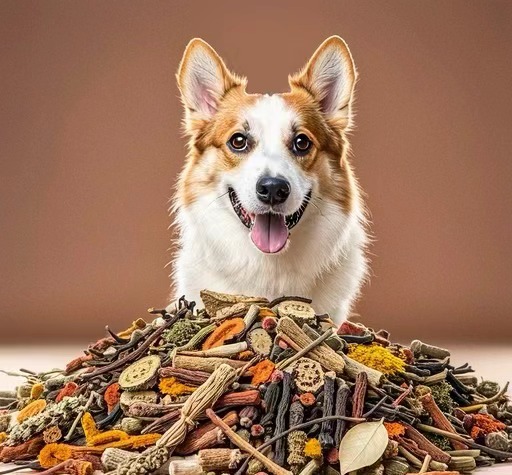
by TCMVET | Mar 23, 2024 | Dog Cancer & Tumors
The field of veterinary oncology is witnessing a paradigm shift with the integration of holistic care approaches, particularly through the use of Traditional Chinese Herbal Medicine (TCM) in treating dog tumors. This approach represents a complementary method, working alongside conventional treatments like surgery, chemotherapy, and radiation, to provide a more rounded care for dogs diagnosed with cancer.
Understanding the Role of TCM in Canine Oncology
TCM, with its centuries-old history, focuses on treating the whole patient rather than just the symptoms or the disease itself. The core principle of TCM is to restore and maintain balance in the body’s energy, or Qi. When it comes to canine tumors, TCM addresses the underlying imbalances that contribute to the disease, which could be Qi stagnation, blood stasis, or an imbalance in Yin and Yang.
Key Herbs in TCM for Dog Tumors
TCM utilizes a variety of herbs that are known for their cancer-fighting properties. Astragalus, for instance, is celebrated for boosting the immune system, which is crucial for dogs undergoing cancer treatment. Szechuan lovage, another vital herb, is known for improving blood circulation, essential for transporting nutrients and medicinal compounds throughout the body. Herbs like Rehmannia glutinosa have anti-inflammatory properties, which help in reducing the inflammation often associated with cancer.
Synergy with Conventional Cancer Treatments
The most notable aspect of incorporating Chinese herbs into canine cancer treatment is their ability to complement conventional treatments. While the primary treatments focus on eliminating cancer cells, TCM works to strengthen the dog’s overall constitution, thereby enhancing the effectiveness of conventional treatments and helping to mitigate their side effects.
Natural Management of Treatment Side Effects
Chinese herbs can play a significant role in alleviating the side effects of conventional cancer treatments. They provide support to organ systems that might be affected by chemotherapy or radiation, aid in detoxification, and offer anti-inflammatory and antioxidative benefits. This natural approach to managing side effects is essential for maintaining the quality of life of dogs during cancer treatment.
Tailoring TCM to Individual Needs
TCM treatments should be customized to each dog’s specific condition and needs, and should be administered under the guidance of a veterinarian skilled in both conventional and holistic veterinary medicine. This ensures the safety and effectiveness of the treatment and that it is appropriately integrated with standard cancer therapies.
Integrating Traditional Chinese Herbal Medicine into veterinary oncology for the treatment of dog tumors represents a significant advancement in the field. This approach offers a more holistic treatment option, not just targeting the tumor, but supporting the overall health and well-being of the dog. As the veterinary field continues to embrace this integrated approach, dogs with cancer can look forward to more comprehensive and effective treatment plans that offer a better quality of life.
