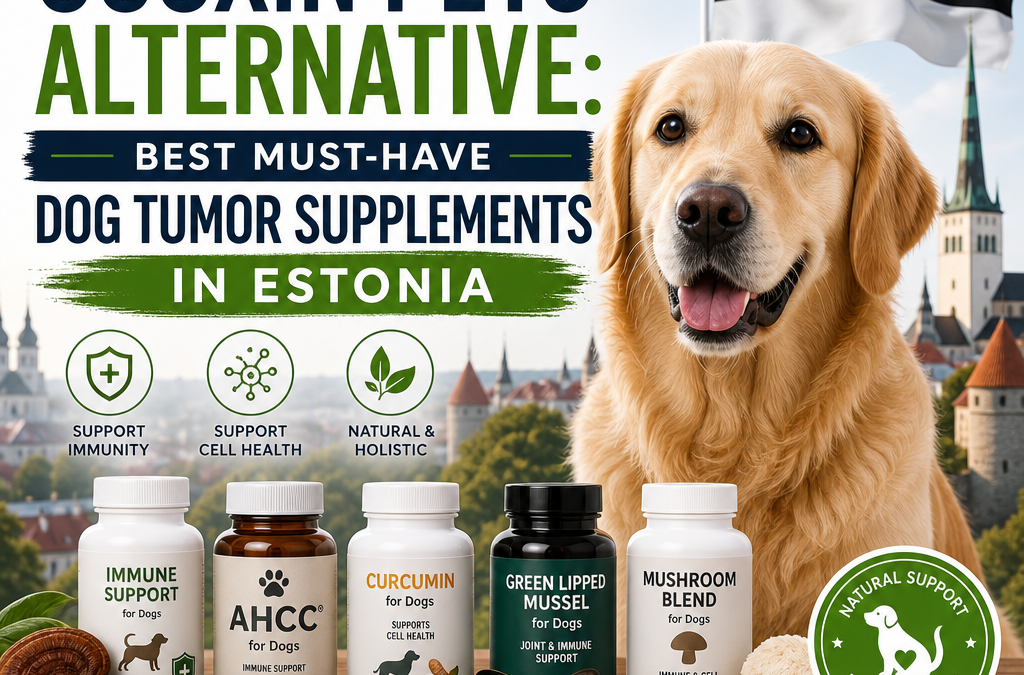
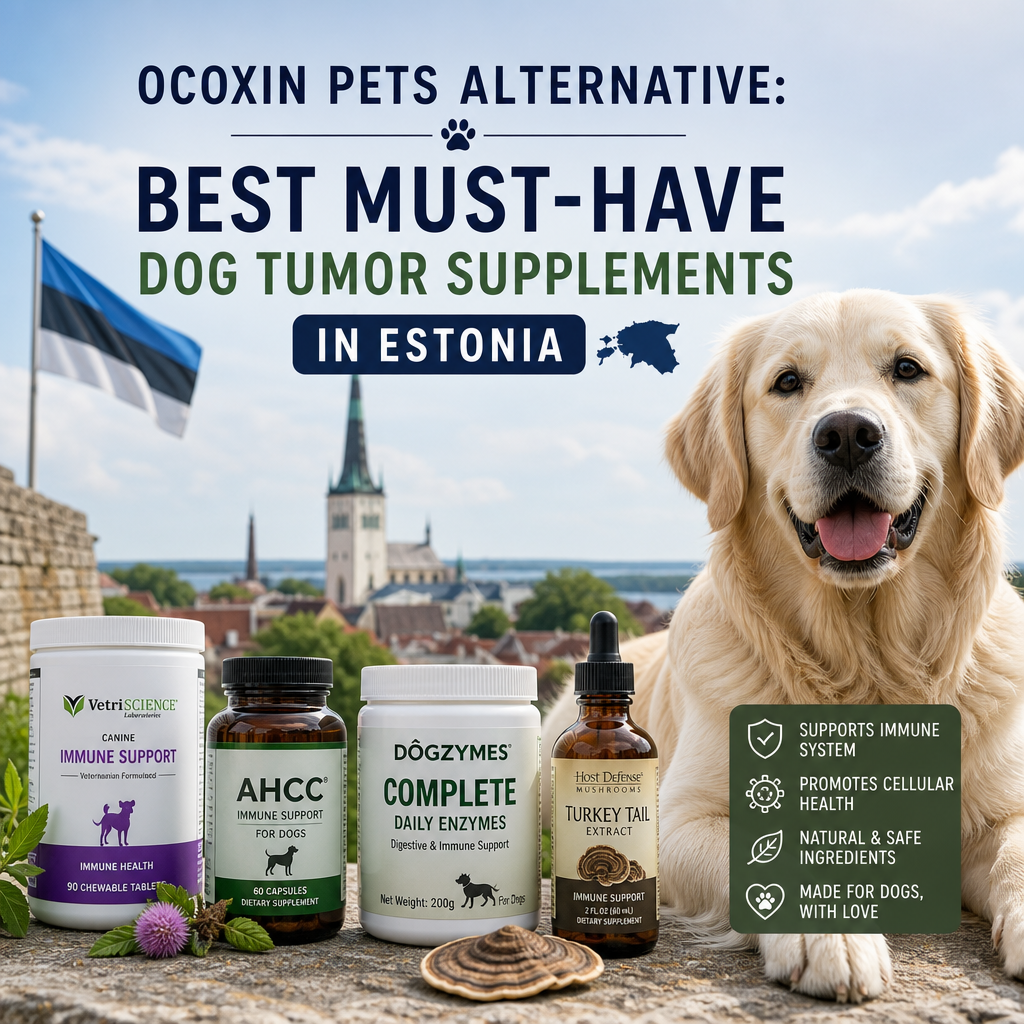
Ocoxin Pets alternative options are attracting attention among Estonian dog owners who want additional nutritional support for dogs diagnosed with tumors or undergoing cancer treatment. Although supplements cannot replace veterinary care, carefully selected products may help support appetite, energy, digestion, immune function, and overall quality of life. The right choice depends on the dog’s diagnosis, medication, treatment plan, age, and general condition. If you are comparing dog tumor supplements in Estonia, it helps to focus on practical support, safety, and long-term tolerability rather than on dramatic marketing claims.
Why consider an Ocoxin Pets alternative?
Ocoxin Pets is used in some veterinary settings as a supportive nutritional product for dogs and cats. However, availability, price, formulation, or individual tolerance may lead owners to look for alternatives to Ocoxin Pets. Some dogs may refuse a particular product, while others may experience digestive sensitivity or require a supplement with a different nutritional profile. In practice, the best Ocoxin Pets alternative is often the one the dog can tolerate consistently.
When searching for dog tumor supplements in Estonia, it is important to focus on the purpose of supplementation rather than simply choosing the most popular product. A useful supplement should be safe, clearly labeled, suitable for dogs, and compatible with the animal’s veterinary treatment. Products marketed for humans are not automatically appropriate for pets, and “natural” does not always mean risk-free. A thoughtful Ocoxin Pets alternative should fit the dog’s diagnosis and daily routine.
In many cases, owners are not looking for a perfect replacement. They are looking for a manageable, reliable option that can be used every day without upsetting the stomach or complicating the treatment plan. That practical mindset is often more helpful than chasing the most advanced formula on the shelf. For that reason, comparing an Ocoxin Pets alternative should begin with the dog’s current symptoms, not the product label.
What should dog tumor supplements support?
Cancer and cancer treatments can affect a dog in several ways. Some animals lose their appetite, experience nausea, become less active, or lose muscle mass. Surgery, chemotherapy, radiation therapy, and medication may also place additional demands on the body. In a dog that is already feeling weak or selective about food, even small nutritional improvements can matter.
A supportive supplement may be selected to help with:
Maintaining appetite and body condition
Supporting normal immune function
Providing antioxidants in an appropriate amount
Supporting digestion and stool quality
Helping maintain mobility and comfort
Supplying calories, amino acids, or essential fatty acids
Supporting recovery after surgery or other procedures
The best product is not necessarily the one with the longest ingredient list. A focused formulation with transparent quantities is often more useful than a product making broad or dramatic claims. For many owners, an Ocoxin Pets alternative is best chosen by function first, brand second.
It is also worth remembering that nutritional support works differently from medicine. A supplement may help a dog eat better, recover more smoothly, or stay stronger during treatment, but it usually works gradually. Clear expectations prevent disappointment and make it easier to notice genuine benefits. This is one reason careful selection of dog tumor supplements in Estonia can be more effective than switching products frequently.
Key ingredients to look for
Omega-3 fatty acids
Fish oil containing EPA and DHA is commonly discussed in veterinary nutrition. These fatty acids may support skin, coat, normal inflammatory balance, and general nutritional status. They can be particularly valuable when a dog’s diet is low in marine-based fats.
Quality matters. Choose a product designed for pets or one specifically approved by the veterinarian, and check whether the label provides the actual EPA and DHA content rather than only listing “fish oil.” Fish oil can interact with certain medications and may not be appropriate for every dog, especially those with bleeding disorders or digestive problems.
High-quality protein and amino acids
Maintaining muscle mass is an important part of supporting a dog with serious illness. A supplement may provide protein, amino acids, or extra calories, but it should complement a complete and balanced diet rather than replace it without veterinary guidance.
Dogs with poor appetite may benefit more from a palatable nutritional paste, recovery food, or calorie-dense veterinary diet than from a general multivitamin. A veterinarian can help determine whether the priority is protein, calories, hydration, or nausea control. In some cases, a carefully chosen Ocoxin Pets alternative may be a recovery formula rather than a classic supplement.
Digestive support
Changes in appetite, medication, stress, and treatment can affect the gastrointestinal system. Probiotics, prebiotics, digestive enzymes, or fiber may be useful in selected cases, especially when stool quality is inconsistent. However, these products are not interchangeable, and a dog with vomiting, persistent diarrhea, constipation, or abdominal pain needs veterinary assessment before supplementation.
Vitamins and minerals
A complete commercial dog food normally supplies essential vitamins and minerals. Adding extra amounts without a specific reason can create imbalances. This is especially important with fat-soluble vitamins such as vitamins A, D, E, and K, which can accumulate in the body.
A supplement should therefore be evaluated according to the dog’s full diet. Combining several products may unintentionally duplicate ingredients. If you are comparing an Ocoxin Pets alternative, look carefully at the total daily intake from food and supplements combined. This step is especially helpful when evaluating dog tumor supplements in Estonia, where product ranges and formulations can differ widely.
Exploring dog tumor supplements in Estonia
Estonian pet owners can find nutritional products through veterinary clinics, animal pharmacies, specialized pet shops, and reputable online retailers. When comparing dog tumor supplements in Estonia, check the manufacturer, ingredient list, dosage instructions, storage requirements, and batch information.
Local availability may change, so it is helpful to ask a veterinarian or veterinary pharmacist about equivalent products. A suitable Ocoxin Pets alternative may be a veterinary nutritional paste, an omega-3 product, a clinically formulated recovery diet, or another targeted supplement rather than a direct copy of the original formula. For product labeling and feed categories, the European Pet Food Industry Federation provides useful reference information.
Pay attention to language and labeling. Products sold in Estonia should provide understandable instructions and identify whether they are complementary feed, complete feed, or a non-food veterinary product. Avoid products that promise to shrink tumors, cure cancer, replace chemotherapy, or guarantee survival. Such claims are not reliable and may delay effective treatment.
It is also wise to compare how products are distributed and stored. Supplements that require refrigeration or have a short shelf life may still be useful, but they need a routine that fits your household. If the dog is already dealing with reduced appetite, the best option is often the one that is easiest to give consistently. That simple reality often decides which Ocoxin Pets alternative becomes the most practical long-term choice.
How to evaluate product quality
Not every supplement with a professional-looking package is a good fit for a dog with cancer. Product quality should be judged by transparency, consistency, and suitability rather than appearance. A useful formula clearly states what it contains, how much to give, and why it is being used.
When reviewing a label, ask the following questions:
Are the active ingredients listed with exact amounts?
Is the product intended for dogs, not only for general use?
Does the manufacturer explain the purpose in a realistic way?
Are there unnecessary sweeteners, flavorings, or fillers?
Is there contact information for the company or distributor?
Is the dosage based on body weight or a vague recommendation?
These details matter because a dog with tumors may already have a sensitive digestive system or a complicated medication schedule. A supplement that is difficult to measure or inconsistent from batch to batch may be less useful than one with a simpler, more predictable formula. The same applies when choosing an Ocoxin Pets alternative for a dog already struggling with nausea or fatigue.
Another useful sign of quality is whether the product avoids exaggerated promises. A formula that says it supports nutrition, appetite, or recovery is much more credible than one that claims to cure disease. That distinction protects both the dog and the owner from unrealistic expectations and wasted money.
Feeding strategy and daily routine
Supplements often work best when the overall feeding plan is carefully organized. Dogs with tumors may eat smaller amounts, prefer certain textures, or feel more comfortable with multiple small meals instead of one large serving. The routine itself can improve intake.
Simple adjustments may include:
Offering smaller meals more frequently
Warming food slightly to improve aroma
Using a quieter feeding area
Keeping mealtimes consistent
Recording which foods are best tolerated
Adding moisture if the dog prefers softer food
In some dogs, a supplement becomes more effective when paired with a food that is already well accepted. If the dog refuses the base diet, even a well-designed supplement may not be enough. A veterinary nutrition plan can determine whether the priority is calories, palatability, or digestive comfort.
This is another reason the best Ocoxin Pets alternative may not be a single product at all. It may be a combination of feeding adjustments, a specific veterinary diet, and one targeted supplement. That approach can be more sustainable than relying on one product to solve several problems at once.
Safety considerations before starting a supplement
Always discuss supplementation with the veterinarian managing the dog’s cancer care. This is particularly important if the dog is receiving chemotherapy, corticosteroids, nonsteroidal anti-inflammatory drugs, anticoagulants, seizure medication, or other prescription treatments.
Some herbal ingredients may affect liver enzymes, blood clotting, blood pressure, or drug absorption. High-dose antioxidants may also be inappropriate during certain treatment protocols, because some cancer therapies rely partly on oxidative mechanisms. The timing and dose of a supplement can matter as much as the ingredient itself. Before choosing an Ocoxin Pets alternative, make sure it does not conflict with the current medical plan.
Introduce only one new product at a time and monitor the dog for changes in appetite, vomiting, diarrhea, itching, lethargy, or unusual behavior. Stop the product and contact a veterinarian if concerning signs appear. Keep supplements stored securely, since concentrated products may be harmful when consumed in large quantities.
Dogs with liver disease, kidney disease, pancreatitis, clotting disorders, or multiple concurrent medications may need especially cautious planning. Even products that seem gentle can be unsuitable in the wrong context. A responsible owner will treat every Ocoxin Pets alternative as a medical decision, not a casual purchase.
Supporting quality of life beyond supplements
Nutrition is only one part of supportive cancer care. Fresh water, comfortable bedding, gentle activity, regular weight monitoring, pain management, and stress reduction can make a meaningful difference. Feeding small, frequent meals may help dogs with reduced appetite. Warming food slightly can improve its aroma, although food safety and veterinary dietary instructions should always be respected.
Record daily changes in appetite, drinking, mobility, stool, vomiting, sleep, and comfort. This information helps the veterinary team assess whether a supplement is useful or whether the treatment plan needs adjustment. Even the best Ocoxin Pets alternative works best when it is part of a wider care routine.
Owners may also find it useful to track body weight weekly, note any food aversions, and write down the times when the dog feels most comfortable eating. These small observations can guide smarter choices about dog tumor supplements in Estonia and help the veterinarian adjust support strategies more precisely.
Comfort also matters. Dogs with serious illness often benefit from predictable routines, soft resting areas, reduced household stress, and short, gentle walks if they are willing. Quality of life is not measured only by lab results or supplement choice; it is also reflected in whether the dog still enjoys food, rest, and time with family. A well-planned Ocoxin Pets alternative should support that broader picture rather than distract from it.
Practical ways to compare products
When comparing an Ocoxin Pets alternative, start by reading the label closely. Look for clear ingredient amounts, feeding guidance, and a realistic purpose statement. If the product only uses vague language such as “supports wellness” without stating what is inside, it may be less useful than a formula with transparent nutrition facts.
Ask whether the product is intended for short-term recovery, long-term maintenance, or a specific nutritional gap. A recovery paste may be helpful during treatment cycles, while omega-3 fatty acids may be more appropriate for ongoing support. Some dogs do better with a single targeted product instead of several overlapping items. That is why the right Ocoxin Pets alternative is not always the most complex one.
It can also help to compare palatability. A supplement only works if the dog accepts it. Powder, liquid, capsule, paste, or chew formats each have advantages, but the most convenient format is often the one the dog will eat without stress. A palatable option is especially valuable for dogs undergoing therapy, because consistency matters more than novelty.
Price should be considered in relation to daily cost, not only the retail label. A larger bottle may seem expensive but last longer, while a cheaper product may need a higher dose. Estonian buyers comparing dog tumor supplements in Estonia often benefit from calculating the cost per day and discussing whether the formula is meant for a limited period or ongoing use.
Questions to discuss with your veterinarian
Before beginning a new supplement, consider asking:
Is this supplement safe with my dog’s current medications?
Should we avoid antioxidants, herbs, or omega-3s during treatment?
Would a recovery diet be better than a capsule or paste?
How long should we trial the product before deciding whether it helps?
What signs mean we should stop immediately?
These questions can make it easier to choose the right Ocoxin Pets alternative and avoid unnecessary trial and error. They also help owners compare dog tumor supplements in Estonia with the dog’s actual clinical needs in mind rather than marketing claims.
If your veterinarian recommends monitoring weight, hydration, or blood work, follow that advice closely. Objective data can reveal whether the supplement is helping or whether changes are needed. In this way, the search for an Ocoxin Pets alternative becomes part of a structured care plan instead of an isolated purchase decision.
Making a thoughtful choice
The best alternatives to Ocoxin Pets are not defined by marketing language or price alone. They should match the dog’s medical needs, nutritional status, treatment plan, and ability to tolerate the product. In some cases, a specialized diet may be more beneficial than a supplement. In others, targeted omega-3 fatty acids, digestive support, or a calorie-dense recovery product may be appropriate.
For owners comparing an Ocoxin Pets alternative in Estonia, the safest approach is to choose transparent, veterinary-compatible products and use them as part of a broader care plan. Supplements may offer supportive benefits, but professional diagnosis, appropriate cancer treatment, and close monitoring remain the foundation of responsible care. If you are unsure where to begin, ask the veterinary team which Ocoxin Pets alternative best fits your dog’s stage of treatment, appetite, and overall condition.
When used thoughtfully, the right support can make daily life easier for both the dog and the owner. That is the real goal behind every good Ocoxin Pets alternative: practical nutrition support, safer decision-making, and better comfort during an already difficult time.
For broader guidance on canine cancer nutrition, see our canine cancer support overview and discuss any Ocoxin Pets alternative with your veterinarian before starting it.
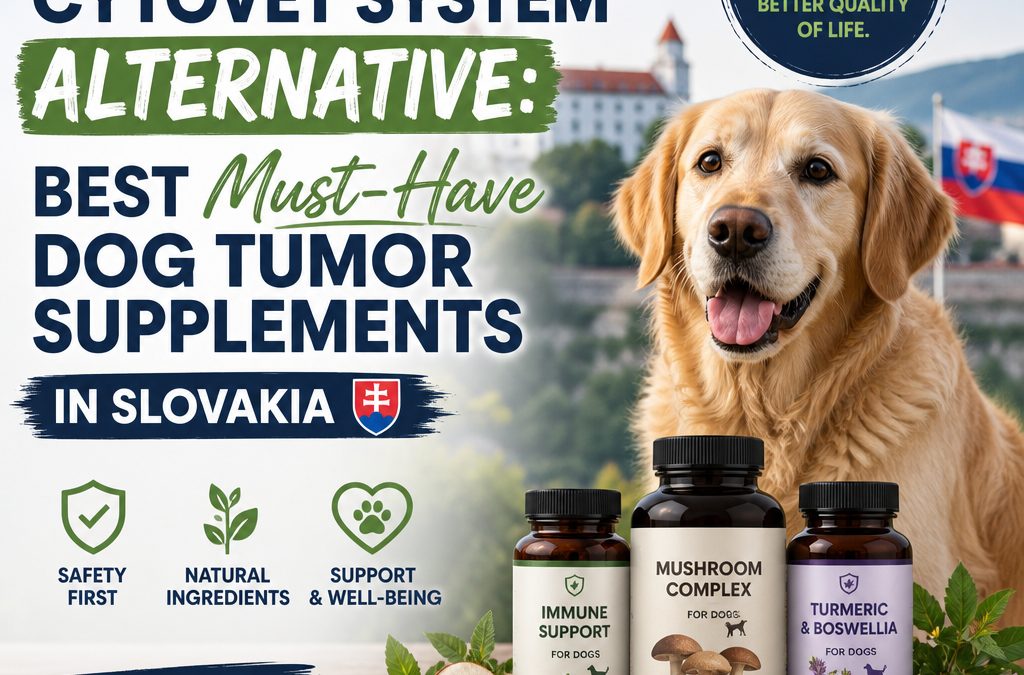
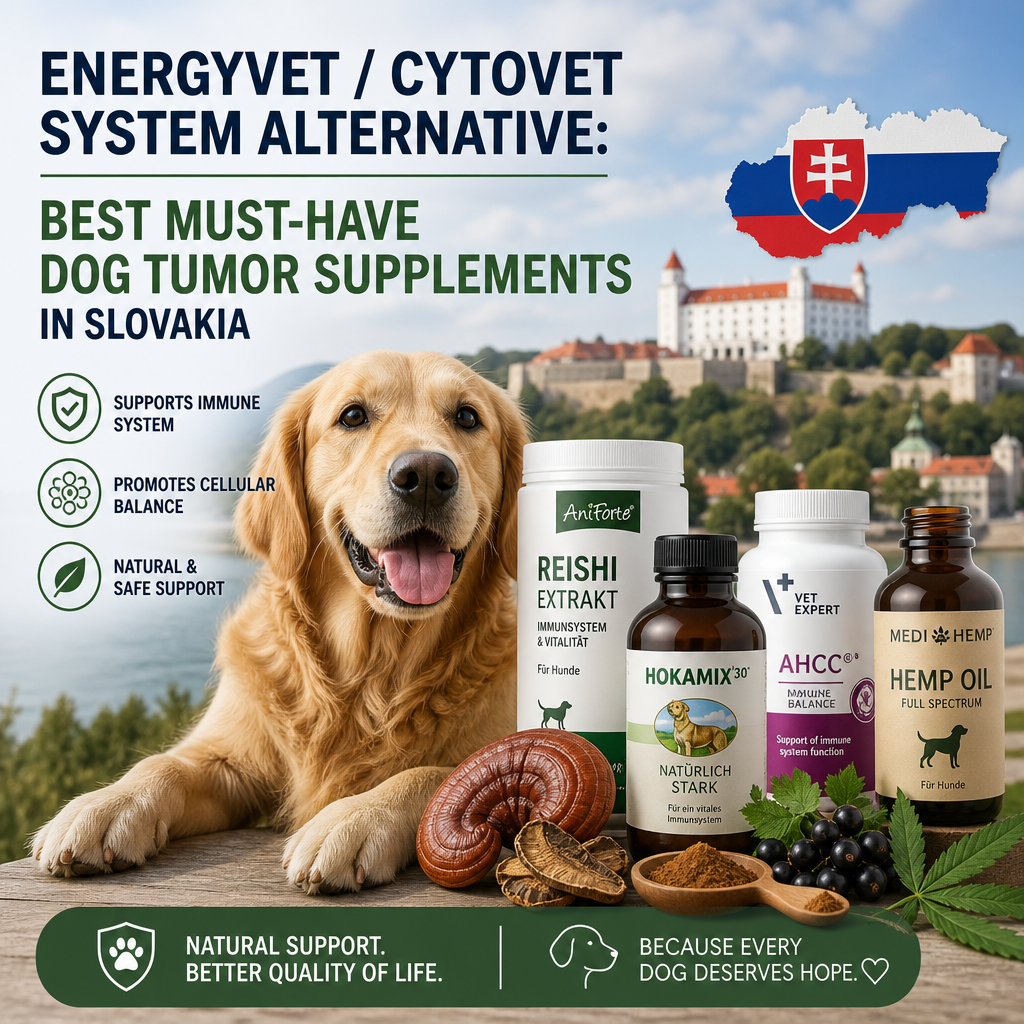
Looking for an Energyvet / Cytovet system alternative is common among dog owners in Slovakia who want supportive nutritional care for a dog with a tumor. Supplements can help maintain appetite, digestion, energy, and general wellbeing, but they should never replace veterinary diagnosis or cancer treatment. The most appropriate choice depends on the tumor type, the dog’s age and condition, current medication, and the goals of care.
Before buying any product, it helps to understand what supportive care can and cannot do. An Energyvet / Cytovet system alternative may be useful when the goal is to improve comfort, help a dog eat more reliably, or support digestion during a difficult treatment period. It is not a shortcut, and it is not a substitute for oncology care, but it can still play a meaningful role when chosen carefully and used with guidance.
Why consider alternatives to Energyvet / Cytovet system?
Energyvet and Cytovet are known in some European markets as complementary products used in holistic pet care. However, availability, price, ingredient transparency, or individual tolerance may lead owners to look for an Energyvet / Cytovet system alternative. A dog may also require a more targeted supplement rather than a broad formula.
When comparing products, it is important to focus less on marketing claims and more on practical questions:
Is the ingredient list clearly stated?
Are the active ingredients present in meaningful amounts?
Is the product suitable for dogs?
Can it interact with chemotherapy, corticosteroids, pain medication, or other treatments?
Is quality testing or manufacturing information available?
Can it be purchased reliably in Slovakia?
A supplement should support the dog’s overall condition, not promise to cure cancer. Be especially cautious with products claiming to dissolve tumors, replace chemotherapy, or work for every type of cancer. If you want to understand the broader treatment context, the dog cancer support approach used in veterinary care can help explain how nutrition and symptom management fit into the plan.
It is also worth remembering that the same label can mean very different things from one manufacturer to another. One Energyvet / Cytovet system alternative may be a simple omega-3 product, while another may be a broad blend of herbs, antioxidants, and digestive aids. That is why ingredient quality, dose clarity, and clinical relevance matter more than the marketing name on the front of the package.
What dog tumor supplements can realistically do
Cancer affects dogs differently. Some animals maintain a good appetite and energy, while others experience weight loss, nausea, inflammation, pain, or reduced immunity. Appropriate nutritional support may help address these issues, especially when the dog’s food intake is already uneven.
Depending on the individual dog, a supplement may support:
Maintaining body weight and muscle mass
Healthy digestion and stool quality
Appetite and food tolerance
Skin and coat condition
Normal immune function
A balanced inflammatory response
Recovery during or after veterinary treatment
These benefits are supportive rather than curative. The priority should always be a veterinary treatment plan, regular monitoring, and a complete diet that the dog can tolerate. For owners who are comparing dog tumor supplements Slovakia clinics often recommend, the best results usually come from matching the supplement to the dog’s symptoms instead of choosing a product simply because it is popular.
In practice, that may mean supporting a dog with nausea differently from a dog that is losing muscle mass or one that is struggling with loose stools. A gentle digestive product can be more helpful than a complicated formula when the main issue is appetite, while a well-selected omega-3 product may be more appropriate when inflammation and body condition are the priority.
It also helps to think in terms of daily quality of life. If a supplement improves eating, comfort, and stool consistency without creating side effects, it can be valuable even if it does not change the tumor itself. That realistic mindset is important when evaluating any Energyvet / Cytovet system alternative.
Best dog tumor supplements Slovakia owners can consider
The list below does not replace a veterinarian’s recommendation, but it gives owners a practical starting point when searching for an Energyvet / Cytovet system alternative. The right product depends on the dog’s diagnosis, current medications, and tolerance.
Because cancer care can be complex, it often makes sense to choose one support goal at a time. In other words, instead of selecting a single product that claims to do everything, focus on the most urgent problem first. That approach is usually safer, easier to monitor, and more likely to show whether the chosen supplement is truly helping.
Omega-3 fatty acids
Fish oil containing EPA and DHA is one of the most commonly discussed supplements in veterinary nutrition. Omega-3 fatty acids may support skin health, joint comfort, and a balanced inflammatory response. They can also be useful when a dog’s diet needs additional calories from a highly digestible fat source.
Choose a product designed for dogs, with clearly stated EPA and DHA content. Avoid relying only on the total amount of “fish oil,” because the actual omega-3 concentration may be much lower. Fish oil can affect blood clotting and may not be suitable before surgery or with certain medications, so veterinary guidance is important.
For many owners, omega-3s are one of the easiest first steps when building an Energyvet / Cytovet system alternative plan. They are familiar, widely available, and relatively simple to dose when the label is clear. Still, they should be introduced thoughtfully, especially in dogs that already have digestive sensitivity.
Medicinal mushroom extracts
Products containing mushrooms such as turkey tail, maitake, or reishi are often included among dog tumor supplements Slovakia owners investigate. Turkey tail has received particular interest in veterinary research, although evidence is still developing and products vary significantly in quality.
A mushroom supplement should identify the species, extraction method, and dosage. Products made from unidentified blends or simple powders may not provide the same compounds as standardized extracts. Dogs with autoimmune disease or those receiving immune-modulating medication require special caution.
When used responsibly, a mushroom product may be a reasonable part of an Energyvet / Cytovet system alternative strategy, but it is best approached as a supportive tool rather than a headline solution. The quality of the raw material, the extraction process, and the actual amount of active compounds matter far more than vague claims on the label.
Digestive support and probiotics
A dog undergoing cancer treatment may develop loose stools, constipation, nausea, or changes in appetite. Veterinary probiotics can help support a stable intestinal environment in some dogs. Prebiotic fibers may also be helpful, but they can worsen gas or diarrhea if introduced too quickly.
Choose a canine-specific product with clear bacterial strains and storage instructions. Introduce it gradually and stop if digestive symptoms become worse. Severe vomiting, persistent diarrhea, blood in the stool, or refusal to drink requires prompt veterinary attention.
Digestive support is often one of the most practical parts of an Energyvet / Cytovet system alternative plan because even a small improvement in stool quality can make feeding and medication routines easier. If the dog tolerates probiotics well, they can also help owners keep meals more consistent during stressful periods.
High-quality nutritional support
Sometimes the most valuable supplement is not a capsule but a complete, palatable diet. Dogs with tumors need enough protein and calories to help preserve muscle, especially when appetite is reduced. A veterinary nutritionist can recommend an appropriate food based on the dog’s diagnosis and treatment.
Energy-dense nutritional pastes or recovery foods may be useful for dogs eating small portions. However, products should complement—not replace—a balanced diet unless a veterinarian specifically recommends otherwise. In some cases, the most useful Energyvet / Cytovet system alternative is simply a more practical nutrition plan that the dog will actually eat every day.
Palatability matters more than many owners expect. A theoretically excellent supplement is of little value if the dog refuses it after two doses. For that reason, one of the best ways to improve overall intake is to choose foods and supplements that are easy to mix, smell acceptable to the dog, and do not create a strong aversion.
Antioxidant formulas
Vitamins C and E, selenium, and other antioxidants are commonly included in pet supplements. They may support normal cellular protection, but high doses are not automatically beneficial. During chemotherapy or radiation therapy, antioxidant supplementation should be discussed with the veterinary oncologist because timing and dosage may matter.
Avoid combining several multivitamins or herbal formulas without professional advice. Over-supplementation can create nutritional imbalances and may place unnecessary strain on the liver or kidneys. When a product is marketed as a universal Energyvet / Cytovet system alternative, check whether it is actually appropriate for the dog’s specific treatment stage.
In some cases, the most sensible choice is a modest antioxidant approach instead of a broad blend. This makes it easier to monitor the dog and reduces the chance of overlap with prescription diets or medications that already contain similar nutrients.
Supportive herbal blends
Some owners look for gentle herbal formulas as part of palliative care or appetite support. These products can be helpful when they are simple, well-documented, and designed for dogs, but they can also be unpredictable. Herb quality, dose consistency, and contamination risks matter.
If you are comparing plant-based options in Slovakia, review the full label carefully and discuss the ingredients with your veterinarian before starting. This matters even more if the dog is already taking pain medication, steroids, anti-nausea drugs, or cancer therapy. For more background on safe complementary care, the National Institutes of Health provides useful general information on supplements and safety.
Because herbal blends often combine several ingredients, they deserve a careful review before they are used as an Energyvet / Cytovet system alternative. A short ingredient list is not automatically better, but it is usually easier to evaluate and safer to monitor than a long, uncertain formula.
Other supportive approaches worth considering
Not every helpful option fits neatly into a capsule or powder. In real-life care, a dog with cancer may benefit from practical changes that support comfort and intake just as much as a supplement does.
Feeding strategy
Smaller, more frequent meals can be easier for dogs with nausea or reduced appetite. Warming the food slightly may improve aroma and palatability. If the dog accepts one brand or texture better than another, consistency can be valuable during treatment.
Hydration support
Good hydration is especially important for dogs that are vomiting, eating less, or taking medications that may affect the kidneys. Fresh water should always be available. In some cases, wet food, broth made specifically for pets, or veterinary fluid therapy may be more useful than another supplement.
Body condition monitoring
Owners should watch for muscle loss around the shoulders, hips, and spine. Rapid changes can signal that the current diet or supplement plan is not enough. A well-designed Energyvet / Cytovet system alternative should ideally fit into a broader nutritional strategy that protects body condition over time.
How to choose an Energyvet / Cytovet system alternative safely
Begin by reviewing the dog’s complete medical situation. Ask the veterinarian whether the dog has liver, kidney, gastrointestinal, or clotting problems. Bring the supplement label to the appointment, including the full ingredient list and recommended dosage.
A quality alternative should have:
Clear dosing instructions based on dog size or weight
Transparent ingredients and concentrations
Reliable manufacturing and batch information
No unsupported claims of curing cancer
Compatibility information for common veterinary treatments
A form the dog can tolerate, such as powder, capsule, or liquid
Buy from established veterinary pharmacies, reputable Slovak pet retailers, or recognized manufacturers. Imported products may have different labeling standards, so check expiration dates, storage requirements, and the presence of unnecessary additives. When in doubt, a veterinarian can help compare an Energyvet / Cytovet system alternative with other dog tumor supplements Slovakia owners can access more easily.
It is also smart to ask a simple question before starting anything new: what result are we trying to measure? If the goal is better appetite, then record meal intake. If the goal is less diarrhea, then monitor stool quality. If the goal is more comfort, then note activity, sleep, and willingness to move. That clarity makes it much easier to decide whether the product deserves to stay in the routine.
Another useful step is to read the label for “hidden” overlap. A supplement may already contain omega-3s, antioxidants, herbal extracts, or digestive ingredients that are being given separately in another product. Overlap can increase cost and make side effects harder to identify. A simple plan is often the strongest plan.
Supplements that deserve extra caution
Some natural ingredients can be harmful to dogs or interfere with treatment. Concentrated essential oils, high-dose garlic, certain herbal extracts, and human supplements may be unsafe. Products containing vitamin D, iron, or calcium can cause serious problems when given in excessive quantities.
Do not use cannabis products, concentrated turmeric formulas, or complex herbal mixtures without veterinary guidance. “Natural” does not mean risk-free, particularly for a dog taking several medications. This is especially important if owners are trying to replace a prescribed regimen with an Energyvet / Cytovet system alternative that has not been reviewed by a professional.
If the dog already has poor appetite, liver disease, or sensitive digestion, even a well-known supplement can be a poor fit. Start conservatively and choose products with the simplest ingredient profile that still meets the dog’s needs.
Special caution is also warranted around products marketed as all-in-one tumor support. These can look appealing because they combine multiple ingredients in a single package, but they may be difficult to dose, hard to evaluate, and more likely to cause interactions. In many cases, one carefully selected product is safer than a multi-ingredient formula that promises too much.
A practical monitoring plan
Introduce only one new supplement at a time. Start with the recommended amount unless the veterinarian advises otherwise, and monitor appetite, stool, vomiting, energy, itching, and behavior. Keep a simple record of the product, dose, and any changes observed.
Contact the veterinarian if the dog develops repeated vomiting, severe diarrhea, unusual bruising, yellow gums, marked lethargy, breathing difficulty, or sudden refusal of food. Regular blood tests may be needed to monitor organ function and treatment tolerance.
Recheck the plan after each treatment change, because a product that worked well during one stage of illness may not be appropriate later. A thoughtful Energyvet / Cytovet system alternative should match the dog’s current condition, not just the original diagnosis. In many cases, the best dog tumor supplements Slovakia owners can use are the ones that support comfort, nutrition, and day-to-day stability without adding unnecessary risk.
It can help to schedule a brief reassessment every few weeks, especially if the dog is actively receiving treatment. During that review, ask whether the current support is improving appetite, easing digestion, or maintaining weight. If the answer is no, the plan should be simplified rather than expanded.
The best Energyvet / Cytovet system alternative is not necessarily the most expensive or the one with the longest ingredient list. It is the product that matches the dog’s medical needs, has credible quality information, and fits safely into a veterinarian-supervised care plan. With thoughtful selection, appropriate dog tumor supplements Slovakia owners can access may help support comfort and quality of life while professional cancer care remains the foundation of treatment.
For many families, the most encouraging approach is a balanced one: use evidence-informed supplements where they make sense, avoid exaggerated claims, and keep the dog’s comfort at the center of every decision. That is the most practical way to build a safe and effective Energyvet / Cytovet system alternative.
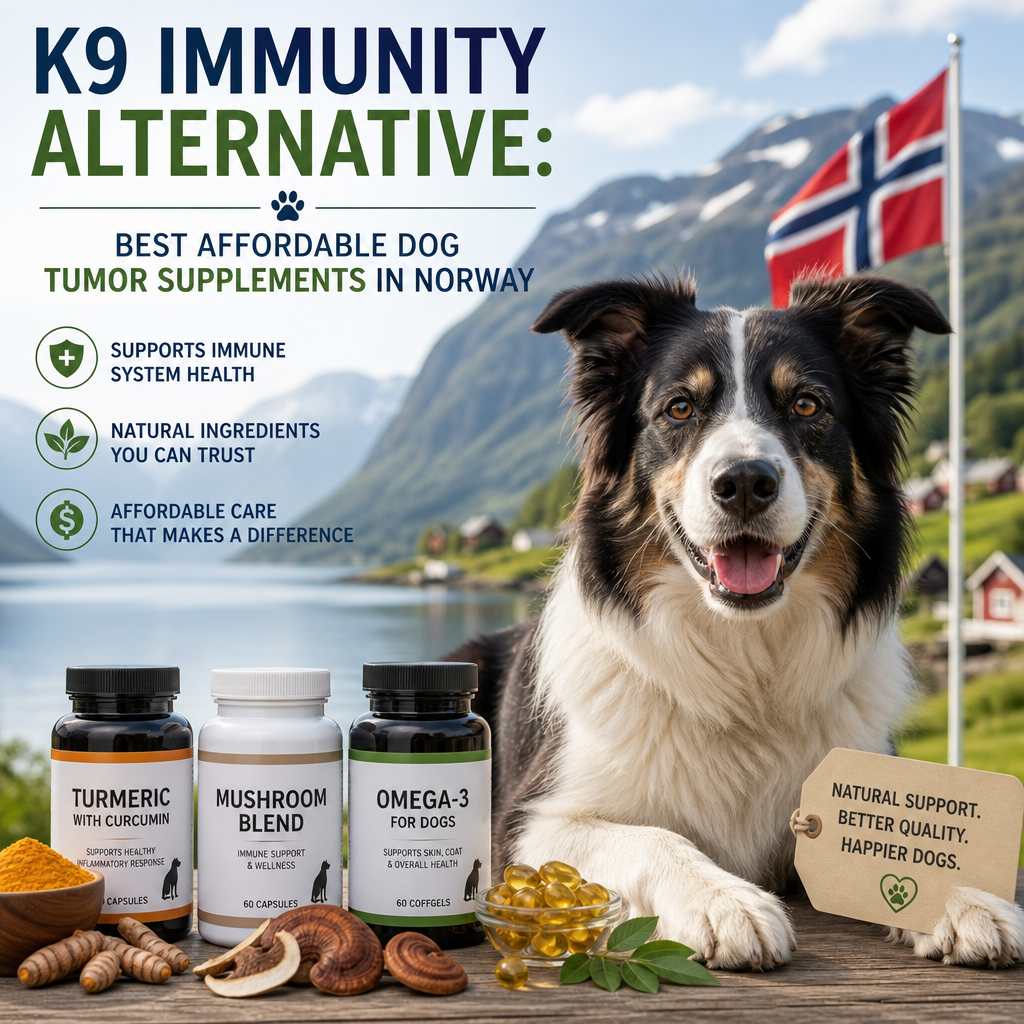
Choosing a K9 Immunity alternative is a common step for dog owners in Norway who want supportive, affordable nutrition for a dog diagnosed with cancer or another serious illness. While supplements cannot replace veterinary treatment, selected ingredients may help support appetite, digestion, normal immune function, and overall quality of life. The most important step is choosing products carefully and discussing them with a veterinarian, especially when a dog is receiving chemotherapy, radiation, surgery, steroids, or other medication.
Many families begin searching for a K9 Immunity alternative when they want a product that is easier to source locally, less expensive over time, or better matched to their dog’s individual needs. That search can feel overwhelming because the market includes mushroom blends, fish oils, probiotics, and veterinary nutrition products. A practical approach is to focus on the dog’s diagnosis, current treatment plan, appetite, and daily comfort before comparing brand names.
K9 Immunity Alternative products are often sought by owners who want to support their dog without paying for a formula that is expensive, difficult to obtain in Norway, unavailable from local retailers, or unsuitable for a dog with specific dietary or medical needs.
The phrase “K9 Immunity alternative” can refer to several different types of products rather than one exact formula. Potential options include medicinal mushroom blends, omega-3 supplements, antioxidant-rich nutritional products, veterinary diets, and individual ingredients such as turkey tail mushroom or beta-glucans. Each option has a different purpose, concentration, quality standard, and safety profile.
A good alternative should be evaluated based on its ingredients, manufacturing quality, dosage guidance, laboratory testing, and compatibility with the dog’s treatment plan. A product with a long ingredient list is not automatically better than a simple, well-tested supplement. In many cases, the best K9 Immunity alternative is the one that fits the dog’s diagnosis and daily routine most consistently.
For many families, the main goal is not to find a perfect clone of the original product. It is to find a practical K9 Immunity alternative that is safe, affordable, and appropriate for the dog’s current stage of care. That may mean choosing a simpler formula with clearer labeling, or it may mean using separate products that each address one specific need. A thoughtful comparison usually saves money and reduces confusion later.
It also helps to think about whether the goal is immune support, nutrition support, or comfort support. Some products are designed to help the body maintain normal defenses, while others are aimed at calorie intake, digestion, or energy. When the purpose is clear, selecting a K9 Immunity alternative becomes much easier and more realistic.
Because dogs with tumors often have changing needs, the best product in one month may not be the best product the next month. Appetite can shift, medications can change, and treatment goals can change too. Reassessing the K9 Immunity alternative regularly with a veterinarian helps keep the plan useful instead of simply familiar.
What to look for in dog tumor supplements Norway
When comparing dog tumor supplements Norway, owners should focus on evidence, safety, and transparency. Products should clearly identify the active ingredients and provide an appropriate serving size based on the dog’s weight. Avoid supplements that hide amounts in proprietary blends or make promises to cure cancer.
Useful quality indicators include:
Clear ingredient quantities and feeding instructions
Batch or third-party testing where available
Manufacturing according to recognized quality standards
Storage instructions and expiration dates
A company that provides contact information and veterinary or scientific documentation
Suitability for dogs, rather than a product designed only for humans
Norwegian buyers should also check whether the product can legally be imported, whether it requires special storage, and whether customs or shipping conditions could affect its quality. Products purchased from established veterinary clinics, reputable pet pharmacies, or reliable European suppliers may offer more dependable traceability than unverified marketplace listings. For general label-reading guidance, the U.S. FDA pet food labeling guide is a useful reference for understanding how ingredient and nutrition information should be presented.
Price comparisons are most useful when they are based on the daily amount the dog actually needs. A larger jar is not always a better value if the active ingredients are present only in small amounts. When reviewing dog tumor supplements Norway shoppers may also want to confirm whether the product can be shipped in warm weather, since heat can affect sensitive oils and extracts.
Owners should also read the fine print on serving instructions. Some supplements are intended to be given with food, while others are easier on the stomach when divided across the day. If the product is difficult to administer, even the best K9 Immunity alternative may fail in practice because the dog will not accept it consistently.
Ingredient sourcing matters as well. Extracts from mushrooms, fish oils, and herbal products can vary in purity depending on the supplier. When possible, select products that explain where the ingredients come from and how they are processed. In the world of dog tumor supplements Norway shoppers often discover that transparency is one of the strongest signs of quality.
Medicinal mushrooms as alternatives to K9 Immunity
Medicinal mushroom products are among the most common alternatives to K9 Immunity alternative formulas. Turkey tail, reishi, maitake, shiitake, and cordyceps are frequently included in canine immune-support formulas. Turkey tail is particularly well known because certain mushroom polysaccharides have been studied for immune-related activity.
However, research in dogs is still developing, and results from laboratory studies or human research cannot automatically be applied to every dog. Mushroom supplements may also vary significantly. A product made from a concentrated extract can differ greatly from one made from powdered mushroom material. The label should explain whether it contains an extract, the mushroom’s fruiting body or mycelium, and any standardization of active compounds such as beta-glucans.
Dogs with autoimmune disease, liver problems, bleeding disorders, or those taking immune-modulating drugs may require special caution. Some mushroom products can also cause digestive upset. Veterinary supervision is therefore important before adding them to a cancer-support plan.
If you are comparing a K9 Immunity alternative with a mushroom-based formula, ask whether the product is meant for daily maintenance, short-term support, or use alongside a broader nutrition plan. That distinction can make it easier to select the right supplement and avoid unnecessary overlap.
It can also help to compare the form of the product. Powders may be easier to mix into food, while capsules may be simpler to dose accurately. A well-chosen K9 Immunity alternative should fit the dog’s eating habits, because the most effective supplement is the one the dog will actually take consistently.
Owners often ask whether one mushroom is enough or whether a blend is better. The answer depends on the goal. A single-ingredient extract may be easier to evaluate, while a blend may provide a broader nutritional profile. Either way, a K9 Immunity alternative should have clear labeling so you can understand exactly what the dog is receiving.
It is also worth checking how the mushroom material is standardized. One bottle may list the same mushroom species as another but provide a very different amount of the compounds that matter most. That difference can change both the price and the practical usefulness of the product. For many owners, a concentrated, clearly described K9 Immunity alternative is preferable to a vague formula with impressive marketing but little detail.
Omega-3 fatty acids and nutritional support
Omega-3 fatty acids, especially EPA and DHA from fish oil, are another commonly considered option. They may support normal inflammatory balance, skin and coat health, and general nutrition. In some veterinary cancer-care plans, omega-3 fatty acids are considered as part of broader nutritional support, particularly when a dog has poor body condition or reduced appetite.
Fish oil must be fresh and properly stored because rancid oil can be harmful and may cause digestive problems. The product should provide the actual amount of EPA and DHA rather than only listing the total amount of fish oil. Cod liver oil requires additional caution because excessive vitamin A and vitamin D can create health risks.
Other nutritional supplements may include high-quality protein, medium-chain triglycerides, vitamins, or digestive support ingredients. These should be selected according to the dog’s condition. A dog with kidney disease, pancreatitis, diabetes, or gastrointestinal problems may need a very different nutritional approach from a healthy dog.
For many families, a K9 Immunity alternative does not need to be a single capsule. Sometimes the better answer is a complete feeding strategy that includes omega-3s, a vet-approved diet, and careful symptom control rather than several overlapping products.
When a dog is losing weight, nutrition often becomes more important than any single supplement. In that situation, a practical K9 Immunity alternative may be a product that helps the dog eat better, maintain energy, and tolerate meals more comfortably. That can be more valuable than a highly marketed blend with little usable nutrition.
Omega-3s can also be useful because they are easy to combine with many diets when used correctly. Some dogs accept liquid oils well, while others do better with capsules or chews. The right K9 Immunity alternative is not only about the ingredient list; it is also about how reliably the product can be given every day.
If a dog already receives a complete therapeutic diet, adding more calories is not always the next step. Instead, a veterinarian may decide that a simple omega-3 product or a different supportive supplement is enough. That kind of measured approach often creates a better long-term result than layering multiple products with similar purposes.
Comparing alternatives to K9 Immunity by purpose
The best choice among alternatives to K9 Immunity depends on the intended goal. For immune support, a veterinarian may discuss a carefully selected mushroom extract or beta-glucan product. For maintaining body condition, a complete veterinary diet or calorie-dense food may be more useful. For digestive problems, a veterinary probiotic or easily digestible diet could be appropriate.
It is helpful to separate supplements into three categories:
Nutritional support: Products intended to provide calories, fatty acids, vitamins, minerals, or protein.
Functional ingredients: Ingredients such as medicinal mushrooms or beta-glucans that may influence immune activity.
Symptom support: Products designed to help with appetite, digestion, mobility, or anxiety.
This approach prevents owners from buying several products with overlapping ingredients. It also makes it easier to monitor whether a supplement is helping or causing side effects. If you are comparing a K9 Immunity alternative with a general wellness product, focus on the specific goal first and the brand second.
A short list can be helpful when deciding between options. Ask whether the product addresses a real need, whether the dose is reasonable for the dog’s size, whether the ingredients are clearly disclosed, and whether the price remains manageable over time. Those questions often lead to a better choice than comparing marketing language alone.
Another useful comparison is whether the supplement can be adjusted as the dog changes. Some formulas are easy to split, increase, or stop if appetite or medications change. Flexibility matters because a dog with cancer may need frequent adjustments. A rigid product can be inconvenient, while a more adaptable K9 Immunity alternative can fit better into daily care.
Owners also benefit from looking beyond the label to the overall care plan. If nausea, pain, or stress are limiting food intake, no supplement will work well until those problems are addressed. That is why the best K9 Immunity alternative is usually one part of a larger, veterinarian-guided strategy rather than a stand-alone solution.
Safety considerations for dogs with cancer
Supplements can interact with cancer treatment. For example, products that affect blood clotting may be inappropriate before surgery or alongside certain medications. Antioxidant supplements may also need to be reviewed during radiation or chemotherapy because treatment protocols differ. Herbal ingredients can affect the liver, kidneys, blood pressure, or drug metabolism.
Introduce only one new product at a time and begin with the recommended veterinary dose. Watch for vomiting, diarrhea, itching, lethargy, changes in thirst, appetite loss, or unusual bleeding. Stop the product and contact a veterinarian if concerning symptoms appear.
Most importantly, no supplement should delay diagnosis, surgery, chemotherapy, radiation, pain management, or other recommended care. Cancer treatment is highly individual, and the appropriate plan depends on the tumor type, stage, location, and the dog’s overall health. When owners choose a K9 Immunity alternative, safety and timing matter as much as the ingredient list.
If a dog is already taking several medications, a review of all supplements is especially important. Even products that seem gentle can be unsuitable in certain cases, particularly when surgery is planned or when liver and kidney function need monitoring. A conservative K9 Immunity alternative is often the safest choice when treatment is complex.
It is also wise to keep a simple log of what the dog receives each day. Write down the product name, dose, and any changes in appetite, stool quality, energy, or discomfort. That record can help your veterinarian decide whether the K9 Immunity alternative is helping or whether a different option would be better.
If your dog has a history of allergies or food sensitivities, review every ingredient closely. Flavors, fillers, and capsule materials can matter just as much as the active ingredients. A product that seems harmless on paper may not be the best K9 Immunity alternative if it triggers digestive upset or skin reactions.
Finding affordable options in Norway
Affordability does not always mean choosing the cheapest product. A low-cost supplement may contain very little of the active ingredient, require a large daily serving, or lack quality testing. Compare the cost per effective daily dose rather than the price of the container alone.
Norwegian dog owners can compare veterinary clinics, specialized pet pharmacies, and established European suppliers. It is wise to calculate shipping, taxes, subscription charges, and delivery time before ordering. Products that require long international shipping may be less practical if they are sensitive to heat, moisture, or oxidation.
A veterinarian may also recommend a simpler product with one or two well-understood ingredients instead of a premium blend. In many cases, improving the dog’s complete diet, maintaining hydration, controlling pain, and managing nausea can have a greater impact on quality of life than adding multiple supplements.
Choosing a K9 Immunity alternative should be a careful, evidence-aware decision rather than a search for a miracle cure. Look for transparent ingredients, reliable manufacturing, realistic claims, and guidance from a veterinary professional. For dog tumor supplements Norway owners can trust, the best solution is usually one that fits the dog’s diagnosis, treatment plan, nutritional needs, and household budget while supporting comfort and quality of life. A thoughtful K9 Immunity alternative can be part of that plan when it is chosen with care.
Before ordering, compare the product label with the dog’s current diet and medication list. That extra step can prevent unnecessary overlap and help you choose a K9 Immunity alternative that truly supports day-to-day care. If you want to explore more pet health resources and product options, you can also visit our store for related items that may support a veterinarian-guided care plan.
For many owners, the most useful way to save money is to buy only what has a clear purpose. If one supplement supports appetite and another supports inflammation, you may not need a third product with similar claims. Keeping the plan simple often makes the K9 Immunity alternative easier to afford month after month.
It can also help to ask the supplier about bulk pricing, subscription discounts, or larger package sizes. Just make sure the dog can finish the product before the expiration date and that storage conditions remain appropriate. In Norway’s variable climate, a well-stored supplement is usually a better investment than a larger amount that may lose quality before it is used.
If you are comparing several options, make a small checklist: ingredient transparency, actual daily cost, ease of dosing, shipping reliability, and veterinary fit. Using that checklist makes it easier to distinguish a genuinely useful K9 Immunity alternative from a product that simply looks impressive on the shelf.
With careful selection, the right supplement can support comfort, nutrition, and daily wellbeing without creating unnecessary expense. That balanced approach is often the best outcome for both the dog and the family.
For many pet parents, tumor surgery brings both relief and uncertainty. You’ve taken the big step to remove the cancer—but what now? Is it enough to wait and see? Will your dog bounce back to full strength on their own?
Traditional Chinese Medicine (TCM) answers with a firm no—because healing isn’t just about removing the disease. It’s about restoring balance, rebuilding energy, and preventing relapse. In TCM, recovery is not passive. It’s proactive, comprehensive, and deeply personalized.
Here’s how Chinese herbal medicine supports your dog in becoming not just recovered—but stronger than before.
1. Rebuilding Vitality: Strengthening Qi and Blood
Surgery takes a toll on your dog’s life force (Qi) and blood circulation. Energy levels may drop. Appetite may fade. In TCM, this is seen as a disruption of internal harmony.
Herbs like Huang Qi (Astragalus) and Dang Gui (Angelica Sinensis) help:
Restore energy
Nourish and move blood
Reignite appetite and vitality
Build long-term resilience
These herbs don’t just mask symptoms—they work from the root.
2. Detoxifying the Body: Clearing Heat and Toxins
After a tumor is removed, lingering inflammation or toxic byproducts may remain in the body. This “residual heat” is a concern in TCM, especially for cancer-prone dogs.
Herbs like Bai Hua She She Cao (Oldenlandia) and Zhi Mu help:
Cool internal heat
Support detox pathways (liver, kidney)
Create an environment less hospitable to tumor regrowth
TCM sees detox as daily maintenance—not a one-time fix.
3. Calming the Mind and Body
The emotional side of healing is often overlooked. Dogs experience anxiety, sleep disruption, and behavioral shifts after surgery, especially if they’ve undergone hospitalization.
Herbs like Suan Zao Ren (Ziziphus seed) and Fu Ling (Poria) help:
Calm the nervous system
Improve sleep quality
Support digestive comfort
Stabilize emotions
A calm dog heals faster—physically and emotionally.
4. Supporting Organ Systems: A Holistic View
TCM doesn’t treat a tumor in isolation. It asks: What weakness allowed it to grow? Often, the Liver, Spleen, or Kidney systems are involved. Strengthening these systems is key to long-term wellness.
Customized formulas help:
Rebalance the body’s terrain
Improve nutrient absorption
Stabilize immunity over time
This is why many dogs on Chinese herbs feel better than they did even before surgery.
The Big Picture: Recovery as Reinvention
TCM doesn’t aim for your dog to return to “normal.” It helps them become better than before—with stronger immunity, calmer energy, and deeper internal harmony.
Surgery is a powerful tool. But when paired with Chinese herbal medicine, it becomes a beginning, not an end.
Because your dog deserves more than survival. They deserve vibrant health.
When a dog undergoes tumor surgery, what comes next is just as important as the operation itself. While stitches may close the surface, the internal systems—immune, digestive, and emotional—require time and active support to fully heal. Traditional Chinese Medicine (TCM) offers a powerful, natural recovery toolkit that complements conventional veterinary care.
In TCM, recovery isn’t just about resting. It’s about restoring balance—boosting Qi (vital energy), nourishing Blood, and harmonizing organ function. Here are five essential herbs commonly used to support dogs after tumor surgery and why they matter.
1. Huang Qi (Astragalus) – The Energy Recharger
Huang Qi is one of the most widely respected immune-enhancing herbs in Chinese medicine. After surgery, it helps rebuild strength and resilience.
Boosts the immune system
Enhances energy and vitality
Promotes tissue repair
Often used alongside cancer treatments to reduce side effects
Think of it as your dog’s internal power source for recovery.
2. Dang Gui (Angelica Sinensis) – The Blood Restorer
Surgical trauma can lead to Blood deficiency in TCM terms. Dang Gui nourishes and invigorates Blood, helping your dog recover from fatigue and tissue damage.
Improves circulation
Encourages muscle and skin regeneration
Eases post-op pain and stiffness
Ideal for aging or weak dogs
It acts like a restorative tonic for the whole body.
3. San Qi (Notoginseng) – The Internal First Aid
Known for its ability to stop bleeding and move Blood, San Qi is especially helpful in the first few days post-surgery.
Promotes wound healing
Reduces bruising and internal inflammation
Aids in pain relief without harsh side effects
It’s a gentle, natural ally during the most vulnerable recovery window.
4. Bai Hua She She Cao (Oldenlandia) – The Detoxifier
This herb is widely used in TCM for its cancer-fighting and detoxifying properties. Post-surgery, it helps clear residual inflammation and supports immune defense.
Clears heat and toxins from the body
Supports healthy cell function
Helps prevent recurrence when used in the maintenance phase
Think of it as a gentle sweeper for internal debris.
5. Fu Ling (Poria) – The Gut Soother
Post-operative stress and medications can disrupt your dog’s digestion. Fu Ling helps calm the gut, support fluid metabolism, and ease anxiety.
Strengthens the spleen (digestion)
Reduces edema and fluid buildup
Supports calm behavior and restful sleep
A happy gut means a stronger, faster recovery.
Putting It All Together
These herbs are often used together in custom formulas tailored to your dog’s specific condition, constitution, and post-surgical needs. The beauty of TCM lies in personalization—what works for one dog may not suit another.
Always consult a veterinarian trained in Traditional Chinese Veterinary Medicine (TCVM) to create a safe, effective recovery plan. When used correctly, these herbs can help your dog not only heal but regain strength, spirit, and quality of life.